
2027 How to Verify Accreditation for Medical Assisting Degree Programs

Co-Founder and Chief Data Scientist
A prospective student enrolls in a medical assisting program only to discover the institution lacks recognized accreditation. Without accreditation, the graduate faces challenges securing financial aid and may find limited job opportunities. According to the U. S. Bureau of Labor Statistics, employment for medical assistants is projected to grow 16% through 2031, making accredited programs essential for reliable career pathways.
This article examines how to verify the accreditation status of medical assisting degree programs to ensure academic credibility, eligibility for financial support, and strong prospects for employment and certification.
Key Benefits of Accredited Medical Assisting Degree Programs
- Accreditation ensures that medical assisting programs meet rigorous academic standards, promoting high-quality education and up-to-date clinical training.
- Students in accredited programs qualify for federal financial aid, increasing accessibility and reducing economic barriers to completing their education.
- Employers and licensing boards prioritize graduates from accredited medical assisting programs, enhancing job prospects and eligibility for certification exams.
What Does Accreditation Mean for Medical Assisting Degree Programs?
Accreditation in higher education serves as formal recognition that a medical assisting program meets established quality standards. These standards assess curriculum completeness, faculty expertise, student support, and institutional resources to ensure academic rigor.
The Commission on Accreditation of Allied Health Education Programs (CAAHEP) is the primary accrediting body for medical assisting degree programs, with over 90% of students enrolled in accredited allied health programs reporting satisfaction with the educational quality. This highlights the importance of accreditation in medical assisting programs as a marker of consistent and reliable education.
Enrollment in an accredited medical assisting degree provides tangible benefits by confirming the program offers comprehensive training and qualified instruction aligned with industry expectations. Accreditation signifies a commitment to continuous improvement and accountability, which directly impacts the quality of education students receive.
Prospective students should recognize the benefits of accredited medical assisting degree programs not only for educational credibility but also as a foundation for professional competence. Those interested in related healthcare fields might also explore options like a pharmacy school for expanded career opportunities.
What Types of Accreditation Should a Medical Assisting Degree Program Have?
Evaluating the types of accreditation held by a medical assisting degree program is essential for confirming its quality, legitimacy, and the value of the credential you will earn. This understanding helps ensure you select a program that supports your academic goals, financial aid eligibility, and career readiness. Key accreditation types include the following:
- Institutional Accreditation: This assesses the entire educational institution to verify it meets broad academic standards. Institutional accreditation influences credit transferability and is often required by employers and federal financial aid programs.
- Programmatic Accreditation: Also called specialized accreditation, it targets the medical assisting program specifically. It ensures the curriculum and training align with industry standards, which is critical for certification and licensure eligibility.
- Regional vs. National Accreditation: Regional accreditation is typically more prestigious and widely accepted for credit transfer across institutions, while national accreditation often focuses on vocational and career-oriented training paths.
- Licensure-Related Accreditation: Some accreditations are directly connected to professional requirements and licensure. Attending a program with these accreditations helps graduates qualify to sit for certification exams and meet workforce demands effectively.
Prospective students should consult recognized accrediting agencies for medical assisting programs to verify a program's credentials. Researching medical assistant programs with the appropriate accreditations can greatly impact future educational and professional success.
How Can You Verify If a Medical Assisting Degree Program Is Accredited?
Confirming accreditation is crucial for ensuring the quality of education, qualifying for federal financial aid, and supporting career or licensure success in healthcare fields. Taking the appropriate steps to complete the medical assisting degree accreditation verification process protects students' academic and professional investment.
Consider these key methods to verify a program's accredited status:
- U.S. Department of Education Database: Utilize this official database to determine if the institution or program is recognized by a legitimate accrediting agency approved by the Department. This verification guarantees that the accreditation is valid and meets federal standards.
- Council for Higher Education Accreditation (CHEA): Review CHEA's directory of recognized accrediting bodies to ensure the accreditor responsible for the program adheres to national quality benchmarks. This step adds an extra layer to confirm the program's credibility.
- School Confirmation: Contact the admissions or registrar's office directly to request documentation verifying the program's accredited status. Clarifying which agency granted the accreditation can avoid misinformation and support a genuine understanding of the program's credentials.
- Programmatic Accreditation: Check if the medical assisting program holds specialized accreditation from industry-related organizations like the Commission on Accreditation of Allied Health Education Programs (CAAHEP). This affirms the program's compliance with healthcare-specific educational standards.
For those exploring related credentials, consider exploring medical billing and coding certification online programs to broaden healthcare career options through reputable, accredited courses offered nationwide.
What Red Flags Indicate a Medical Assisting Program May Not Be Accredited?
Spotting warning signs of unaccredited medical assisting programs is vital to protect academic integrity, ensure eligibility for federal aid, and secure future career or licensure opportunities. Recognizing these red flags helps students make informed decisions when choosing a program.
Key indicators to watch for include:
- Claims of "Lifetime" Accreditation: Programs boasting permanent accreditation without periodic reviews may lack proper oversight. Genuine accrediting agencies regularly reassess programs to maintain quality standards.
- Unrecognized Accrediting Bodies: If the accrediting organization isn't acknowledged by the U.S. Department of Education or the Council for Higher Education Accreditation (CHEA), the program's legitimacy and acceptance by employers could be doubtful.
- Extremely Low Tuition Costs: Tuition significantly below the average for similar programs might hint at compromised educational quality, such as underqualified instructors or inadequate facilities, possibly accompanied by hidden fees.
- Vague or Misleading Program Details: Lack of clear information about curriculum requirements, clinical training, or graduation criteria makes it difficult to evaluate the program's rigor and authenticity.
Are Online Medical Assisting Degree Programs Accredited?
Online medical assisting degree programs are indeed accredited, just like their traditional campus-based equivalents. Accreditation is essential because it guarantees that a program meets rigorous standards for educational quality, learning outcomes, and administrative oversight, which impacts eligibility for federal financial aid as well as how employers and licensing authorities view the credential.
According to recent data, approximately 37% of college students in the U.S. now take courses exclusively online, highlighting the significance of recognized accreditation across both learning formats.
Accrediting agencies evaluate online and in-person programs with the same criteria to ensure consistent academic rigor, ensuring students complete a curriculum that prepares them thoroughly for certification exams and professional roles. Verifying accreditation status through official resources remains crucial for students to access financial support and secure a reputable qualification.
After discussing with a graduate of an online medical assisting degree program, he shared how the process felt challenging but rewarding. "At first, I was unsure if the online program would be respected by employers," he recalled. The rigorous coursework and regular instructor feedback helped build his confidence as he progressed.
He emphasized that knowing the program was accredited gave him peace of mind when applying for jobs and sitting for certification tests. "It wasn't always easy juggling work, study, and family, but the accreditation reassured me that my efforts were recognized and valued," he explained.
Does Accreditation Affect Licensure Eligibility for Medical Assisting Careers?
Accreditation plays a critical role for students aiming to enter licensed or regulated medical assisting professions by ensuring their education meets professional standards. Its influence extends to several key areas affecting licensure and career opportunities.
- Licensure Exam Eligibility: Graduating from an accredited program is often a prerequisite to qualify for widely recognized certification exams, such as the Certified Medical Assistant (CMA) or Registered Medical Assistant (RMA). Without this, candidates may be unable to sit for these essential exams.
- State and Regional Licensing: Many licensing boards require completion of an accredited curriculum to issue or renew a license. This standard helps validate that candidates possess the necessary skills and knowledge to practice safely and effectively.
- Employer and Regulatory Recognition: Credentials from accredited schools typically hold greater weight with employers and regulatory agencies, which may impact hiring decisions and professional advancement. Lack of accreditation can lead to limited job opportunities or acceptance in the field.
- Potential Barriers: Students from non-accredited programs might face restricted access to federal financial aid and encounter challenges demonstrating educational credibility. This can delay career progress or lead to additional educational costs and time.
Will Credits From an Accredited Medical Assisting Program Transfer to Another School?
Students changing schools, pursuing advanced degrees, or relocating often face uncertainty about whether their medical assisting credits will transfer smoothly. Successful credit transfer depends on several critical factors that determine acceptance by the new institution.
- Institutional Accreditation Type: Credits earned from a program accredited by a recognized agency are more likely to transfer if the receiving school holds similar or regional accreditation. This shared accreditation helps ensure that academic standards and quality benchmarks align across institutions.
- Course Equivalency and Curriculum Alignment: Transfer approval often hinges on close alignment between courses. Schools review the content, rigor, and credit hours of medical assisting courses to confirm they match their own curriculum requirements before accepting credits.
- Receiving School Transfer Policies: Each institution has distinct policies affecting transferability. Some limit the percentage of credits accepted from external programs or require coursework to be recent, imposing time sensitive restrictions on credit acceptance.
- Limits on Transfer Credits: Even when accredited, credits might not apply fully if they exceed the new program's requirements or differ significantly in focus, depth, or specialization from what the new school offers.
When I spoke with a graduate of a medical assisting degree program about transferring credits, she shared how navigating the process was both challenging and instructive. Although her credits were officially from an accredited program, the receiving school required detailed course descriptions and syllabi to assess equivalency.
She described feeling anxious but prepared, noting that persistence in communication helped clarify what would transfer. "It wasn't automatic; I had to advocate for myself and provide proof of rigor," she recalled. Ultimately, her successful transfer allowed her to continue studies without losing progress, but the experience taught her the importance of thoroughly researching transfer policies before enrolling elsewhere.
Does a Medical Assisting Program Need Accreditation to Qualify for Financial Aid?
Accreditation is essential for students seeking federal, state, and institutional financial aid in medical assisting programs. Approximately 85% of higher education financial aid funds are distributed through accredited schools. This highlights why understanding accreditation's role in funding options is crucial.
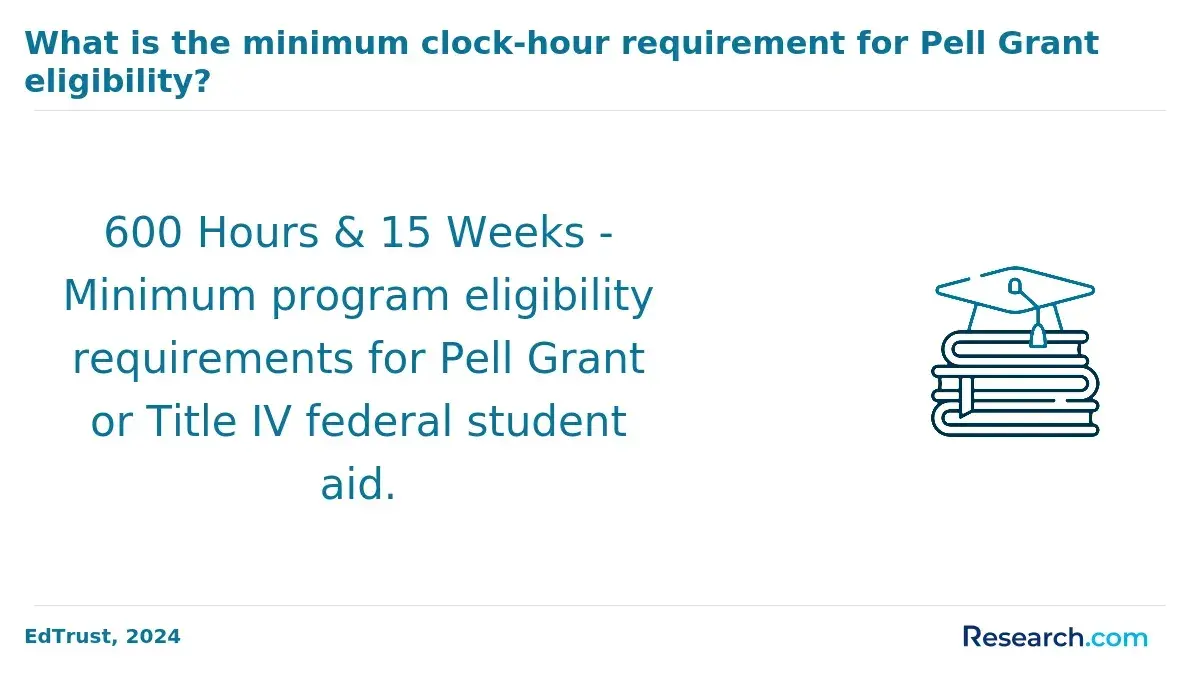
- Federal Aid Eligibility: Enrollment in an accredited program is usually mandatory to access Title IV funding, such as Pell Grants and Direct Loans. Without accreditation, students commonly cannot receive these critical sources of federal financial assistance.
- State and Military Benefits: Many state tuition assistance programs and military education benefits require attendance at accredited institutions. Lack of accreditation can disqualify students from these valuable financial supports.
- Institutional Scholarships: Colleges and universities often limit scholarships and grants to students enrolled in accredited programs. This restriction can significantly affect a student's total educational expenses.
- Financial Risk: Attending a nonaccredited medical assisting program increases the likelihood of bearing full costs out-of-pocket, which may raise debt burden and affect licensure or employment prospects.
How Does Program Accreditation Influence Employability in Medical Assisting Fields?
Accreditation is a critical consideration for students evaluating their career prospects and job market credibility in medical assisting fields. Approximately 85% of employers prefer to hire graduates from accredited programs, highlighting the importance of recognized educational standards. The following points outline key ways program accreditation influences employability.
- Employer Recognition: Accredited programs meet established quality standards, assuring employers that graduates possess the foundational knowledge and skills necessary for clinical roles. This preference for accredited graduates enhances hiring opportunities and supports workforce reliability.
- Professional Credibility: Graduates from accredited medical assisting programs are viewed as more competent and well-prepared. This fosters trust with both employers and patients, increasing candidates' appeal and integration into healthcare settings.
- Certification Eligibility: Many credentialing organizations require completion of an accredited program before candidates can sit for advanced certifications and licensure exams. This requirement expands job prospects and is often linked to higher earning potential.
- Competitive Advantage: Accreditation signals standardized training, reducing employers' risk when hiring and streamlining recruitment processes. Students verifying accreditation status thus gain a distinct edge in the competitive job market for medical assisting roles.
Choosing a program with verified accreditation also impacts financial aid eligibility and affordability, which contributes to long-term career success. For students exploring nursing programs online or related healthcare fields, confirming accreditation status remains essential for securing both quality education and career opportunities.
Do Graduates From Accredited Medical Assisting Programs Earn Higher Salaries?
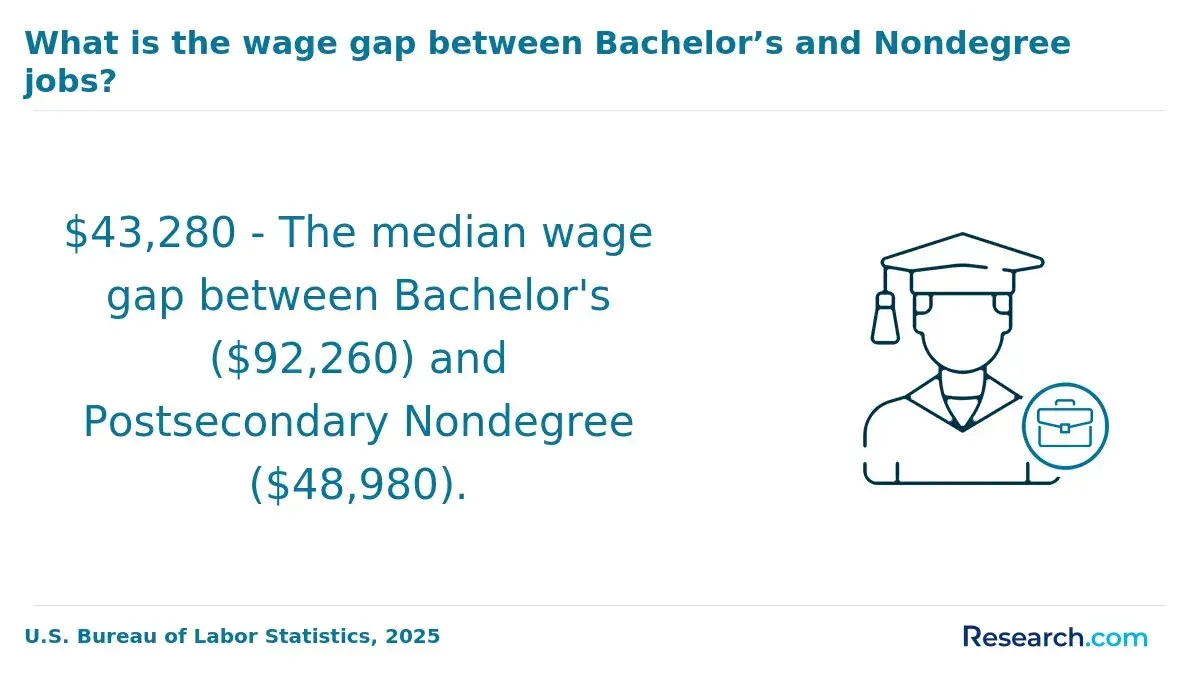
Accreditation can significantly influence earnings potential for medical assisting graduates by ensuring the quality and credibility of their education. Data shows that average salaries for accredited medical assisting graduates range from $32,000 to $38,000 annually, while those from non-accredited programs typically earn between $28,000 and $32,000. Several key factors explain these differences.
- Employer Preference: Employers often prioritize candidates from accredited programs because their training meets verified professional standards, which minimizes hiring risks and increases trust in their competencies.
- Higher-Level Positions: Graduates of accredited programs are more likely to qualify for advanced medical assisting roles that offer better pay and greater responsibilities, reflecting their enhanced skills and knowledge.
- Industry Recognition: Accreditation aligns with eligibility for certifications recognized throughout the healthcare industry, which frequently lead to improved compensation and job security.
- Career Advancement: Accreditation supports long-term professional growth by opening pathways to specialized roles and leadership positions within medical settings, thereby increasing earning potential over time.
Graduates weighing the impact of medical assisting program accreditation on earnings should recognize that the benefits extend beyond initial salary, fostering sustained career development. Those interested might also explore related healthcare education options, such as the cheapest DNP programs online, to further enhance their credentials and marketability.
What Graduates Say About Their Accredited Medical Assisting Degree
- Frank: "I was really excited to start my medical assisting journey, but I quickly realized how important accreditation was when choosing a program. I researched thoroughly, checking accrediting bodies and reading up on what sets accredited programs apart. Graduating from an accredited school has opened doors for me professionally and given me confidence in my skills."
- Serena: " Understanding accreditation was a crucial step before enrolling in my medical assisting program. I took the time to verify the program's credentials through official accreditation agencies and compared several institutions. Reflecting back, completing an accredited degree truly enhanced my credibility and helped me advance smoothly in my healthcare career. "
- Luis: "The significance of accreditation didn't really hit me until I started applying for jobs after graduation. To ensure my program was legitimate, I followed a checklist of steps, including checking with national accreditation boards and confirming the school's status online. Now, I can say that earning my accredited medical assisting degree gave me a professional edge that employers respect. "
Other Things You Should Know About Medical Assisting Degrees
State regulations can determine specific accreditation requirements for medical assisting programs, affecting curriculum and clinical training standards. In 2027, check your state’s Department of Education and the accrediting body to ensure a program meets both federal and state criteria.
In 2027, verifying the accreditation of a medical assisting program involves checking the program's accreditation status with recognized accrediting bodies like the Commission on Accreditation of Allied Health Education Programs (CAAHEP) or the Accrediting Bureau of Health Education Schools (ABHES). You can confirm this through the accreditor's official website.
Medical assisting programs usually undergo accreditation renewal every five to seven years, depending on the accrediting agency. During this period, they must submit detailed reports and undergo site visits to demonstrate continued compliance with education and training standards set by the accreditor.
References
- Why Educational Accreditation is important — https://www.nysmda.com/ https://www.nysmda.com/accreditation-what-it-means-and-why-it-matters-for-medical-assistant-and-dental-assistant-students
- Verify Certification Status https://www.americanalliedhealth.com/verify
- The Complete Guide to Accredited Medical Assistant Programs https://www.stepful.com/post/accredited-medical-assistant-programs
- Medical Assistant Certification Options | Hunter Business School https://hunterbusinessschool.edu/what-accreditation-is-best-for-medical-assisting/
- Online Medical Assisting Certification Programs - CAAHEP, ABHES https://www.medicaltechnologyschools.com/medical-assistant/online-certification-programs
- Medical Assistant Credentialing Explained https://ams-solutions.com/why-is-credentialing-important-for-medical-assistants/
- Medical Assistant Pros and Cons | Is It the Right Career for You? https://www.chcp.edu/blog/pros-and-cons-becoming-a-medical-assistant/
- CAAHEP | Find An Accredited Program https://www.caahep.org/students/find-an-accredited-program
- Why Accreditation Matters in Medical Assistant Programs https://www.clinicalskillsinstitute.com/post/why-accreditation-matters-in-medical-assistant-programs
- How Accreditation Impacts Your Medical Assistant Training https://www.athenacareers.edu/how-accreditation-impacts-your-medical-assistant-training/


