
2027 How to Compare Public Relations Degree Programs Effectively

Co-Founder and Chief Data Scientist
Students often struggle to select the right public relations degree program amid varied curricula, costs, and career support options. With the public relations workforce projected to grow by 13% through 2032-faster than average for other occupations-choosing a program aligned with industry demands is crucial. Many programs differ in experiential learning opportunities, faculty expertise, and networking potential, making direct comparison difficult. This article explores key factors such as curriculum relevance, internship access, and graduate outcomes to help prospective students evaluate public relations degree programs effectively and align choices with their professional goals and circumstances.
Key Benefits of Comparing Public Relations Degree Programs Effectively
- Accreditation from recognized bodies ensures program credibility and affects eligibility for certain certifications or advanced study opportunities in public relations.
- Curriculum alignment with career goals and specializations, such as digital PR or crisis communication, supports relevant skill development and employability.
- Evaluating cost against average industry salaries helps assess return on investment, while flexible scheduling accommodates working students or professionals transitioning careers.
What Types of Accreditation Should a Public Relations Degree Program Have?
Accreditation helps prospective students compare the quality, credibility, and long-term value of public relations degree programs by ensuring educational standards are met. According to the National Center for Education Statistics, graduates from accredited institutions are significantly more likely to secure employment within six months than those from nonaccredited schools. This makes understanding accreditation standards for public relations degree programs crucial when assessing options. Key types of accreditation to consider include:
- Regional Accreditation: This accreditation applies to the entire institution and is the most recognized in the U.S. It guarantees overall educational quality, facilitates credit transfer, and often affects eligibility for federal financial aid, which is essential for students balancing education with work or other commitments.
- Programmatic Accreditation: Focused on communication and public relations degrees, bodies like the Accrediting Council on Education in Journalism and Mass Communications (ACEJMC) evaluate curriculum rigor and relevance. This accreditation signals to employers that graduates meet industry-specific standards, enhancing job prospects and preparation for professional certifications.
Both regional accreditation requirements for public relations degrees and programmatic accreditation influence financial aid, credit transferability, and employer trust. For students exploring flexible learning options, such as those seeking an AI degree online, verification of accreditation ensures their investment leads to recognized credentials and meaningful career opportunities.
What Specializations Are Offered in Public Relations Degree Programs?
Specializations in public relations degree programs enable students to focus their education on areas that align closely with their career ambitions and academic interests. Studies reveal that 45% of PR professionals with specialized skills experience higher demand within niche markets, highlighting the value of selecting tailored tracks. These specialized tracks in public relations degree programs help students compare options more effectively to meet industry needs. The following list outlines some common specializations offered:
- Crisis Communication: This specialization trains students to manage sensitive situations and protect organizational reputation through strategic messaging. It develops skills in risk assessment and swift response, which are crucial for careers in high-pressure PR roles.
- Media Relations: Focused on managing relationships with news outlets and journalists, this track helps students learn how to secure positive coverage and maintain effective communication channels. Careers often involve serving as a liaison between organizations and the media.
- Corporate Communication: Emphasizing internal and external messaging strategies, this area prepares students to shape corporate identity and culture. It benefits those aiming for roles related to employee communication or brand management.
- Digital and Social Media: Students gain expertise in online engagement, analytics, and content creation, equipping them for roles in social media management and digital marketing. This specialization reflects growing employer demand for digital-savvy PR professionals.
- Event Management: This track develops skills in planning, promoting, and executing events, helping students enter careers that involve brand activation and public outreach. It enhances organizational and multitasking abilities vital to the PR field.
Prospective students evaluating public relations program specializations offered should also consider their scheduling and program format needs, as some may seek accelerated options like a fastest online psychology degree to complement or support their broader educational goals.
How Can You Compare Courses Across Public Relations Degree Programs?
Comparing courses is essential for prospective students to evaluate program rigor, skill development, and alignment with career goals in public relations degree programs. A 2022 national survey found programs with comprehensive curricula have a 15% higher course completion rate, reflecting stronger student engagement and support. These factors help students identify which programs best prepare them for the workforce. Practical strategies for comparing courses include:
- Reviewing Course Syllabi: Examine syllabi and course descriptions to assess the depth and relevance of topics covered. This ensures the curriculum includes current industry practices and practical skills necessary for public relations careers.
- Evaluating Credit Hours: Consider credit hours and course sequencing to understand time commitment and how foundational courses lead to advanced knowledge. This clarifies workload and skill progression in the program.
- Assessing Experiential Learning: Look for courses offering internships, simulations, or case studies. These opportunities enhance practical experience, which is critical for job readiness.
- Comparing Faculty Qualifications: Faculty expertise and industry experience often influence course quality and relevance. Skilled instructors typically design courses that reflect up-to-date professional standards.
- Examining Student Outcomes: Investigate alumni success and employment rates to gauge how well courses prepare students for their careers. This aligns with the criteria to compare public relations degree programs effectively.
For further insights on affordable degree options in related fields, consider exploring MLIS, which highlights cost-effective pathways in higher education.
What Scheduling Options Are Available in Public Relations Degree Programs?
Flexible scheduling plays a key role for students choosing public relations degree programs, as it helps accommodate various personal and professional commitments. Below are some common scheduling options and how they can fit different lifestyles and goals.
- Full-Time On-Campus: Traditional daytime classes provide structured learning with direct interaction, ideal for students who can dedicate their schedule primarily to studies without significant outside obligations.
- Part-Time Enrollment: Extending the length of study while reducing weekly coursework, part-time options help students balance education with work, family, or other responsibilities, minimizing burnout risks.
- Evening and Weekend Classes: These formats cater to working individuals by offering courses outside typical business hours, making it easier to maintain employment while progressing through the degree.
- Online Programs: Often asynchronous, online courses grant students the freedom to access lectures and complete assignments at their convenience, providing maximum flexibility for those with unpredictable schedules.
- Hybrid Formats: Combining in-person and virtual learning, hybrid programs offer a balanced approach, delivering personal interaction alongside the adaptability of online study.
Choosing the right scheduling option not only supports a manageable work-life balance but can also influence tuition costs and the overall pace of degree completion. Evaluating these formats helps students select programs that best align with their time availability and career objectives.
What Are the Pros and Cons of Online vs Campus-Based Public Relations Degrees?
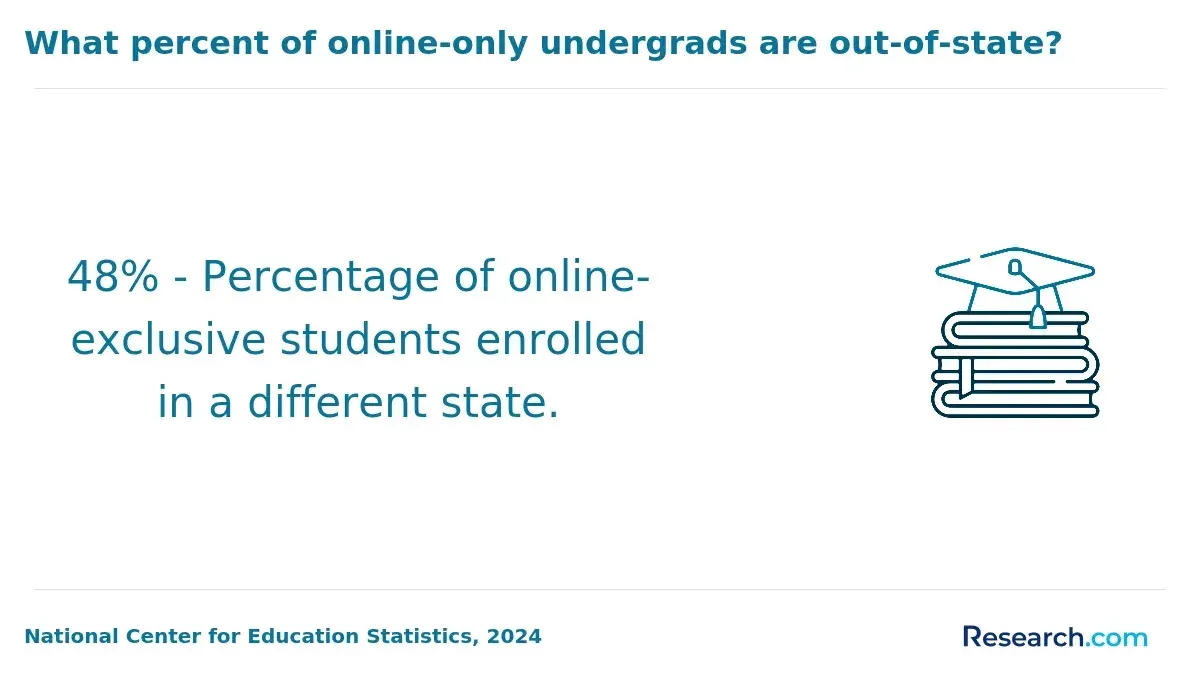
Choosing the right delivery format for a public relations degree is vital, as it affects flexibility, networking, and practical experience. Over 40% of U.S. undergraduates take at least one online course, reflecting the increasing shift toward digital learning. Below is a comparison of online and campus-based programs.
Online Public Relations Degrees
- Flexibility: Online courses offer adaptable schedules, enabling students to balance education with work or personal commitments without geographic restrictions.
- Resource Access: Students often benefit from a wider variety of instructors and digital materials that aren't limited by location.
- Networking Limitations: Reduced face-to-face interactions can make building connections more difficult, which may affect career advancement opportunities.
- Motivation Challenges: Without in-person support, some learners find it harder to stay engaged and accountable throughout their studies.
Campus-Based Public Relations Degrees
- Hands-On Experience: On-campus programs provide direct involvement through internships, live projects, and immediate feedback crucial for skill development.
- Networking Opportunities: Regular interaction with peers and professionals helps foster relationships that can support career growth.
- Scheduling Constraints: Fixed class times may make it difficult to fit studies around work or personal life.
- Higher Costs: Expenses like commuting, housing, and campus fees can increase the overall financial burden.
When asked about his decision-making process, a graduate who completed an online public relations degree shared, "I spent weeks comparing programs, weighing flexibility against the potential lack of direct networking. It was stressful trying to predict how I'd stay motivated without on-campus support." He added that participating in online discussion boards and virtual meetups helped somewhat but couldn't fully replace face-to-face connection. "Choosing online meant sacrificing some campus experience but gaining the chance to work full-time, which was a major factor for me." His experience underscores how personal priorities deeply influence the pros and cons of each path.
How Do GPA Requirements Vary Among Public Relations Degree Programs?
GPA requirements are a key differentiator when evaluating public relations degree programs, as they reflect both the academic expectations and admissions rigor of each institution. Considering these standards helps prospective students find programs that match their academic records and career goals. The following points highlight important aspects of how GPA criteria vary among programs:
- Requirement Range: Minimum GPA standards typically fluctuate between 2.5 and 3.5, depending on the program's selectivity and academic focus. Some institutions maintain firm cutoffs, while others offer more leeway.
- Flexible Admissions: Many programs consider a candidate's professional experience or other strengths alongside GPA, allowing for exceptions where potential and motivation can compensate for lower grades.
- Holistic Evaluation: GPA often represents just one part of the admissions review, which may also incorporate personal statements, recommendation letters, portfolios, and leadership roles to assess overall candidate quality.
- Program Level Differences: Undergraduate and graduate public relations programs frequently apply distinct GPA benchmarks, reflecting their varied academic demands and student populations.
- Transparency Variation: Clear communication of GPA requirements is not universal; reaching out to admissions departments can provide valuable insights that aren't readily available online.
By examining these factors, applicants can better discern which public relations programs align with their academic backgrounds and professional objectives, leading to more informed and strategic choices.
How Can You Compare Tuition Across Public Relations Degree Programs?
Comparing tuition is a vital step for students aiming to choose a public relations degree that fits their budget and career goals. In 2023, the average tuition and fees for in-state students at public four-year colleges reached $10,940, highlighting the importance of careful financial planning. Here are key factors to consider when comparing costs:
- Total Program Cost: This includes tuition, mandatory fees, and costs for textbooks or technology. Assessing the complete financial picture helps avoid unexpected expenses beyond the sticker price.
- Cost Per Credit: Programs vary widely in credit hour requirements. Comparing the price per credit offers clearer insight into affordability, especially when program lengths differ.
- Additional Fees: Beyond tuition, labs, activity, and administrative fees can substantially increase the overall expense. These often-overlooked charges should be accounted for upfront.
- Financial Aid Options: Scholarships, grants, and federal aid can dramatically reduce costs. Evaluating the availability and eligibility criteria for aid can make a program more accessible.
- Employer Tuition Benefits: Many students leverage tuition reimbursements or support from current employers. Understanding how these benefits apply to specific programs can enhance value.
- Long-Term Value: Cost is only one part of the equation; the quality of education and career support is critical to ensure a worthwhile return on investment.
When asked about her tuition comparison experience, a graduate shared that "initially, the numbers were overwhelming, especially trying to factor in hidden fees." She explained how she created a detailed spreadsheet listing all expenses and potential aid. "This helped me realize some programs with higher sticker prices actually cost less after scholarships and employer contributions." Reflecting on the process, she noted, "It wasn't just about finding the cheapest option, but the best balance of cost and career resources. That clarity made my decision feel informed and confident."
Does a Public Relations Degree Meet Licensure Requirements?
Licensure alignment is a key factor for students pursuing regulated professions or considering career shifts, as it affects eligibility for certifications and specialized roles. Approximately 25% of U.S. occupations require licensure or certification, underscoring its relevance in professional planning. Several aspects help compare public relations degree programs effectively:
- Curriculum Alignment: Evaluate whether the coursework reflects industry competencies and standards to ensure the program prepares students with relevant skills.
- Accreditation: Check if the program is accredited by recognized regional or specialized agencies, which supports educational quality but doesn't always guarantee eligibility for certification exams like the Accreditation in Public Relations (APR).
- State Requirements: Public relations typically lacks formal licensure by state, so understanding local regulations is important mainly for fields with licensing mandates.
- Supervised Experience: Consider programs offering practicum or internship opportunities that provide hands-on experience and professional networking advantages.
- Exam Eligibility: Review if the curriculum prepares students to sit for professional certification exams, enhancing career credentials and marketability.
Which Public Relations Programs Have the Best Career Placement Rates?
Career placement rates are a crucial measure when comparing public relations degree programs as they indicate how successfully a program prepares students for employment. According to a survey by the National Association of Colleges and Employers, graduates from top programs report employment rates exceeding 85% within six months of graduation. These numbers underscore the value of assessing a program's real-world effectiveness. Consider factors like:
- Employer Partnerships: Examine how well a program connects students with local and national businesses for internship and job opportunities. Strong partnerships help create a direct link from classroom learning to industry experience.
- Internship Pipelines: Look for programs with a consistent flow of internship placements. These practical experiences are often pivotal in securing permanent roles after graduation and enhance the value of your education.
- Alumni Outcomes: Research the career trajectories of past graduates, including job titles and sectors they enter. This insight offers clues about the program's reputation and its alignment with your career goals.
- Support Services: Consider services such as career counseling, resume workshops, networking events, and interview preparation. These resources significantly boost job readiness and placement success.
Those exploring the best public relations programs for job placement success should also review published career outcome reports or online dashboards provided by universities. Additionally, students seeking flexibility might explore an online bachelor's degree option, which can offer accelerated paths without compromising career support. These insights aid prospective students in identifying public relations degree programs with highest career placement rates that best fit their needs.
How Do Salaries Compare Across Public Relations Degree Program Graduates?
Post-graduation salary outcomes are a key metric for students comparing public relations degree programs because they reflect potential return on investment and career trajectory in this competitive field. Recent data shows that entry-level public relations specialists in the U.S. earn between $45,000 and $55,000 annually, while the median annual wage is $62,800 according to the U.S. Bureau of Labor Statistics as of 2023. Here are factors influencing salary variation among graduates:
- Role Variation: Job titles such as public relations specialist, communications manager, and public affairs director come with distinct pay scales. Specialist roles start lower, while managerial and director positions command higher salaries reflecting increased responsibility.
- Industry Impact: Graduates working in corporate communications or technology sectors generally receive higher compensation compared to those in nonprofit or government positions, driven by differing budget allocations and market demand.
- Location Differences: Salaries in major metropolitan areas like New York and San Francisco tend to exceed those in smaller cities or rural regions, correlating with cost-of-living factors and concentrated industry hubs.
- Experience Level: Entry-level salaries provide foundational earnings, but mid-career and senior professionals benefit from premium wages linked to skills accumulation and leadership roles.
- Program Alumni Earnings: Comparing average earnings of public relations program alumni can help prospective students make more informed decisions about specialization and geographic flexibility to maximize career potential. To explore further educational paths that align with career goals, consider reviewing best online certificate programs.
What Graduates Say About Comparing Public Relations Degree Programs Effectively
- Hosef: "Before enrolling in a public relations degree program, I was torn between several career paths but found the average cost of attendance more reasonable compared to other communications fields. The decision to go with public relations felt like an investment in a versatile skill set that would really open doors. Since graduating, my career has accelerated with tangible opportunities in media outreach and corporate communications that I hadn't expected."
- Aries: "I chose a public relations degree program after careful reflection on budget constraints; the affordability of this path compared to marketing or journalism programs was a decisive factor. The financial commitment was manageable without sacrificing quality, which gave me the confidence to pursue my passion. Completing the degree has distinctly enhanced my professional credibility and helped me establish a network crucial for career growth."
- Timothy: "In weighing my options, cost was a major consideration since public relations programs tend to be more budget-friendly than many other disciplines in communications. Opting for a public relations degree allowed me to balance quality education with a reasonable tuition expense, which was essential for me. The career impact has been profound: I now hold a strategic role in my company that leverages the skills and knowledge only a dedicated public relations education could provide."
Other Things You Should Know About Public Relations Degrees
Look for programs that offer structured internship opportunities with reputable organizations where you can apply classroom knowledge in real-world settings. Practical experiences such as agency placements, media relations projects, or digital communications campaigns enhance your portfolio and increase job market readiness.
When comparing public relations degree programs in 2027, evaluate internship opportunities by looking for partnerships with top PR firms and a structured mentorship component. Consider if internships are integrated into the curriculum and if they offer hands-on experience, as practical application is crucial for skill development.
Access to resources like media labs, communications software, and guest lectures can enrich your education and skill set. Evaluate whether the program provides these tools and opportunities to stay current with industry technologies and trends.
References
- GPA Requirements for Online Master’s in Communication Programs (2.5, 2.75, 3.0 GPA) https://www.mastersincommunications.com/faqs/online-masters-in-communication-gpa-requirements
- Why Choose a Communication Degree with a PR concentration https://online.utsa.edu/blog-content/why-choose-a-communication-degree-with-a-public-relations-concentration/
- 2025 Public Relations, Advertising, and Applied Communication Tuition https://www.collegetuitioncompare.com/majors/09.0900/public-relations-advertising-and-applied-communication/
- Click or campus? Students weigh in on online vs. in-person classes https://lionsprideonline.com/campus-news/click-or-campus-students-weigh-in-on-online-vs-in-person-classes/
- Public Relations Program Sample Schedule https://journalism.uoregon.edu/academics/undergraduate-programs/public-relations/sample-schedules
- Why Majoring in Public Relations is the Best Choice for Your Career https://www.lemon8-app.com/@.korpo/7428453924494049797
- Online Vs On-Campus Learning: Which Mode Of Study Suits You Better? https://www.unicaf.org/online-university-vs-on-campus/
- APR https://www.calspra.org/apr/
- The Benefits of a Bachelor of Arts in Public Relations from William Paterson University https://online.wpunj.edu/degrees/undergraduate/bachelor-of-arts-public-relations/benefits-of-ba-in-public-relations/
- Public Relations undergraduate courses https://universitycompare.com/courses/degrees/undergraduate/public-relations


