
2027 How to Compare Reading & Literacy Degree Programs Effectively

Co-Founder and Chief Data Scientist
Choosing the right reading & literacy degree program can be overwhelming when faced with varying curriculum focus, program length, and delivery methods. Many prospective students struggle to distinguish which program best fits their career needs and financial situation. Recent data shows that employment for reading specialists is projected to grow 5% from 2022 to 2032, reflecting steady demand for expertise in literacy education. This article will guide readers through critical factors to consider, comparing program types, accreditation, and outcomes to make an informed decision that matches individual goals and circumstances.
Key Benefits of Comparing Reading & Literacy Degree Programs Effectively
- Verify program accreditation and institutional credibility to ensure quality education and eligibility for certifications that influence employability in reading & literacy fields.
- Assess curriculum alignment with career goals, focusing on specialization areas like dyslexia, bilingual education, or literacy technology integration.
- Consider total cost versus potential salary gains; flexible scheduling options can enhance affordability while supporting working students.
What Types of Accreditation Should a Reading & Literacy Degree Program Have?
Accreditation helps prospective students evaluate the quality, credibility, and long-term value of different reading & literacy degree programs. According to the U.S. Department of Education, graduates from accredited programs are significantly more likely to receive job offers and professional licensure.
Considering accreditation is essential for making informed decisions when comparing programs. Here are the main types of accreditation to look for:
- Regional Accreditation: This is the most widely respected institutional accreditation in the U.S., assessing the overall quality of a college or university. It ensures that programs meet high academic standards, supports credit transfer, enhances employer recognition, and affects financial aid eligibility.
- Programmatic Accreditation: Focused specifically on education programs, including reading & literacy, this accreditation evaluates curriculum quality and licensure preparation. Organizations such as the Council for Accreditation of Educator Preparation (CAEP) confirm that programs meet professional accreditation standards in reading and literacy education, which is crucial for licensing and career readiness.
For working professionals and career changers, selecting a program with both regional and programmatic accreditation ensures a degree that employers value and that meets licensing requirements.
Exploring accredited programs also helps in comparing financial aid opportunities. For those interested in related fields, exploring accredited MSW programs can provide additional career flexibility.
What Specializations Are Offered in Reading & Literacy Degree Programs?
Specializations within reading and literacy degree programs help students compare options by aligning academic focus with targeted career goals. According to the U.S. Bureau of Labor Statistics, employment for teachers specializing in reading and literacy is projected to grow 5% from 2022 to 2032, indicating a steady demand for skilled professionals in these areas.
These specialized reading and literacy education tracks offer students tailored paths to develop expertise in distinct roles. Common specializations include:
- Early Childhood Literacy: Emphasizes foundational reading skills for young learners, developing techniques suited for preschool and elementary education. This specialization prepares educators to foster literacy at critical early stages.
- Reading Intervention: Focuses on strategies for identifying and assisting students with reading difficulties, including dyslexia and other learning challenges. Graduates often work as specialists in schools or private practice.
- Multisensory Literacy Education: Utilizes multiple senses to improve literacy acquisition, often employed by specialists addressing diverse learning needs and enhancing engagement.
- Adult Literacy: Concentrates on instructional methods for adult learners improving reading skills, which supports workforce development and community education initiatives.
Choosing a specialization that complements your career objectives and skill preferences can clarify professional growth paths. For those also exploring counseling roles that interplay with educational settings, CACREP-accredited online counseling programs provide additional options to expand expertise beyond literacy instruction.
How Can You Compare Courses Across Reading & Literacy Degree Programs?
Comparing courses is essential for prospective students to evaluate program rigor, skill development, and alignment with career goals in reading & literacy degree programs. Studies indicate that programs with a 90% course completion rate tend to prepare graduates more effectively for literacy teaching and interventions.
To assess programs in terms of cost and accreditation of reading and literacy degrees, consider these key strategies:
- Review Course Syllabi: Examining detailed syllabi and descriptions provides insight into curriculum depth and the specific skills taught, helping you determine if the coursework aligns with your professional interests.
- Analyze Credit Hours and Workload: Understanding the expected time commitment aids in evaluating program intensity and balancing it with personal and financial obligations.
- Examine Practical Components: Look for courses offering hands-on experience like fieldwork or case studies, which are vital for applying theoretical knowledge to real literacy challenges.
- Check Certification Alignment: Ensure the curriculum prepares you for relevant professional certifications or meets essential education standards in your career path.
- Consider Student Outcomes: Reading testimonials and outcome reports can provide qualitative measures of how courses impact skills and employability.
Additionally, prospective students should explore marriage and family therapy online programs accredited to understand interdisciplinary opportunities and ensure their program choices offer recognized quality and value.
Breakdown of All 4-Year Online Title IV Institutions

What Scheduling Options Are Available in Reading & Literacy Degree Programs?
Flexible scheduling plays a crucial role for students comparing reading & literacy degree programs, especially those balancing careers, family, or other responsibilities. Different options accommodate diverse lifestyles and make continuing education more achievable.
Below are some common scheduling formats to consider:
- Full-Time and Part-Time: Programs often offer both full-time and part-time enrollment, allowing students to choose a pace that aligns with their availability and goals. Part-time options help those managing work or family commitments maintain steady progress.
- Evening and Weekend Classes: These classes provide alternatives to traditional daytime schedules, enabling working professionals to attend without disrupting their daily routines. This option increases accessibility for students needing outside-of-office hours.
- Online Asynchronous Courses: These allow students to complete coursework on their own schedules, offering maximum flexibility. Ideal for those who require self-paced study or cannot attend fixed class times.
- Hybrid Programs: Combining online lectures with periodic in-person sessions, hybrid models offer a balance between flexibility and face-to-face learning. This format supports interactive engagement while accommodating busy schedules.
What Are the Pros and Cons of Online vs Campus-Based Reading & Literacy Degrees?
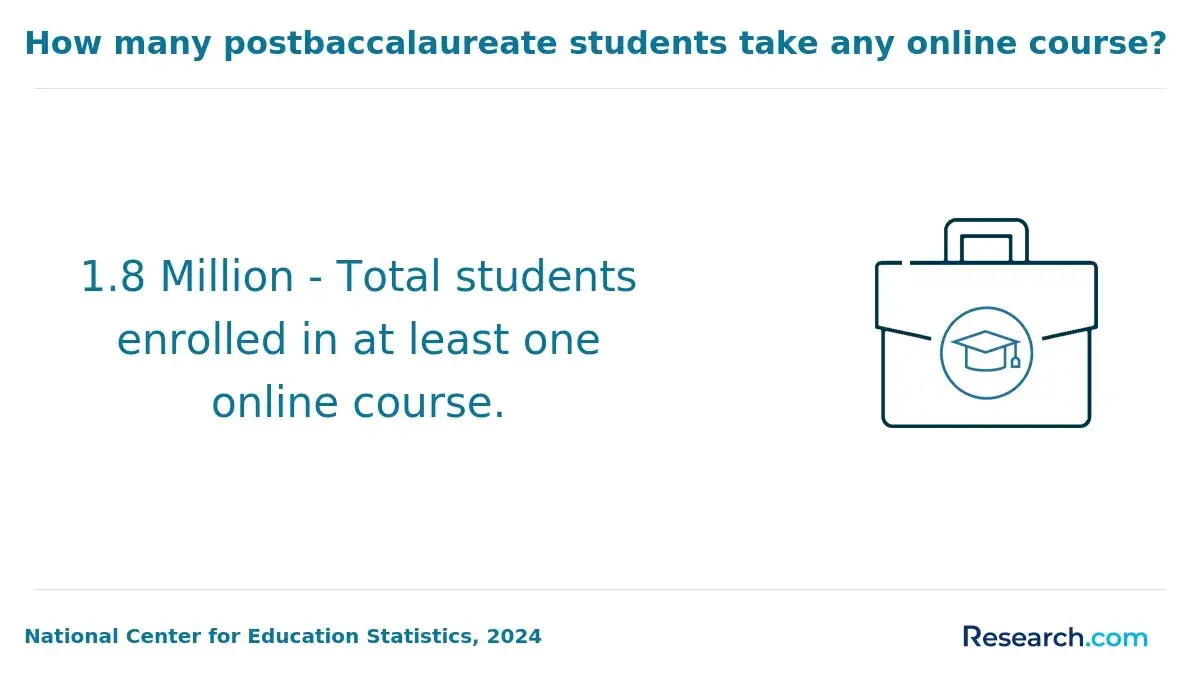
Choosing between online and campus-based reading & literacy degree programs can significantly affect a student's experience, flexibility, and career path. Recent data from the National Center for Education Statistics shows that over 40% of U.S. college students take at least one online course, reflecting the increasing popularity of virtual learning.
The following comparison explores key factors to consider.
Online Programs
- Scheduling Flexibility: Students can access classes anytime, making it easier to balance work, family, or other commitments without commuting.
- Networking Limitations: Face-to-face interaction is reduced, which may limit informal peer connections and immediate academic support.
- Learning Style Fit: Those who are self-motivated and comfortable with independent study often thrive in an online environment.
- Career Application: While practical experiences may be less direct, many programs offer virtual or local practicum options to satisfy fieldwork requirements.
Campus-Based Programs
- Structured Engagement: Fixed schedules and in-person classes provide a routine that can enhance focus and discipline.
- Rich Networking: Direct access to instructors and peers promotes collaboration and professional relationship-building.
- Interactive Learning: Social learning and immediate feedback often improve comprehension and skill development.
- Practicum Opportunities: Partnerships with local schools typically allow for more hands-on placements, boosting career readiness.
How Do GPA Requirements Vary Among Reading & Literacy Degree Programs?
GPA requirements play a crucial role when evaluating reading & literacy degree programs, as they often indicate the academic standards and competitiveness of each option. Below are key factors that highlight how these requirements can differ and affect admissions.
- Variation in Standards: GPA minimums typically range from about 2.5 to 3.0 on a 4.0 scale, but some programs require higher academic achievement to ensure selectivity and maintain program rigor.
- Flexibility Options: Certain programs may accept applicants with GPAs below their stated minimum if they bring strong professional experience or other strengths, offering a gateway through conditional acceptance or probationary enrollment.
- Holistic Admissions: Many programs weigh additional elements like recommendation letters, personal statements, work history, and test scores alongside GPA, taking a comprehensive view of candidates rather than relying solely on numerical thresholds.
- Program Philosophy: Some institutions emphasize strict GPA cutoffs to sustain academic excellence, while others adopt a more inclusive approach, recognizing diverse career backgrounds and potential beyond traditional metrics.
How Can You Compare Tuition Across Reading & Literacy Degree Programs?
Comparing tuition is vital for prospective students looking to manage education costs effectively. In fact, the average graduate tuition at public universities in the U.S. recently averaged $12,410 annually. To understand the financial impact, consider these key factors when evaluating reading & literacy degree programs:
- Total Program Cost: Look beyond tuition rates to include mandatory fees such as technology, lab, and registration fees. These additional charges can significantly alter the overall expense and vary by institution.
- Cost Per Credit: Calculating expenses based on credit hours helps account for programs with differing credit requirements, providing a clearer cost comparison.
- Financial Aid Availability: Explore scholarships, grants, and loans that reduce out-of-pocket costs. Availability and eligibility for aid can vary widely and influence the net price.
- Employer Tuition Benefits: Some students can leverage tuition reimbursement or assistance through their workplaces, which may lower actual expenses substantially.
- Long-Term Value: Higher tuition might be reasonable if the program improves career opportunities or licensure outcomes, offering better returns on investment.
Does a Reading & Literacy Degree Meet Licensure Requirements?
Licensure alignment is crucial for students seeking regulated careers or transitioning into education, as it determines eligibility for certification and professional practice. More than 80% of education-related jobs require state licensure, highlighting the need to carefully evaluate degree programs.
Consider these factors when comparing options:
- Curriculum Alignment: Verify that the program's coursework meets your state's licensure standards, including essential topics such as language development, assessment methods, and instructional strategies.
- Accreditation Standards: Ensure the degree is from an accredited institution recognized by state licensing boards, as this is often mandatory to qualify for certification exams.
- State-Specific Requirements: Different states mandate varying prerequisites, so confirm the program addresses local licensing criteria, including statutes and mandated content areas.
- Supervised Experience: Look for programs incorporating clinical practice or student teaching components, which provide essential hands-on training and fulfill practical licensure conditions.
- Exam Eligibility: Compare whether the degree prepares you to take required certification or licensure exams in your state, ensuring a seamless path to professional qualification.
Which Reading & Literacy Programs Have the Best Career Placement Rates?
Career placement rates offer important insight into the effectiveness of reading and literacy degree programs by showing the likelihood graduates will secure relevant employment soon after finishing their studies. About 85% of graduates from top reading and literacy education programs for job placement success find employment in their field within six months, reflecting strong industry alignment and thorough preparation.
Below are key factors students can consider when evaluating these programs:
- Employment Data: Programs that publish clear graduate employment statistics and time-to-employment figures give prospective students a transparent look at career outcomes. Reviewing this data can help gauge how well the program supports job placement.
- Employer Partnerships: Strong connections with educational organizations and employers often lead to internship pipelines and on-the-job training opportunities, which enhance real-world experience and networking prospects.
- Alumni Success: Tracking the career trajectories of program alumni offers insight into the long-term value and effectiveness of a degree. Graduates with stable, relevant positions indicate solid program reputation and support.
- Support Services: Dedicated career counseling, job placement assistance, and workshops on resume writing and interview skills contribute significantly to higher placement rates and student readiness for the workforce.
Prospective students should always consider how these aspects align with their goals and inquire about the extent of such services to ensure a good fit. Those looking to advance further might also explore options like a PhD organizational leadership to strengthen their credentials and leadership potential within education settings.
How Do Salaries Compare Across Reading & Literacy Degree Program Graduates?
Post-graduation salary outcomes are an important comparison metric for prospective students because they reflect the financial viability and career growth potential after completing a reading & literacy degree. The median annual wage for education, training, and library occupations, which includes many reading & literacy roles, was approximately $52,000 according to recent U.S. Bureau of Labor Statistics data.
Here are key salary considerations based on career salary outcomes in reading and literacy programs:
- Role Differences: Literacy specialists in public schools typically earn between $45,000 and $65,000 annually, while those in administrative or senior educator positions can earn over $75,000.
- Industry Variation: Graduates moving into curriculum development or educational consulting roles often command higher salaries, frequently exceeding $80,000, depending on the employer and region.
- Geographic Impact: Salaries tend to be higher in metropolitan areas where the cost of living is greater, though competition for jobs is also more intense. Rural areas may offer lower salaries but have the advantage of reduced living expenses.
- Experience Level: Entry-level positions start near the lower salary range, but experienced professionals can significantly increase earnings with additional responsibilities and specialized skills.
When researching programs, prospective students should also evaluate options for flexibility and affordability, including online colleges that accept FAFSA, to balance educational cost against expected salary outcomes.
What Graduates Say About Comparing Reading & Literacy Degree Programs Effectively
- Joryn: "Before I decided to pursue a reading & literacy degree, I was torn between several education programs but ultimately the affordable cost was a key factor-I learned that the average cost of attendance was significantly lower than other similar fields. Completing the program has truly accelerated my career, opening doors to specialized roles in literacy intervention that I hadn't thought possible. I couldn't be happier with the practical skills I gained."
- Arvox: "Choosing a path wasn't easy. I reflected on the return on investment deeply, especially since the average cost of attendance for a reading & literacy degree was more manageable compared to other majors in education. This decision has been pivotal; it allowed me to refine my teaching methods and take on leadership roles in curriculum development with confidence. It's been a professional transformation for me."
- Baylor: "Initially, I was enthusiastic about several degree options, but the cost of attendance for the reading & literacy program stood out as both reasonable and justified given the program's reputation. This program's completion has directly influenced my career progression, enabling me to work effectively with diverse learners and gain recognition as a literacy specialist. The balance of cost and career impact was exactly what I was looking for. "
Other Things You Should Know About Reading & Literacy Degrees
Faculty qualifications are crucial because experienced instructors can provide better guidance and mentorship. Look for programs with faculty who hold advanced degrees in reading & literacy or related fields and have practical experience in education or literacy research. Faculty with published research or active involvement in literacy organizations can enhance the academic environment.
In 2027, highly qualified faculty can enhance your learning experience by providing expertise and mentorship. Look for programs with faculty who have relevant research experience and active involvement in the literacy field, ensuring you gain insights from current industry practices.
In 2027, prioritize accreditation, faculty expertise, curriculum relevancy, and program flexibility. Ensure the program aligns with your career goals and that it offers robust support services, such as mentoring or job placement aid, to enhance your academic experience and future career prospects.
References
- Accredited University Programs | The Center for Effective Reading Instruction https://effectivereading.org/knowledge-and-practice-standards/accredited-university-programs/
- What do graduates do and earn? https://www.thecompleteuniversityguide.co.uk/student-advice/careers/what-do-graduates-do-and-earn
- The Pros and Cons of Online Learning vs. Traditional Education https://www.sophia.org/blog/higher-education/pros-cons-online-learning-vs-traditional-education/
- Master of Education in Curriculum & Instruction with a concentration in Reading Education https://onlinedegree.fgcu.edu/programs/med-ci-reading-education/
- Online vs. On-Campus: Which Mode of Learning Is Best for You? https://www.onlinemastersdegrees.org/student-resources/which-mode-of-learning-is-best/
- Reading and Literacy Degree Program Guide - Intelligent https://www.intelligent.com/best-online-masters-in-reading-and-literacy-degree-programs/degree-program-guide/
- Top 20 Most Affordable Online Master's In Reading https://www.collegechoice.net/education/reading-and-literacy/best-online-masters-degrees/
- Master of Education in Reading https://www.commonwealthu.edu/academics/programs/reading-med
- Becoming a Certified Literacy Teacher https://www.readingrockets.org/reading-101/reading-101-learning-modules/becoming-certified-literacy-teacher
- Kansas Educators: Fulfill Your Science of Reading Licensure Requirements https://keystoliteracy.com/kansas-science-of-reading-structured-literacy-licensure-requirements/


