
2027 Online vs On-Campus Reading & Literacy Degree Programs: Pros & Cons

Co-Founder and Chief Data Scientist
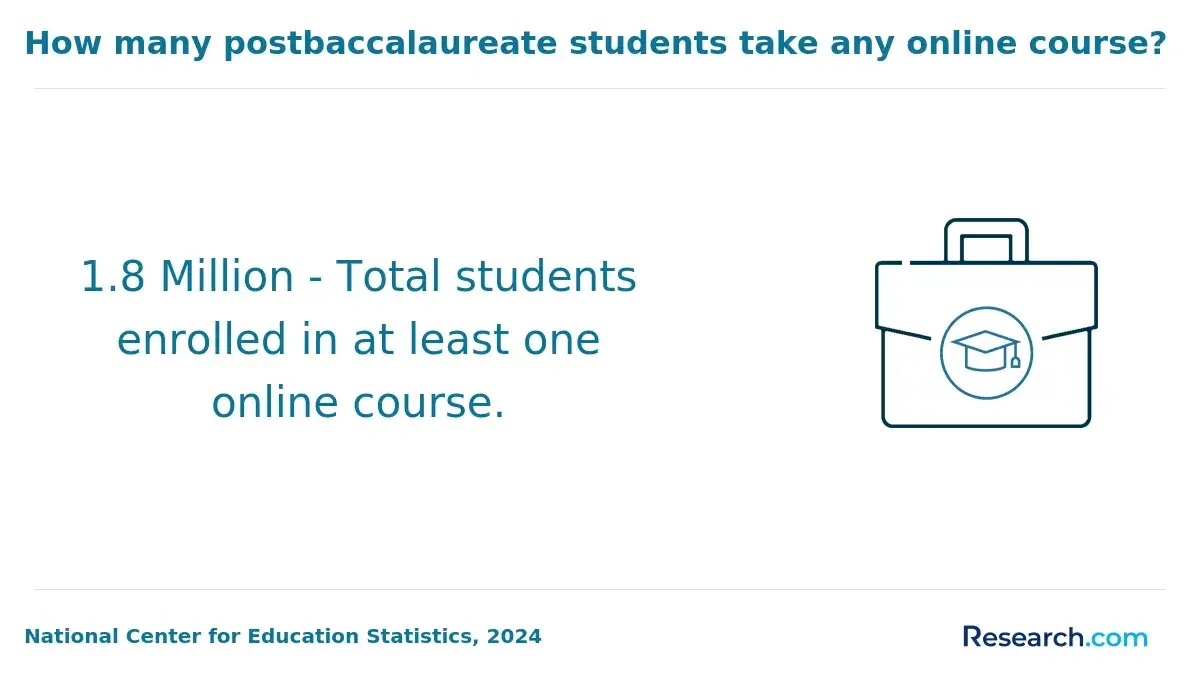
The rising popularity of online reading & literacy degrees reflects a significant shift in higher education, with recent data showing that over 40% of U.S. college students now enroll in at least one online course. This trend highlights the increasing appeal of flexible learning options. However, prospective students must weigh various factors before choosing between online and on-campus programs.
This article examines the advantages and drawbacks of each format, focusing on flexibility, cost, the quality of the learning experience, and potential career outcomes. Understanding these differences is essential for making an informed decision about the best path forward in reading & literacy education.
Key Benefits of Online vs On-Campus Reading & Literacy Degrees
- Online reading & literacy degree programs offer greater flexibility, allowing students to balance studies with work or family commitments, which is a primary reason 70% of online learners report higher satisfaction.
- Students in online programs can access a wider range of specialized courses not always available on campus, with 65% of accredited institutions expanding their digital offerings to include niche literacy topics.
- On-campus reading & literacy programs provide direct interaction with faculty and peers, fostering stronger networking opportunities and hands-on experiences that 80% of employers value in teaching candidates.
Are Online vs. On-Campus Reading & Literacy Programs Structured the Same Way?
The structure of online and on-campus reading & literacy degree programs differs mainly in course delivery, scheduling, and interaction methods. These differences significantly influence how students engage with the material, instructors, and classmates throughout their studies.
To better understand these distinctions, here is a comparison of key structural elements in both formats:
- Course Delivery: Online programs depend on web-based platforms featuring video lectures, discussion boards, and digital libraries, allowing students to access content remotely. On-campus programs deliver courses face-to-face through in-person lectures and group activities, often providing immediate access to physical resources.
- Class Schedules: Online learning typically offers asynchronous schedules, enabling students to complete coursework at their convenience and balance other commitments. In contrast, on-campus courses have fixed class times that require attendance at specific hours, supporting a consistent routine but less flexibility.
- Interaction and Collaboration: Students in online programs primarily engage via discussion boards and virtual projects, fostering written communication and digital collaboration. On-campus students experience real-time, face-to-face interactions, spontaneous discussions, and direct networking opportunities on campus.
- Cohort Experience: Online cohorts are often organized virtually, with students progressing through classes together to encourage community and collaboration. On-campus cohorts form naturally through regular in-person interactions, group work, and campus events.
- Use of Learning Resources: Online learners access extensive electronic libraries and digital tools integrated into coursework. On-campus students benefit from both digital and physical resources such as campus libraries and labs, supporting hands-on experiences.
- Flexibility and Accessibility: Online programs offer high flexibility and accessibility from any location with internet access, ideal for students balancing work or family. On-campus programs require students to be on or near campus, which can limit accessibility for those with significant outside responsibilities.
Are Admission Requirements the Same for Online vs On-Campus Reading & Literacy Degree Programs?
Colleges and universities offering reading & literacy degrees maintain consistent academic standards for both online and on-campus formats, ensuring graduates are well-prepared for professional roles. However, differences emerge in how institutions evaluate an applicant's readiness for online learning, which can influence the admission process.
Here is a comparison of the most common admission requirements between online vs on-campus literacy degree admission requirements and how these affect candidate evaluation.
- Academic Qualifications: Both online and campus programs require a bachelor's degree from an accredited institution and typically a minimum GPA between 2.5 and 3.0. Some programs offer flexibility for lower GPAs if applicants present strong professional experience or other qualifications.
- Licensure and Experience: Many programs prefer applicants to have a valid teaching license and related professional experience, especially for reading specialist endorsement pathways. Nonetheless, some online programs may admit candidates without licensure if they demonstrate relevant life or work experience.
- Application Materials: Submission of official transcripts, letters of recommendation, a resume or CV, and a personal statement is standard for both formats. Online applicants might also need to provide a statement reflecting their readiness for self-directed or accelerated online learning, with online programs often showing greater flexibility toward non-traditional backgrounds.
- Standardized Tests: While GRE or MAT scores are less commonly required overall, some on-campus programs still ask for them, particularly for applicants with lower GPAs. Online formats tend to make these scores optional and emphasize a more holistic review process.
- International Requirements: Both delivery methods require proof of English proficiency such as TOEFL for international students. However, online programs might impose additional residency or visa-related restrictions.
For those exploring options, including accelerated options, it can be useful to look into best paying 6 month online certifications to complement literacy education or career advancement.
Do Online Reading & Literacy Students Receive the Same Academic Support as On-Campus Students?
Universities have expanded their academic support systems to ensure that online reading & literacy students receive resources and assistance comparable to those available to their on-campus peers. This aims to provide equitable access to essential services regardless of the learning format.
Below is a comparison of the main academic support services offered to both online and on-campus reading & literacy students:
- Tutoring Services: Both formats provide tutoring through one-on-one or group sessions. Online students access these via video conferencing or chat for flexible scheduling, while on-campus learners benefit from in-person centers that encourage immediate feedback and community connection.
- Academic Advising: Online students connect with advisors through email, phone, or video calls, ensuring personalized guidance on courses and degree planning. On-campus students have similar advising opportunities with face-to-face meetings supporting direct interaction.
- Library Access: Digital resources like e-books, journals, and databases are available to all students. Online learners receive remote access and virtual librarian support, whereas on-campus students also use physical collections and on-site help.
- Faculty Interaction: Communication occurs via email, discussion boards, and scheduled office hours in both formats. Online programs emphasize asynchronous interaction, supplemented by synchronous video meetings, while on-campus students have more immediate face-to-face engagement.
- Career Counseling: Career services for online students include virtual appointments, webinars, and digital tools supporting job preparation. On-campus students additionally access in-person networking events and employer visits to enhance employment opportunities.
How Long Does It Take to Complete an Online vs an On-Campus Reading & Literacy Degree?
The time required to complete a reading & literacy degree varies widely depending on the program delivery format, student pace, and scheduling flexibility. These factors significantly influence how quickly one can earn their degree, whether through an online or on-campus program.
To better understand these differences, here is a comparison of the average completion times for online and on-campus reading & literacy degree programs:
- Online reading & literacy degree: Online programs often cater to working professionals and offer both part-time and full-time options, allowing students to progress at their own pace. Typical completion times can be as short as one year for full-time students or extend to two or more years for part-time learners, with some accelerated tracks available. The asynchronous format supports flexibility, making it easier for students to integrate studies with other personal and work commitments.
- On-campus reading & literacy degree: Traditional on-campus programs usually adhere to a fixed academic calendar with scheduled class times, which typically results in a completion time of about 1.5 to 2 years for full-time students. Part-time attendance or balancing other responsibilities may lengthen this timeframe. While offering in-person support and networking opportunities, the structured schedule can limit the ability to accelerate the program.
Reflecting on these timeframes, a professional who pursued an online reading & literacy degree shared that completing his program took about two and a half years. He appreciated the freedom to balance coursework around his teaching schedule but acknowledged the challenge of staying disciplined without fixed class times.
"The flexibility was a double-edged sword," he explained, "because while I could work when I wanted, it also meant I had to be very self-motivated to keep up the pace." Despite occasional pauses during particularly busy work periods, he valued how the ability to adjust his course load helped him maintain progress without sacrificing quality.
Overall, his experience highlights that individual dedication and time management are key factors alongside program structure when estimating how long it takes to finish a reading & literacy degree online.
Are Online Reading & Literacy Programs Cheaper Than On-Campus Ones?
Tuition, fees, and other expenses for online reading & literacy programs are generally much lower than those for on-campus programs, making online options more affordable for many students. These cost differences, combined with reduced living and commuting expenses, contribute to significant savings with online degrees.
Below are several key cost factors that influence the total price of each learning format:
- Tuition and Fees: Online reading & literacy programs often charge considerably lower per-credit rates compared to on-campus programs at similar institutions. For instance, private nonprofit schools may charge about $1,748 per credit on campus but only around $519 for online credits. This results in total program costs ranging roughly from $19,764 to $31,644 for online master's degrees, which is significantly less expensive overall.
- Living Expenses: On-campus students incur additional costs for room and board, which online learners mostly avoid. With campus housing and meal plans typically costing about $744 more annually than usual living expenses, online students can save nearly $1,500 over a two-year master's program by studying remotely.
- Technology Costs: Although online students must invest in reliable computers and internet access, these expenses are relatively modest compared to tuition savings. Both formats require textbooks and materials, but online programs sometimes provide more affordable digital resources that further reduce costs.
- Financial Aid Availability: Students in both online and on-campus reading & literacy programs have access to similar financial aid options, including scholarships, grants, and loans. Additionally, many educators receive tuition assistance from employers regardless of program type, leveling the playing field financially across formats.
For those exploring affordable graduate education paths, discovering the easiest master degree to get or the average tuition for online reading & literacy programs in the US can provide valuable insights during program selection.
What Are the Financial Aid Options for Online vs On-Campus Reading & Literacy Programs?
Both online and on-campus students pursuing Reading & Literacy degrees in the United States may qualify for various forms of financial aid, though eligibility and accessibility can differ based on the program format and institution type.
The following outline compares the main financial aid options available for both online and on-campus reading & literacy students.
- Federal Financial Aid: Students enrolled in accredited online and on-campus Reading & Literacy programs can apply for federal aid by completing the FAFSA. While both formats are generally eligible for Pell Grants, Stafford Loans, and Federal Work-Study, online students must ensure their programs are recognized by the U.S. Department of Education to qualify.
- State Aid: Many states provide grants, scholarships, or loan forgiveness programs for teachers and literacy specialists that are accessible to both online and on-campus students. However, some state programs may require in-person components or limit eligibility to residents attending in-state schools, so students should check their state's specific requirements.
- Scholarships and Grants: Institutional and private scholarships and grants are offered for both formats, including many scholarships and grants for reading and literacy programs. Online programs are increasingly offering targeted scholarships for remote learners, especially for working professionals balancing education with employment.
- Employer Tuition Reimbursement: Numerous school districts and educational employers reimburse tuition for Reading & Literacy graduate study, often supporting both online and on-campus programs. Online degrees are especially attractive for working educators due to flexible scheduling, allowing them to maintain employment while advancing credentials.
- Private Student Loans: Students in both online and on-campus programs may access private loans to cover expenses not met by other aid. While creditworthiness is the primary criterion, some lenders require program accreditation and that the program leads to a recognized credential.
If you are interested in how financial considerations can align with career prospects, see what masters degree pays the most.
Are Online Reading & Literacy Programs as Credible as On-Campus Ones?
The credibility of both online and on-campus reading & literacy programs largely depends on accreditation, faculty qualifications, and curriculum standards.
Accredited institutions, such as those recognized by the Council for the Accreditation of Educator Preparation (CAEP) or the International Literacy Association, ensure their programs meet rigorous academic and professional criteria regardless of delivery method.
Faculty members in both formats typically hold advanced degrees and possess relevant teaching experience, maintaining consistency in instructional quality.
Furthermore, curricula align with state certification requirements and national standards, often incorporating practicum components to provide hands-on experience.
These elements collectively guarantee that students receive a comprehensive education supported by academic resources and dedicated staff, whether studying online or on campus.
When considering employer and licensing body perceptions, the gap between online and on-campus reading & literacy degrees has significantly diminished. Recent trends reveal that the emphasis lies primarily on whether degrees come from accredited programs rather than their mode of delivery.
Many online programs directly fulfill state reading specialist certification requirements, including practicums and examinations, making their graduates equally qualified. Salary and career advancement opportunities appear to be comparable for both online and on-campus graduates, provided the program's accreditation is upheld.
Additionally, advancements in virtual learning technology-such as interactive practicum experiences, real-time collaboration tools, and partnerships with educational institutions-continue to enhance the flexibility and reputation of online reading & literacy education, making it a viable option for working professionals seeking quality credentials.
Do Employers Prefer Online vs On-Campus Reading & Literacy Degrees?
Employers today generally regard online and on-campus reading & literacy degrees as comparable credentials, particularly when these degrees come from accredited and reputable universities.
Research indicates that 83% of human resource professionals worldwide consider accredited online degrees equivalent to traditional ones, while over 75% of organizations have hired graduates with online credentials in the past year. \
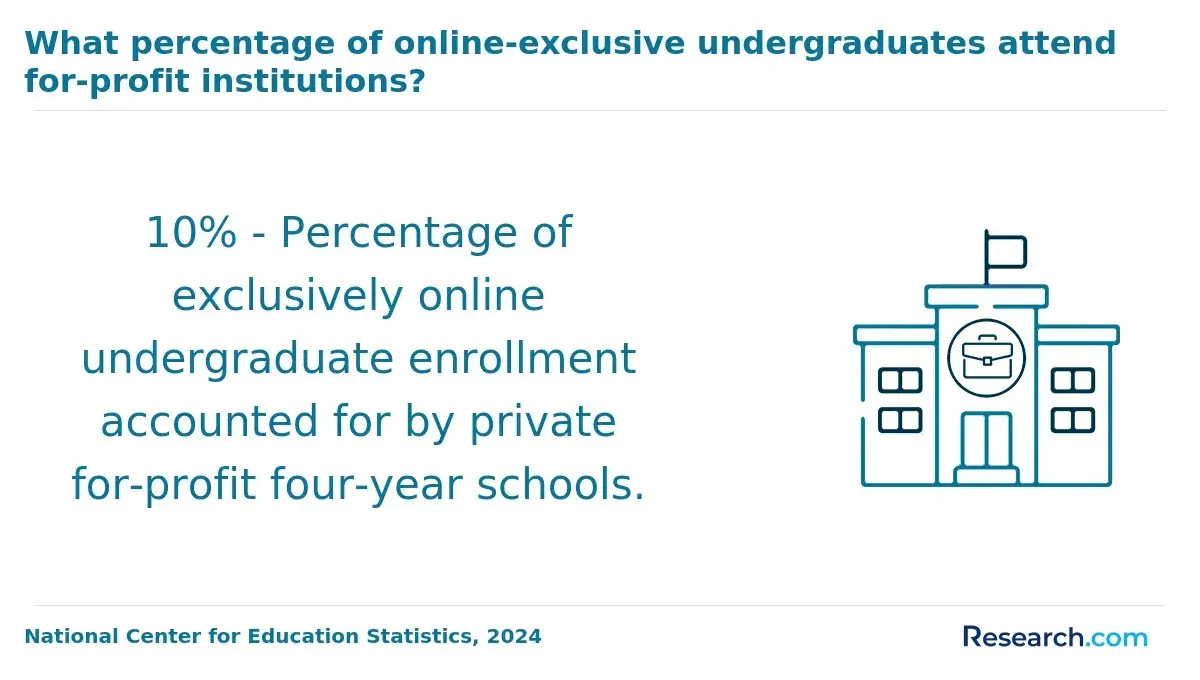
Nevertheless, some employers in the United States exhibit a slight preference for on-campus degrees, often citing concerns about the rigor of online programs or skepticism toward purely online and for-profit institutions.
Despite these lingering perceptions, the difference in employer attitudes is shrinking steadily as universities continue to enhance the quality and credibility of their online offerings.
Ultimately, hiring decisions tend to hinge less on the mode of delivery and more on credentials such as university reputation, program accreditation, and the tangible skills candidates can demonstrate.
Surveys highlight that while employers are usually aware whether a degree was earned online or on-campus, their primary considerations include practical experience, communication skills, and relevant certifications or microcredentials.
The rise of remote and hybrid work environments has further validated online education by shining a light on qualities like self-motivation, adaptability, and technical proficiency that online learners often develop. Over 70% of organizations hired candidates with online degrees in the past 12 months, and 96% of online graduates reported positive employment outcomes.
As workplace norms evolve, the perceived gap between online and traditional Reading & Literacy degrees is likely to diminish even further, assuming programs maintain strong accreditation and academic rigor.
When I spoke with a professional who completed her reading & literacy degree entirely online, she shared how her experience shaped her career prospects. She noted that despite initial concerns about employer bias, her online degree opened doors because she could clearly articulate the practical skills and classroom strategies she had mastered.
"What really mattered to my employers was how I applied what I'd learned to real-world settings," she explained. She also highlighted the flexibility of her program, which allowed her to gain relevant work experience concurrently, strengthening her resume.
Her journey underscores how candidates who leverage the strengths of their online education and emphasize competencies can successfully navigate hiring landscapes traditionally dominated by on-campus graduates.
Do Online vs On-Campus Reading & Literacy Program Graduates Earn the Same Salaries?
Salary comparisons between online and on-campus reading & literacy program graduates are increasingly shaped by various factors other than the learning format itself. These factors play a more significant role in determining earning potential than the mode of program delivery.
Several key aspects determine salary outcomes for graduates regardless of whether they studied online or in person:
- Job title and position type: Salary varies widely based on the professional role. For example, reading specialists earn around $57,978 annually, while instructional coordinators can make about $74,620 per year. This variation overshadows differences between online and on-campus program graduates.
- Advanced degree credentials: Earning a master's degree generally increases salary prospects compared to bachelor-level qualifications. Public school teachers with master's degrees averaged $66,960 per year, with leadership roles like principals often surpassing six figures. Both online and on-campus graduates benefit equally from these advanced credentials.
- Geographic location and experience: Salaries fluctuate significantly depending on state and years of experience, with typical ranges between $38,000 and $65,910. There is no inherent geographic advantage favoring online or on-campus graduates, making location a crucial salary factor.
- Professional specialization: Specialized teaching roles command higher salaries, where ESL teachers earn an average of $60,560 annually and special education teachers around $65,910. This specialization drives salaries independently of program format.
For those considering where to study, exploring options like non profit accredited online colleges can also be a valuable step in aligning career goals with program flexibility and credibility.
How Do You Decide Whether an Online vs On-Campus Reading & Literacy Program Is Right for You?
Choosing between online and on-campus reading & literacy programs depends largely on your personal learning preferences, daily lifestyle, and long-term professional goals. Each format offers distinct advantages, so it is important to evaluate your unique situation carefully before making a choice.
Here are some factors to consider as you weigh your options for the best online reading and literacy degree programs:
- Learning style: Online programs typically benefit self-motivated learners who are comfortable with independent reading, writing, and managing their own study time. On the other hand, on-campus formats may be better suited for students who excel in interactive settings, prefer face-to-face feedback, and thrive within structured classroom environments.
- Flexibility needs: If your schedule requires adaptability, online reading & literacy degrees generally offer greater flexibility through asynchronous courses that allow you to study when it's convenient. In contrast, on-campus programs demand fixed class times and physical attendance, which can be challenging for those juggling work, family, or other responsibilities.
- Budget considerations: Online programs often cost less overall, as they reduce expenses related to commuting, housing, and campus fees. However, keep in mind that some on-campus programs may provide unique scholarships or assistantships not accessible to online students, which can affect total costs.
- Networking opportunities: On-campus programs typically facilitate stronger professional connections through direct interactions with faculty and peers, helping to build mentoring relationships. While online programs offer virtual networking, many students find these interactions less personal or harder to establish.
- Access to campus resources: Students attending on campus can benefit from immediate access to libraries, study groups, and academic support services. Although many online programs provide digital resources, the level of support and immediacy may vary significantly.
For those interested in exploring combined options, you may want to visit what colleges offer dual degree programs to find additional pathways that may align with your educational ambitions.
Here's What Graduates of Online vs On-Campus Reading & Literacy Programs Have to Say About Their Degree
- Ely: "Completing my reading & literacy degree online gave me the flexibility to balance work, family, and studies without feeling overwhelmed. The program's structure allowed me to tailor my learning pace, which made it easier to absorb complex teaching strategies and implement them right away. Now, as a certified reading specialist in my district, I'm proud to support diverse learners and contribute to their academic growth every day. The convenience of online learning empowered my career transition while maintaining my personal responsibilities. "
- Rico: "There's something truly transformative about studying reading & literacy on campus surrounded by passionate peers and faculty. The face-to-face interaction fueled my enthusiasm and deepened my understanding of literacy development through dynamic classroom discussions and hands-on experiences. This immersive environment prepared me exceptionally well to enter the education field confidently, and I cherish the lifelong connections I made. The community spirit on campus inspired me to become an advocate for literacy programs in underserved neighborhoods. "
- Gabby: "The hybrid reading & literacy degree offered the ideal blend of in-person engagement and online convenience. It challenged me to be self-disciplined while still benefiting from direct access to instructors and collaborative learning. This flexible approach prepared me for a variety of teaching environments and opened doors to leadership roles in curriculum design. My journey through the hybrid program refined my skills and boosted my confidence to make a lasting impact in both school and community settings. "
Other Things You Should Know About Online & On-Campus Reading & Literacy Degree Programs
In 2027, online reading & literacy programs often offer similar curricula to on-campus versions, supported by enhanced technology and interactive platforms. However, they may lack the immediate personal interaction and networking opportunities available in traditional campus settings, which some students find beneficial.
Yes, experiential learning differs between online and on-campus programs in 2027. On-campus programs often offer more direct engagement opportunities like in-person workshops, while online programs may rely on virtual simulations and discussions. These differences can influence hands-on skill development and peer interaction.
References
- Career Options with an M.Ed. in Literacy https://online.ewu.edu/degrees/education/med/reading-literacy/career-options-with-med-literacy/
- The Problem With Exclusively Online Degree Programs https://tcf.org/content/commentary/the-problem-with-exclusively-online-degree-programs/
- Reading and Literacy (MSEd/EdS) Requirements https://www.baypath.edu/academics/graduate-programs/reading-literacy-instruction-msed-eds/admissions-requirements/
- Learn How To Earn A Master's In Reading And Literacy Online https://www.learnhowtobecome.org/best-online-masters-in-reading-literacy-degree-programs/
- Admissions https://education.ufl.edu/reading-education/admissions/
- How to Decide Between an Online and On-Campus Education | Cornerstone University https://www.cornerstone.edu/blog-post/how-to-decide-between-an-online-and-on-campus-education/
- Online and on-campus colleges | University of Phoenix https://www.phoenix.edu/blog/cost-of-online-vs-traditional-college.html
- Teaching Online or On-Campus? – What Students Say About Desktop Videoconferencing https://www.scup.com/doi/10.18261/ISSN1891-943X-2013-01-02-06
- Literacy Education | Accelerated Online https://usm.maine.edu/academics/academic_programs/literacy-education-msed/
- Online or on-campus? Analysing the effects of financial education on student knowledge gain - ScienceDirect https://www.sciencedirect.com/science/article/pii/S0149718923000502


