
2027 Is a Reading & Literacy Online Degree Worth It?

Co-Founder and Chief Data Scientist
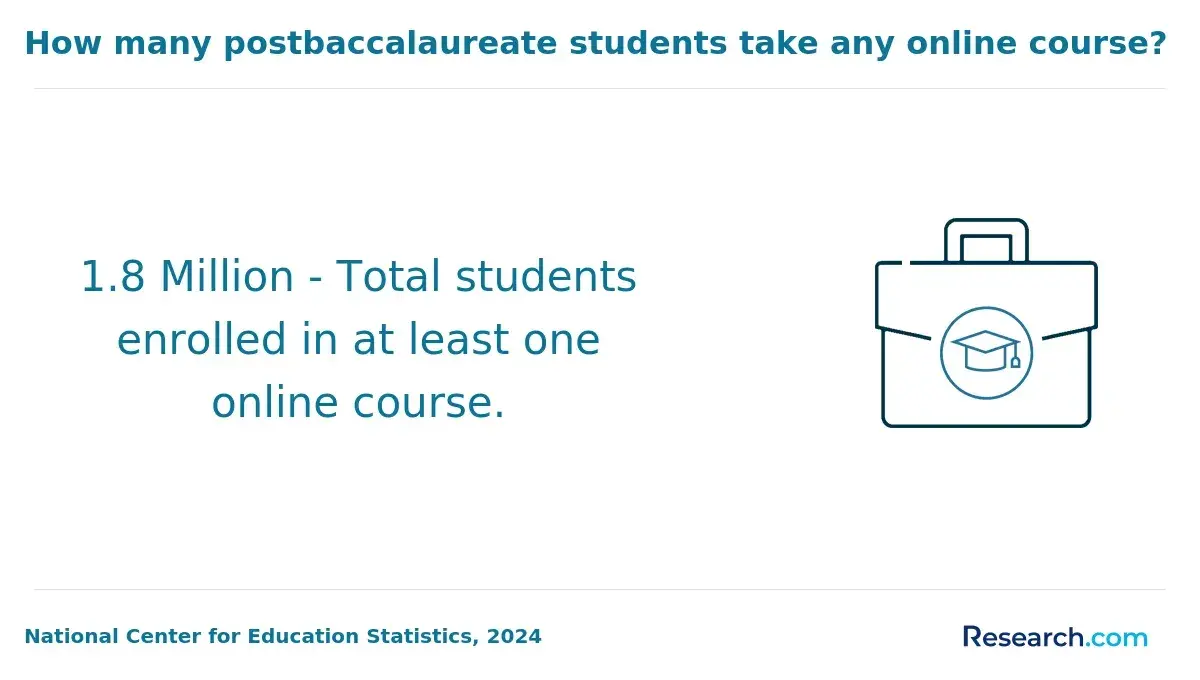
Online education has expanded rapidly, with over 40% of U.S. college students now taking at least one course online. Many prospective educators are considering an online reading & literacy degree as a flexible way to enter or advance in this vital field. This path can offer accessibility for those balancing work or family commitments while pursuing specialized training.
This article explores whether an online reading & literacy degree is worth it by examining key factors such as cost, program accreditation, job-market demand, and employer recognition. Understanding these elements can help students make informed decisions about investing time and money in their education and future careers.
Key Benefits of Online Reading & Literacy Degree
- Online reading & literacy programs offer flexible scheduling, allowing working adults and career changers to balance education with personal commitments efficiently.
- The degree aligns with growing demand for specialized literacy educators, supporting career advancement in schools and community programs focused on improving literacy rates.
- Research shows graduates often see long-term salary growth and increased job security, reflecting the practical value of accredited reading & literacy credentials.
Who should choose an online reading & literacy degree program?
Online learning has emerged as a practical alternative for many students by removing geographic limits and offering flexible scheduling. This adaptability makes it ideal for individuals balancing personal commitments and professional responsibilities.
Those considering an online reading & literacy degree often fall into several distinct groups who can particularly benefit from this mode of study.
- Certified teachers seeking specialization: Licensed K-12 educators aiming to enhance their expertise in literacy and reading comprehension find online programs well-suited to their schedules. These programs enable them to pursue certifications or leadership endorsements while continuing their classroom work.
- Educators working with diverse populations: Teachers serving students from varied backgrounds, including English Language Learners or those in Title I schools, gain access to tailored instructional strategies. The curriculum addresses specific language development needs pertinent to these learners.
- Career-focused professionals: Individuals interested in advancing into literacy leadership roles benefit from the flexibility of online learning. This format supports their goal to transition into positions such as literacy coaches or curriculum directors without interrupting their current employment.
What are the pros and cons of an online reading & literacy degree?
Online reading & literacy programs have surged in popularity as they offer busy educators and career changers the flexibility to advance their skills without disrupting their work or family lives. Many professionals choose online formats to balance their studies with teaching responsibilities, making it easier to pursue certification or specialization in literacy education.
Pros of an online reading & literacy degree
- Flexibility and convenience: Students can complete coursework on their own schedule, which is especially helpful for working teachers. According to BestColleges, 95% of online master's students say earning their degree had or will have a positive return on investment, highlighting the benefits of earning an online reading and literacy degree.
- Access to specialized programs: Many top universities offer online reading & literacy degrees with concentrations in areas like reading specialist certification or digital literacy. For example, Clemson University's program allows students to earn two additional literacy certifications alongside their master's degree.
- Lower costs and no commute: Online programs often cost less than on-campus options and eliminate travel expenses. The University of Georgia's online M.Ed. in reading education charges $411 per credit, making it a cost-effective option.
- Networking opportunities: Virtual classrooms connect students with peers and instructors nationwide, fostering collaboration and professional growth.
Cons of an online reading & literacy degree
- Limited hands-on experience: Some programs require in-person practicums or campus residencies, which can be challenging for remote students. For instance, Saint Joseph's University's online program includes a summer internship that may require travel.
- Self-discipline required: Online learning demands strong time management skills. Students must stay motivated without the structure of regular class attendance, reflecting common disadvantages of online reading literacy programs.
- Technology dependence: Reliable internet and access to digital tools are essential. Technical issues can disrupt learning, especially during synchronous coursework.
- Varied state certification requirements: Not all online programs meet certification standards in every state. Prospective students should verify that their chosen program aligns with their state's requirements for reading specialist endorsement.
For those interested in expedited options, exploring the fastest adult degree programs online can provide valuable insights into accelerated pathways that accommodate working professionals.
How do AI-enhanced virtual classrooms work in online reading & literacy programs?
AI technologies have become central to modern online education by making learning more personalized and interactive, especially for reading & literacy students. These advancements improve engagement and support by tailoring instruction to individual needs. Here is how AI-powered virtual classrooms enhance online Reading & Literacy programs.
- Personalized learning paths: AI adapts lesson pacing and content style-visual, auditory, or text-based-to match each student's preferences and skill level, boosting motivation and retention.
- Real-time feedback and assessment: Automated grading tools provide instant feedback on assignments, helping students learn from mistakes quickly and enabling teachers to identify who needs extra help.
- AI-powered virtual tutors: Intelligent tutors offer 24/7 assistance, answering questions and guiding struggling readers, which is essential for personalized reading instruction with virtual AI tutors.
- Collaboration and communication: Natural language processing tools enable captions, transcriptions, and chatbots, improving student-teacher interaction and supporting diverse learner needs.
- Engagement through gamification: Interactive quizzes, badges, and reading challenges motivate and make literacy learning enjoyable.
Recent studies show AI analytics increase student participation and reading mastery, making online reading & literacy programs more effective than ever. For those exploring options, what is the easiest associate degree to get online might be a helpful resource.
What technology do you need for an online reading & literacy degree?
Having the right technology setup is essential for success in modern online reading & literacy programs because nearly all instruction, collaboration, and assessments occur through digital platforms. Without up-to-date and reliable equipment, students may face challenges in participating fully and meeting course requirements.
Below is a list of key tools, equipment, and software students should prepare before enrolling to meet technology requirements for online reading and literacy programs.
- High-Speed Internet Connection: A stable broadband or DSL connection is critical for streaming lectures, engaging in live discussions, and uploading assignments. An unstable connection can disrupt learning and participation, which are vital for immersive online courses.
- Personal Computer (Mac or Windows): A desktop or laptop with current antivirus software is necessary to access course materials, run essential applications, and maintain digital security. Tablets may be supplemental but usually cannot replace a full computer for assignments or video conferencing.
- Webcam and Microphone: Required for synchronous video classes and presentations, these tools ensure clear communication with instructors and peers. For example, students might need to record themselves modeling reading strategies as part of assignments.
- Scanner: Helpful for digitizing handwritten notes, annotations, or instructional documents that must be submitted or shared online, facilitating seamless participation.
- Core Software: Programs like Microsoft Word and PowerPoint support creating essays and lesson plans, Adobe Reader allows accessing and annotating PDFs, and a Learning Management System (such as Canvas) acts as the hub for assignments and communication. Video conferencing tools like Zoom or Adobe Connect enable live interaction, while having a professional email account ensures formal communication.
- Digital Literacy Tools: Many programs incorporate platforms for digital reading instruction and multimodal composition - such as blogs, wikis, or multimedia presentations - highlighting the importance of essential computer and software for online literacy degree success.
A thoughtful technology setup minimizes disruptions and empowers students to engage fully with interactive, multimedia-rich content.
Those seeking the most affordable online college for associate's degree options in this field should consider these technology requirements carefully before enrolling.
How long does it take to finish an online reading & literacy in 2027?
Program length is a key consideration for prospective students, influencing how soon they can progress professionally or take on new roles. Timelines for completing online reading & literacy degrees vary widely depending on enrollment status, program design, and individual pacing. Below is a breakdown of typical completion durations for these programs.
- Full-Time Online Track: Designed for students who can dedicate significant time, these programs often allow completion in about one year. Accelerated formats, such as 8-week terms or credit for prior coursework, facilitate faster progress.
- Part-Time Enrollment: Many programs accommodate part-time students juggling work or family commitments, typically requiring 18 to 24 months to finish. Flexible scheduling helps customize course loads each semester.
- Flexible Pacing Options: Some universities offer multiple start dates yearly with a mix of synchronous and asynchronous courses, enabling students to adjust their workload. Transfer credits and professional obligations can either shorten or lengthen total completion time.
Can you work full-time while completing an online reading & literacy degree?
Balancing full-time work with online study is a common challenge for many prospective students, especially adults managing multiple responsibilities. Understanding the factors that influence this balance is crucial for success in a reading & literacy degree program.
Key considerations include:
- Program pacing: Choosing part-time options can help students progress steadily without sacrificing work commitments, often spreading coursework over several years.
- Asynchronous vs. synchronous courses: Asynchronous formats offer flexibility to complete assignments on personal schedules, while synchronous sessions demand attendance at fixed times, which may be more difficult to coordinate with a full-time job.
- Workload: Managing the number of courses per term is vital; starting with fewer classes can prevent overwhelm and promote sustainable progress.
- Employer support: Open communication with employers about educational goals often results in flexible work arrangements, easing time pressures.
- Personal time management: Setting daily study goals, maintaining detailed schedules, and using online academic resources help maintain focus and balance.
When asked about her experience working full-time while earning an online reading & literacy degree, one student reflected on the emotional and logistical demands. She described late nights spent reviewing coursework after long workdays and the initial stress of juggling deadlines with job duties.
Over time, developing strict routines and embracing small daily study sessions eased the burden, making her journey manageable and rewarding. "It wasn't easy," she said, "but knowing I was progressing even in small steps kept me motivated." This approach helped her maintain resilience and achieve her academic goals without sacrificing professional responsibilities.
How do online reading & literacy degree programs help with internships?
Internships and practicum experiences are essential in reading & literacy education as they provide practical training that bridges theory and real-world teaching. These experiences prepare students for effective instructional practice and professional growth. Online reading & literacy programs use several targeted approaches to help students secure and complete internships successfully:
- Remote supervision: Faculty observe and mentor students through video calls, giving personalized feedback without the need for onsite visits, making it convenient for those with other commitments.
- Digital training tools: Courses offer webinars, resources, and interactive modules that equip students with skills required for literacy interventions before entering the field.
- Placement partnerships: Universities coordinate with local schools and organizations to connect students with suitable practicum sites close to their communities.
- Networking and mentorship: Online platforms foster professional connections and peer support through virtual meetings and discussion forums, enhancing guidance throughout internships.
What is the average tuition cost of an online reading & literacy program?
Understanding the tuition costs of an online reading & literacy degree is essential for anyone planning to invest time and money into this graduate program. Knowing what expenses to expect helps students budget wisely and assess the overall value of their education. Below is a detailed summary of key tuition-related factors prospective students should consider:
- Average Tuition Per Year: The typical yearly tuition runs about $7,900, though total program costs can vary widely from roughly $9,100 to over $31,600 depending on the school and program length.
- Per-Credit Tuition: Tuition rates usually range from $235 to $880 per credit. For instance, some universities charge between $549 and $879 per credit, with programs requiring around 36 credits for graduation.
- Public vs. Private Institutions: Public schools often provide more affordable tuition, especially for in-state students, sometimes starting near $4,500 total. Private universities generally have higher, flat-rate tuition but may offer enhanced online learning resources.
- In-State vs. Out-of-State Rates: Many public institutions charge more for out-of-state learners, sometimes by hundreds of dollars per credit. A few schools apply a consistent online tuition rate regardless of residency.
- Additional Fees: Beyond tuition, expect to pay for technology access, application processing, and required materials, which can add between $1,000 and $2,000 or more.
Asked about the average tuition cost, a student pursuing an online reading & literacy degree shared how carefully budgeting was crucial. "I had to research scholarships and use the school's net price calculator to understand the real cost after aid," he explained.
While the sticker price was intimidating at first, he appreciated that many institutions offer financial assistance to reduce expenses. He recounted feeling both nervous and hopeful during the process, especially balancing work with coursework.
Ultimately, the investment felt worthwhile as the flexibility of an online program allowed him to progress steadily without pausing his career. "It's a challenge, but breaking down the costs and planning ahead made it manageable," he reflected, emphasizing that transparency in tuition helped him commit confidently.
What is the average salary for someone with an online reading & literacy degree in 2027?
Understanding the potential earnings with an online reading and literacy degree is crucial when evaluating whether to pursue such a program. Salary expectations can significantly impact your return on investment and career planning. The following key salary insights highlight various earnings levels and regional differences in this field.
- Average Entry-Level Salary: Entry-level literacy teachers typically start at around $43,000 annually according to recent data. These positions often align with the 25th percentile of earnings and reflect initial steps in the education profession.
- Mid-Career Salaries: The national average salary for literacy teachers rises to approximately $61,461 per year, with mid-career professionals often earning between $60,000 and $75,000. This range indicates growth as experience and credentials increase.
- Salary by Role: For reading specialists, the average base salary is about $59,374 in the United States. Those advancing to leadership roles such as literacy coaches can expect salaries near $75,050 annually, reflecting the added responsibilities involved.
- Regional Variations: Salaries vary significantly by location, with places like Nome, AK, and Berkeley, CA, reporting average salaries above $75,000 for literacy teachers. Notably, the reading specialist salary in New Jersey is competitive and can reflect local demand and cost of living factors.
- Career and Degree Impact: Graduates of online programs generally earn salaries comparable to traditional degree holders. However, obtaining advanced degrees or professional endorsements can further enhance earning potential and career prospects.
When researching programs, consider options from leading online colleges that offer quality curricula aligned with these salary trends. This ensures your education supports your financial and professional goals in the reading and literacy field.
Which industries hire graduates from online reading & literacy programs?
An online reading & literacy degree offers versatile career opportunities by preparing graduates for roles across multiple professional fields. This flexibility allows graduates to contribute their expertise in diverse settings that prioritize literacy development and instruction.
Below is an overview of leading industries hiring graduates with an online reading and literacy degree.
- Education: The primary employer of reading and literacy graduates is the K-12 education sector. Positions include literacy coaches, reading specialists, and interventionist teachers responsible for coordinating reading programs and supporting students with varied learning needs. Higher education also hires faculty to teach college-level literacy instruction and teacher preparation courses.
- Adult Education: Many reading and literacy professionals work in adult education programs focusing on non-native speakers and disadvantaged learners seeking improved literacy for job advancement, reflecting a growing demand in workforce development sectors.
- EdTech and Tutoring: The private sector increasingly recruits graduates for EdTech companies and tutoring platforms. These roles often involve delivering personalized, online instruction to students and developing innovative digital literacy programs, highlighting the relevance of online degrees in this technology-driven field.
- Publishing and Content Creation: Literacy content editors and curriculum developers are in demand to produce educational materials targeting early reading and writing skills. This sector leverages reading expertise to ensure the quality and accessibility of literacy resources.
- Government and Nonprofits: Agencies running adult literacy programs and assessment companies, such as Pearson, employ reading specialists to address community literacy needs and develop literacy evaluations. These roles often focus on underserved populations, reflecting social service priorities.
Given these varied career opportunities with an online reading and literacy degree, students interested in education and literacy can explore roles in multiple industries targeting improved literacy outcomes.
For those seeking additional pathways in education and certification, exploring high paying certification programs can further enhance employment prospects.
What Graduates of Online Reading & Literacy Programs Say About Their Degree
- Armando: "The online reading & literacy degree offered me the flexibility I needed to balance work and study at my own pace, which was invaluable. The program was comprehensive and affordable, especially compared to traditional routes, making it a smart investment in my career growth. Completing this degree opened up new opportunities for me as an educator, and I couldn't be happier with the experience."
- Damien: "Choosing an online reading & literacy degree was a thoughtful decision fueled by both affordability and quality of instruction. I appreciated how the curriculum was designed to be engaging yet self-directed, allowing me to deeply reflect on my teaching methods. This program truly reshaped my professional approach and brought a fresh perspective to my work in literacy development. "
- Aiden: "The cost of pursuing an online reading & literacy degree was surprisingly manageable, which made the decision easy for me. Beyond price, the real value came from the tailored learning experience-the balance of theory and practice suited my career goals perfectly. I now feel more confident and effective in supporting diverse learners, which has been incredibly rewarding. "
Other Things You Should Know About Reading & Literacy Degrees
In 2027, many online reading and literacy programs integrate practical teaching experiences through virtual classrooms, simulated teaching environments, and partnerships with local schools for in-person practica, ensuring students gain essential real-world experience alongside theoretical knowledge.
In 2027, online reading & literacy degree programs incorporate virtual teaching simulations and collaborations with local schools for in-person practicums. This combination allows students to gain practical experience while accommodating the flexibility of online education, ensuring they are well-equipped for real-world teaching scenarios.
In 2027, students pursuing an online reading & literacy degree can access federal financial aid, scholarships, and grants. Numerous universities also offer specific scholarships for online students, and potential state-based financial aid options may be available for residents pursuing higher education within their state.
References
- Firsthand Advice for Taking Online Classes While Working Full Time https://www.umassglobal.edu/blog-news/advice-for-taking-online-classes-while-working-full-time
- Master's in Reading and Literacy https://education.illinoisstate.edu/academics/teaching-and-learning/ms-reading-literacy/
- Digital reading: Pros and cons of reading on devices - tablets & e-readers – Teaching in Higher Ed https://teachinginhighered.com/2017/09/11/digital-reading/
- The advantages of online reading – academic and student perspectives https://makingdigitalhistory.co.uk/2022/07/05/the-advantages-of-online-reading-academic-and-student-perspectives/
- 4 Jobs for MSE in Reading Graduates https://degree.astate.edu/online-programs/education/master-of-science/reading-literacy/4-jobs-for-mse-in-reading-graduates/
- Literacy Education All Grades (Online) Master's Program at Fredonia https://www.fredonia.edu/academics/colleges-schools/college-education-health-sciences-human-services/program/literacy-education-all-grades
- ILA's Blog https://www.literacyworldwide.org/blog/literacy-now/2025/09/11/thoughtful-ai-use-in-literacy-instruction
- Strengths and Weaknesses of Online Learning https://www.uis.edu/ion/resources/tutorials/overview/strengths-weaknesses
- Internships & Jobs | HUG Reading Program https://www.hugreadingprogram.org/copy-of-internships-jobs
- Literacy Education, M.S.Ed. https://suny.oneonta.edu/academics/majors-programs/literacy-education


