2027 Is a Nutrition Online Degree Worth It?

Co-Founder and Chief Data Scientist
Online education has seen tremendous growth, with enrollment in digital degree programs rising by over 30% in recent years. Many students are considering an online nutrition degree due to its accessibility and the increasing demand for health-related professions. The nutrition field is expected to grow faster than average, reflecting greater public interest in wellness and prevention.
This article aims to help students evaluate whether an online nutrition degree is worth it by exploring important aspects such as cost, flexibility, program accreditation, job-market trends, and how employers perceive online credentials. Understanding these factors can guide prospective students in making informed decisions about their education and career paths.
Key Benefits of Online Nutrition Degree
- Online nutrition degrees offer flexible schedules, enabling working professionals and non-traditional students to balance education with personal and career commitments effectively.
- Programs often emphasize practical knowledge aligned with growing job markets, including dietitian roles expected to grow 7% from 2024 to 2034, according to the Bureau of Labor Statistics.
- Accredited online degrees provide foundational science and clinical skills, supporting long-term career advancement or graduate study in health-related fields.
Who should choose an online nutrition degree program?
Online learning has become an increasingly popular option due to its convenience and the ability to accommodate diverse lifestyles. Its flexibility makes it an attractive choice for individuals juggling different personal and professional responsibilities. The following groups find online nutrition degree programs particularly well-suited to their needs:
- Working Professionals: Those employed in healthcare, fitness, or wellness fields benefit from programs that fit around their work schedules, allowing them to advance academically without sacrificing job commitments.
- Parents and Caregivers: Individuals managing family or caregiving duties appreciate the ability to learn at their own pace and on their own time, creating opportunities for higher education that align with busy lives.
- Career Changers: People looking to shift into the nutrition sector can gain essential qualifications through online programs without needing to leave their current positions immediately, easing the transition process.
- International and Remote Students: Learners outside major metropolitan areas or from other countries can access accredited U.S.-based nutrition programs without relocating, benefiting from rich curricula and diverse peer connections.
Studies confirm that online nutrition education matches traditional classroom learning in effectiveness, offering a credible pathway for determined students.
What are the pros and cons of an online nutrition degree?
Online nutrition programs have become increasingly popular as they offer students and professionals the flexibility needed to balance work, family, and education while advancing their careers. The ability to study remotely and enroll in accredited programs from anywhere has made these degrees a viable and convenient option.
Pros of an Online Nutrition Degree
- Flexible Scheduling: Online programs enable students to complete coursework at their own pace, which is ideal for those working full-time or managing other commitments. For example, some online master's in nutrition programs can be completed in as few as 23 months, depending on the course load, making accelerated completion possible. 1 year masters degree options highlight this convenience.
- Cost Savings: Eliminating commuting, housing, and facility fees typically reduces overall educational costs. These programs often offer accelerated paths, further lowering expenses, which is a major benefit of online nutrition degree programs.
- Accessibility: Students nationwide can enroll in accredited nutrition degrees regardless of location, gaining access to virtual resources and academic support. This opens opportunities especially for nontraditional learners and rural residents.
- Career Preparation: Many programs provide virtual labs, supervised practice, and certification prep like the Certified Nutrition Specialist (CNS). These features support graduates' readiness for employment in the nutrition field.
Cons of an Online Nutrition Degree
- Limited In-Person Experience: Online learners may miss face-to-face networking and hands-on training essential for building counseling skills and client confidence. This is one of the notable disadvantages of earning a nutrition degree online.
- Self-Motivation Required: Online study demands strong time management and discipline since students must stay on track without the traditional class structure.
- Potential Delays in Support: Virtual communication with instructors can be slower than in-person feedback, causing stress near deadlines.
- Practical Training Limitations: Some programs lack sufficient real-world case studies or applied learning, which may hinder skill development unless virtual or hybrid practicums are included.
How do AI-enhanced virtual classrooms work in online nutrition programs?
AI technologies have become central to modern online education by delivering customized and engaging experiences, which greatly benefit nutrition students. These innovations improve understanding and skill-building through responsive, student-centered tools.
Below is an overview of key features in AI-powered nutrition education platforms that enhance learning and collaboration.
- Adaptive Learning Tools: AI analyzes each student's pace and style, tailoring lessons and quizzes to address individual strengths and weaknesses. This ensures mastery of complex subjects like nutrient metabolism at a personalized speed.
- Immersive Simulations: The virtual reality nutrition classroom experience allows students to interact with virtual patients and design meal plans, providing hands-on practice with real-time feedback on nutritional interventions.
- AI-Driven Feedback: Automated assessment of assignments and case studies offers immediate, detailed insights, helping students improve their critical thinking and practical skills efficiently.
- Curriculum Optimization: AI continually updates content based on the latest research and student performance data, ensuring education stays relevant to real-world nutrition challenges.
For those exploring a career in nutrition, understanding how these AI-enhanced virtual classrooms work is vital. Those interested in finding the easiest bachelor's degrees related to health sciences may see growing appeal due to this technological integration.
What technology do you need for an online nutrition degree?
Having the right technology setup is essential for success in modern online nutrition programs. It ensures you stay connected, participate actively in virtual labs, and complete assignments without unnecessary technical difficulties. Understanding the online nutrition degree technology requirements helps you prepare effectively and avoid common pitfalls.
Before enrolling, gather these key tools, equipment, and software to support your studies:
- Reliable Computer (laptop or desktop): A modern computer with at least 8GB of RAM and a recent operating system (Windows 10 or macOS 10.14+) is crucial. It allows you to access course materials, run nutrition software, and engage in online discussions smoothly.
- High-Speed Internet Connection: A stable broadband connection with a minimum of 25 Mbps download speed is needed for streaming live lectures, video chats, and interactive labs without interruption. Slow or unreliable internet can severely hinder your learning experience.
- Webcam and Microphone: These are necessary for live classes, group projects, and virtual presentations. Being able to interact in real-time is often a program requirement to foster collaboration and engagement.
- Nutrition Analysis Software: Programs like MyFitnessPal, ESHA, or NutriCalc help you analyze dietary intake and develop meal plans, integral to coursework and practical assignments in nutrition studies.
- Word Processing and Spreadsheet Software: Tools such as Microsoft Office or Google Workspace allow for writing reports, managing data, and organizing research efficiently, which are daily needs in nutrition programs.
- Headphones or Earbuds: Useful to focus during lectures and discussions while minimizing background distractions, especially in shared or noisy environments.
For students committed to affordability, exploring options like a low cost doctorate degree online may also require similar technology. Overall, reliable computer and internet access for online nutrition programs form the backbone of a successful educational journey in this digital learning era.
How long does it take to finish an online nutrition in 2027?
Understanding the duration of an online nutrition degree is crucial for prospective students balancing education with personal and professional responsibilities. Program lengths can differ significantly depending on the format, pacing options, and credit transfer policies. Below is an overview of typical timelines for completing online nutrition programs.
- Bachelor's Degree Track: Usually takes between 2.3 to 4 years to finish, influenced by factors such as transfer credits and course loads. Some accelerated programs offer completion in as little as two years by allowing a heavier focus per term or multiple semester enrollments.
- Master's Degree Track: Typically completed within 2 to 3 years, with some students opting for intensive course schedules or consecutive semesters to shorten their studies. Flexibility in pacing is common to accommodate working professionals.
- Flexible Semester Cycles: Most programs follow 12- to 15-week semesters with multiple start dates annually. This setup enables students to adjust their pace according to work or family commitments.
- Part-Time Enrollment: Extends timeline due to fewer courses per semester, often chosen by those balancing other obligations. Additional requirements like experiential learning can also lead to longer completion times.
Can you work full-time while completing an online nutrition degree?
Many prospective students worry about managing full-time work alongside an online nutrition degree, as balancing responsibilities can be daunting. Understanding key factors that impact this balance is essential for success in both areas.
Important elements influencing the ability to work while studying online include:
- Program pacing: Choosing between full-time or part-time enrollment lets students align coursework intensity with their work commitments. Part-time options can extend study duration, easing weekly demands.
- Course format: Asynchronous classes offer flexibility by allowing access to materials anytime, ideal for irregular schedules. Synchronous sessions require live attendance, which may conflict with fixed work hours.
- Workload: Nutrition degrees often involve around 120 credit hours with practical assignments; assessing personal time availability is key to maintaining balance.
- Employer support: Some workplaces provide flexible hours or tuition help; leveraging these benefits can reduce stress and improve feasibility.
- Time management: Strong organization and boundary-setting between work, study, and personal life promote sustained productivity and well-being.
When asked about her experience balancing full-time employment and an online nutrition program, a recent graduate reflected on the intense but rewarding journey. She described late evenings spent reviewing lectures and completing nutrition analysis projects after work shifts, highlighting how learning to prioritize tasks was crucial.
Although challenging at times, she found satisfaction in applying concepts immediately in her job, which reinforced her studies. She emphasized that staying motivated through self-discipline and employer flexibility made the dual commitment possible, concluding, "It wasn't easy, but managing my time carefully and choosing the right program helped me achieve both goals."
How do online nutrition degree programs help with internships?
Internships are vital for gaining practical experience and preparing for a successful career in nutrition. They provide essential hands-on training in clinical, community, and food service environments, meeting professional accreditation requirements. Online nutrition programs use several methods to help students obtain and complete these internships efficiently.
- Personalized Placement Support: Faculty or dedicated coordinators help students find and secure internship sites that match their career goals and location preferences, ensuring relevant and accessible opportunities.
- Flexible Location Options: Students can complete required supervised practice hours close to home, allowing them to maintain personal commitments while gaining quality experience without relocating.
- Virtual Portfolio and Evaluation Tools: Online platforms enable students to track skill development, submit assignments, and receive timely feedback from preceptors and faculty, promoting continuous improvement and accountability.
- Career Coaching and Networking: Programs often connect students with alumni, local nutrition professionals, and national resources like the Dietetic Internship Centralized Application Services (DICAS), expanding internship choices and professional relationships.
What is the average tuition cost of an online nutrition program?
Grasping the tuition costs for an online nutrition degree is essential for students to manage their finances and evaluate the true value of their education. Clear knowledge of these expenses enables informed choices aligned with personal budgets and professional ambitions.
Below is a breakdown of significant cost factors related to online nutrition programs:
- Average Tuition Rates: Bachelor's programs typically cost between $7,260 and $15,750 annually, with public universities offering more affordable tuition than private ones.
- Graduate Program Costs: Master's level students generally pay around $9,621 per year, although private institutions may charge as much as $15,525 per semester.
- In-State vs. Out-of-State: Public universities often provide discounted tuition for residents, while out-of-state and private school fees tend to be considerably higher.
- Additional Fees: Students should anticipate technology fees averaging $165 per semester, general service fees near $85, and possible costs for labs or malpractice insurance, which can add up over time.
- Supplementary Expenses: Beyond tuition, expenses such as textbooks, supplies, and living costs-depending on the student's living situation-may increase the overall financial commitment significantly.
When asked about the average tuition cost for an online nutrition program, a student currently enrolled shared his experience balancing education and expenses. He reflected, "It wasn't easy managing unexpected fees alongside tuition, especially when budgeting months in advance. The technology and lab fees felt small but added up quickly."
Despite these challenges, he described the process as "rewarding," emphasizing how careful financial planning helped him continue his studies without interruption. His journey underscores that while tuition is a major consideration, understanding and preparing for all related costs ensures a smoother experience pursuing an online nutrition degree.
What is the average salary for someone with an online nutrition degree in 2027?
Understanding earning potential is crucial when evaluating whether pursuing an online nutrition degree is a wise investment. Knowing potential salary outcomes helps in making an informed decision about the program. Below are key salary insights that highlight what graduates can expect in the nutrition field today.
- Average Entry-Level Salary: Entry-level dietitian salary expectations today typically start around $44,910 annually for those with zero to two years of experience. This provides a realistic baseline for new graduates entering the profession.
- Mid-Career Salary Growth: Nutrition professionals with three to five years of experience earn about $58,290 on average. Those with eight or more years and additional specializations can see salaries rise between $85,200 and $101,760, demonstrating significant growth potential over time.
- Salary by Industry: Specialization impacts earnings; food and nutrition managers command the highest median salary around $87,000, while clinical dietitians earn closer to $74,000 annually. Specialty certifications add approximately $4,000 to $12,000 to base incomes.
- Geographic Salary Differences: Average nutritionist salary by state 2025 shows marked variation, with California offering one of the highest average salaries at $94,390, roughly 14% above the national median. Location is a key factor influencing overall compensation.
- Credential Impact: Registered Dietitian Nutritionists (RDNs) earn a median salary of $79,000, about $25,000 to $30,000 more than non-credentialed peers throughout their careers, emphasizing the value of formal certification in the field.
- Return on Investment: Tuition for online nutrition degrees ranges from $5,929 to $9,752 for in-state students, and most graduates recoup this investment within the first year of employment, making it a financially viable educational path.
Students interested in accredited programs can explore accredited non profit online colleges offering recognized nutrition degrees that align with industry standards and salary expectations.
Which industries hire graduates from online nutrition programs?
An online nutrition degree offers considerable versatility, equipping graduates with skills applicable across numerous professional fields. This broad foundation prepares students for diverse career paths in various industries, reflecting the degree's value in today's competitive job market. Below is a detailed overview of key industries that hire online nutrition degree graduates.
- Healthcare: Nutritionists and dietitians find roles in hospitals, clinics, nursing homes, rehabilitation centers, and public health agencies. They provide patient care and therapeutic nutrition services, making this sector a primary employer. Demand in healthcare aligns with projected job growth of 7% through 2031, outpacing many other occupations.
- Food Industry: Graduates are hired for positions in product development, food labeling, safety auditing, and regulatory compliance. The food sector values nutrition expertise to ensure consumer safety and regulatory adherence.
- Corporate Wellness and Health Promotion: This growing field sees businesses investing in employee health through wellness programs and nutrition coaching, both on-site and virtually. Nutrition career opportunities in healthcare and wellness extend strongly into this area.
- Education: Schools, universities, and community organizations employ nutrition professionals as educators, program coordinators, and researchers, leveraging their knowledge to promote health literacy and community nutrition.
- Fitness and Sports: Health clubs, athletic organizations, and private coaching firms hire nutrition specialists for sports nutrition and personalized wellness plans, emphasizing the role of nutrition in physical performance.
- Government and Nonprofits: Public health departments and NGOs recruit experts for community nutrition initiatives and food policy development, addressing public health challenges.
- Remote and Telehealth Services: The rise of digital health platforms offers abundant remote work opportunities as health coaches, consultants, and educators, with starting salaries often above $55,000. This trend reflects a growing demand for virtual nutrition experts.
For prospective students interested in expanding their opportunities, exploring online colleges nationally accredited can provide quality programs that meet industry standards and improve employment prospects.
What Graduates of Online Nutrition Programs Say About Their Degree
- Robert: "Pursuing my online nutrition degree was a game-changer because it allowed me to learn at my own pace without compromising my full-time job. The flexibility helped me absorb complex material thoroughly, and the overall cost was considerably less than traditional programs, making it a smart investment. Now, I feel confident advancing my career in the health industry."
- Case: "The decision to study nutrition online was both challenging and rewarding. Reflecting on the experience, I appreciate how the curriculum balanced scientific rigor with practical applications, which has deeply influenced my approach to wellness coaching. Plus, completing the degree remotely saved me thousands in commuting and housing expenses. "
- Sebastian: "From a professional standpoint, earning an online nutrition degree offered a highly efficient way to enhance my credentials. The program's design suited my schedule perfectly, and the relatively affordable tuition meant I could pursue higher education without significant financial stress. This degree has opened new doors and expanded my expertise in clinical nutrition. "
Other Things You Should Know About Nutrition Degrees
In 2027, the job market for nutrition graduates is evolving with a growing demand in various sectors such as healthcare, wellness, and food industry. Employers seek candidates with practical experience, so complementing an online degree with internships or practical exposure increases employability.
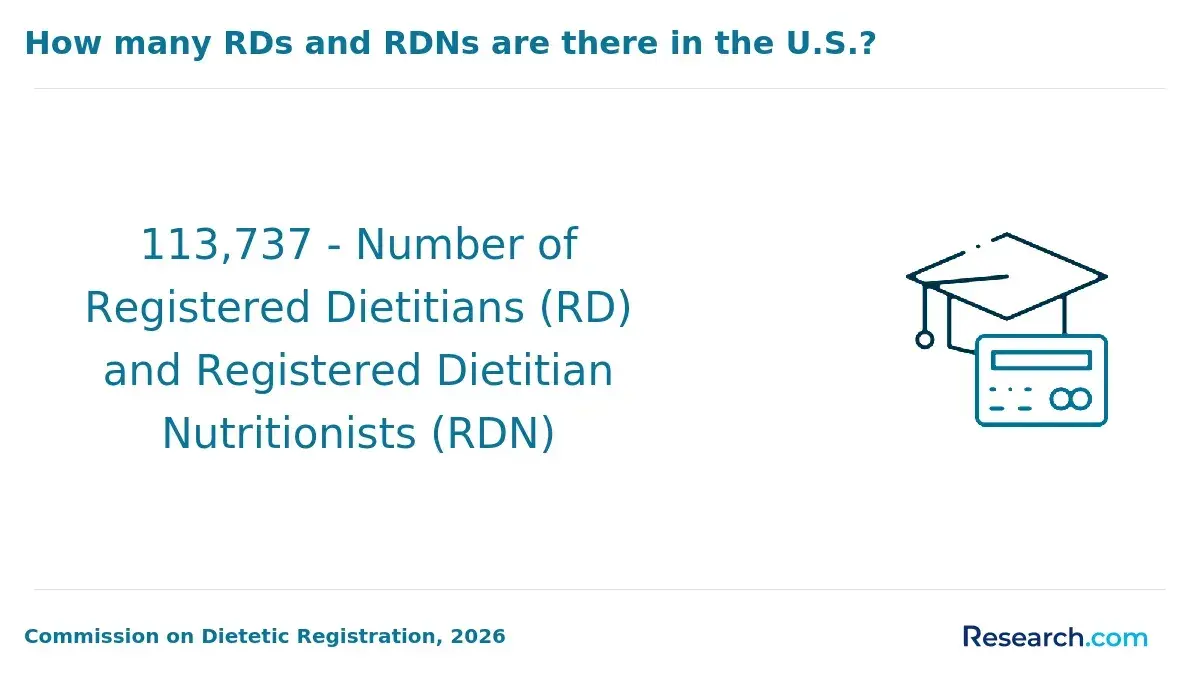
In 2027, a nutrition online degree alone is not sufficient to become a registered dietitian. Aspiring dietitians must also complete an accredited dietetics program, participate in supervised practice, and pass the Commission on Dietetic Registration's exam to meet the credentialing requirements.
References
- Why an Online Internship for Dietitian Students Bridges the Gap from Nutrition Science to Clinical Practice https://www.nutralytics.org/why-an-online-internship-for-dietitian-students-bridges-the-gap-from-nutrition-science-to-clinical-practice/
- Online Nutrition Degree FAQ | University of Bridgeport https://www.bridgeport.edu/news/online-nutrition-degree-information/
- Best Online Nutrition Degree Programs https://thebestschools.org/rankings/bachelors/best-online-bachelors-nutritional-sciences/
- U.S. Bureau of Labor Statistics. (2025). Dietitians and Nutritionists: Occupational Outlook Handbook. https://www.bls.gov/ooh/healthcare/dietitians-and-nutritionists.htm
- Online Degrees - nutritioned.org https://www.nutritioned.org/online-degrees/
- Commission on Dietetic Registration. (2026, January 26). Registry Statistics. Retrieved January 2026, from https://www.cdrnet.org/registry-statistics
- What do you learn in a Nutrition degree and is it worth it https://www.torrens.edu.au/stories/blog/health/what-do-you-learn-in-a-nutrition-degree-and-is-it-worth-it
- Cheapest Online Nutrition Degrees | GreatValueColleges https://www.greatvaluecolleges.net/rankings/online-bachelors-nutrition-dietetics/
- Online Master's MSNS in Nutritional Sciences (Clinical Nutrition track) https://online.uky.edu/masters/nutritional-sciences-clinical-nutrition-track/msns
- What Are The Pros and Cons Of Getting An Online Holistic Nutrition Degree? - Holistic Nutrition Degree https://holisticnutritiondegree.org/what-are-the-pros-and-cons-of-getting-an-online-holistic-nutrition-degree/
- Dietetic Interns https://www.rosalindfranklin.edu/academics/college-of-health-professions/degree-programs/clinical-and-lifestyle-nutrition-ms/dietetic-interns/
- Online Master’s in Nutrition - No GRE Required https://und.edu/programs/nutrition-ms/index.html