
2027 How to Verify Accreditation for Library Science Degree Programs

Co-Founder and Chief Data Scientist
Choosing a library science degree is not just a question of cost, schedule, or online flexibility. Before applying, students should confirm whether the school and, when relevant, the library science program itself are accredited by recognized agencies. Skipping this step can affect federal financial aid, transfer credits, certification options, employer recognition, and the long-term value of the degree.
This matters because accreditation is one of the clearest signals that a college or program has been reviewed against established academic and professional standards. Nearly 40% of employers prefer graduates from accredited programs, and many hiring, licensure, and advancement decisions depend on whether a credential comes from a recognized institution.
This guide explains what accreditation means for library science programs, which types to look for, how to verify accreditation through official sources, what warning signs to avoid, and how accreditation can influence online study, financial aid, credit transfer, licensure, employability, and salary outcomes.
Key Benefits of Accredited Library Science Degree Programs
- Accreditation ensures programs meet rigorous academic standards, promoting consistent quality and relevance in library science education.
- Only accredited library science degrees qualify students for federal financial aid, expanding access to necessary funding for graduate studies.
- Employers and licensure boards often require accredited degrees, enhancing graduates' job prospects and professional certification opportunities.
What Does Accreditation Mean for Library Science Degree Programs?
Accreditation means that a college, university, or specific academic program has been evaluated by an authorized accrediting body and found to meet defined standards for quality, governance, curriculum, faculty qualifications, student support, and academic outcomes. In library science, accreditation helps students distinguish credible programs from schools that may offer a degree but lack recognized oversight.
For prospective students, accreditation is a risk-management tool. It does not guarantee a job, salary increase, or admission to another program, but it does show that the program or institution has gone through an external review process. That review can affect whether students qualify for financial aid, whether credits are likely to transfer, and whether employers or licensing bodies will recognize the credential.
Research shows that over 75% of students opt for programs with recognized accreditation, which reflects how strongly students value institutional credibility and academic accountability. Accreditation also gives students a way to compare programs beyond marketing claims, tuition rates, and course titles.
In practical terms, an accredited library science program should provide a structured curriculum reviewed by qualified evaluators. Students can expect attention to faculty expertise, course sequencing, student learning outcomes, access to library and information resources, and preparation for professional responsibilities. This is especially important in a field where graduates may work with information systems, archives, public services, digital collections, research support, youth services, or academic libraries.
Students comparing education quality across technology-related fields may also want to review how standards are discussed in programs such as AI degrees, where curriculum relevance and institutional oversight are similarly important.
What Types of Accreditation Should a Library Science Degree Program Have?
A strong library science degree should be backed by the right kind of accreditation for the student’s goals. The most important distinction is between accreditation of the institution as a whole and accreditation of the specific program. Both can matter, but they serve different purposes.
| Type of accreditation | What it reviews | Why it matters to students |
| Institutional Accreditation | The college or university as a whole, including academic quality, administration, student services, and financial stability. | Supports overall degree credibility, federal aid eligibility, and potential transfer of credits. |
| Programmatic or Specialized Accreditation | The specific library science program, including curriculum, faculty, learning outcomes, and professional preparation. | Can be important for employer recognition, professional credibility, and career pathways in library and information science. |
| Regional Accreditation | A broad institutional review commonly associated with established nonprofit and public colleges and universities. | Often affects federal financial aid eligibility, graduate school acceptance, and credit transfer decisions. |
| Licensure and Certification Accreditation | Program alignment with requirements tied to specific professional credentials or regulated roles. | May be necessary for students pursuing public library roles, school library positions, or credentials that require a recognized degree. |
Institutional Accreditation: This confirms that the entire school has been reviewed by a recognized accrediting agency. Students should verify this first because it is often tied to financial aid eligibility, institutional legitimacy, and whether other schools will consider transfer credits.
Programmatic or Specialized Accreditation: This focuses on the library science program itself. It can be especially important for students pursuing roles where employers expect a recognized library and information science credential. A school may be institutionally accredited while a specific program may or may not hold specialized accreditation.
Regional Accreditation: Regional accreditation is often treated as a strong form of institutional accreditation. It can influence admission to graduate programs, transfer-credit reviews, and access to federal financial aid.
Licensure and Certification Accreditation: Some library science pathways intersect with state rules or certification requirements. Students interested in school librarianship, public library roles, or specialized credentials should confirm whether their target career requires graduation from a particular type of accredited program.
Cost should be evaluated only after accreditation is confirmed. Students comparing affordable options can use resources such as the cheapest mlis degree online guide while still checking each school’s current accreditation status directly.
Students evaluating accelerated academic pathways in other fields can also compare how program structure and institutional recognition are discussed in this accelerated psychology degree guide.
How Can You Verify If a Library Science Degree Program Is Accredited?
The safest way to verify accreditation is to use official sources rather than relying only on a school’s website or admissions materials. Accreditation can change, and students should confirm both the institution and the specific library science program before enrolling.
- Search the U.S. Department of Education database. Look up the college or university to confirm whether it is accredited by an agency recognized by the federal government. This is especially important for students who plan to use federal financial aid.
- Check the Council for Higher Education Accreditation (CHEA). CHEA listings help students confirm whether an accrediting agency is legitimate and recognized in higher education. This step is useful when a school lists an unfamiliar accreditor.
- Confirm details directly with the school. Ask the admissions office or program director for the name of the accrediting agency, the current accreditation status, the most recent review date, and whether the accreditation applies to the entire institution or the library science program specifically.
- Verify programmatic accreditation separately. Some library science programs may hold specialized recognition, such as from the American Library Association (ALA). Students should confirm this through the accreditor’s own directory, not only through the school’s marketing materials.
- Document what you find. Save screenshots, emails, and official directory listings. This can help if questions arise later about financial aid, transfer credits, certification, or employer verification.
When comparing fields where specialized accreditation affects career outcomes, students may find it useful to review how accreditation functions in marriage and family therapy online programs accredited, where professional recognition and academic standards are also closely connected.
What Red Flags Indicate a Library Science Program May Not Be Accredited?
Unaccredited or poorly recognized programs often use polished marketing to appear legitimate. Students should be cautious when a school makes accreditation hard to verify or promises outcomes that sound too simple, too fast, or too certain.
- Claims of lifetime accreditation: Legitimate accreditation is reviewed periodically. A school that says its accreditation is permanent, lifetime, or never needs renewal may be misrepresenting how accreditation works.
- Unrecognized accrediting bodies: If the accrediting agency is not recognized by the U.S. Department of Education or the Council for Higher Education Accreditation (CHEA), students should treat the claim with caution. A school can create the appearance of credibility by listing an organization that has little or no recognized authority.
- Suspiciously low tuition: Affordability is important, but tuition that appears far below comparable programs should prompt closer review. Low cost alone does not prove a program is unaccredited, but it should lead students to verify accreditation, faculty qualifications, course requirements, and student support.
- Vague program information: Be wary of programs that do not clearly list required courses, faculty credentials, practicum or field requirements, learning outcomes, graduation requirements, or accreditation details.
- Pressure to enroll quickly: High-pressure admissions tactics, limited-time discounts, or promises that verification is unnecessary are warning signs. A legitimate program should give students time to review official documentation.
- Exaggerated career promises: Accreditation can improve credibility, but no program should guarantee a job, licensure, promotion, or salary outcome without conditions.
A practical rule: if a school’s accreditation cannot be confirmed through an official accreditor, the U.S. Department of Education, or CHEA, do not rely on the school’s claim alone.
Are Online Library Science Degree Programs Accredited?
Yes. Online library science degree programs can be accredited when the institution and, where applicable, the program meet recognized standards. Accreditation is not determined by whether courses are online or on campus. It depends on whether the school or program has been reviewed by an appropriate accrediting body.
This distinction matters because many students choose online library science programs for flexibility while working, caregiving, relocating, or changing careers. An accredited online program can offer a credible pathway, but students still need to verify the exact accreditation status before enrolling.
Recent data shows that more than three-quarters of postsecondary students engage in some form of online learning. Accrediting organizations evaluate online and face-to-face programs with attention to instructional quality, student support, learning outcomes, and academic integrity. For online students, this may include access to digital libraries, advising, technical support, faculty interaction, and clear assessment standards.
What to check before choosing an online program
- Institutional accreditation: Confirm that the college or university is accredited by a recognized agency.
- Program-level recognition: Check whether the library science program itself has specialized accreditation if that matters for your career goals.
- State authorization: Online students should ask whether the school is authorized to enroll students in their state.
- Field or practicum expectations: If the program requires fieldwork, confirm whether placements can be completed near where you live.
- Employer expectations: Review job postings in your target location to see whether employers specify an accredited degree.
When I asked a graduate of an online library science program about accreditation, he described the verification process as a source of relief. “Knowing the school was accredited eased a lot of my worries about whether my degree would be taken seriously,” he said. He remembered checking accreditor listings carefully and avoiding programs that were vague about recognition.
His main takeaway was that accreditation made the investment feel safer. “It wasn’t just a piece of paper; it represented a genuine commitment to quality education and opened doors I wouldn’t have considered otherwise.”
Does Accreditation Affect Licensure Eligibility for Library Science Careers?
Accreditation can affect licensure or certification eligibility, depending on the role, state, employer, and professional credential involved. Not every library science job requires licensure, but some positions—especially those connected to public institutions, school libraries, or regulated credentials—may require a degree from an accredited program.
- Licensure exam eligibility: Many states require candidates to graduate from an accredited library science program before sitting for licensure exams. Students should check state requirements before enrolling, not after graduation.
- Licensing board recognition: State and regional licensing authorities may require applicants to hold a degree from a recognized institution or program. Accreditation helps licensing boards assess whether the applicant’s education meets minimum standards.
- Employer and regulator trust: Employers and public agencies often use accreditation as a screening tool. A recognized degree reduces uncertainty about curriculum quality and professional preparation.
- Challenges of non-accredited programs: Graduates from non-accredited programs may face barriers to financial aid, certification, licensure, promotion, or job eligibility. In some cases, they may need additional coursework from an accredited institution to qualify.
Students should not assume that “library science degree” means the same thing in every state or employment setting. Before choosing a program, compare the program’s accreditation with the requirements for the roles you want, especially if your goal is school librarianship, public library administration, or a position tied to state credentials.
Will Credits From an Accredited Library Science Program Transfer to Another School?
Credits from an accredited library science program are generally more likely to be considered for transfer, but accreditation does not guarantee that another school will accept them. Transfer decisions are made by the receiving institution and often depend on course content, grades, degree level, credit limits, and curriculum alignment.
Students planning to transfer should ask detailed questions before enrolling in the first program, especially if they may relocate, change schools, or later pursue another degree.
- Institutional Accreditation Type: Credits from schools accredited by recognized agencies are more likely to be reviewed favorably. Accreditation gives receiving institutions confidence that the coursework met baseline quality standards.
- Course Equivalency and Curriculum Alignment: A receiving school will compare completed courses with its own requirements. A course may transfer as a direct equivalent, an elective, partial credit, or not at all.
- Receiving School Transfer Policies: Each school sets its own rules for transfer credit, including minimum grades, residency requirements, maximum transferable credits, and whether graduate-level credits can be applied.
- Limits on Transfer Credits: Many schools cap the number of credits that can be transferred, especially for advanced, specialized, or professional coursework.
How to improve your chances of receiving transfer credit
- Keep syllabi, course descriptions, reading lists, assignments, and transcripts.
- Ask the receiving school for a preliminary transfer review before committing.
- Confirm whether credits will apply to required courses or only to electives.
- Get transfer decisions in writing whenever possible.
When I asked a graduate of a library science degree program about her transfer experience, she described it as cautiously hopeful. Although her credits came from an accredited institution, the receiving school reviewed each syllabus and learning objective before approving transfer credit.
She said some courses she expected to count fully were granted only partial credit. Still, she valued the careful review because it helped ensure that her new program matched her academic and professional goals. “It took patience and clear communication,” she noted, “but understanding the nuances of credit transfer made me feel empowered to continue my education without losing progress.”
Does a Library Science Program Need Accreditation to Qualify for Financial Aid?
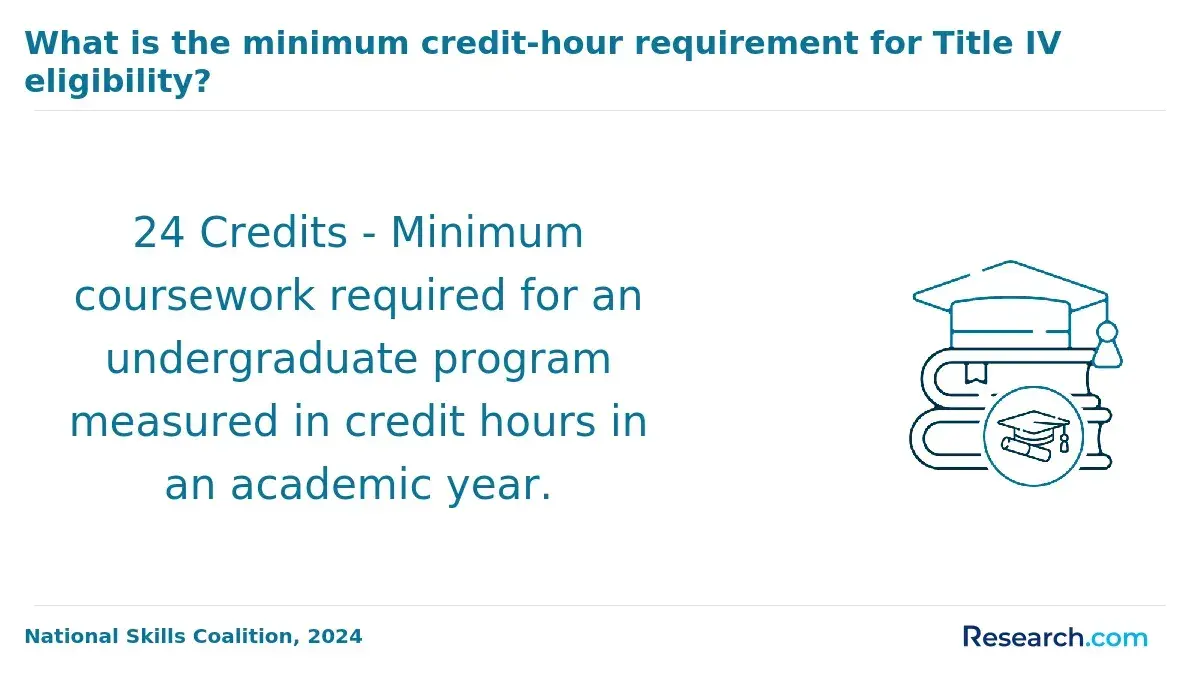
For federal student aid, accreditation is essential. Students generally must attend an institution accredited by an agency recognized by the U.S. Department of Education to qualify for Title IV funding. About 85% of those who receive federal aid attend accredited institutions.
Students should confirm financial aid eligibility directly with the school’s financial aid office and through official federal sources. A program may advertise low tuition, but if it does not qualify for federal aid, the real out-of-pocket cost may be much higher.
- Federal Student Aid: Only eligible institutions accredited by recognized agencies can participate in federal grants, loans, and work-study. Without qualifying accreditation, students may lose access to major funding options.
- State and Military Benefits: Many state aid programs and military education benefits require enrollment at an accredited institution. Students using GI Bill benefits or tuition assistance should verify eligibility before enrolling.
- Institutional Scholarships: Accredited institutions are more likely to offer structured scholarship and grant opportunities. Nonaccredited programs may have fewer aid options, leaving students more dependent on personal funds or private loans.
- Academic and Career Credibility: Accreditation supports more than financial aid. It can also affect whether the degree is recognized by employers, licensing authorities, and graduate schools.
Before committing to a library science program, students should ask whether the institution participates in federal student aid, whether the specific program is eligible, and whether any program format—such as online, part-time, or accelerated study—changes aid eligibility.
How Does Program Accreditation Influence Employability in Library Science Fields?
Accreditation can strengthen employability because it gives employers a clearer signal that a graduate’s education met recognized academic or professional standards. According to research by the American Library Association, graduates from accredited programs have a 20% higher employment rate within six months compared to those from non-accredited institutions.
Employability still depends on experience, location, specialization, technology skills, references, and the job market. However, accreditation can help candidates avoid being screened out before those other strengths are considered.
- Employer Recognition: Many employers prefer candidates from accredited programs because accreditation reduces uncertainty about curriculum quality and institutional legitimacy.
- Professional Credibility: A recognized degree can signal preparation in core library science competencies, such as information organization, reference services, collection development, research support, digital systems, and ethical information access.
- Certification Eligibility: Some credentials and specialized roles may require graduation from an accredited program. Without that recognition, graduates may need additional education to qualify.
- Job Market Competitiveness: In competitive applicant pools, accreditation can help distinguish a candidate’s degree from credentials that lack recognized review.
Students researching recognized accreditation and job opportunities in library science should read job postings carefully. If target employers repeatedly request or prefer accredited degrees, that requirement should become a central factor in program selection. Students considering flexible undergraduate pathways can also review an online bachelor's degree from an accredited program to understand how institutional credibility supports financial aid and career planning.
Do Graduates From Accredited Library Science Programs Earn Higher Salaries?
Accreditation can be associated with stronger salary outcomes because it affects employer confidence, eligibility for advanced roles, and access to credentials that may support promotion. Recent data shows that librarians with degrees from accredited programs earn a median annual salary of approximately $63,000, compared to about $52,000 for those from non-accredited programs.
Students should interpret these figures carefully. Accreditation itself does not automatically produce a higher salary. Earnings also depend on job type, region, experience, union or public-sector pay scales, management responsibilities, technical skills, and the type of library or information organization.
- Employer Preference: Employers may offer stronger opportunities to candidates with accredited degrees because they associate accreditation with structured training and verified academic standards.
- Eligibility for Advanced Positions: Some specialized, supervisory, or senior roles require a recognized degree. Graduates from non-accredited programs may face limits when applying for these positions.
- Industry Recognition: Accredited programs can improve a graduate’s standing with professional organizations and hiring committees, especially in academic, public, and specialized library settings.
- Long-Term Career Advancement: Accredited degrees may support access to continuing education, certifications, professional networks, and graduate pathways that contribute to salary growth over time.
When researching accredited library science programs, students should compare total cost, aid eligibility, career requirements, and likely return on investment. For example, online colleges that accept FAFSA can help students identify institutions where federal aid may make an accredited pathway more financially manageable.
What Graduates Say About Their Accredited Library Science Degree
- : "I was initially unaware of how critical accreditation was when choosing a library science degree program, but after some research, I realized it's the cornerstone of a credible education. I checked for regional accreditation and made sure the program was recognized by key professional bodies. Graduating from an accredited program has significantly boosted my confidence and opened doors to advanced roles in my library career. — Jade"
- : "Understanding the importance of accreditation felt overwhelming at first, but I methodically compared programs using official accreditation databases and contacted alumni for confirmation. This careful vetting gave me peace of mind, knowing my degree met the highest standards. Reflecting now, completing an accredited library science degree has been invaluable in establishing my professional credibility and networking opportunities. — Erika"
- : "From a professional standpoint, the accreditation of my library science program was non-negotiable. I took deliberate steps to verify the program's status through recognized accrediting agencies and integrated that verification into my decision-making process. The impact on my career has been profound. Having an accredited degree has been key to securing leadership positions and gaining respect within the field. — Hayden"
Other Things You Should Know About Library Science Degrees
In 2027, students can verify accreditation by consulting the American Library Association's (ALA) official website, which lists accredited programs. Students should also contact the program's administration for documentation confirming current accreditation status.
Yes, accredited library science degree programs generally follow a minimum duration to ensure comprehensive learning. For a master's degree, this usually means two years of full-time study or its equivalent in part-time coursework. These time frames allow students to engage in both theoretical and practical experiences needed for professional development.
Accredited library science programs must regularly update their curricula to reflect changes in the information science field and emerging technologies. This includes revising course content, incorporating digital literacy, and adapting to shifts in library services. Students should verify that programs actively maintain accreditation through these continuous improvements.
References
- Accreditation https://sis.wayne.edu/about/accreditation
- Researcher’s Corner: Comparative Employability of ALA and CILIP Accredited Degrees https://hiringlibrarians.com/2013/02/20/researchers-corner-comparative-employability-of-ala-and-cilip-accredited-degrees/
- Library support for accreditation: A guide to online resources | Schmiedel | College & Research Libraries News https://crln.acrl.org/index.php/crlnews/article/view/9624/11036
- Financial Aid and Scholarships for Library Science Students - Master's in Library Science MLS & MLIS Programs Online https://www.mastersinlibraryscience.org/financial-aid-scholarships-mls-students/
- Library and Information Science (online) (LBSO) https://academiccatalog.umd.edu/graduate/programs/library-information-science-online-lbso/
- Requirements to Become a Librarian By-State - EveryLibrary Institute https://www.everylibraryinstitute.org/requirements_to_become_a_librarian_by_state
- Online Master of Science in Library and Information Science https://online.stjohns.edu/online-programs/mslis
- ALA Accountability and Accreditation of LIS Programs | Backtalk https://www.libraryjournal.com/story/ala-accreditation-and-accountability-backtalk


