
2027 How to Verify Accreditation for Management Degree Programs

Co-Founder and Chief Data Scientist
Many prospective students face uncertainty when selecting a management degree program, unsure if the institution's accreditation is valid. This confusion risks enrolling in programs that lack academic credibility or disqualify students from federal financial aid.
Currently, approximately 37% of employers express concern over the legitimacy of some management degrees during hiring decisions. This impacts graduates' long-term career prospects, particularly in competitive industries where accredited education is a baseline requirement.
This article guides readers on how to verify accreditation status effectively, ensuring their chosen management program meets recognized standards and supports both educational and professional goals.
Key Benefits of Accredited Management Degree Programs
- Accreditation ensures academic quality by verifying that management degree programs meet rigorous educational standards, promoting consistent curriculum and faculty qualifications.
- Only accredited management programs qualify students for federal financial aid, making education more accessible and affordable for a diverse student population.
- Employers and licensing bodies often recognize degrees from accredited programs, enhancing graduates' job prospects and professional credibility in the management field.
What Does Accreditation Mean for Management Degree Programs?
Accreditation in higher education is a formal acknowledgment by authorized agencies that a management degree program meets established standards of quality and rigor. Agencies such as the Association to Advance Collegiate Schools of Business (AACSB) provide specialized accreditation for management programs, ensuring they maintain academic and professional excellence. According to the Council for Higher Education Accreditation (CHEA), over 7,000 degree-granting institutions in the U.S. hold accreditation, reflecting the broad acceptance of accredited programs. This certification serves as an important benchmark for students evaluating management programs and seeking assurance of program legitimacy and credibility.
From a practical standpoint, accreditation benefits for management degree programs include comprehensive evaluations of curriculum content, faculty qualifications, and student learning outcomes. These evaluations help ensure that students receive current, industry-relevant education aligned with accepted academic standards. Accreditation also promotes institutional accountability and ongoing improvement through regular reviews. Students looking to enroll in accredited programs, including some of the cheapest online mba programs, can expect a curriculum that supports thorough preparation and quality knowledge acquisition throughout their studies.
What Types of Accreditation Should a Management Degree Program Have?
Choosing a management degree program that holds the proper accreditation is vital for confirming its academic quality and legitimacy. Different types of accreditation serve distinct purposes, impacting credit transferability, financial aid eligibility, and career outcomes. The key accreditation categories include:
- Institutional Accreditation: This type evaluates the entire college or university to ensure it meets fundamental academic standards. Institutional accreditation is essential for confirming the overall credibility of a school and affects the transfer of credits as well as eligibility for federal financial aid.
- Programmatic or Specialized Accreditation: Targeted at specific fields like business or management, this accreditation verifies that the curriculum aligns with industry standards. It enhances graduate employability by assuring employers that students possess relevant skills and knowledge.
- Regional and National Accreditation: Regional accreditation is generally more prestigious and widely recognized than national accreditation. It facilitates smoother credit transfers between institutions and is often preferred by employers and academic entities.
- Licensure and Professional Practice Accreditation: Some accreditations are tied directly to licensure requirements or professional standards, which can be crucial for advancing in certain management-related careers. Ensuring your program meets these criteria supports long-term success.
Students researching accredited programs will find it helpful to consult recognized regional and national accrediting agencies for management degrees. For those balancing studies with other commitments, exploring options like an online counseling degree can offer flexibility without sacrificing accreditation quality.
How Can You Verify If a Management Degree Program Is Accredited?
Verifying the accreditation of a management degree program is crucial to ensure you receive a quality education, qualify for federal financial aid, and have your degree recognized by employers or licensing organizations. Confirming accreditation helps protect your investment and supports your career goals. Below are reliable methods to check accreditation status.
- U.S. Department of Education Database: Use this official database to verify whether the institution and its management programs hold valid accreditation. It lists recognized accrediting agencies and accredited schools, helping you avoid unaccredited or diploma mill programs.
- Council for Higher Education Accreditation (CHEA): Review the CHEA website for a comprehensive list of recognized accrediting organizations and programs. CHEA approval indicates that accreditors meet strict quality standards, providing confidence in the program's legitimacy and credit transferability.
- Direct School Inquiry: Contact the admissions or registrar's office of the institution offering the management degree. Request documentation or proof of accreditation from regional or national accrediting bodies to validate the program's official standing.
- Programmatic Accreditation Verification: Some management programs hold specialized accreditation from organizations like AACSB or ACBSP. Confirming these programmatic accreditations ensures the program meets particular industry or academic standards beyond institutional approval.
For those exploring options, consider reviewing resources on a psychology degree online as an example of how accreditation impacts various fields of study.
What Red Flags Indicate a Management Program May Not Be Accredited?
Identifying warning signs of unaccredited programs is crucial to safeguard academic legitimacy, maintain eligibility for financial aid, and secure future career prospects. The following points highlight key red flags prospective students should consider when assessing a management program's accreditation.
- Claims of "Lifetime" Accreditation: Genuine accrediting agencies conduct regular reviews to confirm a program's ongoing quality. Programs boasting "lifetime" accreditation often signal affiliation with unrecognized or fraudulent accreditors, making this claim a potential warning sign.
- Absence of Recognized Accreditor: Reputable management programs are accredited by agencies acknowledged by the U.S. Department of Education or the Council for Higher Education Accreditation (CHEA). Lack of a listed accrediting body suggests the program's credentials may not be valid or widely accepted.
- Unusually Low Tuition: Tuition fees significantly below standard rates can indicate compromised program quality or hidden expenses. While affordability matters, extremely low costs often reflect inadequate resources or insufficient academic rigor.
- Vague or Misleading Descriptions: Programs that offer unclear information about accreditation status, degree recognition, or job placement outcomes should be approached with caution. Legitimate programs provide transparent, verifiable details about their credentials and graduate success rates.
Are Online Management Degree Programs Accredited?
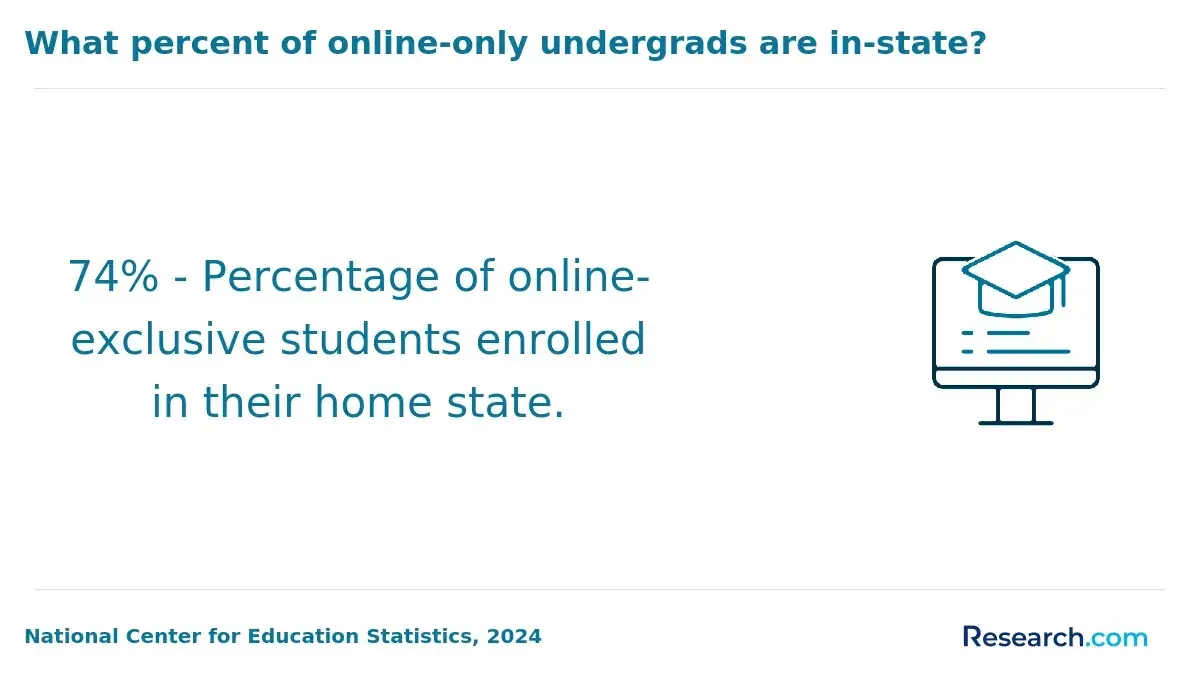
Online management degree programs can indeed be accredited, ensuring they adhere to rigorous standards of academic quality, instructional effectiveness, and student achievement. Accreditation plays a critical role by qualifying students for federal financial aid and enhancing the credibility of their degree with employers and licensing organizations. According to a 2023 report by the U.S. Department of Education, more than 85% of accredited institutions now offer at least one online degree, underscoring the growing legitimacy of remote learning. The evaluation criteria for online management programs mirror those applied to traditional campus degrees, focusing on curriculum relevance, faculty qualifications, and institutional resources to maintain educational quality. This process guarantees that the value of an online degree holds parity with its in-person counterpart in both academic and professional environments.
When asked about his experience, a graduate of an online management degree program shared that initially, he was skeptical about the legitimacy of online education. "I had to do my homework-checking accreditation status and asking tough questions about the program's faculty and curriculum," he explained. He recalled moments of doubt but appreciated how the structured coursework and interaction with professors reassured him of the program's quality. "Completing the degree gave me confidence knowing it was recognized and respected," he said, highlighting how accreditation ultimately influenced his career opportunities and sense of accomplishment.
Does Accreditation Affect Licensure Eligibility for Management Careers?
Accreditation is crucial for students aiming to enter licensed or regulated management careers because it validates a program's academic quality and is often required for professional licensure. The following points highlight key ways accreditation influences licensure eligibility and career prospects.
- Licensure Exam Eligibility: Many professional licensing boards require candidates to have graduated from accredited programs to qualify for licensure exams. This ensures that candidates possess the necessary knowledge and skills aligned with industry standards.
- Licensing Board Requirements: State and regional regulatory agencies typically mandate degrees from accredited institutions as a prerequisite for licensure, safeguarding the integrity and competency of licensed professionals.
- Employer and Regulatory Recognition: Accreditation often serves as a trusted benchmark for employers and regulatory bodies when assessing qualifications, making graduates from accredited programs more competitive in the job market.
- Limitations of Non-Accredited Programs: Students enrolled in non-accredited programs may face restricted access to federal financial aid and be ineligible for professional licensing, which can hinder both educational funding opportunities and career advancement.
Will Credits From an Accredited Management Program Transfer to Another School?
Credits earned from an accredited management program can be a valuable asset when transferring to another school, especially for students who may relocate, pursue advanced degrees, or switch institutions. However, several factors influence whether these credits are accepted. The following points highlight the main considerations in credit transferability.
- Institutional Accreditation Type: Schools typically accept credits from programs accredited by recognized agencies approved by the U.S. Department of Education or CHEA. Regional accreditation usually carries more weight, increasing the chances of credit acceptance elsewhere.
- Course Equivalency and Curriculum Alignment: The receiving institution reviews how closely courses match their own curriculum in content and level. Strong alignment generally leads to smoother credit transfers and prevents redundant coursework.
- Receiving School Transfer Policies: Transfer rules vary widely by institution, including requirements like minimum course grades or restrictions on particular course categories. Knowing these policies ahead helps set realistic expectations for credit acceptance.
- Limits on Transfer Credits: Some schools cap the number of credits accepted toward a degree, which can restrict how many management credits carry over. This limit may require students to complete additional courses.
When I asked a recent graduate of a management degree program about her experience with transferring credits, she shared that the process felt both hopeful and frustrating. Although her original institution had strong accreditation, she learned that the new school required detailed course descriptions and syllabi for evaluation, which delayed acceptance. She also encountered unexpected caps on transfer credits that meant she had to take extra classes she thought she was finished with. Despite these hurdles, she described the process as "an important reminder to research early and stay organized," concluding that successfully transferring credits was ultimately "a relief that kept my career on track and saved time and money."
Does a Management Program Need Accreditation to Qualify for Financial Aid?
Accreditation is essential for students seeking financial aid in management programs, as it ensures programs meet the quality standards required by federal, state, and institutional funding sources. Approximately 90% of financial aid depends on attending accredited institutions. Below are key factors to consider regarding accreditation and financial aid eligibility.
- Federal Aid Eligibility: Only programs offered by accredited schools qualify for federal Title IV financial aid such as Pell Grants and Direct Loans. This protects students by ensuring their education meets federally mandated standards.
- State and Military Benefits: Many states require enrollment in accredited programs to grant scholarships and tuition assistance. Military education benefits also typically mandate accreditation for service members to access funding.
- Institutional Scholarships: Scholarships and grants directly from schools often depend on a program's accreditation status, so lack of accreditation can limit access to these funds and increase overall costs for students.
- Academic and Career Credibility: Accreditation confirms the program adheres to quality standards crucial for professional licensing and long-term recognition in the job market.
How Does Program Accreditation Influence Employability in Management Fields?
Accreditation significantly influences career prospects and job market credibility for students pursuing degrees in management fields. Research shows that 75% of employers prefer candidates who have graduated from accredited programs, underscoring the importance of recognized credentials. The following points highlight how accreditation affects employability in management careers.
- Employer Recognition: Accreditation signals to employers that a graduate possesses relevant knowledge and skills aligned with industry standards. This recognition makes these candidates more competitive when vying for management roles.
- Professional Credibility: Graduates from accredited programs are viewed as having a strong foundation in management principles essential for leadership, ethical decision-making, and strategic thinking in the workplace.
- Eligibility for Advanced Certifications: Many professional certifications and licensure programs require candidates to hold degrees from accredited institutions. Without accreditation, graduates may face barriers to career advancement or specialization.
- Job Market Competitiveness: Students with accredited degrees benefit from enhanced employability, often qualifying for positions that demand verified academic rigor, which also ties into financial aid eligibility and better long-term career outcomes.
Students seeking degrees in management should verify accreditation status to ensure their qualifications meet these employability benefits. Those interested in learning about degrees that pay well will find that accredited management degree programs often lead to better job prospects and financial returns over time.
Do Graduates From Accredited Management Programs Earn Higher Salaries?
Accreditation often influences the earnings potential for management graduates by signaling academic quality and industry relevance. Data indicates that the average salary for graduates of accredited management programs ranges from $65,000 to $75,000 annually, compared to $50,000 to $60,000 for those from non-accredited programs. This salary gap stems from several important factors.
- Employer Preference: Companies favor candidates from accredited programs because accreditation ensures verified curriculum quality. This preference enhances hireability and strengthens salary negotiation positions.
- Eligibility for Advanced Roles: Many higher-level management positions and certification bodies require degrees from accredited schools, increasing access to better-paying jobs and career growth opportunities.
- Industry Recognition: Accreditation reflects alignment with contemporary industry standards, which supports graduates in applying relevant skills effectively, impacting performance and career progression.
- Long-Term Advancement: Accredited degrees facilitate transfers, promotions, and further education options, supporting sustained career development and increased lifetime earnings.
Prospective students seeking an associate degree or other credentials should carefully consider the impact of management program accreditation on career earnings to make an informed educational investment.
What Graduates Say About Their Accredited Management Degree
- Apollo: "Graduating from an accredited management program truly shaped my understanding of industry standards and professional expectations. I made sure to verify the program's accreditation through official educational boards before enrolling, which gave me confidence in the curriculum's quality. This foundation has been invaluable, helping me secure leadership roles much faster than I anticipated. "
- Aldo: "When I first explored management degrees, I underestimated how crucial accreditation was until I researched extensively on how employers value it. I carefully checked each program's status via recognized accrediting agencies to ensure my qualification would stand out. Reflecting on my career, earning that accredited degree opened doors to opportunities I wouldn't have found otherwise. - "
- Micah: "The importance of accreditation in a management degree became clear to me early on, especially during the application process where I scrutinized schools' credentials thoroughly. Verifying accreditation allowed me to invest time and resources wisely, knowing my education met rigorous standards. Professionally, this has translated into stronger credibility and a more strategic approach to advancing within my company. "
Other Things You Should Know About Management Degrees
If discrepancies in a program's claimed accreditation status are found, students should contact the accrediting agency directly to verify the program's accreditation. It's also advisable to speak with academic advisors and report any inconsistencies to the school's administration or state educational authorities. --- **Question** Are there specific state or regional requirements that affect management program accreditation? **Answer** Yes, specific state or regional requirements can impact management program accreditation. Institutions must comply with local educational standards and may require additional approvals or licensure. Students should research their program's compliance with these regional regulations to ensure its legitimacy. --- **Question** Can accreditation status of a management degree program change, and how can students stay updated? **Answer** Accreditation status can change due to evaluations, policy updates, or non-compliance. Students should regularly check the accrediting agency's website, subscribe to their notifications, or contact the institution's accreditation office for the latest updates on their program’s status. --- **Question** What documents or proof should I expect from a legitimately accredited management degree program? **Answer** From an accredited management degree program, expect documentation such as a certificate of accreditation, listing on the accreditor's website, and official communication from the accrediting body. These documents demonstrate the program's adherence to educational standards validated by an external body.
Yes, many states have regional accrediting agencies that oversee the quality of degree programs, including those in management. It is important to verify that the management program's accreditation is recognized by the appropriate regional or national agencies accepted in your state, as this may impact credit transfers and employment opportunities.
Accreditation status can change if a program fails to maintain required standards set by accrediting bodies. Students should regularly check official accrediting agency websites and the program's own announcements to confirm current status, especially before enrollment or transferring credits.
References
- AMBA Accreditation https://www.amba-bga.com/amba/business-schools/accreditation
- Business & Management Courses Archives https://www.theopencollege.com/qqi-business-and-management-courses/
- How to Transfer Credits from One College to Another - National https://www.national.edu/how-to-transfer-credits-from-one-college-to-another/
- Is it possible to transfer to a top MBA program? | Fortune Education https://fortune.com/education/articles/is-it-possible-to-transfer-to-a-top-mba-program/
- What Every Admissions Office Needs to Know About Accreditation Verification - Higher Education Publication https://hepinc.com/newsroom/accreditation-verification/
- Employability of University Graduates as a Measure of Quality https://www.e-mentor.edu.pl/eng/article/index/number/110/id/1714
- Check if your university or college can award a degree https://www.gov.uk/check-university-award-degree
- Verifying Accreditation for Online Degree Programs - Higher Ed Guide https://higheredme.com/verifying-accreditation-online-degree-programs-and-status-checks/
- 3 Red Flags to Watch out for When Choosing a Facility Management Training Provider - IFMA Greek Chapter https://ifmagreece.gr/3-red-flags-to-watch-out-for-when-choosing-a-facility-management-training-provider/
- First Europe-wide ranking of Masters in Management ranks CEMS MIM in 3rd place and establishes the CEMS alliance amongst the European Elite https://www.cems.org/news-events/news/first-europe-wide-ranking-masters-management-ranks-cems-mim-3rd-place-and-


