
2027 Industrial Design Degree Careers That Do Not Require Graduate School

Co-Founder and Chief Data Scientist
A recent industrial design graduate scans job listings and notices many entry-level roles demand only a bachelor's degree, while others list graduate school or specialized certifications as prerequisites. About 45% of industrial design graduates find employment without pursuing further education, reflecting strong employer demand for practical skills in product development, user experience, and prototyping. Understanding which career paths allow immediate entry and which require advanced credentials is vital.
This article explores industrial design degree careers that do not require graduate school yet offer solid long-term growth and employability.
Key Things to Know About the Industrial Design Careers That Do Not Require Graduate School
- Bachelor's degrees in industrial design commonly enable direct workforce entry, with nearly 70% of graduates securing relevant jobs within six months without graduate studies.
- Employers prioritize portfolios and demonstrated skills over advanced degrees, setting clear expectations for entry-level industrial design roles focused on creativity and technical proficiency.
- Internships, certifications, and practical experience increasingly outweigh graduate credentials, fostering accessible career paths that support long-term professional growth in industrial design.
What Career Paths Can You Pursue with a Industrial Design Degree Without Graduate School?
Many industrial design degree holders step directly into the workforce, with approximately 70% securing jobs in their field within six months of graduation. Entry opportunities vary widely depending on industry demand and specific roles, but a bachelor's degree provides a solid foundation for numerous career paths.
Below are several accessible entry-level industrial design jobs for graduates that highlight practical pathways without further schooling:
- Product Designer: This role often serves as a common starting point for graduates, utilizing skills in product creation and refinement. Employers typically value the practical design and prototyping experience taught in undergraduate programs, making it open to bachelor's-level candidates.
- CAD Technician: Proficiency with computer-aided design software is emphasized in most industrial design curricula. Graduates can leverage these technical skills to support engineering and product development teams without the need for a graduate degree.
- UX/UI Designer: Designers interested in digital interfaces can transition into user experience and interface roles that emphasize creativity and problem solving. Many positions welcome candidates with bachelor's-level education, focusing on design thinking rather than advanced degrees.
- Packaging Designer: Bachelor's graduates can enter packaging design by applying principles of consumer appeal and functionality covered in their studies. This role often values practical design abilities over advanced academic qualifications.
- Model Maker or Prototype Specialist: Hands-on skills in producing physical models and prototypes gained during undergraduate training enable graduates to contribute to product testing and evaluation teams effectively.
- Industrial Design Assistant: Many companies hire bachelor's-level graduates to assist senior designers, providing valuable on-the-job experience while directly contributing to design projects.
The variety of roles highlights the strong demand for bachelor's-level skills across multiple sectors. For students exploring further education options beyond a bachelor's, related fields such as speech pathology offer specialized paths, sometimes available through online programs. An example is SLP master's programs online, which provide avenues for advanced study in complementary disciplines.
What Are the Highest-Paying Jobs for Industrial Design Degree Graduates Without a Graduate Degree?
Many high-paying careers in industrial design are attainable without attending graduate school, as employers often prioritize practical experience and a strong portfolio alongside a bachelor's degree. Recent data from the U.S. Bureau of Labor Statistics shows that the median annual wage for industrial designers is approximately $73,000, with top professionals earning upwards of $100,000. This reflects the significant income potential available to those holding only a bachelor's degree.
Below are several well-paying roles within industrial design accessible to bachelor's degree graduates:
- Product Designer: Product designers create consumer goods that balance aesthetics and function. Their work directly influences product success and brand reputation, leading to competitive salaries.
- UX/UI Designer: Transitioning into user experience and interface design allows industrial designers to merge creativity with tech, yielding strong demand and higher compensation due to their impact on usability and customer satisfaction.
- Design Engineer: Combining industrial design with engineering skills helps improve manufacturing and product efficiency. Graduates with technical expertise can secure higher salaries by enhancing company processes and output.
- Industrial Design Manager: These roles involve overseeing projects and teams, requiring leadership and budget management skills. Even at entry to mid-level, managers receive elevated pay reflecting their responsibilities.
- Packaging Designer: Specialists in designing packaging that is marketable and cost-effective in competitive industries often command lucrative salaries due to the direct effect on sales and sustainability.
Such positions offer stronger earnings because they blend creativity, technical knowledge, and leadership, making industrial design graduates with relevant experience highly sought after in the job market.
What Skills Do You Gain from a Industrial Design Degree That Employers Value?
Industrial design degree programs develop versatile skills that employers highly value in positions not requiring graduate education. Graduates gain practical and creative abilities that enhance their adaptability and effectiveness in various roles. A recent study shows that 80% of employers prioritize candidates with strong communication and critical thinking skills alongside technical knowledge.
The following transferable skills are commonly strengthened through an industrial design curriculum:
- Problem Solving: Students learn to analyze user needs and devise innovative, practical solutions. This fosters agility in addressing workplace challenges, making graduates valuable in fast-moving environments.
- Technical Proficiency: Hands-on training with tools such as CAD and 3D modeling prepares students to contribute immediately to product development, reducing the need for extensive training.
- Collaboration and Communication: Working within teams and presenting ideas clearly improves interpersonal skills vital to project success and smooth cross-functional collaboration.
- Visual Literacy and Creativity: The ability to visually communicate concepts and design compelling presentations adds a competitive edge, helping graduates stand out in entry-level roles.
- Critical Thinking: Analytical skills cultivated throughout the program enable students to evaluate information effectively and make sound decisions, skills highly valued by employers.
An industrial design graduate shared that their early career involved quickly learning to balance creative problem-solving with team communication under tight deadlines. They noted, "Being able to clearly explain my design thinking helped me gain trust from senior staff, even when I was new." This adaptability proved essential in transitioning academic skills to workplace success.
What Entry-Level Jobs Can Industrial Design Graduates Get with No Experience?
Many industrial design graduates secure entry-level positions soon after finishing their bachelor's degrees, even without prior professional experience. Employers often create roles tailored for recent graduates, making it possible to enter the workforce directly without attending graduate school. About 65% of industrial design bachelor's degree holders find full-time work within six months, reflecting solid early career opportunities.
Several types of positions are particularly accessible to those new to the field:
- Junior Industrial Designer: This position frequently serves as a common entry point, with companies hiring graduates to support senior designers and develop essential skills through hands-on projects and mentorship in industrial design bachelor's degree career opportunities.
- Design Assistant: Often employed by product development or manufacturing firms, design assistants contribute to concept creation and visual work while gaining insight into production, making this role suitable for fresh graduates.
- CAD Technician: Entry-level CAD technician roles allow graduates to apply software expertise to drafting and modeling tasks, supporting design teams with minimal prior job history required.
- Prototype Modeler: This hands-on role focuses on creating physical or digital prototypes, helping new designers build practical knowledge of materials and fabrication processes.
- Research Assistant: These positions support various research tasks like user studies and material analysis, offering graduates exposure to customer needs that shape effective designs.
For students interested in expanding their qualifications later, exploring options such as a masters of library science online can provide additional career flexibility beyond early industrial design roles.
What Certifications and Short Courses Can Boost Industrial Design Careers Without Graduate School?
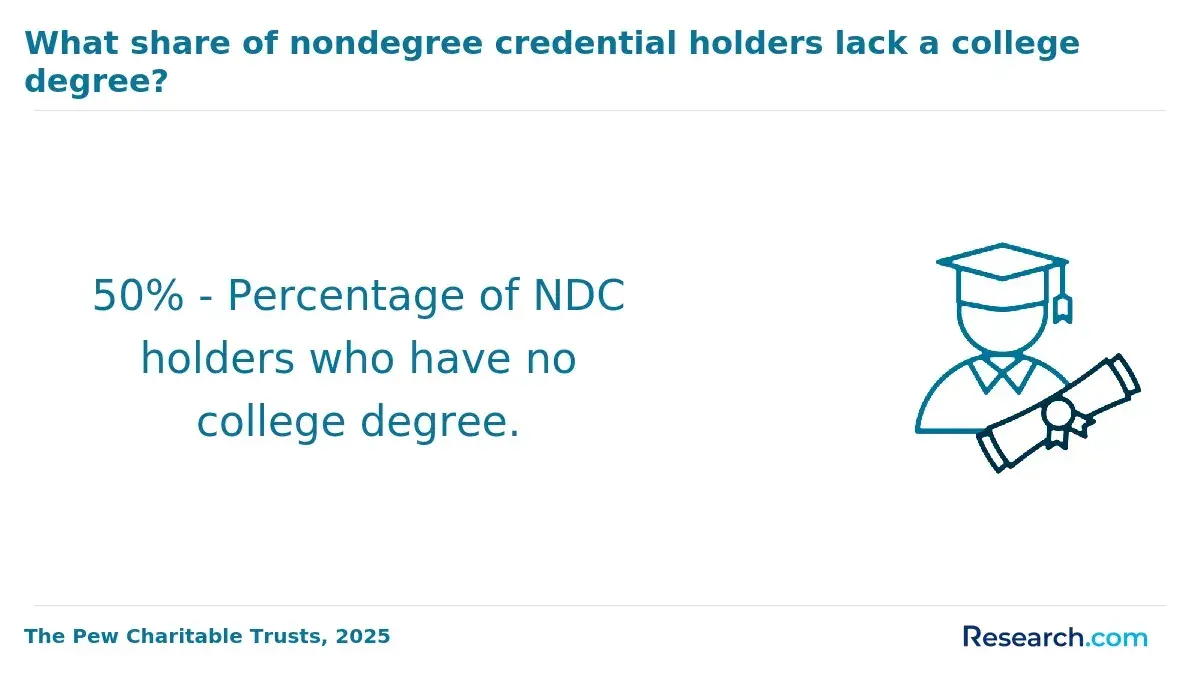
Certifications and short courses provide targeted skills and industry-recognized credentials that significantly boost employability for industrial design graduates, all without the need for graduate school. These focused programs sharpen job readiness and open doors for career progression by aligning training with specific industry demands. A 2023 survey by the National Association of Manufacturers found that 67% of employers favor candidates with relevant certifications or short-term training when hiring.
Here are some key certifications and courses that can advance an industrial design career:
- Certified SolidWorks Professional (CSWP): This certification proves advanced competence in SolidWorks 3D CAD software, a crucial tool in many design workflows. Holding this certification signals a strong technical foundation and software fluency valued by employers.
- User Experience (UX) Design Certification: Programs in UX design focus on user-centered principles and interface optimization, equipping graduates to contribute to products that blend functionality with user satisfaction.
- Project Management Professional (PMP): While not design-specific, PMP credentialing highlights project leadership and organizational skills, enhancing prospects for managing design projects and coordinating teams effectively.
- Rapid Prototyping and 3D Printing Courses: These short-term courses develop practical skills necessary for creating physical models quickly, essential for iterative design and client demonstrations.
- Adobe Certified Expert (ACE): Certification in Adobe Creative Suite demonstrates proficiency with industry-standard visual communication tools, improving the ability to produce compelling presentations and marketing assets.
A professional with an industrial design degree shared how pursuing a User Experience certification broadened their career options beyond traditional product design. They described the initial challenge of adapting to a new design mindset centered on user interactions, but emphasized the rewarding learning process and the tangible boost in confidence when applying UX principles to projects. This certification helped them secure roles that integrate both aesthetic and functional design work, illustrating how such credentials can directly impact career development without requiring further formal education.
Which Industries Hire Industrial Design Graduates Without Graduate Degrees?
Employment opportunities for industrial design graduates without graduate degrees vary widely across sectors. Some industries welcome bachelor's-level candidates due to extensive hiring needs and diverse roles. Nearly 60% of industrial designers work in manufacturing, product development, and related commercial fields, where a bachelor's degree typically meets entry requirements.
Industries with particularly strong access for bachelor's-level industrial design graduates include:
- Consumer Electronics: Rapid innovation in this sector creates ongoing demand for designers focused on usability and product appeal. Companies often seek generalists who combine creativity with technical skills, favoring candidates with bachelor's degrees.
- Manufacturing and Product Development: Large teams in manufacturing firms generate many opportunities for entry-level designers engaged in prototyping and user-focused improvements. The volume of projects supports hiring of graduates with bachelor's qualifications.
- Furniture and Home Goods: This market values practical and attractive product design, offering positions suited to bachelor's graduates. The focus is on commercially viable and functional items rather than specialized research roles.
- Automotive and Transportation: While advanced roles may require graduate degrees, many automotive design teams include entry-level industrial designers working on vehicle interiors and exteriors, making bachelor's-level entry feasible.
- Retail Product Design and Packaging: Fast product cycles in retail and packaging industries encourage hiring of bachelor's-level designers who can quickly produce appealing and consumer-friendly designs.
What Freelance, Remote, and Non-Traditional Careers Are Available for Industrial Design Graduates?
Emerging freelance, remote, and non-traditional career structures reduce dependence on traditional employment pathways, broadening access for industrial design graduates without advanced degrees. These digital and independent work models allow greater flexibility and more diverse project engagement, enabling new professionals to enter the field outside conventional settings.
Nearly 30% of creative and design workers now engage in remote employment, reflecting a substantial shift toward location-independent opportunities among bachelor's degree holders in industrial design-related disciplines.
Several options illustrate how non-traditional careers offer entry points with flexible conditions and fewer formal requirements, including:
- Distributed design teams: Professionals collaborate remotely across multiple locations, often led by a senior designer or agency. This model allows entry-level designers to gain experience on varied projects while working from anywhere.
- Digital-first freelance marketplaces: Online platforms connect industrial designers directly with clients worldwide, supporting short-term contracts and project-based work that helps new graduates build portfolios independently.
- Project-based independent contracting: Companies hire industrial designers per project instead of full-time, enabling contractors to negotiate terms that fit their schedules and locations, while gaining diverse practical experience.
- Remote internships and apprenticeships: Virtual training programs offer mentorship and real-world exposure without geographic constraints, increasingly adopted in firms transitioning to remote workflows.
- Collaborative co-working networks: Online communities foster connections among remote professionals who share resources and referrals, providing early-career support beyond local job markets.
How Can You Build a Career Without Graduate School Using a Industrial Design Degree?
Graduates with an industrial design degree can start building a career without pursuing graduate school by entering the workforce directly after earning their bachelor's degree. About 70% of industrial design bachelor's degree holders begin employment immediately, reflecting strong demand for entry-level industrial design careers without a graduate degree. Early career momentum stems from gaining hands-on experience in diverse workplace settings, utilizing practical skills like sketching and CAD, and gradually earning more responsibilities through demonstrated performance. This approach allows graduates to leverage industry exposure and gain proficiency without the need for additional academic qualifications.
Long-term career development for those who choose this path often involves progressing within organizations, where expanding responsibilities and evolving roles become the focus. Industrial design degree job pathways without advanced education offer opportunities to grow through project management, leadership, and cross-disciplinary collaboration. Professionals continue developing their expertise through ongoing work experience and professional development rather than formal education. Those interested in complementary skills to boost their career might consider exploring a data science degree online to enhance their value in tech-driven design fields.
What Are the Pros and Cons of Skipping Graduate School for Industrial Design Careers?
Skipping graduate school is a common pathway for many entering industrial design careers. Choosing to enter the workforce sooner often allows for earlier professional experience, though it can shape long-term opportunities depending on the sector and employer. A 2023 industry survey highlighted that about 35% of top-tier design firms receive over 500 applications per year but have fewer than 10 openings, underlining intense competition that may favor candidates with advanced degrees.
The following points outline the advantages of entering industrial design careers without graduate school and the impact of forgoing graduate education on industrial design job prospects:
- Early Workforce Entry: Graduates can begin gaining practical experience immediately, reducing opportunity costs and accelerating career development in hands-on environments that value portfolios over advanced degrees.
- Cost Savings: Avoiding graduate school spares tuition and related expenses, enabling some to invest in certifications, software, or personal projects that enhance employability without accruing debt.
- Limited Advancement: Certain employers, especially large institutions or research-focused organizations, may limit career progression or initial access for those without a master's degree.
- Flexibility in Career Exploration: Bachelor's holders often have the freedom to explore diverse sectors within industrial design before deciding if graduate specialization aligns with their long-term goals.
For those weighing these factors, reviewing alternatives like most affordable online MBA programs no GMAT can offer flexible pathways to advanced qualifications without delaying entry into the workforce.
What Are the Real-World Career Outcomes and Job Market Trends for Industrial Design Graduates?
Graduates holding a bachelor's degree in industrial design typically enter a competitive job market where employment trends reflect diverse workforce demand. Median starting salaries often range from $50,000 to $65,000, with notable variation influenced by employer size, location, and sector. Approximately half of these graduates find placements in roles that balance creative and technical skills, although overall job market demand for industrial design degree holders fluctuates based on industry growth and economic conditions. Many benefit from combining design proficiency with emerging skills, sometimes enhanced through quick certifications.
Career outcomes for industrial design graduates are not uniform and depend on multiple factors such as specialization and regional market characteristics. While some sectors offer higher salaries and selective hiring, others provide broader access but with modest initial pay, illustrating varied trajectories within a single field. This distribution underscores how broader labor market dynamics shape opportunities, meaning graduates should expect differing employment patterns rather than a single defined pathway in industrial design careers that do not require graduate school.
What Graduates Say About Industrial Design Careers Even Without Pursuing Graduate School
- Cameron: "Graduating with a degree in industrial design provided me with a solid foundation in hands-on problem solving, which employers truly value. I was able to jump straight into a product development role where I applied the skills learned in my coursework to real market challenges. It's rewarding to see my designs come to life and know my education prepared me well for these early career successes."
- Ally: "Reflecting on my journey, entering the workforce without pursuing graduate school was a practical choice that paid off. The industrial design program taught me not only technical skills but also how to communicate concepts clearly with clients and manufacturers. These real-world skills helped me secure a position quickly and thrive in a fast-paced design studio environment."
- Alex: "My industrial design degree was instrumental in developing my professional confidence and portfolio, which opened doors immediately after graduation. Rather than continuing with more academic study, I focused on gaining diverse experience in multiple sectors including consumer electronics and automotive design. This practical exposure allowed me to quickly build a career path tailored to my passions and strengths."
Other Things You Should Know About Industrial Design Degrees
A strong portfolio is crucial for industrial design careers that do not require graduate school. Employers often prioritize a candidate's practical work and design problem-solving skills demonstrated through their portfolio. It serves as direct evidence of your creativity, technical ability, and understanding of user-centered design principles.
Yes, internships are highly valuable for gaining practical experience and professional connections in industrial design. Many entry-level employers seek candidates with internship experience because it shows readiness to work on real projects. Internships can also lead to job offers or valuable industry references.
Creativity is crucial in industrial design careers without graduate school as it drives innovation and problem-solving. Employers typically seek candidates who can conceptualize unique designs, address user needs, and think outside the box, making creativity as valuable as technical skills.
Proficiency in industry-standard software like SolidWorks, Rhino, Adobe Creative Suite, and CAD programs is essential. Many employers expect candidates to demonstrate the ability to create detailed models, technical drawings, and visual presentations. Mastery of these tools can set candidates apart when graduate degrees are not part of their qualifications.
References
- M.Des in Industrial Design: Is It Worth It for Your Career in 2026 - The Design Village https://www.thedesignvillage.org/m-des-in-industrial-design-is-it-worth-it-for-your-career-in-2026/
- Industrial Designers: Salary, career path, job outlook, education and more - RaiseMe https://www.raise.me/careers/arts-and-design/industrial-designers/
- Masters in Industrial Design? Worth it? https://boards.core77.com/t/masters-in-industrial-design-worth-it/30932
- Job Outlook for Industrial Designers https://job-outlook.careerplanner.com/Industrial-Designers.cfm
- Industrial Designer Certifications: Best Credentials to Advance Your Career | Teal https://www.tealhq.com/career-paths/industrial-designer-certifications/
- Career Paths for Industrial Designers | Dienamics https://dienamics.com.au/blog/career-paths-for-industrial-designers/
- Best Online Industrial Design Courses and Programs | edX https://www.edx.org/learn/industrial-design
- Occupational Outlook for Industrial Designers: Career Prospects and Growth Trends https://encyclopedia.design/2025/02/14/occupational-outlook-for-industrial-designers-career-prospects-and-growth-trends/
- How to Become a Industrial Designer | Career Karma https://careerkarma.com/careers/industrial-designer/
- Top 10 High-Paying Design Jobs Without a Degree (2025 Guide) https://designarcacademy.com/top-10-high-paying-design-jobs-you-can-get-without-a-degree-2025-guide/


