2026 Internship, Practicum or Clinical Requirements for Applied Science Master's Programs

Co-Founder and Chief Data Scientist
Facing the mounting pressure to complete extensive internship, practicum, or clinical hours, many applied science master's students struggle to balance program mandates with full-time employment or personal obligations. Recent 2024 data reveals that 72% of these students report program-required fieldwork as a primary barrier to timely graduation, highlighting a critical tension between experiential learning and pragmatic scheduling. This disconnect often forces career changers and licensure candidates to weigh the tangible benefits of hands-on experience against potential delays and financial strain. This article examines how different applied science programs structure these requirements and offers actionable insights to navigate and optimize this crucial stage of graduate training.
Key Things to Know About Internship, Practicum or Clinical Requirements for Applied Science Master's
- Internship hours often extend program duration by 3-6 months; this tradeoff can delay workforce entry, impacting income stability but enhancing hands-on competency essential for licensure.
- Employers increasingly prioritize practicum performance over GPA, signaling that measurable practical skills from clinical placements directly influence hiring decisions in specialized applied science roles.
- Access to quality clinical sites remains uneven geographically, creating cost and logistical barriers that disproportionately affect part-time and working students, influencing program selection based on site availability.
What Is the Difference Between an Internship, Practicum, and Clinical Placement?
Experiential learning in applied science master's programs is not monolithic; internships, practica, and clinical placements represent structurally distinct phases with different operational demands and implications for professional readiness. Choosing between these experiences involves assessing tradeoffs in supervision, responsibility, and scheduling intensity, all of which affect how graduates meet licensure criteria and employer expectations.
- Internship: Internships typically offer a broader, sometimes less-intensive engagement with workplace environments, often serving as an introduction to the professional culture of applied science fields. Responsibilities tend to be less direct, with students performing tasks under varying degrees of supervision, making internships valuable for general workplace adaptability but less critical for licensure purposes.
- Practicum: Practica are more narrowly designed to align with specific curricular competencies, combining observation with supervised application of skills and moderate client interaction. Academic oversight is pronounced, and practica operate within fixed hours, balancing incremental autonomy with close evaluation-thus playing a central role in validating capabilities needed to advance toward professional certification.
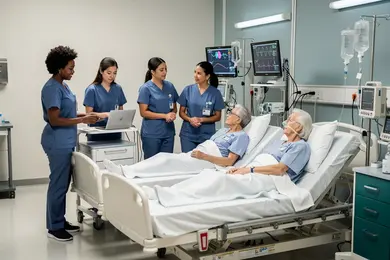
- Clinical Placement: Clinical placements are distinguished by intensive, hands-on experiences requiring full responsibility for patient care or service delivery within tightly regulated health-related environments. These placements demand adherence to professional standards and rigorous scheduling commitments, frequently monitored by licensed supervisors and regulatory bodies, and are viewed by 72% of employers surveyed by the National Board for Applied Science Professions as indispensable for demonstrating readiness for clinical licensure.
For career changers and working professionals, understanding these differences is pivotal when navigating clinical placement requirements for applied science graduate students, especially if long-term licensure or certification is a goal. Notably, scheduling intensity and supervision nuances shape daily experiences and set clear benchmarks for professional integration.
Those seeking specialized and regulated roles may prioritize clinical placements despite the higher demands, while those focusing on foundational skill-building and workplace acclimation might find internships more fitting.
Given the varying emphasis employers place on each format, students should align their experiential learning choices with targeted career outcomes. For example, while internships may enhance versatility and networks, practica and clinical placements are more directly oriented toward measurable skill development and ethical accountability, critical for successful licensure and employment in healthcare and related applied science fields.
Some applied science master's programs may also direct students toward pharmacy degree online pathways that integrate these experiential formats differently based on professional credentialing demands.
Table of contents
What Internship or Practicum Requirements Do Applied Science Master's Programs Have?
Internship and practicum requirements in applied science master's programs represent distinct pathways for integrating academic learning with professional practice, each imposing different demands on students' time and planning. These experiential components are neither uniform nor interchangeable, often requiring students to navigate scheduling complexities and placement logistics that can affect their pace of degree completion and career trajectory.
- Internship Requirement Structure: Internships typically require 120 to 300 hours of supervised, project-based work in a professional setting aligned with the student's specialization. These experiences often extend over weeks or an academic term, necessitating a significant time commitment that may conflict with ongoing employment or personal responsibilities. Since internships are usually arranged individually or through program partnerships, the process of securing a relevant placement can add uncertainty. A 2024 study by the National Association of Graduate Practitioners reports that over 75% of U.S. applied science master's programs now mandate internships or practicums, emphasizing a workforce preference for graduates with verified practical experience.
- Practicum Requirement Structure: Practicums are more formally embedded in coursework and combine direct work activities with assignments and faculty-supervised reflection. This structure provides clearer academic integration but often demands consistent engagement alongside other classes, limiting flexibility. Unlike internships, practicums frequently involve collaboration with specific employer partners, which can restrict available options but enhance alignment with learning outcomes. The inherent workload and coordination challenges frequently influence students' academic planning and can impact their ability to balance professional obligations with program requirements.

How Many Clinical Hours Are Required for Applied Science Master's Programs?
Clinical hour expectations in applied science master's programs reflect distinct professional demands, accreditation mandates, and licensing criteria, often diverging sharply by discipline. Fields tied to direct client interaction, such as occupational therapy, generally require extensive supervised experiences-recent 2024 data from a national occupational therapy licensure board confirms a minimum of 1,000 fieldwork hours-which can heavily influence program pacing and student workload.
Conversely, disciplines like environmental science or computer science favor internships and project-based practicums with fewer mandated hours, shifting the focus toward applicable skills rather than patient care. Balancing sufficient clinical exposure against logistical constraints like site availability and student schedules is crucial; failure to secure required placements often delays degree completion and complicates course sequencing, directly impacting time-to-employment.
Thus, these hour requirements not only shape readiness for professional practice but also impose practical tradeoffs that must be carefully weighed by students, especially those juggling work or career changes.
How Are Internship Placements Assigned in Applied Science Master's Programs?
Internship placements in applied science master's programs usually depend on a network of institutional partnerships and formal approval processes rather than leaving students entirely responsible for securing their own sites. Universities tend to collaborate with vetted organizations across industry, research, and healthcare to offer structured placement options that meet curriculum and accreditation requirements.
Student qualifications-including prior coursework and professional readiness-are assessed to align candidates with suitable practica, a practice supported by the National Association of Colleges and Employers, which notes that nearly 65% of graduate placements now include evaluations beyond transcripts. Geographic factors also shape assignments, as many programs limit placements to areas that reduce student relocation needs, a critical consideration for adult learners or part-time students balancing work.
This approach ensures placements are not haphazard but carefully matched to institutional capabilities and student profiles, an essential part of the internship placement process for applied science master's programs.
The practical impact of these assignment methods is significant. Programs that rely heavily on partner networks can provide access to high-quality sites but may create competitive bottlenecks among students vying for limited placements, potentially delaying degree completion. Conversely, programs allowing more student-driven placement searches offer flexibility but risk inconsistent site quality and greater student workload in managing approvals.
Faculty coordinators play a pivotal role in navigating these tradeoffs by mediating between students and organizations to maintain standards while accommodating scheduling constraints. For transfer students or those seeking more accelerated paths, understanding these dynamics is crucial, as misaligned internships can extend timelines or reduce practical learning value.
For prospective students exploring applied science pathways, including specialized tracks like online PhD nursing programs, recognizing how practicum sites are assigned directly influences career readiness and long-term workforce integration.
Can Working Adults Complete Internships Part-Time?
Part-time internship opportunities within applied science master's programs often depend on how the program structures clinical or practicum requirements and the nature of employer partnerships. Cohort-based placements may offer limited flexibility, as these typically require synchronized full-time commitments and direct onsite supervision. Conversely, programs allowing students to independently secure internship sites or those with employer-sponsored arrangements sometimes provide more adaptable scheduling, enabling reduced weekly hours over extended periods.
Nonetheless, fields with mandated clinical hours or licensure prerequisites frequently restrict part-time options due to rigid competency and time requirements. According to the National Association of Colleges and Employers 2024 Internship Survey, roughly 38% of internships in STEM and healthcare applied sciences report part-time or flexible scheduling availability, though these remain uncommon in highly regulated specialties.
The practical implications for working adults include navigating scheduling conflicts with employer demands and limited availability of part-time placements, often resulting in lengthened degree timelines. Reduced immersion can also diminish experiential learning and networking, potentially impacting professional readiness.
Those able to arrange flexible or remote internships gain a significant advantage by maintaining employment continuity while progressing academically. However, students must also confirm that accrediting bodies and licensure boards recognize their part-time experience for certification. In high-demand settings, securing these flexible sites typically requires early, proactive negotiation with academic and clinical supervisors to align expectations effectively.

Do Internship Hours Count Toward Professional Licensure Requirements?
Internship hours in applied science master's programs count toward professional licensure requirements only when they align with strict regulatory frameworks. Boards frequently require these hours to be supervised by licensed professionals and supported by detailed documentation confirming the internship's relevance to professional practice standards.
A 2024 report from the National Association of State Boards of Accountancy emphasizes that internships affiliated with programs accredited by recognized bodies are most consistently accepted for licensure credit. This oversight ensures that clinical placement hours for licensure eligibility in applied science graduate studies meet established criteria, including competency-based evaluations and verified fieldwork experience.
In practice, many students face situations where their internship hours do not fully apply toward licensure, due to variations among states, disciplines, and licensing boards. This can complicate graduation planning and delay exam eligibility, especially for working professionals or career changers who rely on timely licensure to enter their fields.
For instance, an applicant whose internship isn't formally recognized may need to complete additional supervised hours or elective courses, extending their timeline. Graduate students should assess program accreditation and supervision requirements before enrolling, as failure to align internship experiences with licensure criteria risks undermining professional readiness.
Those evaluating foundational education pathways might also consider complementary options like an online biology bachelor's degree to build essential knowledge under recognized frameworks.
How Are Internship or Practicum Experiences Evaluated?
Evaluation of internship and practicum experiences in Applied Science master's programs hinges on integrating direct field supervision with structured academic oversight to capture both technical skills and professional behaviors. Field supervisors, typically industry veterans, provide detailed performance appraisals focused on competencies such as problem-solving, communication, and ethical conduct, which are then cross-referenced against program learning outcomes.
These assessments often employ standardized rubrics to balance subjective impressions with objective benchmarks, though variability in placement settings and supervisor engagement can complicate consistent measurement. When deficiencies emerge, evaluators may require remediation or affect student progression, underscoring the critical role these assessments play in readiness verification before licensure or professional entry.
Reflective assignments and competency checklists complement supervisor feedback, fostering deeper student self-awareness and accountability. However, inconsistent supervision quality or limited role scope in certain placements may skew evaluation outcomes, posing challenges for programs to ensure equity across diverse experiential contexts.
Data from the National Center for Education Statistics in 2024 indicates about 85% of graduate applied science programs rely on this dual approach-merging practitioner feedback with structured reflection-to validate practicum achievements. This combined method addresses employer demand for graduates who not only demonstrate technical proficiency but also exhibit adaptive, collaborative, and ethical judgment in complex, real-world environments.
What Challenges Do Students Face During Graduate Internships or Clinicals?
Graduate internships and clinical placements in applied science programs represent critical junctures where academic preparation meets professional demands. These experiences often expose students to unpredictable environments and intense workload pressures that can delay graduation or undermine well-being if poorly managed. Navigating these high-stakes transitions requires balancing competing priorities often under conditions of limited institutional support.
- Time Management Strain: Internships and clinicals frequently demand extensive hours beyond coursework, forcing students to juggle academic, professional, and sometimes personal responsibilities simultaneously. According to a 2024 national survey by the Council of Graduate Schools, 47% of applied science graduate students struggled to coordinate coursework, clinical hours, and employment, resulting in heightened stress and potential performance decline.
- Placement Availability and Geographic Constraints: Many programs depend on a limited number of clinical or internship sites, causing students to accept placements far from home or in less desirable settings. This can increase commuting time and disrupt existing work-life balance, particularly affecting working professionals or family caregivers.
- Variable Supervision and Role Ambiguity: Students often encounter inconsistent levels of supervision and unclear role expectations in placement sites. This variability can impede skill development and exacerbate anxiety, as students must adapt quickly without structured feedback or support.
- Emotional and Cognitive Workload: Especially in clinical fields, intense patient loads and complex technical tasks contribute to physical fatigue and emotional burnout. The National Association of Colleges and Employers found that 35% of graduate interns in health-related applied science fields considered leaving their programs due to stress, illustrating how these pressures can threaten program completion.
- Performance Evaluation Pressure: Evaluation during placements is typically high-stakes, often influencing licensure eligibility or program progression. This can generate additional stress, as students feel scrutinized by both academic and workplace supervisors while striving to meet inconsistent or evolving standards.
Do Internships Improve Job Placement After Graduation?
Internships in applied science master's programs often function as critical signals to employers, demonstrating a candidate's practical workplace readiness beyond academic credentials. Recruiters increasingly prioritize candidates who have completed internships because these experiences reflect real-world problem-solving ability, familiarity with industry workflows, and adaptability to professional environments. Internships also foster access to internal hiring pipelines or referrals, which can markedly shorten the transition from graduation to employment.
The 2024 National Association of Colleges and Employers report shows that students with internships have a 70% higher chance of receiving job offers within six months, underscoring the measurable advantage these experiences offer despite variances in program cost or transfer credit policies that affect the impact on applied science degree expenses.
Not all internships translate directly into job placement, however, owing to differences in quality, relevance, and industry conditions such as regional job saturation or specialized role availability. Some internships, particularly unpaid or poorly aligned experiences, may demand substantial time investment without yielding concrete employment benefits, a consideration for working professionals balancing other responsibilities.
Moreover, in fields where licensure or clinical experience is mandatory, an internship may be a requirement rather than a strategic advantage, potentially delaying entry into the workforce. Students evaluating applied science programs should therefore weigh internship feasibility and alignment carefully, considering career goals and practical realities alongside academic credits, including the potential to reduce costs through transfer credits.
Those seeking specialization might also consult resources on best BCBA programs to understand how program design intersects with professional outcomes.
How Can Students Choose a Program That Matches Their Career Goals and Schedule?
Choosing a master's program in applied science often involves balancing structured internship or practicum demands with personal and professional obligations. When program requirements do not align with a student's actual schedule or career goals, this mismatch can result in delayed graduation, insufficient job readiness, or limited specialization opportunities.
Nearly 68% of graduate students in STEM-related disciplines identify hands-on training as a key factor in program choice, emphasizing the need for programs that fit both timing and outcome objectives.
- Alignment With Career Outcomes: Prioritize programs whose internship and practicum offerings lead to direct skill application and exposure to industries relevant to your targeted job role. Employer relevance affects not only licensing but also the network opportunities and mentorship you'll access.
- Flexibility of Internship Scheduling: Assess whether experiential components allow part-time, evening, or virtual placements to accommodate work or family duties. Rigid, full-time onsite requirements can impede students balancing full-time employment.
- Availability of Part-Time and Online Formats: Many of the best applied science master's programs for flexible clinical placements offer alternative delivery modes, which can shorten completion time and ease stress without sacrificing practical experience.
- Credit Transfers and Prior Learning: Explore institutional policies on accepting previous graduate credits or professional experience to reduce redundant coursework, thus accelerating program completion.
- Geographic Placement Constraints: Understand whether practicums or internships must be local, regional, or national, especially when relocation is not feasible. This affects workload and time management significantly.
- Employer Network Strength: Programs with established clinical or industry partners better facilitate job placement. However, strong networks often require adherence to specific, sometimes demanding, placement schedules and locations.
Recognizing these parameters can minimize delays and maximize the practical value of an applied science degree. For students balancing career change or licensure-focused goals with work schedules, knowing how to select applied science graduate programs matching work schedules is essential. This approach directly impacts readiness and professional mobility post-graduation.
For those exploring related fields, resources like the masters in forensic psychology online illustrate how specialized programs manage experiential requirements alongside flexible formats.
What Graduates Say About Internship, Practicum or Clinical Requirements for Applied Science Master's
- Joey: "Balancing the demand for licensure with the limited time I had after my applied science master's program was daunting. I chose to prioritize an internship that offered hands-on lab experience rather than immediately pursuing certification. While this delayed my eligibility for certain advanced roles, it ultimately gave me a portfolio that employers valued more highly, helping me secure a position faster than peers who focused solely on licensure."
- Morgan: "I realized early on that remote work options were scarce in my field despite the rise of flexible arrangements post-graduation. Given this constraint, I decided to accept a practicum in a smaller company rather than waiting for openings in larger organizations. This trade-off meant a lower starting salary but accelerated my career progression by granting me leadership responsibilities and diverse project experience that more established companies often reserve for senior staff."
- Hudson: "After finishing my applied science master's, I faced stiff competition for roles requiring extensive clinical placement experience, which I had less of compared to others. I had to pivot and upskill in certifications aligned with emerging technologies, which broadened my employability but limited immediate salary growth. Reflecting on this, those practical certifications became my key differentiator despite the initial setback of entering a niche area."
Other Things You Should Know About Applied Science Degrees
Internships or clinical placements in applied science master's programs often demand a significant time investment, sometimes requiring full-time engagement over several weeks or months. Balancing these demands with coursework and employment can be challenging, particularly for working professionals or career changers. Prioritizing programs that offer flexible or part-time placement options may prevent burnout and improve overall success, while rigid schedules could compromise academic performance or job stability.
Internship experiences in applied science vary widely, with some placements providing access to innovative technologies and research environments, while others focus on routine, operational tasks. For students aiming to enter high-tech or research-driven fields, it's crucial to select programs with strong industry partnerships that emphasize advanced skill development. Routine placements may still build foundational skills but might limit exposure to emerging trends, potentially affecting long-term employability in fast-evolving sectors.
Completing an internship earlier allows students to apply practical insights during subsequent coursework, enhancing theoretical understanding and networking opportunities. However, ending with an internship might provide an immediate bridge to employment and capitalize on all accumulated knowledge and skills. From a strategic standpoint, those seeking to pivot careers or gain relevant experience quickly should prioritize earlier placements to inform academic focus and clarify career direction.
Alignment is critical because internships closely tied to a student's target sector or specialty significantly improve relevance and job readiness. Placements misaligned with career goals may still develop transferable skills but often miss industry-specific competencies and professional contacts necessary for competitive hiring. When choosing a program, prioritizing those with placements tailored to your career focus maximizes both learning outcomes and employer appeal.
References
- Master of Science in Health Sciences https://cabarruscollege.edu/academic-programs/allied-health-programs/master-of-science-in-health-sciences
- TIPS - Tłumaczenie na polski - bab.la https://pl.bab.la/slownik/angielski-polski/tips
- Curriculum https://shp.utsouthwestern.edu/programs/applied-clinical-research/curriculum/
- | NRR | Dove Medical Press https://www.dovepress.com/internship-challenges-encountered-by-nursing-students-a-qualitative-st-peer-reviewed-fulltext-article-NRR
- Internship Program at Osnabrück University of Applied Sciences https://www.hs-osnabrueck.de/internship-program
- Master of Science (MS) in Clinical Research https://www.rushu.rush.edu/rush-medical-college/admissions/master-science-clinical-research
- Definition of TIP https://www.merriam-webster.com/dictionary/tip
- Scientific Internships https://phd.pages.ist.ac.at/scientific-internships/
- What Hours Count Toward Licensure for Mental Health Professionals https://tamarasuttle.com/what-hours-count-toward-licensure-for-mental-health-professionals/
- What’s the Difference Between Practicum Experiences, Internships, and Fellowships? https://www.grace.edu/difference-between-practicum-experiences-internships-and-fellowships/