2027 Are Online Applied Science Degrees Respected by Employers?

Co-Founder and Chief Data Scientist
Online applied science degrees have surged in popularity as technology transforms higher education. Recent data shows that over 70% of employers recognize online qualifications as equivalent to traditional degrees when earned from accredited institutions. This article aims to clarify current employer attitudes toward online applied science credentials and the key factors shaping their acceptance. Understanding these perceptions helps prospective students evaluate the value of online study in applied science fields and make informed decisions about their career paths. Insights presented here are based on expert analysis of trends in education quality, accreditation, and workforce demands.
Key Benefits of Online Applied Science Degrees Respected by Employers
- Employers increasingly recognize online applied science degrees as legitimate credentials with 72% of hiring managers reporting favorable views on online graduates' abilities according to a 2023 industry survey.
- Graduates develop practical skills in critical thinking, problem-solving, and technical applications that align with workforce demands, enhancing their immediate job readiness.
- Holding a respected online applied science degree correlates with a 15% higher likelihood of career advancement within the first five years compared to those with traditional degrees.
Which Accrediting Bodies Make an Online Applied Science Degree Legitimate?
Accreditation is essential for ensuring the quality and employer recognition of online applied science degrees, as it guarantees that programs meet rigorous academic and professional standards. Without proper accreditation, the value of an online degree can be questioned by employers and other educational institutions. Understanding the key accrediting bodies behind these degrees is crucial for prospective students seeking accredited online applied science degree programs in the United States. The main types of accreditation relevant to online applied science programs include:
- Regional Accreditation: Considered the most prestigious, regional accreditation is typically granted to nonprofit institutions and signifies high educational standards. It enhances a program's credibility and supports easier credit transferability between regionally accredited schools. For example, Arizona State University's online degrees are accredited by the Higher Learning Commission, a recognized regional accreditor, which adds substantial value to its qualifications.
- National Accreditation: This form is more common among for-profit and career-focused institutions. While national accreditation may not always support credit transfer as smoothly as regional accreditation, it remains valuable for career-specific training in online applied science fields. The Distance Education Accreditation Commission exemplifies a national accreditor specializing in distance learning programs, helping students prepare for immediate workforce entry.
- Programmatic Accreditation: Focused on specific fields rather than entire institutions, programmatic accreditation ensures applied science programs align with industry standards and equip students for certifications or licensure. The American Council for Construction Education (ACCE) is a leading programmatic accreditor for construction-related applied science programs, ensuring graduates meet professional expectations.
Choosing programs recognized by these accrediting agencies ensures that degrees are respected by employers and educational institutions alike, directly impacting career outcomes. Students interested in advancing their careers through reliable credentials may also explore high paying certification programs that complement their applied science education.
Does University Reputation Affect Employer Views of Online Applied Science Degrees?
University reputation plays a crucial role in shaping employer perceptions of online applied science degrees. Employers often view degrees from prestigious institutions as indicators of rigorous academic standards and graduate readiness. This is particularly relevant when considering university reputation and online applied science degree employers tend to trust credentials from well-established schools, regardless of whether the program was completed online or on campus.
Several institutional factors influence this credibility. Institutional prestige signals to employers that the education provided meets high-quality benchmarks. Alumni success also enhances reputation; graduates who thrive in applied science fields demonstrate the program's effectiveness. Accreditation status remains a key factor in employer trust, as an accredited online applied science degree value assures that the program satisfies recognized educational standards. Furthermore, universities partnering with industries through internships or research collaborations show alignment with current market needs, making their graduates more attractive hires.
Despite the weight given to university reputation, employers still prioritize demonstrated skills and relevant experience. Candidates who present practical competencies, such as portfolios or certifications, often stand out in hiring decisions. As online education gains broader acceptance, the gap between online and traditional degrees narrows, but skills remain essential.
For prospective students seeking accessible and flexible education options, exploring an easy master degree can be a strategic choice to build credentials while leveraging reputable programs.
Do Employers Treat Online and On-campus Applied Science Degrees Equally?
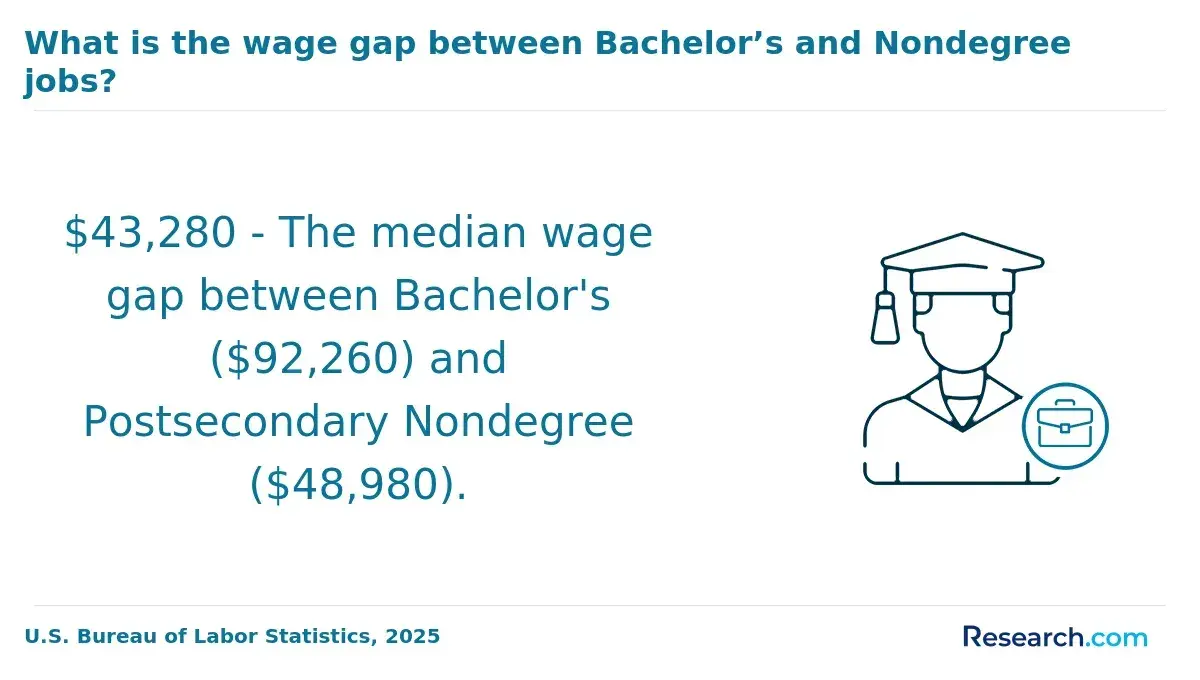
Employer perceptions of online applied science degrees have shifted significantly in recent years, with many now recognizing them as comparable in value to traditional on-campus degrees. This change is largely driven by the growing legitimacy of online programs offered by accredited institutions, which maintain rigorous academic standards. Although some employers in the United States still show a preference for traditional degrees, this gap is narrowing as more professionals achieve success with online credentials and as remote work becomes more common. The rise of quality online learning platforms has also contributed to enhancing the reputation of online applied science degrees.
When comparing online and on-campus applied science degrees, hiring managers typically evaluate several key factors such as accreditation, university reputation, and relevant practical experience. Accreditation ensures that the online program adheres to established academic criteria, which is crucial for employer trust. University reputation also plays an important role, as degrees from well-known institutions tend to carry more weight regardless of delivery format. Practical experience is equally valued because it demonstrates that graduates can apply their skills effectively in real-world situations. To ensure their online degree is viewed as credible, graduates should emphasize the quality of their program, relevant skills acquired, and any professional experience in their applications. This strategic presentation helps align with evolving employer attitudes and affirms that online applied science degrees can offer a strong foundation for career advancement.
Do Employers Trust Online Applied Science Degrees from AI-powered Virtual Classrooms?
AI technologies such as adaptive learning systems, virtual simulations, and AI tutors play a significant role in enhancing the quality and credibility of online education. These tools offer personalized learning experiences tailored to individual student needs, helping learners grasp complex concepts more effectively. Virtual simulations allow students in Applied Science fields to engage in realistic, hands-on scenarios that mirror professional environments, providing critical practical experience. AI-powered virtual classrooms enable real-time feedback and assessments, ensuring that students maintain high standards of knowledge and skill development throughout their studies. This integration of advanced technology fosters a rigorous and relevant curriculum, which is vital for building trust in the value of online degrees.
Employer perceptions of online Applied Science degrees are increasingly positive, influenced in part by the incorporation of AI in online education. Research shows that a majority of employers recognize online graduates as equally competent compared to in-person degree holders, with no significant differences in starting salaries reported. However, some skepticism still exists, particularly in the U.S., where acceptance of online qualifications can lag behind other regions. The use of AI-based learning tools helps address these concerns by showcasing the emphasis on skills acquisition and practical readiness. As remote work becomes more prevalent, employers are valuing the adaptability and technical proficiency that online graduates demonstrate. Overall, AI-powered virtual classrooms contribute to greater employer confidence in online Applied Science degrees, especially when these programs are accredited and focused on applied skills.
What Skills Do employers Value from Online Applied Science Graduates?
Online applied science graduates are competitive in the job market due to their combination of professional skills and essential soft skills. These include data analysis and problem-solving abilities alongside adaptability and communication, which are developed through flexible and accessible online learning platforms.
When considering skills employers look for in online applied science graduates, several in-demand skills for applied science degree holders stand out as key strengths fostered by these programs. These include:
- Data Analysis: This skill is strengthened through online learning by providing students with hands-on experience in analyzing data sets and interpreting results. Employers value data analysis skills for their ability to inform business decisions and drive innovation.
- Problem-Solving: Online applied science programs often include project-based learning, which enhances problem-solving abilities by requiring students to apply theoretical concepts to real-world challenges. Employers appreciate graduates who can independently solve complex problems.
- Communication: Effective communication is developed through online discussions and presentations, making graduates adept at conveying complex ideas clearly and concisely. Employers seek candidates who can communicate effectively across diverse teams and stakeholders.
- Adaptability: The flexibility of online learning environments helps students adapt to changing situations and learn new technologies, which is essential in fast-paced industries.
For those interested in advancing their education quickly, exploring the fastest way to get associate's degree can provide valuable options for entering this competitive field.
Do Professional Certifications Help Validate Online Applied Science Degrees?
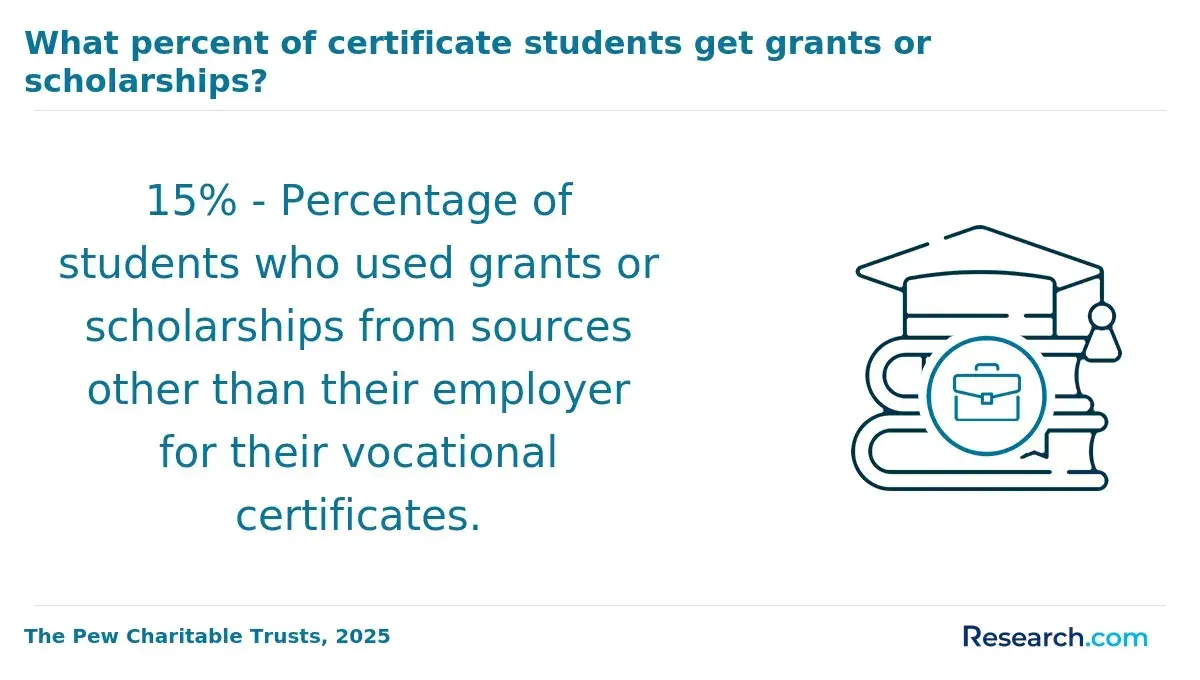
Earning professional certifications alongside an online applied science degree significantly boosts the degree's credibility and serves as concrete proof of mastery in specific industry skills. These certifications help graduates demonstrate their technical expertise beyond what the degree alone may convey. This added layer of validation is crucial in assuring employers of a candidate's qualifications.
Professional certifications strengthen the value of online applied science degrees in clear and measurable ways, particularly from an employer's perspective. Consider the following key benefits:
- Industry Recognition: Certifications like CompTIA, AWS Certified Solutions Architect, and Lean Six Sigma are respected credentials known across industries. They indicate that graduates adhere to widely accepted technical standards, reducing any hesitation employers might have regarding the online nature of their degree.
- Skill Validation: These certifications require passing rigorous, standardized exams that directly assess relevant professional skills. This process reassures employers that the graduate's knowledge is up-to-date and suited to specific job requirements beyond academic coursework.
- Career Advancement Potential: According to labor statistics, individuals with certifications can earn approximately 10% more than those without, highlighting the financial and promotional advantage certifications can provide. For online applied science graduates, certifications can differentiate them in competitive job markets and open doors to specialized roles.
- Employer Trust and Initiative: Pursuing certifications shows dedication to continual professional development and a proactive learning attitude. Employers often see certified candidates as motivated, adaptable, and serious about their career growth.
- Enhanced Networking Opportunities: Certification programs frequently connect participants to industry leaders and peer communities, expanding professional networks and access to job opportunities important for career progression.
A professional I spoke with who completed an online applied science program shared how certifications fundamentally changed his job prospects. He explained that initially, when applying for technical roles, recruiters questioned the rigor of his online education. Motivated to prove his capabilities, he invested significant time preparing for and passing industry-recognized certifications. "The certification process was demanding, requiring countless hours of study and practice exams, but it gave me confidence and credibility," he reflected. After earning these credentials, hiring managers responded more favorably, often highlighting his certifications during interviews. He noted, "It wasn't just about having the paper degree anymore - the certifications showed I had the current skills they really needed." This combination ultimately helped him secure a position in a competitive field where online degrees might otherwise be viewed skeptically. His experience illustrates how certifications can validate and enhance the value of an online applied science degree in tangible, career-advancing ways.
Do Online Applied Science Graduates Earn the Same Salaries as On-campus Graduates?
National trends show that there is minimal salary difference between online and on-campus applied science graduates, with many online degree holders earning salaries on par with their traditional counterparts. This reflects growing employer trust in online education and the emphasis on skills over the mode of instruction. When examining the average salary for online applied science graduates, several key factors emerge that influence whether their earnings match those of on-campus graduates, and these factors are critical in any salary comparison online vs traditional applied science degrees.
These factors include:
- Program Accreditation and Institutional Reputation: Employers prioritize the credibility of the institution and its outcomes rather than the format of the degree. Well-established online programs can produce graduates with competitive salaries, as seen in numerous schools with strong salary scores.
- Field of Specialization and Industry Demand: Graduates in technology and healthcare sectors tend to earn higher salaries. Those specializing in in-demand fields through online programs benefit from market demand similar to on-campus graduates.
- Practical Skills and Real-World Application: Programs emphasizing hands-on experience ensure graduates can demonstrate job-ready skills, which are equally valued regardless of whether they were acquired online or on campus.
For prospective students concerned about affordability and value, exploring the best affordable online schools that accept fafsa can provide cost-effective pathways to earning such competitive degrees.
How Do Online Applied Science Degrees Impact Career Growth and Promotions?
Earning an online applied science degree can significantly influence long-term career advancement and open up greater promotion opportunities across diverse industries such as healthcare, technology, and management. As employers increasingly trust the practical skills and specialized knowledge gained through these programs, graduates position themselves for enhanced professional growth.
Several key benefits illustrate how online applied science degrees support career progression and leadership readiness:
- Expanded Career Opportunities: An online applied science program equips graduates with credentials that qualify them for a wider range of roles, including competitive positions in cyber operations, project management, and health services management, often leading to promotions or career shifts otherwise not attainable.
- Immediate Employability and ROI: Focused on practical and industry-relevant skills, these degrees prepare students to contribute effectively from day one, improving job placement speed and salary potential, thereby ensuring a strong return on investment.
- Leadership and Management Pathways: Many programs offer specialized tracks in leadership, conflict resolution, and communication, enabling graduates to transition from technical roles into supervisory or management positions that require these competencies.
- Flexible Learning and Skill Development: The self-paced online format nurtures essential soft skills such as time management, self-motivation, and adaptability, qualities highly valued for career advancement and managerial responsibilities.
- Stackable Credentials and Lifelong Learning: The ability to transfer credits and build on associate degrees creates a continuous professional development pathway, allowing working professionals to enhance qualifications without disrupting their careers, thus accelerating promotion timelines.
When I spoke with a professional who completed an online applied science program, she shared how the degree directly transformed her career trajectory. Initially juggling full-time work and family responsibilities, she found the flexible schedule crucial to completing the coursework. Despite facing challenges balancing deadlines and job demands, the practical focus of her studies helped her immediately apply new skills on the job. Within months of graduation, she earned a promotion to a management role, a transition she described as "a turning point powered by both the expertise and confidence gained through the program." She also emphasized how the leadership courses prepared her for navigating team dynamics, which previously had been a barrier to advancement. Reflecting on her journey, she noted, "The degree not only opened doors but also gave me the tools to step through them successfully." This example highlights how an online applied science degree can serve as a pivotal asset in accelerating career growth and reaching leadership positions.
What Companies Actively Hire Graduates from Online Applied Science Programs?
Employers across various industries are increasingly open to hiring candidates with online applied science degrees, recognizing the value of the skills and knowledge gained through these programs. This trend reflects a broader acceptance of online education as a credible and flexible alternative to traditional campus-based degrees. As a result, numerous sectors actively pursue graduates from these programs, seeing the practical expertise they bring to the workforce.
Here are some examples of companies and industries known for seeking applied science degree holders and valuing their unique skill sets:
- Technology and IT: Companies in this sector frequently hire online applied science graduates for roles in software development, data analysis, and technical support. Employers appreciate the problem-solving and critical thinking skills that these graduates develop, which are essential for innovation and product development.
- Healthcare and Biotechnology: Healthcare organizations and biotech firms seek graduates for positions such as clinical research, medical technology, and health informatics. Their strong understanding of scientific principles and analytical skills make them valuable for advancing medical technology and patient care solutions.
- Education and Research: Educational institutions and research organizations employ online applied science graduates as instructors, researchers, or mentors. Their ability to teach effectively and perform rigorous research, often in remote or hybrid environments, supports the evolving needs of these organizations.
- Data Science and Analytics: With companies increasingly driven by data-informed decisions, data science and analytics firms hire graduates for roles such as data analysts or business analysts. These professionals bring robust statistical and analytical expertise that help organizations optimize operations and strategies.
For students exploring educational paths, understanding what companies hiring online applied science graduates look for can be valuable. To learn more about educational pathways that combine applied science with other fields, consider researching best dual degrees that might enhance career prospects.
What Future Trends Will Shape Online Applied Science Degrees' Credibility?
Technology, accreditation standards, and employer attitudes are rapidly evolving, reshaping the perception of online applied science degrees in today's job market. As digital education advances and workforce needs change, these factors are driving increased acceptance and respect for online credentials. Several key trends are poised to strengthen the legitimacy and recognition of online applied science programs in the near future:
- AI-Driven Learning Validation: Artificial intelligence is being used to verify student work, customize learning experiences, and provide real-time skill assessments. This innovation promotes academic integrity and offers employers clear, data-backed proof of graduates' competencies, boosting trust in online applied science credentials.
- Global Accreditation Collaboration: Accrediting organizations are working together across borders to establish consistent, rigorous standards for online applied science programs. This international cooperation helps ensure that degrees meet high-quality benchmarks recognized worldwide, enhancing global employability.
- Increased Employer Partnerships: More employers are actively partnering with online universities to develop and assess applied science curricula. These partnerships align coursework with current industry needs, preparing graduates for in-demand roles and reflecting a growing preference for hiring online-educated candidates.
- Skill-Based Hiring and Micro-Credentials: Employers are prioritizing demonstrable skills over degree type, emphasizing competency through micro-credentials and targeted assessments. Online applied science programs increasingly offer these options, enabling graduates to clearly showcase specific expertise and improve their job prospects.
- Integration with Brick-and-Mortar Institutions: Online degrees offered by established universities with physical campuses tend to be viewed more favorably. With 92% of employers favoring online degrees from such institutions compared to 42% for fully online universities, this trend underlines the importance of institutional reputation in degree credibility.
Here's What Graduates of Respected Online Applied Science Programs Have to Say About Their Degree
- Jamal: "Completing my online applied science degree completely transformed my career trajectory. The flexibility allowed me to work full-time while learning cutting-edge techniques that immediately boosted my job prospects. After graduation, I secured a position in environmental consulting where I apply what I learned to help companies meet sustainability goals. This degree opened doors I never imagined and gave me confidence in my professional path."
- Maria: "Going through an online applied science program challenged me to develop strong self-discipline and time management skills, which have been invaluable as I advanced in my healthcare technology career. The program's practical curriculum prepared me to lead projects that improve patient care, and my employers have recognized my qualifications as a significant asset for promotion opportunities. I now mentor others pursuing similar paths, and it feels rewarding to contribute to both my community and profession."
- DeShawn: "Starting my career with an online applied science degree gave me the unique advantage of balancing work experience concurrently with my studies, something that traditional degrees couldn't offer me. This real-world exposure helped me build a robust network and gain immediate professional credibility. I was able to secure a management role within a year of graduating, directly attributing my rapid career growth to the practical skills and knowledge I gained online."
Other Things You Should Know About Respectable Online Applied Science Degree Programs
While most employers focus on the degree's accreditation and the skills of the applicant, some still have a preference for traditional degrees. However, the gap is narrowing as online programs improve and become more widely accepted.
In 2027, an online applied science degree may positively impact career advancement if the program is accredited and the institution is well-regarded. Employers increasingly value skills and competencies over the mode of education, and online programs often offer flexibility and up-to-date curricula.
Industries like information technology, health sciences, and engineering often recognize online applied science degrees, particularly where technical skills are essential. Employers focused on competencies value degree format less than hands-on experience and certification.
References
- What is an Online Associate of Applied Science Degree? https://online.gmc.edu/online-applied-science-degree/
- Applied Science Degree & Technical Certifications https://www.cccua.edu/programs-of-study/skilled-and-technical-sciences.html
- Do employers value online degrees? https://www.nimt.ac.in/blog/do-employers-value-online-degrees
- Full article: Online higher education: current landscape and future trends https://www.tandfonline.com/doi/full/10.1080/0309877X.2023.2200136
- Skills or degree? The rise of skill-based hiring for AI and green jobs - ScienceDirect https://www.sciencedirect.com/science/article/pii/S0040162525000733
- Are Online Degrees Respected and Credible? | Goodwin University https://www.goodwin.edu/enews/are-online-degrees-respected-credible/
- Can Online Colleges Offer Competitive Career Outcomes? https://www.onlineu.com/magazine/popular-online-schools-career-outcomes
- Why Employers Are Preferring Online Degrees More Than Ever in 2025? https://www.onlinecu.in/blog/cu/why-employers-are-preferring-online-degrees-more-than-ever-in-2025.php