
2027 Is a Technical Communication Online Degree Worth It?

Co-Founder and Chief Data Scientist
Online education has seen unprecedented growth, with over 40% of college students now taking at least one course online. This surge has prompted many to consider an online technical communication degree, drawn by its potential flexibility and relevance in today's digital workplace. Technical communication remains vital as businesses increasingly rely on clear, concise content to engage customers and support users.
This article aims to help prospective students evaluate whether an online technical communication degree is worth pursuing by examining key factors such as cost, program flexibility, accreditation, job market trends, and how employers perceive these degrees. Understanding these elements will provide clarity for anyone weighing their educational and career options in this evolving field.
Key Benefits of Online Technical Communication Degree
- Online technical communication programs offer flexible schedules, accommodating working professionals and nontraditional students balancing education with careers or family.
- Core curricula emphasize practical skills-such as document design and usability testing-aligned with industry needs in tech-driven sectors experiencing steady job growth.
- Graduates often see enhanced career prospects; the US Bureau of Labor Statistics projects a 7% employment increase for technical writers through 2032.
Who should choose an online technical communication degree program?
Online learning has become a valuable option for many students due to its flexibility and ability to accommodate diverse schedules. This approach allows individuals to manage both their personal and professional responsibilities while pursuing higher education.
Those who are most likely to benefit from an online technical communication degree include the following groups:
- Working professionals: Those currently employed can advance or change their careers without interrupting their full-time jobs, thanks to asynchronous classes and practical assignments that fit busy lifestyles.
- Career changers: Individuals from fields such as IT, healthcare, or business can acquire specialized communication and design skills online, facilitating smooth transitions into technical communication roles.
- Adult learners and parents: People with family responsibilities appreciate the self-paced nature of online programs, which permits study without fixed class times or on-campus attendance.
- Geographically remote students: Learners living far from academic institutions gain access to quality programs and unique specializations not otherwise available locally.
What are the pros and cons of an online technical communication degree?
Online technical communication programs have become a popular option for students and professionals due to their flexibility and career advancement potential. These programs enable learners to balance education with work and personal commitments while gaining in-demand skills.
Pros of an Online Technical Communication Degree
- Flexibility for Working Professionals: Asynchronous coursework lets students manage employment and studies simultaneously, which suits technical communicators working on variable project schedules.
- Cost Savings and Accessibility: Online programs reduce expenses like commuting and housing, making tuition more affordable. This cost efficiency supports ongoing skill development, a key advantage when considering the pros and cons of earning a Technical Communication degree online.
- Digital Literacy Development: Learning through platforms like Canvas and Blackboard offers practical experience with tools used in modern workplaces, boosting technical proficiency required in the field.
- Expanded Career Opportunities: Removing geographic limits allows access to programs nationwide, expanding networking and job prospects for graduates in this high-demand area.
Cons of an Online Technical Communication Degree
- Limited Hands-On Lab Experience: Virtual settings may not fully replicate practical experience with documentation software and collaborative tools, which are essential in technical communication roles.
- Reduced Networking Opportunities: Online formats require proactive effort to build professional connections, a challenge that highlights some disadvantages of online Technical Communication programs.
- Self-Discipline Requirements: Success depends heavily on strong motivation and time management skills, which can be difficult for some distance learners.
- Employer Perception Concerns: Although less common today, certain employers may remain skeptical about online credentials compared to traditional degrees.
For those considering this path, reviewing college fast track programs can provide additional insight into accelerated options suited for busy professionals.
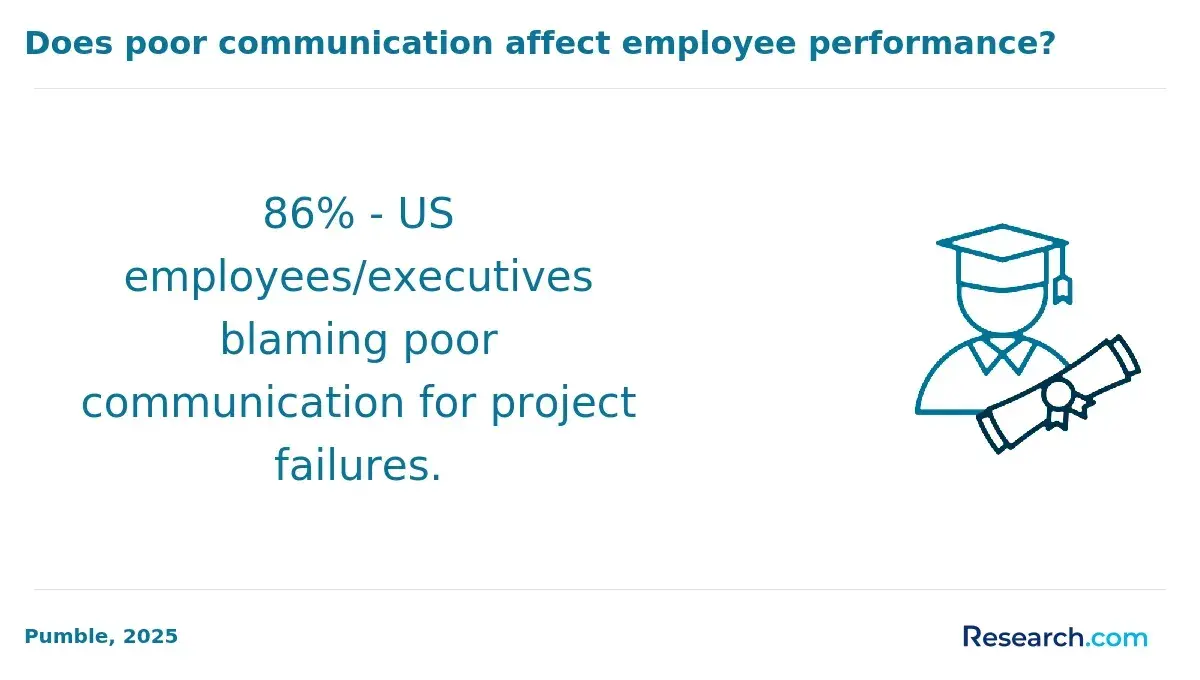
How do AI-enhanced virtual classrooms work in online technical communication programs?
AI technologies have become central to modern online education by making learning more personalized and interactive. For students in technical communication programs, these innovations streamline the educational experience and improve engagement. Below are key features of AI-powered virtual classroom tools for technical communication that demonstrate how these systems support students effectively.
- Adaptive Learning Tools: AI-driven platforms analyze individual progress and tailor content to address strengths and weaknesses, bridging knowledge gaps and keeping learners motivated.
- AI-Driven Feedback: Intelligent tutoring systems provide personalized guidance and detailed feedback at each student's pace, helping refine technical writing and communication skills.
- Enhanced Collaboration: AI-powered chatbots and natural language processing enable real-time transcription, interactive Q&A, and smooth communication across large or asynchronous classes.
- Automated Editing Support: Built-in proofreading tools quickly identify errors and suggest revisions, allowing students to produce polished assignments efficiently.
- Data-Driven Assessment: AI tracks engagement, auto-grades routine tasks, and offers immediate feedback, freeing instructors to focus on mentorship and complex teaching.
These innovations reflect the growing impact of generative AI in online technical communication courses and offer potential students practical advantages in mastering the field. For those considering their educational options, discovering what is an easy master's degree to get might also provide useful context in choosing the right program.
What technology do you need for an online technical communication degree?
Success in online technical communication programs depends heavily on having the right technology setup. Proper equipment and software not only facilitate smooth course participation but also help students meet the demands of digital communication projects.
Below is a list of essential tools and technology students need to prepare before enrolling in a program focused on technology requirements for online technical communication degree studies.
- Reliable Computer (desktop or laptop): A computer with at least 8GB of RAM and a modern processor is crucial. This ensures efficiently running multiple applications simultaneously, such as word processors, design software, and project management tools, which are all common in technical communication coursework.
- High-speed Internet Connection: A minimum speed of 25 Mbps download and 3 Mbps upload is necessary. This supports seamless participation in live classes, fast uploading of large files, and real-time collaboration with classmates and instructors.
- Professional Design Software: Tools like Adobe Creative Suite (InDesign, Illustrator, Photoshop) are standard in technical communication curricula. These applications help students master visual communication principles and develop content that meets industry standards.
- Screen Recording and Video Editing Tools: Software such as Camtasia or OBS empowers students to create instructional videos or presentations, which are often required to demonstrate communication concepts and practical skills.
- Document Collaboration Platforms: Microsoft Office 365 or Google Workspace enable group projects and peer feedback, both vital for editing and collaborative writing assignments in online programs.
- Usability Testing Software: Platforms like UserTesting or Maze allow students to conduct user experience research remotely, adding real-world value to coursework and helping develop essential evaluation skills.
Those researching computer and software needed for online technical communication programs may also consider how program speed and flexibility fit their needs, potentially exploring an associate's degree accelerated option. This ensures they select technology that supports their educational goals.
How long does it take to finish an online technical communication in 2027?
Program length is a crucial consideration for those pursuing an online technical communication degree, as it impacts both personal and professional planning. Completion times can differ significantly depending on the program format and student pace. Below is an overview of typical timelines for finishing online technical communication degrees.
- Full-Time Online Track: Generally, bachelor's degrees take about four years when enrolled full-time, with some schools offering accelerated three-year options. Master's programs typically range from two to three years, though intensive year-round formats can allow completion in as little as 12 months.
- Part-Time Enrollment: Students balancing work or family often choose part-time status, which extends program duration but provides greater scheduling flexibility. Many programs offer asynchronous coursework to accommodate varied schedules.
- Accelerated and Intensive Courses: Some programs include accelerated semesters or condensed modules, enabling faster degree completion for motivated students willing to take heavier course loads.
- Transfer Credits and Program Structure: The number of transferred credits and whether a program follows standard semesters or shorter terms can also impact how quickly students finish their studies.
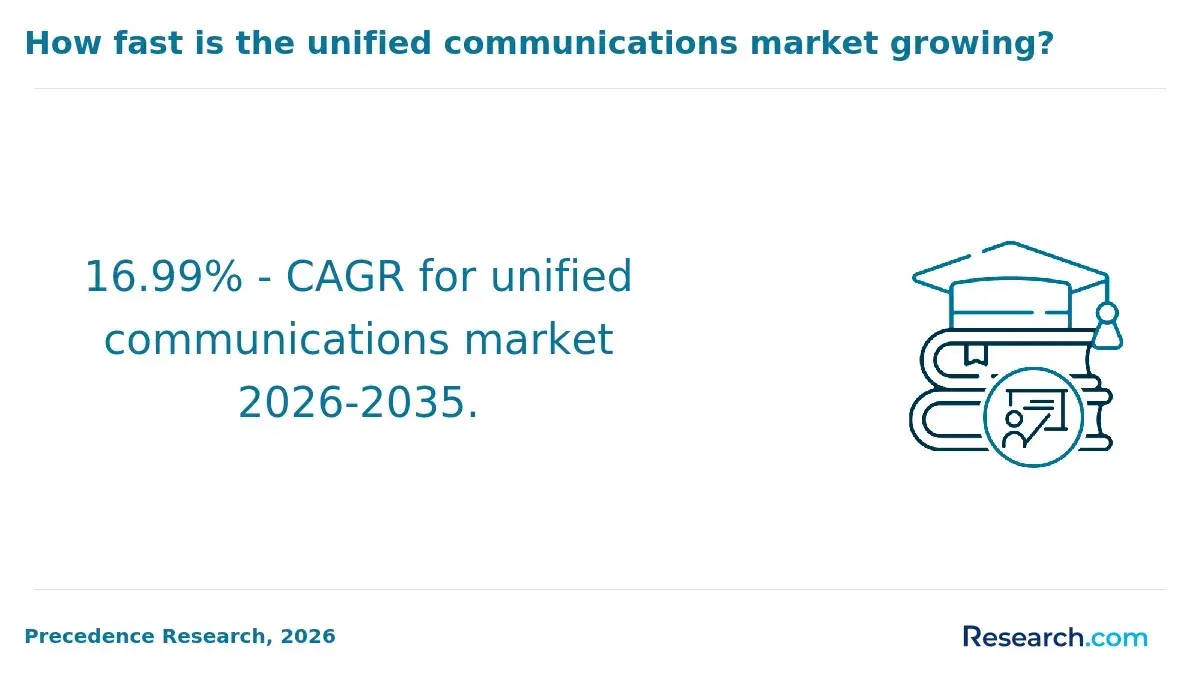
Can you work full-time while completing an online technical communication degree?
Many students wonder if it's possible to work full-time while pursuing an online technical communication degree. This concern is common, as managing job duties alongside academic work requires careful planning. Several factors influence how well students can balance these responsibilities.
- Program pacing: Choosing between part-time and full-time enrollment helps students tailor their course load to their work and life demands, making progress more manageable.
- Course format: Asynchronous classes offer great flexibility by letting students study anytime, while synchronous sessions mean scheduled live meetings that require more fixed time commitments.
- Workload: Technical communication programs are demanding and require disciplined study habits, so staying organized is key to avoid overwhelm.
- Employer support: Communicating with employers about academic goals can lead to flexible hours or understanding during busy weeks.
- Personal time management: Effective scheduling with daily goals and dedicated study blocks helps maintain consistent progress despite a busy work schedule.
When I spoke with a graduate who worked full-time during her online technical communication degree, she shared how challenging it was to juggle deadlines and job tasks but also rewarding. She said, "I had to become very intentional with my time, often studying late at night and on weekends."
Having a clear routine helped her stay motivated, though some weeks felt overwhelming. She appreciated the program's flexibility and her employer's willingness to adjust hours occasionally. Reflecting on her experience, she noted that while it wasn't easy, working while studying developed her discipline and time management skills in ways she hadn't expected.
How do online technical communication degree programs help with internships?
Internships are essential for gaining practical experience and building a foundation for a career in technical communication. They enable students to apply their academic knowledge in real-world contexts while developing professional skills.
Online technical communication programs employ various methods to support students in securing and completing these valuable internships.
- Practicum Requirements: Some programs include mandatory practicum courses where students complete internships or project-based work, ensuring direct experience and culminating in portfolio development.
- Professional Networking Opportunities: Programs often connect students with industry professionals through client collaborations and virtual teamwork, expanding students' professional circles and skill sets.
- Mentorship Programs: Experienced mentors guide students throughout their internship journey, offering advice, feedback, and career insights.
- Career Services Support: Dedicated staff help students identify suitable internships, prepare application materials, and navigate the internship process effectively.
- Online Tracking and Management: Digital platforms assist students and coordinators in organizing internship tasks, deadlines, and evaluations to ensure successful completion.
What is the average tuition cost of an online technical communication program?
Knowing the average tuition cost is crucial for anyone planning to pursue an online technical communication degree because tuition makes up a significant portion of the overall expense. Understanding these costs helps students budget effectively and compare different program options before enrolling. Below is a breakdown of essential tuition-related data for these programs.
- Average Tuition Per Credit: Undergraduate tuition at public institutions typically ranges from $337 to $415 per credit hour, while private schools often charge between $516 and $784 per credit, reflecting substantial variation based on institution type.
- Total Degree Costs: For bachelor's degrees, in-state public students can expect to pay around $40,536 in tuition, whereas out-of-state students face higher costs close to $59,011. Private institution tuition averages roughly $63,185 for the entire degree.
- Residency Differences: Many public universities differentiate tuition rates by residency. For example, Texas Tech charges between $415 and $500 per credit hour depending on whether you qualify as in-state or out-of-state.
- Additional Fees: Students should account for extra costs such as facility or technology fees, which generally run $17 to $50 per credit, plus specific course fees-for internships or labs-that can range from $100 to $375 per course.
- Graduate Program Example: Mercer University's master's in technical communication charges $784 per credit, totaling about $23,520 for 30 credits, excluding minor fees.
When I asked a student currently enrolled in an online technical communication program about tuition costs, he shared how managing expenses became an ongoing balancing act. He explained, "It wasn't just the tuition; the additional fees kept adding up, and I had to carefully plan my budget each semester.
Applying for scholarships and taking advantage of payment plans really helped." Despite initial worries about affordability, he felt positive about investing in his online degree, noting that the flexibility allowed him to work while studying and gradually handle the financial challenge without feeling overwhelmed.
What is the average salary for someone with an online technical communication degree in 2027?
Understanding the average salary for online technical communication degree graduates in the United States 2025 is essential when deciding if this field aligns with your financial and career goals. Knowing the earning potential can help you make an informed choice about pursuing an online technical communication program.
Below are key salary insights that highlight the financial outlook for graduates in this field.
- Average Entry-Level Salary: Graduates typically start with an annual salary around $43,860, which breaks down to about $21.09 per hour. This entry point reflects the typical technical writer salary with an online technical communication degree but also leaves plenty of room for growth as skills and experience increase.
- Mid-Career and Senior Salaries: As professionals gain experience, salaries rise significantly. Mid-career technical writers earn closer to the median annual wage of $91,670 reported in May 2024 by the Bureau of Labor Statistics. Senior technical writers can command salaries between $67,000 and $121,000, with an average of about $90,199, reflecting the strong earning potential in advanced roles.
- Salary by Industry and Region: Compensation varies by geographic location and specialization. For example, specialized roles in technical design average $80,265 annually. Certain regions offer higher pay compared to the national average, highlighting the benefit of strategic career moves and location choices.
- Job Market Demand and Growth: Employment opportunities for technical communicators are expected to grow at rates well above average, indicating a steady demand that supports career stability and earning potential.
For students considering online study paths, researching colleges online that accept fafsa can increase access to affordable education options and help you prepare for a financially rewarding career in technical communication.
Which industries hire graduates from online technical communication programs?
An online technical communication degree equips graduates with versatile skills applicable across diverse professional fields, enabling them to adapt to fast-changing industry needs. Its comprehensive training prepares students for various roles requiring clear, precise communication of complex information. Below is an overview of key industries hiring online technical communication graduates.
- Information Technology: Graduates create user manuals, software documentation, and online help systems that simplify complex digital tools. IT firms highly value these skills to enhance product usability and customer satisfaction, reflecting the growing demand for technical communication jobs in healthcare and technology sectors.
- Engineering and Manufacturing: Technical communicators develop operation guides, safety protocols, and training materials. These documents are crucial for ensuring safe and efficient workflows for both internal teams and clients.
- Healthcare: This sector employs graduates to produce clear patient instructions, medical documentation, and regulatory compliance materials. The demand aligns with a rise in roles focused on bridging communication gaps between medical specialists and patients, illustrating a strong segment of technical communication jobs in healthcare and technology.
- Transportation and Logistics: Specialists write technical procedures, compliance documentation, and system specifications. Such work supports the intricate regulatory environment and operational complexity inherent in transportation industries.
- Military and Defense: The military requires communicators for technical manuals, training guides, and policies critical to mission success. Defense contractors similarly depend on precise documentation to meet stringent standards.
- Other Sectors: Financial services, education, and consulting also hire these graduates, often as content strategists, UX writers, or internal communications specialists. The field's broad applicability contributes to a variety of growing career opportunities.
For those considering this path, it is helpful to explore the best trade school jobs that pay well to understand how technical communication careers rank in terms of growth and earnings potential.
What Graduates of Online Technical Communication Programs Say About Their Degree
- Arden: "Pursuing an online technical communication degree allowed me to learn at my own pace, which was perfect given my busy work schedule. The flexibility combined with comprehensive course materials made the entire learning experience effective and engaging. Considering the average cost of attendance was reasonable, it truly felt like a worthwhile investment."
- Santos: "The online technical communication program not only enhanced my career prospects but also refined my writing and analytical skills in ways I hadn't expected. Reflecting on the affordable tuition, I realize how accessible quality education has become through online platforms. This degree opened doors I hadn't even considered before."
- Leonardo: "From a professional standpoint, the online technical communication degree provided a strong return on investment. The curriculum was rigorous yet manageable, and the cost was significantly lower than many traditional programs. This blend of quality education and cost-efficiency has been invaluable in advancing my career."
Other Things You Should Know About Technical Communication Degrees
In 2027, quality education in online technical communication programs is ensured through accreditation by recognized bodies, such as the Accreditation Board for Engineering and Technology (ABET) or regional accreditors. These accreditations confirm that the programs meet industry standards, ensuring graduates are prepared for the workforce.
Admission requirements for an online technical communication degree in 2026 typically include a high school diploma or equivalent, transcripts, and sometimes standardized test scores. Some programs may require a personal statement or portfolio demonstrating relevant skills or experience. Always check specific program requirements.
References
- Technical Communication – Online Education | Missouri S&T https://distance.mst.edu/distance-programs/distance-graduate-degrees/technical-communication/
- Technical Communication Internships Requirements https://www.uhd.edu/academics/humanities/undergraduate-programs/technical-communications/tcom-internships.aspx
- 5 High-Paying Virtual Careers With a Communications Degree - Best Communications Degrees https://www.bestcommunicationsdegrees.com/lists/5-high-paying-virtual-careers-with-a-communications-degree/
- The Pros and Cons of Studying Online https://an.edu/the-pros-and-cons-of-studying-online/
- AI in education: ensuring teacher agency in a technology-empowered world https://www.acer.org/gb/news/article/ai-in-education-ensuring-teacher-agency-in-a-technology-empowered-world
- Is a Communication Degree Worth It? https://www.snhu.edu/about-us/newsroom/liberal-arts/is-a-communication-degree-worth-it
- Jobs You Can Get with a Communication Degree | UT San Antonio Online https://online.utsa.edu/blog-content/jobs-communications-degree/
- 9 AI Technologies That Influence Online Language Learning - The Really Great Teacher Company https://reallygreatteachers.com/schools/insights/9-ai-technologies-that-influenced-online-language-learning
- Technical Communication https://www.memphis.edu/english/graduate/ma/technical_communication.php
- Can I Work Full-Time While Earning an Online Degree? https://www.athens.edu/online-degree-completion-programs-working-adults/can-i-work-full-time-while-earning-an-online-degree/


