2027 How Long Does It Take to Earn an Online Electrical Engineering Degree?

Co-Founder and Chief Data Scientist
Choosing an online electrical engineering degree is partly an academic decision and partly a time-management decision. The right program can help you prepare for engineering, electronics, energy, controls, robotics, or communications roles without relocating or leaving work. The wrong fit can stretch your timeline, raise your costs, or leave you without the lab experience, accreditation, or advising support you need.
The electrical engineering field is projected to grow 7% through 2031, according to the U.S. Bureau of Labor Statistics, making degree planning especially important for students who want to move into technical roles or advance from technician-level work into engineering responsibilities. Online programs can be flexible, but they are not automatically faster or easier. Electrical engineering remains math-heavy, lab-oriented, and sequential, meaning course order, transfer credit, enrollment pace, and capstone requirements can all affect graduation time.
This guide explains how long online electrical engineering degrees usually take, what can shorten or extend your timeline, how credit hours work, what courses to expect, when programs start, whether accelerated study can save money, and what graduates may earn after completing the degree.
Key Benefits of Online Electrical Engineering Degree
- Most online electrical engineering degrees take between 3 to 5 years to complete, depending on whether students attend full-time or part-time, allowing flexibility for working professionals.
- Online programs often offer accelerated options that can reduce completion time to as little as 2.5 years for highly motivated students who transfer credits or take summer courses.
- Flexible scheduling enables students to balance coursework with personal and professional commitments, making it feasible to progress steadily without interrupting their careers.
What is the average completion time for online electrical engineering programs?
The average completion time for an online electrical engineering program depends mainly on the degree level, your transfer credits, and whether you study full-time or part-time. A full-time bachelor's student should usually plan for about four years, while working adults who take fewer courses per term may need several additional years.
- Bachelor's degree: Most online bachelor's in electrical engineering programs are structured around a four-year full-time plan. Part-time students commonly take four to eight years, depending on course load and term availability. Some accelerated or degree-completion options can be finished in as little as 18 to 36 months when students enter with substantial transfer credits or prior coursework.
- Master's degree: Online master's in electrical engineering programs generally take around two years of full-time study. Accelerated or highly flexible options may take 18-24 months, while part-time students may take longer. Students comparing faster graduate pathways can also review 1 year online masters programs, though availability and fit will vary by specialization and admissions requirements.
- Doctoral degree: Online doctoral programs in electrical engineering are less common and often include research milestones, dissertation work, and sometimes on-campus residencies. They typically take at least four years, and many students need additional time because dissertation progress depends on research scope, faculty supervision, and publication or defense requirements.
For most students, the most realistic estimate is not the advertised minimum timeline but the timeline based on how many technical courses they can complete successfully each term. Electrical engineering courses often build on one another, so falling behind in calculus, physics, circuits, or signals can delay later courses.
What factors can affect how long it takes to earn an online electrical engineering degree?
Several variables can speed up or slow down an online electrical engineering degree. The biggest mistake students make is assuming that online delivery automatically means self-paced completion. Many engineering programs still follow strict prerequisites, lab schedules, cohort sequences, and capstone timelines.
- Enrollment status: Full-time students can often complete a bachelor's degree in about four years. Part-time students, especially those working full time, may take five to six years or longer. Before enrolling, ask how many credits the school considers full-time and how often required engineering courses are offered.
- Course format: Accelerated sessions and self-paced formats can shorten completion time for disciplined students. Traditional 15-16 week semesters may be easier to manage for difficult courses but can extend the timeline if you can only take one or two courses per term.
- Work and family obligations: Electrical engineering requires consistent study time for problem sets, labs, simulations, and exams. Students with rotating shifts, caregiving responsibilities, or frequent travel may need a lighter course load to avoid withdrawing from courses.
- Transfer credits and prior learning: Accepted transfer credits can reduce both cost and time. However, engineering programs may be selective about accepting older math, science, and technical credits. Ask specifically whether calculus, physics, programming, circuit analysis, and lab credits will transfer into the major rather than only as electives.
- Academic preparedness: Students who are ready for calculus, physics, and programming usually progress faster. Those who need prerequisite or remedial coursework may add one or more terms before beginning upper-division engineering classes.
- Availability of advising and tutoring: Strong advising matters because engineering course sequencing is unforgiving. Missing one prerequisite can delay graduation if that course is offered only once or twice per year.
- Financial resources: Students who need to reduce their course load for affordability or work extra hours to cover expenses may take longer. Financial aid rules can also affect minimum enrollment levels, so confirm how part-time study affects aid eligibility.
- Program requirements: Most online programs require 120 to 128 credits, including labs, design courses, or capstones. These applied components can lengthen the timeline if they require group work, special software, scheduled lab kits, or limited enrollment.
If your main concern is balancing graduate study with work and family, you may also want to compare flexible options such as easy masters degrees online. For electrical engineering specifically, however, “easier” should not be the primary filter. Accreditation, faculty expertise, lab quality, and employer recognition are more important than convenience alone.
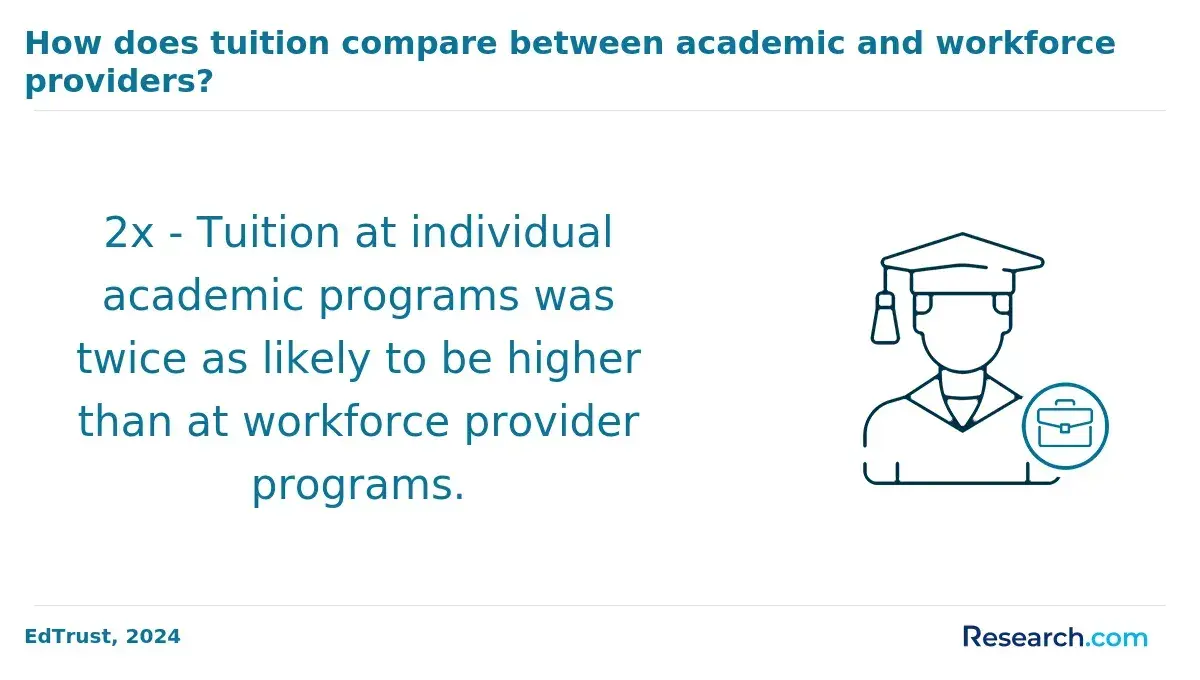
What are the different types of online electrical engineering programs available?
Online electrical engineering programs are not all designed for the same student. Some prepare graduates for engineering roles and possible licensure pathways, while others focus more on applied technology, maintenance, or technical management. The right choice depends on your current education level, career target, and whether you need a full degree or a completion pathway.
- Bachelor of Science in Electrical Engineering (BSEE): A BSEE is the standard undergraduate route for students who want a broad engineering foundation. It typically includes circuits, electronics, digital systems, power, signals, control systems, math, physics, and design work. These programs often require 120 credits over four years and are commonly selected by students aiming for engineering roles, graduate study, or licensure preparation.
- Engineering technology degrees: Engineering technology programs are more application-focused. They often emphasize electronic systems, troubleshooting, instrumentation, manufacturing, and project implementation. Some can be completed in as short as 2.5 years, depending on structure and transfer credit. These degrees may fit students who want practical workforce preparation, but they may not be equivalent to engineering degrees for every employer or licensure path.
- Hybrid and accelerated programs: Hybrid programs deliver most coursework online but may require occasional campus visits, in-person labs, proctored exams, or scheduled design sessions. Accelerated tracks, including combined bachelor's and master's options, can let motivated students finish more quickly, sometimes within five years. These formats are best for students who can handle a heavier workload and plan ahead for any required on-site components.
- Upper-division or degree-completion programs: These programs are designed for students who already hold an associate degree or have completed substantial lower-division coursework. They may focus on the final two years of a bachelor's curriculum and avoid repeating foundational general education or introductory technical courses.
- Specialized concentrations: Many programs let students focus electives in areas such as power systems, signal processing, or robotics. Concentrations can help align coursework with a target industry, but students should confirm that the specialization includes enough depth for their career goals.
- Flexible and asynchronous learning formats: Asynchronous courses let students complete lectures and assignments on a weekly schedule rather than attending live classes at set times. Some models use one-course-per-month pacing. These formats can work well for working adults, military students, and students in different time zones, but they still require steady weekly progress.
When comparing program types, look beyond the program title. Review accreditation status, lab delivery, faculty credentials, transfer policies, graduation requirements, and whether the degree name will match the roles you plan to pursue.
How many credit hours are required for an online electrical engineering degree?
Online electrical engineering degrees usually require about the same number of credits as campus-based programs. The difference is delivery format, not academic scope. Credit requirements vary by degree level, and engineering programs often include sequenced math, science, lab, and design courses that must be completed in order.
- Associate degree: An associate-level program usually requires about 60-65 credit hours. Full-time students often finish in around two years, while part-time students may take longer. Some prior certificates or related coursework may reduce the remaining credits if the institution accepts them.
- Bachelor's degree: A bachelor's degree generally requires approximately 120-128 credit hours. Full-time students usually complete the degree in four years, while part-time students may need five to seven years. Students entering with an associate degree may finish faster if their transfer credits satisfy major and general education requirements.
- Master's degree: A master's program typically requires 30-32 graduate credit hours. Full-time students may finish in one to two years, while part-time students may take up to three years. Specialized tracks can require additional coursework or specific prerequisites.
- Doctoral degree (PhD): Online doctoral options are limited and often require 60-90 post-bachelor's credit hours, including coursework and dissertation research. Completion commonly varies from four to seven years, depending on prior credits, research progress, and dissertation milestones.
Credit totals do not tell the full story. A 3-credit circuits course with a lab, simulation work, and weekly problem sets may require more time than a 3-credit elective. Students should evaluate workload, not just credit count.
A graduate of an online electrical engineering degree described the process as a long-term scheduling challenge. Work, family, and technical coursework had to be planned carefully, especially during demanding classes such as circuit design. Transfer credits from prior technical certifications reduced some pressure and allowed more focus on advanced topics. Their main advice was to use instructor support early, keep a weekly study routine, and avoid overloading terms that include lab-heavy or math-intensive courses.
What courses are included in a standard online electrical engineering curriculum?
A standard online electrical engineering curriculum combines mathematics, science, computing, engineering fundamentals, laboratory work, and design projects. The exact course list varies by school, but most programs are built to develop the ability to analyze systems, design circuits, model signals, work with hardware and software, and solve open-ended engineering problems.
- Introduction to electrical and computer engineering: This course introduces the field, basic circuit concepts, digital systems, engineering tools, and common career pathways. It often helps students understand how later courses connect.
- Circuits and electronics: Students learn to analyze, design, and troubleshoot analog and digital circuits. Online programs may use simulation software, lab kits, remote labs, or structured design assignments to support hands-on learning.
- Digital systems and microcontrollers: This course covers digital logic, embedded programming, and microcontroller-based design. It is especially relevant for robotics, smart devices, automation, and hardware-software integration.
- Signals and systems: Students study how signals behave, how systems transform them, and how mathematical tools are used in communications, controls, audio, and signal processing.
- Electromagnetic fields and transmission lines: This course introduces electromagnetic theory, wave behavior, and field interactions. It supports work in wireless systems, antennas, high-frequency electronics, and communications.
- Power systems and energy conversion: Students examine generation, transmission, distribution, motors, power electronics, and renewable energy applications. This area is important for students interested in utilities, energy systems, and infrastructure.
- Control systems: This course focuses on feedback, stability, modeling, and system response. It applies to automation, robotics, aerospace, manufacturing, and industrial processes.
- Communication systems: Students learn about analog and digital communication, modulation, coding, and network concepts. This coursework supports telecommunications, wireless systems, and signal processing roles.
- Electronics and interfacing laboratory: Lab work gives students practice designing, building, measuring, and testing circuits or systems. For online students, it is important to ask whether labs use shipped kits, local proctoring, remote access equipment, or campus visits.
- Capstone design project: The capstone usually requires students to solve an engineering problem through design, testing, documentation, and presentation. Teamwork is common, even in online programs.
- Professional and technical electives: Electives may cover robotics, mechatronics, cyber-physical systems, business-related engineering topics, or other specialized areas. Choose electives based on the job postings or graduate programs you plan to target.
Because electrical engineering is cumulative, students should not treat prerequisite courses as boxes to check. Strong performance in calculus, physics, programming, circuits, and signals will make upper-division courses more manageable.
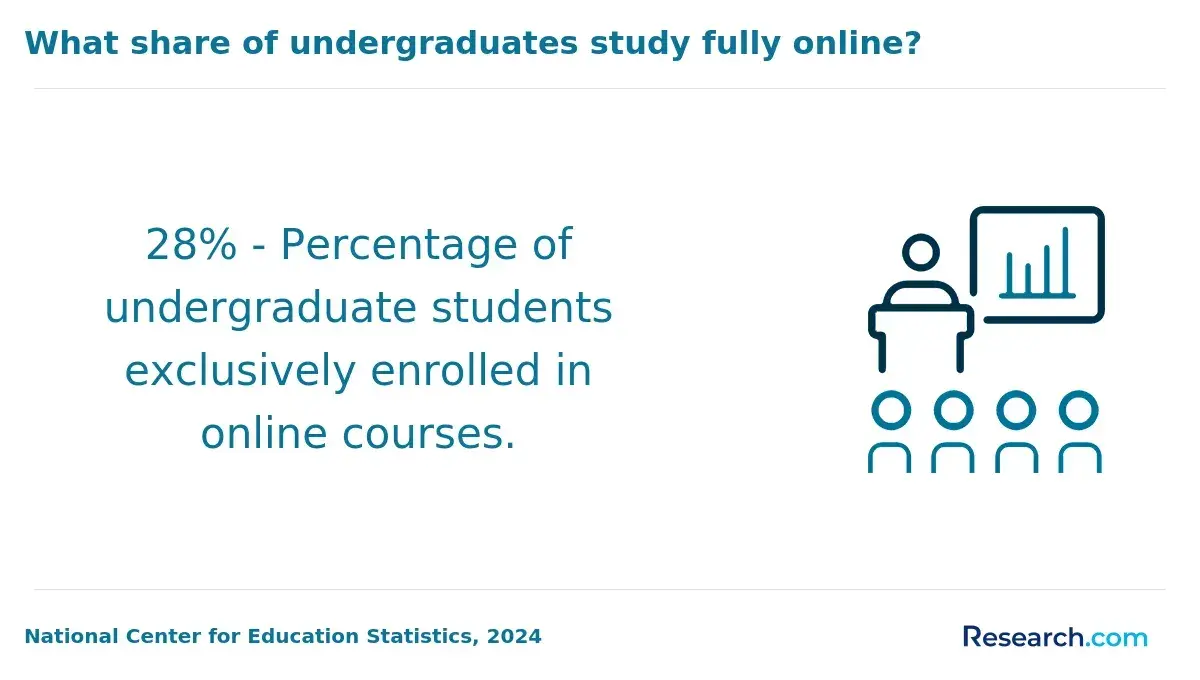
How often do online electrical engineering programs start during the year?
Online electrical engineering programs may start once, twice, or several times per year. Start-date flexibility can help students begin sooner, but it does not always mean every required course is available every term. Before applying, confirm both the admission start date and the schedule for core engineering courses.
- Traditional academic calendar: Many programs offer two main starts, usually in late August or September for fall and late January for spring. This format works well for students who prefer a predictable semester structure and can follow a standard course sequence.
- Rolling admissions: Some universities review applications throughout the year and admit students for multiple entry points. This can reduce waiting time, but students should still check when their first required technical courses begin.
- Monthly or quarterly starts: Some online programs offer new sessions every month or quarter, often with 8-week or 16-week classes. This can be useful for working adults who want faster entry or more scheduling options.
- Hybrid schedules: Some programs offer core courses during major semesters and electives year-round. This can help students accelerate progress if they are able to take summer or off-cycle courses.
A practical enrollment question is: “If I start in this term, what will my first four terms look like?” Ask for a sample degree plan based on your transfer credits, preferred course load, and any lab or residency requirements. That plan will reveal whether the program's advertised flexibility fits your actual timeline.
How much faster can you complete an accelerated online electrical engineering degree?
An accelerated online electrical engineering degree can shorten the path substantially, but the amount of time saved depends on transfer credits, course load, and program design. Some bachelor's students can finish in under three years when they study full-time without long breaks and enter with applicable credits. Students in combined bachelor's and master's pathways may also finish both degrees faster than completing them separately.
- Shorter course terms: Accelerated programs may use condensed five- to eight-week modules instead of 14- to 16-week semesters. This allows students to complete more courses across the year, but the weekly workload is heavier.
- Year-round enrollment: Summer and winter terms reduce downtime and help students maintain progress. This structure benefits students who can study consistently without extended breaks.
- Transfer credits: Programs that accept a high volume of transfer credits from prior college coursework or associate degrees can reduce the number of remaining courses. For eligible students, this can shorten the total study time by up to a year.
- Competency-based learning: Some programs allow students to demonstrate mastery through exams or prior learning assessments. This can help experienced professionals avoid repeating material they already know.
- Double-counting credits in combined programs: Dual degree pathways may allow selected courses to count toward both bachelor's and master's requirements, reducing the total time compared with earning the degrees separately.
Acceleration is most effective for students who are academically prepared, organized, and realistic about weekly study hours. It can be risky for students who are new to calculus-based engineering coursework or who cannot commit consistent time to assignments, labs, and exams.
A graduate of an accelerated online electrical engineering degree described the format as demanding but efficient. They balanced a full-time job with fast-paced coursework, late-night study sessions, and weekend assignments. The year-round schedule kept momentum high, while credit-by-exam for prior technical experience helped save months. Their takeaway was that acceleration can make finishing in under three years possible, but only with discipline, support, and careful course planning.
Does finishing an online electrical engineering degree faster save you money?
Finishing faster can save money, but it depends on how the school charges tuition and fees. Students should compare total program cost, not just annual tuition. In many cases, a shorter timeline can reduce the number of terms paid, limit fee accumulation, and help graduates begin earning sooner.
- Lower tuition and fees: If a school charges by term, accelerated study can reduce the number of terms needed. If tuition is charged per credit, savings may be smaller unless acceleration helps avoid future tuition increases or repeated fees. Flat-rate term pricing can make faster completion especially valuable for students who can handle heavier course loads.
- Reduced student-related expenses: Online students may avoid commuting and campus housing, but they still pay for technology, books, software, internet, and everyday living costs. Graduating sooner shortens the period in which education-related expenses compete with other financial priorities.
- Earlier entry into the workforce: Graduating faster may allow students to enter full-time engineering roles earlier, with salaries often above $70,000. Earlier earnings can improve cash flow and may help borrowers begin repayment sooner.
- Less disruption to current work: Working professionals may be able to limit the time they spend reducing hours, declining overtime, or delaying promotions. A shorter degree timeline can reduce the opportunity cost of studying.
However, faster is not always cheaper if it leads to failed courses, withdrawals, repeated classes, or burnout. Students should calculate whether they can realistically succeed in an accelerated schedule before choosing it for financial reasons.
Graduate students comparing faster options can review the quickest masters program choices, but should still evaluate accreditation, faculty expertise, course availability, and employer relevance before enrolling.
How soon can graduates start working after earning their online electrical engineering degree?
Many graduates can begin working within a few months after earning an online electrical engineering degree, especially if they have internships, cooperative experience, projects, or prior technical work history. The job-search timeline depends on location, specialization, employer demand, networking, and how well the student's portfolio or resume demonstrates applied engineering skills.
The field is growing faster than average, with a projected 9% employment increase from 2023 to 2033. Graduates with focused skills in areas such as power systems, controls, electronics, embedded systems, communications, or automation may be able to compete more effectively for entry-level roles. Geographic flexibility can also improve the search, since engineering hiring varies by region and industry.
Online students should begin career preparation before graduation. Useful steps include completing internships or cooperative projects when available, building a portfolio of design work, documenting lab and simulation experience, attending virtual career fairs, joining professional organizations, and asking faculty for feedback on resumes and technical interview preparation.
Program choice can also affect job readiness. Look for schools that support career services, employer connections, project-based learning, and practical lab work. Students still comparing affordable application options may find it useful to review accredited online colleges accepting free applications while checking whether each program offers strong engineering-specific career support.
How much do online electrical engineering graduates earn on average?
Online electrical engineering degree graduates in the United States typically earn between $83,000 and $132,000 per year, with an average salary around $111,091. Earnings vary by role, experience level, industry, location, degree level, and technical specialization. Employers generally care more about skills, accreditation, projects, and experience than whether the coursework was completed online or on campus.
- Entry-level roles: New graduates often begin as junior engineers, earning between $75,718 and $86,331 annually. Pay depends on employer type, region, engineering discipline, internship experience, and technical readiness.
- Mid-career professionals: With 4 to 6 years of experience, salaries often rise to about $98,889 per year. A master's degree, certifications, or specialized technical expertise can support movement into more complex assignments.
- Specialized positions: Engineers working in areas such as aerospace, controls manufacturing, or power generation may earn between $115,000 and $135,000. Higher pay is usually tied to advanced technical responsibility and industry demand.
- Leadership roles: Electrical engineers who move into management or team lead roles typically earn median salaries of approximately $165,370. These roles require experience, communication skills, project judgment, and leadership ability.
- Industry variations: The national median salary is near $111,910, while specialized fields such as electronics engineering or navigational manufacturing can have median wages exceeding $127,590.
Finishing the degree sooner can help graduates reach the labor market earlier, but salary growth depends on more than speed. Students should prioritize internships, strong technical projects, relevant electives, and professional networking. Those exploring work environments that match their personality and strengths may also want to review the best jobs for introverts.
Here's What Graduates of Online Electrical Engineering Programs Have to Say About Their Degree
- Antonio : "Completing my online electrical engineering degree was a game-changer for my career. The flexibility allowed me to balance work and family life while gaining cutting-edge knowledge in power systems and circuit design. This program not only prepared me technically but also boosted my confidence to lead projects in the energy sector. I especially appreciated the practical labs and real-world simulations integrated into the coursework. It truly opened doors I hadn't imagined possible."
- Tessa: "Reflecting on my journey through the online electrical engineering program, I am grateful for how it nurtured my passion for sustainable technologies. The remote learning environment challenged me to develop strong self-discipline and time management skills. It also connected me with a diverse community of professionals, enriching my understanding of global engineering challenges. Today, I apply this knowledge in developing renewable energy solutions that impact my community positively."
- Alcazar: "Starting my career with an online electrical engineering degree gave me a competitive edge in the tech industry. Employers value the practical experience and adaptability that comes with completing such a program. I found that the curriculum's focus on embedded systems and communication technologies aligned perfectly with industry trends, allowing me to advance quickly. The program's professional networking opportunities also helped me secure a position at a leading electronics firm."
Other Things You Should Know About Online Electrical Engineering Degree Programs
An online electrical engineering degree in 2027 typically includes core courses in circuits, electromagnetics, and digital systems, supplemented by math and science electives. Programs may integrate virtual labs and capstone projects to enhance practical skills. Curricula are designed to be flexible, accommodating students’ varied schedules.
In 2027, the time it takes to complete an online electrical engineering degree depends on several factors, including program structure, full-time or part-time enrollment, and the student's previous credits or experience. Typically, a bachelor's program can take 3 to 4 years, though accelerated options may be available.
In 2027, earning an online electrical engineering degree typically takes about four to six years for a bachelor’s program, depending on the student's pace and the institution's course structure. Some accelerated programs may allow completion in a shorter time if prerequisites and workload permit.
References
- BSEE Degree Completion Program | ECE https://www.clemson.edu/cecas/departments/ece/academics/online-programs/bseecompletion.html
- Best Online Electrical Engineering Degrees Of 2025 https://www.forbes.com/advisor/education/engineering/best-online-electrical-engineering-degree-programs/
- Transferring midway through University. https://www.thestudentroom.co.uk/showthread.php
- Steps to Getting Your First Electrical Engineering Graduate Job https://electronicsgrouprecruitment.co.uk/steps-to-getting-your-first-electrical-engineering-graduate-job/
- Electrical and Electronics Engineers : Occupational Outlook Handbook: : U.S. Bureau of Labor Statistics https://www.bls.gov/ooh/architecture-and-engineering/electrical-and-electronics-engineers.htm
- Can You Actually Earn an Engineering Degree Online? How It Works and What It Costs https://money.com/online-engineering-degrees/
- Electrical Engineering https://online-distance.ncsu.edu/program/master-of-science-in-electrical-engineering/
- Electrical and Electronic Engineering (Top-up) (Online) BEng Tech (Hons) https://www.tees.ac.uk/undergraduate_courses/engineering_&_construction/beng_tech_(hons)_electrical_and_electronic_engineering_(top-up)_(online).cfm
- Electrical Engineering Online Courses | Coursera https://www.coursera.org/browse/physical-science-and-engineering/electrical-engineering
- restart electrical engineering career after gap https://entri.app/blog/restart-electrical-engineering-career-after-gap/