
2027 Online vs On-Campus Library Science Degree Programs: Pros & Cons

Co-Founder and Chief Data Scientist
Choosing between an online and an on-campus library science degree is less about which format is “better” and more about which one fits your schedule, learning style, budget, and career goals. The growth of online education has made this decision more important: enrollment in fully online programs has grown by over 20% in the last five years, giving future librarians, archivists, information specialists, and digital resource managers more ways to earn the credential they need.
Both formats can lead to credible outcomes when the program is properly accredited, but they differ in daily experience. Online programs usually offer more flexibility and lower indirect costs, while on-campus programs may provide easier access to physical collections, face-to-face mentoring, and local networking. This guide compares online and on-campus library science programs across structure, admissions, academic support, completion time, cost, financial aid, credibility, employer perception, salary, and fit so you can make a practical, informed decision.
Key Benefits of Online vs On-Campus Library Science Degrees
- Online library science degree programs offer greater flexibility, allowing students to balance studies with work or family commitments, which is why 63% of online students report improved time management skills.
- These programs often provide access to a wider range of courses and expert faculty nationwide, broadening learning opportunities beyond local campus limitations.
- On-campus library science programs facilitate direct networking and collaboration with peers and professors, enhancing practical skills through immediate feedback and access to campus resources.
Are Online vs. On-Campus Library Science Programs Structured the Same Way?
Online and on-campus library science programs often share the same academic goals, core curriculum, and graduation requirements, but they are not structured the same way in practice. The biggest differences are how courses are delivered, how students interact with faculty and classmates, and how easily students can access physical library resources.
For most students, structure is the first major decision point. A strong online program can work well if you are organized and comfortable learning through digital platforms. An on-campus program may be a better fit if you want a fixed schedule, frequent in-person discussion, and regular access to archives, labs, or special collections.
- Course delivery: Online programs commonly use learning management systems, recorded lectures, readings, discussion boards, virtual meetings, and digital assignments. Many courses are asynchronous, allowing students to complete work around jobs or family responsibilities. On-campus programs rely on scheduled classroom meetings, in-person seminars, and direct use of campus facilities.
- Class schedules: Online courses may follow flexible or compressed formats, including 5- or 7-week courses. This can help motivated students progress efficiently, but it also requires disciplined time management. On-campus programs usually follow a traditional academic calendar with fixed meeting times, which can provide structure but less day-to-day flexibility.
- Interaction and collaboration: Online students interact through forums, video calls, group projects, email, and virtual office hours. This can be effective, especially for students comfortable communicating in writing. On-campus students get more spontaneous conversations before and after class, easier access to faculty, and more informal networking opportunities.
- Access to resources: Online students rely heavily on digital databases, e-books, research guides, virtual librarian support, and remote access tools. On-campus students usually have those same digital resources plus physical access to archives, rare books, preservation labs, media centers, and special collections.
- Practical learning: Both formats may include internships, practicums, capstone projects, or portfolio work. The difference is often location. Online students may complete fieldwork near where they live, while on-campus students may have more direct access to university library placements or nearby partner institutions.
The main takeaway: online and on-campus programs can be academically equivalent, but the student experience is different. If you need flexibility, online delivery may be more realistic. If your goals involve archival work, preservation, or hands-on collection management, check whether the online program provides meaningful fieldwork options before enrolling.
Are Admission Requirements the Same for Online vs On-Campus Library Science Degree Programs?
Admission requirements are usually similar for online and on-campus library science degree programs because schools generally apply the same academic standards across formats. A degree earned online is not supposed to be an easier version of the on-campus credential. However, online applicants may be asked to show stronger evidence that they can manage independent study, use academic technology, and communicate effectively in a virtual environment.
- Academic qualifications: Both online and on-campus programs generally require a bachelor's degree from an accredited institution. A bachelor's degree is required for online library science programs as well, and applicants do not always need an undergraduate major in library science. The minimum GPA for admission typically ranges from 2.5 to 3.0 in both formats, although more selective programs and scholarship committees may expect stronger academic records.
- Work or volunteer experience: Prior library, archival, research, teaching, information technology, or public service experience is rarely mandatory, but it can make an application stronger. This is especially true for applicants changing careers or applying to online programs designed for working adults.
- Application materials: Most programs require official transcripts, a resume or CV, letters of recommendation, and a statement of purpose. The statement matters because it helps the admissions committee understand your goals, writing ability, and fit with the program. Online programs may ask applicants to explain how they will manage independent, technology-supported learning.
- Testing requirements: Many online programs have moved away from requiring the GRE, while some on-campus programs may still list it as optional. Applicants should read the current admission page carefully instead of assuming that all formats have the same testing policy.
- Technical readiness: Online students may need reliable internet access, a suitable computer, webcam capability, and familiarity with basic academic software. Some programs also require a virtual orientation before classes begin. On-campus students are still expected to use digital tools, but technical readiness may be less formally assessed during admission.
- International student requirements: Both formats may require English language proficiency tests for international applicants. Online programs may also have country-specific technology, residency, or authorization requirements that affect whether a student can enroll from abroad.
Applicants planning for graduate library science study should also think about their undergraduate timeline and preparation. For some students, an accelerated bachelor's degree may provide a faster route to meeting baseline graduate admission requirements before applying to a specialized library science program.
Do Online Library Science Students Receive the Same Academic Support as On-Campus Students?
Online library science students can receive academic support comparable to on-campus students, especially in well-designed programs and programs accredited by the American Library Association (ALA). The support is not always delivered the same way, however. Online students should expect more virtual advising, digital research help, remote faculty meetings, and online career resources. On-campus students usually have easier access to in-person offices, workshops, events, and informal faculty contact.
The quality of support depends less on the format and more on how intentionally the program serves its students. Before enrolling, ask how often advisors meet with online students, whether tutoring is available outside business hours, how internships are arranged, and whether online students can participate in student organizations or career events.
- Tutoring and academic help: Online students may use video appointments, live chat, writing centers, digital forums, and asynchronous feedback. On-campus students can often attend in-person tutoring, workshops, and study groups. Both formats can be effective if services are easy to access and responsive.
- Career counseling: Online students commonly receive virtual advising, resume reviews, webinars, online job boards, and interview preparation. On-campus students may also attend career fairs, alumni events, and employer visits. Students in either format should ask whether career services understand library, archives, academic library, public library, school library, and information management roles.
- Library access: Online students typically receive remote access to databases, e-books, journals, interlibrary loan support, research consultations, and virtual librarian help. On-campus students receive those digital resources plus physical collections, study spaces, archives, and special collections.
- Faculty interaction: Online students usually communicate through email, video conferencing, discussion boards, and scheduled virtual office hours. On-campus students can speak with faculty in class, during office hours, and at campus events. In either format, strong students should be proactive about building faculty relationships for mentorship and recommendations.
- Peer networking: Online programs may offer cohort models, virtual student organizations, group projects, discussion spaces, and alumni communities. On-campus students often build connections more naturally through seminars, campus jobs, assistantships, and informal meetings. Online students can still build meaningful networks, but they may need to be more intentional.
A common mistake is assuming that online support is automatically weaker or that on-campus support is automatically better. The better question is whether the program has specific systems for advising, field placement, faculty access, career preparation, and peer connection in the format you plan to use.
How Long Does It Take to Complete an Online vs an On-Campus Library Science Degree?
Completion time depends on enrollment status, course load, program calendar, transfer policies, and whether the student takes breaks. Online programs often provide more pacing flexibility, while on-campus programs may offer a more predictable full-time sequence.
- Online library science degree: Most online master's programs are designed with working adults in mind, so students may be able to enroll part-time or full-time. Online master's degrees typically take about 2 to 3 years to complete, though some fast-track options allow full-time students to finish in as little as 18 months. Asynchronous coursework can make the degree easier to fit around work and family obligations, but faster completion requires careful planning and consistent weekly study time.
- On-campus library science degree: Traditional on-campus master's programs generally take between 1.5 and 2.5 years for full-time students. Part-time students might need 4 to 5 years. The fixed schedule can help students stay on track, but it may be harder to manage for those with full-time jobs, caregiving responsibilities, or long commutes.
Students should not choose the fastest option automatically. A shorter timeline can reduce opportunity cost and help you enter the workforce sooner, but it can also limit time for internships, assistantships, specialization courses, or portfolio development. A slower pace may be worth it if you need to keep working or want to gain relevant experience while enrolled.
Both formats usually maintain similar curricula and degree requirements, and employers typically regard online and on-campus degrees equally when they are accredited by the American Library Association (ALA).
Are Online Library Science Programs Cheaper Than On-Campus Ones?
Online library science programs are often cheaper overall, but not always cheaper in tuition alone. The real cost difference usually comes from housing, commuting, relocation, campus fees, lost work time, and the ability to keep earning income while enrolled. Students should compare total cost of attendance, not just the listed tuition rate.
- Tuition and fees: Some online library science programs offer lower tuition, especially for in-state students at public universities. Certain online MLIS degrees are available for under $20,000 total. On-campus tuition may be higher, particularly for out-of-state students or students attending private institutions.
- Living expenses: Online students can often avoid relocation, campus housing, parking, and daily commuting. These savings can be substantial, especially for students who would otherwise move to a high-cost city or reduce work hours to attend in person.
- Technology costs: Online students need reliable internet, a suitable computer, and sometimes specific software or equipment. These costs matter, but they are usually lower than the added expenses associated with room and board or regular travel to campus.
- Financial aid availability: Students in accredited online and on-campus programs may qualify for federal aid and scholarships. The difference is that on-campus students may have more access to campus-based assistantships, while online students may have more ability to continue full-time or part-time employment.
- Employment while studying: Online programs can make it easier to keep working, which may reduce loan dependence. This is one of the strongest affordability advantages for working adults.
- Career value: Accredited online library science degrees are increasingly respected by employers, and there is no notable difference in salary or job placement compared to on-campus counterparts when program quality and accreditation are comparable.
When comparing prices, request a full estimate that includes tuition, mandatory fees, technology fees, books, travel, residency requirements, and any internship-related costs. Students comparing affordability may also want to review options for a library science degree online alongside local on-campus programs to see which route produces the lowest realistic total cost.
Students who want additional career-focused credentials can also consider certifications online that pay well as a possible complement to a library science degree.
What Are the Financial Aid Options for Online vs On-Campus Library Science Programs?
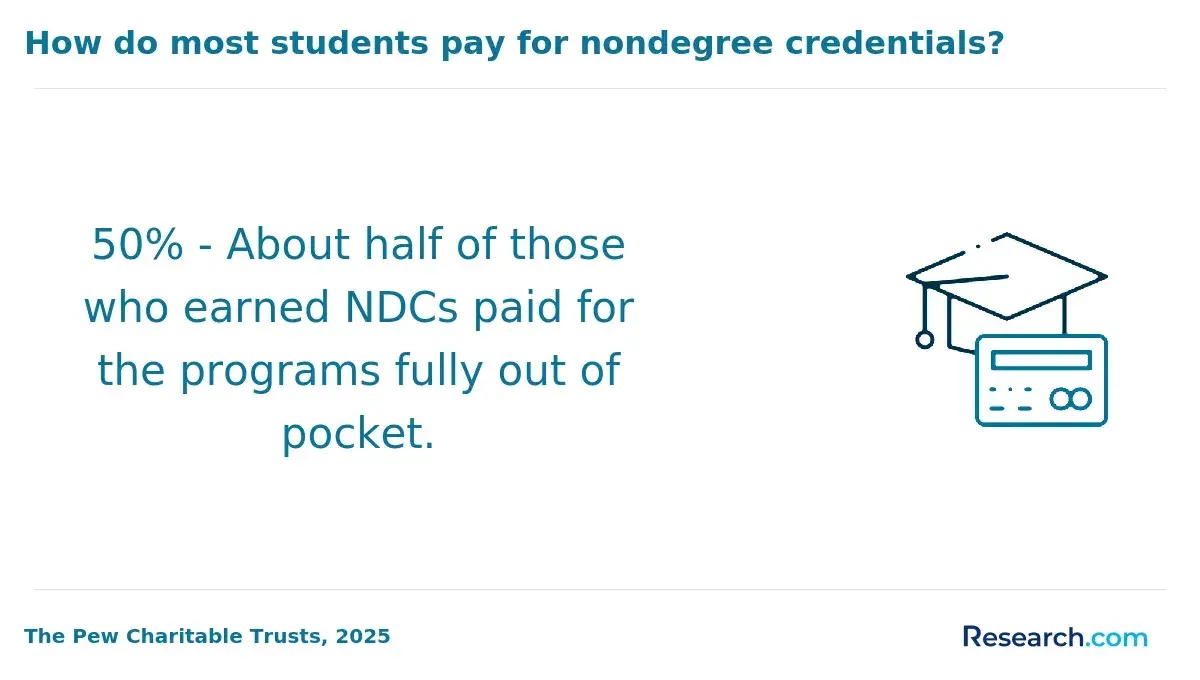
Financial aid is available for both online and on-campus library science students, but eligibility depends on the institution, accreditation, enrollment status, residency, and specific aid rules. The safest approach is to confirm that the school is properly accredited, complete the FAFSA if eligible, and ask the financial aid office which grants, loans, scholarships, assistantships, and employer benefits apply to your format.
- Federal financial aid: Students enrolled in accredited programs, whether online or on-campus, generally qualify for federal grants and loans by completing the FAFSA. Online programs accredited by recognized bodies such as the American Library Association (ALA) may maintain eligibility, but students should verify accreditation and institutional participation before assuming aid will apply.
- State financial aid: State grants and scholarships may require residency, enrollment at a public institution, or a minimum course load. These rules can apply differently to online students, especially if they live outside the state where the university is located. In-state tuition rates may make public online programs especially affordable for qualifying residents.
- Scholarships and grants: Both online and on-campus students can seek institutional, private, and professional association scholarships. Some awards are open to all students in an accredited program, while others are limited by location, demographics, career goals, or enrollment format. Online students should check whether awards require campus attendance before applying.
- Assistantships and campus employment: On-campus students may have better access to graduate assistantships, library assistant roles, research positions, and work-study placements tied to the university. Online students may have fewer campus-based options, but they may be able to keep their current job or find library-related work near home.
- Employer tuition reimbursement: Working professionals may be able to use employer tuition assistance for either format. Online programs are often easier to combine with employment, which can make reimbursement more practical when the degree supports a current role or promotion path.
- Private student loans: Private loans are available for students in both formats, but terms and rates vary significantly. Students should usually review federal, state, institutional, scholarship, and employer options before relying on private borrowing.
The most important financial aid question is not simply “online or on-campus?” It is whether the program is aid-eligible, whether you meet enrollment requirements, and whether the total net cost is manageable after grants, scholarships, employer support, and loans are considered.
Students considering advanced flexible credentials may also research options such as a doctoral program without dissertation as part of longer-term academic and financial planning.
Are Online Library Science Programs as Credible as On-Campus Ones?
Online library science programs can be as credible as on-campus programs when they are offered by reputable institutions and meet recognized accreditation standards. In library science, the key marker is often American Library Association (ALA) accreditation at the master's level. Accreditation signals that the program has been reviewed for curriculum quality, faculty qualifications, student support, and professional preparation.
Credibility should be evaluated program by program. A well-established online MLIS from an ALA-accredited university is generally stronger than an on-campus degree from a weak or unaccredited program. Delivery format matters less than accreditation, curriculum depth, faculty expertise, fieldwork options, student outcomes, and employer recognition.
- Accreditation: ALA accreditation is one of the most important credibility factors for many professional library roles. Students should confirm accreditation status directly before enrolling.
- Faculty and curriculum: Many universities use the same faculty and similar course requirements for online and on-campus students. This can make the academic substance comparable even when the learning format differs.
- Institutional reputation: Prominent institutions such as Syracuse University and the University of Illinois Urbana-Champaign offer fully online ALA-accredited MLIS programs that match the rigor and specialization options of their on-campus counterparts.
- Hands-on preparation: Online credibility is strongest when the program includes applied projects, internships, practicums, digital portfolio work, or local field experiences that allow students to demonstrate skills.
- Employer recognition: Employer and licensing body attitudes have shifted, with accreditation and demonstrated ability now carrying more weight than whether the degree was completed online or on campus.
Virtual learning tools, remote internships, interactive coursework, and industry partnerships have made online library science education more robust. Still, students interested in archives, preservation, rare books, or physical collection management should verify that the online program provides enough hands-on experience for those career paths.
Do Employers Prefer Online vs On-Campus Library Science Degrees?
Most employers care more about accreditation, institution reputation, relevant experience, and job-ready skills than whether a library science degree was completed online or on campus. Online credentials from reputable, ALA-accredited institutions are now widely accepted, especially as remote work, digital collections, and virtual reference services have become more common in library and information environments.
Surveys indicate that over 70% of employers have hired candidates with online degrees in the past year, and 61% of HR leaders rate online education as equal or superior in quality to traditional learning formats. At the same time, some roles may still favor applicants with substantial in-person experience, particularly jobs involving archival handling, preservation work, physical collection management, or specialized campus library operations.
- What employers usually prioritize: ALA accreditation, relevant internships, practicum experience, technical skills, reference and research ability, communication skills, service orientation, and evidence of professional engagement.
- Where online graduates may stand out: Digital librarianship, metadata, information organization, online reference, user experience, instructional technology, and roles requiring strong virtual communication and self-management.
- Where on-campus experience may help: Archives, preservation, rare books, special collections, academic library assistantships, and jobs where prior work with physical materials is central.
- How to reduce employer concerns: Build a portfolio, complete an internship or practicum, join professional associations, request strong references, and clearly list accreditation and relevant coursework on your resume.
Research shows that 96% of graduates from online library science programs report positive employment outcomes. That does not mean every online program is equally strong, but it does reinforce the practical point: employers generally evaluate the total candidate, not just the instructional format.
Ultimately, hiring managers tend to prefer graduates who can show applied skills, professional judgment, user-centered service, and readiness for modern library work, whether the degree was earned online or on campus.
Do Online vs On-Campus Library Science Program Graduates Earn the Same Salaries?
Online and on-campus library science graduates can earn similar salaries when their programs are accredited and their qualifications are comparable. Salary differences are usually shaped more by job title, employer type, geographic location, specialization, experience, and institutional reputation than by delivery format alone.
- Accreditation and program reputation: Employers tend to value degrees from programs accredited by the American Library Association (ALA), regardless of whether courses were online or in person. This helps reduce salary differences based only on format.
- Job role and specialization: Earnings vary by position and focus area. General library science professionals average around $72,983 annually in the US, while specialized roles, such as online librarians, earn about $65,193. These figures reflect role and market differences more than online versus on-campus study.
- Geographic location: Region strongly affects pay because demand, budgets, and cost of living vary. Graduates working in states such as California and Illinois generally command higher pay. For example, library science graduate salaries in California range from $62,400 to $93,766 at certain institutions.
- Employer perception: Online degrees have become more accepted, especially when they come from accredited, reputable programs. Most employers now view online and traditional credentials as equivalent for many library science roles.
- Cost and return on investment: Online degrees may cost less and allow students to keep working while enrolled. Programs such as LSU Online, which costs about $19,980 in tuition, can reduce upfront cost and potentially improve long-term return on investment.
Students should compare salaries with total program cost, not just potential earnings. A lower-cost accredited online program may produce a stronger financial outcome than a higher-cost on-campus program if job prospects are similar. Conversely, an on-campus program with assistantships, strong local employer connections, or specialized facilities may be worth the added cost for certain career goals.
Students comparing broader online education options can also review the top accredited non-profit online colleges to better understand credible institutional pathways.
How Do You Decide Whether an Online vs On-Campus Library Science Program Is Right for You?
The right format is the one you can complete successfully while building the skills and experience your target jobs require. Online programs are often best for students who need flexibility, want to keep working, or do not live near a strong library science program. On-campus programs may be better for students who want in-person mentoring, campus assistantships, physical collections, and a more structured academic environment.
- Choose online if you need schedule flexibility: Online study is often the better fit for working adults, caregivers, military students, rural students, and career changers who cannot relocate. It works best if you are self-directed and comfortable managing deadlines without frequent in-person reminders.
- Choose on-campus if you want a structured routine: Fixed class times, face-to-face discussion, and regular campus access can help students who learn best through live interaction and a predictable schedule.
- Consider your career goal: If you want digital librarianship, online reference, metadata, information architecture, or technology-focused roles, an online program may align well. If you want archives, preservation, rare books, or special collections, make sure any online program includes appropriate hands-on options.
- Compare total cost: Online programs may reduce commuting, housing, and relocation expenses. On-campus programs may provide assistantships or local placements that offset costs. Compare net price after aid, not just tuition.
- Evaluate networking style: On-campus networking can happen naturally through seminars, faculty contact, and campus employment. Online networking requires more initiative but can still be strong through cohorts, virtual events, group projects, and alumni communities.
- Check accreditation first: Do not let convenience outweigh credibility. For many professional library roles, an ALA-accredited program is the safer choice.
- Ask about field experience: A good program should help you gain practical experience through internships, practicums, projects, or portfolio work. This matters in both formats.
A useful decision test is to ask: “Can I realistically complete this program, afford it, access support, gain relevant experience, and use the credential for the jobs I want?” If the answer is yes, the format is probably viable. If one of those conditions is weak, investigate further before committing.
Here's What Graduates of Online vs On-Campus Library Science Programs Have to Say About Their Degree
- : "Completing my library science degree online was a game changer for me. The flexibility allowed me to balance family life and work while pursuing my passion. I was able to immediately apply what I learned to my job in a public library, which accelerated my career growth. The program's focus on digital resources really prepared me for modern library challenges, and I now feel confident supporting diverse community needs. Online learning opened doors I didn't think were possible. — Seraya"
- : "Attending an on-campus library science program provided me with invaluable face-to-face experiences and networking opportunities. The classroom discussions and direct access to professors deeply enriched my understanding of archival management and research methods. I developed strong professional relationships that led to my first job at a university library. This traditional setting helped shape my leadership skills and commitment to preserving cultural heritage. The sense of community and collaboration was truly inspiring during my studies. — Wilder"
- : "The hybrid library science degree struck the perfect balance between hands-on learning and remote flexibility. I appreciated the in-person sessions for practical workshops and the online lectures that fit my busy schedule as a full-time employee. This format allowed me to advance professionally by gaining knowledge and credentials without taking a career break. It also helped me grow personally by connecting with classmates from various backgrounds both online and on campus. I feel prepared to contribute meaningfully to educational programs and community outreach. — Emaris"
Other Things You Should Know About Online & On-Campus Library Science Degree Programs
In 2027, online library science students often utilize virtual networking tools and forums to connect with peers globally, offering convenience and diversity. Conversely, on-campus students benefit from direct, face-to-face interactions, fostering immediate, potentially deeper professional relationships within the academic environment.
In 2027, online library science degree programs offer greater flexibility as students can access coursework anytime and from anywhere, whereas on-campus programs require students to adhere to scheduled class times and locations, potentially influencing personal and professional commitments.
References
- Cost of Online Education vs. Traditional Education [2025]: Comparison https://educationdata.org/cost-of-online-education-vs-traditional-education
- Master of Library & Information Science https://www.lsu.edu/chse/sis/programs/graduate_programs/mlis.php
- Barriers to online library instruction in academic libraries: A qualitative study - ScienceDirect https://www.sciencedirect.com/science/article/abs/pii/S0099133325000175
- Online and on-campus colleges | University of Phoenix https://www.phoenix.edu/blog/cost-of-online-vs-traditional-college.html
- Curriculum & Specializations - Master of Library and Information Science (MLIS) - College of Information (INFO) https://ischool.umd.edu/academics/masters-programs/master-of-library-and-information-science/curriculum-specializations/
- Online Library & Information Science Degree Programs https://www.librariancertification.com/online-library-information-science-degree-programs/
- Online degree costs vs traditional degrees: which is more affordable? https://collegeonline.io/blogs/online-degree-costs-vs-traditional-degrees
- Most Affordable MLIS Programs Online, Updated for 2025 https://www.librarysciencedegrees.org/programs/online/most-affordable-mlis
- Studying in the Library or at Home: What's Better? | UoPeople https://www.uopeople.edu/blog/studying-in-the-library-vs-at-home/
- 2025's Most Affordable Library Science Degrees (MLIS) Online https://librarysciencedegreesonline.org/affordable-library-science-programs/


