
2027 Are Online Respiratory Care Therapy Degrees Respected by Employers?

Co-Founder and Chief Data Scientist
The popularity of online respiratory care therapy degrees has surged, reflecting broader trends in digital education. Recent data shows that over 70% of healthcare employers acknowledge the validity of accredited online degrees, signaling growing acceptance in the job market.
This article explores how online respiratory care therapy degrees are currently viewed by employers and identifies the key elements that influence their credibility, such as accreditation and program quality, helping readers make informed decisions about pursuing an online career path in respiratory care.
Key Benefits of Online Respiratory Care Therapy Degrees Respected by Employers
- Employers increasingly recognize online respiratory care therapy degrees, with over 70% of healthcare facilities reporting trust in accredited online programs according to recent industry surveys.
- Graduates develop critical clinical and patient management skills through virtual simulations and hands-on experiences that align with the Commission on Accreditation for Respiratory Care standards.
- Holding an online degree often correlates with improved job placement rates, as 65% of graduates from respected programs secure roles within six months, demonstrating strong career outcomes.
Which Accrediting Bodies Make an Online Respiratory Care Therapy Degree Legitimate?
Accreditation is essential for ensuring the quality and employer recognition of online respiratory care therapy degrees. It signals that a program meets rigorous standards, which affects eligibility for licensure and the transferability of credits.
Understanding the different types of accreditation helps clarify which programs are legitimate and respected in the field. The main types of accreditation relevant to online respiratory care therapy programs include:
- Regional accreditation is the highest institutional accreditation level in the U.S., granted by agencies like the Higher Learning Commission (HLC) or the Southern Association of Colleges and Schools Commission on Colleges (SACSCOC). This type ensures academic quality and institutional stability, making credits and degrees highly transferable and recognized by graduate programs and employers. Many reputable programs offering respiratory care therapy hold this form of accreditation.
- National accreditation is typically awarded by specialized agencies such as the Accrediting Bureau of Health Education Schools (ABHES), which focuses on career and technical schools. While national accreditation confirms that a program meets certain standards, credits from nationally accredited schools may not transfer as easily to regionally accredited institutions. However, ABHES accreditation remains recognized by many healthcare employers, making it a relevant credential for some respiratory therapy programs.
- Programmatic accreditation (CoARC) is granted by the Commission on Accreditation for Respiratory Care, the sole recognized accreditor for respiratory care therapy education in the United States. This accreditation is critical for meeting National Board for Respiratory Care accreditation requirements, as it allows graduates to sit for credentialing exams needed for licensure in most states. Employers in healthcare generally require completion of a CoARC accredited respiratory therapy program for job eligibility, making it mandatory for career success in this field.
For prospective students seeking legitimate credentials in respiratory care, attending a CoARC accredited respiratory therapy program in the United States ensures that their education aligns with professional standards and licensure eligibility.
Those interested in accelerated paths might also explore options like the fastest online associates degree programs which often incorporate these accreditations to maintain quality and recognition.
Does University Reputation Affect Employer Views of Online Respiratory Care Therapy Degrees?
University reputation plays a significant role in shaping employer perceptions of online degrees, particularly in specialized fields like respiratory care therapy. Employers are more inclined to trust credentials from institutions known for their academic rigor and demonstrated success in healthcare education, which directly influences their hiring decisions.
The reputation of online respiratory care therapy programs often hinges on several key factors. Institutional prestige, for example, signals to employers that the program adheres to high educational standards.
Programs that offer accredited respiratory care therapy degrees and employer perception tend to be notably positive, as accreditation from recognized bodies reassures hiring managers of the program's quality and relevance.
Additionally, alumni success rates and industry partnerships enhance credibility. Employers value graduates from programs that have strong ties to healthcare systems and respiratory care employers, as these connections suggest curricula that remain current with industry needs and emphasize practical readiness.
While these factors contribute to a favorable view of online degrees, employers also place great emphasis on candidates' practical experience and clinical skills.
Hands-on training, certifications, and licensure continue to be critical in respiratory care therapy roles, often carrying as much weight as the university's reputation. Therefore, prospective students should weigh both the institutional credentials and the experiential opportunities offered.
For those interested in pursuing education at institutions with flexible admissions, exploring online schools with open admission can provide access to reputable respiratory care programs that balance accessibility with quality.
Do Employers Treat Online and On-campus Respiratory Care Therapy Degrees Equally?
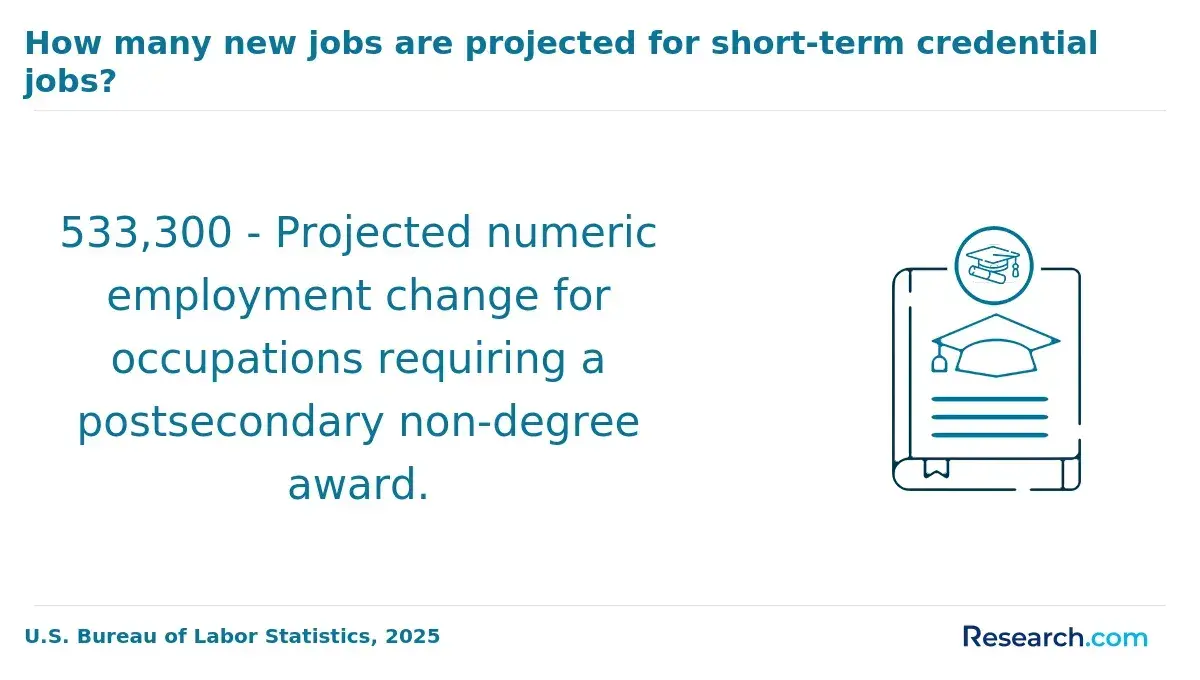
Employer perceptions of online respiratory care therapy degrees have changed significantly in recent years. Increasingly, hiring managers accept online programs as long as they are accredited by respected organizations such as the Commission on Accreditation for Respiratory Care (CoARC).
While some skepticism remains among those less familiar with online education, most now recognize that accredited online degrees meet standards comparable to traditional on-campus programs.
Ultimately, employers focus more on the accreditation and quality of the program rather than the delivery method when evaluating candidates.
When comparing online and traditional respiratory care therapy credentials, hiring managers emphasize several key factors: accreditation status, the reputation of the awarding institution, and relevant practical experience.
Accreditation by CoARC serves as the industry benchmark, ensuring programs adhere to consistent, outcomes-based standards regardless of whether they are online or in-person.
Additionally, degrees from regionally accredited, well-established universities tend to carry more weight, which helps dispel lingering doubts about online learning. Practical experience, such as clinical placements and professional certifications like Registered Respiratory Therapist (RRT), remains crucial, as employers value demonstrated hands-on skills and maturity.
While there is limited national data directly comparing hiring rates between online and traditional graduates, experts agree that candidates are increasingly assessed on overall qualifications instead of the modality of their education.
Graduates seeking to ensure their online respiratory care therapy degree is equally credible should select CoARC-accredited programs offered by regionally accredited institutions.
Maintaining professional credentials and highlighting clinical experience during job interviews also strengthen their position. By focusing on these elements, online graduates can confidently compete with traditional program graduates in the respiratory care job market.
Do Employers Trust Online Respiratory Care Therapy Degrees from AI-powered Virtual Classrooms?
AI technologies significantly enhance the quality and credibility of online respiratory care therapy education by offering personalized, interactive, and measurable learning experiences.
Adaptive learning systems tailor content to individual student needs, identifying knowledge gaps and continuously adjusting difficulty to ensure mastery of essential clinical concepts.
Virtual simulations enable learners to practice complex procedures like ventilator management and airway assessment in realistic, risk-free environments, providing immediate, data-driven feedback that traditional online courses lack.
Additionally, AI tutors are available around the clock to answer clinical questions and reinforce understanding, contributing to consistent learning outcomes. These technologies also produce clear competency benchmarks through AI analytics, allowing programs to document and verify that students acquire the practical skills required in traditional on-campus settings.
This transparency helps demonstrate to employers that online graduates possess the necessary technical proficiency for patient care roles.
Employer perception of online respiratory care therapy degrees is evolving alongside these technological advancements, though some skepticism remains.
Leading institutions offering online programs often require rigorous admission standards, including current RRT credentials and prior associate degrees, emphasizing that these degrees serve experienced practitioners rather than beginners.
Accredited online programs meeting CoARC standards maintain academic rigor comparable to campus-based counterparts, helping to build trust among employers.
The U.S. Bureau of Labor Statistics projects strong job growth for respiratory therapists, and many healthcare systems are increasingly recognizing AI-enhanced online education as a valid pathway to professional competence. However, certain healthcare providers still prefer traditional education due to institutional reputation or regional preferences.
Overall, the integration of AI tools in online learning is gradually shifting employer attitudes, favoring qualified candidates regardless of delivery method and reflecting a practical approach to hiring that benefits working respiratory therapists pursuing career advancement.
What Skills Do employers Value from Online Respiratory Care Therapy Graduates?
Online respiratory care therapy graduates combine specialized clinical knowledge with essential professional skills, making them competitive candidates in today's healthcare job market.
Their education emphasizes both technical expertise and the soft skills needed to succeed in complex care environments. Employers particularly focus on respiratory care therapy graduate employability skills as a key indicator of workplace readiness.
Specifically, employers value a set of competencies carefully cultivated through online programs that bridge theory and practice effectively.
Below are the most in-demand skills that online respiratory care therapy degree graduates typically develop, reflecting the valued competencies for online respiratory care therapy professionals.
- Evidence-Based Practice: Graduates learn to critically analyze and apply up-to-date research in clinical settings. This skill ensures that patient care decisions are grounded in current, scientifically supported methods, which employers see as crucial for improving outcomes and minimizing complications.
- Critical Thinking and Problem-Solving: Rigorous online coursework hones the ability to assess patient conditions swiftly and accurately. This competency is vital in high-pressure healthcare scenarios where quick, effective decision-making can save lives, making graduates highly attractive to employers.
- Technology Proficiency: Training includes hands-on experience with modern ventilators, monitoring devices, and telehealth systems. As digital tools become standard in respiratory care, employers seek professionals who can efficiently use technology to enhance patient treatment and extend care beyond traditional settings.
- Leadership and Communication: Many online programs integrate training in healthcare leadership, quality improvement, and effective communication. These skills prepare graduates for roles that involve supervising teams or educating others, aligning with employer needs for future workforce leaders.
- Compassion and Patient-Centered Care: Online learning emphasizes empathy, patience, and attention to detail in patient interactions. Employers recognize that strong interpersonal skills complement technical abilities to improve overall patient satisfaction and health outcomes.
For those exploring educational pathways, considering programs offering the quickest online master's degree options can be an efficient way to enter the respiratory care workforce with these valuable skills.
Do Professional Certifications Help Validate Online Respiratory Care Therapy Degrees?
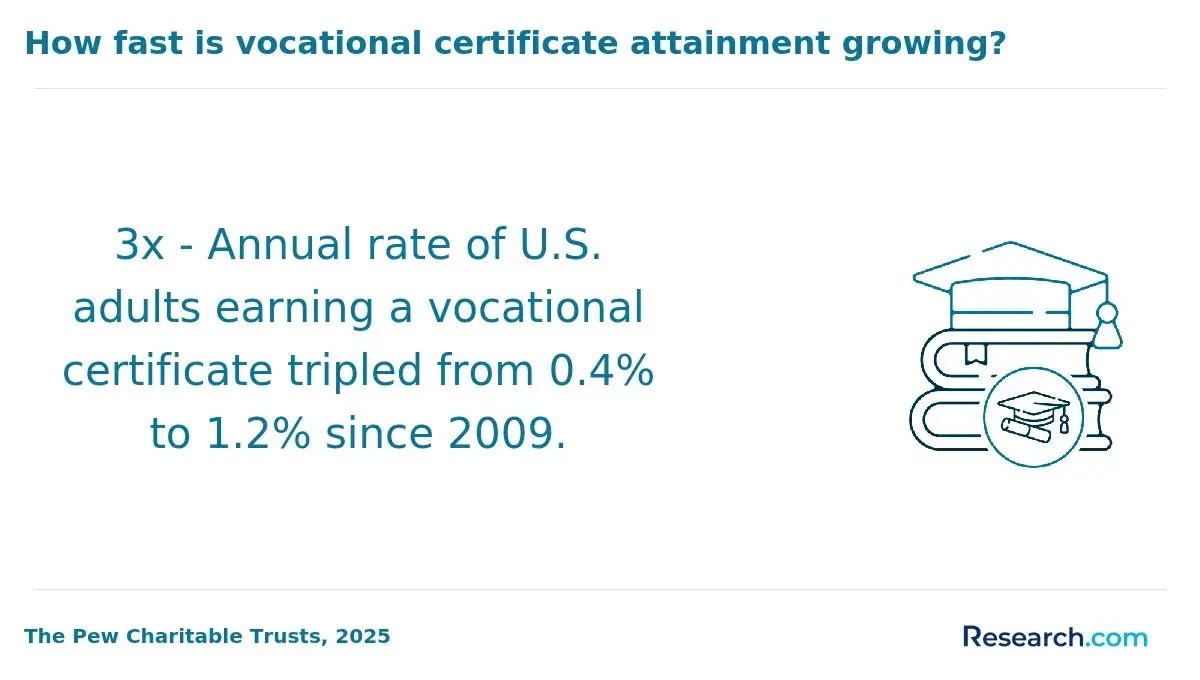
Earning professional certifications can significantly enhance the credibility of an online respiratory care therapy degree by showcasing industry-specific competencies that employers recognize and trust.
These credentials provide tangible proof that graduates have met nationally accepted standards of knowledge and skill, regardless of whether their education was completed online or in-person.
Building on this foundation, professional certifications strengthen the value of online respiratory care therapy degrees in the eyes of employers in several key ways:
- Certified Respiratory Therapist (CRT): The CRT serves as an essential entry-level certification required for licensure in most states. Passing the Therapist Multiple-Choice Exam demonstrates that graduates possess fundamental clinical knowledge and skills, signaling to employers a baseline of competence recognized throughout the healthcare system.
- Registered Respiratory Therapist (RRT): Often regarded as the "gold standard," the RRT credential represents advanced proficiency. By passing the CRT exam at a higher threshold and a Clinical Simulation Examination, RRT holders prove their readiness for complex patient care, helping online graduates compete for specialized and higher-paying positions.
- Specialty Certifications (ACCS, NPS, SDS): Beyond basic credentials, specialty certifications highlight expertise in focused areas such as adult critical care or neonatal care. These certifications set candidates apart in competitive job markets, opening doors to leadership roles and niche clinical opportunities.
- State Licensure Requirements: Licensure mandates graduation from an accredited program and passage of NBRC exams for nearly all states. This regulatory standard ensures that online graduates meet the same requirements as traditional students, further validating their qualifications.
- Employer Trust and Career Advancement: Certifications serve as objective measures of ability, reducing doubts about online education. They can translate into better pay, expanded job prospects, and ongoing professional growth, all of which enhance the career trajectory of certified online graduates.
A professional who completed an online respiratory care therapy program shared his reflections on the role of certification in validating his degree.
He described initial apprehension about how employers might perceive an online education, especially in a hands-on healthcare field. However, after earning his CRT and RRT certifications, he found that these credentials opened doors that had seemed uncertain before.
"When I passed the exams, it was like a confirmation that all my online studies prepared me just as well as traditional routes," he explained.
He recounted the rigorous preparation and occasional self-doubt during exam study but emphasized how passing those tests boosted his confidence and credibility during job interviews.
"Employers focused more on my certifications than where I studied," he said, highlighting how professional credentials helped bridge any perceived gaps and ultimately advanced his career in respiratory care.
Do Online Respiratory Care Therapy Graduates Earn the Same Salaries as On-campus Graduates?
Available national data and industry surveys show there is no significant salary difference between online and on-campus respiratory care therapy graduates, provided both groups complete accredited programs and meet licensure requirements.
This trend reflects the growing acceptance of online education in healthcare fields. Factors that influence earning potential and ensure salary parity between online and traditional degree holders include the following key elements.
- Program Accreditation: Employers consistently prioritize degrees from programs accredited by the Commission on Accreditation for Respiratory Care (CoARC). Whether the coursework was completed online or in person, accreditation ensures that the education meets industry standards, which directly affects salary offers.
- Licensure and Certification: Both online and on-campus graduates must pass national certification exams such as the Therapist Multiple-Choice and Clinical Simulation Exams to earn credentials like Certified Respiratory Therapist (CRT) or Registered Respiratory Therapist (RRT). These certifications are essential for employment and higher wages.
- Clinical Experience: Accredited online programs require in-person clinical rotations, providing hands-on experience comparable to on-campus programs. Employers equally value this clinical training when determining salaries.
- Employer Perception: Surveys indicate that as long as accreditation and licensing standards are met, employers do not differentiate between online and on-campus respiratory care therapy degrees concerning salary. The recognition of online healthcare education has reduced any past biases.
- Geographic and Facility Variables: Salary variations are more commonly influenced by location, healthcare facility type, and demand for respiratory therapists than degree format. High-demand regions and specialized facilities often offer higher salaries regardless of how the degree was earned.
When researching respiratory therapy degree earnings by program type, it is useful to consider online options within the context of quick degrees that make good money, which often balance flexibility, accreditation, and clinical experience to maintain strong salary outcomes.
How Do Online Respiratory Care Therapy Degrees Impact Career Growth and Promotions?
Earning an online respiratory care therapy degree can significantly influence long-term career advancement and promotion opportunities across various healthcare settings.
As the industry increasingly values advanced education and specialized skills, graduates find themselves better positioned for growth and leadership roles.
The following points highlight the main ways online respiratory care therapy degrees support professional growth and upward mobility.
- Higher Earning Potential: Obtaining an advanced degree often correlates with increased salary prospects, allowing respiratory therapists to command higher compensation compared to those with lower-level credentials. This financial advantage reflects the value employers place on additional education and expertise.
- Eligibility for Leadership Roles: Graduates are better prepared for supervisory and management positions due to coursework and training in healthcare policy, leadership, and operations. This qualification can open pathways to roles such as clinical director or department manager, enhancing career trajectories.
- Enhanced Job Security and Marketability: With evolving credential requirements emphasizing bachelor's degrees for new practitioners, completing an online program ensures competitiveness in the job market and greater employment stability over time.
- Expanded Career Opportunities: Beyond direct patient care, graduates can pursue diverse roles in education, research, administration, and academia. This versatility broadens prospects for both vertical promotions and lateral career moves within healthcare.
- Professional Networking and Collaboration: Online programs facilitate connections with peers and faculty nationwide, building valuable networks that support mentorship, collaboration, and job opportunities.
- Adaptability to Industry Changes: Advanced education helps therapists stay current with new technologies, treatments, and regulatory standards, maintaining their relevance and fostering respect among employers in a rapidly changing environment.
When I spoke with a professional who pursued an online respiratory care therapy program, she shared that balancing work, family, and studies was initially challenging but ultimately rewarding.
She explained, "Completing the program online allowed me to continue working without interruption, which was crucial."
After finishing, she quickly moved into a leadership role at her hospital, attributing this promotion directly to the skills and knowledge gained. She noted, "The advanced coursework made me confident to contribute to policy changes and manage teams effectively."
Her story exemplifies how an online degree can transform career prospects by equipping therapists not only with credentials but also practical competencies that employers actively seek.
What Companies Actively Hire Graduates from Online Respiratory Care Therapy Programs?
Employers across various industries are increasingly open to hiring candidates with online respiratory care therapy degrees, recognizing that these programs provide rigorous training combined with essential hands-on clinical experience.
This growing acceptance reflects confidence in the quality of education delivered through digital platforms, which prepares graduates to meet the demands of healthcare settings effectively.
Several types of companies and industry sectors are known to actively employ online respiratory care therapy program graduates, offering diverse online respiratory therapy career opportunities by location for professionals entering the field.
- Hospital systems and acute care facilities: These employers frequently hire respiratory care practitioners trained through online programs to staff intensive care units, emergency departments, and general patient care areas. They value the clinical competencies attained through accredited online coursework and supervised clinical experiences, recognizing that graduates are well-prepared to contribute immediately to patient outcomes.
- Home health and durable medical equipment (DME) companies: Organizations specializing in home-based patient care and medical equipment distribution employ online respiratory therapy graduates to assist with patient education, equipment setup, and ongoing support services. These roles require clear communication skills and practical knowledge, both strengths developed in comprehensive online respiratory care therapy programs.
- Sleep medicine and diagnostic centers: Facilities conducting sleep studies and pulmonary diagnostics recruit respiratory care professionals, including those from online backgrounds, to perform polysomnography and aid diagnostic evaluations. Employers appreciate the solid theoretical foundation and specialized expertise that these programs provide, which are critical for accurate patient assessments.
- Educational institutions: Community colleges and healthcare training programs hire experienced respiratory care practitioners as adjunct instructors or coordinators. Graduates of online respiratory care therapy programs with clinical experience often transition into these teaching roles, sharing their knowledge and practical insights with new learners entering the profession.
For candidates exploring remote respiratory therapist jobs nationwide, these sectors offer expanding employment pathways.
Prospective students seeking to advance their credentials can also benefit from exploring universities that offer double degrees to enhance their qualifications and career flexibility.
What Future Trends Will Shape Online Respiratory Care Therapy Degrees' Credibility?
Technology, accreditation standards, and employer attitudes continue to evolve rapidly, significantly influencing how online respiratory care therapy degrees are perceived in the job market.
These changes are driving greater acceptance and respect for graduates of online programs within the healthcare industry. As these shifts gain momentum, several key trends are emerging that are expected to enhance the credibility and legitimacy of online respiratory care therapy programs.
Below are the major future trends set to strengthen the recognition and value of these degrees:
- Expansion of Accreditation Standards: Accrediting bodies such as the Commission on Accreditation for Respiratory Care (CoARC) are developing more precise benchmarks tailored for online and hybrid program delivery. This ensures that online programs meet the same rigorous quality standards as traditional ones, providing employers with clear evidence of academic parity and program excellence.
- Increased Employer-Program Partnerships: Healthcare organizations are collaborating directly with online programs to co-develop curricula and validate clinical competencies. These partnerships build employer trust by aligning education with real-world needs and often create streamlined hiring pathways for graduates.
- Demonstrated Labor Market Demand: With respiratory therapists' employment projected to grow 13% through 2033, there is heightened demand for qualified professionals. Employers are increasingly viewing online credentials as legitimate qualifications, especially as workforce shortages make flexibility in hiring essential.
- Skill-Based Credential Recognition: The shift toward competency-based hiring emphasizes what graduates can demonstrate rather than where they studied. Online programs that showcase strong clinical validation and evidence-based training will gain credibility by proving graduates' practical skills in patient care settings.
Here's What Graduates of Respected Online Respiratory Care Therapy Programs Have to Say About Their Degree
- Luka: "Completing my respiratory care therapy degree online allowed me to balance work, family, and studies without compromising quality. The flexibility of the program meant I could gain hands-on clinical experience locally while still accessing excellent coursework from a top institution. Since graduating, I've secured a position in a leading hospital that values my online degree equally, with clear pathways for promotion and specialty certifications. This journey has truly empowered me to make a meaningful difference in patient care and advance my career on my own terms."
- Edison: "Going through an online respiratory care therapy program was a transformative experience that gave me the freedom to learn at my pace while engaging with a diverse student community from across the country. After finishing, I landed a job with a community health organization, where I'm now involved in outreach and education about respiratory health in underserved populations. This degree not only opened doors professionally but also helped me grow personally by fueling my passion for community impact and healthcare equity."
- Dave: "As a working parent, pursuing a respiratory care therapy degree online was a practical choice that did not sacrifice depth or rigor. The program's focus on current clinical practices and technological advances prepared me well for today's healthcare environment. Since starting my career, I have pursued certifications that have accelerated my advancement into supervisory roles. The professional development support embedded in the online format was critical to my success and confidence as a healthcare leader."
Other Things You Should Know About Respectable Online Respiratory Care Therapy Degree Programs
Yes, employers accept online respiratory care therapy degrees as long as the program is accredited by recognized agencies like CoARC. Accreditation guarantees the program meets industry standards. Graduates also need to pass national certification exams to be eligible for employment.
In 2027, online respiratory care therapy programs from accredited institutions are generally respected by employers, particularly when they align with industry standards. However, some employers may still perceive them as less rigorous due to concerns over practical training experience.
Online respiratory care therapy degrees in 2027 are often designed to meet national licensing and certification standards. Accredited programs typically include comprehensive coursework and clinical experiences necessary for students to succeed in certification exams, equipping them with the requisite skills and knowledge.
References
- Respiratory Care Degree Completion https://www.oit.edu/online/degrees/respiratory-care-degree-completion
- Full article: Employees’ perceptions of the fairness of AI-based performance prediction features https://www.tandfonline.com/doi/full/10.1080/23311975.2025.2456111
- Degree Advancement in Respiratory Therapy: Rising Higher | Respiratory Care https://www.liebertpub.com/doi/10.1177/19433654251380504
- Which Respiratory Therapy Degree is Right For You? | NMC https://blog.methodistcollege.edu/associate-vs-bachelors-choosing-a-respiratory-degree
- Bachelor of Science in Respiratory Care https://onlinedegrees.nku.edu/programs/undergraduate/health-and-human-services/bsrc/
- Benefits of Studying Respiratory Care and Enhancing Patient Outcomes https://www.onrec.com/news/news-archive/benefits-of-studying-respiratory-care-and-enhancing-patient-outcomes
- Post-Professional Bachelor of Science in Respiratory Care (Online) https://alliedhealth.llu.edu/academics/cardiopulmonary-sciences/post-professional-bachelor-science-respiratory-care-online
- Opportunities And Challenges Using AI In Personalized Online Education https://elearningindustry.com/opportunities-and-challenges-using-ai-in-personalized-online-education
- Employer Access to Respiratory Therapy Graduates and Students https://chartercollege.edu/employers/healthcare/respiratory-therapy/
- The Current and Future Role of Technology in Respiratory Care https://pmc.ncbi.nlm.nih.gov/articles/PMC9039604/


