
2027 Different Types of Behavioral Health Degrees and Their Salaries

Co-Founder and Chief Data Scientist
Choosing a behavioral health degree is really a choice about what kind of work you want to do, how much training you are willing to complete, and whether you want a licensed clinical career or a support, coordination, research, or leadership role. Behavioral health covers mental health, substance use, family systems, community support, crisis care, school-based services, and integrated healthcare. Because many roles are regulated by state licensure rules, the “best” degree is not simply the fastest or cheapest option—it is the one that qualifies you for the work you actually want to do.
This guide compares the main behavioral health degree types, common specializations, program lengths, online and accelerated options, costs, jobs, salary expectations, and demand. It is designed for prospective students, career changers, working healthcare and human services professionals, and anyone deciding whether a certificate, associate, bachelor’s, master’s, or doctoral pathway makes sense for their goals.
Key Points About Different Types of Behavioral Health Degrees and Their Salaries
- Individuals with an associate degree in behavioral health often qualify for entry-level positions such as behavioral health technicians, earning a median annual salary of around $35,000, but face limited opportunities for advancement without further education.
- A bachelor's degree in behavioral health or a related field significantly broadens career prospects, allowing graduates to pursue roles like case managers or behavioral health specialists, with median salaries generally ranging from $45,000 to $55,000 per year according to U.S. labor statistics.
- Master's degree holders in behavioral health, including licensed counselors and social workers, benefit from higher earning potential often exceeding $60,000 annually, and greater job stability and growth, especially in clinical or supervisory positions within healthcare and social services sectors.
What Are the Different Types of Behavioral Health Degrees Available?
Behavioral health degrees are offered at several academic levels, and each level leads to different responsibilities. Lower-level credentials can prepare you for technician, support, and case coordination roles. Graduate degrees are usually required for independent counseling, therapy, clinical social work, psychology, and many supervisory positions.
The most common behavioral health degree options include the following:
- Bachelor of Science in Behavioral Health: This degree provides broad preparation in behavioral science, mental health systems, assessment, health psychology, counseling fundamentals, documentation, and trends in electronic medical records. It can be a practical option for students seeking entry-level behavioral health roles or a foundation for graduate study.
- Bachelor of Social Work (BSW): A BSW focuses on generalist social work practice, social welfare policy, human behavior, introductory counseling skills, and supervised field placement. It is often a strong fit for students interested in community agencies, case management, advocacy, child and family services, or future MSW study.
- Master of Social Work (MSW) with Behavioral Health Concentration: An MSW with this focus combines advanced social work practice with behavioral health assessment, evidence-based interventions, integrated treatment, and supervised fieldwork. This route is commonly chosen by students who want clinical social work, community mental health, healthcare, or policy-oriented careers.
- Master's in Clinical Mental Health Counseling: This pathway emphasizes counseling theories, therapeutic techniques, ethics, assessment, diagnosis, crisis response, and multicultural counseling. It is commonly designed for students pursuing counselor licensure, though exact licensure requirements vary by state.
- Master's in Marriage and Family Therapy (MFT): An MFT program centers on relationships, family systems, couple dynamics, group interventions, and ethical practice in family therapy. It is best suited for students who want to work with couples, families, and relational patterns rather than only with individuals.
- Doctorate in Clinical Psychology (PhD or PsyD): Doctoral programs provide advanced preparation in psychological theory, research methods, assessment, diagnosis, clinical practice, internships, and dissertation or doctoral project work. A PhD often places more emphasis on research, while a PsyD is typically more practice-focused, though program designs vary.
When comparing behavioral health with other different college majors, look beyond course titles. Confirm whether the degree leads to the role, license, fieldwork experience, and salary range you expect.
What Specializations Are Available in Behavioral Health Degrees?
Specializations help narrow a broad behavioral health education into a clearer career direction. They can affect field placement options, licensure preparation, populations served, and long-term job fit. Before choosing a concentration, check whether it aligns with the credential required in your state and the setting where you want to work.
- Clinical Mental Health Counseling: This specialization prepares students to assess, diagnose, and treat emotional, mental, and behavioral disorders. Coursework often emphasizes counseling methods, treatment planning, ethics, crisis intervention, and work with diverse populations. Graduates commonly pursue roles in clinics, hospitals, community agencies, and private practice after meeting licensure requirements.
- Marriage, Couple, and Family Behavioral Health: This focus trains students to work with relationship patterns, family systems, communication challenges, conflict, and life transitions. It is a strong fit for students who want to become marriage and family therapists and who are comfortable working with multiple people in the therapy room.
- Addiction and Substance Use Behavioral Health: This concentration focuses on prevention, intervention, treatment, relapse prevention, motivational interviewing, and support for people with substance use disorders. Graduates may work in rehabilitation centers, outpatient programs, hospitals, correctional settings, or community agencies.
- School Behavioral Health: This track prepares professionals to support children and adolescents in educational settings. Students may study behavioral assessment, consultation, academic and social-emotional support, family collaboration, and school-based intervention. Career outcomes can include school counseling, school psychology, or related student support roles depending on the degree and licensure path.
- Forensic Behavioral Health: This specialization applies behavioral health knowledge in legal, court, correctional, and public safety contexts. Students may study competency, risk assessment, trauma, correctional counseling, ethics, and expert testimony. Potential roles include forensic psychology, correctional counseling, and behavioral health work with justice-involved populations.
- Geropsychology: This focus addresses the behavioral and mental health needs of older adults, including dementia, depression, grief, chronic illness, cognitive assessment, caregiver stress, and age-specific interventions. Graduates may work in healthcare systems, long-term care, community agencies, or geriatric counseling and psychology roles.
Students who need flexible study options because of work, caregiving, retirement transitions, or location constraints may also want to compare top online degree programs for seniors when planning a behavioral health pathway.
How Long Does It Take to Complete Each Type of Behavioral Health Degree?
Completion time depends on degree level, enrollment status, transfer credits, clinical or fieldwork requirements, and whether the program is offered in a traditional, online, hybrid, or accelerated format. For behavioral health students, the timeline should also include post-degree supervised experience if the goal is licensure.
| Degree type | Typical completion time | What can affect the timeline |
| Associate Degree in Behavioral Health | About two years full-time | Transfer credits, part-time enrollment, online pacing, and whether developmental or prerequisite courses are required |
| Bachelor's Degree in Behavioral Health | Usually four years full-time | Summer courses, transfer credits, prior learning credit, course load, and part-time study |
| Master's Degree in Behavioral Health | Generally 1.5 to 3 years | Clinical hours, internship structure, accelerated formats, online options, and part-time enrollment; some accelerated options may be completed in as little as a year |
| Doctoral Degree in Behavioral Health | Often 4 to 7 years | Dissertation or doctoral project progress, internship requirements, research expectations, full-time versus part-time study, and program type |
An associate or bachelor’s degree may be enough for many support and coordination roles. A master’s degree is usually the key academic step for counseling, therapy, clinical social work, and related licensed practice. Doctoral study is a much longer investment and is most appropriate for students pursuing advanced clinical practice, psychology, research, academic, or leadership roles.
Are There Accelerated Behavioral Health Degree Programs?
Yes. Accelerated behavioral health degree programs exist, but they are not the right fit for every student. They are designed for learners who can handle a heavier pace, meet academic progression requirements, and complete fieldwork or clinical expectations on a compressed schedule.
Common accelerated formats include combined-degree pathways, such as a 3+2 format that allows students to earn both a bachelor’s and master’s degree within five years. Other programs use shorter terms, with courses lasting about eight weeks instead of a full semester. Some also offer year-round enrollment so students can take fewer breaks between terms.
Transfer credit can also shorten the path. Students who completed relevant coursework elsewhere may be able to bypass some introductory requirements, depending on institutional policy, course equivalency, grades, and time limits on prior credits.
The main advantage is speed: students may enter the workforce, qualify for graduate study, or move toward advanced credentials sooner. The trade-off is intensity. Condensed classes often require more weekly reading, writing, discussion, and assignment time. In programs with fieldwork, students must also balance academic deadlines with placement schedules.
Admissions and progression standards can be strict. Many accelerated programs require a minimum GPA-often around 3.0 or higher-and may require prerequisite courses before admission or before a student can advance into graduate-level work. Direct-entry master’s options may also include interviews and specific undergraduate credit requirements. Before enrolling, ask whether the accelerated format affects practicum placement support, licensure preparation, and your ability to continue working while studying.
Are Online Behavioral Health Degrees as Credible as Traditional Ones?
Online behavioral health degrees can be credible when they come from properly accredited institutions and meet the same academic, fieldwork, and licensure preparation standards as campus-based programs. The delivery format matters less than whether the program is recognized, rigorous, supervised, and aligned with the credential you want.
In counseling and related fields, accreditation is especially important. Programs may follow standards from bodies such as the Council for Accreditation of Counseling and Related Educational Programs (CACREP). Students should verify accreditation directly, not rely only on marketing language. For social work, counseling, marriage and family therapy, psychology, and school-based roles, state licensure boards may have specific education and supervised experience rules.
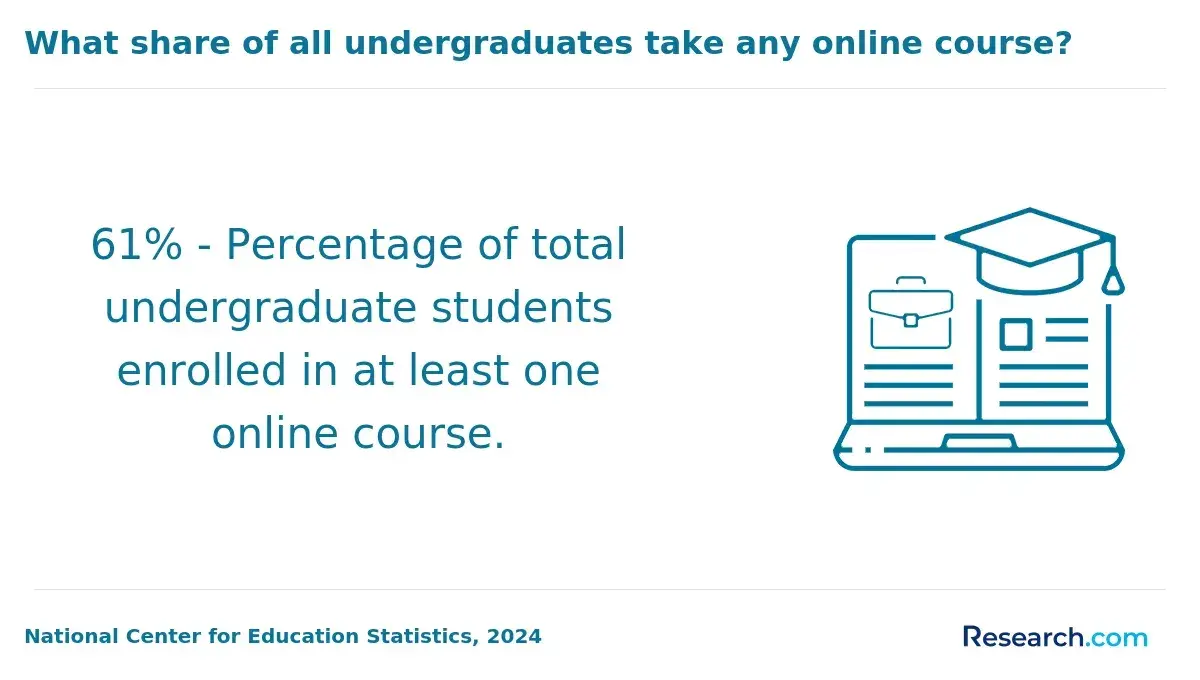
Online behavioral health programs often include the same core components as in-person programs: structured coursework, assessment training, ethics, multicultural practice, documentation, supervised practice, and clinical or internship placements. A master’s degree in counseling or psychotherapy commonly requires around 60 credit hours, and online students may still need in-person clinical placements or internships to meet licensure expectations.
Research on online psychotherapy training indicates that learning outcomes can be comparable to traditional in-person programs, with some studies reporting equal or even higher satisfaction and knowledge gains among online learners. Still, students should evaluate the quality of live skills practice, faculty feedback, supervision, and placement support rather than assuming all online programs are equivalent.
Employer acceptance has also grown as remote education has become more common. Employers generally focus on accreditation, institutional reputation, licensure eligibility, supervised experience, and job readiness. Systematic reviews show no meaningful differences in job placement or job performance between graduates with online degrees and those with traditional in-person credentials when the degrees are from accredited institutions.
The safest approach is to ask three questions before enrolling: Is the school institutionally accredited? Does the program meet the education requirements for the state and role I want? Will the program help me secure the required fieldwork, practicum, or internship experience?
How Much Does Each Type of Behavioral Health Degree Typically Cost?
Behavioral health degree costs vary widely by credential level, public versus private institution, residency status, delivery format, credit requirements, and clinical placement fees. Students should compare total program cost, not just tuition per credit. Books, technology fees, background checks, liability insurance, travel to field placements, exam fees, and lost work hours can all affect affordability.
| Degree type | Typical tuition information | Budget considerations |
| Associate Degree in Behavioral Health | Tuition typically ranges from $3,000 to $8,000 per year, especially at community colleges | Often the lowest-cost entry point; federal Pell Grants, state scholarships, and transfer pathways can reduce the net cost |
| Bachelor's in Behavioral Health | Average in-state tuition for online bachelor’s programs is around $12,700 per year, while out-of-state programs can cost roughly $23,300 | Scholarships and grants may lower net costs to between $6,000 and $15,000 annually; online formats may reduce housing or commuting expenses |
| Master's in Behavioral Health | Some programs charge between $525 and $590 per quarter credit hour, while more comprehensive programs, including certain online master’s options, can total over $130,000 | Graduate assistantships, scholarships, employer tuition support, and federal aid can help, but students should weigh tuition against licensure outcomes and salary expectations |
| Doctoral Degree in Behavioral Health (PhD, PsyD, DBH) | Costs range from $34,000 to more than $100,000, with some programs charging upwards of $1,200 per credit hour | Funding may include fellowships, research grants, teaching assistantships, and federal loans; PhD programs may offer more research-based funding than some practice-focused options |
Cost should be evaluated alongside accreditation and career eligibility. A cheaper program that does not meet licensure requirements can become more expensive if you later need additional coursework. A higher-cost program may be worthwhile only if it offers strong placement support, appropriate supervision, credible outcomes, and a clear route to the role you want.
What Jobs Can You Get with Each Type of Behavioral Health Degree?
Your degree level strongly shapes the jobs you can qualify for in behavioral health. Entry-level credentials usually lead to support roles, while master’s and doctoral degrees open the door to clinical, supervisory, diagnostic, research, and independent practice positions. Licensure requirements vary by state, so always confirm local rules before choosing a program.
- Certificate or Associate Degree in Behavioral Health: Graduates may work as behavioral health technicians, psychiatric technicians, alcohol and drug counselors, or peer support specialists. These roles often involve observing clients, supporting daily routines, helping implement treatment plans, documenting behavior, and connecting people with resources in hospitals, outpatient clinics, residential programs, or rehabilitation settings.
- Bachelor's Degree in Behavioral Health: Common roles include case manager, community health worker, behavioral health specialist, and outreach specialist. These professionals may coordinate care, support treatment teams, advocate for clients, and connect individuals with housing, healthcare, employment, crisis support, or social services. Work settings can include schools, hospitals, community agencies, government programs, and nonprofit organizations. According to Indeed, behavioral health specialists can expect average salaries ranging from $44,000 to $50,000 per year.
- Master's Degree in Behavioral Health: A master’s degree can prepare graduates for roles such as licensed clinical social worker (LCSW), licensed professional counselor (LPC), marriage and family therapist (LMFT), or mental health clinician, provided they meet state licensure requirements. These roles involve therapy, assessment, treatment planning, crisis response, and documentation in clinics, schools, hospitals, community mental health centers, and private practice settings. Median annual salaries usually range between $55,000 and $65,000.
- Doctoral Degree in Behavioral Health: Doctoral graduates may work as clinical psychologists, licensed educational psychologists, psychiatrists, or behavioral health researchers, depending on their specific degree and professional pathway. Responsibilities may include complex diagnosis, psychological testing, treatment, supervision, research design, program evaluation, and clinical leadership. Median salaries for psychologists are about $85,000 annually, while psychiatrists often earn over $200,000, according to U.S. Bureau of Labor Statistics data.
The key distinction is scope of practice. A bachelor’s degree may qualify you to support care, but a master’s or doctoral credential is typically needed to provide independent clinical services, diagnose conditions, or bill for therapy services under many regulatory frameworks.
How Do Salaries Differ by Behavioral Health Degree Type?
Behavioral health salaries generally rise with education level, licensure, specialization, experience, and responsibility. However, degree level is only one factor. Location, employer type, caseload, union status, private practice income, reimbursement rates, and demand for specific services can all affect pay.
| Degree level | Typical roles | Salary information stated for this pathway |
| Associate Degree in Behavioral Health | Behavioral health technician, support specialist | Around $23-$24 per hour or about $48,000 annually |
| Bachelor's Degree in Behavioral Health | Behavioral health specialist, case manager | Median salaries are approximately $64,000 per year as of July 2025 |
| Master's Degree in Counseling, Social Work, or Marriage and Family Therapy | Mental health counselor, clinical social worker, marriage and family therapist | Median salaries for mental health counselors are about $59,190, with experienced professionals earning up to $98,210; in high-demand states such as California, averages surpass $78,000 |
| Doctoral Degrees (PhD, PsyD) in Behavioral Health | Clinical psychologist, counseling psychologist, researcher, advanced clinician | Median annual pay ranges from $92,740 for PhD holders to $106,420 for PsyD holders; top earners in private practice or specialized fields can make over $168,000 |
The biggest salary jumps often come when a degree leads to licensure, specialized clinical authority, supervision eligibility, or private practice opportunities. A master’s degree may offer a strong return for students who want to provide therapy without completing a doctorate. Doctoral degrees can lead to higher pay, but they also require more time, higher opportunity cost, and in many cases more debt.
To control education costs while working toward higher earnings, students may want to compare inexpensive online colleges that accept financial aid and confirm that any affordable option still meets accreditation and licensure expectations.
Is There High Demand for Behavioral Health Degree Holders in the Job Market?
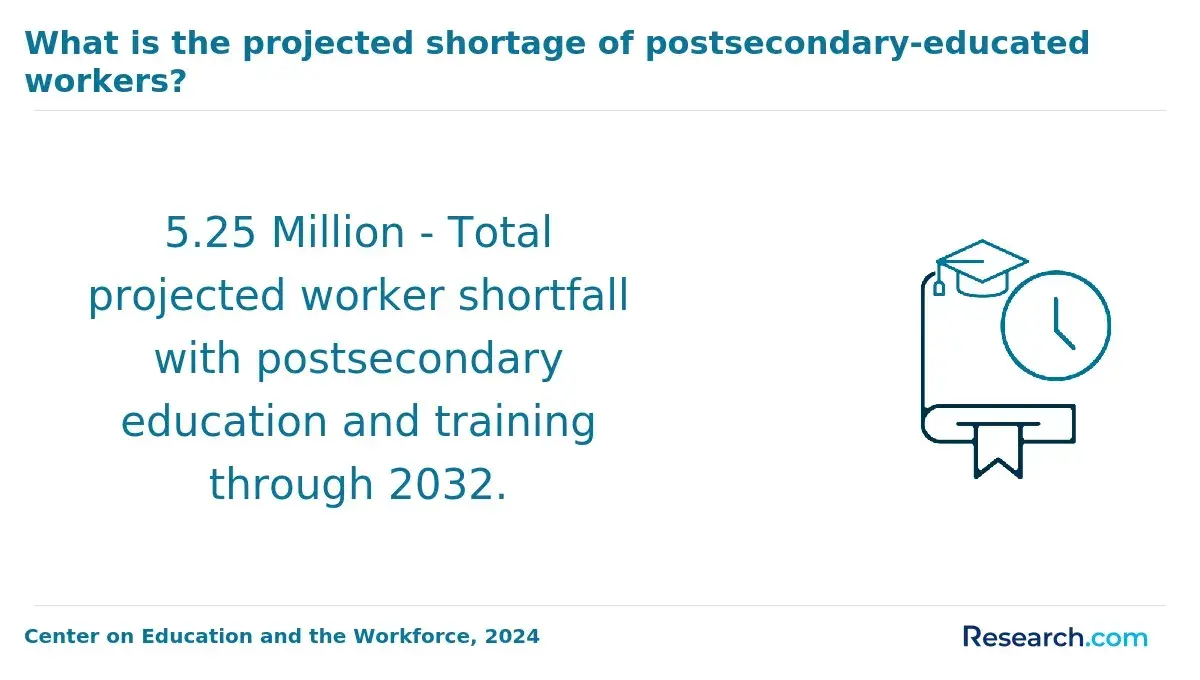
Yes. Demand for behavioral health degree holders is high in many parts of the United States, especially in mental health counseling, substance use treatment, social work, school-based services, applied behavior analysis, integrated care, crisis response, and telehealth-supported care. The need is driven by growing awareness of mental health, provider shortages, expanded access through technology, and employer interest in mental health support.
The Health Resources and Services Administration reports that 123 million Americans live in areas with shortages of mental health providers and estimates a need for over 6,200 additional specialists. This shortage affects rural areas, underserved urban communities, schools, hospitals, community clinics, and behavioral health programs that struggle to recruit enough qualified professionals.
Telehealth has expanded access to behavioral health services, particularly in rural and underserved areas. It has also changed the skills employers value. Graduates who can combine clinical knowledge with comfort using virtual platforms, documentation systems, coordinated care tools, and remote communication may be better positioned in the job market.
Regional demand varies. States such as California, Massachusetts, Texas, and Florida show the highest need for Board Certified Behavior Analysts (BCBAs), while growth is occurring nationwide. Academic programs are also expanding offerings in psychiatric-mental health and applied behavior analysis, although faculty shortages may limit how quickly some institutions can scale.
The broader outlook remains strong. Employment for mental health professionals, including clinical psychologists, counselors, and social workers, is projected to grow 3% faster than the average for all occupations through 2032. Substance abuse counselor roles are expected to grow faster, with an 18% increase anticipated. Job postings for BCBAs alone surged 58% from 2023 to 2024.
For students, the takeaway is practical: demand is real, but it is not identical across every credential. The strongest opportunities usually align with licensure, supervised experience, high-need populations, and specialized training in areas such as substance use, child and adolescent mental health, crisis care, and applied behavior analysis.
What Factors Should You Consider When Picking a Type of Behavioral Health Degree?
The right behavioral health degree depends on your target role, budget, timeline, tolerance for clinical training, and willingness to pursue licensure. Start with the job you want, then work backward to the credential required for that job in your state.
- Career goals: Entry-level roles such as behavioral health technicians, peer support positions, and some case coordination jobs may require less education than clinical roles. Counseling, therapy, clinical social work, and independent practice often require a master’s degree and licensure. Doctoral degrees are usually better suited for advanced clinical practice, psychology, research, policy, academia, or executive leadership.
- Licensure requirements: Do not assume a degree title is enough. Check your state board’s rules for approved degrees, required credits, supervised hours, exams, and field placements. Program accreditation can directly affect whether you qualify for licensure.
- Time commitment: Bachelor’s degrees usually take about four years with 120 credit hours. Master’s programs add one to two years and 30-60 credits. Accelerated programs can shorten the path, but they may require a heavier workload and stronger academic performance.
- Salary potential: Higher credentials can improve earnings, but the payoff depends on the role. Bachelor’s-level technicians earn around $38,000 median salary, while master’s-level clinical social workers can earn between $50,000 and $80,000 or more depending on specialization and location.
- Specialization options: Concentrations such as trauma-informed care, substance abuse, school behavioral health, family therapy, or forensic behavioral health can shape field placements and job opportunities. Choose a specialization that matches the population and setting where you want to work.
- Accreditation and program quality: Look for recognized accreditation, including bodies such as the Council on Social Work Education where relevant. Accreditation helps verify academic standards and may be essential for licensure, transfer, employer acceptance, and financial aid.
- Fieldwork and placement support: Behavioral health is practice-based. Ask how the program helps students secure internships, practicums, clinical placements, supervision, and documentation needed for licensure.
- Faculty expertise and industry connections: Programs with experienced faculty, active practitioners, research strengths, and partnerships with behavioral health employers can provide stronger mentoring and networking opportunities.
- Personal circumstances: Consider whether you need online, hybrid, evening, part-time, or accelerated study. Also evaluate tuition, commuting, caregiving responsibilities, work schedule, and your ability to complete supervised hours.
A common mistake is choosing the fastest or least expensive program before checking licensure alignment. A better approach is to compare programs by outcome: Will this degree qualify you for the job, supervised experience, license, and salary range you are pursuing?
What Behavioral Health Graduates Say About Their Degree and Salary
- : "Completing my master's in behavioral health counseling opened so many doors for me. The clinical training helped me understand real client needs, not just textbook concepts, and it prepared me for the pressure of working with people during difficult moments. The degree also gave me more confidence about long-term job stability because the need for counselors continues to rise. — Bryar"
- : "After earning my bachelor's degree in behavioral health, I wanted to work directly in community outreach. The program gave me practical experience collaborating with different populations, connecting people with services, and advocating for underserved communities. What I value most is that the degree helped me start making an impact without waiting for graduate school. — Melanie"
- : "My doctorate in behavioral health science helped me move into clinical research and policy development. The workload was demanding, especially while balancing professional responsibilities, but it strengthened my ability to evaluate evidence and design interventions that can improve community mental health outcomes. Contributing to policy on a broader scale has made the investment meaningful. — Rylan"
Other Things You Should Know About Behavioral Health Degree Programs & Salaries
In 2027, factors influencing salary differences among behavioral health degrees include level of education, specialization, geographic location, and type of employer. Advanced degrees like a Ph.D. or Psy.D. generally offer higher earning potential, while urban areas and private practices tend to provide higher salaries compared to rural settings and public institutions.
Most behavioral health degree programs in 2026 require a high school diploma or equivalent, along with successful completion of courses in psychology or health sciences. Some programs may also require a certain GPA or standardized test scores, depending on the level and institution.
References
- What Skills Do I Need for Behavioral Health Jobs? | Saint Mary’s University of Minnesota https://www.smumn.edu/blog/behavioral-health-jobs-what-skills-do-you-need/
- Understanding the Differences Between Online and Offline Mental Health Help Seekers: Cross-Sectional Comparative Study https://humanfactors.jmir.org/2025/1/e69305
- Behavioral Health/Human Services https://www.ccp.edu/degree-programs/behavioral-healthhuman-services
- A Workforce Under Pressure: Preparing the Behavioral Health Workforce for Today and Tomorrow https://www.thenationalcouncil.org/behavioral-health-workforce-under-pressure-preparing-today-tomorrow/
- Types of Mental Health Professionals | National Alliance on Mental Illness (NAMI) https://www.nami.org/about-mental-illness/treatments/types-of-mental-health-professionals/
- Do Online Nursing Degrees Hold the Same Weight as Traditional Degrees? https://www.herzing.edu/blog/do-online-nursing-degrees-hold-same-weight-traditional-degrees
- What to Consider When Choosing a Mental Health Specialty https://www.alliant.edu/blog/what-consider-when-choosing-mental-health-specialty
- Mental & Behavioral Health Career Pathways | Health Workforce Initiative https://ca-hwi.org/resources/mental-behavioral-health-career-pathways/
- Behavioral Health Workforce - Career Roadmap - Mayor's Office of Community Mental Health https://mentalhealth.cityofnewyork.us/workforce-career-roadmap
- Online Bachelor of Science in Behavioral Health | Illinois College https://www.ic.edu/behavioralhealth-online


