2027 Return on Investment (ROI) of an Applied Science Degree Program

Co-Founder and Chief Data Scientist
Many aspiring engineers face uncertainty about investing time and money into an applied science degree, questioning whether it leads to viable career opportunities. For instance, the U. S. Bureau of Labor Statistics projects a 6% growth in engineering jobs through 2032, reflecting steady demand. However, without clear insight into salary expectations and job placement rates, potential students risk making uninformed decisions. This article explores the return on investment of an applied science degree, analyzing costs, earning potential, and employment trends. It aims to equip readers with data-driven perspectives to make informed education and career choices in applied science fields.
Key Things to Know About Applied Science Degree ROI
- Graduates with an applied science degree earn on average 15% more than those with only a high school diploma, reflecting significant short-term earning potential.
- Applied science careers offer diverse advancement paths in engineering, technology, and healthcare, fostering long-term professional growth and job flexibility across industries.
- Employment in applied science fields shows 7% faster growth than the national average, indicating strong job stability and increasing salary prospects over time.
How Is ROI Calculated for a Applied Science Degree Program?
Return on investment (ROI) in higher education measures the financial benefits a student gains from completing a degree compared to the costs and time invested. For those considering applied science programs, understanding ROI helps evaluate the value of their education relative to tuition expenses and future earning potential.
Several key factors are used when calculating ROI for applied science degrees. These elements highlight the financial trade-offs and gains involved in pursuing such programs:
- Tuition and Fees: This includes all direct academic costs such as tuition, textbooks, and mandatory fees. These represent the initial financial investment students make to complete their degree.
- Opportunity Cost: The income a student forgoes by attending school-whether full-time or part-time-is a critical factor. Determining ROI requires accounting for wages lost while studying instead of working.
- Time to Completion: The duration of the program affects ROI by influencing how long students wait before fully entering the workforce. Shorter completion times typically improve ROI by reducing the period without a full income.
- Post-Graduation Salary Outcomes: The increase in earnings immediately following graduation compared to pre-degree income is a direct measure of financial return. This shows how much the degree boosts earning potential.
- Career Advancement and Long-Term Earnings: Applied science degrees often lead to promotions, certifications, and better-paying roles over time, significantly impacting long-term ROI beyond initial salaries.
For prospective students interested in specific fields, such as speech pathology, exploring accredited and affordable options like online SLP degrees can provide insight into cost-effective routes with strong return on investment in applied science programs.
How Much Does a Applied Science Degree Program Cost?
Evaluating the return on investment (ROI) of an applied science degree requires a clear grasp of the total program cost, which often extends beyond tuition. Graduate tuition and fees in the U.S. generally range from $15,000 to $40,000 per year, while average student loan debt for graduate students hovers around $71,000, underscoring the financial stakes involved.
Several expense categories shape the full cost and influence the ROI of an applied science degree:
- Tuition and fees: This is typically the largest direct cost, varying with program duration and the type of institution.
- Books and materials: Students must budget for specialized textbooks, software licenses, and lab equipment that can add up to several thousand dollars each year.
- Living and relocation expenses: Whether attending on campus or remotely, housing, transportation, and potential relocation impact overall costs significantly.
- Opportunity cost: Time invested in coursework often reduces hours available for paid work, which can be a considerable indirect expense, especially for professionals in mid-career.
- Hidden costs: Additional fees like technology charges, travel for internships or conferences, and forgone job perks also contribute to the financial burden.
A graduate of an applied science program shared the personal reality behind these numbers: balancing full-time studies while managing living expenses felt overwhelming at times. He described "tight budgeting" during semesters and the challenge of "missing out on work income," which prolonged financial recovery after graduation. Yet, he also noted the necessity of these sacrifices for acquiring practical skills and career advancement. His experience highlights that understanding cost is only one part of assessing value; how one manages these expenses often determines the ultimate ROI.
What Financial Aid Is Available for Applied Science Degree Programs?
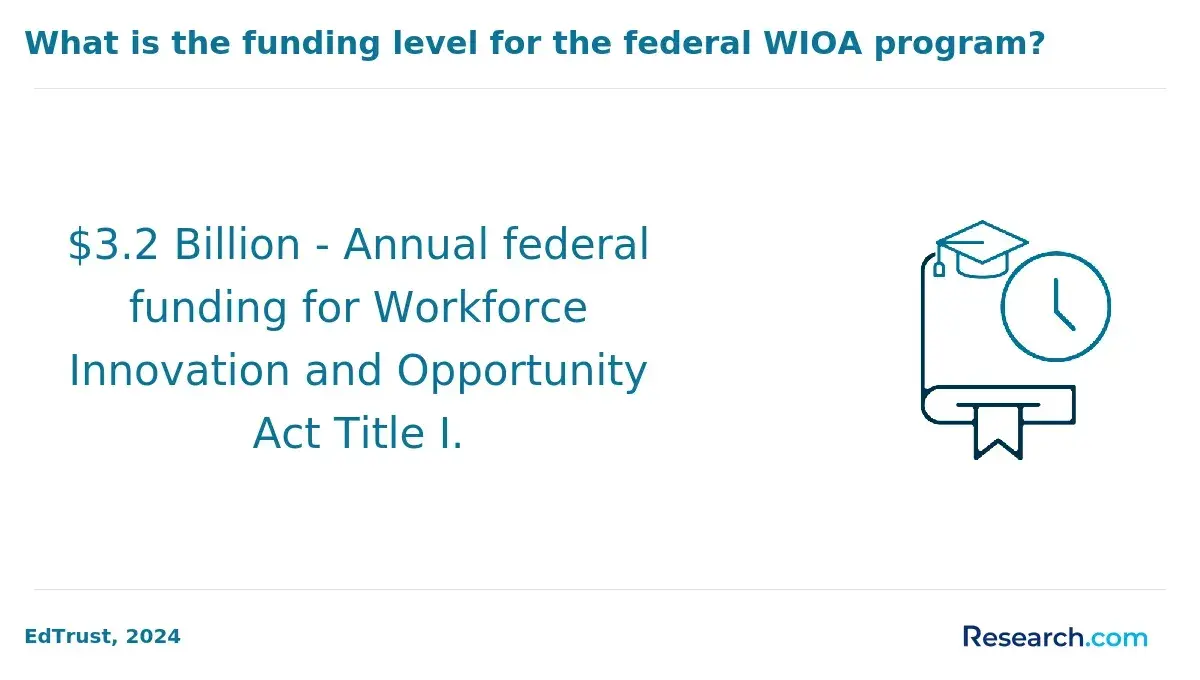
Financial aid can significantly reduce the initial expenses of applied science degree programs, thereby boosting long-term return on investment by decreasing reliance on loans. Nearly 9 out of 10 students receive some form of financial support, highlighting its critical role in managing educational costs.
Several key financial aid options help lower the total amount students pay and improve overall ROI:
- Scholarships: Awarded based on merit or financial need, scholarships do not require repayment and directly reduce the amount borrowed, easing debt burdens after graduation.
- Grants: These need-based funds also do not have to be repaid and are designed to help low-income students cover tuition and fees, improving affordability upfront.
- Fellowships: Targeted primarily at advanced studies and research, fellowships provide stipends that offset tuition and living costs, raising net financial benefits from the program.
- Employer tuition assistance: Many companies contribute to employees' educational expenses for relevant degrees, lowering out-of-pocket costs and often increasing immediate job-related returns.
- Federal loans: While requiring repayment with interest, federal loans usually offer lower rates and flexible terms compared to private loans, making debt more manageable and preserving ROI over time.
How Long Does It Take to Complete a Applied Science Degree?
The time required to earn an applied science degree significantly impacts its return on investment due to opportunity cost, earlier entry into the workforce, and cumulative educational expenses. Completing the degree more quickly allows students to start earning sooner, reducing lost income and overall costs.
Several factors influence how long the process takes, as outlined below:
- Enrollment status: Students attending full-time typically finish faster since they take more credits per term, which speeds up workforce entry and reduces opportunity costs compared to part-time students.
- Program format: Accelerated or online options offer condensed schedules and greater convenience, often enabling learners to complete their degrees in less time without sacrificing quality.
- Transfer credits: Transferring previously earned credit from other institutions can shorten the curriculum, decreasing both duration and expenses.
- Internship and thesis requirements: While hands-on projects or research components may lengthen the study period, they often improve job readiness and long-term earning potential.
- Scheduling flexibility: Programs accommodating work and personal responsibilities through evening or weekend classes might extend completion time but help balance life demands.
When I spoke with a recent applied science graduate about her experience, she shared how balancing full-time work with evening classes stretched her degree over four years instead of the traditional two. "It was challenging to manage deadlines and maintain motivation," she explained, "but having the flexibility meant I didn't have to pause my career." She noted that despite the longer timeline, internships during her studies helped her land a better job that made the wait worthwhile. Reflecting on the journey, she emphasized that time to completion isn't just about speed but finding a path that fits individual circumstances while maximizing professional outcomes.
Is ROI Higher for Online or On-Campus Applied Science Programs?
Delivery format significantly affects the return on investment for applied science programs due to differences in cost, flexibility, and career outcomes. In recent years, over 40% of college students have enrolled in at least one online course, indicating wider acceptance of online education and its impact on student choices. Comparing online and on-campus options reveals how these factors influence ROI.
Key considerations include:
- Tuition and fees: Online programs generally offer lower tuition and fees, reducing upfront costs. This advantage is notable for students seeking the cheapest online engineering degree alternatives within applied science fields.
- Opportunity cost: Students in online programs often maintain full-time employment due to flexible scheduling, lowering opportunity costs related to lost wages during study periods.
- Networking and support: On-campus programs tend to provide richer opportunities for face-to-face networking and direct access to career services, which can enhance initial job placement.
- Time to completion: On-campus students often complete degrees faster, while many online students study part-time, potentially extending the time and affecting overall ROI.
- Employer perception and earnings: Employer views vary between formats, but long-term earning potential usually converges. Initial job placement rates can be higher for on-campus graduates, though this gap narrows over time.
Evaluating the online vs on-campus applied science degree ROI requires considering individual circumstances, including financial resources and career goals, to maximize the return on investment for applied science study.
What Is the Average Salary After Earning a Applied Science Degree?
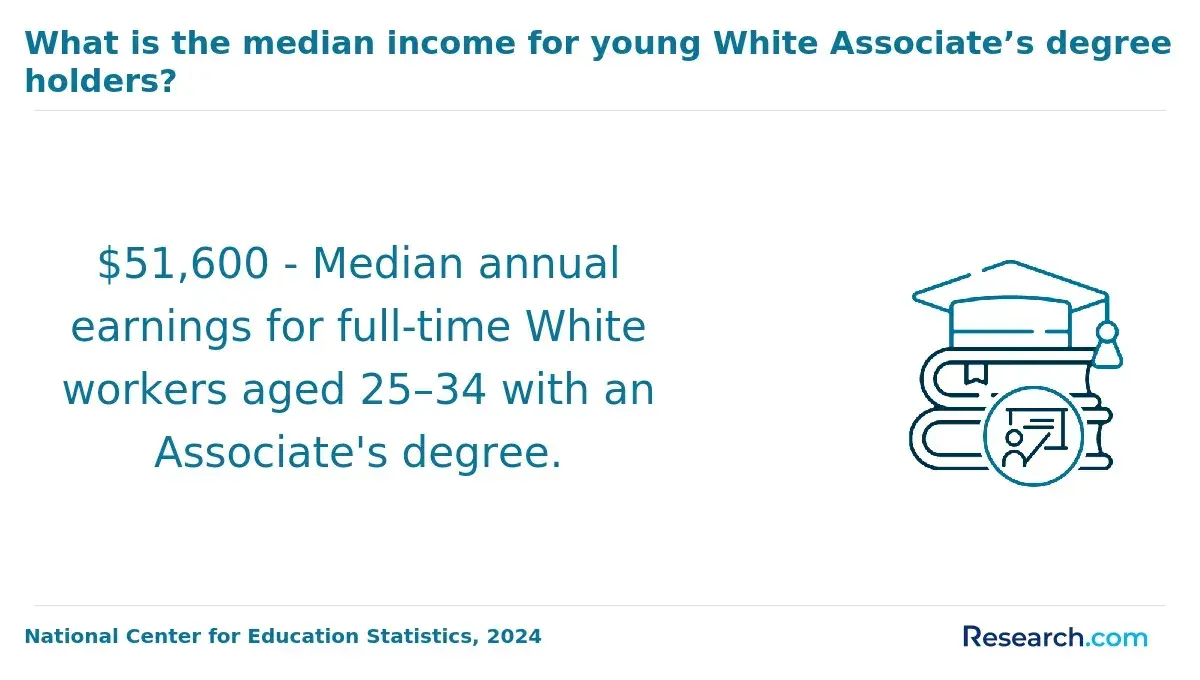
Post-graduation salary significantly drives the return on investment (ROI) for an applied science degree by helping to offset tuition costs and lost income during study. On average, graduates can expect typical earnings with applied science degree credentials ranging from $50,000 to $85,000 annually, depending on several key factors.
Several variables influence these salary outcomes and thus affect the overall ROI of an applied science degree:
- Industry: Graduates working in technology, engineering, or healthcare generally earn higher salaries compared to those in manufacturing or education, impacting long-term financial returns.
- Geographic location: Urban centers and regions with a strong industrial presence often offer better compensation, which can boost salary potential and improve ROI.
- Prior experience: Relevant work experience before or during degree completion often leads to faster placement in better-paying roles.
- Specialization: Skills in niche areas such as robotics, cybersecurity, or environmental science can demand premium wages and enhance earning potential.
- Career level: Entry-level salaries tend to be lower, but career advancement opportunities can significantly increase total earnings over time.
Prospective students can use this information to better assess how an applied science degree might translate into financial benefits across their careers, especially when comparing it to other options like online courses for psychology degree.
Does a Applied Science Degree Lead to Promotions?
Promotions contribute significantly to the return on investment (ROI) of an applied science degree by providing salary increases, expanded responsibilities, and greater career mobility. In many industries, this makes earning such a degree an important factor in career advancement. A notable workforce trend is the emphasis on credential-based promotion, where formal education increasingly supports experience in qualifying candidates for leadership roles.
Here are several key ways an applied science degree may influence promotion opportunities and ROI:
- Credential requirements: Many higher-level positions require formal education credentials. Holding an applied science degree helps meet these prerequisites, making candidates more competitive for promotions.
- Leadership preparation: The degree often provides both leadership and technical skills that prepare graduates to take on management roles, an essential factor in securing higher-ranking positions.
- Internal promotion policies: Organizations frequently prioritize employees with degrees in their promotion strategies, which can increase eligibility and accelerate career growth.
- Tuition support: Many employers offer tuition assistance programs for degree holders, effectively lowering the educational debt burden and improving the overall ROI of pursuing an applied science degree.
- Education and experience synergy: Combining formal education with relevant work experience enhances credibility and specialized knowledge. This blend strengthens promotion potential beyond experience alone.
Overall, earning an applied science degree is often a strategic move for individuals seeking to boost their career trajectory. For working professionals and career changers evaluating educational investments, considering how a degree enhances prospects for promotions is critical to understanding its long-term value. For more details on related educational pathways, explore the highest paying degrees available.
Applied science degree career advancement depends on demonstrating both skills and credentials that align with employer expectations. Those aiming for promotions with applied science degree should weigh how this qualification complements their experience and aligns with industry demands.
Which Industries Offer the Best ROI for Applied Science Graduates?
The return on investment (ROI) for an applied science degree varies by industry due to differences in salary levels, career progression opportunities, and demand for specialized skills. These factors significantly impact financial outcomes and job stability over time.
Industries that typically offer the strongest ROI for applied science graduates include:
- Technology and Software Development: This sector provides high starting salaries with rapid career advancement. Continuous innovation creates sustained demand, ensuring job security and significant compensation growth.
- Healthcare and Biomedical Engineering: Applied science graduates contribute to medical device innovation and patient care improvements. An aging population and expanding healthcare systems drive strong income potential and job stability.
- Energy and Environmental Sciences: Demand for sustainable energy experts grows with global environmental focus. Competitive salaries and government initiatives support career growth and specialization opportunities.
- Manufacturing and Industrial Automation: Advances in robotics drive demand for applied science skills, offering solid mid-career salary raises and job security through ongoing technological integration.
Choosing from these highest ROI industries for applied science graduates can maximize both financial rewards and career longevity. For those considering education pathways, exploring an easiest online degree option can help balance time commitment with career goals. Identifying the best career paths in applied science for ROI requires evaluating industry trends, skills demand, and advancement potential specific to each field.
Does Accreditation Affect ROI for a Applied Science Degree?
Accreditation signifies that an applied science degree program meets established quality standards set by an official accrediting organization. This credential ensures that employers and licensing bodies recognize the education as credible and aligned with industry requirements, which can directly influence the degree's return on investment (ROI). A notable trend is that employers increasingly favor candidates from accredited programs, associating them with thorough training and relevant skills essential for workforce readiness. Additionally, accreditation often determines eligibility for professional licenses, a critical factor for career advancement in many applied science fields.
Beyond immediate job prospects, accreditation enhances long-term ROI by fostering employer confidence and facilitating access to federal financial aid, which lowers educational expenses and debt. It also supports credit transferability, benefiting students who continue their education elsewhere without losing progress. Importantly, graduates of accredited programs are more likely to meet licensure requirements needed for certain professions, improving career flexibility and earning potential over time. These factors combined highlight how accreditation plays a vital role in maximizing both the financial and professional value of an applied science degree.
Is a Applied Science Degree Worth It?
The return on investment for an applied science degree depends on several financial and career factors, including tuition costs, duration of study, starting salaries, and opportunities for advancement. Tuition and fees vary widely, often making community colleges or technical programs more affordable than traditional universities. Completion times generally range from two to four years, affecting both direct expenses and lost income during study. Graduates typically earn median salaries between $50,000 and $70,000 annually, with employment in related fields expected to grow faster than average, enhancing long-term job prospects and career growth.
An applied science degree tends to be a worthwhile investment when pursued in high-demand sectors like healthcare, manufacturing, or information technology. Flexible or part-time programs can help students maintain income while studying, improving affordability and ROI. Access to scholarships or financial aid further lowers costs, increasing value. Ultimately, personal career objectives and prior experience shape how quickly graduates benefit financially, and if program expenses are steep or the industry shows limited growth, the return may be less favorable.
What Graduates Say About The ROI of Their Applied Science Degree
- Shmuel: "Choosing to pursue an applied science degree was a clear investment for me, especially after researching that the average total cost is around $50,000. The long-term benefits have far outweighed the expenses, as I've quickly advanced in my engineering career with a solid salary boost. I couldn't be happier with the decision to start this journey on campus, where the hands-on experience was invaluable. "
- Carlos: "Going the online route for my applied science degree was a practical choice given the cost considerations, which tend to be somewhat lower than traditional programs but still significant. While it required a lot of self-discipline, the degree's ROI became evident as I transitioned to a management role within two years of graduating. Balancing cost with quality made me appreciate how worthwhile this commitment truly was. "
- Manuel: "As a part-time student, I had to carefully weigh the financial and time investments in an applied science degree, knowing the average tuition is quite high but ultimately justified by the career doors it opens. This program allowed me to keep working while studying, and after graduating, I saw a clear impact: specialized skills that led to higher responsibilities and better pay. It's been a decisive factor in my career growth. "
Other Things You Should Know About Applied Science Degrees
An applied science degree prepares graduates for various technical and practical careers, including roles in engineering technology, computer science, healthcare technology, environmental science, and manufacturing. These careers typically involve solving real-world problems using scientific principles, often making graduates valuable to employers looking for hands-on expertise.
Yes, prior or concurrent work experience can significantly enhance the ROI of an applied science degree. Hands-on experience helps students apply theoretical knowledge, making them more employable and often enabling higher starting salaries or faster career advancement after graduation.
References
- The Most Popular College Degrees Ranked by Return on Investment (ROI) After 5 Years in the Workforce - StudentChoice.org https://www.studentchoice.org/news/the-most-popular-college-degrees-ranked-by-return-on-investment-roi-after-5-years-in-the-workforce/
- Financial Aid Options 2025 | Your College Funding Guide https://www.educationconnection.com/financial-aid/
- Applied Science | University of the Cumberlands https://www.ucumberlands.edu/academics/undergraduate/applied-science
- The University Courses With The Highest Return On Investment - Here Student Living https://herestudents.com/the-university-courses-with-the-highest-return-on-investment/
- 2024 | Benefits of an Applied Science Degree in Management vs a Business Degree | Peru State College https://www.peru.edu/blogs-room/all-blogs/2024/benefits-of-an-applied-science-degree-in-management-vs-a-business-degree.php
- The ROI of Your Business Degree: Why Your Education Matters https://www.sbs.edu/blog/roi-of-your-business-degree-education-matters/
- Five careers you can explore when studying Applied Science https://www.midkent.ac.uk/news/blog/five-careers-you-can-explore-when-studying-applied-science
- ROI Undergraduate - FREOPP https://freopp.org/roi-in-higher-education/roi-undergraduate/
- High-paying jobs you can get with a Bachelor of Applied Science https://www.boisestate.edu/online/2024/07/22/high-paying-jobs-you-can-get-with-a-bachelor-of-applied-science/