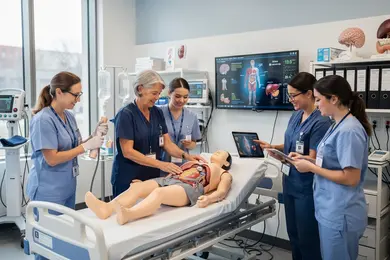
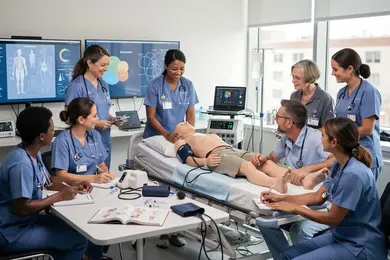
2027 Internship, Practicum or Clinical Requirements for Nursing Education Master's Programs

Co-Founder and Chief Data Scientist
A Nursing Education master's student balancing work and family faces a crucial dilemma: selecting a program with internship, practicum, or clinical requirements that align with their limited availability and career goals. Recent data from the American Association of Colleges of Nursing (2024) shows that 65% of graduate nursing students cite clinical placement availability as the leading barrier to program completion. This bottleneck highlights a broader systemic challenge-limited clinical sites and scheduling conflicts-that can delay graduation or reduce hands-on learning quality. Choosing the right program demands careful evaluation of these experiential components and their real-world feasibility.
This article examines how internship, practicum, and clinical requirements vary across programs and offers guidance to navigate them effectively.
Key Things to Know About Internship, Practicum or Clinical Requirements for Nursing Education Master's
- Programs with extensive clinical requirements may delay graduation due to scheduling conflicts, posing a significant tradeoff between hands-on experience and timely program completion.
- A 2024 workforce survey found 68% of nurse educators prioritize candidates with diverse practicum settings, reflecting employer preference for broad clinical exposure over minimal internship hours.
- Limited local clinical placements increase access barriers for working professionals, often leading to higher indirect costs and impacting decisions about program enrollment and geographic flexibility.
What Is the Difference Between an Internship, Practicum, and Clinical Placement?
Internship, practicum, and clinical placement represent structurally distinct forms of professional preparation within nursing education master's programs, each shaping a graduate's readiness differently for workforce demands and licensure requirements. For example, a student choosing an internship over a practicum may gain greater autonomy and responsibility, which can influence employability in settings where hands-on, decision-making experience is prioritized by employers.
- Internship: Internships simulate employment by offering extended, often full-time engagement where students assume progressively greater responsibility including direct patient care under supervision. This model provides real-world workload exposure and decision-making opportunities highly valued by employers, with a 2024 National Council of State Boards of Nursing report noting 68% of employers prioritize internship experience when hiring new graduates.
- Practicum: Practica focus on the application of academic theory within a controlled, faculty-supervised setting. Students typically engage in reflective assignments alongside observational and limited practical activities, emphasizing skill acquisition over autonomy. This structure allows rigorous academic oversight and ensures the experience aligns closely with curricular goals rather than immediate job readiness.
- Clinical Placement: These placements concentrate on direct patient interaction governed by strict supervision and institutional protocols, commonly scheduled with set hours to satisfy licensure prerequisites. The weight is on competency in standardized clinical tasks rather than independent practice, fulfilling mandatory clinical placement requirements for nursing education graduate students and integrating tightly with healthcare system routines.
Unlike internships, which lean toward practical independence and employment simulation, practicums and clinical placements maintain closer academic and regulatory controls, balancing patient safety and educational objectives. Students weighing these options should consider how each experience aligns with their career intentions, especially if licensure mandates or employer expectations favor one form of experiential learning. Those seeking programs with differentiated training experiences might also explore offerings within the easiest DNP program circuits, where clinical and internship structures vary widely across institutions and states.
What Internship or Practicum Requirements Do Nursing Education Master's Programs Have?
Internship and practicum components in nursing education master's programs represent distinct modes of professional preparation that extend beyond routine coursework. These requirements vary significantly by program design, affecting scheduling flexibility and the practical integration of teaching experience during graduate study. Such variability directly impacts how students, especially working professionals or career changers, balance their academic progress with real-world teaching commitments.
- Internship Requirement Structure: Internships in nursing education programs typically involve 100 to 200 hours of supervised teaching-focused experience within academic or healthcare education settings. These structured placements emphasize curriculum design, instructional strategies, and student evaluation over clinical care, demanding coordinated schedules with faculty mentors. Internships often require students to navigate rigid time commitments alongside continuing professional responsibilities, sometimes extending program duration. Additionally, 2024 workforce data indicates over 75% of nursing employers prioritize internship experience in hiring nurse educators, underscoring how these hours enhance employability by validating applied pedagogical skills.
- Practicum Requirement Structure: Practicum experiences differ primarily in intensity and placement context but similarly focus on hands-on educational practice. Many programs embed practicum hours within credit-bearing courses, allowing integrated course-and-placement completion. However, students may face challenges securing high-quality placements, especially without institutional partnerships, which can delay program milestones or reduce exposure to diverse instructional environments. This variability impacts readiness for roles requiring both clinical credibility and teaching competency, often influencing job market competitiveness and the ability to demonstrate comprehensive educator qualifications.

How Many Clinical Hours Are Required for Nursing Education Master's Programs?
Clinical hour requirements for nursing education master's programs differ significantly, influenced chiefly by accreditation criteria, state licensure prerequisites, and specific educational outcomes targeted by each program. These variations create notable impacts on students' ability to manage workloads and schedule clinical placements, often extending program length if practicum hours are delayed or scarce. Since many states align these requirements with nurse educator licensure standards, which can range between 100 and 500 hours, students must strategically plan their clinical commitments amid work or personal obligations.
According to a 2024 National League for Nursing report, about 72% of nurse educator programs demand at least 200 clinical hours, underscoring a growing emphasis on extensive mentorship and applied instructional experience. Failure to secure timely clinical placements or complete required hours can lead to postponed graduation, creating bottlenecks in advanced nursing education pipelines and limiting timely workforce entry.
A nursing education master's student recalled hesitating before accepting a clinical placement opportunity as the program's rolling admissions left key practicum details uncertain for months. Balancing full-time employment and family care, the student felt urgency to confirm clinical hours early to avoid extending the program timeline but struggled with unclear scheduling, which caused anxiety about meeting licensure benchmarks. Only after persistent follow-up with the program's coordinator did the student secure a placement aligning with personal constraints, illustrating how navigating clinical hour demands requires proactive communication and flexible planning to avoid unintended delays in progressing through nursing education credentials.
How Are Internship Placements Assigned in Nursing Education Master's Programs?
Internship placements in nursing education master's programs are commonly allocated through institutional partnerships and faculty coordination. Universities often establish formal agreements with healthcare providers, creating networks that streamline the clinical placement assignment process. Some programs directly place students based on qualifications and geographic preferences, while others allow students to select from approved sites or secure their own placements pending program approval. These systems reflect efforts to meet accreditation standards and accommodate career goals within the clinical placement assignment process for nursing education master's students.
The choice of assignment method carries practical implications for students balancing education with work and personal commitments. Direct placement by the program can ensure reliable access to sites meeting quality criteria but may limit individual choice, potentially affecting alignment with specific career objectives. Conversely, allowing students to arrange their own internships offers flexibility but risks inconsistent training quality and scheduling conflicts, which can delay program completion. Geographic constraints strongly influence placement decisions, with 62% of nursing education graduate students citing location as a major factor, a trend that intensifies for adult learners and career changers.
Prospective students weighing these factors should consider how site availability and placement policies intersect with their unique circumstances and long-term goals within nursing education. For those exploring related fields, understanding how placement structures affect outcomes is as important as evaluating biology degree jobs and other career pathways.
Can Working Adults Complete Internships Part-Time?
Part-time internships in nursing education master's programs are often shaped by institutional structures and external accreditation standards, which limit how flexibly clinical hours can be completed. Programs using cohort-based placements typically require fixed schedules with specific clinical partners, constraining the ability to spread hours over longer periods or outside established shifts. In contrast, some programs offer self-arranged internships, but these depend heavily on the student's initiative and employer cooperation to negotiate clinical schedules that align with work commitments. Employer support plays a crucial role; those with established partnerships or flexible staffing models allow for off-peak clinical hours, but this is uneven across regions and health systems, impacting how accessible part-time internships truly are.
These structural realities carry tangible tradeoffs for working students. Scheduling conflicts can severely limit available clinical sites, often necessitating enrollment extensions to fulfill practicum requirements. Students without access to flexible or remote-approved clinical settings face compressed timelines that compete directly with work obligations, increasing stress and risk of burnout.
According to a 2024 report from the American Association of Colleges of Nursing, about 62% of master's students employed full-time completed clinical hours part-time, underscoring the widespread but challenging nature of balancing these demands while managing longer program durations. Those who secure employer-supported placements often gain a critical advantage in pacing their training without compromising job performance.
A prospective nursing education master's student recalled hesitance during the rolling admissions phase, uncertain whether to apply before confirming part-time clinical feasibility. Despite employer assurances of flexibility, the student delayed enrollment, wary of the unclear timeline for securing an approved practicum site compatible with work hours. After weeks of back-and-forth with program coordinators and clinical partners, the student ultimately adjusted expectations, extending the anticipated graduation date to align with a part-time schedule, reflecting the real-world uncertainty and strategic planning required to navigate internship logistics while employed.
Do Internship Hours Count Toward Professional Licensure Requirements?
Internship hours may count toward professional licensure requirements in nursing education master's programs only when they meet specific criteria set by accrediting bodies and state nursing boards. Typically, this includes direct supervision by licensed professionals, detailed documentation of clinical activities, and alignment with approved fieldwork or practicum standards. Such structured internship hours are more likely to be recognized when linked to roles preparing students for advanced practice or registered nurse (RN) certification pathways. However, many nursing education programs are designed primarily for pedagogical competence, so their clinical practicum hours often serve educational rather than licensure purposes. This distinction is crucial when evaluating clinical practicum hours and licensure eligibility for nursing education graduates.
In practice, most states and licensing boards do not fully accept master's level internship hours toward initial RN licensure, as these hours generally do not substitute for the clinical requirements completed during undergraduate nursing education. This regulatory reality means students aiming for licensure should plan for additional clinical training beyond their graduate internships. Over 85% of boards surveyed by the National Council of State Boards of Nursing indicated such internships do not meet licensure hour criteria, underscoring the importance of this consideration.
For example, a student who does not verify licensure credit in advance may face delays in exam eligibility or require extra coursework, prolonging their path to employability. While internships bolster teaching skills valued by employers, they rarely abbreviate licensure timelines, necessitating clarity on program design and state-specific rules. Prospective students comparing nursing education master's paths might also weigh alternatives such as selecting a program concurrent with or followed by clinical licensure training.
For those balancing graduate studies with licensure goals and workforce demands, evaluating these tradeoffs remains essential, just as exploring options like a nutrition degree online might reflect careful career planning across health-related disciplines.
How Are Internship or Practicum Experiences Evaluated?
Evaluation of internship and practicum experiences in nursing education master's programs hinges on a nuanced combination of direct supervision, competency-based frameworks, and reflective practice assessments. Student performance is measured through detailed observations by clinical preceptors or faculty, who apply standardized criteria aligned with specific learning outcomes. Feedback integrates both objective scores-such as those derived from clinical skill checklists or simulation exercises-and subjective appraisals from mentor reports, which help identify areas needing remediation. Variability in supervision quality and clinical site resources often impacts these evaluations, sometimes complicating fair performance comparisons and progression decisions.
These assessments carry significant consequences, influencing academic standing and licensure eligibility. For example, a student struggling with communication or teaching competencies during the practicum may require additional targeted training or risk delayed program completion. According to the 2024 National Council of State Boards of Nursing, roughly 87% of graduates achieve competency benchmarks, yet this statistic masks disparities stemming from mentorship quality and site-specific factors. Employers frequently reference practicum outcomes when judging readiness for educational roles, underscoring the importance of consistent, rigorous evaluation processes that emphasize both clinical acumen and pedagogical skill in preparing new nurse educators.
What Challenges Do Students Face During Graduate Internships or Clinicals?
Graduate internships and clinical experiences in nursing education master's programs are pivotal yet often fraught with challenges that affect timely progression and readiness for professional roles. Rather than routine academic steps, these practical requirements frequently become high-stakes transition points where competing demands and variable conditions can delay graduation or impair skill development.
- Time Management and Scheduling Conflicts: Balancing intensive clinical hours with ongoing employment, family responsibilities, and coursework poses significant strain. Many students, including career changers, find that rigid placement schedules limit flexibility, often forcing compromises that increase exhaustion or extend program duration.
- Inconsistent Supervision and Mentorship Quality: The variability of clinical sites means that some students encounter insufficient guidance or limited exposure to diverse patient care scenarios. This uneven support can hinder competency development crucial for meeting employer expectations and licensure requirements.
- Performance Pressure and Stress: Clinical settings impose high standards for professional competence, often inducing anxiety related to workload and evaluation. A 2024 report from the National Council of State Boards of Nursing found that approximately 35% of graduate nursing students experienced notable stress linked to clinical demands and performance assessments.
- Transport and Geographic Barriers: Access to quality clinical placements may require travel to multiple or distant facilities, adding logistical complexity and unforeseen costs. This factor disproportionately affects working professionals or those balancing multiple roles, further complicating program completion.
- Adjusting from Theory to Practice: Transitioning from classroom-based theoretical learning to fast-paced, unpredictable clinical environments demands rapid cognitive and interpersonal adaptation. This shift can reveal gaps in readiness and requires resilience to integrate academic knowledge into effective, real-time patient care.
Understanding these challenges helps prospective students critically assess program structures and clinical placement logistics. Selecting nursing education master's programs with transparent scheduling, strong mentorship, and realistic clinical requirements is vital to minimize barriers that can otherwise impede progress or professional readiness.
Do Internships Improve Job Placement After Graduation?
Internships in nursing education master's programs improve job placement by signaling workplace readiness and practical competence to recruiters. Employers often interpret internship completion as evidence that a candidate can navigate clinical environments and interdisciplinary teams, making them more confident hires. Beyond skill demonstration, internships provide direct access to internal hiring channels, mentorship, and professional references, which can shorten the transition to employment.
Data from the National Center for Education Statistics (2024) indicates graduates with structured internships are 25% more likely to secure relevant jobs within six months, underscoring how these experiences influence hiring outcomes in a competitive labor market where transfer credits impact on nursing education degree cost and program affordability may also guide candidates' choices.
However, the benefits of internships are not uniform. Variability in site quality, mentorship, and alignment with intended specialties can limit their hiring advantage, especially if placements lack depth or relevance. In saturated job markets or geographic areas with fewer openings, internship completion may not guarantee improved employment prospects, and some employers prioritize experience over academic clinical hours. Working professionals balancing full-time jobs may face challenges that reduce internship engagement quality, weakening potential benefits despite extended clinical requirements. For career changers, internships can validate new skills but do not always translate into direct hiring, making it vital to evaluate each program's offerings.
For insights on related career outcomes and compensation, prospective students can review health information management degree salary data, which illustrate similar workforce considerations.
How Can Students Choose a Program That Matches Their Career Goals and Schedule?
Choosing a nursing education master's program that fits one's career goals and schedule requires recognizing that misalignments between program demands and personal circumstances frequently lead to delayed graduation, diminished job readiness, or narrowed specialization options. The variability in internship, practicum, or clinical training components often acts as a critical constraint rather than a flexible choice, particularly for career changers and working students.
- Align Clinical Components with Career Outcomes: Select programs with practicum settings that mirror your target roles. Those pursuing academic nursing educator careers should prioritize clinical teaching practicums within academic health centers or simulation labs, while those aiming for community or hospital nurse educator roles need hands-on patient or staff education experiences.
- Evaluate Practicum Scheduling Flexibility: Programs with flexible practicum schedules-such as evening, weekend, or block placements-reduce conflicts with current employment, ensuring smoother completion without extending time to degree.
- Consider Delivery Format and Pacing Options: Part-time, asynchronous, or hybrid program formats paired with local clinical placement options can mitigate commuting burdens and allow steady progress, crucial for students balancing work and study.
- Scrutinize Geographic and Placement Limitations: Verify whether clinical hours must be completed near home or an affiliated institution, as inflexible geographic requirements can complicate scheduling and increase indirect costs.
- Check Credit Transfer and Prior Learning Policies: Understanding if prior coursework or professional experience can reduce practicum hours or coursework load may accelerate completion and prevent unnecessary repetition.
- Match Program Reputation to Employer Expectations: Employer demand increasingly favors programs that integrate rigorous experiential learning with relevant professional networks and supervision, which can enhance upward mobility in nursing education careers.
Over 60% of graduate nursing students work while studying, according to a recent 2024 report from the National Center for Education Statistics, emphasizing that practicum and clinical scheduling flexibility is not a luxury but a necessity for many. Students should seek master's nursing education clinical placement options that accommodate this reality.
Before committing, confirm with programs the total clinical hour requirements, available scheduling options, and supervisor qualifications to ensure these match your personal and professional constraints. This nuanced approach reduces risk of burnout or delayed program completion.
Working professionals evaluating educational costs and workload balance might also find it insightful to compare tuition and fees with related fields, such as speech pathology. For instance, consulting resources on speech pathology online program cost can provide context on investing in healthcare education pathways.
What Graduates Say About Internship, Practicum or Clinical Requirements for Nursing Education Master's
- Lawrence: "During my Nursing education clinical placement, I realized quickly that many employers highly value hands-on practicum experience over just holding a degree. I had to decide whether to accept a lower-paying role that allowed me to build a tangible portfolio or hold out for a higher salary but limited patient interaction. Choosing the former ultimately helped me secure a full-time position within six months, even though the initial pay was less than I anticipated."
- Elaine: "Balancing remote coursework with my internship posed a challenge, especially when competing against applicants with in-person clinical hours. I debated whether to prioritize flexibility or pursue additional certifications to stand out. The decision to earn specialty credentials alongside the program paid off, as it made me more competitive for educator roles that valued both experience and formal qualifications over licensure alone."
- Carmela: "After completing my Nursing education master's, I faced a tough choice: attempt to enter administration without an advanced license or invest time into gaining it and delay my career progress. Despite the salary growth limitations without licensure, I opted to start immediately in a training position, which gave me practical insight into workplace realities and, eventually, an opportunity for promotion once I completed further credentials."
Other Things You Should Know About Nursing Education Degrees
Working professionals pursuing a nursing education master's must carefully evaluate program clinical intensity relative to their existing workload. Programs with rigid, time-consuming practicum schedules can strain employed learners, potentially affecting job performance or necessitating leave. Prioritizing programs with flexible scheduling or local clinical site options can alleviate this tension, enabling steady progress without compromising employment stability.
Clinical placements that involve diverse, real-world educational settings provide superior preparation for future nursing educators. Exposure to varied teaching contexts-such as hospitals, community colleges, or simulation labs-enhances adaptability and instructional repertoire. This breadth often aligns better with employer expectations for educators ready to navigate multiple learning environments, so programs offering limited or narrowly focused placements may restrict practical readiness and subsequent job market competitiveness.
Aligning practicum sites with targeted career paths, such as academic teaching or clinical staff development, sharpens relevant skills and strengthens professional networks important for job placement. However, such alignment may limit site availability or prolong program length if specialized sites are scarce. Prospective students should weigh the value of focused experience against potential delays and logistical complexities, especially if timely program completion is a priority.
In 2027, Nursing Education Master's Programs aim to balance mentor quality with clinical hours by ensuring students are paired with experienced mentors in diverse clinical settings. Programs typically focus on enhancing both clinical competence and professional growth with a minimum requirement of around 500 clinical hours, emphasizing personalized mentorship to maximize student development.
References
- Use the Tips app on iPhone https://support.apple.com/guide/iphone/tips-iph3afc3b3fc/ios
- What Hours Count Toward Licensure for Mental Health Professionals https://tamarasuttle.com/what-hours-count-toward-licensure-for-mental-health-professionals/
- TIPS Certification Online https://www.tipsalcohol.com/
- TIPS Training: What Is TIPS Certification? | 360training https://www.360training.com/blog/tips-certification
- Tips - Wikipedia https://en.wikipedia.org/wiki/Tips
- Master's Education https://www.aacnnursing.org/students/nursing-education-pathways/masters-education
- Home | TIPS-USA https://www.tips-usa.com/
- Nursing Education (MS) https://www.iona.edu/academics/explore-majors-programs/nursing-education-ms
- Can You Do Nursing School While Working Full Time? https://fvi.edu/nursing/can-you-do-nursing-school-while-working-full-time/
- TIPS - Tłumaczenie na polski - bab.la https://pl.bab.la/slownik/angielski-polski/tips