2027 Is a Cybercrime Master's Degree Worth It? ROI, Salary & Career Impact

Co-Founder and Chief Data Scientist
Many professionals face uncertainty about whether investing in a cybercrime master's degree will yield substantial financial and career benefits. The cybersecurity sector grows rapidly, with a projected 31% job increase through 2031, yet degree costs can exceed $30,000. Salary data shows graduates often see a median increase of 20% compared to those with only a bachelor's. However, variations in program quality and employer recognition complicate decisions.
The article explores key factors affecting return on investment, including tuition, salary prospects, career advancement, and industry demand. It provides data-driven insights to help prospective students evaluate if a cybercrime master's aligns with their goals and resources.
Key Things to Know About the Value of Cybercrime Master's Degree
- Admission typically requires a bachelor's degree in a related field; programs often combine technical coursework and legal studies, offering full-time, part-time, and online formats for flexibility.
- Graduates report median salaries around $85,000, with early-career positions in cybersecurity and law enforcement sectors showing consistent demand.
- Long-term earning potential increases with experience; comparing programs by cost, reputation, and credential value helps maximize ROI and career advancement opportunities.
How Much Does a Cybercrime Master's Degree Cost?
Cybersecurity roles are projected to grow 35% from 2021 to 2031 according to the U.S. Bureau of Labor Statistics, making knowledge of the average cost of a Cybercrime master's degree essential for prospective students. Evaluating tuition fees and financial aid against career outcomes helps clarify the degree's value. Below is a detailed breakdown of tuition and living expenses, highlighting variations by program type, residency, and delivery format.
- Public University In-State: Tuition for in-state students generally ranges from $10,000 to $25,000 per year. With program lengths typically between 1.5 and 2 years, total tuition costs fall between $15,000 and $50,000. Additional expenses such as technology, lab fees, and course materials often add $1,000 to $3,000 annually.
- Public University Out-of-State: Out-of-state tuition is higher, usually $20,000 to $40,000 annually. Total tuition over 1.5 to 2 years commonly reaches $30,000 to $80,000. Ancillary fees and living costs remain comparable to in-state estimates.
- Private Universities: Tuition at private institutions varies widely, from $30,000 to over $60,000 each year. Programs often last 1 to 2 years, making total tuition costs range from $60,000 to $120,000. Students should also budget for higher room and board, which may add $15,000 or more annually.
- Online Cybercrime Programs: Online options typically offer more flexibility and cost savings, with tuition ranging from $15,000 to $40,000 per year depending on the school's prestige and accreditation. Program length can vary from 12 months up to 2 years. Technology fees tend to be lower, but students must consider reliable internet and software expenses.
- Housing and Living Expenses: Regardless of program type, on-campus or urban living costs usually add $12,000 to $20,000 yearly. These costs vary regionally and significantly impact the total financial investment required.
For those exploring accelerated options, examining 1 year masters programs can offer a cost-efficient pathway. Prospective students should carefully consider how tuition fees, program length, and ancillary costs combine to affect overall return on investment before committing.
What Financial Aid and Scholarships Are Available for Cybercrime Master's Students?
Graduate education in cybercrime is a substantial investment, making knowledge of financial aid options essential for prospective students. Approximately 60% of graduate students rely on financial aid to manage tuition and fees, which underscores its significance for those pursuing scholarships for cybercrime master's students in the US. The following outlines the primary categories of aid available to help offset costs.
- Federal Graduate Loans: These include subsidized loans, which cover interest while enrolled, reducing overall repayment, and unsubsidized loans, which accrue interest from disbursement. Students apply via the FAFSA and can borrow up to $20,500 yearly for graduate studies.
- Institutional Grants and Fellowships: Many universities award merit- or need-based grants tailored to cybercrime or cybersecurity disciplines, with eligibility often tied to academic achievement, financial need, or alignment with research goals.
- External Scholarships: Prestigious organizations such as (ISC)² and the SANS Institute offer scholarships focusing on cybersecurity and cybercrime disciplines, typically requiring evidence of dedication to the field and strong academics.
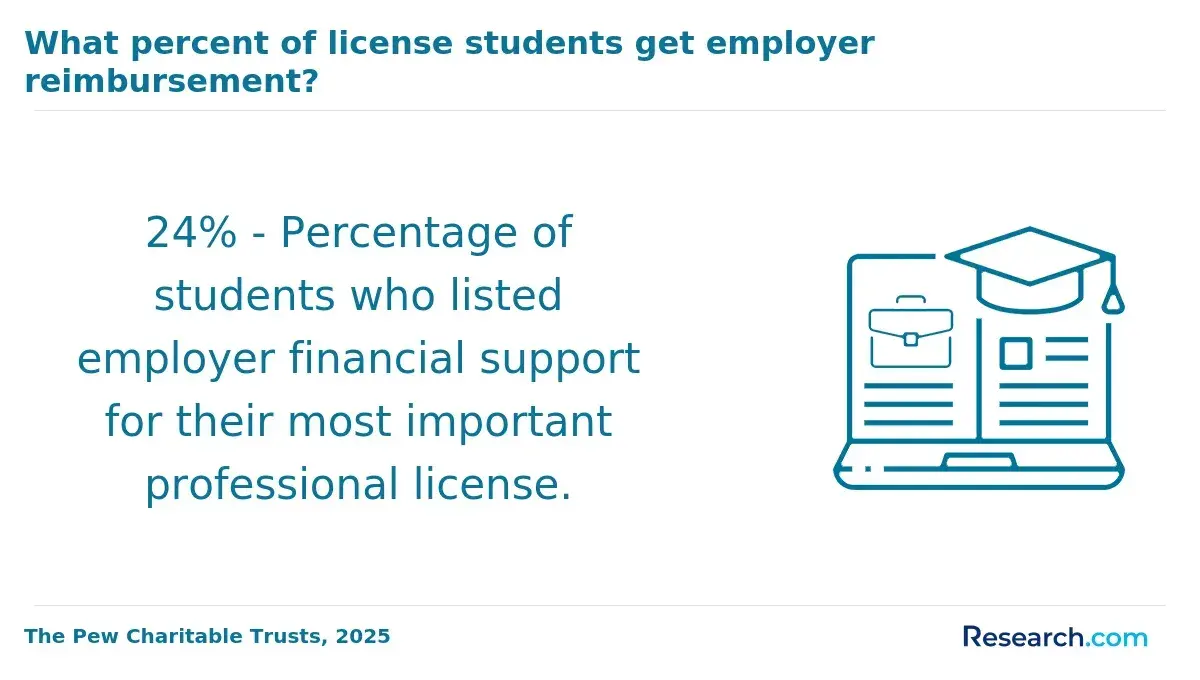
- Employer Tuition Assistance: Some employers provide tuition reimbursement for degrees related to an employee's job role. Checking with HR departments may reveal opportunities for full or partial funding.
- Scholarship Search Resources: Platforms like Fastweb and the Cyber Security Scholarship Community compile discipline-specific scholarships. Successful applicants often submit targeted essays, recommendation letters, and defined career objectives.
Prospective students evaluating financial aid should also consider how their investment compares to alternatives such as professional certifications and the long-term career impact of their degrees. For those deciding among various programs, exploring the easiest online masters may provide helpful insights into balancing cost, program rigor, and career outcomes.
What Is the Average Salary for Cybercrime Master's Degree Holders?
Salary prospects for professionals with a cybercrime master's vary considerably depending on experience, industry, and location, making it essential for prospective students to understand these differences when evaluating program value. Here are key salary insights based on reliable sources like the Bureau of Labor Statistics, LinkedIn Salary, and Glassdoor:
- Experience Level Impacts Earnings: Professionals starting out with a master's in cybercrime generally earn $70,000 to $85,000 annually. Mid-career experts typically see salaries between $95,000 and $120,000, while senior-level specialists often exceed $130,000, reflecting advanced expertise in the field.
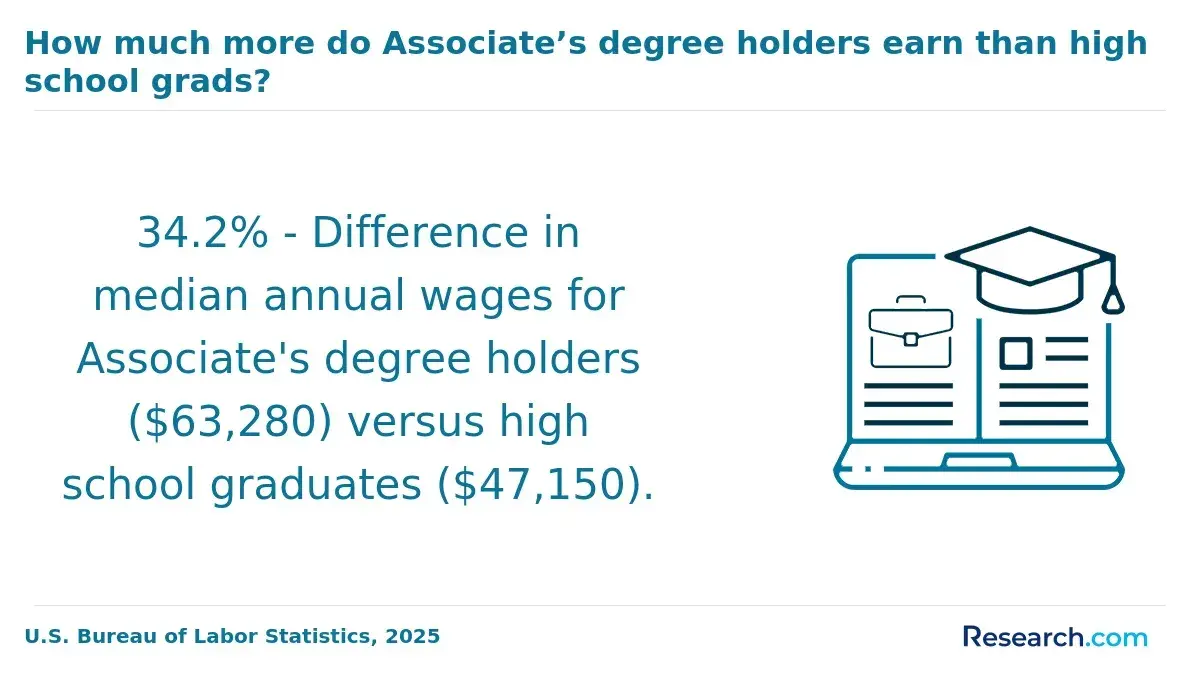
- Master's Degree Wage Premium: Compared to bachelor's degree holders who earn roughly $60,000 to $100,000, those with a master's degree can expect an additional $10,000 to $25,000 yearly, with the difference expanding at higher career stages.
- Sectoral Variations: The private sector, especially cybersecurity firms and financial institutions, tend to offer the most competitive pay. Government roles provide solid compensation alongside benefits, while nonprofit salaries are usually lower but might include non-monetary advantages such as job stability and meaningful work.
- Geographic Factors: Salaries are highest in tech-centric areas like Silicon Valley and Washington D.C., while smaller markets or rural locations generally have lower pay but may offer a reduced cost of living.
A graduate of a cybercrime master's program shared that balancing demanding coursework with part-time professional work was challenging but rewarding. He reflected, "The program pushed me to deepen my technical skills and strategic thinking, which made me more confident in salary negotiations and pursuing leadership roles." This experience underlines how the degree can enhance career progression beyond initial pay increases, offering long-term benefits in a competitive job market.
How Does a Cybercrime Master's Degree Impact Long-Term Career Advancement?
For prospective students weighing their options, it helps to know how earning a Cybercrime master's degree impacts career growth beyond just an initial salary increase. This degree can open doors to faster advancement, leadership roles, and greater professional influence over time. Key factors shaping long-term career trajectories include the following:
- Promotion Rates: Graduates with a Cybercrime master's degree often benefit from expedited promotion cycles versus those holding only a bachelor's degree. This advanced qualification signals specialized expertise, making candidates more competitive for mid- to senior-level positions.
- Leadership Opportunities: The degree frequently leads to management and director-level roles by showcasing a blend of technical knowledge and strategic cybersecurity skills, essential for effectively leading teams and projects.
- Access to Senior Positions: In sectors such as government and finance, many organizations prefer or require a Cybercrime master's for senior cybersecurity roles, facilitating entry into positions with significant responsibility.
- Professional Credibility and Networking: Holding this degree enhances reputation among employers and peers, often resulting in invitations to exclusive industry events and memberships that support ongoing career growth.
- Employer Preferences: While some industries treat the degree as essential, others see it as advantageous alongside certifications and practical experience. Tech companies and consulting agencies tend to highly value this graduate credential.
- Continuing Education Pathways: The master's foundation is ideal for pursuing doctoral research or professional certifications such as CISSP or CISM, both of which further accelerate career growth and open specialized leadership tracks.
In addition, those interested in fast-tracking their education might explore accelerated programs to build foundational knowledge before advancing. Overall, understanding the impact of a Cybercrime master's degree on long-term salary and professional growth aids students in aligning education with career ambitions.
What Is the Return on Investment (ROI) of a Cybercrime Master's Degree?
Prospective students can better gauge career benefits and financial outcomes by examining the return on investment (ROI) of a cybercrime master's program. This involves comparing all expenses against potential earnings growth and understanding how long it takes to recoup those costs. Below are key aspects to consider when evaluating this ROI.
- Total Program Cost: This factors in tuition, fees, study materials, and living expenses. Public institutions often present lower costs than private schools, and financial aid or employer sponsorship can substantially reduce net expenses.
- Lifetime Salary Premium: Graduates generally see salary increases of 15-30% over bachelor's degree holders. The actual premium varies based on the industry, job role, and geographic location, according to data from employment research organizations.
- Payback Period: It typically takes 3 to 7 years to recover the full investment in the degree. Professionals in high-demand cybersecurity roles often see quicker returns, while others may experience longer timelines.
- Institution and Career Path Variation: Attending well-ranked programs or specializing in niche areas often improves ROI through better job placements. Careers in government agencies or private cybersecurity companies tend to offer higher salaries than less specialized positions.
- Opportunity Cost: Time spent in full-time study means missing out on wages and professional experience. This foregone income should be included when calculating the true cost of the degree.
- Online ROI Calculators: Customized tools allow prospective students to simulate scenarios based on personal finances, career ambitions, and specific programs. Such calculators provide a clearer, individualized projection.
A graduate shared reflections on navigating these considerations: "I was anxious about balancing work and study but found part-time options eased the financial strain. Calculating how long it would take to see a salary bump helped me stay motivated. The decision wasn't easy-there were moments I doubted the payoff-but having a clear picture of costs and eventual benefits made it feel manageable. It also helped that the program connected me with employers familiar with this degree, which sped up my job search afterward."
What Are the Admission Requirements for a Cybercrime Master's Program?
Admission into master's programs focused on cybercrime typically involves several key evaluation components that assess an applicant's academic background, skills, and motivation. Requirements differ between prestigious institutions and those with more flexible criteria. Below are the main elements that candidates commonly need to address:
- Undergraduate GPA: A minimum GPA around 3.0 on a 4.0 scale is usually expected, though highly competitive schools often look for a GPA closer to 3.5 to reflect strong academic performance and consistency.
- Standardized Tests: Some programs may request GRE or GMAT scores, despite a growing number waiving them. Solid quantitative and analytical results can heighten an applicant's chances, especially at selective universities.
- Prerequisite Coursework: Foundational classes in computer science, IT, or cybersecurity are essential. Coursework involving programming, networking, or digital forensics equips applicants with the skills necessary for advanced study in cybercrime themes.
- Statement of Purpose: This written essay provides insight into the applicant's career goals, research interests, and reasons for pursuing the degree. It is a vital tool for admissions committees to gauge alignment with program objectives.
- Letters of Recommendation: Typically two to three letters are required, preferably from professors or employers familiar with the candidate's technical aptitude and professional qualities. These endorsements support the applicant's readiness for graduate research and study.
- Work and Research Experience: Relevant internships, certifications, or research projects within cybersecurity add considerable value, demonstrating practical expertise and commitment to the field.
- Competitive Applicant Differentiators: Beyond fulfilling prerequisites, successful candidates often distinguish themselves through leadership, contributions to cybercrime-related competitions or open-source projects, and active participation in professional circles.
What Is the Minimum GPA Requirement for a Cybercrime Master's Program?
Admission to a cybercrime master's program often hinges on the minimum GPA requirements for cybercrime master's programs, which typically align with the institution's selectivity and ranking. Many top-tier programs set a minimum undergraduate GPA around 3.0 on a 4.0 scale to ensure students have a solid academic foundation, although some elite schools may require even higher. Conversely, less competitive programs may admit applicants with GPAs as low as 2.7 or 2.8, especially if other aspects of their application are strong.
Applicants with a lower GPA can still enhance their prospects by leveraging professional experience, personal statements, and exam scores. In some cases, conditional admission or probationary enrollment offers a pathway for those with borderline GPAs, requiring them to maintain certain academic standards during early coursework. Strategies to improve admission chances are varied and important to understand. Below are key factors and approaches to consider.
- Typical GPA Requirements: Most programs expect a minimum GPA around 3.0, though the average GPA needed to enter a cybercrime master's degree can vary by program prestige and competitive landscape.
- Work Experience as Leverage: Demonstrated professional experience in cybersecurity can substantially offset a lower GPA by showing real-world skills and dedication to the field.
- Importance of GRE Scores: Strong GRE results highlight academic readiness and enhance applications, particularly for candidates near the GPA cutoff.
- Conditional Admission Options: Certain institutions provide conditional or probationary enrollment, allowing students to prove their commitment through performance in initial courses.
- Application Enhancements: A compelling personal statement and strong letters of recommendation help highlight strengths beyond GPA deficiencies.
- Continuing Education: Taking additional undergraduate or graduate-level courses can boost academic credentials and improve admission chances.
Prospective students should carefully weigh these factors alongside financial considerations, including exploring affordable graduate options such as the cheapest online graduate programs. Balancing GPA requirements and professional readiness is essential for a successful application to a cybercrime master's degree program.
Is an Online Cybercrime Master's Degree as Valuable as an In-Person Degree?
For prospective students considering a master's degree in cybercrime, employer and industry views on online education have become increasingly important. The pandemic accelerated acceptance of remote learning, changing how employers evaluate online credentials. Below are key points outlining these shifting perceptions and differences between online and residential cybercrime programs.
- Employer Acceptance Has Increased: The rise in remote education during COVID-19 led many employers to recognize online degrees' validity, especially from accredited institutions. Recent surveys reveal that more than 70% of employers now view online master's credentials as comparable to traditional on-campus degrees.
- Accreditation Is the Primary Indicator of Quality: Employers focus on whether a program is properly accredited rather than how it is delivered. Accredited online programs must uphold standards matching those of residential offerings, ensuring graduates possess equivalent knowledge and skills.
- Networking Experiences Vary: While on-campus programs facilitate direct in-person networking through events and informal contact, many online programs have developed digital platforms to maintain community and professional connections, though these may feel less immediate.
- Career Services Differ in Access: Campus students often benefit from face-to-face career counseling and recruitment events, whereas online learners rely on virtual support systems. Although online offerings are improving, personalized assistance might not be as readily available.
- When Online Learning Makes Sense: Individuals juggling work, living abroad, or facing geographic challenges gain from the flexibility and accessibility of online studies, allowing them to maintain career momentum without compromising educational quality.
- When In-Person Offers Advantages: Students aiming for hands-on experience, such as labs or direct engagements with local cybersecurity employers, may find residential programs more beneficial in developing practical skills and early career networks.
What Jobs Can You Get With a Cybercrime Master's Degree?
For those pursuing a master's in cybercrime, knowing which career opportunities truly value the degree is essential when planning the next steps. Job roles vary in how much they require this advanced credential versus seeing it as a strong advantage. Additionally, evolving digital threats have given rise to new specialties that reward specialized education and certifications.
Below is a rundown of key positions often linked to cybercrime master's graduates.
- Information Security Manager: This position typically mandates a master's degree combined with significant professional experience. Managers lead cybersecurity strategies and teams, commanding salaries often exceeding $120,000 due to their substantial organizational responsibilities.
- Cybercrime Analyst: Commonly requiring a master's degree, this role focuses on identifying and mitigating cyber threats across finance, government, and technology sectors, with compensation ranging from $80,000 to $110,000.
- Digital Forensics Expert: Essential in law enforcement or private investigations, a master's degree is often required alongside certifications like the Certified Forensic Computer Examiner (CFCE). Average pay for forensic specialists is around $90,000.
- Cybersecurity Consultant: While not always strictly required, a master's degree significantly improves competitiveness for consultants advising diverse clients on cybercrime defense. Earnings typically fall between $100,000 and $130,000, boosted by certifications such as CISSP.
- Chief Information Security Officer (CISO): This executive role demands both a master's degree and extensive leadership experience. CISOs oversee enterprise-wide security and often earn above $200,000 annually due to their high-level strategic impact.
- Threat Intelligence Analyst: A growing field driven by sophisticated cyber threats, requiring analytical expertise frequently enhanced by a master's degree. Certifications like GCTI supplement credentials, with salaries ranging from $90,000 to $120,000.
How Do Employers and Industries Value a Cybercrime Master's Degree?
Different employers and industries place varying levels of importance on a cybercrime master's degree, influencing hiring decisions and career progression. Recognizing these perceptions helps prospective students evaluate the industry demand for cybercrime master's degree graduates and tailor their applications accordingly.
- Large Corporations Emphasize Specialized Skills: Many large firms value this degree for roles requiring advanced technical expertise and cybersecurity leadership. Employer surveys link the credential with up-to-date knowledge and strong problem-solving capabilities, making it a significant asset in competitive job markets.
- Government Agencies Prioritize Credentials and Clearance: A master's in cybercrime often enhances eligibility for higher security clearances and specialized roles. However, some agencies prefer candidates with doctorates for research or MBAs for managerial positions, reflecting disciplinary variation in credential preferences.
- Startups Value Agility and Broad Skills: Startups may appreciate the degree but often prioritize hands-on experience and adaptability. Combining academic credentials with real-world projects can increase a candidate's appeal in these fast-paced environments.
- Nonprofits Seek Practical Impact: Nonprofit cybersecurity roles recognize the degree's emphasis on ethical hacking and digital forensics, supporting career advancement despite generally lower salaries.
- Disciplinary Variation Matters: In technical fields like digital forensics and cybersecurity operations, the master's is often the terminal degree. In contrast, policy or academic research roles typically favor doctorate holders or those with complementary degrees such as MBAs.
- Communicating Degree Value Effectively: Candidates should highlight how their degree provided specialized skills aligned with job requirements and solved complex security challenges. Emphasizing certifications, internships, and practical experience alongside the master's strengthens applications and interview discussions.
Prospective students can explore programs at famous online colleges to compare options and costs effectively.
Is a Cybercrime Master's Degree Worth It?
For those considering a master's degree in cybercrime, understanding how various employers value this credential can guide informed career decisions. Employer priorities differ by sector and influence hiring and advancement opportunities significantly.
- Employer Type Variation: Large corporations and government bodies generally regard a cybercrime master's as essential for mid- to senior-level positions, often using it as a baseline qualification. Startups and nonprofit organizations may emphasize hands-on experience but still appreciate the specialized knowledge and credibility the degree conveys.
- Industry Survey Data: Research indicates that more than 60% of cybersecurity hiring managers favor candidates with advanced degrees, associating them with greater technical expertise and dedication. Nonetheless, certain sectors may place equal or greater value on professional certifications depending on the specific role.
- Disciplinary Differences: Within cybercrime and cybersecurity, a master's degree frequently represents the highest required professional qualification. Conversely, career paths focused on policy development or management often prefer candidates with doctoral degrees or MBAs for leadership roles.
- Communicating Degree Value: Applicants should connect academic learning to practical skills and strategic insights relevant to the job. Emphasizing how coursework aligns with employer needs and showcasing continuous professional development can enhance perceptions of the degree's return on investment.
What Graduates Say About Their Cybercrime Master's Degree
- Bryson: "Applying for admission to the cybercrime master's program was a rigorous but rewarding process that really pushed me to reflect on my career goals. Throughout my studies, I relied heavily on official academic catalogs and federal education resources to ensure I was meeting every degree requirement precisely. Now, as I navigate the evolving job landscape, I feel confident knowing that my credentials are recognized across multiple industries seeking experts in cybercrime."
- Trina: "I found the journey into the cybercrime master's program both exciting and challenging, especially when figuring out the best path to apply. Relying on accrediting agencies gave me peace of mind that the program's quality met national standards. Today, as I explore job opportunities, the insights I gained about industry demands through my coursework have been invaluable in positioning myself effectively for the roles I want."
- Joshua: "Reflecting on my experience, the admission process for the cybercrime master's program was straightforward but required thorough preparation. By consistently consulting official academic catalogs and trusted federal education sources, I managed to stay on track and exceed expectations. Entering the workforce, I appreciate how well the program prepared me for the specialized demands faced in cybercrime-related positions, making the transition into my career seamless and professional."
Other Things You Should Know About Cybercrime Degrees
Some of the top cybercrime master's programs in the United States are offered by institutions with strong cybersecurity or criminal justice departments. Schools like Carnegie Mellon University, Johns Hopkins University, and the University of Maryland have widely recognized programs combining technical and legal aspects of cybercrime. These programs typically provide a blend of coursework in digital forensics, information security, and law enforcement strategies. Rankings can vary based on specialization, faculty expertise, and industry partnerships.
In 2027, employers value both a Cybercrime master's degree and professional certifications, but they serve different purposes. A master's degree offers comprehensive knowledge and research skills, while certifications provide specialized, practical expertise. Combining both typically enhances job prospects and career longevity in cybercrime roles.
One major challenge is the rapid evolution of technology and cyber threats, which can make some course content outdated quickly. Additionally, the field often demands a strong technical foundation, so students without prior IT or computer science experience may face a steep learning curve. Financial costs and time commitment also pose risks, especially if students do not secure relevant employment or fail to leverage the degree effectively. Lastly, balancing hands-on skills with legal and ethical education can be difficult but is necessary for career success.
References
- Cybersecurity ROI Calculator - Programs.com https://programs.com/resources/cybersecurity-roi-calculator/
- SCHOLARSHIPS - CYBERMACS https://cybermacs.eu/scholarships/
- FAQ for Application and Enrolment in Master Cybersecurity and Entrepreneurial Cybersecurity - Saarland Informatics Campus https://saarland-informatics-campus.de/en/studium-studies/master-english/faq-cyber-application/
- Cyber Security (Online) MSc: is it worth it? https://community.spiceworks.com/t/cyber-security-online-msc-is-it-worth-it/953719
- How a Master's Degree Can Pave the Way for Your Cybersecurity Career https://www.stjohns.edu/news-media/johnnies-blog/masters-degree-cybersecurity-career
- Master of Laws in Cybercrime, Cybersecurity and International Law https://upeace.org/llm-cybercrime-cybersecurity-and-international-law-unicri/
- From IT Pro to Cybersecurity Leader: How a Master’s Can Accelerate Your Career https://www.westcliff.edu/resources/wu-news/wu-canada/how-masters-in-cybersecurity-can-accelerate-your-career/
- Cybersecurity Jobs Report: 3.5 Million Unfilled Positions In 2025 https://cybersecurityventures.com/jobs/
- Is a Master's in Cybersecurity Worth It? | SNHU https://www.snhu.edu/about-us/newsroom/stem/is-a-masters-in-cybersecurity-worth-it
- Cybersecurity Scholarships | NICCS https://niccs.cisa.gov/resources/cybersecurity-scholarships