
2027 Is a Graphic Design Master's Degree Worth It? ROI, Salary & Career Impact

Co-Founder and Chief Data Scientist
Deciding whether to pursue a graphic design master's degree presents a significant financial and professional dilemma. The average tuition for these programs exceeds $30,000 annually, while 45% of graduates report less than a 10% salary increase within five years. Meanwhile, job growth in the graphic design field is projected at just 3% through 2031, slower than the average for all occupations. This article analyzes the return on investment, salary outcomes, and career impacts associated with the degree. It offers data-driven insights and comparisons to certifications and experience, helping readers evaluate whether the degree aligns with their goals and resources.
Key Things to Know About the Value of Graphic Design Master's Degree
- Admission typically requires a bachelor's degree and a portfolio, with programs lasting 1-2 years, balancing studio work and theory; compare costs, flexibility, and accreditation when selecting a program.
- Graduates often see starting salaries between $50,000-$65,000, with mid-career professionals earning up to $85,000 depending on specialization and location.
- Long-term ROI depends on skills gained, networking, and reputation; higher degrees can increase leadership opportunities but require weighing debt versus potential salary growth.
How Much Does a Graphic Design Master's Degree Cost?
Projecting the total cost of a graphic design master's degree is an important step for students budgeting their education. The field shows steady demand, with employment of graphic designers projected to grow 3% from 2022 to 2032 according to the U.S. Bureau of Labor Statistics. Below is a concise cost breakdown typical for these programs.
- Tuition for Public Universities: The average tuition for graphic design master's in the US varies by residency status and state. In-state students typically pay between $10,000 and $25,000 annually, while out-of-state students can expect to pay from $20,000 to $40,000 per year.
- Tuition for Private Institutions: Private schools generally have higher costs, ranging from $30,000 to $50,000 per year. Some private programs offer scholarships or assistantships that may reduce these fees, so financial aid options should be carefully explored.
- Online Program Costs: Online master's programs in graphic design usually cost between $15,000 and $35,000 for the entire degree. These flexible formats can lessen expenses related to housing, commuting, and other living costs. Prospective students can also compare these with online speech pathology programs masters for cost and format insights.
- Ancillary Expenses: Students should account for textbooks ($500 to $1,000 annually), software and technology fees exceeding $1,000, and living costs that vary widely but generally range from $15,000 to $25,000 per year depending on location and lifestyle.
- Program Length and Format Impact: Most graphic design master's programs last about two years, but accelerated or part-time options influence duration and total financial commitment. These factors affect the overall tuition and opportunity costs linked to enrollment.
What Financial Aid and Scholarships Are Available for Graphic Design Master's Students?
Graduate education costs continue to rise, making funding essential for students interested in graphic design master's programs. In 2023, average graduate tuition increased by approximately 3% annually over the last decade. Exploring financial aid options for graphic design master's programs can ease this burden and enhance access to advanced study. Below is a summary of major aid categories worth investigating.
- Federal Graduate Loans: Subsidized loans do not accrue interest while you are enrolled, whereas unsubsidized loans accumulate interest from the time of disbursement. Both types have fixed interest rates and multiple repayment options but require eligibility confirmation through the FAFSA.
- Institutional Grants and Fellowships: Many universities award merit-based or need-based grants specifically for graphic design graduate students. These funds do not require repayment and often favor applicants with strong portfolios or academic history.
- External Scholarships: Organizations such as AIGA and The Graphic Artists Guild Foundation offer scholarships targeted at graphic design graduate students. Applicants are typically evaluated on creativity, academic achievement, and financial need.
- State and Regional Aid: Certain states provide grants or tuition waivers for residents pursuing advanced degrees in creative disciplines, including graphic design. Availability and criteria vary significantly by location.
- Search Strategies and Application Tips: Using scholarship databases focused on arts and design can uncover valuable opportunities. Competitive applications highlight professional experience, project portfolios, and strong recommendations.
For prospective students weighing financial aid options for graphic design master's programs, understanding how to identify and apply for targeted support is crucial. To learn more about program options, consider exploring what is the easiest masters degree to get, which may help in comparing costs and returns across fields.
What Is the Average Salary for Graphic Design Master's Degree Holders?
Prospective graphic design master's students often weigh the financial benefits of advanced study alongside career goals. Salaries vary notably based on experience, education, sector, and location, influencing overall return on investment. Below are key salary insights to consider.
- Salary by Experience Level: Those newly entering the field with a master's degree typically earn between $50,000 and $60,000 annually. Mid-level designers with this qualification can expect earnings ranging from $65,000 to $80,000, while senior professionals often command $90,000 or above due to increased expertise and leadership roles.
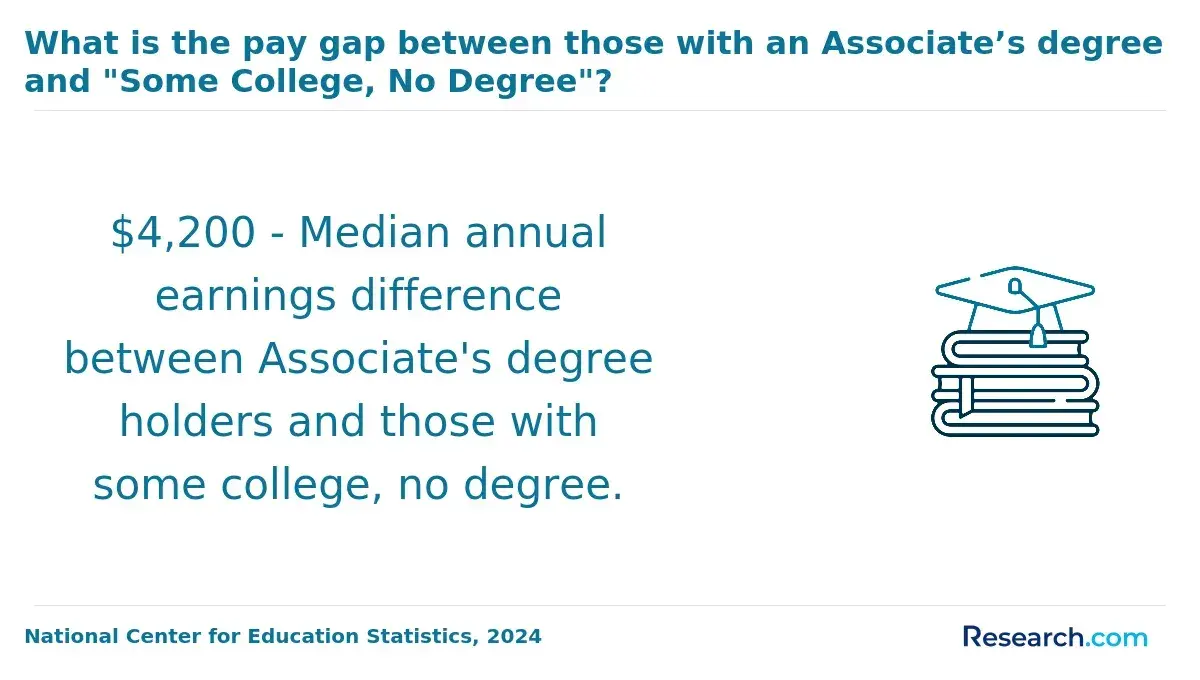
- Comparison to Bachelor's Degree Holders: Master's graduates generally earn 10-20% more than colleagues holding only a bachelor's degree, with the pay gap widening in senior and specialized positions. This premium reflects the credential's enhanced skills and perceived value among employers.
- Sector Variations: Private sector roles, especially in technology, advertising, and media industries, tend to offer higher salaries compared to public or nonprofit positions. Although the public sector usually provides lower pay, it often compensates with benefits and greater job security.
- Geographical Differences: Compensation significantly depends on location. Urban centers with a high cost of living-such as New York, San Francisco, and Seattle-typically offer higher salaries. Remote work is starting to shift this dynamic, but local market factors remain influential.
A graduate of a graphic design master's program shared that returning to school was a challenging but rewarding decision. Balancing coursework with a part-time job required careful time management, yet the curriculum's focus on emerging digital tools and portfolio development directly contributed to landing a more senior position. This individual emphasized that the degree not only brought financial improvement but also significantly boosted confidence and professional opportunities.
How Does a Graphic Design Master's Degree Impact Long-Term Career Advancement?
For those considering advanced education in graphic design, career trajectory matters greatly beyond an initial salary increase. A graphic design master's degree often influences long-term professional growth by accelerating promotions, opening leadership avenues, and providing access to higher-level roles. Below are key factors that help illustrate the multifaceted career benefits associated with earning this advanced degree.
- Enhanced Promotion Rates: Graduates with a graphic design master's degree generally experience quicker promotions than their peers with only a bachelor's. Employers tend to regard the advanced credential as proof of deeper expertise and dedication to the discipline.
- Access to Leadership Roles: Holding a master's enables candidates to qualify for managerial positions or creative director roles. These roles require not just experience but also a demonstrated ability in strategic thinking and project leadership, qualities emphasized during graduate study.
- Professional Credibility: A master's degree often elevates one's reputation among employers and clients, signaling commitment and advanced knowledge that positively impact hiring decisions and trust.
- Expanded Professional Networks: Graduate programs provide valuable opportunities to build connections with faculty, fellow students, and industry professionals, creating a network that may lead to collaborations or job offers.
- Industry-Specific Importance: In fields like advertising, multimedia firms, and education, a master's degree is frequently required or highly preferred, while it remains advantageous but optional in freelance or small studio environments.
- Foundation for Further Education: The graphic design master's degree serves as a solid foundation for pursuing doctoral studies or specialized certifications, which can further enhance career growth and expertise.
Prospective students, particularly recent graduates and career changers, should weigh these factors carefully alongside financial considerations such as tuition and potential return on investment. Those who have earned an accelerated online bachelor's degree may find a master's degree complements their background and boosts long-term career growth with graphic design master's credentials.
What Is the Return on Investment (ROI) of a Graphic Design Master's Degree?
This section provides prospective students with insights into what financial and career outcomes to expect from pursuing a graphic design master's degree. It offers a clear framework for assessing the value of the degree through various measurable factors.
Consider the following key points when evaluating the return on investment for this graduate program:
- Total Program Cost: Includes tuition, fees, materials, and living expenses. These costs can vary widely, generally ranging from $20,000 to $60,000 or more, depending on the institution's nature and location.
- Lifetime Salary Premium: Graduates tend to earn between 10% and 30% higher salaries than those holding only a bachelor's degree. This increase depends on job market, region, and individual career choices in fields like UX/UI, branding, or tech.
- Payback Period: The time required to recover the educational outlay through increased earnings usually spans 3 to 5 years for graduates from top programs and lucrative roles, but it can extend beyond a decade for others.
- Opportunity Cost: Foregone income during full-time study, typically 1 to 3 years, significantly influences overall ROI and should be factored into any financial calculation.
- Best-Case vs. Worst-Case Scenarios: Graduates entering competitive firms or growing tech sectors may see rapid financial returns, while those working freelance or in smaller markets might experience limited or negative ROI.
- ROI Calculators: Using online tools tailored for graduate studies can personalize projections by incorporating personal salary expectations, scholarships, loan interest, and other variables.
A graduate shared that choosing to pursue the master's degree full-time meant juggling financial strain and uncertainty but ultimately benefited from focused skill development and networking opportunities. "It wasn't easy to pause my career, and the initial salary hike wasn't immediate," he reflected, "but the connections I made and the confidence I gained opened doors that would have remained closed otherwise." This experience highlights how personal factors impact ROI beyond simple dollar calculations and reaffirmed the value of investing time and resources strategically.
What Are the Admission Requirements for a Graphic Design Master's Program?
Applicants aiming for graphic design master's programs should consider several key admission criteria to strengthen their chances of acceptance. The main qualifications and expectations typically include the following:
- Undergraduate GPA Benchmarks: A minimum GPA of about 3.0 on a 4.0 scale is commonly expected, though more prestigious institutions often demand higher academic standing due to greater competition.
- Standardized Test Requirements: While some selective programs still request the GRE, many have eliminated this mandate, especially after the pandemic. The GMAT is seldom relevant unless the degree is combined with a business focus.
- Prerequisite Coursework: Foundational knowledge in graphic design, visual arts, or closely related disciplines is essential. Many schools require a portfolio to showcase proficiency in design software and creative communication skills.
- Statement of Purpose: This essay plays a vital role by expressing the applicant's motivation, future objectives, and alignment with the program's philosophy. A compelling and clear statement can set candidates apart by demonstrating genuine dedication.
- Letters of Recommendation: Two to three endorsements from academic advisors or professional supervisors are standard. These letters should highlight the applicant's abilities and work ethic, which are particularly influential in highly competitive settings.
- Relevant Work or Research Experience: Internships, freelance projects, or research involvement add significant weight to applications. Programs that rank highly often prefer candidates whose portfolios reflect practical and professional experience.
- Program Selectivity Variations: Less selective schools may prioritize portfolios and hands-on experience above GPA or test scores, offering alternative routes for students with unconventional backgrounds.
What Is the Minimum GPA Requirement for a Graphic Design Master's Program?
The minimum GPA requirements for graphic design master's programs typically range from 3.0 to 3.5 on a 4.0 scale, though the exact threshold varies depending on the institution's ranking and the program's level of selectivity. Highly competitive programs at top-tier schools often expect applicants to meet or exceed a 3.5 GPA, reflecting a strong academic record, while programs with less stringent admission standards may accept students with GPAs closer to 3.0. In some cases, the average GPA needed to enter graphic design master's degree programs also depends on the specific focus and reputation of the school.
Applicants with lower GPAs can sometimes offset this by demonstrating substantial work experience in graphic design, submitting compelling personal statements, or achieving strong GRE scores when required. Conditional admission and probationary enrollment represent alternative pathways that allow borderline applicants to prove their ability after acceptance. For serious candidates with suboptimal GPAs, several strategies can improve their chances. Below are key insights and tactics for prospective students facing GPA challenges.
- Typical GPA Thresholds: Most programs set minimum GPAs between 3.0 and 3.5, with elite schools often requiring higher academic performance to uphold their standards.
- Compensating Factors: A strong professional portfolio, relevant work experience, and persuasive personal statements can significantly bolster an application despite a lower undergraduate GPA.
- Alternative Admission Routes: Conditional acceptance or probationary enrollment provide flexible options for applicants who fall below the threshold but show potential to succeed.
- Program Variability: Public universities and less selective institutions tend to have more lenient GPA expectations compared to prestigious private schools.
- Application Strategy: To improve standing, applicants should highlight practical skills, secure strong recommendations, and consider retaking key courses or obtaining certifications. Those interested in easier pathways might explore options like easy online associate degrees as stepping stones.
Is an Online Graphic Design Master's Degree as Valuable as an In-Person Degree?
For those considering a master's degree in graphic design, understanding how employers view online versus on-campus programs is essential. Employer acceptance, program quality, networking, and career support all factor into choosing the best path. The following points highlight current trends and considerations to help inform this decision.
- Shifted Employer Attitudes: Since the COVID-19 pandemic, many employers have grown more comfortable with online degrees, recognizing accredited remote programs as legitimate and rigorous. Surveys indicate that most hiring managers now regard online credentials comparable to in-person ones if the institution holds proper accreditation.
- Accreditation as the Key Indicator: The credibility of any master's degree-whether online or traditional-depends heavily on accreditation. This remains the main criterion employers use to assess educational quality during hiring and salary discussions.
- Comparable Academic Rigor: Numerous online programs mirror the curriculum, assignments, and faculty expertise found in campus-based offerings. Still, the student experience can vary based on how well the school supports online learners and invests in digital education infrastructure.
- Networking Opportunities Differ: On-campus students benefit from spontaneous, face-to-face interactions and events that foster creative collaboration, often crucial in the arts sector. Online students can access virtual networking but usually must be more proactive to build connections.
- Variations in Career Services: Traditional programs often provide local internships, portfolio reviews, and employer links, giving students tangible job market advantages. While online programs are improving career support, they might lack close ties to local creative industries.
- When Online Works Best: Accredited online degrees suit those needing flexibility for work, family, or geographic limitations, and offer viable options for international students or professionals advancing careers without relocating.
- When On-Campus Benefits Are Clear: Students seeking immersive studio experiences or aiming to network with local industry professionals tend to find greater value in on-site attendance, which can enhance job prospects in creative fields.
What Jobs Can You Get With a Graphic Design Master's Degree?
For those considering advanced education in graphic design, knowing which jobs most value a master's degree helps clarify career prospects and financial outcomes. Some positions mandate this credential for entry, while others view it as a notable advantage that enhances leadership opportunities and salary potential. Exploring these roles highlights how different industries integrate advanced skills and knowledge. Below are notable careers and fields that frequently employ graphic design master's graduates.
- Creative Director: Often requiring either a master's degree or extensive experience, creative directors manage design teams within advertising, media, and corporate branding. Salaries generally start near $100,000 and can increase substantially, particularly in larger urban centers.
- User Experience (UX) Director: As user-focused digital design becomes crucial, a master's degree strengthens candidacy for UX director roles. These professionals lead design strategy and research, commonly earning from $90,000 to $130,000, especially in technology and software companies.
- Design Educator or Academic: Teaching and research positions in universities and art schools typically require a master's degree. Compensation ranges broadly from $50,000 to $90,000 depending on the school and location.
- Brand Strategist: Advanced degrees can elevate salaries for specialists in brand development, who design identity systems mainly in marketing agencies and corporates. Earnings usually fall between $70,000 and $110,000.
- Motion Graphics and Animation Specialist: Growing demand for animation and motion graphics skills makes a master's valuable for both technical and creative development. Salaries often range from $75,000 to $120,000 in entertainment and advertising industries.
- Consultant in Design and Innovation: Consultants advising on visual communication and innovative strategies benefit from a master's degree to command salaries exceeding $100,000, especially in top-tier firms.
- Technical Specialist in Emerging Technologies: Fields like VR, AR, and interactive design are expanding rapidly. Graduates with a master's plus certifications can access specialized roles with salaries often above $90,000 in technologically advanced sectors.
How Do Employers and Industries Value a Graphic Design Master's Degree?
Employer perceptions of a graphic design master's degree vary widely across sectors, influencing career prospects for graduates. Knowing how different organizations value this credential helps students target roles aligned with their goals and better understand industry demand for graphic design master's graduates. It also guides how to effectively highlight degree benefits during job searches.
- Large Corporations: These employers often emphasize strong portfolios and relevant experience, but a master's degree can improve chances for senior or specialized positions. Industry data shows about 30% of creative directors and senior designers possess advanced degrees, reflecting growing recognition in corporate environments.
- Government Agencies: A master's degree may be a formal requirement for some design and communications roles, aiding promotion and job security. Nonetheless, practical skills and regulatory knowledge can be equally or more important in these settings.
- Startups: Typically prioritize creativity, adaptability, and technical expertise over formal degrees at early stages. However, a master's can become valuable for leadership or specialized roles as the company evolves.
- Nonprofits: Value a master's degree as a sign of commitment and strategic insight, especially when combined with mission-driven experience. This is beneficial in roles merging design with advocacy or education.
- Disciplinary Variation: In graphic design, the master's degree is generally considered the terminal credential for advanced practice. This contrasts with fields favoring doctorates or MBAs for management or research roles, making the degree a strong asset mainly in design-focused careers.
- Communicating Degree Value: Applicants should emphasize enhanced critical thinking, project management, and proficiency with emerging technologies acquired through the program. Tailoring this narrative to employer priorities increases the degree's perceived value during applications and interviews.
Prospective students weighing program costs against expected benefits may also explore financial aid options or consider alternatives like the cheapest online master's degree in criminal justice for comparative context. This helps ensure an informed decision aligned with their career trajectory and financial capacity.
Is a Graphic Design Master's Degree Worth It?
For those considering a master's degree in graphic design, understanding how various employers view this qualification can guide career planning and job search strategies.
- Employer Type Influences Perception: Large corporations often regard a graphic design master's as evidence of specialized expertise and dedication, making it a valued credential for hiring and advancement. Government agencies may see its relevance for complex projects but sometimes emphasize work experience more. Startups generally prioritize a strong portfolio and adaptability over formal degrees, while nonprofits may value the master's for leadership skills and strategic design insight.
- Industry Survey Insights: Surveys indicate that around 60% of creative directors perceive a graphic design master's as advantageous for mid- to senior-level positions. However, for entry-level roles, employers tend to focus more on demonstrated experience and the quality of candidates' portfolios rather than formal academic credentials.
- Disciplinary Variation: Unlike professions where doctorates or MBAs are common terminal degrees, a graphic design master's often represents the highest practical qualification. Candidates aiming for academic or research careers might require further study, while those targeting business-driven design roles could benefit from additional credentials in business or management.
- Communicating Degree Value: Applicants should highlight how their advanced education bolsters creative problem-solving, technical skills, and project leadership. Showcasing concrete achievements such as collaborative projects or applied research can help employers recognize the tangible benefits of the degree.
What Graduates Say About Their Graphic Design Master's Degree
- Molly: "Applying for admission to the graphic design master's program was a daunting yet exhilarating step that truly shaped my creative outlook. I found that relying heavily on official academic catalogs and accrediting agencies helped me understand exactly what was expected, keeping me on track throughout my studies. Navigating the job landscape after graduation was challenging, but my program's focus on real-world applications gave me the confidence to stand out in a competitive market."
- Bear: "Looking back, the admission process was quite competitive, but it motivated me to sharpen my portfolio and personal statement, which was essential. I found great value in consulting federal education resources to stay informed about degree requirements and to better plan my coursework. Transitioning into the workforce, I appreciated how the program prepared me to identify diverse industries actively hiring graphic design graduates, which broadened my career possibilities significantly."
- Easton: "My experience was very professional from start to finish; I approached applying to the graphic design master's program methodically, paying extra attention to the application guidelines and official academic catalogs. Using these resources made it easier to understand accreditation standards and ensured I met all requirements without surprises. Once I graduated, navigating the job market felt more manageable thanks to the career services that connected me with employers seeking professionals with advanced graphic design expertise."
Other Things You Should Know About Graphic Design Degrees
In 2027, a master's degree in graphic design typically offers a deeper, theory-based education, often including research components, which can enhance creative development and strategic thinking. Conversely, professional certifications usually focus on practical skills and are shorter, appealing to those seeking targeted, hands-on expertise for immediate application.
In 2027, a Graphic Design master's degree can significantly impact career advancement, often leading to higher-level positions and specialized roles. It enhances creative skills and industry comprehension, positioning graduates for leadership roles and expanding promotional opportunities compared to those with only a bachelor's degree.
References
- MA in Graphic Arts https://www.studyinpoland.pl/en/programme
- 11 Careers You Can Pursue as a Graphic Designer - RMCAD https://www.rmcad.edu/blog/11-careers-you-can-pursue-as-a-graphic-designer/
- Top Graphic Design Scholarships And How To Get One https://www.selfcad.com/blog/top-graphic-design-scholarships-and-how-to-get-one
- Graphic design - Vistula University https://vistula.edu.pl/en/major/graphic-design-ii
- Is Grad School Worth It? A Comprehensive Return on Investment Analysis - FREOPP https://freopp.org/whitepapers/is-grad-school-worth-it-a-comprehensive-return-on-investment-analysis/
- ASP Katowice https://asp.katowice.pl/en/study/graphic-design
- Making a career shift with a master’s in design https://www.cca.edu/newsroom/career-shift-with-masters-design/
- Is a Graphic Design Degree Worth It? https://www.sessions.edu/notes-on-design/is-a-graphic-design-degree-worth-it/
- Tuition fees - Polish-Japanese Academy of Information Technology https://pja.edu.pl/en/sztuka-nowych-mediow/oplaty-snm/
- Is it worth it to get a master's degree in graphic design? https://www.careervillage.org/questions/702550/is-it-worth-it-to-get-a-masters-degree-in-graphic-design


