2027 Is a Materials Science & Engineering Master's Degree Worth It? ROI, Salary & Career Impact

Co-Founder and Chief Data Scientist
Deciding whether to pursue a materials science & engineering master's degree poses a significant challenge amid rising tuition costs and uncertain career outcomes. Recent data shows that graduates with this degree earn a median annual salary about 15% higher than bachelor's holders, yet job placement rates vary widely across industries. The U. S. Bureau of Labor Statistics projects a 7% growth in relevant engineering fields over the next decade, highlighting opportunity but also competition. This article examines salary trends, return on investment, admission factors, and employer perspectives to provide a comprehensive evaluation. Readers will gain a clear framework to assess if this degree aligns with their financial and career goals.
Key Things to Know About the Value of Materials Science & Engineering Master's Degree
- Materials science & engineering master's programs typically require a bachelor's degree in a related field, offering 1-2 years of coursework and research, with flexible options balancing cost and reputation.
- Graduates see median starting salaries around $75,000, increasing with experience; advanced skills in materials characterization and design boost employability and earning potential.
- Long-term career growth often leads to senior engineering or management roles, with ROI influenced by program quality, industry connections, and regional job market demand.
How Much Does a Materials Science & Engineering Master's Degree Cost?
The financial commitment required for a Materials Science & Engineering master's degree is an important factor for prospective students to consider alongside career benefits. Demand for materials engineers is expected to increase by 5% from 2022 to 2032, reflecting steady growth in this field. Below is a detailed breakdown of typical tuition fees and associated costs to help students benchmark their investment in these graduate programs.
- Public In-State Programs: Tuition for in-state students tends to range from $10,000 to $25,000 annually. Since most Materials Science & Engineering master's programs last two years, total tuition typically falls between $20,000 and $50,000. Additional expenses for technology, lab usage, and university fees add roughly $1,000 to $2,000 each year.
- Public Out-of-State Programs: Out-of-state tuition is significantly higher, usually between $25,000 and $45,000 per year. Over two years, this results in $50,000 to $90,000 in tuition costs, plus similar ancillary fees.
- Private University Programs: Private school tuition ranges from $35,000 to $60,000 annually, leading to a total of $70,000 to $120,000 over two years, excluding fees. These programs may provide stronger research opportunities or industry connections but come at a premium price.
- Online Materials Science & Engineering Programs: Online master's degrees vary widely but generally cost between $20,000 and $50,000 total. The online format can reduce or eliminate housing and commuting expenses, though students should plan for technology needs and course materials. For those comparing options, it may be helpful to review other fields, such as online speech pathology programs, to understand how online costs differ by discipline.
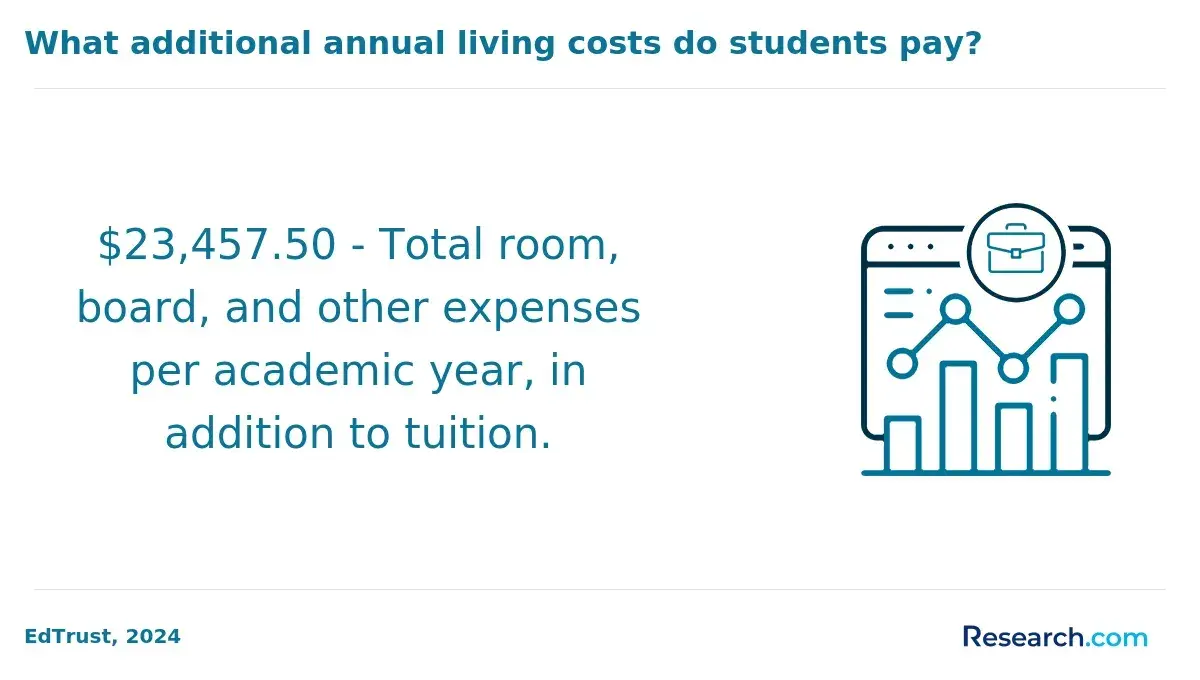
- Housing and Living Expenses: Housing costs range from $10,000 to $18,000 per academic year depending on location, with living expenses such as transportation, food, and insurance adding another $8,000 to $12,000 annually.
- Program Length and Format: Most master's programs in Materials Science & Engineering take about two years to complete. Accelerated or part-time study options affect total cost, with part-time students paying tuition over a longer timeframe but often balancing work and study.
What Financial Aid and Scholarships Are Available for Materials Science & Engineering Master's Students?
Pursuing a master's degree in Materials Science & Engineering involves significant financial considerations, with average graduate debt in engineering fields exceeding $66,000. Accessing financial aid can ease this burden and improve the return on investment. Below are key categories of financial aid available, essential for students evaluating scholarships for materials science and engineering graduate programs.
- Federal Graduate Loans: These include unsubsidized loans, which accrue interest during study, and rarely subsidized loans where the government pays the interest. Repayment typically begins after graduation or when enrollment drops below half-time.
- Institutional Grants and Fellowships: Many institutions offer merit- or need-based grants exclusively for Materials Science & Engineering students, often linked to academic performance or research contributions. These funds do not require repayment.
- External Scholarships: Prestigious organizations such as the Materials Research Society and National Science Foundation provide competitive scholarships and fellowships targeting students in materials science disciplines, which require strong academic credentials and clear research goals.
- Assistantships: Teaching or research assistantships offer stipends and tuition waivers in exchange for work, combining financial support with valuable professional development.
- Scholarship Search Strategies: Prospective students should use discipline-specific databases and professional society resources while tailoring their applications with solid academic records and well-defined career aspirations. This approach increases success in securing funding.
International applicants and career changers should also consider how financial aid aligns with their goals and expenses. For those exploring alternate educational paths, the easiest master degree to get can provide insight into other affordable options that might suit individual circumstances.
What Is the Average Salary for Materials Science & Engineering Master's Degree Holders?
Prospective students considering a master's degree in materials science & engineering often prioritize understanding potential salary outcomes to gauge the value of their investment. Updated salary trends reflect differences by experience, education level, sector, and geography. Key points to consider are summarized below.
- Experience-Based Salary Progression: Entry-level master's holders generally earn between $70,000 and $80,000 annually. Mid-career professionals in this field often see growth to $90,000-$110,000, while senior-level experts can command salaries exceeding $120,000, influenced by specialization and leadership responsibilities.
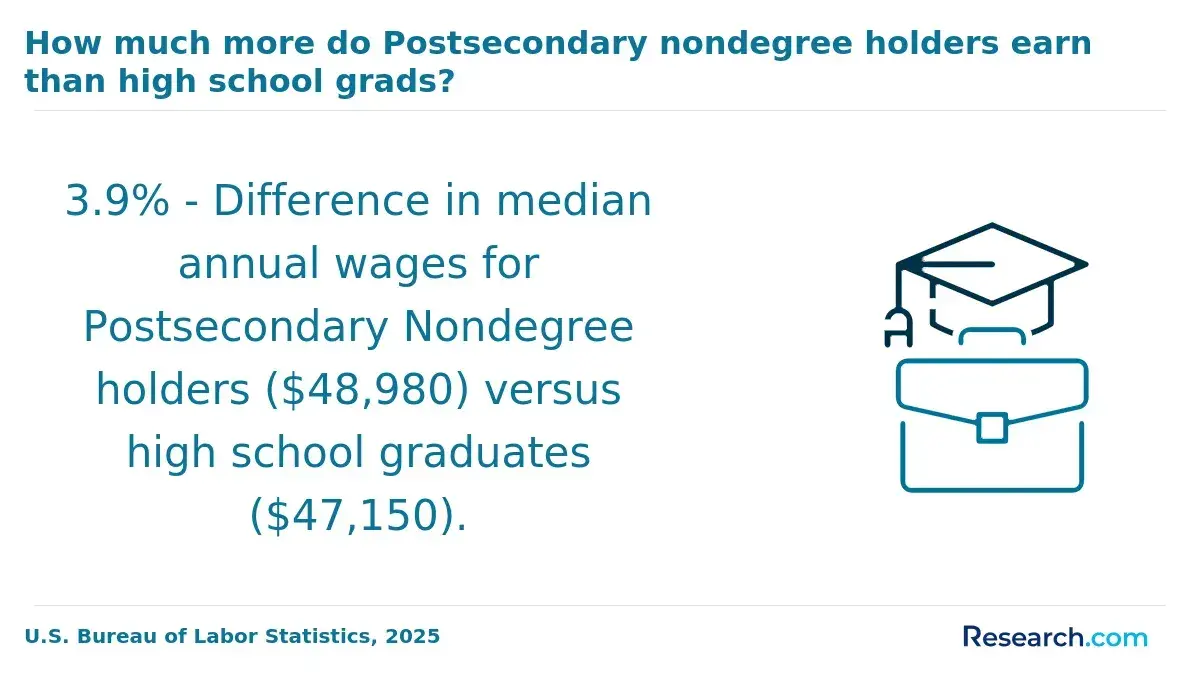
- Wage Advantage Over Bachelor's Graduates: According to the Bureau of Labor Statistics, those with a master's earn roughly 15-25% more than bachelor's degree holders. Bachelor's salaries typically start around $60,000 to $70,000, underscoring the financial benefits of graduate-level education.
- Impact of Industry Sector: Private sector roles, especially in aerospace, semiconductor, and automotive industries, offer higher compensation and more robust benefit packages than public or nonprofit positions, which tend to offer lower salaries and fewer bonuses.
- Geographic Salary Variations: Salaries reflect regional economic differences. Professionals employed in tech hubs like California or Massachusetts can expect pay increases of 10-20% above those in lower-cost areas such as the Midwest or South.
When I spoke with a graduate from a materials science & engineering master's program, they shared how balancing intense coursework with part-time research and internships was challenging but rewarding. The advanced technical skills gained helped them transition into a specialized role at a leading aerospace firm, where compensation and career growth exceeded their initial expectations. Reflecting on the journey, they emphasized that the degree's network and practical experience were just as valuable as the immediate salary boost, providing a solid foundation for long-term professional success.
How Does a Materials Science & Engineering Master's Degree Impact Long-Term Career Advancement?
For prospective students considering a materials science & engineering master's degree, understanding its impact on long-term career growth is essential. Beyond an initial salary bump, this advanced credential can significantly influence promotion rates, leadership opportunities, and overall career trajectory in both technical and managerial roles. The following points highlight key benefits that drive these outcomes:
- Increased Promotion Rates: Graduates tend to advance faster within organizations as employers recognize their specialized skills and advanced problem-solving abilities, making them strong candidates for internal promotions aligned with career growth goals.
- Access to Leadership Roles: Holding a master's often serves as a requirement for leadership positions, especially in research and development environments. The degree provides strategic thinking and project oversight skills necessary to manage teams and complex initiatives effectively.
- Professional Credibility: Earning this degree enhances professional stature and demonstrates a deep commitment to the field. This credibility opens doors to industry recognition, collaborative projects, and consulting engagements that can enrich career prospects.
- Expanded Professional Networks: Graduate studies connect students with faculty, alumni, and industry leaders, fostering relationships that often lead to mentorship, job referrals, and exposure to hidden opportunities unavailable through conventional job markets.
- Industry-Specific Value: In sectors such as aerospace, semiconductors, and advanced materials manufacturing, the master's degree is frequently essential. Other industries may view it as advantageous but not mandatory, influencing how hiring managers perceive candidates.
- Foundation for Further Education: Many graduates continue with doctoral studies or pursue professional certifications, leveraging the master's degree as a springboard to deepen expertise and boost career potential in competitive fields.
For those exploring diverse educational pathways, it is also worthwhile to compare this advanced degree against other options such as accelerated online degrees that may align differently with individual career objectives.
What Is the Return on Investment (ROI) of a Materials Science & Engineering Master's Degree?
Evaluating the return on investment (ROI) for a materials science & engineering master's degree helps candidates understand the financial and career outcomes relative to the upfront costs. This analysis compares expenses with expected salary gains over a career, offering a clearer view of the degree's value.
Key points to consider when calculating ROI include the following:
- Total Program Cost: This comprises tuition, fees, living expenses, and study materials. Costs fluctuate widely based on whether the program is at a public or private institution and the student's residency status, typically ranging from $30,000 to upwards of $70,000.
- Lifetime Salary Premium: Graduates generally earn 15% to 30% more than those holding only a bachelor's degree. This premium depends greatly on industry, location, and employer type, influencing overall returns.
- Payback Period: The usual timeframe to recover the investment lies between 3 and 7 years but can be shorter in high-demand sectors or longer depending on career progression.
- Opportunity Cost: Prospective students should factor in income forgone while studying full-time, as this lost earnings impact total ROI significantly.
- Variability by Institution and Career Path: Graduates from research-intensive universities often see elevated salary prospects that boost ROI, while roles in academia or lower-paid industries may yield more limited financial returns.
- Use of ROI Calculators: Online tools can provide tailored ROI estimates by inputting personal cost and salary parameters, aiding informed decision-making.
A graduate I spoke to recalled feeling uncertain before enrolling but noted how practical training and research opportunities made the experience smoother than expected. "Balancing coursework and part-time work was challenging, but the program's strong industry connections helped me land a role quickly after graduation," he reflected. He emphasized that though the initial investment was substantial, the career advantages and learning experience justified the time and money spent. His story illustrates that while ROI varies, the right fit between program and career goals can ease the journey and enhance returns.
What Are the Admission Requirements for a Materials Science & Engineering Master's Program?
Admission standards for master's programs in Materials Science & Engineering differ among institutions but typically revolve around several core elements. Competitive candidates often focus on key areas to enhance their applications and meet program expectations. The main considerations usually include:
- Undergraduate GPA: A minimum GPA near 3.0 on a 4.0 scale in related fields such as engineering, physics, or chemistry is generally required. Leading universities often expect a higher GPA, around 3.5 or above, reflecting strong academic achievement in scientific and quantitative courses.
- Standardized Tests: The GRE remains a common requirement, especially at prestigious schools, although some programs have eased or eliminated this criterion recently. The GMAT is seldom accepted for these degrees. Above-average GRE quantitative scores can strengthen an applicant's profile.
- Prerequisite Coursework: Essential foundational classes typically include materials science principles, thermodynamics, calculus, and physics. Applicants lacking an engineering background may need to complete certain prerequisites before or during the program.
- Statement of Purpose: This document is vital in expressing the candidate's research interests, professional objectives, and motivation for pursuing the master's. It offers a chance to demonstrate alignment with faculty expertise and highlight relevant experiences.
- Letters of Recommendation: Usually two or three are requested from professors or supervisors who can attest to the applicant's academic skills and research potential. Detailed, strong recommendations can significantly improve admission chances.
- Relevant Experience: Participation in research internships, industry roles, or projects related to materials science helps showcase practical knowledge and commitment to the field.
While these criteria serve as a baseline, top-tier programs often demand more rigorous academic excellence and substantial research experience. In contrast, less competitive schools might weigh professional experience and potential more heavily when evaluating candidates.
What Is the Minimum GPA Requirement for a Materials Science & Engineering Master's Program?
The minimum GPA requirement for materials science and engineering master's programs generally varies with the prestige and competitiveness of the institution. While many programs establish a baseline undergraduate GPA around 3.0 on a 4.0 scale, more selective universities often require a 3.5 or higher. Nonetheless, a lower GPA does not necessarily exclude candidates, especially when other application elements compensate effectively.
Applicants navigating these thresholds can consider the following key aspects and strategies to strengthen their chances. This brief outline highlights critical considerations for those evaluating materials science and engineering master's program admission GPA criteria and seeking alternative pathways.
- Typical GPA Minimums: Most master's programs expect an undergraduate GPA of at least 3.0 to demonstrate foundational knowledge and readiness for graduate study. Institutions with highly competitive programs tend to implement stricter minimum GPA standards to filter candidates from robust applicant pools.
- Compensating Factors: Candidates with suboptimal GPAs can offset this by providing strong professional experience, high GRE scores, or a compelling personal statement that contextualizes academic weaknesses while emphasizing perseverance and growth. These elements can balance the overall application in qualitative evaluations.
- Conditional Admission: Some programs offer conditional or probationary enrollment options, enabling applicants with borderline GPAs to prove their academic capabilities via initial coursework before receiving full admission. This pathway allows serious candidates to demonstrate readiness without traditional GPA benchmarks.
- Program Selectivity Impact: Top-ranked institutions often weigh GPA heavily but also apply holistic reviews to include research exposure, references, and personal achievements. Such evaluations allow flexibility for applicants with otherwise lower academic indicators.
- Strategies for Applicants: Prospective students are advised to take additional relevant courses, post-baccalaureate programs, or certifications to raise academic qualifications. Networking with faculty members and articulating clear career goals in the statement of purpose further enhance application strength. For those considering varied educational paths, exploring masters in social work online programs can provide ideas on accessible graduate options.
Is an Online Materials Science & Engineering Master's Degree as Valuable as an In-Person Degree?
For prospective students considering a master's degree in materials science & engineering, understanding how employers view online versus in-person programs is essential. Employer acceptance, program rigor, and networking opportunities all influence the degree's value in the job market. The following points elaborate on these factors and highlight when each format may be preferable.
- Employer Acceptance Has Grown: Since remote learning became widespread during the COVID-19 pandemic, many employers have increased their recognition of online degrees, especially those from accredited institutions. Studies show a majority now regard reputable online credentials as comparable to traditional campus degrees.
- Accreditation Remains Key: Employers focus primarily on whether the program is properly accredited rather than the mode of delivery. Accreditation assures that both online and in-person degrees meet established educational and industry standards.
- Equivalent Academic Rigor: Leading online programs replicate the curriculum, faculty expertise, and academic challenges of on-campus offerings. Students encounter similar demands, including projects, examinations, and research components, maintaining strong educational quality.
- Differences in Networking: On-campus programs provide greater access to face-to-face networking with peers, professors, and industry contacts, often leading to internships and job opportunities. While online students may have fewer spontaneous interactions, effective virtual events and alumni networks can help bridge this gap.
- Varied Career Services: Some in-person programs offer more intensive career support such as on-site recruiting and workshops, though many online programs now provide dedicated career resources tailored to remote learners. Evaluating these services is important when choosing a program format.
- When Online Fits Best: Flexibility for working professionals, those abroad, or individuals managing personal commitments makes accredited online degrees an attractive option. They enable access to advanced education without pausing careers or relocating.
- When In-Person Has Advantage: Students seeking hands-on lab experience, direct mentorship, or strong local industry ties often benefit more from on-campus attendance. Such immersive environments can provide practical advantages in materials science & engineering fields.
What Jobs Can You Get With a Materials Science & Engineering Master's Degree?
Identifying key career options for master's degree holders in materials science & engineering provides important insight into where advanced education offers tangible benefits. Certain positions mandate a master's credential to qualify, while others value it as a competitive edge that enhances promotion prospects or salary potential. Evolving industries also create emerging roles tailored to graduates with specialized expertise. The following bullet points summarize prominent jobs and sectors accessible to master's graduates in this field.
- Research and Development Manager: This leadership role frequently requires a master's degree to guide innovation teams in aerospace, automotive, and semiconductor companies. Professionals excel by developing new materials or refining existing ones, often earning salaries above $120,000 annually.
- Materials Scientist: Often preferred in product development and analysis, a master's qualification supports conducting experiments and assessing material properties. Earnings typically average around $95,000, with higher compensation in cutting-edge areas such as nanotechnology.
- Failure Analysis Engineer: Specialized in investigating material breakdowns, this career benefits substantially from graduate-level training. Salary ranges from $85,000 to $115,000 vary by industry experience and sector complexity.
- Process Development Engineer: Focused on optimizing manufacturing techniques for novel materials, this position favors master's degree holders for addressing advanced challenges. Pay usually lies between $80,000 and $110,000 per year.
- Patent Examiner/Technical Advisor: Combining materials expertise with legal acumen, this role often requires additional certification in intellectual property law. Salaries here commonly surpass $100,000.
- Energy Materials Specialist: Emerging within sustainable technology fields like batteries and solar cells, this role demands mastery of advanced materials. Competitive salaries generally exceed $90,000 as demand rises.
- Biomaterials Engineer: Designing materials for healthcare devices and implants relies heavily on technical depth that a master's degree provides. Compensation varies widely but can exceed $110,000 in biotech-focused regions.
How Do Employers and Industries Value a Materials Science & Engineering Master's Degree?
Employer perceptions of a materials science and engineering master's degree vary widely across industries, influencing hiring decisions and career trajectories for graduates. Understanding these differing views helps prospective students assess how the credential aligns with their goals and the industry's demand for materials science and engineering master's graduates.
- Large Corporations Favor Specialized Technical Skills: Established companies recognize the master's degree as evidence of advanced expertise in materials characterization, processing, and innovation. It often improves eligibility for specialized R&D roles and technical leadership, though top research positions may still require a doctorate.
- Government Agencies Value Practical and Applied Knowledge: Agencies in defense, aerospace, or energy sectors typically seek master's holders capable of contributing directly to project development. This degree is often sufficient for mid-level research or engineering roles, while senior positions may favor PhDs.
- Startups Prefer Versatile Problem-Solving Abilities: Startups emphasize hands-on experience and adaptability alongside formal education. Although a master's can open doors, candidates must show how their advanced training supports rapid innovation and product development.
- Nonprofits Focus on Interdisciplinary and Collaborative Skills: In nonprofit research or sustainability organizations, a master's signals solid technical foundations but roles require strong communication and project management skills beyond technical knowledge.
- Disciplinary Variation Affects Credential Value: Fields like materials characterization or manufacturing often treat the master's as the terminal professional degree. Conversely, industries focused on cutting-edge research or leadership roles may prefer doctorates or MBAs.
- Communicating Degree Value Effectively: Applicants should highlight technical competencies, practical project experience, and any industry certifications gained during their master's program. Emphasizing problem-solving capabilities and relevant contributions can distinguish candidates in interviews and applications.
Prospective students should also explore the financial implications of their education choices, including understanding the cyber security online degree cost as part of broader program cost evaluations, ensuring alignment with their budget and career expectations.
Is a Materials Science & Engineering Master's Degree Worth It?
For prospective students assessing the value of a Materials Science & Engineering master's degree, understanding how various employers view this credential is essential. Employer attitudes shape hiring and promotion outcomes, while disciplinary standards influence which degree holders excel in different sectors.
- Employer Preferences by Sector: Large corporations and government organizations often see the master's degree as a vital technical qualification for mid-level research and development roles. In contrast, startups frequently emphasize practical skills and adaptability more than formal degrees, whereas nonprofits may prioritize candidates with interdisciplinary experience beyond technical expertise.
- Disciplinary Expectations and Degree Hierarchies: In many applied materials science areas, a master's degree is recognized as the terminal professional credential suitable for leadership in technical roles. However, sectors focused on pioneering research commonly require doctoral degrees, while roles involving management or business strategy might favor an MBA instead.
- Employer Sentiment and Industry Surveys: Research shows that approximately 60 to 70 percent of employers regard a Materials Science & Engineering master's as highly valuable, particularly for specialized positions in advanced manufacturing and product innovation, highlighting strong market demand for this expertise.
- Communicating Degree Value Effectively: Candidates benefit by showcasing hands-on experience through project work, internships, and applied problem-solving. Clearly demonstrating how the degree cultivates technical skills and readiness for complex challenges can enhance candidates' appeal during recruitment and promotion discussions.
What Graduates Say About Their Materials Science & Engineering Master's Degree
- Meryl: "Applying to the materials science & engineering master's program was initially daunting due to its competitive nature, but my thorough research into official academic catalogs helped me tailor my application effectively. Navigating the diverse job landscape was rewarding; industries from aerospace to renewable energy actively seek graduates, which gave me confidence in my career prospects. Trusting federally backed education resources ensured I understood every program requirement clearly, smoothing my path to graduation."
- Celso: "Reflecting on my time in the materials science & engineering master's program, I'm grateful for the detailed guidance provided by accrediting agencies on curriculum standards-it made fulfilling degree requirements more manageable. The admission process was surprisingly transparent, thanks to clear instructions and support systems. Now, as I explore job opportunities, I appreciate how diverse employers value our skill set across technology, manufacturing, and research sectors."
- Wyatt: "The professional rigor of the materials science & engineering master's program impressed me from the start, especially the critical role of official academic catalogs in planning my coursework. Applying for admission felt like a strategic challenge I was prepared for thanks to extensive preparatory research. As I move forward, understanding industry demands for specialists like me has been indispensable when entering competitive markets like automotive and electronics."
Other Things You Should Know About Materials Science & Engineering Degrees
In 2027, students pursuing a Materials Science & Engineering master’s degree may face challenges such as staying updated with rapidly evolving technologies, balancing theoretical knowledge with practical application, and navigating a competitive job market reliant on specialized skills.
A master's degree in materials science & engineering provides a broad and in-depth foundation in the field, emphasizing theoretical knowledge and research skills. In contrast, professional certifications focus on specific technical skills or standards relevant to particular industries or roles. While certifications can enhance practical expertise and may complement a degree, they generally do not replace the comprehensive education and networking opportunities that a master's program offers.
Typically, completing a materials science & engineering master's degree takes about two years of full-time study. Some programs may offer accelerated tracks that finish in one year or part-time options extending up to three or more years for working professionals. The duration can vary depending on the program structure, thesis requirements, and whether the student studies on-campus or online.
References
- The Value of a Master's Degree https://www.colorado.edu/engineering/academics/graduate-programs/masters-programs
- MSc in Materials Engineering https://admission.zut.edu.pl/in-english/october-2026-intake/programmes-available/msc-in-materials-engineering.html
- Materials Science and Engineering https://www.tum.de/en/studies/degree-programs/detail/materials-science-and-engineering-master-of-science-msc
- Online Master’s Degree in Materials Science and Engineering - Educating Engineers https://educatingengineers.com/masters-degree/materials-science-engineering/
- Materials Engineers | My Future https://myfuture.com/occupations-industries/occupations/materials-engineers/
- 38 master Scholarships in material science https://www.applykite.com/search/scholarships/master/all/material-science
- Living in a material world: the importance of materials science and engineering - Futurum https://futurumcareers.com/living-in-a-material-world-the-importance-of-materials-science-and-engineering
- Engineering Salary Statistics https://www.mtu.edu/engineering/about/salary/
- Materials Science Hiring Trends 2026: What to Watch Out For (For Job Seekers & Recruiters) https://materialssciencejobs.co.uk/career-advice/materials-science-hiring-trends-2026-what-to-watch-out-for-for-job-seekers-recruiters-
- Student Scholarships | TMS https://www.tms.org/portal/portal/Membership/For_Students/Scholarships.aspx