
2027 Questions to Ask About Online Behavioral Health Degree Programs Before You Enroll

Co-Founder and Chief Data Scientist
Many prospective students struggle to choose the right online behavioral health degree program amid an overwhelming number of options. According to the Bureau of Labor Statistics, employment in mental health and substance abuse counseling is projected to grow 22% from 2020 to 2030, faster than the average for all occupations.
However, variations in program quality, licensure preparation, and post-graduation support can significantly affect career success. This article will outline essential questions to ask about online behavioral health programs to help students assess curriculum rigor, accreditation status, financial investment, and licensure alignment before enrolling.
Key Benefits of Enrolling in Online Behavioral Health Degree Programs
- Online behavioral health programs offer flexible schedules, allowing students to balance coursework with personal and professional commitments effectively.
- Cost savings are significant, as online degrees often reduce expenses related to commuting, housing, and campus fees.
- Many students report improved work-life balance, with 63% citing online programs enable continued employment while pursuing education.
Is the Online Behavioral Health Degree Program Accredited?
Accreditation plays a crucial role in evaluating accredited online behavioral health degree programs because it ensures the program adheres to established quality and rigor standards.
This recognition affects how employers and educational institutions view the degree, and it is often required for professional licensure, which is essential for many careers in behavioral health.
Nearly 90% of online degree holders attend accredited institutions, highlighting its importance in the educational landscape.
Key accrediting bodies for behavioral health include the Council for the Accreditation of Counseling and Related Educational Programs (CACREP) for counseling degrees and the Commission on Accreditation of Allied Health Education Programs (CAAHEP) for certain allied health fields.
Choosing an accredited program can significantly influence career outcomes and eligibility for state licensure or certification exams.
To assess behavioral health program accreditation requirements effectively, prospective students should consult reliable resources such as the Department of Education's Database of Accredited Postsecondary Institutions and Programs or the Council for Higher Education Accreditation (CHEA) website.
Ensuring the program's accreditation aligns with behavioral health disciplines is vital to support future career goals and licensure requirements. Additionally, federal financial aid is generally available only to students in regionally or nationally accredited schools, which is an important financial consideration.
For students exploring pathways in advanced nursing or health fields, reviewing options like dnp programs can provide further guidance on reputable programs and accreditation standards.
What Are the Admission Requirements for Online Behavioral Health Programs?
Admission requirements play a critical role for prospective students evaluating online behavioral health program admission criteria because they confirm eligibility and readiness for demanding coursework.
These criteria help ensure that applicants have the foundational knowledge and skills necessary for success in behavioral health degree programs offered online.
Key admission requirements typically include:
- Educational Background: Most programs require a high school diploma or equivalent for entry-level associate degrees, while advanced programs expect a bachelor's degree. This foundation ensures applicants have adequate academic preparation to handle specialized behavioral health topics.
- Prerequisite Courses: Some programs request prior coursework in psychology, sociology, or health sciences to build relevant foundational knowledge. These prerequisites support student success by aligning prior learning with program demands.
- Application Materials: Submissions often include official transcripts, letters of recommendation, and a personal statement. These materials allow admissions committees to evaluate an applicant's motivation, academic history, and overall fit for the program.
- Work Experience: Certain behavioral health degree programs prefer or require applicants to have relevant healthcare or social services experience. This practical background enhances understanding of real-world applications and supports licensure readiness.
For those seeking financial support during their studies, it can be helpful to explore resources on medical billing and coding online schools financial aid as an example of available aid options in healthcare education fields.
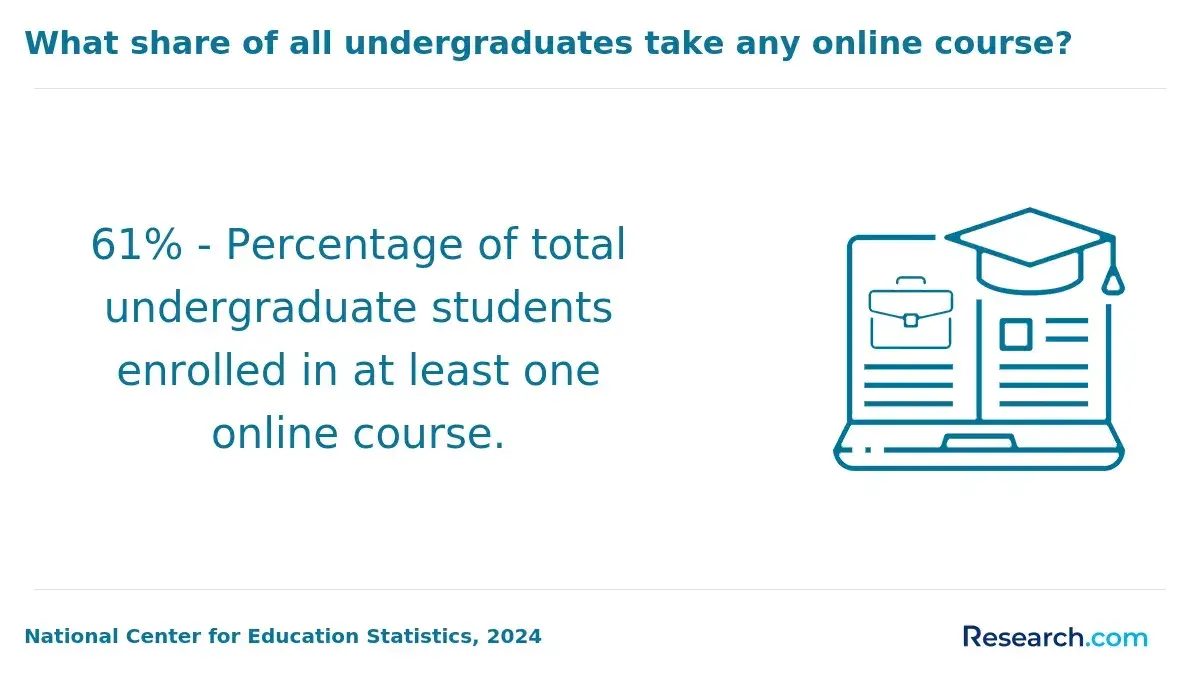
What Classes Do You Take in an Online Behavioral Health Program?
When comparing online behavioral health programs, knowing the curriculum helps you assess how well each option equips you for licensure and professional success. With the behavioral health sector expected to grow by more than 20% over the next ten years, choosing courses that align with industry demands is critical.
Programs typically consist of several key course categories that build your knowledge and skills. These often include:
- Core courses: These offer foundational insights into psychology, human development, mental health disorders, and ethical considerations. They create a solid base for understanding client care and treatment methods.
- Electives: Students select these to dive deeper into niche areas such as substance abuse counseling, crisis management, or trauma-informed care. Electives personalize your learning and prepare you for specific career paths.
A student enrolled in an online behavioral health degree shared his experience, noting that navigating the variety of classes was initially overwhelming. He mentioned, "It took some time to figure out which electives would best fit my career goals," but appreciated how the core courses steadily built his confidence in clinical theory.
The ability to tailor his electives felt empowering, yet he found balancing coursework with personal responsibilities challenging at times. He described the process as "rewarding but demanding," emphasizing how crucial the curriculum structure was in preparing him for future professional roles.
How Long Does It Take to Complete an Online Behavioral Health Degree?
Knowing how long it takes to finish an online behavioral health degree helps students manage their education and career goals effectively. This information guides budgeting, scheduling, and expectations for entering the workforce.
Here are typical timelines and variations to consider:
- Full-time associate degree: Usually completed in about 2 years for those dedicating full-time study. It offers a quicker path but may limit flexibility for those working or handling personal commitments.
- Full-time bachelor's degree: Typically requires 4 years of study, though transfer credits or course load variations can impact duration. Many students plan with this standard timeframe in mind but should prepare for possible adjustments.
- Accelerated programs: Designed to shorten completion times, these options allow students to finish bachelor's degrees in as little as 3 years. They demand intense study but can reduce time to career entry.
- Part-time enrollment: Extends the program length, often doubling it compared to full-time rates. This approach offers flexibility but requires long-term planning to maintain progress while balancing other responsibilities.
- Programs with internships or clinical hours: Practical components add semesters or require scheduling around hands-on experience. Though they can lengthen total study time, these elements are crucial for licensure and skill development necessary for employment.
Does an Online Behavioral Health Program Require Internships or Practicums?
Most online behavioral health degree programs include internships or practicums as essential components of their curriculum. These hands-on experiences are typically arranged at local facilities, enabling students to develop practical skills and apply academic knowledge in real-world settings.
Such placements are critical not only for skill-building but also for meeting licensure requirements, as many states demand supervised clinical hours to qualify for professional credentials.
Prospective students should carefully review how programs facilitate or support placement to avoid unexpected logistical challenges or expenses. Notably, over 80% of accredited programs require these experiential learning components, highlighting their importance in professional preparation.
When I spoke with a graduate of an online behavioral health program about her internship experience, she described the process as both rewarding and demanding.
She recalled feeling anxious about finding a local placement but was relieved when the program offered placement assistance and partnered with community organizations nearby.
"Balancing coursework with my practicum hours required real time management," she explained, "and being in a real clinical setting helped me understand patient interactions beyond textbooks."
Reflecting on the experience, she shared how it solidified her confidence and readiness for licensure exams, emphasizing that although the practicum added stress, it was crucial in shaping her professional identity.
Can You Get Licensed with an Online Behavioral Health Degree?
Graduates of online behavioral health degree programs can obtain professional licensure, but this depends on fulfilling specific state-mandated requirements.
Most states accept accredited online degrees as long as the curriculum includes supervised clinical experience, coursework aligned with licensing standards, and adequate preparation for state exams.
Licensing typically requires completion of an accredited degree program, verified clinical hours or internships, and passing a licensing exam such as the Licensed Professional Counselor (LPC) or Licensed Clinical Social Worker (LCSW) examination.
Many online behavioral health programs integrate these prerequisites by offering practicum placements and exam preparation, ensuring students meet licensure requirements without sacrificing the flexibility of remote learning.
Prospective students should be aware of these factors when researching online behavioral health degree licensure requirements.
Licensure is a crucial factor for students considering how to get licensed with an online behavioral health degree because it determines eligibility to legally practice and gain employment in licensed roles.
The U.S. Bureau of Labor Statistics projects a 17% growth in employment for mental health counselors over the next decade, highlighting the increasing demand for licensed professionals.
Therefore, evaluating whether an online program supports clinical training and provides a clear pathway to state licensure is essential. Additionally, students interested in flexible education options might explore easy nursing programs to get into, which can provide insights into accessible healthcare-related degree pathways.
How Much Do Online Behavioral Health Programs Cost?
Analyzing the cost of online behavioral health programs is crucial for prospective students to make informed financial decisions and properly plan their education expenses.
On average, tuition rates often range between $300 and $800 per credit hour, reflecting significant variation across institutions and program formats. As demand for these programs grows, some schools are adopting more transparent and comprehensive pricing models, easing the comparison process.
Below are typical costs associated with affordable online behavioral health programs that students should consider before enrolling:
- Tuition: This is usually the largest expense and covers instructional fees. Tuition is commonly charged per credit hour, with rates averaging from $300 to $800, though flat rates per semester or program are also available in some cases.
- Technology Fees: Many programs add fees to support online learning platforms and software required for coursework. These costs can vary widely but are generally charged each term and help maintain the digital infrastructure.
- Course Materials: Materials include textbooks and specialized behavioral health resources, which may be provided digitally or in print. Some programs bundle these costs into tuition, while others require separate payments.
- Practicum or Internship Fees: Hands-on training components often have additional charges to cover supervision, site placement, and related expenses. These fees are important for students planning to meet licensure requirements.
- Licensing Exam Preparation: For those seeking professional certification, fees for preparatory courses or materials may apply. These costs ensure students are well-prepared for state or national exams.
Prospective students should weigh these factors carefully, especially when exploring affordable online behavioral health programs. Comparing the full scope of costs alongside career outcomes and program quality is essential for a smart investment in one's future.
For related educational options, information about online nursing programs may also provide useful insights.
What Financial Aid Is Available for Online Behavioral Health Students?
Knowing financial aid options is essential for prospective students considering online behavioral health degree programs, as it can greatly reduce education costs and increase access.
Recent studies show that nearly 85% of students in health-related fields use some type of financial aid to manage expenses.
Key types of financial aid options for online behavioral health students include:
- Federal Grants: These need-based grants do not require repayment and are often awarded to undergraduate students meeting specific income criteria. The Pell Grant is a common example that helps reduce tuition costs significantly.
- Federal Student Loans: Available to eligible students, these loans have fixed interest rates and offer flexible repayment plans. They help cover tuition and related educational expenses but must be repaid after graduation or if enrollment falls below half-time.
- Scholarships: Merit-based or need-based scholarships do not require repayment and are offered by various organizations focused on behavioral health degrees. These awards can notably lessen the financial burden on students seeking such programs.
- Work-Study Programs: These programs provide part-time employment that helps offset educational expenses. Typically linked to federal funding and eligibility, they offer practical experience alongside financial support.
- Employer Tuition Assistance: In some cases, students working in healthcare or related fields may receive tuition reimbursement or funding from their employers, helping to reduce overall educational costs.
Exploring these financial aid options for online behavioral health students early supports better budgeting and minimizes unexpected debt, ultimately fostering greater focus on academic success and career preparation.
For students interested in advancing their education, learning about the most affordable BSN to DNP programs online can provide additional pathways to affordable degree completion.
What Jobs Can You Get With an Online Behavioral Health Degree?
Knowing the career opportunities linked to an online behavioral health degree is vital for students assessing their education options. Employment in behavioral health is projected to grow, reflecting expanding demand for mental health services.
The following overview highlights typical roles graduates may pursue.
- Mental Health Counselor: These professionals provide therapy and support to individuals facing emotional or psychological challenges. An online behavioral health degree equips graduates with the clinical knowledge needed to achieve licensure and work in private practices, clinics, or community agencies.
- Case Manager: Case managers coordinate care plans and resources for clients dealing with mental health or substance use disorders. This role often involves collaboration with healthcare providers and social services, offering opportunities to advance into supervisory positions.
- Behavioral Health Technician: Technicians assist clinicians in implementing treatment plans and monitoring patient progress. The degree prepares graduates for entry-level work in hospitals, residential facilities, or outpatient centers, serving as a foundation for further certification.
- Substance Abuse Specialist: Specialists focus on prevention, intervention, and treatment of addiction. Graduates use their training to support recovery programs and may progress towards counseling or managerial roles in the field.
What Is the Average Salary for Online Behavioral Health Graduates?
Knowing the salary potential for graduates of online behavioral health programs is vital for prospective students when assessing their return on investment. Salary expectations also play a key role in long-term career planning and financial decisions.
The U.S. Bureau of Labor Statistics reports that the median annual wage for behavioral health counselors, including substance abuse and mental health specialists, was around $48,520, well above the average for all jobs.
The following factors significantly impact the earning power of online behavioral health graduates:
- Level of education: Graduates holding master's or doctoral degrees often receive higher compensation because advanced credentials allow for specialized clinical roles and eligibility for licensure, which bachelor's degree holders may lack.
- Specialization: Areas such as addiction counseling, clinical therapy, or family counseling come with different demand levels and credential requirements, influencing salary ranges accordingly.
- Experience: Progressively greater work experience typically leads to increased earnings, as seasoned professionals develop stronger expertise and client networks.
- Geographic location: Salaries vary widely by region; professionals in metropolitan areas or states with shortages of behavioral health providers frequently command higher wages due to cost of living and demand factors.
- Work setting: Employment environments like hospitals, governmental organizations, or private practices offer different pay scales, with some settings providing better salary packages and benefits than others.
What Graduates Say About Enrolling in an Online Behavioral Health Degree
- Arthur: "Choosing the online behavioral health degree was a game-changer for me, especially given the reasonable average cost of attendance compared to traditional programs. The flexibility of the coursework and the supportive faculty made learning engaging and manageable alongside my work commitments. Since graduating, I've been able to take on more responsible roles in mental health care, which truly affirms my decision to enroll."
- Mira: "When I first considered pursuing a behavioral health degree, the cost was a significant factor for me, but the online option proved to be quite affordable without compromising quality. The experience was challenging yet rewarding, offering real-world applications that deepened my understanding. This degree has noticeably enhanced my professional skills, allowing me to contribute more effectively to patient wellness programs."
- Elena: "Investing in an online behavioral health program was a calculated decision influenced by both cost and convenience. The curriculum was comprehensive and the online format enabled me to balance study with my job. After completing my degree, I've witnessed a substantial impact on my career path, with new opportunities opening up that I hadn't anticipated before."
Other Things You Should Know About Behavioral Health Degrees
In 2027, having basic computer literacy is crucial for success in an online Behavioral Health degree program. Skills in navigating learning management systems, participating in virtual classrooms, using video conferencing tools, and utilizing online research databases are essential for effectively engaging with coursework and peers.
Online behavioral health programs often provide support services similar to those available on campus, including academic advising, tutoring, career counseling, and technical assistance.
Mental health support and library resources are also commonly available remotely. It is important to verify what specific services are offered by a program before enrolling to ensure you have access to the help you need throughout your studies.
Online Behavioral Health degree programs typically use platforms like discussion forums, virtual classrooms, and social media groups to facilitate interaction and networking among students. These resources help students exchange ideas, collaborate on projects, and build professional relationships, essential components for a successful learning experience.
References
- Behavioral Health | Illinois College https://www.ic.edu/BehavioralHealth
- BCBA and ABA Salaries by State https://www.appliedbehavioranalysisedu.org/salaries/
- Fastest Online Master's In Counseling Programs https://www.psychology.org/counseling/fastest-online-degrees/
- Behavioral Health Specialist Salary and Job Description https://www.warnerpacific.edu/blog/behavioral-health-specialist/
- Behavioral Health Academy | Community Health Network https://www.ecommunity.com/careers/behavioral-health/behavioral-health-academy
- Licensure for behavioral health https://telehealth.hhs.gov/licensure/licensure-for-behavioral-health
- Behavioral Health Program https://www.centralmethodist.edu/academics/undergraduate/behavior-health/behavior-health.html
- How To Become an Online Counselor https://paloaltou.edu/resources/business-of-practice-blog/how-to-become-an-online-counselor
- Employment In Mental Health Care: Online Counselor Jobs | BetterHelp https://www.betterhelp.com/advice/careers/all-about-online-counselor-jobs-making-a-career-of-online-therapy/
- Intern/Practicum Students or Clinical Trainees https://lifedrs.com/intern-practicum-students-or-clinical-trainees/


