
2027 Is a Psychopharmacology Master's Degree Worth It? ROI, Salary & Career Impact

Co-Founder and Chief Data Scientist
Many prospective students face uncertainty about the value of a psychopharmacology master's degree amid rising education costs and competitive job markets. Recent data shows average annual tuition for such programs ranges from $15,000 to $35,000, while median salaries for related roles hover around $60,000. Employment growth in pharmacology-related fields is projected at 6% over the next decade, slightly above average. However, questions remain about the actual return on investment and career benefits.
This article analyzes salary trends, ROI calculations, admission requirements, and employer attitudes to guide readers in determining if a psychopharmacology master's degree aligns with their goals and resources.
Key Things to Know About the Value of Psychopharmacology Master's Degree
- Admission usually requires a relevant bachelor's degree and sometimes clinical experience; programs often span 1-2 years with a combination of coursework and research to prepare for advanced roles.
- Graduates typically earn between $60,000 and $90,000 annually, depending on region and job setting, with demand growing in mental health and pharmaceutical sectors.
- Long-term benefits include career advancement and increased earning potential; comparing cost, flexibility, and program reputation helps select the best fit for individual goals.
How Much Does a Psychopharmacology Master's Degree Cost?
Deciding whether to pursue a psychopharmacology master's degree requires careful evaluation of tuition and related expenses, especially as demand for specialized skills in this field continues to grow. Potential students should consider the average cost of psychopharmacology master's programs alongside anticipated salary growth and how program format impacts total investment. Below is a detailed overview of typical cost elements.
- Public University Tuition: In-state students can expect to pay between $8,000 and $20,000 annually for psychopharmacology master's degrees at public universities. Out-of-state tuition significantly increases costs, ranging from $15,000 to $35,000 each year depending on the institution and location.
- Private University Tuition: Tuition at private universities usually falls between $25,000 and $45,000 annually for psychopharmacology graduate programs. These higher prices often reflect more personalized resources and smaller class sizes but represent a major financial commitment.
- Online Program Costs: Online psychopharmacology master's degrees offer flexible pricing, typically totaling $10,000 to $30,000 over the entire program. Some programs bill per credit hour, while others offer flat rates regardless of duration.
- Ancillary Expenses: Beyond tuition, students should budget about $1,000 annually for textbooks, $200 to $600 for technology fees, and $12,000 to $20,000 for housing and living costs, which vary significantly with geographic region.
- Program Length and Format: Most psychopharmacology master's programs span two years, but accelerated or part-time options can alter duration and total costs. These variations affect both tuition and living expenses over the course of study.
For students curious about alternative academic pathways, exploring the fastest dnp program may provide additional options to optimize educational timelines and expenses.
What Financial Aid and Scholarships Are Available for Psychopharmacology Master's Students?
Graduate education in psychopharmacology often requires significant financial investment, making awareness of financial aid options critical. Approximately 60% of graduate students rely on federal loans, highlighting the widespread need for external funding sources. Below is an overview of major financial aid opportunities designed specifically for psychopharmacology master's students to help navigate available assistance.
- Federal Graduate Loans: Subsidized loans feature government-covered interest during school enrollment of at least half-time, while unsubsidized loans start accruing interest immediately. Repayment typically begins six months after graduation or dropping below half-time status.
- Institutional Grants and Scholarships: Many universities award merit-based or need-based grants targeting psychopharmacology or biomedical students, often requiring a minimum GPA and full-time enrollment for eligibility.
- External Scholarships: National organizations such as the American Psychological Association offer scholarships to psychopharmacology graduate students demonstrating academic excellence and commitment to research or clinical practice.
- Research and Teaching Assistantships: These positions provide tuition remission and stipends while giving practical experience through research or instructional duties, helping to offset education costs.
- Discipline-Specific Searches: Utilizing databases like FastWeb and Scholarship America with filters for psychopharmacology or neuroscience-related criteria can uncover targeted scholarships. Strong personal statements and recommendation letters boost application competitiveness.
For those exploring funding in allied disciplines, options may also align with fields that lead to healthcare roles. Prospective students might find value in programs related to a bachelors in health administration as part of their broader educational planning.
What Is the Average Salary for Psychopharmacology Master's Degree Holders?
Prospective students weighing the value of a psychopharmacology master's degree often consider salary prospects as a crucial factor. Salary outcomes differ based on experience, work setting, and location. Below are important points to consider regarding earning potential for master's degree holders compared to those with just a bachelor's degree.
- Salary Progression by Experience: Early-career graduates typically see salaries ranging from $60,000 to $75,000 annually, as reported by Glassdoor and LinkedIn Salary. Mid-level professionals with five to ten years under their belt generally earn between $85,000 and $100,000, while seasoned experts in senior roles often exceed $110,000.
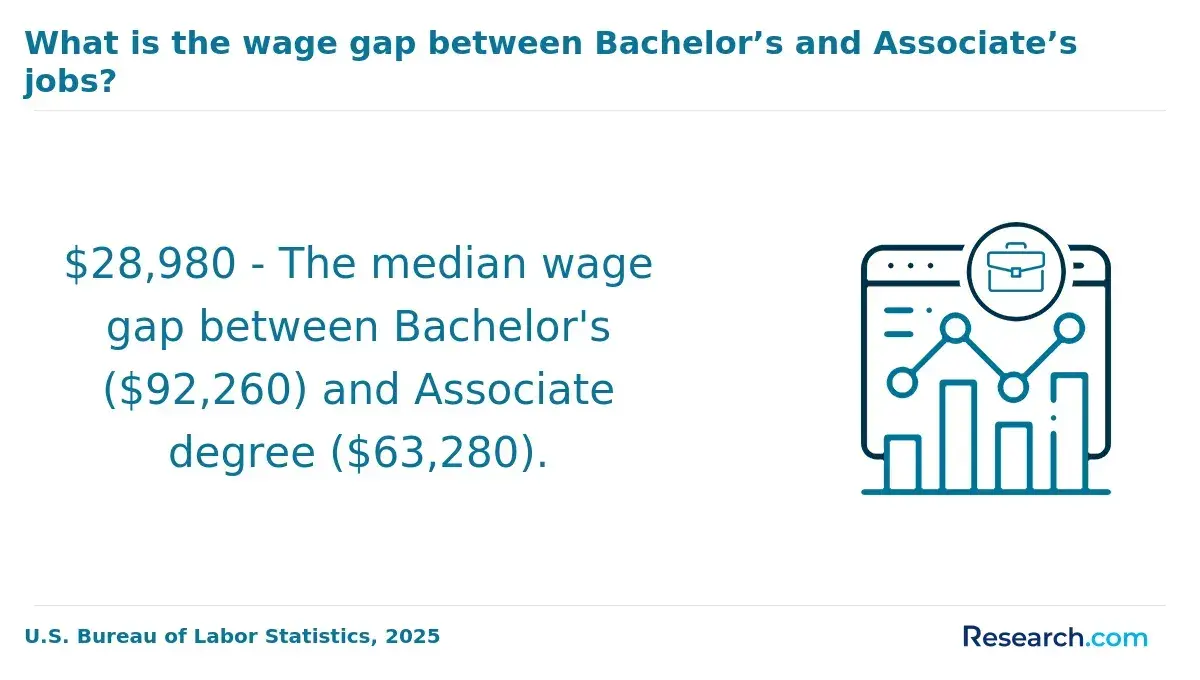
- Wage Advantages Over Bachelor's Degree Holders: Individuals with just a bachelor's degree in similar fields usually earn 15-25% less, with many starting around $50,000 to $60,000. Obtaining a master's degree opens doors to specialized clinical, research, or pharmaceutical roles that command higher pay.
- Sector-Based Salary Variations: Private industries, such as pharmaceutical firms or private health clinics, tend to offer the highest compensation. In contrast, public agencies and nonprofits often provide more stable but comparatively lower salaries with benefits.
- Geographic Influences on Earnings: Urban hubs and states like California, New York, and Massachusetts generally provide the highest salaries due to demand and living costs, while rural or less specialized regions typically offer lower pay scales.
When asked about the real-world impact of his psychopharmacology master's degree, a recent graduate shared that balancing coursework with a full-time job was challenging but rewarding. He noted that the rigorous curriculum taught him advanced clinical applications and research techniques that boosted his confidence during job interviews. The degree ultimately helped him transition into a pharmaceutical role with a noticeable salary increase and greater professional fulfillment. "It was tough managing time, but knowing the credential would significantly enhance my prospects made every late night worth it," he reflected.
How Does a Psychopharmacology Master's Degree Impact Long-Term Career Advancement?
For those weighing the long-term benefits of a psychopharmacology master's degree, it's important to consider how this advanced credential impacts career trajectory beyond just initial salary gains. This degree can significantly influence promotion rates, leadership access, and the overall path toward senior roles. Below are key factors illustrating these important qualitative effects.
- Increased Promotion Rates: Graduates with a psychopharmacology master's degree often experience accelerated promotion within clinical, pharmaceutical, and research settings. Employers recognize the specialized expertise as a mark of readiness for higher-responsibility roles, boosting career growth beyond entry-level positions.
- Leadership and Senior Roles: This degree serves as a stepping stone to leadership positions such as clinical director, research manager, or policy advisor. The combination of pharmacological and psychological knowledge prepares graduates to manage interdisciplinary teams and strategic initiatives.
- Enhanced Professional Credibility: Holding this advanced degree strengthens professional reputation among peers and supervisors. Increased credibility often results in preferred hiring, project leadership roles, and greater trust in clinical or research decision-making.
- Expanded Professional Networks: Graduate programs foster valuable connections with faculty, clinicians, and industry professionals. These networks create opportunities for mentorship, collaboration, and exclusive job openings that support upward mobility.
- Industry-Specific Value: In pharmaceutical companies and advanced clinical environments, the degree is often essential for drug development and patient management positions. Conversely, some behavioral health sectors consider it advantageous but not mandatory, influencing hiring preferences and career paths accordingly.
- Foundation for Continuing Education: Many use this master's program as a foundation for doctoral studies or specialized certifications, further enhancing leadership eligibility and long-term earning potential.
Prospective students should consider program costs and support options, including financial aid available through cheap nursing programs, as part of weighing the return on investment of a psychopharmacology master's degree in relation to their career goals and financial capacity.
What Is the Return on Investment (ROI) of a Psychopharmacology Master's Degree?
This section offers prospective students a clear perspective on the potential financial benefits of pursuing a psychopharmacology master's degree by analyzing key variables that influence its return on investment (ROI). Understanding these factors helps applicants gauge whether earning this advanced credential aligns with their professional and monetary goals.
Several important elements affect the calculation of ROI for psychopharmacology master's graduates, as outlined below:
- Total Program Cost: This covers tuition, fees, textbooks, and related expenses. Public universities generally charge between $20,000 and $40,000, while private programs may exceed $50,000, substantially influencing the overall investment.
- Lifetime Salary Premium: Graduates typically earn an additional $10,000 to $25,000 annually compared to those holding only bachelor's degrees, though this varies by sector and geographic location.
- Payback Period: The time required to recoup educational expenses through increased earnings ranges from 3 to 5 years in optimal cases, especially with high-demand roles. In contrast, lower-paying or part-time positions can stretch this timeframe beyond ten years.
- Opportunity Cost: The income forgone while studying full-time should be considered, as it reduces net financial gains and varies by individual employment history.
- Use of ROI Calculators: Customized online tools are valuable for estimating personal ROI, accounting for financing methods, regional salary differences, and job placement success.
One graduate reflected that balancing coursework and part-time work initially felt overwhelming but ultimately helped manage expenses and reduce debt. They noted, "The specialized training opened doors in clinical research much faster than I expected." While the path was demanding, the combination of applied skills and advanced knowledge made the transition into a well-paying role smoother than anticipated, affirming the degree's value beyond mere salary figures.
What Are the Admission Requirements for a Psychopharmacology Master's Program?
Admissions criteria for psychopharmacology master's programs tend to share several essential components, though specific details differ across schools. Below is an overview of typical requirements applicants should be prepared to meet.
- Undergraduate GPA Benchmarks: Most programs expect a minimum GPA around 3.0 on a 4.0 scale, with more competitive programs favoring students who have earned closer to a 3.5, especially in disciplines like biology, psychology, or neuroscience that align with the field.
- Standardized Test Requirements: While some institutions still request GRE scores, many have made submitting these optional or eliminated them altogether. The GMAT is seldom required unless the program includes a business or administrative concentration, so verifying the latest policies is important.
- Prerequisite Coursework: Foundational classes in areas such as human biology, pharmacology, physiology, and psychology are often expected. Completing these beforehand demonstrates preparedness for the program's advanced curriculum.
- Statement of Purpose: This essay plays a critical role by articulating the applicant's motivations, career objectives, and alignment with the program's interdisciplinary nature. A compelling statement can set candidates apart by emphasizing relevant research interests and professional aspirations.
- Letters of Recommendation: Strong references typically come from academic mentors or professionals familiar with the applicant's capacity to thrive in demanding graduate studies and contribute to the field's advancement.
- Relevant Work or Research Experience: Practical involvement in clinical settings, laboratories, or pharmaceutical environments enhances applications by showing firsthand knowledge and dedication. Research experience is particularly valued where scientific inquiry is central.
- Variation Across Institutions: Selective programs generally impose more stringent criteria and may incorporate interviews or extra essays, whereas less selective schools offer admissions to a wider range of academic backgrounds and experiences.
What Is the Minimum GPA Requirement for a Psychopharmacology Master's Program?
Admission standards in psychopharmacology master's programs often hinge on GPA thresholds, which can vary greatly depending on the institution's prestige and program selectivity. Most programs demand a minimum undergraduate GPA between 3.0 and 3.5 on a 4.0 scale. Highly ranked schools tend to raise this bar, reflecting their competitive admissions processes and stricter minimum GPA requirement for psychopharmacology master's programs. However, a lower GPA does not necessarily close the door to admission, especially if an applicant can highlight strengths through other components of their application.
Applicants with suboptimal GPAs can sometimes offset this by showcasing relevant work experience, submitting a compelling personal statement, or delivering strong GRE scores. Such elements provide a fuller picture of readiness beyond academic performance alone. Conditional admission or probationary enrollment programs also offer alternate pathways, enabling hopeful candidates to demonstrate their potential during an initial probationary period. These options make it possible for borderline applicants to prove their ability to succeed in graduate study.
For serious applicants facing GPA challenges, strategic preparation plays a critical role. The following points summarize key considerations and approaches candidates should keep in mind:
- Typical GPA Ranges: Most psychopharmacology master's programs require at least a 3.0 GPA, though top-tier schools may expect 3.5 or higher to remain competitive. These figures reflect both institutional standards and program selectivity.
- Work Experience and Personal Statements: Demonstrated clinical or research experience can strengthen an application by compensating for GPA weaknesses, while a thoughtfully written statement conveys motivation and relevant skills.
- GRE and Test Scores: High GRE scores can bolster an application by reflecting aptitude and academic potential, especially if undergraduate grades do not fully capture an applicant's abilities.
- Conditional Admission: Some programs admit students conditionally or on probation, requiring them to meet performance milestones over a defined period to gain full acceptance.
- Strategic Preparation: Taking post-baccalaureate or certificate courses can improve academic records, while gaining relevant experience enriches the candidate profile for psychopharmacology graduate school entry.
Prospective students weighing their options in graduate education may also want to explore related fields for broader career opportunities. For instance, those interested in healthcare might consider online phd programs in nursing as an alternative or complement to psychopharmacology studies.
Is an Online Psychopharmacology Master's Degree as Valuable as an In-Person Degree?
Evaluating how employers view online versus in-person master's degrees in psychopharmacology helps prospective students weigh their options effectively. The acceptance of online education has notably changed following the widespread shift to remote learning during the COVID-19 pandemic. The following points detail these changes and key considerations when choosing between formats.
- Accreditation Is the Primary Quality Indicator: Employers emphasize program accreditation over the mode of study. Data from recent education reports confirm that institutional recognition remains the top factor in assessing candidate qualifications, making delivery format secondary if standards are met.
- Greater Employer Acceptance After the Pandemic: The rise of remote learning normalized online degrees across industries, including healthcare. Surveys indicate a significant increase in employer willingness to accept online credentials within specialized fields such as psychopharmacology.
- Equivalent Academic Standards: Accredited online psychopharmacology programs maintain rigorous coursework, often incorporating live sessions, virtual laboratories, and thorough evaluations to match the depth and quality of face-to-face instruction.
- Differences in Networking and Career Support: On-campus programs typically provide more direct networking and mentoring opportunities, along with local internship access crucial for career growth. Nevertheless, leading online programs have improved virtual networking events and career assistance, though spontaneous, in-person interactions can be less frequent.
- Ideal Conditions for Online Learning: For professionals balancing work, international students, or those requiring flexible schedules, online degrees offer significant logistical and financial advantages by eliminating relocation and allowing personalized pace.
- When In-Person Study Offers Benefits: Students seeking hands-on experience, immediate faculty engagement, and clinical practicums often find on-campus formats more immersive, which can be particularly valuable for applied psychopharmacology training.
What Jobs Can You Get With a Psychopharmacology Master's Degree?
For those pursuing a master's degree in Psychopharmacology, knowing which career paths truly value the degree can guide educational and professional decisions. Some roles mandate this specialized education, while others offer increased opportunities or earning potential for degree holders. Additionally, technological progress and regulatory changes continue to create new roles where this expertise is increasingly relevant. Below are key positions and sectors where Psychopharmacology master's graduates find meaningful employment.
- Clinical Psychopharmacologist: A master's degree is often essential, typically combined with state licensure or certification. Professionals evaluate medication impacts on mental health and develop tailored treatment plans. Salaries vary widely, generally spanning from $80,000 to $120,000, with higher wages in hospital and private practice settings.
- Pharmaceutical Researcher: While advanced research roles may require a PhD, a master's in Psychopharmacology provides a competitive edge for roles studying drug effectiveness and safety in biotech or pharmaceutical companies. Entry-level salaries start near $90,000, potentially exceeding $130,000 as experience grows.
- Regulatory Affairs Specialist: These experts ensure pharmaceutical compliance with governmental standards, often facilitating FDA approvals. Though the degree is not strictly mandatory, it deepens understanding of regulatory frameworks and can lead to salaries between $85,000 and $110,000.
- Mental Health Program Director: Often employed in hospitals or government agencies, this leadership role benefits from a Psychopharmacology background, particularly in managing psychotropic treatment programs. Additional licensure in counseling or nursing plus experience is generally required, with compensation typically ranging from $90,000 to $125,000.
- Academic Instructor or Lecturer: Teaching positions at universities and colleges frequently recruit master's graduates to lead psychopharmacology courses. While base salaries fall between $60,000 and $90,000, strong research experience can enhance earnings and promotion potential.
How Do Employers and Industries Value a Psychopharmacology Master's Degree?
Perceptions of a psychopharmacology master's degree vary widely across employer types, affecting career prospects for graduates. Recognizing how different sectors value this credential helps prospective students evaluate industry demand for psychopharmacology graduates and tailor their applications strategically.
- Sector-Specific Employer Valuation: Large corporations and government agencies often view the degree positively for roles in research coordination, regulatory affairs, and clinical support but typically prefer doctoral candidates for advanced scientific positions. Startups may prioritize practical knowledge and interdisciplinary skills, especially in biotech and health tech areas, while nonprofits appreciate the degree's applied clinical insight for program development and advocacy.
- Disciplinary Expectations: In clinical and pharmacological research, the master's degree is frequently the terminal credential qualifying graduates for specialized roles. However, pharmaceutical business management and public health policy sectors often favor doctorates or MBAs, signaling a preference for advanced leadership or research expertise.
- Industry Survey Insights: Surveys show that about 60% of hiring managers in mental health and pharmaceutical companies recognize the psychopharmacology master's as valuable, particularly when combined with relevant experience. Conversely, roughly 30% of corporate R&D employers emphasize doctoral qualifications due to the need for deep research skills.
- Communicating Degree Value: Applicants should highlight how their training in pharmacologic mechanisms, patient care, research methods, interdisciplinary collaboration, and regulatory knowledge deliver practical benefits. Emphasizing these strengths can position the degree as a strategic asset during interviews and on resumes. For further guidance on related credentialing opportunities, consider exploring the best medical billing and coding schools online.
Is a Psychopharmacology Master's Degree Worth It?
Different types of employers evaluate the value of a psychopharmacology master's degree in distinct ways, influencing hiring and advancement prospects. Understanding these perspectives helps candidates better position themselves in the job market.
- Employer Type Influences Value: Large corporations and government agencies often favor candidates with doctoral degrees for senior research or regulatory roles but recognize a master's degree for entry-level or mid-tier positions. Startups and nonprofit organizations may emphasize practical skills and experience, sometimes prioritizing these over higher academic credentials.
- Disciplinary Variation Matters: In clinical or applied settings, a psychopharmacology master's frequently serves as a terminal professional qualification, enabling independent practice or licensure. Conversely, in academic research or pharmaceutical industry roles, employers typically prefer doctoral degrees or specialized certifications to signal deeper expertise.
- Survey Data on Employer Sentiment: Surveys reveal that about 60% of employers acknowledge the master's degree as a significant asset, especially when combined with relevant work experience. Others view it more as a stepping stone toward advanced credentials rather than a final qualification.
- Communicating Degree Value: Candidates should clearly articulate the interdisciplinary knowledge and hands-on skills gained from the master's program. Emphasizing successful projects, research involvement, and teamwork demonstrates how the degree translates into practical benefits for prospective employers during interviews and on resumes.
What Graduates Say About Their Psychopharmacology Master's Degree
- Michelle: "Applying for admission to the psychopharmacology master's program was a rigorous process that truly prepared me for the challenges ahead. I found relying on official academic catalogs invaluable in understanding the program's structure and requirements, which helped me stay on track. Navigating the job landscape has been exciting, as employers increasingly value the specialized skills our degree offers, opening doors I hadn't anticipated."
- Denver: "Reflecting on my journey through the psychopharmacology master's program, I appreciate how deeply consulting accrediting agencies and federal education resources informed my academic decisions. The admission experience taught me patience and persistence, necessary traits for success in this field. Now, as I explore career opportunities, I'm confident that my training has equipped me to contribute meaningfully across various healthcare settings."
- Francine: "The application process for the psychopharmacology master's was straightforward but competitive, pushing me to highlight my unique strengths. Utilizing official academic catalogs helped me understand degree requirements thoroughly, ensuring no surprises along the way. Professionally, I've found that this specialization positions me well in an evolving job market with growing demand for advanced knowledge in medication management."
Other Things You Should Know About Psychopharmacology Degrees
One of the main challenges in 2027 is the significant financial investment, as tuition fees continue to rise. Additionally, the evolving landscape of mental health care demands graduates to stay current with the latest research and practices. Balancing these with the predictive and real-time impact of AI tools on patient care can be demanding.
Most psychopharmacology master's programs take between 1.5 to 2 years of full-time study to complete. Part-time and online options may extend the duration to 3 or more years, depending on the program's flexibility and the student's pace. The curriculum typically includes coursework, research projects, and sometimes clinical practicum hours, all designed to provide both theoretical knowledge and practical experience within this timeframe.
References
- Psychiatrist Job Outlook: Future Prospects in Mental Health Care | PracticeMatch https://www.practicematch.com/physicians/articles/psychiatrist-job-outlook-future-prospects-in-mental-health-care.cfm
- IoPPN Postgraduate Taught Scholarships https://www.kcl.ac.uk/study-legacy/funding/ioppn-postgraduate-taught-scholarships
- Put your Psychology MS to Work for your Goals with Degree Specializations https://paloaltou.edu/resources/blog/ms-psychology-career-specializations
- Online M.S. Clinical Psychopharmacology - The Chicago School https://www.thechicagoschool.edu/programs/psychology/clinical-psychopharmacology/ms/
- Clinical Psychopharmacology Salary 2025: MSCP Degree Earnings https://psydprograms.org/salary-outlook-masters-clinical-psychopharmacology/
- Financial Aid For Psychology Students | Psychology.org https://www.psychology.org/resources/financial-aid/
- Clinical Psychopharmacology MS https://www.fdu.edu/program/ms-clinical-psychopharmacology-post-doctoral/
- Demand for Psychiatrists: Addressing the Shortage and Job Outlook https://practiceseeker.com/resources/demand-for-psychiatrists-addressing-the-shortage-and-job-outlook
- Psychopharmacology https://www.fastweb.com/directory/scholarships-for-psychopharmacology-majors
- 2025 Best Master’s in Psychopharmacology Programs - Online, Low Cost, & Quick Options https://www.counselingpsychology.org/psychology/degrees/psychopharmacology/masters/


