
2027 What Can You Do with a Psychopharmacology Master's Degree? Careers, Salaries & Growth

Co-Founder and Chief Data Scientist
Many prospective students face uncertainty about the practical benefits of pursuing a psychopharmacology master's degree amid diverse career options. According to the U.S. Bureau of Labor Statistics, employment in related healthcare specialties is projected to grow 11% through 2032, outpacing average job growth.
However, understanding which roles specifically align with this degree remains complex. This article clarifies these ambiguities by detailing program structures, admission criteria, and employment outlooks. It evaluates salary benchmarks, sector-specific opportunities, and credentialing pathways, while comparing online and on-campus options. Readers gain a detailed, data-driven perspective to make informed educational and career decisions in psychopharmacology.
Key Things to Know About What You Can Do with a Psychopharmacology Master's Degree
- Master's programs in psychopharmacology typically require a relevant bachelor's degree and combine coursework with clinical or research experience, available both online and on-campus for flexible learning.
- Graduates often enter roles in clinical research, pharmaceutical companies, or healthcare settings, with median salaries ranging from $60,000 to $90,000 annually, depending on location and experience.
- Long-term job growth for psychopharmacology professionals is projected at 10-15%, emphasizing the importance of selecting programs based on cost, reputation, and professional certification opportunities.
What Are the Admission Requirements for a Psychopharmacology Master's Program?
Preparing the necessary prerequisites is essential for a smooth admission process into a psychopharmacology master's program. With strong demand projected in mental health healthcare professions, it is important for prospective students to understand common admission requirements.
Below is an overview of key criteria often expected by institutions:
- Relevant Undergraduate Degree: Candidates typically need a bachelor's degree in psychology, biology, neuroscience, or a related field to qualify for a psychopharmacology graduate program. Foundational courses in chemistry, physiology, and psychology are usually required to ensure academic preparedness.
- GPA Thresholds: Most programs expect a minimum GPA around 3.0 on a 4.0 scale, though more competitive schools may demand higher. Maintaining strong academic performance enhances admission chances.
- Work Experience: Experience in clinical, research, or healthcare settings can strengthen applications but is not always mandatory. It reflects practical knowledge and commitment to psychopharmacology's interdisciplinary nature.
- Standardized Tests: Exams like the GRE are often optional and may be waived for applicants with professional experience or advanced degrees. However, some institutions still consider GRE scores in admissions decisions.
- Supplemental Materials: Letters of recommendation from academic advisors or employers, personal statements outlining career goals, and sometimes writing samples are standard components. Certain specializations may require additional coursework or certifications.
Prospective students weighing their options should also explore flexible formats, including the shortest DNP programs online, which can offer valuable insights into balancing education with professional commitments.
What Is the Minimum GPA Requirement for a Psychopharmacology Master's Program?
Meeting the minimum GPA requirements is a critical step for applicants aiming to join a psychopharmacology master's program. These requirements often range from 2.75 to 3.0 on a 4.0 scale but vary widely based on the program's prestige and the institution type.
Understanding these nuances can help prospective students align their applications effectively in a competitive field expected to grow by 13% through 2032, according to labor statistics. Below are key factors to consider about the psychopharmacology master's program admission GPA criteria:
- Typical GPA Range: Most programs set minimum GPAs between 2.75 and 3.0, though exact figures differ by program and concentration.
- Holistic Admissions: Many schools evaluate applications beyond GPA, considering professional experience, test scores, and essays.
- Institutional Differences: Public and private schools may have varying expectations, affecting flexibility.
- Compensating Factors: Applicants with GPAs below threshold can leverage strong backgrounds or recommendations to gain consideration.
- Career Preparation: For those needing foundational study, pursuing a bachelor's in health administration may provide relevant skills and strengthen future graduate applications.
How Much Does a Psychopharmacology Master's Degree Cost and How Can You Finance It?
Planning finances carefully before enrolling in a psychopharmacology master's program helps students avoid unexpected expenses and make informed choices about their education investment. Below is a summary of key financial factors and approaches to funding your degree:
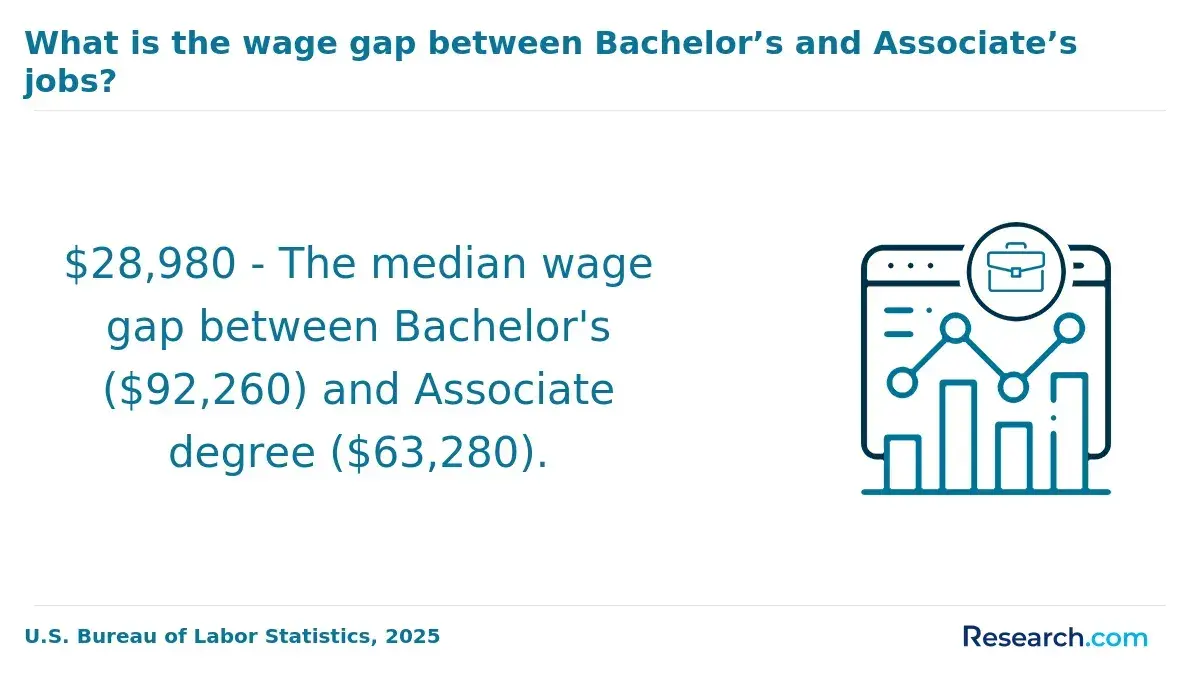
- Cost Variation by Program Type: Tuition fees differ widely among public, private, and online options. Public in-state schools generally provide the most affordable rates, but additional expenses like fees, housing, and lost wages also contribute to the total investment, which can range from $30,000 to over $70,000 depending on program and location.
- Available Funding Sources: Scholarships, fellowships, graduate assistantships, employer tuition reimbursement, and federal loans are common ways to finance studies. Online programs may have access to similar aid, although availability varies.
- Debt Reduction Tactics: Securing department-specific fellowships, selecting in-state public universities, and obtaining teaching or research assistantships offering tuition waivers and stipends are key strategies. Working students can often leverage employer-sponsored tuition aid.
- Evaluating Financial Benefit: Comparing expected salaries in psychopharmacology-related roles-typically $60,000 to $90,000 annually-with total program costs assists candidates in estimating return on investment and long-term financial advantage.
- Admissions and Financial Preparedness: With acceptance rates under 30% at many online programs, thorough financial and academic planning is critical for successful admission and completion.
When I asked a psychopharmacology master's graduate about managing costs, they recounted how balancing coursework and a part-time job was challenging but rewarding. "I applied for every fellowship I qualified for and took a research assistantship that covered tuition," they explained. "Seeing the salary boost and career opportunities afterward made the financial strain worthwhile." Their experience highlights the importance of proactive funding strategies and viewing education as a stepping stone rather than just an expense.
How Long Does It Take to Earn a Psychopharmacology Master's Degree?
The time required to complete a psychopharmacology master's degree varies widely depending on program type and individual circumstances. Prospective students should consider these differences carefully, as the average duration of psychopharmacology graduate programs can influence career planning and financial commitments.
Several key factors impact how long it typically takes to finish this degree, outlined below:
- Full-Time Enrollment: Most full-time psychopharmacology master's programs last between 1.5 to 2 years. This pathway suits students who can focus intensively on coursework and clinical practicum without major interruptions.
- Part-Time and Online Programs: For working professionals or those needing flexibility, part-time or online programs often extend the timeline to 3-4 years. These options balance lighter credit loads with extended scheduling, as reflected in numerous programs.
- Accelerated Options: Certain institutions offer accelerated tracks allowing completion within 12 to 18 months. These intensive programs require a heavier course load and a faster pace, appealing to highly motivated students.
- Combined Bachelor's/Master's Pathways: Dual-degree programs integrate graduate coursework during undergraduate studies, effectively shortening the total time to degree completion by applying overlapping credits early.
- Transfer Credits: Applicants with relevant prior graduate coursework or certifications may reduce required course hours and thus program duration through credit transfer policies.
- Thesis vs. Non-Thesis Tracks: Thesis options generally add time due to research and writing demands. Non-thesis tracks focus primarily on coursework and often shorten the overall duration.
- Internship or Practicum Requirements: Mandatory supervised clinical experiences can extend timelines depending on placement availability and scheduling constraints.
Choosing the right path affects the time to complete a psychopharmacology master's degree and shapes career readiness. Those seeking flexibility may also want to explore the best online RN to BSN programs for complementary health education options.
What Career Paths Are Available with a Psychopharmacology Master's Degree?
This section outlines the diverse career opportunities available to graduates holding a master's degree in psychopharmacology, highlighting roles across multiple sectors and levels of responsibility. Prospective students gain insight into the types of positions typically pursued and how experience can shift their career paths.
Key industries welcoming psychopharmacology master's graduates include the following:
- Clinical and Healthcare Roles: Graduates often begin as clinical research coordinators or mental health specialists, applying knowledge of drug effects on brain function to optimize treatments. These roles emphasize direct patient care and medication management.
- Pharmaceutical and Regulatory Positions: Opportunities exist as drug development experts or regulatory affairs specialists, supporting the creation and approval of psychiatric medications within private companies.
- Academic and Research-Oriented Careers: Many contribute as research assistants or lab managers, aiding studies focused on new treatments and psychotropic drug efficacy in academic or institutional settings.
- Government and Policy-Making Roles: Professionals with this expertise increasingly influence mental health policy as public health officials or advisors within federal and state agencies.
- Leadership and Management Tracks: While entry-level roles emphasize technical skills, experienced professionals may move into managerial positions overseeing projects or teams, particularly in healthcare research or pharmaceutical companies; executive roles, though rarer, involve strategic oversight of medication programs in larger organizations.
A graduate I spoke with described their experience navigating career options after completing the master's program. They noted, "Initially, I was uncertain about how my degree would translate into specific job roles, but the technical foundation helped me quickly secure a position as a clinical research coordinator."
They highlighted how the program's focused curriculum made understanding complex neuropharmacological concepts more accessible, simplifying the transition to applied roles. Over time, gaining hands-on experience opened doors to leadership responsibilities, confirming that the degree provided a versatile platform for growth across several sectors.
What Is the Average Salary for Psychopharmacology Master's Degree Holders?
Salaries in the psychopharmacology field vary significantly depending on experience, location, type of employer, and industry sector. Professionals benefit from a noticeable salary advantage when holding a master's degree compared to a bachelor's, along with additional forms of compensation that enhance overall earnings.
Below are the primary factors influencing remuneration in this area:
- Entry-Level Salaries: New graduates usually earn between $50,000 and $70,000 annually, with geographic region playing a crucial role. Urban areas and states with higher living costs tend to offer the upper end of this range.
- Mid-Career Earnings: Those with five to ten years of experience generally see salaries from $70,000 to $95,000. Specializations, certifications, and employer type heavily impact salary growth during this phase.
- Senior-Level Compensation: Experienced professionals and managers can expect $100,000 to $130,000 or more, often supplemented by bonuses and profit-sharing plans, especially in private companies and research organizations.
- Impact of Geographic Location: States like California, New York, and Massachusetts usually offer higher wages due to demand and cost of living, whereas rural areas provide lower salaries but may offer better work-life balance.
- Public vs. Private Employers: Private sector jobs often deliver higher base pay and bonuses, while public sector roles emphasize job security and benefits.
- Industry Sector Variability: Careers in pharmaceuticals, biotech, and research typically generate greater compensation compared to positions in community mental health or nonprofit contexts.
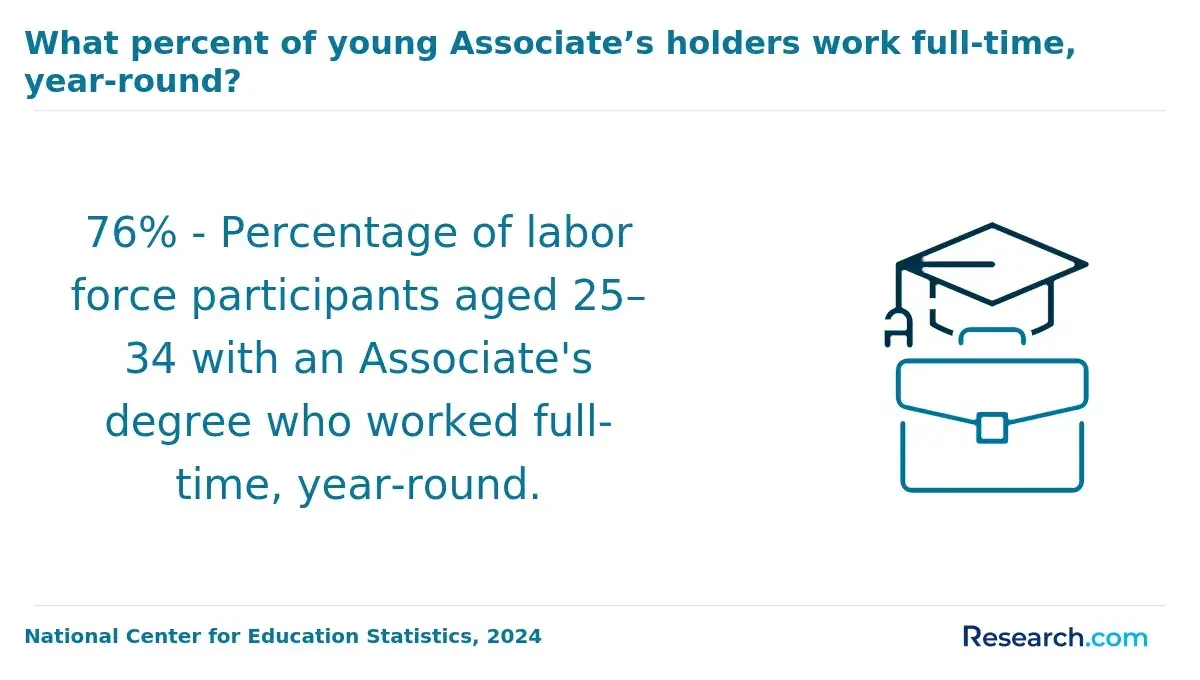
- Master's Degree Salary Premium: Holding a master's degree commonly yields a 15% to 25% salary increase over bachelor's degree holders, reflecting advanced expertise in clinical medication management and research.
- Additional Compensation Factors: Bonuses, retirement plans, health benefits, and sometimes equity stakes in startups further boost the overall remuneration for psychopharmacology specialists.
What Professional Certifications Complement a Psychopharmacology Master's Degree?
Several recognized professional certifications significantly enhance the value of a psychopharmacology master's degree by validating specialized expertise and expanding career options. These credentials are especially important for graduates seeking to differentiate themselves in competitive job markets and aim for roles requiring advanced clinical knowledge and pharmacological skills.
Selecting from the best professional certifications for psychopharmacology master's graduates can also boost long-term earning potential, with some certifications increasing salaries by 10-20%.
The top certifications to enhance psychopharmacology career prospects include:
- Certified Psychiatric Rehabilitation Practitioner (CPRP): Offered by the Psychiatric Rehabilitation Association (PRA), this certification requires relevant mental health experience. The exam consists of multiple-choice questions addressing recovery principles, pharmacological treatments, and clinical skills. Renewal occurs every three years through continuing education. CPRP is highly respected in community mental health organizations and hospitals, particularly for roles related to patient support and rehabilitation coordination.
- Board Certified Pharmacotherapy Specialist (BCPS): Administered by the Board of Pharmacy Specialties (BPS), eligibility demands a pharmacy degree or advanced practice involving pharmacotherapy. The examination rigorously tests knowledge of drug therapies and patient management, with renewal every seven years dependent on ongoing education. BCPS serves as a valuable credential for graduates targeting clinical pharmacology roles or consulting positions in healthcare facilities and pharmaceutical companies.
- Strategic Timing of Certification Pursuit: While some students benefit from aligning master's coursework with certification prerequisites, often the most advantageous timing for certification is post-graduation. Gaining professional experience enhances exam preparedness and practical application, reinforcing both eligibility and confidence. Professionals often find certifications to be a worthwhile investment in advancing specialized career tracks and improving salary potential.
Integrating these certifications with your master's enhances opportunities across many industries and job titles. For those looking to navigate educational requirements in healthcare fields, it's advisable to research programs like a nursing school that doesn't require TEAS as part of a broader strategy to advance clinical education.
What Are the Top Industries Hiring Psychopharmacology Master's Degree Graduates?
Exploring the primary industries that employ graduates with a master's degree in psychopharmacology is essential for making informed career decisions. Understanding where demand is highest and which roles are prevalent helps students tailor their education and professional development.
The following points highlight significant sectors, common positions, and ways to strengthen job prospects:
- Healthcare Sector: This remains the largest employer, with roles such as clinical coordinators, pharmaceutical consultants, and mental health specialists commonly available. Employers include major hospitals, private clinics, and research institutions. Expertise in pharmacodynamics and patient data analysis, along with certifications like Certified Pharmacology Technician, improve chances of employment.
- Pharmaceutical Industry: Focused on drug development, regulatory compliance, and safety oversight, this sector employs graduates in positions involving clinical trial management and drug interaction analysis. Opportunities exist in both multinational corporations and smaller biotech firms. Credentials like Good Clinical Practice (GCP) certification or regulatory affairs qualifications provide a competitive edge.
- Academic and Research Institutions: Graduates find roles in experimental design, neuropharmacology research, and public health studies. These jobs often demand advanced laboratory techniques and grant writing skills, ideal for those inclined toward scholarly and investigative work.
- Emerging Digital Health and Telemedicine Fields: Growing rapidly due to telehealth expansion, this sector leverages psychopharmacology expertise to develop mental health apps and remote monitoring technologies. Professionals with knowledge in digital tools and regulatory trends are increasingly sought after.
- Industry Targeting Strategies: Students can enhance their prospects by completing internships aligned with their desired field and selecting coursework tailored to industry requirements. Building professional networks through organizations and conference participation also plays a vital role in career advancement.
What Are the Highest-Paying Jobs for Psychopharmacology Master's Degree Holders?
For individuals pursuing a master's degree in psychopharmacology, knowing which careers offer the greatest earning potential is essential for making informed decisions about their education and future. Pay rates differ based on factors like location, experience, and work setting, while advanced certifications or degrees can open doors to higher salaries.
Below are some of the most lucrative positions available to graduates with this specialized expertise:
- Clinical Psychopharmacologist: These experts evaluate and manage medication plans for patients with mental health issues, primarily employed in healthcare facilities or private clinics. A master's degree combined with state licensure or certification is typically required, with median pay between $90,000 and $120,000 and senior roles surpassing $130,000 annually.
- Pharmaceutical Research Scientist: Employed mostly in pharmaceutical companies or research centers, they develop and test new psychotropic drugs. While a master's provides the baseline qualification, earning a doctoral degree usually results in higher salaries, ranging from approximately $85,000 to $140,000 depending on experience.
- Psychiatric Technician Supervisor: Responsible for directing clinical teams in mental health institutions, this role includes managing patient care and overseeing medication administration. Salaries typically range from $60,000 to $90,000, with increases for additional credentials or leadership background varying by region.
- Drug Safety Specialist: These professionals monitor adverse drug effects and maintain regulatory compliance within pharmaceutical companies or governmental agencies. Earnings generally fall between $80,000 and $115,000, with higher pay possible through certifications in pharmacovigilance.
- Academic Researcher or Lecturer: Usually based in universities or specialized institutes, they conduct psychopharmacology research or teach related courses. Master's holders earn between $60,000 and $90,000, but those with doctorates often exceed $100,000, especially at research-focused institutions.
What Is the Job Outlook and Employment Growth for Psychopharmacology Professionals?
Employment growth projections for psychopharmacology professionals are promising, particularly for roles commonly held by those with a master's degree in this field. Prospective students should understand how economic and technological trends influence job opportunities and the overall job outlook for psychopharmacology careers in the US.
- Steady Growth: According to the U.S. Bureau of Labor Statistics, employment of psychologists is projected to grow about 6%, matching or slightly exceeding the national average for all occupations. This stability reflects ongoing demand driven by increased mental health awareness and an aging population requiring expanded healthcare services.
- Technological Advances: Innovations like telehealth and digital therapeutics are redefining service delivery, creating new roles while requiring adaptability. Although automation is unlikely to replace psychopharmacology professionals, tools supporting data analysis may enhance clinical decision-making.
- Policy and Globalization: Improvements in mental health coverage and funding can boost demand, but globalization introduces competitive pressures, especially in research roles, affecting employment landscapes and compensation trends.
Those exploring graduate programs should consider both on-campus and online options to balance flexibility and hands-on experience. For more information about application processes, visit the Majuba College online application.
What Skills and Competencies Does a Psychopharmacology Master's Program Develop?
For prospective students, understanding the essential skills gained through a psychopharmacology master's program is vital to assess its value for career development. These programs systematically build both technical expertise and interpersonal abilities that are highly prized across many sectors.
- Technical Proficiency: Students master specialized tools such as neuroimaging software, biochemical assay methodologies, and advanced statistical analysis packages. This knowledge enables critical evaluation of drug efficacy and safety, grounded in rigorous research methods and pharmacokinetics.
- Research and Analytical Skills: Training covers clinical trial design and data interpretation, equipping graduates to contribute to evidence-based advancements in healthcare and pharmaceutical contexts.
- Effective Communication: Emphasis on explaining complex scientific information clearly enhances graduates' ability to engage with diverse audiences, a key factor employers consistently prioritize.
- Critical Thinking and Problem-Solving: Through case studies and collaborative projects, students develop the capacity to assess challenges thoughtfully and devise strategic solutions in interdisciplinary settings.
- Leadership and Teamwork: Group assignments foster leadership qualities and interpersonal skills, preparing students to coordinate efforts and drive initiatives within multifaceted teams.
- Practical Experience: Internships and simulations provide hands-on opportunities to apply theoretical knowledge, reinforcing both technical and soft skills in real-world environments.
- Career Versatility: The combination of hard and soft skills cultivated in these programs translates across various industries, including healthcare administration, pharmaceutical development, and research, broadening employment prospects.
What Graduates Say About Their Psychopharmacology Master's Degree
- Simon: "Applying for admission to the psychopharmacology master's program felt overwhelming at first, but focusing on official academic catalogs really helped clarify the prerequisites and course sequencing. I was grateful to find detailed accreditation information, which ensured I chose a credible institution. The whole experience deepened my appreciation for structured guidance in higher education application processes."
- Lindsey: "Navigating through the landscape of accredited psychopharmacology master's programs was quite a journey. I spent a lot of time comparing different schools' offerings and relying on federal education resources to understand degree requirements better. Reflecting on my studies, I realize how important it was to pick a program that aligned with my career goals and had recognized credentials."
- Gretchen: "Relying on accrediting agencies and official academic catalogs was essential in managing the psychopharmacology master's degree requirements effectively. It felt like I was constantly balancing the administrative details with the academic workload, but this thorough approach made me more confident about my professional competencies. Looking back, the program's clear criteria and my proactive engagement truly shaped my success."
Other Things You Should Know About Psychopharmacology Degrees
In 2027, with a Psychopharmacology master's degree, you can pursue careers in clinical research, pharmaceutical consultation, or academia. You'll analyze drug effects on behavior and further treatment plans in healthcare settings. The field shows promising growth due to increasing demand for mental health treatment innovations.
To choose between online and on-campus psychopharmacology programs in 2027, consider your learning style, schedule flexibility, and access to technology. Online programs might offer greater flexibility, while on-campus programs provide in-person networking opportunities. Evaluate your career goals and personal circumstances to make an informed decision.
Some of the top psychopharmacology master's programs are offered by universities with strong neuroscience, psychology, and pharmacology departments. These programs typically feature rigorous coursework, research opportunities, and collaborations with clinical or pharmaceutical institutions. Prospective students should evaluate programs based on faculty expertise, curriculum depth, internship availability, and alumni outcomes rather than just rankings.
After earning a Psychopharmacology master's degree, licensure requirements in 2027 typically include passing the Examination for Professional Practice in Psychology (EPPP) and completing supervised clinical hours as mandated by your state's psychology board. Rules may vary, so check with your local licensing authority.
References
- What can you do with a master's in psychology? | edX https://www.edx.org/resources/what-can-you-do-with-a-masters-in-psychology
- Guide To Getting An Online Master's In Psychology https://www.psychology.org/online-degrees/masters/
- Clinical Psychopharmacology MS https://www.fdu.edu/program/ms-clinical-psychopharmacology-post-doctoral/
- 2025 Best Master’s in Psychopharmacology Programs - Online, Low Cost, & Quick Options https://www.counselingpsychology.org/psychology/degrees/psychopharmacology/masters/
- Online M.S. Clinical Psychopharmacology - The Chicago School https://www.thechicagoschool.edu/programs/psychology/clinical-psychopharmacology/ms/
- Psychopharmacology Jobs - American Society of Clinical Psychopharmacology https://jobs.ascpp.org/
- Requirements https://academyofmedicalpsychology.com/requirements/
- What Do Psychologists Earn? Highest Paying Psychology Jobs | Walbrook https://www.walbrook.ac.uk/subjects/psychology/psychologist-salaries-highest-paying-jobs/
- Clinical Psychopharmacology Salary 2025: MSCP Degree Earnings https://psydprograms.org/salary-outlook-masters-clinical-psychopharmacology/
- Psychiatrist Job Outlook: Future Prospects in Mental Health Care | PracticeMatch https://www.practicematch.com/physicians/articles/psychiatrist-job-outlook-future-prospects-in-mental-health-care.cfm


