2027 Is a School Counseling Master's Degree Worth It? ROI, Salary & Career Impact

Co-Founder and Chief Data Scientist
Many prospective students face uncertainty about whether investing in a school counseling master's degree offers a worthwhile return. According to the Bureau of Labor Statistics, employment for school and career counselors is projected to grow 10% through 2032, faster than average. Median annual wages for these professionals exceed $60,000, but education costs and program durations vary widely. Evaluating whether the degree aligns with financial expectations and career goals can be challenging.
This article examines salary trends, ROI calculations, program admissions, and employer perspectives. It provides a clear framework to guide informed decisions about pursuing a school counseling master's degree.
Key Things to Know About the Value of School Counseling Master's Degree
- Admission typically requires a bachelor's degree and relevant experience; programs blend coursework and practicums, lasting 1.5 to 3 years, balancing flexibility and accreditation standards for licensure eligibility.
- Graduates report median salaries around $57,000 annually, with potentials rising above $75,000 depending on location, experience, and certification, reflecting moderate but stable earning prospects.
- Long-term growth aligns with educational trends; comparing costs, program reputation, and flexibility is crucial to maximize ROI and meet evolving demands in school counseling careers.
How Much Does a School Counseling Master's Degree Cost?
Prospective students considering a school counseling master's degree program costs should evaluate tuition alongside related expenses to understand the full financial commitment. Demand for qualified school counselors is growing, with projected job growth of about 8% from 2022 to 2032 per the U.S. Bureau of Labor Statistics.
Below is a concise overview of typical fees and additional costs across various program types and delivery methods.
- Public In-State School Counseling Programs: Tuition for in-state students usually ranges between $8,000 and $15,000 per academic year, with full-time programs spanning two years totaling approximately $16,000 to $30,000. Additional costs include textbooks ($1,000-$1,200) and technology fees ($300-$600).
- Public Out-of-State School Counseling Programs: Tuition increases significantly for out-of-state students, generally falling between $15,000 and $25,000 annually, leading to total tuition costs of $30,000-$50,000. Housing and living expenses average $10,000-$15,000 per year, depending on region.
- Private School Counseling Programs: Private institutions usually charge $20,000 to $40,000 per year, with programs lasting from 18 months up to three years. Total tuition often exceeds $40,000, while housing and living costs can add $20,000 or more.
- Online School Counseling Programs: Online programs offer flexible options with typical total tuition from $12,000 to $30,000. Students should also account for technology needs and occasional campus visits, which add to expenses.
- Program Length and Delivery Impact: Accelerated programs (18-24 months) may have higher per-semester costs but reduce living expenses due to shorter duration. Conversely, part-time or extended formats can increase total costs through longer enrollment and additional fees.
For those comparing advanced degrees beyond master's levels, exploring doctoral programs online could provide insights into duration and investment differences that influence career trajectories.
What Financial Aid and Scholarships Are Available for School Counseling Master's Students?
Graduate education costs can be substantial, making it essential for prospective school counseling master's students to explore financial aid options carefully. According to the National Center for Education Statistics, average graduate tuition has increased by 2.6% annually, reinforcing the importance of identifying scholarships and grants for school counseling master's students.
Below are key categories of aid available to help manage these expenses.
- Federal Graduate Loans: These include both subsidized and unsubsidized loans. Subsidized loans do not accrue interest while you're enrolled, whereas unsubsidized loans begin accruing interest immediately. Repayment usually starts six months after graduation or leaving school.
- Institutional Grants: Many universities offer need-based or merit-based grants specific to school counseling programs. Eligibility often depends on academic achievement or demonstrated financial need within the program.
- External Scholarships: Organizations such as the American School Counselor Association provide scholarships to counseling students, requiring essays, recommendation letters, and competitive applications.
- Discipline-Specific Search Resources: Platforms like Fastweb and the College Board's Scholarship Search allow filtering by field to locate relevant school counseling scholarships and funding sources.
- Building Competitive Applications: A strong GPA, relevant experience, clear career goals, and well-crafted essays increase the likelihood of receiving scholarships or grants. Applying early and meeting all deadlines is critical.
For those balancing various graduate programs, comparing options like an accelerated psychology degree may also be beneficial to find the best fit financially and professionally.
What Is the Average Salary for School Counseling Master's Degree Holders?
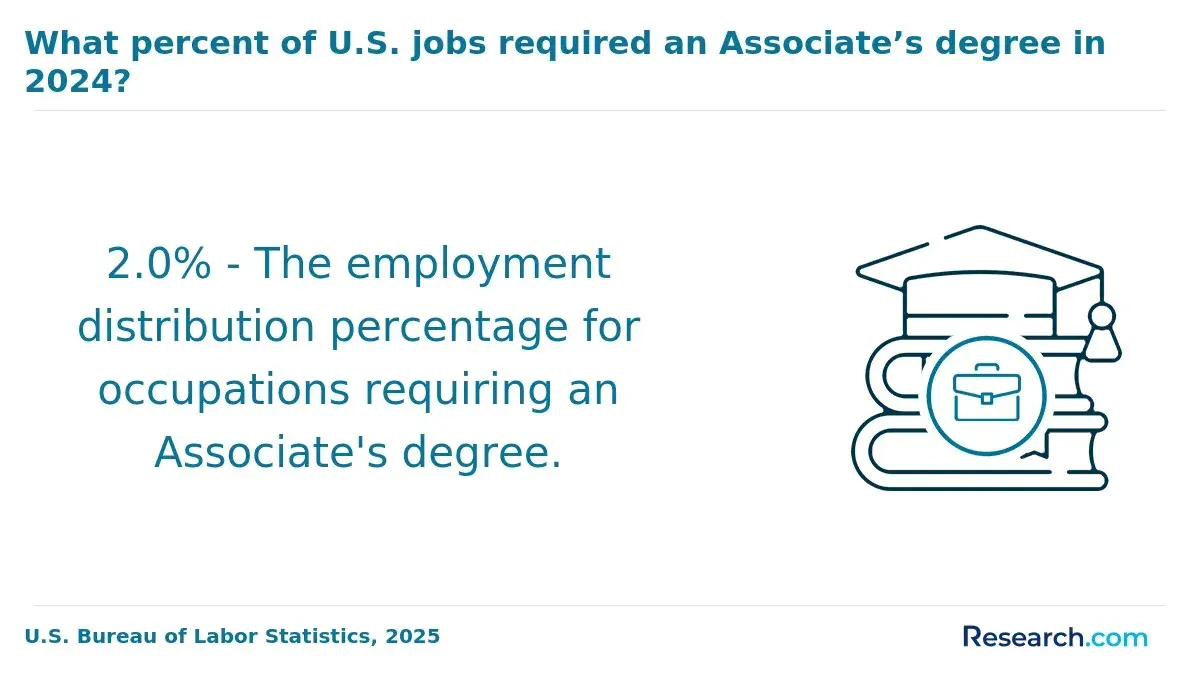
For those considering a School Counseling master's degree, salary expectations segmented by experience can clarify the financial benefits of advanced education. Earnings tend to rise notably with a master's degree compared to a bachelor's, influenced by role seniority, sector, and location.
Below are key salary insights highlighting these differences.
- Starting Salary Gains: Entry-level counselors with master's degrees generally earn between $45,000 and $52,000 annually, about 15-25% more than bachelor's degree holders who begin near $37,000 to $42,000, according to U.S. Bureau of Labor Statistics data.
- Mid-Level Progression: Those mid-career often see wages from $55,000 to $65,000, reflecting steady growth and around a $10,000 premium over bachelor's degree salaries, as supported by LinkedIn Salary reports.
- Experienced and Specialized Roles: Senior counselors with advanced credentials and extensive experience can earn upwards of $70,000, with geographic hotspots and roles in private or nonprofit sectors occasionally offering higher pay than public schools, per Glassdoor insights.
- Regional and Sector Impacts: Location heavily affects income; states like California and New York tend to offer higher salaries due to living costs and demand. Private and nonprofit employers may provide competitive pay, while public schools often compensate via superior benefits and job stability.
A graduate I spoke with described balancing part-time coursework with full-time work as challenging but rewarding, emphasizing how gaining the master's degree opened doors to more fulfilling positions and salary increases. "The program pushed me to develop skills beyond theory, preparing me for practical challenges," they shared.
Their journey underlines that while the transition demanded effort and persistence, the degree meaningfully enhanced their career trajectory and income potential.
How Does a School Counseling Master's Degree Impact Long-Term Career Advancement?
For prospective students evaluating a school counseling master's degree, understanding how it impacts long-term career advancement opportunities is crucial. Beyond an initial salary bump, the degree can significantly influence promotion rates, leadership roles, and eligibility for senior positions.
Below are key factors to consider when assessing the long-term impact of a school counseling master's degree on career growth:
- Promotion and Leadership Opportunities: Earning a school counseling master's degree often heightens the likelihood of promotion within educational institutions. Graduates become competitive candidates for leadership positions such as lead counselor or program coordinator, benefiting from specialized training and recognized expertise.
- Access to Senior Positions: Many school districts and educational systems mandate a master's degree to qualify for senior counseling roles. This credential legitimizes candidates for influential posts that shape policy and supervise counseling departments, which typically offer increased responsibilities and compensation.
- Professional Credibility and Employer Preference: The degree signals a strong foundation in counseling theory and practice, boosting professional credibility. Employers frequently prefer or require applicants with a master's qualification, favoring those with advanced knowledge and demonstrated professionalism.
- Expanded Professional Networks: Graduate programs connect students with peers, faculty, and practicing counselors. These networks facilitate mentorship, referrals, and ongoing knowledge sharing, which support sustained career growth over time.
- Industries Where Degree Is Essential vs. Advantageous: While K-12 education systems universally require the master's for counseling roles, related sectors such as private practice or nonprofit youth programs may consider the credential beneficial but not always mandatory.
- Continuing Education and Credentials: Pursuing further qualifications like doctoral studies or certifications in specialized counseling fields builds on the master's foundation. This advancement can open pathways into research, academia, or high-level administrative roles.
Evaluating program costs alongside career benefits is essential; prospective students may also consider the online business degree cost landscape to weigh financial investments against possible returns.
What Is the Return on Investment (ROI) of a School Counseling Master's Degree?
This section offers prospective students insight into the financial and career benefits of pursuing a school counseling master's degree by examining the return on investment (ROI). It breaks down the elements involved in measuring ROI and outlines typical outcomes based on various scenarios.
Key aspects to consider are:
- Total Program Cost: Encompasses tuition, fees, books, and other expenses. Public institutions typically have lower costs compared to private ones, and financial aid or scholarships can significantly decrease this burden.
- Lifetime Salary Premium: Graduates often earn higher wages than those with only a bachelor's degree. Data from the Bureau of Labor Statistics shows school counselors have a median annual salary near $60,000, reflecting increased earning potential.
- Payback Period: The duration to recover educational expenses tends to range between three and seven years, influenced by salary growth and how soon graduates enter the workforce.
- Best-Case Scenario: Completing an accredited program and securing a full-time counseling role in high-demand regions can lead to a solid financial return and career stability.
- Worst-Case Scenario: Challenges such as underemployment, part-time roles, or areas with lower salaries extend the payback period and lower overall financial gain. Opportunity costs from income lost during study further impact ROI negatively.
- Use of Online ROI Calculators: These digital tools help tailor ROI estimates by incorporating specific cost and salary expectations, enabling informed decisions.
A graduate shared how navigating the transition to a new career felt daunting initially, especially balancing work and coursework. They emphasized that having access to flexible scheduling and clear guidance throughout the program was a game-changer.
Although they faced moments of uncertainty about the financial payoff, the steady progress toward licensure and eventual full-time employment made the investment worthwhile. "It wasn't easy," they admitted, "but knowing the program was designed to support busy adults helped me manage stress and stay focused on my goals."
Their experience highlights how program structure and support can ease challenges and improve confidence in the degree's long-term value.
What Are the Admission Requirements for a School Counseling Master's Program?
Admission to school counseling master's programs generally revolves around several key criteria that help distinguish strong candidates. While requirements differ by institution, most programs assess academic performance, relevant background, and personal motivation carefully. Competitive applicants often go beyond basic qualifications to showcase their preparedness and dedication.
The core admission elements include the following:
- Undergraduate GPA Benchmarks: Typically, programs look for a minimum GPA ranging from 3.0 to 3.5 on a 4.0 scale. Highly selective schools may demand a higher GPA or recent coursework to demonstrate current academic capability and readiness for graduate-level study.
- Standardized Test Requirements: Although many programs have lessened emphasis on GRE or GMAT scores, some top-tier institutions still require them. Strong, recent test scores remain important in these cases, so applicants should check specific policies and prepare accordingly to strengthen their application.
- Prerequisite Coursework: Foundational classes in areas such as psychology, human development, or education are often mandatory or recommended. These courses provide essential knowledge that supports success during the master's program.
- Statement of Purpose: This essay allows applicants to express their passion, career ambitions, and understanding of school counseling. Clearly articulating motivation and alignment with the program can significantly enhance an application's impact.
- Letters of Recommendation: Most programs ask for two to three letters from instructors or supervisors familiar with the candidate's academic and professional qualities. Personalized, strong endorsements that highlight relevant strengths are highly valued.
- Relevant Experience: Practical exposure through work, internships, or research in counseling or related fields distinguishes candidates. Demonstrating hands-on understanding and commitment helps applicants stand out, particularly in competitive admissions pools.
What Is the Minimum GPA Requirement for a School Counseling Master's Program?
The minimum GPA requirements for school counseling master's programs generally fall between 2.5 and 3.0 on a 4.0 scale, though the exact threshold varies depending on the institution's ranking and program selectivity. Higher-tier programs tend to expect GPAs closer to 3.5, reflecting their competitive admission standards and reputation.
For prospective students with suboptimal GPAs who want to enter a school counseling master's degree, focusing on strategic application elements is critical. Below are several key points to consider that reflect common program policies and practical advice:
- Typical GPA Thresholds: Most programs require a minimum GPA between 2.5 and 3.0, with more selective schools setting higher bars closer to 3.5. The average GPA needed to enter a school counseling master's degree can depend heavily on the institution's prestige and available spots.
- Compensating Factors: Relevant professional experience, strong letters of recommendation, an impactful personal statement, and solid GRE results provide valuable supplementation to offset below-average GPAs in competitive applications.
- Conditional Admission: Some programs accept students on a provisional basis, monitoring academic progress closely during initial semesters to confirm suitability for continued study.
- Probationary Enrollment: This option allows students to enroll under specific academic conditions which, if met, facilitate full degree progression despite initial GPA shortcomings.
- Application Strategies: Applicants should highlight relevant experience, secure robust references, prepare thoroughly for the GRE, and consider enrolling in additional coursework to strengthen their academic record.
Those weighing entrance requirements against career goals may also explore additional education options that align with leadership aspirations, such as earning an EdD educational leadership degree, which can complement a school counseling master's degree and expand professional pathways.
Is an Online School Counseling Master's Degree as Valuable as an In-Person Degree?
For those considering a master's degree in school counseling, understanding how employers view online programs compared to traditional in-person degrees is crucial, especially as remote learning has become more widespread. This comparison covers key factors like academic rigor, networking, and career support to help guide enrollment decisions.
- Employer Perceptions Have Shifted Dramatically: The rise of remote education during the COVID-19 pandemic led many employers to recognize accredited online degrees as equal to their on-campus counterparts, so long as the program maintains proper accreditation.
- Accreditation Remains the Deciding Factor: Whether online or in-person, employers focus on program accreditation such as CACREP to ensure educational quality and licensure eligibility, making delivery method secondary.
- Academic Rigor Is Often Comparable: Many online programs match the depth and breadth of traditional curricula, though success depends on the student's discipline and ability to manage independent study effectively.
- Differences in Networking and Practicum Experiences: On-campus programs frequently provide easier access to peer collaboration, faculty mentorship, and immediate local field placements. Online students may experience virtual networking and often must independently find supervised internships, which can vary in availability.
- Career Support Services Vary: Traditional formats usually offer established career centers and alumni connections. While online programs are improving these resources, their reach and responsiveness can be inconsistent and should be evaluated beforehand.
- When Online Degrees Are Advantageous: For professionals balancing work, international learners, or those seeking flexible schedules, accredited online degrees provide valuable accessibility and practical field experiences without commuting demands.
- When In-Person Attendance Offers Benefits: Students needing immersive campus environments, strong in-region professional networks, or extensive on-site support may find in-person programs more beneficial for job placement and community ties.
What Jobs Can You Get With a School Counseling Master's Degree?
Identifying the career options available for graduates with a school counseling master's degree is essential for those weighing the benefits of this advanced education. Some positions strictly require the degree, while others value it as a competitive asset.
The evolving educational landscape and growing attention to mental health have broadened the scope of potential roles, including new opportunities driven by social and workforce developments. Here are the key career paths prospective students should consider.
- School Counselor: A foundational role that necessitates a master's degree and often state certification or licensure, school counselors support academic and emotional growth of K-12 students in public and private settings. Median salaries hover around $60,000, with increasing demand linked to the rising focus on student well-being.
- College Academic Advisor: Though this role does not always mandate a master's in school counseling, possessing the degree boosts competitiveness. Advisors guide college students through academic planning and career decisions, earning between $50,000 and $70,000 depending on institutional factors.
- Licensed Professional Counselor (LPC): This position extends beyond educational settings into community and private practice mental health services, requiring additional certification and supervised clinical experience. LPCs typically earn from $60,000 to $80,000, with potential for higher earnings based on client caseloads.
- Behavioral Specialist or Interventionist: Specializing in assisting students with behavioral or special needs, these professionals must hold a master's degree and often work within schools or specialized agencies. Salary ranges usually fall between $50,000 and $65,000.
- Program Coordinator in Education or Nonprofit Sectors: Managing youth-focused programs, outreach, or grants, this role benefits significantly from a master's degree, though salaries can vary widely. Entry-level pay commonly starts near $55,000 and grows with experience and funding availability.
- Career Counselor or Vocational Specialist: As workforce development gains importance, these counselors combine labor market knowledge with counseling skills. A master's degree is often preferred or required, with salaries ranging from $50,000 to $75,000 depending on the employer.
How Do Employers and Industries Value a School Counseling Master's Degree?
Prospective students evaluating the value of a school counseling master's degree should consider how employer perceptions influence career opportunities across sectors. Understanding which industries and employer types emphasize this credential can guide applicants in positioning their skills and credentials effectively.
- Employer Type Variation: Large corporations and government agencies commonly prioritize candidates with a school counseling master's due to their formalized support structures. In contrast, startups often value broader, versatile skills over specific degrees, while nonprofits frequently require this credential for student-focused and community engagement roles, reflecting varying industry demand for school counseling graduates.
- Industry Perception: In education and mental health sectors, the master's in school counseling is the standard professional qualification. However, related fields such as academic research may prefer doctorate degrees, and administrative positions sometimes favor an MBA, highlighting disciplinary differences in terminal degrees.
- Survey Data Insights: Over 70% of school districts and education-centered agencies recognize the master's degree as a critical hiring factor, indicating strong employer perception of school counseling master's degrees as essential for professional competency and licensure eligibility.
- Communicating Degree Value: Applicants should emphasize practicum experience, counseling skills, and licensure readiness when applying. Demonstrating success with student outcomes and aligning credentials with employer goals enhances perceived value during interviews and hiring decisions.
For those exploring options beyond school counseling degrees, related fields like the online construction management masters offer alternative career pathways.
Is a School Counseling Master's Degree Worth It?
For individuals considering a school counseling master's degree, understanding how various employers view this credential can shape career expectations and application strategies. Different sectors have distinct attitudes toward the degree, which affects hiring and advancement opportunities.
- Employer Perceptions by Sector: Large corporations and government entities generally regard the master's as a valuable qualification, particularly for roles related to youth and educational support. Startups tend to emphasize adaptable skill sets and may place less emphasis on formal degrees. Nonprofit organizations often prioritize the degree due to its alignment with mission-driven counseling work and community engagement.
- Disciplinary Variation: Within school counseling, the master's degree is typically the highest required professional credential, unlike other areas where a doctorate or MBA is standard. This distinction reflects the specialized scope of counseling roles in education and positions the degree as sufficient for most practitioners.
- Industry Feedback and Surveys: Employer surveys reveal stronger recognition of the degree in public and established sectors, while emerging private entities exhibit mixed demand. Candidates with proven licensure and relevant experience often receive higher consideration regardless of sector.
- Communicating Degree Value: Applicants should highlight practical training, licensure status, and knowledge of developmental psychology when speaking with potential employers. Demonstrating how the degree prepares one for specific responsibilities enhances perceived value and supports competitive positioning.
What Graduates Say About Their School Counseling Master's Degree
- Colby: "Applying for admission to the school counseling master's program was initially overwhelming, but once I focused on aligning my experiences with the program's prerequisites, the process became straightforward. Navigating the job landscape post-graduation has been exciting, as the demand for school counselors spans various educational settings. I relied heavily on official academic catalogs and accrediting agencies to ensure my coursework met national standards, which gave me confidence in the program's rigor."
- Janette: "The journey through the master's program in school counseling was both challenging and rewarding. I learned that understanding federal education resources was crucial not only for fulfilling degree requirements but also for practical application in schools. Job opportunities showed me the diversity of roles available, from K-12 systems to community educational organizations, which helped me tailor my job search effectively."
- Alyssa: "Looking back on my path, I'm grateful I took the time to deeply research admissions criteria for the school counseling master's program-this helped me prepare a strong application. As I entered the workforce, the insights I gained from official academic catalogs and accrediting agencies proved invaluable for maintaining professional standards. The varied hiring landscape for graduates made me appreciate how versatile my degree is across multiple educational environments."
Other Things You Should Know About School Counseling Degrees
In 2027, the biggest challenges of pursuing a school counseling master's degree include the financial burden of tuition, potential student loan debt, and balancing studies with personal commitments. There is also the risk of limited job openings in certain regions, which may impact job placement and salary potential post-graduation.
A school counseling master's degree provides foundational knowledge, supervised clinical experience, and often satisfies state licensure requirements. Professional certifications, such as the National Certified School Counselor (NCSC), serve as credentials that validate expertise beyond the master's degree. While certifications can enhance career prospects and credibility, they generally build upon the master's degree rather than replace it.
References
- Best CACREP-Accredited Online Master's In Counseling 2025 https://www.psychology.org/rankings/masters/online-cacrep-accredited-school-counseling-degrees/
- 50+ Scholarships & Resources for Counseling Master's Students https://www.onlinemastersdegrees.org/student-resources/counseling/
- Why You Should Pursue a Master’s in School Counseling Right Now - Graduate Programs for Educators https://www.graduateprogram.org/blog/why-you-should-pursue-a-masters-in-school-counseling-right-now/
- A Return on Investment Analysis of an Ed.S. degree in School Psychology: When Does a School Psychologist Degree Pay off? Influence of Population Density on a School Psychologist’s Ability to Recoup the Costs of Graduate School https://scholars.uky.edu/en/publications/a-return-on-investment-analysis-of-an-eds-degree-in-school-psycho/
- How Can a Graduate Degree Advance Your Career in Counseling? https://paloaltou.edu/resources/blog/how-can-graduate-degree-advance-your-career-counseling
- Should You Go to Grad School Online or In Person? https://www.ets.org/grad-school-journey/online-vs-in-person.html
- Six Rewards of a Career in School Counseling – Graduate Programs | Providence College https://graduate.providence.edu/six-rewards-of-a-career-in-school-counseling/
- School Counselor Salary https://socialworklicensemap.com/social-work-resources/school-counselor-salary/