2027 Is an Energy Policy Master's Degree Worth It? ROI, Salary & Career Impact

Co-Founder and Chief Data Scientist
Many prospective students face uncertainty about whether a master's degree in energy policy justifies the investment amid rising tuition and competitive job markets. Data shows that graduates with a master's in energy policy earn a median salary 15-25% higher than those with only a bachelor's.
However, the cost for programs ranges widely, with some exceeding $50,000 annually, raising questions about return on investment (ROI). This article examines salary trends, ROI calculations, employer demand, and program costs to provide a clear framework for evaluating the true value of an energy policy master's degree. Readers will gain evidence-based guidance tailored to their career goals.
Key Things to Know About the Value of Energy Policy Master's Degree
- Admission to energy policy master's programs typically requires a relevant bachelor's degree, with curricula combining policy analysis, economics, and environmental science for multidisciplinary career preparation.
- Graduates see median salaries ranging from $65,000 to $95,000 annually, reflecting roles in government, consultancy, and private sectors focused on sustainability and regulation.
- Long-term growth depends on selecting programs with strong industry ties, affordable costs, flexible schedules, and reputable faculty to maximize ROI and career advancement potential.
How Much Does a Energy Policy Master's Degree Cost?
Prospective students evaluating an energy policy master's degree must consider the financial investment carefully, as tuition and ancillary costs vary widely by institution type and student residency status. With the energy sector experiencing robust demand and an average salary growth of 5.4% annually, understanding these costs is essential to assess potential returns.
Below is a detailed breakdown of typical expenses associated with various program types and delivery formats.
- Public University In-State Tuition: In-state tuition generally ranges from $10,000 to $25,000 per year, reflecting subsidized rates. Since most programs last two years, total tuition usually falls between $20,000 and $50,000.
- Public University Out-of-State Tuition: Non-resident students can expect fees roughly double those of in-state, often between $20,000 and $40,000 annually. Total costs for the full program typically range from $40,000 to $80,000.
- Private University Tuition: Private institutions charge higher rates, frequently from $30,000 to $60,000 per year. Total program costs may exceed $60,000 to $120,000 depending on program length and prestige.
- Online Program Tuition: Online energy policy master's programs vary widely, costing anywhere from $15,000 to $50,000 total. These programs often offer greater flexibility and sometimes compressed schedules, potentially reducing living and commuting expenses.
- Ancillary Costs: Additional expenses include textbooks ($1,000-$2,000 annually), technology fees ($500-$1,500), as well as housing and living costs ranging $15,000 to $30,000 yearly depending on location.
- Program Length and Format Impact: One- to two-year program durations heavily influence total investment. Accelerated or part-time options affect tuition and ancillary spending, while online delivery may reduce some costs but require reliable technology investments.
These tuition and cost ranges enable candidates to benchmark their options and plan accordingly. Students considering this credential might also explore how it compares with other qualifications in the field or professional certifications.
For those looking to align with top degrees for the future, evaluating the average cost of energy policy master's programs against long-term career impact is crucial.
What Financial Aid and Scholarships Are Available for Energy Policy Master's Students?
Securing financial aid is a vital strategy for managing the substantial costs associated with energy policy master's programs. Nearly 70% of graduate students depend on some form of funding to support their education, making awareness of available options essential.
Below is an overview of key financial aid sources tailored for prospective energy policy master's students:
- Federal Loans: Graduate students can obtain subsidized and unsubsidized federal loans. Subsidized loans do not accrue interest while enrolled at least half-time, whereas unsubsidized loans start accruing interest immediately. Repayment typically begins six months after graduation or dropping below half-time status.
- Institutional Grants and Fellowships: Many universities offer merit-based grants or fellowships specifically for energy policy graduate students. These awards often require a strong academic record or relevant professional experience and generally do not require repayment.
- External Scholarships: Organizations such as the Energy Foundation and the American Council for an Energy-Efficient Economy provide scholarships focused on energy policy. Eligibility often depends on factors like citizenship, research focus, or career goals. Searching discipline-specific scholarships can increase chances of funding.
- Graduate Assistantships: These positions offer stipends and tuition remission in exchange for teaching or research duties, allowing students to gain valuable experience while offsetting costs.
- Application Tips: To build a competitive application, submit strong letters of recommendation and a clear statement of purpose focused on energy policy challenges. Demonstrating relevant work or research experience enhances prospects significantly.
For applicants exploring flexible educational pathways, options such as accelerated MSW programs without BSW offer models worth considering for managing time and financial investment effectively.
What Is the Average Salary for Energy Policy Master's Degree Holders?
Prospective students should consider how earning an energy policy master's degree influences salary prospects across different career stages and settings. Comparing wages by experience level and degree type clarifies the financial advantages of advanced education.
Below are key factors impacting earnings for those with master's credentials in this field.
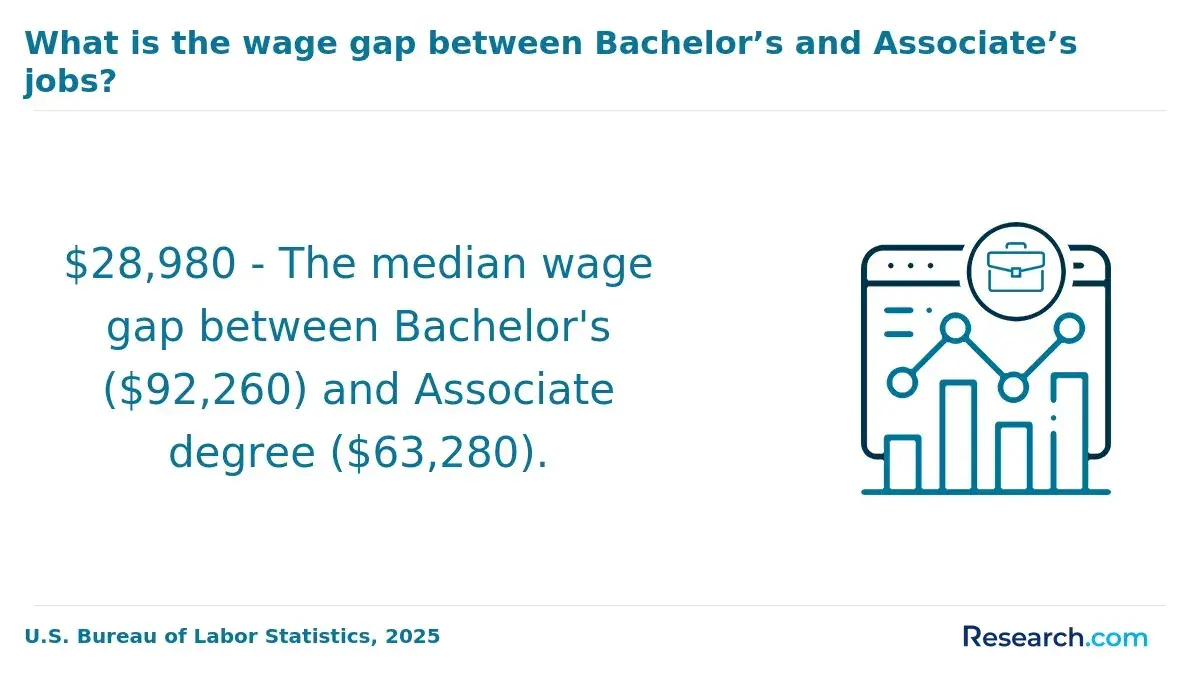
- Entry-Level Salaries: Individuals with a master's degree generally start with salaries between $60,000 and $75,000, noticeably higher than bachelor's degree holders who earn around $45,000 to $55,000, reflecting a 20%-30% premium according to LinkedIn Salary data from 2023.
- Mid-Career Earnings: After 5 to 10 years, master's holders typically earn $85,000 to $110,000, surpassing bachelor's degree peers whose salaries range from $65,000 to $85,000, as reported by Glassdoor.
- Senior-Level Compensation: Seasoned professionals with master's degrees command between $120,000 and $150,000 or more, especially in private industry, while bachelor's graduates rarely exceed $110,000.
- Sector Influence: Private sector roles offer the highest pay, with public and nonprofit positions earning 10%-20% less on average, in line with Bureau of Labor Statistics findings.
- Geographic Impact: Salaries are elevated in energy hubs like Texas, California, and the Northeast, with lower wages typical in rural or less industrialized regions. Metropolitan areas tend to provide the most competitive compensation after cost of living adjustments.
A graduate I spoke with emphasized the transformative value of completing the energy policy master's despite the demanding workload and balancing professional commitments. He noted, "The program deepened my understanding and expanded my network, which directly contributed to securing a higher-paying role."
Reflecting on his journey, he appreciated that the financial investment was justified by opportunities opened through targeted skills and industry connections gained during the degree.
How Does a Energy Policy Master's Degree Impact Long-Term Career Advancement?
Pursuing a master's degree in Energy Policy offers significant advantages beyond initial salary increases, influencing long-term career advancement. Energy policy master's degree holders often enjoy faster career growth and expanded opportunities. This section highlights key factors that shape professional trajectories and the qualitative benefits that come with this advanced credential:
- Promotion Rates: Graduates typically experience accelerated promotion timelines, as employers recognize the expertise and commitment demonstrated by holding a master's degree. This leads to quicker access to higher positions.
- Leadership Roles: The skills developed-analytical thinking, regulatory knowledge, and strategic planning-equip graduates to lead teams and manage complex projects, making them strong candidates for managerial and executive roles.
- Access to Senior Positions: In fields such as government, consulting, and large energy corporations, the degree is often a prerequisite for senior or specialized positions, distinguishing candidates in competitive hiring processes.
- Professional Credibility: The degree signals advanced knowledge and dedication, enhancing one's reputation within the energy sector and fostering greater trust from employers and colleagues.
- Expanded Networks: Graduate programs connect students with faculty, alumni, and industry experts, providing mentorship, job opportunities, and partnerships essential for career growth.
- Employer Preferences: Organizations frequently prefer or require candidates with a master's in Energy Policy for roles involved in policy analysis, regulatory compliance, or strategic planning, underscoring the degree's important role in hiring decisions.
- Industry Variability: The degree is essential in sectors like renewable energy policy and environmental regulation but may be advantageous rather than mandatory in sales or operations roles. Understanding these nuances is key for those evaluating impact of an energy policy master's degree on professional growth.
- Continuing Education: Pursuing doctoral studies or professional certifications after earning the master's degree enhances specialization and earning potential, leveraging the foundational knowledge gained.
For detailed comparisons of degree value and earning potential, students may also explore highest paying majors to contextualize this investment within broader educational pathways.
What Is the Return on Investment (ROI) of a Energy Policy Master's Degree?
Prospective students gain insight into the financial and career outcomes of an energy policy master's degree by examining factors that influence its return on investment. This overview highlights essential components to consider when assessing the program's value against cost and earning potential.
Key points to evaluate include:
- Total Program Cost: This covers tuition, fees, materials, and living expenses. Public universities generally offer more affordable options than private institutions, affecting overall financial returns.
- Lifetime Salary Increase: Graduates can expect a 15-25% salary boost over those holding only a bachelor's degree in related policy fields, enhancing career earning capacity.
- Best-Case ROI Scenario: Alumni from prestigious schools entering fast-growing sectors like renewable energy consulting or government policy roles often recover their investment in roughly 5 to 7 years due to rapid wage advancement.
- Worst-Case ROI Scenario: Those enrolled in costly programs lacking robust career placement support may face payback periods exceeding 10 years, especially if their employment is in lower-paying nonprofit organizations.
- Payback Period: Typically ranges from 6 to 9 years, representing the time needed to offset tuition and related costs through increased income.
- Opportunity Cost: Foregone earnings during full-time study can substantially impact ROI. Utilizing online calculators helps incorporate this alongside direct expenses.
A graduate I spoke with shared that while balancing coursework and personal commitments was challenging, the practical skills gained made job applications smoother. "It wasn't just theory; the connections and real-world projects helped me land a role faster than I expected," they explained.
Though initial sacrifices were significant, the support network and clear career focus made the investment worthwhile in their experience.
What Are the Admission Requirements for a Energy Policy Master's Program?
Admission into a master's program in energy policy typically involves multiple evaluation criteria, with some variation depending on the institution's selectivity. Prospective students should anticipate typical expectations across several application components, including academic benchmarks, testing, and supporting materials.
- Undergraduate GPA Benchmarks: Most programs expect a minimum GPA around 3.0 on a 4.0 scale, though top-tier schools often look for a stronger academic record closer to 3.5. Applicants with backgrounds in related fields like environmental science, economics, or political studies usually have an advantage.
- Standardized Test Requirements: While some programs still request GRE or GMAT scores, a growing number waive these tests. When required, competitive candidates generally score above the 50th percentile, especially on quantitative sections, reflecting analytical aptitude.
- Prerequisite Coursework: Foundational courses in subjects such as statistics, economics, and environmental science are frequently necessary or recommended. Candidates lacking these may need to demonstrate equivalent knowledge through additional study or relevant professional experience.
- Statement of Purpose: This essay is vital for conveying personal motivation, professional ambitions, and alignment with program values. A clear and focused narrative can significantly strengthen an application by highlighting commitment and fit.
- Letters of Recommendation: Usually two or three recommendations are requested from academic or professional sources. Strong endorsements emphasize analytical abilities, leadership qualities, and collaboration skills, enhancing the overall application profile.
- Relevant Work or Research Experience: Hands-on experience in energy, policy, or related sectors adds significant value. Internships, employment, or research projects that showcase applied skills often distinguish candidates ready for graduate study.
- Variability Between Programs: Highly selective schools prioritize research promise and leadership evidence, whereas less competitive programs might focus more on steady academic performance and practical experience. Recognizing these distinctions allows applicants to tailor their submissions effectively.
What Is the Minimum GPA Requirement for a Energy Policy Master's Program?
The minimum GPA requirement for energy policy master's programs typically varies depending on the institution's reputation and selectivity. Highly competitive programs, often connected to top-ranked universities, usually expect a minimum undergraduate GPA around 3.0 on a 4.0 scale, although some may require 3.2 or higher. Less selective schools may accept applicants with GPAs closer to 2.75. Still, a lower GPA does not automatically disqualify candidates.
Admissions committees often consider other elements of an application, making it possible to offset academic shortcomings. Strong work experience, a persuasive personal statement, or high GRE scores can significantly improve an applicant's chances. Applicants with substandard GPAs should also note that conditional admission or probationary enrollment may provide alternative pathways, allowing students to demonstrate their academic ability before earning full acceptance.
Below is a summary of key considerations for those assessing typical GPA cutoffs for admission to energy policy master's degrees and strategies for overcoming GPA challenges:
- Typical GPA Thresholds: Most programs require a minimum GPA near 3.0, but less competitive institutions may permit slightly lower GPAs around 2.75, accommodating a broader range of applicants.
- Work Experience Matters: Relevant professional experience can strengthen applications by demonstrating practical skills and commitment, helping balance a weaker academic record.
- Strong GRE Scores: High GRE results act as evidence of academic preparedness, offering admissions committees confidence that the student can handle graduate-level work.
- Personal Statement Impact: A well-written narrative explaining academic challenges and career goals can positively influence admission decisions by providing context beyond numerical criteria.
- Conditional Admission Options: Some programs grant conditional acceptance or probationary enrollment, requiring students to prove their potential academically during their first semester or year before full admission is finalized.
- Application Strategies: Applicants should emphasize relevant skills, acquire strong recommendation letters, and may consider completing post-baccalaureate coursework to strengthen their applications further.
For those exploring foundational educational paths before a master's degree, it's worth researching a shortest associate degree program to build essential academic skills. This approach can be valuable for applicants whose undergraduate GPA is below typical thresholds and who want to improve their academic standing before applying.
Is an Online Energy Policy Master's Degree as Valuable as an In-Person Degree?
For prospective students evaluating online versus in-person energy policy master's degrees, understanding current employer attitudes and program features is essential. Shifts in perceptions since the COVID-19 pandemic have altered how online credentials are valued, while differences in networking, rigor, and support services remain important factors.
Consider these points when deciding which format aligns best with your goals.
- Employer Acceptance Has Grown: The rise of remote learning during the pandemic led many employers to embrace online degrees more readily. Recent data shows that most hiring managers now consider accredited online master's qualifications on par with traditional degrees in terms of credibility.
- Accreditation Matters Most: The decisive factor for employers is institutional accreditation rather than how coursework is delivered. Both online and in-person degrees from recognized, accredited programs hold comparable weight in hiring and advancement decisions.
- Networking Experiences Vary: On-campus programs usually offer richer face-to-face networking opportunities with peers, faculty, and industry professionals through live events and informal interactions. Online students may encounter challenges but can access industry connections via virtual platforms and alumni networks.
- Career Services Differ: Many accredited online programs provide extensive career resources such as virtual advising and job placement assistance. However, personalized services may be more accessible at residential programs with dedicated campus recruitment and employer engagement.
- Academic Rigor Is Comparable: Quality online energy policy master's degrees maintain standards similar to their on-campus counterparts, including equivalent coursework and faculty expertise. Prospective students should review curricula and faculty backgrounds rather than focusing solely on delivery mode.
- Advantages of Online Format: Flexibility and accessibility make online degrees particularly beneficial for working professionals, international learners, and those balancing family commitments without compromising degree legitimacy.
- In-Person Benefits: For those seeking direct mentorship, immersive collaboration, or access to local industry hubs, attending on-campus programs can offer valuable networking and experiential learning opportunities.
What Jobs Can You Get With a Energy Policy Master's Degree?
For those considering a master's degree in energy policy, understanding the specific career opportunities and the value of the credential in different sectors is essential. Various roles span government, private industry, and nonprofit organizations, with some positions requiring the degree explicitly while others regard it as a competitive edge.
The following list highlights key job titles, industry contexts, and additional qualifications that prospective graduates should know.
- Energy Policy Analyst: Frequently employed by government bodies, research institutes, and consulting firms, these analysts rely on a master's degree to navigate complex regulations and market dynamics. Salaries generally range from $70,000 to $110,000 and vary by experience and location.
- Energy Consultant: Operating mainly within the private sector, consultants advise on sustainable energy approaches. Though a master's degree is not always mandatory, it considerably enhances employment prospects and earning potential, typically between $80,000 and $130,000, often complemented by performance bonuses.
- Renewable Energy Project Manager: These professionals oversee the execution of large-scale renewable initiatives, requiring a blend of technical expertise and policy insight. Employers prioritize candidates with master's credentials alongside certifications like PMP, offering salaries from $90,000 to $140,000.
- Regulatory Affairs Specialist: Specializing in compliance and advocacy, this role sometimes mandates additional legal or policy certifications alongside the master's degree. Compensation usually starts around $75,000, with higher pay found in federal agencies or leading corporations.
- Environmental and Energy Economist: This position focuses on energy market modeling and policy evaluation using advanced econometrics. A master's in energy policy or related economics fields is critical, with salaries typically ranging from $85,000 to $125,000 in academia, research, or finance settings.
- Energy Policy Advisor: Working closely with policymakers and executives, advisors translate policy into actionable programs. A master's degree is highly preferred for these roles, especially within government, where salaries often exceed $100,000 reflecting the importance of their expertise.
How Do Employers and Industries Value a Energy Policy Master's Degree?
Employer perceptions play a vital role in how the energy policy master's degree is valued across different sectors, influencing hiring decisions and career advancement. Recognizing which industries prioritize this credential helps students gauge its practical impact on their professional journey.
For those assessing the value of energy policy degree in industry contexts, understanding these nuances is essential.
- Industry-Specific Demand: Government agencies and large corporations involved in energy regulation or environmental compliance often consider the master's degree essential for policy analysis and development roles, viewing it as a key qualification in hiring and promotion.
- Credential Hierarchy: In public and nonprofit sectors, the energy policy master's degree frequently serves as the standard professional credential. Conversely, research-heavy or leadership positions may prefer candidates with doctorates or MBAs, especially where advanced analytics or strategic business expertise is required.
- Employer Sentiment: Surveys consistently highlight that employers value this degree's blend of technical knowledge and policy insight, particularly for mid-level and senior roles. Effective communication of skills like regulatory knowledge and stakeholder engagement strengthens candidates' prospects.
- Communicating Degree Value: Tailoring applications to emphasize relevant expertise, such as data analysis or regulatory expertise, enhances alignment with employer priorities. Demonstrating how the degree supports organizational goals can improve hiring outcomes in competitive energy sectors.
Prospective students should also compare returns by investigating financial considerations including program costs and career salary data. For a broader understanding of affordable options in related fields, exploring resources like the online MS data science programs can provide useful cost-benefit insights.
Is a Energy Policy Master's Degree Worth It?
For those considering a master's degree in energy policy, understanding how various employers value this credential is essential to assessing its career impact. Different sectors weigh the degree's benefits uniquely, influenced by their operational priorities and role requirements.
- Employer Type Influence: Large corporations and government bodies often favor candidates holding an energy policy master's for positions related to regulatory compliance and strategic initiatives. While startups and nonprofit organizations may prioritize hands-on experience, they still acknowledge the degree's relevance for leadership and policy formulation roles.
- Industry Survey Insights: Research shows that approximately 60% of employers within the energy sector prefer applicants with a master's in energy policy for mid- to senior-level jobs, particularly within areas focusing on public policy and sustainability strategy.
- Disciplinary Variation: In many energy-related disciplines, the master's degree represents the highest required qualification, especially for roles centered on policy analysis. Conversely, positions in advanced research or executive management frequently require candidates to possess doctorates or MBA degrees.
- Communicating Value Effectively: Applicants should emphasize their ability to apply policy analysis, quantitative methods, and collaborative project management. Demonstrating how the degree strengthened problem-solving skills and engagement with diverse stakeholders helps bridge academic accomplishments with employer expectations.
What Graduates Say About Their Energy Policy Master's Degree
- Morgan: "Applying for admission to the energy policy master's program was a rigorous yet rewarding process, and it made me appreciate the importance of thoroughly researching official academic catalogs before submitting my application. The program's curriculum aligned perfectly with my career goals, and navigating the job landscape afterward revealed the growing demand for graduates in both public and private sectors. This degree truly opened doors I hadn't anticipated, combining theory with practical skills that employers value."
- Denver: "Reflecting on my journey through the energy policy master's degree, I realize that relying heavily on accrediting agencies and federal education resources was crucial in understanding degree requirements and ensuring I stayed on track. It gave me confidence to focus on the specialized courses that mattered most for my aspirations in renewable energy consulting. Post-graduation, the competitive job market prompted me to leverage networking and internship experiences, which the program encouraged and facilitated effectively."
- Kacey: "My experience with the energy policy master's program was both challenging and fulfilling. The admission process demanded careful preparation, and I found that the official academic catalogs were invaluable for clarifying the exact expectations and course sequences. Once I graduated, navigating the diverse industries hiring energy policy experts was a learning curve, but the program's solid foundation and emphasis on real-world applications helped me transition smoothly into a policy analyst role."
Other Things You Should Know About Energy Policy Degrees
An energy policy master's degree provides a comprehensive, in-depth understanding of energy systems, regulatory environments, and policy analysis, typically over one to two years of full-time study. Professional certifications, such as those in energy management or sustainability, tend to be shorter and more specialized. While certifications can enhance specific skills and may be suitable for ongoing professional development, a master's degree offers broader theoretical foundations and greater career advancement potential.
One major challenge is the financial cost, as tuition and related expenses can be significant. The job market for energy policy graduates, while growing, can be competitive depending on geographic location and economic conditions. Additionally, staying current with rapidly evolving technologies and regulatory changes requires continuous learning beyond the degree. Students should also consider balancing the program demands with personal and professional commitments.
In 2027, graduates with a master's degree in energy policy can expect robust career opportunities across government agencies, consulting firms, and non-profits. As global focus shifts toward sustainability, demand for professionals skilled in energy policy formulation and implementation continues to grow, offering competitive salaries and significant career impact.
References
- Influencing Energy Policy Advisor Job Description https://enable.green/esg-roles/green-energy-careers/energy-policy-advisor-job-description/
- 5 Key Insights on the State of US Clean Energy Jobs https://www.wri.org/insights/clean-energy-jobs-us-report-findings
- 5 things to do with a Masters Degree in Energy and Environment | YourStory https://yourstory.com/mystory/db929cca2e-5-things-to-do-with-a
- DOE Report Shows Clean Energy Jobs Grew at More Than Twice the Rate of Overall U.S. Employment https://www.energy.gov/articles/doe-report-shows-clean-energy-jobs-grew-more-twice-rate-overall-us-employment
- Find Master's in Energy Policy Programs - EnergyDegrees.org https://www.energydegrees.org/programs/masters-in-energy-policy/
- Is a Master's in Sustainability Worth It? https://leadthechange.bard.edu/blog/career-focused-masters-degree
- Economics and Policy of Energy and the Environment MSc https://www.ucl.ac.uk/prospective-students/graduate/taught-degrees/economics-and-policy-energy-and-environment-msc
- Course Requirements https://mets.rice.edu/course-requirements
- SEDV Tuition & Scholarships https://spp.ucalgary.ca/future-students/msc-sustainable-energy-development/tuition-scholarships
- Master of Science (MSc) in Energy Management https://escp.eu/programmes/specialised-masters-MSc/MSc-in-energy-management