2027 Is an Information Technology Master's Degree Worth It? ROI, Salary & Career Impact

Co-Founder and Chief Data Scientist
A master’s degree in information technology can be a strong career investment, but it is not automatically the best path for every IT professional. The right decision depends on your current role, target job, employer expectations, tuition price, ability to keep working while enrolled, and whether a shorter credential could produce the same career outcome.
Recent data shows that the median salary for information technology master’s degree holders in the US is approximately $112,000, compared to $85,000 for those with only a bachelor’s degree. That salary gap can make graduate school attractive, especially for professionals moving into cybersecurity, data science, cloud architecture, systems leadership, or IT management. Still, tuition, fees, living costs, and lost income can change the return on investment significantly.
This guide breaks down the major financial and career factors behind the decision: program cost, financial aid, salary expectations, long-term advancement, admissions requirements, online versus in-person value, job options, employer perceptions, and alternatives such as certifications. Use it to decide whether an information technology master’s degree fits your goals, budget, and timeline.
Key Things to Know About the Value of Information Technology Master's Degree
- Admission typically requires a bachelor's degree and relevant experience; programs offer flexible formats, from part-time to online, allowing students to balance work and study efficiently.
- Graduates report median salaries around $90,000, with roles in cybersecurity, network administration, and data analytics demonstrating strong earning potential.
- Long-term growth depends on program reputation, curriculum relevance, and cost; evaluating ROI involves comparing financial aid, career services, and alignment with industry certification standards.
How Much Does a Information Technology Master's Degree Cost?
The cost of a master’s degree in information technology varies widely by school type, residency status, delivery format, enrollment pace, and living situation. Before comparing programs, calculate the full price of attendance rather than focusing only on tuition. For many students, fees, software, housing, commuting, and the income lost from reducing work hours can materially affect ROI.
The demand for advanced IT training remains strong, and salary growth in the sector is projected at an average of 8% annually according to the U.S. Bureau of Labor Statistics. Even so, a higher salary after graduation is not guaranteed, so students should compare realistic career outcomes against the full cost of the degree.
Prospective students evaluating any college program should review these major cost categories:
| Cost category | Typical range or consideration | How to evaluate it |
| Tuition fees | Public universities generally charge between $10,000 and $30,000 per year for in-state students. Out-of-state tuition ranges from $20,000 to $45,000 annually, while private institutions usually set fees between $30,000 and $60,000 per year. | Confirm whether tuition is charged per credit, per term, or per year, and ask whether online students pay different rates. |
| Online program costs | Online information technology master’s degrees commonly fall between $15,000 and $40,000 for the entire program, depending on the school’s reputation and program resources. | Check whether online tuition includes technology fees, proctoring charges, software access, and required campus visits. |
| Program length | Most full-time programs take 1.5 to 2 years to complete. Accelerated options may reduce completion time but often cost more annually. Part-time enrollment can spread tuition fees over several years. | Compare the total cost, not just the annual cost. A slower pace may preserve income but extend the time before you see a salary benefit. |
| Ancillary expenses | Textbooks, software fees, and technology charges typically add $1,000 to $2,500 per year. Housing and living expenses vary widely, especially in urban areas, where costs can range from $15,000 to $25,000 annually. | Ask for a published cost-of-attendance estimate and build a personal budget that includes commuting, equipment, and exam or certification fees. |
| Total investment range | When combining tuition, fees, and living expenses, students should anticipate spending between $40,000 and $100,000 to complete a master’s in information technology. | Model best-case, expected, and worst-case costs before enrolling. Residency status, institution type, and lifestyle choices can change the final amount substantially. |
Cost questions to ask before applying
- Is the program priced by credit or by term? Per-credit pricing can be easier to forecast, while term-based pricing may favor students who can handle a heavier course load.
- Can you keep working while enrolled? Staying employed can reduce opportunity cost, but it may also limit how quickly you complete the degree.
- Are prerequisite or bridge courses required? Students without a technical undergraduate background may need extra coursework that increases both cost and time.
- Does the curriculum include industry tools? Programs that include cloud platforms, cybersecurity labs, analytics software, or capstone projects may offer practical value, but students should confirm whether access is included in tuition.
What Financial Aid and Scholarships Are Available for Information Technology Master's Students?
Graduate students in information technology can use several funding sources, but the best aid is the money that does not need to be repaid. Start with scholarships, grants, fellowships, assistantships, and employer tuition assistance before relying heavily on loans. According to the National Center for Education Statistics, average graduate tuition increased by over 20% in the last decade, making early funding research important.
Common financial aid options for IT master’s students include:
- Federal graduate loans: Direct Unsubsidized Loans accrue interest during study, while Grad PLUS Loans can cover additional approved costs. Repayment typically begins six months after graduation or after dropping below half-time enrollment.
- Institutional grants and fellowships: Many universities offer merit-based or need-based awards for graduate students in computing, information systems, cybersecurity, analytics, or related IT fields. These awards do not require repayment and may consider academic strength, professional experience, and career goals.
- External scholarships: Organizations like the Computing Research Association and IEEE provide competitive scholarships for information technology students. Eligibility often depends on academic performance, leadership potential, research interest, or professional commitment.
- Employer tuition assistance: Some employers pay part or all of graduate tuition, especially when the degree aligns with current or future business needs. Read the agreement carefully because it may require minimum grades, approved courses, or continued employment after graduation.
- Assistantships or campus employment: Some schools offer teaching, research, or administrative roles that can reduce tuition or provide a stipend. Availability is more common in campus-based programs but can vary by department.
- Application strategy: Use scholarship databases such as Fastweb and the Department of Education’s scholarship portal, but also check the graduate school, IT department, alumni association, and professional societies. Tailor each application around measurable experience, technical projects, leadership, and career purpose.
How to compare aid offers
| Aid type | Best feature | Important caution |
| Scholarships and grants | Do not need to be repaid | May be competitive, renewable only under certain conditions, or limited to specific concentrations |
| Employer tuition assistance | Can significantly reduce out-of-pocket cost | May require continued employment or repayment if you leave the company |
| Federal loans | Can help cover tuition and approved living costs | Interest and repayment obligations can reduce the degree’s net financial return |
| Assistantships | May provide tuition support and work experience | Can add time pressure, especially for students working outside school |
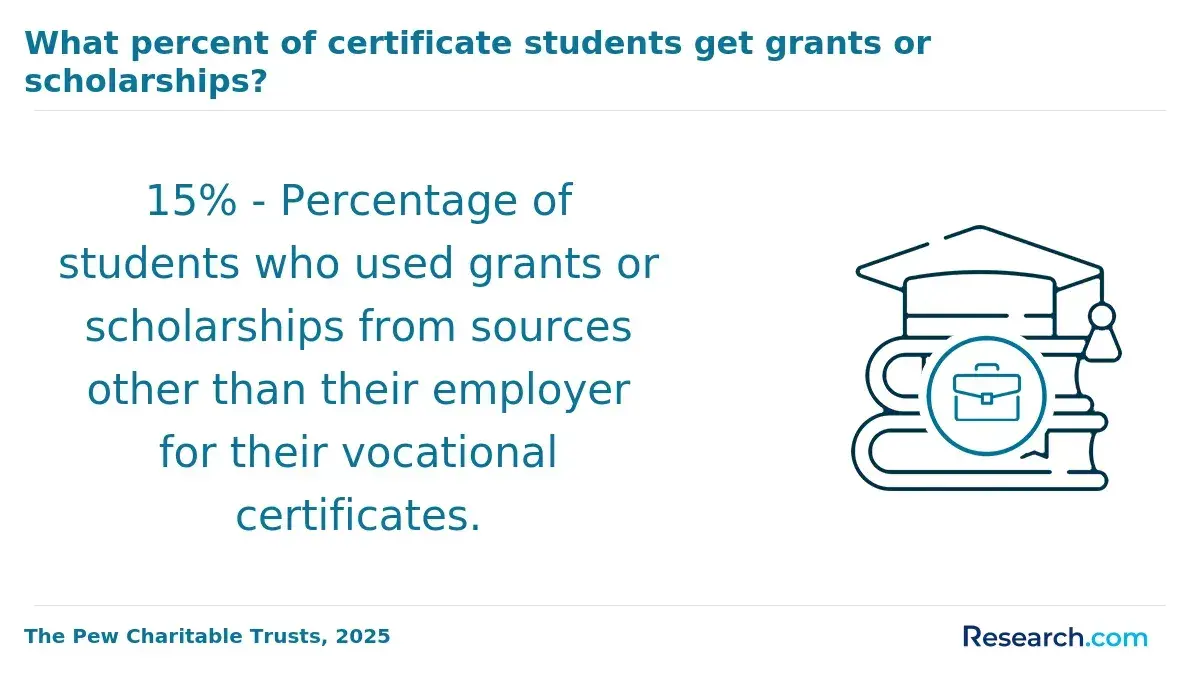
Students should also compare a master’s degree with shorter professional credentials. Depending on the target role, online certifications that pay well may complement a graduate degree or, in some cases, meet the employer’s requirement at a lower cost.
What Is the Average Salary for Information Technology Master's Degree Holders?
Salary outcomes for information technology master’s degree holders depend on job function, experience, industry, region, and whether the degree leads to a higher-responsibility role. The degree is most financially valuable when it helps a professional move from execution-focused work into architecture, management, cybersecurity leadership, analytics, cloud strategy, or systems planning.
- Entry-level salaries: Professionals with an information technology master’s generally start with annual salaries ranging from $70,000 to $85,000, which is roughly 15-20% higher than bachelor’s degree holders. This advantage is strongest when the graduate has relevant internships, projects, certifications, or prior technical experience.
- Mid-career growth: After five to ten years, those with a master’s see salaries typically between $95,000 and $120,000, outpacing bachelor’s degree earners who average $80,000 to $100,000. The degree can help open roles that require broader technical judgment or team leadership.
- Senior-level earnings: Experienced IT professionals holding a master’s can command salaries from $130,000 up to $160,000, exceeding bachelor’s degree peers by 20-30%. Senior roles may include IT directors, systems architects, or cybersecurity managers.
- Sector impact: Private industries, especially technology and finance, tend to offer higher base pay than public or nonprofit sectors. Public and nonprofit roles may offer other advantages, such as stability, mission alignment, or benefits.
- Geographic differences: Salaries are typically highest in tech hubs like Silicon Valley, New York, and Boston. Rural and less tech-centric areas usually offer lower wages, though lower living costs can partly offset the difference.
What affects your salary more than the degree alone?
- Specialization: Cybersecurity, data science, cloud computing, AI, and enterprise architecture may produce stronger salary outcomes than generalist IT tracks.
- Evidence of applied skill: Employers look for completed projects, systems implemented, security risks reduced, data products built, or teams led.
- Certifications: In some roles, industry certifications can increase credibility when paired with graduate-level study.
- Leadership scope: Managing budgets, vendors, compliance, infrastructure, or cross-functional teams can raise earning potential.
One graduate of an information technology master’s program described the experience as demanding but career-changing. They worked full time while handling projects and exams, often studying late at night. The payoff came when new opportunities with significantly higher salaries opened soon after graduation. “The degree pushed me to deeper technical skills and leadership readiness,” they said. Their experience shows why the degree can matter most when it is tied to a clear next role, not pursued only as a general credential.
How Does a Information Technology Master's Degree Impact Long-Term Career Advancement?
A master’s degree in information technology can support long-term advancement by strengthening both technical depth and leadership credibility. Its value is usually greatest for professionals who want to move into strategic roles, manage complex systems, lead technical teams, or specialize in high-stakes areas such as cybersecurity, data science, healthcare IT, or cloud infrastructure.
- Promotion and leadership opportunities: A master’s degree can speed up eligibility for mid-to-senior roles. Employers may view the credential as evidence of advanced technical preparation and managerial potential, especially for positions such as IT manager, IT director, enterprise architect, or chief technology officer.
- Professional credibility and employer preference: Some strategic roles prefer or require a graduate degree. Even when it is not mandatory, the credential can strengthen a candidate’s case during hiring, promotion, and contract discussions.
- Expanded professional networks: Graduate programs connect students with faculty, alumni, classmates, and industry partners. These relationships can lead to mentorship, referrals, collaboration, and early awareness of job openings.
- Industry-specific value: In fields such as cybersecurity, data science, or healthcare IT, a master’s degree is frequently useful for moving beyond entry-level roles. In some startups or highly practical engineering environments, however, demonstrated experience may matter more than formal education.
- Continued education and certifications: A master’s degree can provide a foundation for doctoral study or advanced certifications. Ongoing learning is particularly important in IT because tools, threats, platforms, and employer needs change quickly.
When the degree is most likely to help advancement
| Career goal | How the degree may help | What else may be needed |
| Move into IT leadership | Builds credibility in systems planning, governance, budgeting, and technical decision-making | Management experience, communication skills, and measurable business impact |
| Specialize in cybersecurity or data science | Provides advanced technical training and structured project work | Relevant tools, certifications, portfolios, and hands-on experience |
| Shift from technical contributor to architect | Develops broader understanding of infrastructure, integration, risk, and scalability | Experience designing or improving real systems |
| Compete for public-sector or regulated-industry roles | May satisfy preferred or required education standards | Compliance knowledge, security clearance when applicable, and domain expertise |
Students planning a longer education pathway should evaluate affordability early. Some begin by comparing lower-cost undergraduate options, including those researching the cheapest online college bachelor degree, before deciding whether graduate study later makes financial sense.
What Is the Return on Investment (ROI) of a Information Technology Master's Degree?
The return on investment of an information technology master’s degree is the relationship between what you spend and what the degree helps you earn or achieve. A strong ROI usually requires three conditions: a reasonable program cost, continued or improved employment during or soon after study, and a clear connection between the curriculum and higher-paying roles.
- Total program cost: Costs include tuition, fees, materials, and living expenses. Public institutions generally present more affordable options, with master’s degrees ranging from approximately $20,000 to $60,000. A higher-cost program is not automatically a poor investment, but the expected salary outcome must justify the price.
- Lifetime salary premium: Graduates typically command salaries 25% to 40% above those holding only bachelor’s degrees, influenced by specialization and experience. This premium is one of the main reasons the degree can be financially attractive.
- Payback period: The typical time frame to offset education expenses through additional income ranges from 3 to 7 years. Part-time students who maintain employment often experience shorter recoup times compared to full-time students without income.
- Opportunity cost: Lost earnings while studying must be included in ROI calculations. Students who leave the workforce or reduce hours substantially should account for income, benefits, retirement contributions, and career momentum they may give up temporarily.
- Institutional variability: Graduates from top-tier programs or in in-demand fields like cybersecurity or data science often enjoy superior ROI compared to those from lesser-known schools or saturated markets.
A practical ROI framework
| Question | Why it matters |
| What role am I targeting after graduation? | ROI is easier to estimate when the degree is tied to a specific promotion, specialization, or job change. |
| What is the full cost of attendance? | Tuition alone understates the investment if fees, software, housing, and lost income are ignored. |
| Can I work while enrolled? | Maintaining income can shorten the payback period and reduce borrowing. |
| Would a certification accomplish the same goal? | Some technical roles reward certifications and portfolios as much as, or more than, a graduate degree. |
| Does the program have strong career alignment? | Courses, capstones, faculty expertise, and employer connections should match your intended field. |
One graduate said that balancing coursework with a part-time job required careful planning but helped reduce financial pressure. “The initial workload was intense, and I worried about balancing everything. Still, earning while studying eased financial stress and shortened the time before I noticed a real salary boost.” That experience highlights a key ROI lesson: the same degree can produce different returns depending on enrollment pace, work status, cost, and career strategy.
What Are the Admission Requirements for a Information Technology Master's Program?
Admission requirements for information technology master’s programs vary by institution, but most programs look for evidence that applicants can handle graduate-level technical work. Competitive applicants usually show a mix of academic readiness, relevant experience, clear goals, and communication ability.
- Undergraduate GPA: A minimum GPA around 3.0 on a 4.0 scale is common, though highly ranked schools often expect at least 3.3. Strong grades in computing, mathematics, analytics, engineering, or related courses can help demonstrate readiness.
- Standardized tests: Many programs still require GRE scores, especially to assess quantitative and analytical skills, but some have adopted test-optional policies. The GMAT is less frequently requested but may apply to programs that combine technology and business.
- Prerequisite coursework: Foundational coursework in computer science, programming, or mathematics is generally important. Applicants from nontechnical backgrounds may need bridge courses before or during the program.
- Statement of purpose: A strong essay explains why the applicant wants the degree, which specialization or career goal they are pursuing, and why the specific program fits that plan.
- Letters of recommendation: Academic or professional references should speak to the applicant’s technical ability, problem-solving, work ethic, leadership potential, and readiness for graduate study.
- Relevant experience: Work or research in IT-related roles can strengthen an application. Experience in software development, cybersecurity, systems administration, data analysis, cloud computing, or IT project management is especially relevant.
How to strengthen an application
- Match your goals to the curriculum: Mention courses, concentrations, labs, capstones, or faculty areas that connect directly to your intended career path.
- Show evidence, not just interest: Include completed projects, certifications, technical tools, leadership examples, or measurable workplace results.
- Address weaknesses directly: If your GPA, prerequisites, or test scores are weaker, explain what changed and provide evidence of current readiness.
- Apply to a balanced school list: Consider a mix of reach, target, and likely-admission programs based on your academic profile and experience.
What Is the Minimum GPA Requirement for a Information Technology Master's Program?
A minimum undergraduate GPA of around 3.0 on a 4.0 scale is commonly expected for information technology master’s programs. More competitive programs often require GPAs of 3.3 or higher, while some programs may consider applicants below the stated threshold if the rest of the application is strong.
A lower GPA does not always end the admissions process. Many universities review applications holistically, weighing work experience, prerequisite performance, standardized test scores, personal statements, recommendations, certifications, and evidence of recent academic or technical success.
- Minimum GPA standards: Most programs set a baseline GPA near 3.0, though this can fluctuate between 2.8 and 3.5 based on program prestige and selectivity.
- Work experience compensation: Relevant IT work can help offset a lower GPA because it shows applied ability and professional maturity. Admissions committees may value experience in systems, security, software, analytics, networking, or technical leadership.
- Test scores and personal statements: Strong GRE or other standardized test results, when accepted, can support an application. A personal statement should explain GPA challenges briefly and focus on evidence of improvement.
- Conditional admission and probationary enrollment: Some institutions offer conditional acceptance or probationary enrollment. Students may need to earn specific grades in initial courses before gaining full standing.
- Application strategy for low GPAs: Applicants can strengthen their profile through prerequisite courses, certifications, recent technical projects, professional recommendations, and conversations with admissions counselors.
What to do if your GPA is below the requirement
- Confirm whether the GPA cutoff is firm. Some programs publish a preference rather than an absolute rule.
- Take or retake relevant coursework. Strong recent grades in programming, databases, statistics, networking, or cybersecurity can show current readiness.
- Use your resume strategically. Emphasize measurable technical achievements, promotions, leadership, and projects.
- Choose recommenders carefully. Select supervisors or instructors who can speak directly to your ability to succeed in rigorous work.
- Explain without overexplaining. Briefly address the GPA, then shift to what you have done since to become a stronger candidate.
Students comparing graduate programs often evaluate affordability alongside admissions fit. Resources on options such as master's in psychology online cheap programs can illustrate how cost comparisons, funding strategies, and program selection principles apply across fields.
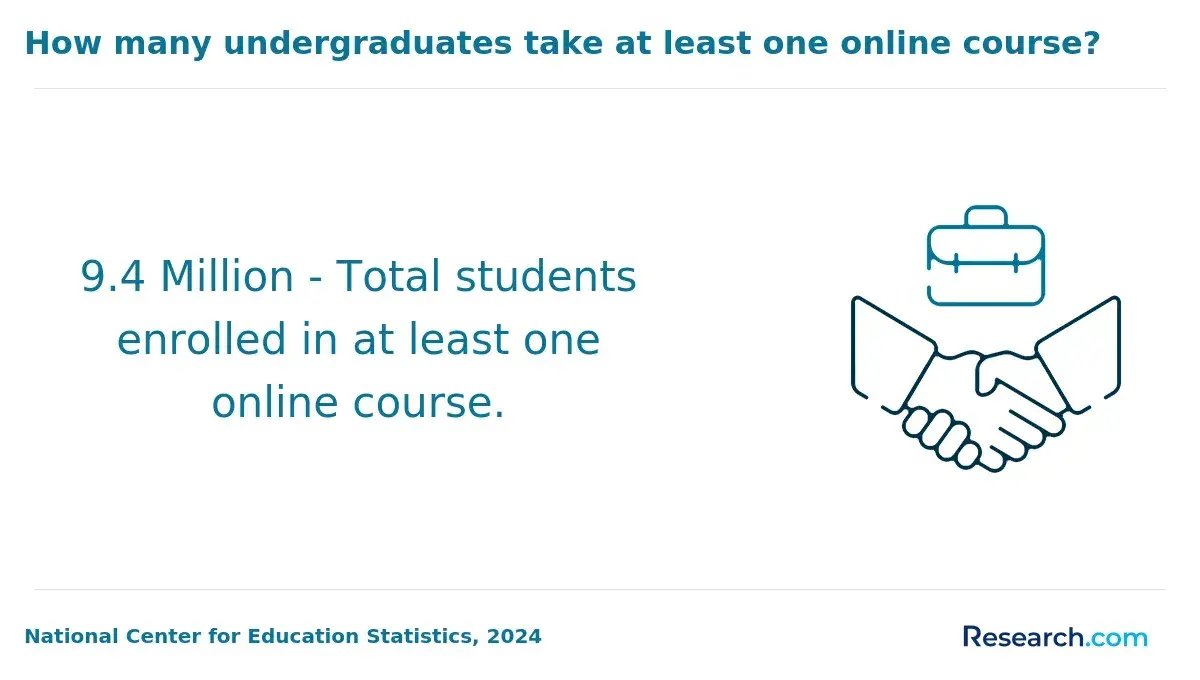
Is an Online Information Technology Master's Degree as Valuable as an In-Person Degree?
An online information technology master’s degree can be as valuable as an in-person degree when it comes from an accredited institution, uses rigorous coursework, provides access to qualified faculty, and supports career development. Employers generally care less about the delivery format than about program quality, institutional reputation, skills gained, and the candidate’s ability to apply those skills.
- Shifting employer views: The normalization of remote learning since the COVID-19 pandemic has increased acceptance of online degrees, especially from accredited institutions. Many employers now evaluate online and campus-based credentials similarly when academic standards are comparable.
- Equivalent academic standards: Accredited online programs often use the same curriculum, faculty expertise, assignments, and assessments as campus programs. Students should verify this rather than assume all online programs are equal.
- Networking differences: On-campus programs usually offer more organic face-to-face networking with classmates, faculty, alumni, and recruiters. Online programs may provide virtual networking, discussion groups, live sessions, and alumni access, but the strength of these resources varies.
- Career support variability: In-person students may have easier access to campus career fairs and local employer events. Online learners should check whether they receive the same career coaching, resume support, job boards, employer introductions, and alumni services.
- When online works best: Online programs are often well suited to working professionals, caregivers, military students, international students, and others who need scheduling flexibility.
- Advantages of in-person attendance: Campus programs may be stronger for students who want immersive labs, local industry connections, structured peer interaction, or a more traditional academic environment.
- Accreditation as the key factor: Accreditation, not the online or in-person label, is the primary quality signal. Students should also review graduation requirements, faculty credentials, student outcomes, and employer relationships.
Online versus in-person: how to choose
| Choose online if... | Choose in person if... |
| You need to keep working full time while studying. | You want regular face-to-face access to faculty and classmates. |
| You are comparing lower-cost programs outside your region. | You value campus labs, local recruiting, and in-person events. |
| You are disciplined with independent study and remote collaboration. | You learn better with fixed schedules and classroom accountability. |
| Your target employers accept accredited online credentials. | Your target region or industry recruits heavily from local campuses. |
What Jobs Can You Get With a Information Technology Master's Degree?
A master’s degree in information technology can lead to technical leadership, systems strategy, security, analytics, cloud, AI, and management roles. Some positions may require the degree, while others treat it as a competitive advantage when paired with experience, certifications, and a strong record of delivery.
- IT Director or Chief Information Officer: These senior leaders guide technology strategy and system operations in large organizations. A master’s degree is often mandatory, enhancing leadership credibility and correlating with salaries commonly above $150,000.
- Data Scientist: This role benefits from graduate-level analytical, statistical, and computational training. Professionals often earn well over $120,000, reflecting demand for advanced data interpretation and modeling skills.
- Cybersecurity Manager: Cybersecurity managers oversee security frameworks, risk mitigation, teams, and incident response planning. The role usually requires a master’s degree alongside certifications such as CISSP. Earnings range between $110,000 and $140,000, influenced by expertise and geography.
- Software Development Manager: This role manages software teams, delivery timelines, technical priorities, and product quality. A master’s degree is valued but not always required, and it can support salaries exceeding $120,000.
- Cloud Solutions Architect: Cloud architects design and manage cloud infrastructure. Advanced qualifications, including a master’s degree combined with credentials like AWS certification, can lead to pay surpassing $130,000.
- AI and Machine Learning Engineer: These engineers apply advanced knowledge in artificial intelligence and machine learning. Compensation often exceeds $140,000, with practical experience and continued learning critical to success.
- Healthcare IT Manager: Healthcare IT managers work at the intersection of technology, operations, and regulation. They require a master’s degree plus understanding of rules such as HIPAA. Salaries typically range from $100,000 to $130,000, depending on setting and expertise.
Which roles are best aligned with a master’s degree?
| Role type | Degree value | Additional proof employers may expect |
| Leadership and management | High, especially for director-level and strategic roles | Team leadership, budgets, vendor management, communication, and business results |
| Cybersecurity | High in advanced and managerial roles | Certifications, incident response experience, risk management, and compliance knowledge |
| Data science and AI | High when the curriculum includes analytics, modeling, and applied projects | Portfolio, programming ability, domain knowledge, and deployed models or analyses |
| Cloud and systems architecture | Moderate to high for complex enterprise roles | Cloud certifications, architecture experience, scalability work, and security knowledge |
| General software development | Varies by employer and role level | Code quality, shipped products, technical interviews, and engineering experience |
How Do Employers and Industries Value a Information Technology Master's Degree?
Employers value an information technology master’s degree differently depending on the industry, role, and organization size. The credential is most persuasive when it signals a practical ability to solve complex technology problems, lead people or projects, and connect technical decisions to organizational goals.
- Large corporations favor advanced credentials: Many large companies view a master’s degree in information technology as evidence of technical depth and leadership potential. It can influence promotion eligibility and selection for project management, architecture, systems modernization, and innovation-focused roles.
- Government agencies prioritize relevant expertise: Advanced degrees are commonly required or preferred for specialized roles like cybersecurity and data analysis. Government employers may value the credential because it supports technical competence, compliance expectations, and critical infrastructure needs.
- Startups value skills over degrees: Startups often emphasize demonstrable skills, adaptability, speed, and product impact. A master’s degree can still help, especially for technical leads, founders, or candidates responsible for strategy, architecture, or investor-facing credibility.
- Nonprofits recognize degree benefits conditionally: Nonprofits may value advanced IT training for system optimization, cybersecurity, data management, and technology planning. However, budget limitations can restrict salary premiums tied directly to degree attainment.
- Disciplinary variation within IT fields: In cybersecurity and data science, the master’s degree is often the terminal professional credential. In IT management, some employers may prefer an MBA, while research-intensive careers may favor doctoral qualifications.
- Effective communication of degree value: Candidates should connect the degree to outcomes: systems improved, risks reduced, data insights delivered, processes automated, teams led, or costs controlled. Employers respond to evidence, not just credentials.
How to present the degree to employers
- Translate coursework into business value. Instead of listing class names only, explain what you built, analyzed, secured, optimized, or led.
- Highlight capstone and applied projects. Use projects as proof of job-ready skill, especially if you are changing specializations.
- Pair the degree with certifications where appropriate. Certifications can validate specific platforms or frameworks that a broad graduate program may not emphasize.
- Customize your resume by industry. A financial services employer may prioritize security and compliance, while a startup may prioritize delivery speed and technical flexibility.
Students evaluating whether education will lead to strong career outcomes should compare cost, curriculum, salary expectations, and employer demand. The same decision process applies in specialized technology-adjacent fields; for example, students researching video game programs should also weigh affordability against career potential.
Is a Information Technology Master's Degree Worth It?
An information technology master’s degree is worth it for professionals who need advanced technical training, want to move into leadership or specialized roles, and can complete the program at a cost that matches realistic salary gains. It is less likely to be worth it if your target role rewards certifications, portfolios, or experience more than graduate education, or if the program cost requires borrowing that the expected salary increase cannot support.
- Employer type perspectives: Large corporations generally consider an IT master’s degree evidence of advanced expertise and leadership readiness. Government roles often require or prefer the degree for specialized functions like cybersecurity, though practical certifications may compete closely. Startups prioritize hands-on experience but may value the degree for strategic or managerial roles. Nonprofits tend to value the degree when combined with proven impact on IT-focused initiatives.
- Survey insights: Research indicates around 60% of technology-sector hiring managers believe a master’s degree boosts candidate competitiveness, especially in systems architecture and data analytics roles. Positions emphasizing programming or technical support often place greater weight on experience over formal education.
- Disciplinary differences: In areas such as cybersecurity and data science, the master’s is often the highest professional qualification required. Executive or leadership tracks may favor an MBA or doctoral degree for top-tier advancement opportunities, depending on the employer and role.
- Communicating degree value: Candidates should highlight problem-solving, technical skills, leadership, and applied projects developed through their studies. Concurrent certifications can reinforce the practical value of the degree.
When the degree is likely worth it
- You are targeting IT leadership, cybersecurity management, data science, cloud architecture, AI, healthcare IT, or enterprise systems roles.
- Your employer requires or strongly prefers a graduate degree for promotion.
- You can keep working while studying or secure enough aid to control borrowing.
- The program offers applied projects, relevant concentrations, credible faculty, and career support aligned with your goals.
- The expected salary increase can reasonably offset tuition, fees, and opportunity cost within your preferred timeline.
When to consider alternatives first
- You are pursuing an entry-level technical support or programming role where a portfolio and certifications may matter more.
- You already have strong experience and only need a specific platform credential.
- The program is expensive, weakly connected to your target role, or lacks meaningful career services.
- You are unsure which IT specialization you want and may benefit from lower-cost certificates or short courses before committing to graduate school.
The strongest answer is not simply “yes” or “no.” A master’s in information technology is worth it when it is part of a clear career plan and the total cost is reasonable relative to the roles it can help you access.
What Graduates Say About Their Information Technology Master's Degree
- : "“Applying to the information technology master’s program became much easier once I reviewed the official academic catalogs and used the university’s admissions portal carefully. After graduation, I learned that employers valued the degree, but they also wanted practical skills and certifications. Federal education resources helped me understand requirements and stay on track.” — Amy"
- : "“At first, I was unsure about the admission prerequisites, but accrediting agencies and official program guidelines helped clarify what I needed. Speaking with alumni in different tech sectors made the career options feel more concrete. Trusted academic resources were essential for managing the workload and completing the degree efficiently.” — Wilma"
- : "“The application process required close attention to detail, so I relied heavily on the university’s official academic materials. When I entered the job market, I noticed that employers appreciated candidates who understood industry needs and skills gaps. That helped me choose courses more strategically and graduate ready to contribute.” — Eden"
Other Things You Should Know About Information Technology Degrees
In 2027, the biggest expenses associated with pursuing an IT master's degree include tuition fees, which can range from $20,000 to $60,000 annually depending on the institution, as well as costs for technology, books, and potential relocation or living expenses if attending in-person programs. Scholarships and financial aid can help mitigate these costs.
In 2027, professional certifications like AWS and Cisco can boost specific skills and may lead to higher earnings in the short term. However, a master's degree offers comprehensive knowledge and can open leadership or specialized research roles, providing long-term career growth.
In 2027, pursuing an IT master's degree might face challenges such as rapid technological changes that could outpace curricular updates. Additionally, balancing study with work and managing student debt while ensuring the degree aligns with career goals are important considerations for career growth.
References
- The Future of Jobs Report 2025 | World Economic Forum https://www.weforum.org/publications/the-future-of-jobs-report-2025/digest/
- Master’s in Information Technology: Salary and Career Outlook | Champlain College Online https://online.champlain.edu/blog/masters-information-technology-salary-and-career-outlook
- Discover Scholarships for Computer Science Majors https://www.computerscience.org/scholarships-overview/
- 10 year outlook for IT workers looks solid - SmartBrief https://www.smartbrief.com/original/10-year-outlook-for-it-workers-looks-solid
- The Relevance of an MIT Degree in Today's World https://tau.edu.gy/blog/the-relevance-of-an-mit-degree-in-todays-world/
- Career Paths You Can Pursue With a Master’s in Information Technology (MSIT) https://www.callutheran.edu/programs/articles/career-paths-you-can-pursue-with-masters-in-information-technology/
- Tuition fee | Gdańsk University of Technology https://pg.edu.pl/en/admission/master-studies/tuition-fee
- What is a Good Master’s in Information Technology Salary? https://www.elmhurst.edu/blog/masters-information-technology-salary/
- How Would A Master’s In Information Technology Help Your Career? https://www.bentley.edu/news/how-would-master-s-information-technology-help-your-career
- 10 master Scholarships in information technology https://www.applykite.com/search/scholarships/master/all/information-technology