
2027 Accelerated vs. Traditional Information Technology Degrees: Pros & Cons

Co-Founder and Chief Data Scientist
Choosing between accelerated and traditional information technology degrees involves weighing distinct benefits. Accelerated programs attract working adults and career changers aiming for quicker completion, often finishing in half the time of traditional degrees. Meanwhile, traditional paths provide a more flexible pace and in-depth academic engagement, ideal for students seeking comprehensive knowledge and time for hands-on experience.
Recent data shows accelerated IT programs grew by over 30% in U.S. universities in recent years, reflecting their rising appeal. This article will compare time commitment, learning environment, career outcomes, and essential factors to help students decide which education route best fits their goals.
Key Points About Accelerated vs. Traditional Information Technology Degrees
- Accelerated degrees offer flexibility for working adults, enabling faster entry into IT roles-84% of students cite time efficiency as a primary benefit.
- Traditional degrees foster deeper engagement and peer networking, supporting comprehensive skill mastery through paced learning schedules.
- Cost efficiency drives many to accelerated paths, while traditional programs appeal to learners valuing a balanced academic experience and sustainable workload.
What Are the Differences Between Accelerated vs. Traditional Information Technology Programs?
Accelerated and traditional information technology degree formats differ mainly in pacing, scheduling, and learning intensity, significantly influencing the overall student experience. These variations shape how students engage with coursework, instructors, and peer interactions during their studies, highlighting key structural differences between accelerated and traditional IT degrees that prospective students should understand. Below is a comparison of both program types in essential areas.
- Learning Environment: Traditional programs primarily rely on on-campus, classroom-based instruction, offering physical labs, in-person faculty mentoring, and extracurricular activities that foster a collaborative atmosphere. Accelerated programs often utilize online or hybrid delivery, focusing on remote access and digital collaboration tools, which provide greater flexibility, especially for working professionals.
- Curriculum Focus: Traditional IT degrees emphasize theory, research, and a broad foundation of knowledge, allowing for deeper exploration of topics. In contrast, accelerated programs condense content into intensive modules that prioritize practical, industry-relevant skills for immediate application, reflecting differences in the duration and curriculum of accelerated vs traditional IT programs.
- Schedule Flexibility: Traditional formats typically have fixed schedules with daytime classes and labs, limiting options for balancing other commitments. Accelerated programs offer flexible scheduling including evening, weekend, or asynchronous sessions, helping students integrate studies with work or family life.
- Admission Requirements: Though both formats require similar prerequisites, accelerated programs may enforce stricter criteria such as higher GPAs or relevant work experience to prepare students for the accelerated pace.
Understanding these structural differences provides insight into the benefits and challenges of each format. Students exploring college majors in demand should consider how program structure aligns with their learning styles and life circumstances.
How Fast Can You Finish an Accelerated vs. Traditional Information Technology Program?
Program length varies significantly between accelerated and traditional information technology degrees. Accelerated formats condense coursework into shorter terms, often with continuous enrollment, while traditional paths follow a standard academic pace with regular semesters spanning several years. Understanding these differences helps students gauge how quickly they can reach their goals.
Below is a comparison of completion timelines and key factors affecting degree duration for both formats.
- Transfer credits: Students with previously earned college credits or relevant professional experience can reduce their time to graduation considerably. Accelerated programs often accept more transfer credits, speeding up degree completion compared to traditional IT programs.
- Full-time vs. part-time enrollment: Full-time enrollment allows for faster progress. Accelerated information technology degree completion time relies heavily on a heavier course load per term, whereas part-time study in traditional programs extends the timeline.
- Course intensity and structure: Accelerated programs use compressed terms lasting 5-10 weeks, requiring a higher weekly commitment. Traditional degrees spread courses over regular semesters, generally lasting four to five years.
- Online and flexible options: Many accelerated IT degrees offer online or self-paced schedules, which can further shorten duration for motivated students compared to traditional, campus-based study.
- Institutional policies: Limits on transfer credits or progression pace vary by school and can directly impact how long does a traditional information technology degree take or how fast an accelerated degree can be finished.
For those exploring alternative pathways, consider looking into online certificate programs that pay well without a degree as a complementary or faster option to boost career prospects.
What Are the Admission Requirements for Accelerated vs. Traditional Information Technology Programs?
Admission requirements for accelerated and traditional information technology programs often share common standards such as GPA, standardized test scores, and prerequisite coursework. However, these programs differ in how they assess academic readiness and value professional experience. Understanding these distinctions can help prospective students choose the right path for their goals.
Key differences in the admission expectations for accelerated information technology degree admission requirements versus traditional IT program entry criteria include:
- Academic performance: Accelerated programs typically require a higher cumulative GPA, often 3.0 or above, and sometimes a stronger major-specific GPA. Traditional programs frequently admit students with GPAs ranging from 2.0 to 2.5, offering more flexibility for first-time college students.
- Prerequisite courses and academic standing: Applicants to accelerated programs generally must have junior standing or a significant number of completed college credits in IT or related fields, signaling readiness for intensive study. Traditional programs often have broader entry criteria, allowing students to begin foundational coursework from the start.
- Work experience and certifications: Accelerated tracks tend to prefer or accept students with relevant IT certifications or professional experience, sometimes granting credit for industry qualifications. Traditional programs are usually less dependent on prior work experience and more focused on academic credentials.
- Standardized test requirements: Accelerated degree admissions are less likely to require SAT or ACT scores, placing greater emphasis on demonstrated academic performance and readiness. In contrast, traditional IT program entry criteria may still consider standardized test results as part of their process.
Students interested in exploring options for easy master's degrees that pay well may find accelerated information technology degree admission requirements an efficient pathway if they meet the higher academic and experiential standards.
Breakdown of All 2-Year Online Title IV Institutions

How Are Accelerated Information Technology Courses Structured Compared to Traditional Ones?
Accelerated information technology degree programs condense the same curriculum into a shorter time frame by adjusting course pace, increasing workload intensity, and often using flexible delivery methods. These programs allow students to complete degrees faster than traditional formats, which follow a more extended timeline with a steadier pace and workload. Below is a breakdown of key structural differences between accelerated and traditional information technology courses.
- Course Length: Accelerated courses usually run 5-10 weeks instead of the usual 15-16 weeks, enabling students to finish a degree in 2-3 years. Traditional programs have longer semesters, typically requiring 4-5 years to graduate. Accelerated formats suit self-motivated learners eager to complete their studies quickly, while traditional options better fit those who prefer a measured pace.
- Weekly Workload: Students in accelerated programs handle more coursework weekly, often focusing on one or two intensive classes at a time. Traditional students experience a balanced workload spread over longer terms, easing the management of outside responsibilities. Both approaches maintain academic standards, ensuring mastery of course material despite differing intensity.
- Instruction Style: Accelerated degrees commonly use online or hybrid models with asynchronous elements, offering flexibility for working adults or those with family commitments. Traditional courses are often campus-based with fixed schedules, providing more face-to-face interaction and support. Both formats maintain equivalent academic rigor through accreditation requirements.
How Much Do Accelerated Information Technology Programs Cost Compared to Traditional Programs?
Tuition and overall costs for accelerated information technology programs often differ significantly from those of traditional degrees, primarily because accelerated students complete their studies faster and may encounter lower tuition rates. These differences can lead to considerable savings but vary depending on the institution and format.
Below are key cost-related factors comparing accelerated and traditional information technology programs:
- Tuition Rate per Credit: Online accelerated programs generally charge less per credit hour than traditional on-campus options. For example, average online bachelor's credits cost around $509 compared to $791 for campus-based courses, with private nonprofit accelerated credits substantially lower than their on-campus counterparts.
- Program Duration and Total Cost: Accelerated degrees shorten the time to completion, often finishing master's programs in 12-18 months versus about two years traditionally. This compressed timeline reduces the number of semesters billed, lowering overall tuition and fees, and leading to total costs that typically represent about 64% of what traditional students pay.
- Additional Expenses: Students enrolled in online accelerated formats save on non-tuition costs like housing, transportation, and campus fees, which can be significant for those attending in person, sometimes totaling thousands annually.
- Opportunity Cost: Faster graduation enables accelerated students to start working sooner, minimizing income lost while studying. This advantage can boost financial returns by providing an earlier entry into the workforce compared to traditional students.
- Financial Aid Availability: Both types of programs qualify for federal financial aid, yet accelerated online students may have access to fewer scholarships from their institutions than traditional on-campus students, which can influence affordability.
What Financial Aid Is Available for Accelerated vs. Traditional Information Technology Degrees?
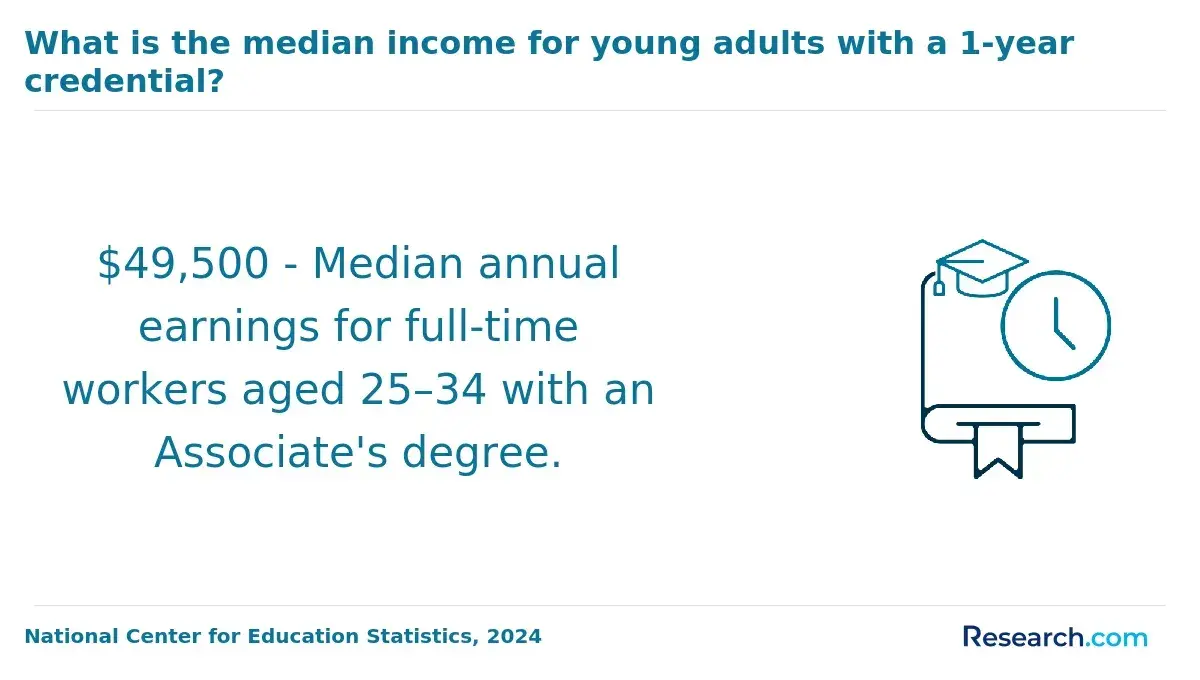
Students pursuing both accelerated and traditional information technology degrees can often access financial aid, but eligibility requirements and disbursement schedules vary depending on program length and enrollment intensity. Understanding these differences is crucial for managing funding throughout the course.
Key distinctions in financial aid availability include:
- Federal Aid Eligibility: Both program types qualify if minimum credit loads and accredited enrollment conditions are met, but accelerated programs usually require continuous enrollment with at least six credits per term to maintain aid.
- Scholarship Opportunities: Traditional students generally have access to a broader range of scholarships, while accelerated students may benefit more from employer-sponsored awards or scholarships targeted at fast-track programs.
- Employer Tuition Assistance: Typically more prevalent among accelerated students, especially those working full-time; many employers offer tuition reimbursement for relevant degrees pursued concurrently with employment.
- Aid Disbursement Timing: Accelerated programs compress terms, causing financial aid payments to follow a nontraditional schedule, which demands careful planning to ensure funds cover tuition in shorter intervals.
What Kind of Student Support Do Accelerated vs. Traditional Information Technology Programs Offer?
Student support is vital for academic achievement, and its provision varies significantly between accelerated and traditional information technology programs. These programs differ in the timing, delivery, and style of student services, impacting the overall learning experience. Below is a comparison of common support options offered in both formats.
- Academic Advising: Traditional programs typically provide regular, in-person advising sessions with flexible scheduling, fostering long-term advisor-student relationships for personalized academic planning. Accelerated programs tend to offer frequent but shorter online or phone check-ins focused on immediate course progression due to their fast pace.
- Tutoring: In traditional formats, tutoring is available at dedicated centers with peer support and established hours, allowing ongoing help. Accelerated programs usually offer on-demand or virtual tutoring designed for quick assistance, though support windows may be limited by intensive workloads.
- Career Services: Traditional students access career centers with workshops, internships, and networking throughout the year. Accelerated students often have integrated career counseling within the curriculum, providing concentrated resume reviews and interview prep aimed at rapid workforce placement.
- Peer Interaction: Traditional formats encourage ongoing peer collaboration through group projects and campus activities. Accelerated programs facilitate virtual or brief peer engagement focused on immediate academic goals, reflecting their condensed schedules.
Do Graduates from Accelerated vs. Traditional Information Technology Programs Get Hired More Quickly?
Employment outcomes are often a key factor when choosing between accelerated and traditional information technology programs. Both can open strong career opportunities, but several elements may affect how soon graduates land jobs. Understanding these differences can help prospective students make informed decisions-here are some key points comparing hiring trends and influences for graduates of each path.
- Employer perception: While some companies still favor the depth of traditional four-year degrees, many recognize the practical, hands-on skills gained through accelerated programs, valuing job-ready expertise over time spent in school.
- Career readiness: Accelerated programs frequently focus on up-to-date technical training, enabling graduates to adapt swiftly to evolving technologies, often leading to faster employment compared to broader but slower-paced curricula.
- Industry demand: With IT roles growing rapidly, candidates from both program types remain in high demand. However, those with current certifications from accelerated tracks may sometimes secure positions more quickly.
- Job placement speed: Surveys suggest accelerated program graduates typically find jobs within 3-6 months, whereas traditional graduates might take 6-9 months, though results vary by specialization and region.
Are Accelerated Information Technology Degrees Accredited the Same Way as Traditional Programs?
Accreditation ensures academic quality and legitimacy for both accelerated and traditional information technology degree programs, regardless of their pacing or mode of delivery. This formal recognition affects essential factors such as financial aid eligibility, credit transferability, and employer recognition, affirming that the program meets established education standards. Whether an IT degree is earned through a traditional timeline or an accelerated path, it typically holds the same rigorous accreditation if it meets the criteria set by authoritative bodies.
Students pursuing accelerated programs should thus seek confirmation that their institution is accredited to safeguard their educational investment. Understanding how accreditation applies is key for those wondering about accreditation for accelerated information technology degrees.
The accreditation process generally applies equally to both traditional and accelerated programs, often overseen by regional accreditors or specialized organizations like the Computing Accreditation Commission of ABET. While the core standards remain consistent, accelerated courses are sometimes designed to compress material into shorter, intensive terms, aligning with requirements without diminishing program quality.
Students must verify the institution's transparency about its accreditation status to ensure that their degree will be recognized by employers and qualify for federal aid. For those questioning whether online accelerated IT degrees are recognized, confirming accreditation is the best practice. Prospective students can explore options among top ranked online universities that specialize in accredited IT programs delivered in various formats.
How Do You Choose Between an Accelerated vs. Traditional Information Technology Degree?
Choosing between an accelerated and a traditional information technology degree depends largely on your career goals, schedule flexibility, and preferred learning pace. Both formats offer distinct advantages based on personal circumstances and ambitions. To decide which path fits you best, consider these key factors:
- Time Commitment: Accelerated degrees typically take 1-2 years to complete, allowing students to enter the workforce quickly or advance their careers sooner. Traditional programs usually require 3-4 years, providing a slower, more in-depth experience.
- Learning Style: Accelerated programs are intensive and demand strong time management and self-discipline, often delivered online or in hybrid formats suited for working professionals. Traditional programs offer structured, campus-based learning with more academic support and student-teacher interaction.
- Career Goals: If your priority is rapid employment or cost savings, accelerated degrees can be more cost-effective. Traditional degrees provide broader electives and extracurricular opportunities that may benefit long-term career growth.
- Flexibility: Accelerated programs often feature evening or weekend classes adaptable to busy lifestyles. Traditional degrees require fixed schedules, labs, and regular campus presence, appealing to those who value a full collegiate experience.
When comparing accelerated and traditional information technology programs, weigh these factors carefully against your lifestyle and ambitions. For those exploring career options, data on trade school jobs salary can provide additional insight into outcomes related to different educational choices.
The best accelerated vs traditional IT degree for career goals depends on how you balance the desire for speed, depth, and flexibility in your learning journey.
What Students of Accelerated vs. Traditional Information Technology Programs Say About Their Degree
- Lawrence: "My traditional information technology degree program offered a solid foundation through a well-paced curriculum that allowed me to absorb complex concepts thoroughly. While the extended duration meant higher overall costs, including tuition and living expenses, the experience provided valuable networking opportunities and hands-on projects that boosted my confidence entering the job market. I appreciate how the balance of theory and practice prepared me well for real-world challenges. - "
- Zed: "Enrolling in a traditional information technology program was a thoughtful decision for me despite the significant time and financial investment it required. The slower pace allowed me to delve deeply into specialized topics, but at times the progress felt too gradual for someone eager to advance quickly. However, the degree has proven invaluable for my career growth, opening doors to roles I previously thought unattainable. "
- Cameron: "The accelerated information technology degree program was intense and fast-moving, which suited my desire to enter the workforce quickly and reduce educational expenses. While the quick pace left little room for downtime or deep dives into every subject, I gained practical skills rapidly and was able to secure a job sooner than traditional paths allowed. The cost savings were a big plus, though prospective students should be prepared for a high level of commitment."
Other Things You Should Know About Traditional vs. Accelerated Information Technology Degrees
In 2027, employers value the skills and knowledge gained from both accelerated and traditional IT degrees. While accelerated degrees offer faster entry into the workforce, traditional programs might provide a deeper exploration of subjects. Employers evaluate candidates based on competencies and job readiness rather than the speed of degree completion.
Accelerated information technology programs typically require students to manage a heavier workload and faster pacing than traditional programs. This can be challenging and demands strong time management and self-discipline skills. Students should be prepared for intensive study periods and fewer breaks between terms to keep up with the accelerated curriculum.
References
- Accelerated IT vs Traditional IT Degrees https://www.bachelorsdegreecenter.org/accelerated/differences-between-accelerated-it-and-traditional/
- Accelerated Degree Programs | Research Starters | EBSCO Research https://www.ebsco.com/research-starters/education/accelerated-degree-programs
- Accelerated Information Technology Degrees: How to Get Your Information Technology Degree Fast https://careerkarma.com/blog/accelerated-information-technology-degrees/
- Three-year degree programs (Accelerated or Fast Track Degree Programs) - Finance Option | Learn & Work Ecosystem Library https://learnworkecosystemlibrary.com/topics/three-year-degree-programs-accelerated-or-fast-track-degree-programs-finance-option/
- How long does it take to complete an IT program? | WCC - Western Community College https://wcc.ca/blog/how-long-does-it-take-to-complete-an-it-program/
- BSIT – Focused: A Smarter, More Efficient Path to Your IT Degree - National https://www.national.edu/2025/07/10/bsit-focused-a-smarter-more-efficient-path-to-your-it-degree/
- Attrition and success rates of accelerated students in nursing courses: a systematic review https://pmc.ncbi.nlm.nih.gov/articles/PMC4825075/
- Fast Track Your Future: How Accelerated Degrees Benefit Career Starters, Changers and Climbers - Beal University https://beal.edu/fast-track-your-future-how-accelerated-degrees-benefit-career-starters-changers-and-climbers/
- Comparison of NCLEX-RN Pass Rates between Accelerated and Traditional Prelicensure BSN Programs https://www.gavinpublishers.com/article/view/comparison-of-nclex-rn-pass-rates-between-accelerated-and-traditional-prelicensure-bsn-programs
- 2025 Most Affordable Online IT Degrees https://www.onlineu.com/most-affordable-colleges/information-technology-degrees


