
2027 Different Types of Human Resource Management Degrees and Their Salaries

Co-Founder and Chief Data Scientist
The demand for skilled professionals in human resource management continues to rise as organizations prioritize effective workforce strategies to remain competitive. According to the U.S. Bureau of Labor Statistics, employment in human resource management is projected to grow faster than the average for all occupations over the next decade, reflecting the critical role HR plays in business success. Choosing the right educational path is essential for those aiming to enter this dynamic field, as various degrees offer distinct insights, skills, and career prospects. This article will guide readers through the different types of human resource management degrees available and provide an overview of the earning potential graduates can expect based on their qualifications.
Key Points About Different Types of Human Resource Management Degrees and Their Salaries
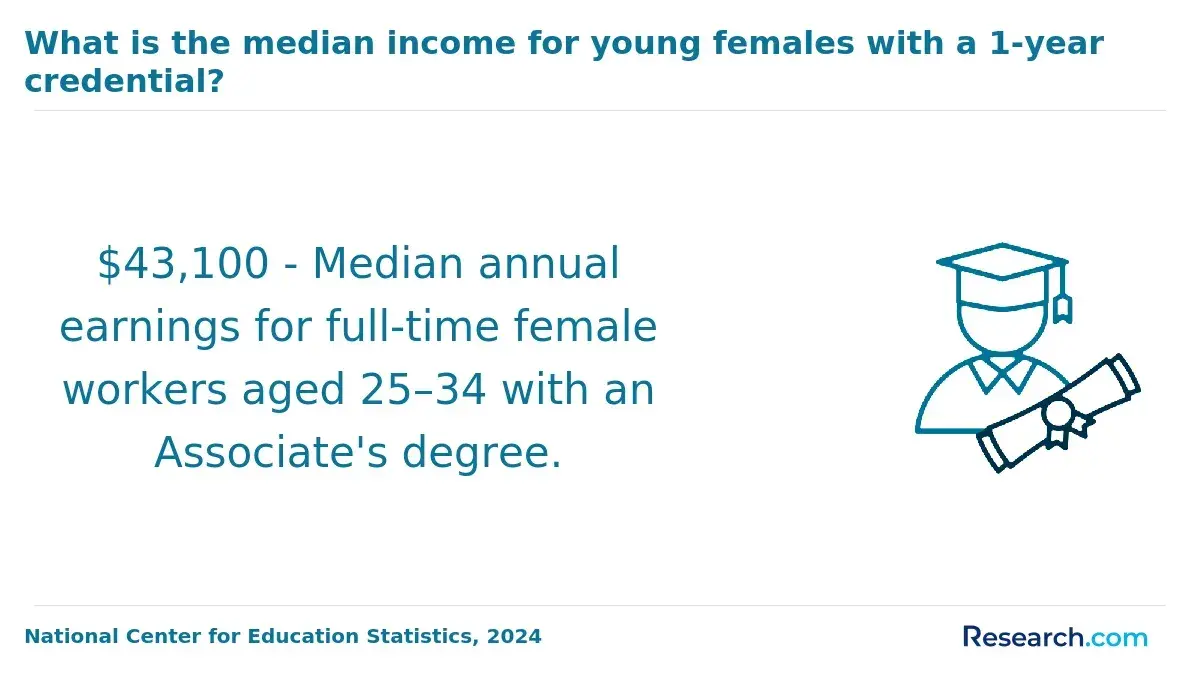
- Associate degrees in human resource management typically prepare graduates for entry-level roles such as HR assistants, with average salaries ranging from $40,000 to $50,000 annually, reflecting limited career advancement but quick workforce entry.
- Bachelor's degrees in human resource management offer broader career opportunities including HR specialists and recruiters, with median salaries around $63,000 per year and a stronger potential for long-term growth in diverse industries.
- Master's degrees, including MBAs with HR concentrations, significantly boost earning potential with median salaries often exceeding $85,000 per year and open doors to senior management and specialized roles such as HR directors or compensation managers.
What Are the Different Types of Human Resource Management Degrees Available?
Understanding the different types and levels of human resource management degrees is crucial before selecting a program, as each caters to various career goals and educational backgrounds. Choosing the right degree aligns your academic foundation with the skills employers expect, helping you advance effectively in the HR field.
Below is a list of the main types of human resource management degrees and what distinguishes each:
- Associate degree in human resource management: Provides an introduction to HR principles, focusing on recruitment, employee relations, payroll, and employment law. Coursework emphasizes foundational business skills, preparing students for entry-level administrative roles.
- Bachelor's degree in human resource management: Offers comprehensive coverage of HR fundamentals such as staffing, training and development, compensation, HR law, and organizational behavior. Additional courses in business law, economics, and management give a broad understanding of HR's role within corporate structures.
- Master of Science (MS) in human resource management: Focuses intensively on advanced HR topics including strategic planning, labor relations, performance management, and conflict resolution. This specialized coursework prepares students to tackle complex HR challenges and assume leadership responsibilities.
- Master of Business Administration (MBA) with a concentration in human resource management: Combines core business administration courses with HR electives, emphasizing business strategy, talent management, employee development, and organizational change. This path suits those who want both strong managerial skills and HR expertise.
- Doctoral degree in human resource management or related fields: Centers on research, theory, and advanced analytical skills within HR. Students engage with management theory, organizational behavior, and research methodologies, gearing graduates for academic, consulting, or high-level policy roles.
Students interested in accelerating their education might explore fast online degree completion programs for working adults, which can provide flexible options for pursuing these degrees while managing existing career commitments.
What Specializations Are Available in Human Resource Management Degrees?
Specialization is an important factor when choosing a human resource management degree because it allows students to focus their studies on specific areas that match their career ambitions. This tailored approach helps align academic preparation with targeted job functions, enhancing both professional skills and marketability.
Here are some common human resource management specializations that students may consider when exploring degree options:
- Recruitment and Talent Acquisition: Focuses on sourcing, evaluating, and hiring candidates to meet an organization's workforce needs. Students develop key skills like interviewing, candidate assessment, and employer branding, preparing for roles such as recruiter, talent acquisition specialist, and onboarding coordinator.
- Training and Development: Emphasizes employee learning, professional growth, and skills enhancement through instructional design and coaching techniques. Career paths often include training manager, learning and development specialist, and corporate trainer.
- Compensation and Benefits: Specializes in creating pay structures, managing employee benefits, and maintaining compliance with regulations. Graduates typically pursue roles like compensation analyst and benefits manager, often with competitive salary potential.
- Employment Law and Labor Relations: Covers legal frameworks affecting employment, workplace policies, collective bargaining, and conflict resolution. This track prepares students for positions such as labor relations specialist and HR compliance manager.
- Diversity, Equity, and Inclusion (DEI): Concentrates on establishing inclusive workplaces and fair treatment across demographic groups. Skills gained include cultural competence and change management, leading to careers like DEI manager, diversity officer, and inclusion consultant.
For those considering an easier path into human resource management, exploring the easiest associate's degree programs can be a practical starting point before specializing further.
How Long Does It Take to Complete Each Type of Human Resource Management Degree?
Understanding how long it takes to complete each type of human resource management degree is essential for students planning their education and career timelines. Knowing the duration helps in setting realistic expectations and managing personal and financial commitments effectively.
Here is an overview of the main human resource management degree types and their typical completion times.
- Associate Degree in Human Resource Management: This program typically takes about two years to complete when attending full-time. Part-time enrollment can extend the duration, while some schools offer accelerated options that allow students to finish faster. Online courses are also commonly available, providing added flexibility for working students.
- Bachelor's Degree in Human Resource Management: A full-time bachelor's degree usually requires four years of study. Students with transferable credits from an associate degree or advanced placement may shorten this period. Many institutions offer online and accelerated pathways, which can reduce completion time to as little as three years.
- Master's in Human Resource Management: Most master's programs take about one to two years to complete, depending on whether the student is enrolled full-time or part-time. Online and accelerated programs can enable completion within one year for motivated students with prior relevant coursework.
- Doctorate in Human Resource Management: Doctoral degrees generally require three to five years, depending on research progress and dissertation completion. Part-time study options exist but may extend the timeline. Unlike other degrees, this path focuses heavily on original research and academic contributions.
Are There Accelerated Human Resource Management Degree Programs?
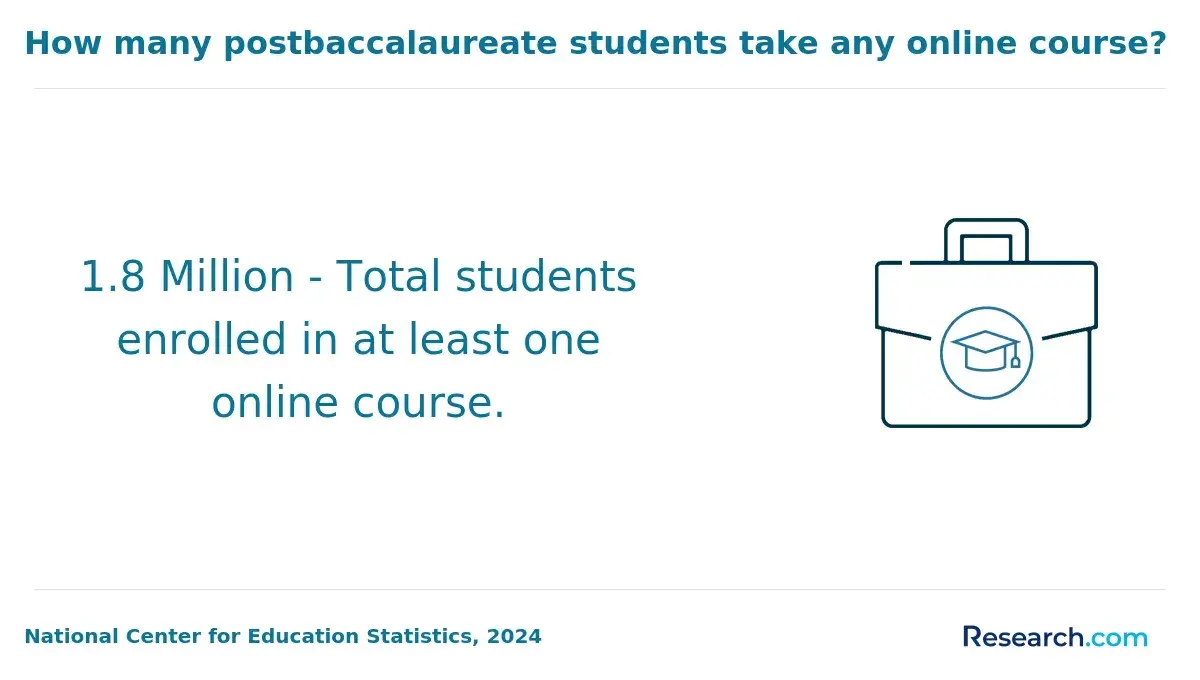
Accelerated human resource management degree programs are designed to shorten the time it takes for students to earn their credentials compared to traditional degree paths. These programs often condense coursework into 5- to 8-week terms instead of typical 15-week semesters. They usually offer year-round enrollment with multiple start dates throughout the year, allowing students to continuously progress without long breaks.
Many accelerated programs also have flexible transfer credit policies, some permitting up to 90 credits to be transferred toward a bachelor's degree. This can reduce the number of credits a student must complete at the institution to as few as 30, significantly speeding up graduation time. Additionally, certain universities offer combined "4+1" pathways where students can earn both a bachelor's and master's degree in about five years, using select credits to count for both degrees.
While accelerated programs provide distinct advantages in terms of speed and flexibility, prospective students should be mindful of key considerations. The compressed format means a heavier and more intensive workload, requiring sustained focus and time management to keep up with quicker reading assignments, projects, and examinations. These programs are generally best suited for highly motivated and well-organized individuals who can dedicate significant weekly hours to their studies.
Eligibility criteria often include minimum GPA thresholds, prior college credits, or relevant professional experience, which help ensure students are prepared for the accelerated pace. Those considering transfer credits must also carefully review how their previous coursework or professional learning will be evaluated to avoid surprises during the application process.
Are Online Human Resource Management Degrees as Credible as Traditional Ones?
Online human resource management degree programs increasingly uphold rigorous academic standards that rival those of traditional on-campus options. Accredited online programs, such as those adhering to the SHRM HR Curriculum Guidebook and regional accreditation from organizations like the Higher Learning Commission, ensure quality and consistency in their curriculum. These programs frequently employ advanced learning management systems for coursework, assessments, and real-time faculty interaction, offering flexibility that helps students balance professional and academic commitments.
Traditional programs, on the other hand, provide structured classroom experiences and face-to-face networking opportunities but also conform to the same recognized accreditation and professional standards. Both formats emphasize practical projects and performance-based grading to confirm mastery of key skills.
Recent trends indicate growing employer acceptance of online human resource management degrees. A Northeastern University survey found that 61% of HR leaders view online learning as equal or superior in quality to traditional methods, with 71% having hired candidates holding online credentials. The credibility of a degree, whether earned online or on-campus, largely depends on the reputation and accreditation of the issuing institution rather than the delivery format.
Salaries for graduates with bachelor's or master's degrees in human resource management tend to vary based on specialization, experience, and school prestige, rather than whether the program was completed online or traditionally. For prospective students, choosing an accredited and well-regarded program remains the most reliable way to ensure employer recognition and career readiness.
How Much Does Each Type of Human Resource Management Degree Typically Cost?
Understanding the tuition differences across human resource management degree levels is crucial for effective budgeting and long-term financial planning. Since costs can vary significantly by degree type, institution, and study format, prospective students benefit from knowing what to expect financially.
Below is a summary of typical tuition ranges for each type of human resource management degree to help guide these decisions.
- Associate Degree in Human Resource Management: Tuition for associate degrees usually falls between $3,000 and $10,000 per year, especially at community colleges or technical schools. Public institutions tend to offer the lowest rates for in-district residents, while online programs may provide additional savings. Financial aid such as federal Pell Grants and state assistance is commonly available to eligible learners.
- Bachelor's Degree in Human Resource Management: Bachelor's programs vary widely, with total tuition costs averaging around $54,400 at regionally accredited online schools. Public universities generally offer more affordable rates, approximately $9,750 annually for in-state students, whereas private institutions may charge over $100,000 but often have larger scholarship opportunities. Students can access federal loans, merit scholarships, and employer tuition reimbursement options.
- Master's in Human Resource Management: Graduate tuition typically ranges from $20,000 to $50,000 overall, with some prestigious programs exceeding this. Prices are higher at private schools and for out-of-state enrollees in public universities. Many master's students benefit from graduate assistantships, scholarships aimed at HR professionals, and employer funding support.
- Doctorate in Human Resource Management (PhD or DBA): Doctoral studies can cost between $30,000 and $80,000 total, though many full-time students receive tuition waivers or stipends tied to research or teaching duties. Part-time or executive doctoral programs tend to be more expensive and often self-funded. Funding availability varies greatly by institution and program structure.
What Jobs Can You Get with Each Type of Human Resource Management Degree?
The level of degree in human resource management greatly influences the career paths and job opportunities available to graduates. Higher degrees often open doors to specialized, senior, or leadership roles, while entry-level degrees prepare students for essential foundational positions.
Below is an overview of common jobs associated with each type of human resource management degree to help you understand the potential roles at every educational stage.
- Associate degree in human resource management: Graduates typically start as HR assistants or payroll clerks, supporting payroll processing, record-keeping, benefits administration, and basic onboarding tasks. These positions are usually office-based and serve as an entry point into the HR field within various industries.
- Bachelor's degree in human resource management: This degree qualifies graduates for roles such as HR specialist, HR generalist, and recruiter. Specialists may focus on recruitment, employee relations, or benefits, while generalists manage a broad range of HR duties in organizations of all sizes. According to the U.S. Bureau of Labor Statistics, training and development specialists with a bachelor's degree earn a median annual salary of $63,080, placing HR careers among majors that make the most money.
- Master's degree in human resource management: Those with a master's degree often advance to management roles such as HR manager, training and development manager, compensation and benefits manager, or talent acquisition manager. These leaders design strategies, oversee teams, and manage complex HR programs. For example, training and development managers earn an average annual salary of $120,000.
- Doctorate in human resource management: A doctoral degree prepares graduates for careers in academia, research, or high-level consulting. These professionals teach, conduct original research, or advise organizations on strategic HR initiatives, influencing the future direction of the field.
How Do Salaries Differ by Human Resource Management Degree Type?
Degree level often has a significant impact on earning potential in human resource management, with higher degrees generally leading to better salary opportunities and career advancement. Understanding these salary differences can help students make informed educational and career decisions.
The following list outlines typical salary ranges and key factors influencing pay for each common human resource management degree type.
- Associate Degree in Human Resource Management: Graduates with an associate degree typically enter entry-level HR roles such as assistants or coordinators, earning average salaries around $44,245 to $59,472 per year. Salary can vary based on industry, company size, and location, and advancing to higher-paying positions usually requires further education or experience.
- Bachelor's Degree in Human Resource Management: A bachelor's degree opens paths to mid-level positions like HR specialists or managers, with starting salaries commonly between $69,621 and $86,653 annually. Factors such as industry sector, geographic location, and professional certifications influence pay, with HR managers earning a median salary of $140,030 as of 2024. Entry-level salaries may start lower while gaining experience.
- Master's Degree in Human Resource Management: Holding a master's degree often leads to senior roles such as directors or vice presidents, with starting salaries around $76,318 and experienced professionals earning well above $100,000. Senior HR managers can earn from $102,000 up to $179,546 or more depending on the organization and specialization, making advanced degrees valuable for leadership progression.
- Professional Certifications (e.g., SHRM-SCP, SPHR): Certifications complement any degree level and can increase earning potential, with certified HR professionals often making between $106,000 and $109,000. Employers value these credentials for specialized knowledge and expertise in the field.
In addition to degree level, students should weigh other factors affecting salaries such as experience, industry, and location. For those exploring educational options, considering a cheapest online school can be a practical step toward entering the human resource management career path without excessive financial burden.
Is There High Demand for Human Resource Management Degree Holders in the Job Market?
Demand for human resource management degree holders remains strong and continues to grow in the current U.S. job market. This growth is driven by several key factors, including rapid advancements in emerging technologies and shifting workforce needs. Artificial intelligence and other innovations are reshaping HR workflows, increasing the need for professionals who can utilize these tools in areas such as talent management, data analytics, and employee experience design.
Additionally, organizations are placing a higher emphasis on strategic HR capabilities like workforce planning, talent acquisition, and employee well-being to close skills gaps and accommodate hybrid or remote work models. Regionally, demand varies with the highest concentrations of job opportunities found in metropolitan areas housing large corporate headquarters and in high-growth industries such as healthcare, education, financial services, and insurance.
The outlook for graduates with human resource management degrees is particularly favorable. Specialized roles such as HR manager, talent acquisition manager, and compensation and benefits manager are among the most in-demand, offering median annual salaries ranging from around $86,000 to over $130,000.
The U.S. Bureau of Labor Statistics also projects a faster-than-average employment growth rate of 6% for human resources specialists from 2024 to 2034, with approximately 81,800 job openings each year. For those exploring career options that fit their personal work preferences, this field is highlighted among the best careers for introverts, combining both competitive compensation and solid job market prospects.
What Factors Should You Consider When Picking a Type of Human Resource Management Degree?
Choosing the right degree level in human resource management is a critical decision that aligns your educational journey with your career ambitions and personal circumstances. This choice directly impacts your job opportunities, earnings potential, and professional growth.
To make an informed decision, consider the following key factors carefully:
- Career Goals: Identify the HR roles you aim to pursue. Entry-level positions typically require a bachelor's degree, whereas senior or specialized roles may need a master's or doctorate. Understanding your target position helps determine the degree level necessary for advancement.
- Earning Potential: Higher degrees often lead to better salaries. For instance, professionals with bachelor's degrees earn more than those with associate degrees, and advanced degrees can unlock leadership roles with higher compensation.
- Time Commitment: Bachelor's programs usually take about four years full-time, while master's degrees may require one to two years or more, depending on part-time or full-time study. Consider your availability and how quickly you want to progress.
- Curriculum and Specialization: Look for programs offering comprehensive courses such as employment law, recruitment, and HR analytics. Specialized master's options can prepare you for niche areas like organizational development.
- Program Accreditation: Ensure the program is accredited by recognized agencies like CHEA or the U.S. Department of Education to guarantee quality education valued by employers.
- Faculty Expertise and Networking: Programs led by experienced HR professionals with strong industry connections provide valuable learning and networking that can aid your career.
- Cost and Financial Aid: Evaluate tuition and expenses against your potential salary increase. Explore scholarships, grants, and employer tuition assistance to support your investment.
What Human Resource Management Graduates Say About Their Degree and Salary
- Jalen: "Completing my bachelor's degree in human resource management truly opened doors I hadn't imagined. The program's strong focus on practical applications prepared me for the realities of workplace dynamics and legal compliance, which made transitioning into my role as an HR coordinator seamless. The most rewarding part has been the chance to create inclusive hiring practices, positively impacting company culture. It gave me both confidence and clarity about my career path in a competitive field."
- Mei: "After earning my master's degree in human resource management, I found not only a job but a passion for shaping organizational leadership. The depth of study on employee motivation and conflict resolution enhanced my ability to influence company policies that prioritize wellbeing and productivity. It was an intense journey, balancing work and study, but the professional growth and networking opportunities were invaluable. I now lead HR teams with a new sense of strategic purpose and empathy."
- Weston: "My associate degree in human resource management was the perfect stepping stone for a fresh start in a new career. The program's accessibility and focus on foundational skills gave me the confidence to manage recruitment and employee relations effectively in a local nonprofit. Through this work, I've witnessed firsthand the impact thoughtful human resource management has on community development and individual empowerment. It's fulfilling to contribute positively to both people's lives and organizational health every day."
Other Things You Should Know About Human Resource Management Degree Programs & Salaries
In 2027, various HR management degrees are available, including associate, bachelor's, and master's degrees. Additionally, there are specialized programs like MBAs with an HR concentration and doctoral programs. Each degree caters to different career stages and aspirations within the human resources field.
Yes, individuals with a master's degree usually earn higher salaries compared to those with a bachelor's degree. The average salary for master's degree holders can range from $70,000 to $100,000 or more, depending on factors like specialization and years of experience. Advanced degrees often open doors to management and strategic roles.
In 2027, certified HR professionals typically earn higher salaries than their non-certified counterparts. Certifications such as PHR, SPHR, or SHRM-CP can demonstrate expertise and commitment, often leading to enhanced career opportunities and a salary premium, reflecting the value placed on specialized knowledge in HR functions.
References
- HR Courses: Online vs Offline – Which One Should You Choose? https://www.upgrad.com/blog/hr-courses-online-vs-offline/
- What is the career outlook for jobs in human resources? https://business.fiu.edu/academics/graduate/insights/posts/what-is-the-career-outlook-for-jobs-in-human-resources.html
- HR Degrees | Complete Subject Guide - FutureLearn https://www.futurelearn.com/info/blog/hr-degree-guide
- Human Resource Management Degree Specialization | DeVry University https://www.devry.edu/online-programs/bachelors-degrees/business/human-resource-management-specialization.html
- Study Human Resource Management: All you need to know https://www.study.eu/article/study-human-resource-management-hrm
- What Degree Do You Need for Human Resources? https://www.snhu.edu/about-us/newsroom/business/what-degree-do-you-need-for-human-resources
- Bachelor of Science in Human Resource Management https://business.uic.edu/undergraduate/degrees/bachelor-of-science-in-human-resource-management/
- Human Resources Management https://www.lazarski.pl/en/offer/admission/higher-education/human-resources-management-bachelors-degree
- Careers in Human Resource Management with an HR Degree https://www.baker.edu/about/get-to-know-us/blog/what-can-you-do-with-a-human-resources-degree/
- Accelerated - Human Resource Management https://www.ntc.edu/academics-training/programs/all/technical-diploma/accelerated-human-resource-management


