2027 What Can You Do with an Information Technology Master's Degree? Careers, Salaries & Growth

Co-Founder and Chief Data Scientist
Many professionals face uncertainty about advancing their careers in information technology amid rapidly evolving industry demands. Employment for information technology managers is projected to grow 15% from 2022 to 2032, outpacing average job growth. However, failing to obtain advanced qualifications can limit access to leadership roles and higher salaries. Nearly 60% of information technology employers prefer candidates with master's degrees for specialized positions. This article examines key aspects of pursuing a master's in information technology, including program structures, career opportunities, salary expectations, and industry certifications. It provides data-driven insights to help readers make informed decisions about this crucial educational investment.
Key Things to Know About What You Can Do with a Information Technology Master's Degree
- Admission often requires a bachelor's degree, relevant work experience, and standardized test scores; programs vary in length and format, including part-time, full-time, online, and hybrid options.
- Graduates commonly secure roles in software development, cybersecurity, data analysis, and IT management, with average salaries ranging from $80,000 to over $120,000 annually depending on experience and industry.
- Long-term growth is strong, with the Bureau of Labor Statistics projecting 15% job growth; prospective students should weigh program cost, flexibility, reputation, and certification alignment before enrolling.
What Are the Admission Requirements for a Information Technology Master's Program?
Preparing the necessary prerequisites for admission to an information technology master's program is essential for a smooth application process. These requirements help institutions assess a candidate's readiness and potential for success in advanced IT study. The demand for graduates in this field is strong; according to the U.S. Bureau of Labor Statistics, employment in computer and information technology occupations is projected to grow 15% from 2021 to 2031. Below are common prerequisites that applicants should be prepared to provide.
- Bachelor's Degree: Most programs require a bachelor's degree in information technology or a closely related field such as computer science, engineering, or management information systems. Some schools accept candidates with strong quantitative skills and relevant coursework even if their undergraduate degree is outside the direct field, reflecting flexibility in requirements for IT master's program admission criteria.
- GPA Thresholds: A minimum GPA-often around 3.0 on a 4.0 scale-is typically required, although the exact figure may vary by institution. Maintaining a strong academic record strengthens the application.
- Standardized Tests: Many schools have made the GRE or GMAT optional or waived these requirements, especially following the COVID-19 pandemic. Competitive programs, however, might still recommend submitting scores to enhance an application.
- Supplementary Materials: Candidates usually must submit two or three letters of recommendation, a personal statement describing career goals and motivation, and transcripts from all postsecondary studies.
- Field-Specific Requirements: Some programs may expect writing samples, technical portfolios, or prior IT work experience-especially for specializations focused on professionals seeking leadership roles.
Prospective students interested in flexible learning paths may explore options such as an accelerated bcba program online, reflecting how online formats can complement traditional IT education pathways. Considering these factors will help applicants navigate the requirements for IT master's degree enrollment effectively.
What Is the Minimum GPA Requirement for a Information Technology Master's Program?
For prospective students considering a master's degree in Information Technology, understanding the typical minimum GPA requirements is crucial for evaluating admission chances and preparing a strong application. Employment in computer and information technology occupations is projected to grow 15% from 2021 to 2031, highlighting the value of advanced education in this field. Below are key factors influencing GPA expectations within these programs:
- Typical GPA Range: Most master's programs require a minimum GPA between 2.75 and 3.0 on a 4.0 scale, reflecting the academic standards expected for graduate study in Information Technology.
- Variations by Institution: Private and more prestigious schools often set higher GPA cutoffs, whereas some public universities might offer more flexibility in admissions standards.
- Holistic Admissions: Many programs use a comprehensive review process where strong professional experience, standardized test scores, or a compelling personal statement can offset a GPA below the minimum.
- Concentration Differences: Specific concentrations within Information Technology may demand distinct academic qualifications based on industry requirements and program focus.
- Employment Growth Factor: Rapid growth in the Information Technology sector increases demand for advanced credentials, making a master's degree a valuable investment despite varying GPA thresholds.
Those seeking additional credentials might explore easy licenses and certifications to get online to complement their Information Technology master's degree and boost career prospects.
How Much Does a Information Technology Master's Degree Cost and How Can You Finance It?
Preparing financially for a master's degree in information technology helps applicants plan for tuition, living costs, and borrowing wisely. Below are key strategies and factors to consider when estimating expenses and funding your education.
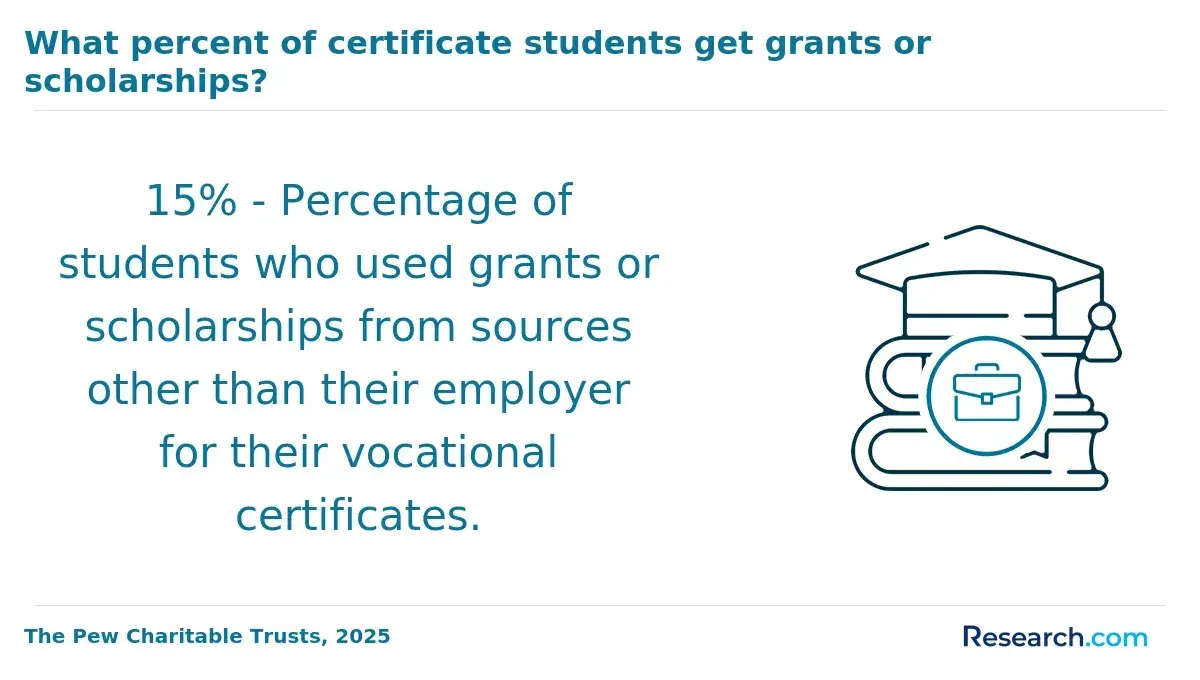
- Tuition and Fees: Public universities usually charge $10,000 to $25,000 annually for in-state students, while private schools often exceed $40,000. Online programs can lower costs by reducing relocation and commuting expenses.
- Funding Sources: Options include scholarships, fellowships, graduate assistantships, employer tuition reimbursements, and federal student loans. Many working professionals benefit from employer-sponsored tuition assistance.
- Debt Reduction Methods: Applying for assistantships that offer tuition waivers and stipends, selecting in-state programs, and securing departmental fellowships can significantly cut costs.
- Opportunity Costs: Consider potential income lost while studying full-time versus part-time enrollment or online study that allows continued employment.
- Return on Investment (ROI): Calculate ROI by comparing total expenses with anticipated salary increases in fields like cybersecurity or cloud computing, where demand and pay can justify higher upfront costs.
When I spoke with a graduate of an information technology master's degree, he described financial planning as a challenging but vital step. Balancing coursework and a full-time job, he utilized employer tuition reimbursement and a graduate assistantship, which eased his financial burden. Though managing expenses required careful budgeting, the increased earning potential has made the investment worthwhile. "It felt overwhelming initially," he said, "but the support programs and flexible online classes helped me stay on track and confident about my decision."
How Long Does It Take to Earn a Information Technology Master's Degree?
For prospective students planning to pursue a master's degree in Information Technology, knowing the typical program duration is essential for effective time management and realistic career planning. The length of study varies widely depending on factors like enrollment status, program type, and curriculum options. Below are key points to consider regarding completion times for these programs.
- Full-Time Enrollment: Most full-time students complete an Information Technology master's degree within 1.5 to 2 years. The exact timeframe depends on credit requirements and the intensity of the course load.
- Part-Time and Online Programs: These flexible formats usually extend completion to 3 to 4 years. They allow students to balance work and personal commitments by taking fewer courses each semester over a longer period.
- Accelerated and Combined Pathways: Some institutions offer accelerated tracks or combined bachelor's/master's programs that reduce total time by integrating graduate-level coursework earlier or increasing study intensity.
- Transfer Credits: Previously earned graduate or related bachelor's degree credits may transfer, potentially shortening program length by reducing required coursework.
- Thesis vs. Non-Thesis Tracks: Thesis options typically add time due to research and writing requirements, whereas non-thesis tracks focus on coursework and generally finish sooner.
- Internships and Practicums: Including practical experience can lengthen the program, especially if placed in final semesters, but these opportunities enhance skills and professional networks.
These variations affect the average duration of Information Technology master's programs in the US and thus should be factored into individualized planning. Students weighing their options should consider how program structure influences timelines alongside career goals and financing. For insight into how this degree aligns with job markets, explore what degrees make the most money.
What Career Paths Are Available with a Information Technology Master's Degree?
This section outlines the diverse career prospects available to graduates of a master's degree in Information Technology, highlighting both specialized and related fields. It provides insight into typical roles, industries hiring graduates, and potential pathways from technical positions to leadership.
- Core IT Roles: Graduates often start in positions such as IT project manager, systems analyst, cybersecurity specialist, database administrator, or software developer. These roles demand strong technical skills along with leadership and analytical capabilities developed during graduate studies.
- Adjacent Fields: The degree also supports entry into areas like data science, business intelligence, and technology consulting, where strategic thinking and technical expertise intersect with business processes and innovation.
- Career Progression: Initial job roles tend to focus on individual contribution and hands-on technical work. With experience, many move into managerial roles leading teams and projects, and later may ascend to executive positions such as chief information officer (CIO) or chief technology officer (CTO) in organizations prioritizing digital growth.
- Recruiting Industries: Employers include government agencies that emphasize cybersecurity and infrastructure management, nonprofit groups using technology to support missions, private sector companies in finance, healthcare, and tech, as well as academic institutions offering research and teaching opportunities.
One graduate I spoke with noted that earning the master's degree simplified the transition into leadership by building confidence in handling complex projects and communicating across departments. "Before the degree, navigating project management felt overwhelming, especially balancing technical details with stakeholder expectations," they said. "My coursework and interactions with industry professionals gave me practical tools that made stepping into supervisory roles much easier than I expected." This perspective illustrates how the degree not only prepares students for a broad range of careers but also equips them to grow into influential positions as their experience expands.
What Is the Average Salary for Information Technology Master's Degree Holders?
Salaries for professionals with a master's degree in information technology vary widely depending on experience, location, sector, and industry. Total compensation often includes base salary plus bonuses, stock options, and benefits, especially in private companies within technology or finance. Below are key salary insights:
- Entry-Level Salaries: Individuals starting their careers typically earn between $70,000 and $85,000 annually. Higher pay is often found in major tech regions like Silicon Valley, New York City, and Seattle, reflecting regional market demand.
- Mid-Career Earnings: With five to ten years of experience, average salaries increase to approximately $90,000 to $120,000. Private sector jobs generally offer better compensation than public roles, influenced by competitive market dynamics and organizational budgets.
- Senior-Level Compensation: Seasoned IT professionals holding leadership or specialized roles can command $130,000 to $160,000 or more annually. Incentives such as bonuses and equity often supplement the base salary, enhancing overall remuneration.
- Degree Salary Premium: Holding a master's degree in information technology typically results in a 15% to 20% salary boost compared to bachelor's degree holders. This reflects enhanced expertise, specialized skills, and leadership potential that graduate education provides.
- Geographic and Sector Variability: Metropolitan areas with robust tech industries offer the highest salaries. While public sector roles tend to provide more stable benefits, their salaries are usually lower. Industries like software development, cybersecurity, and financial tech remain highly competitive in compensation.
What Professional Certifications Complement a Information Technology Master's Degree?
Several professional certifications significantly enhance the value of a Information Technology master's degree by validating specialized skills and boosting employability. These credentials are highly sought after by employers across industries and serve as powerful career differentiators. Strategic timing in earning certifications can maximize learning synergy and career benefits. Below is a list highlighting some of the top IT certifications for master's degree graduates and how they complement advanced education.
- Certified Information Systems Security Professional (CISSP): Offered by (ISC)², CISSP is a premier credential for IT security experts. It requires five years of relevant work experience and a rigorous exam covering eight domains of information security. The certification must be renewed every three years through continuing education, ensuring holders stay current. CISSP is valued in sectors like finance and government for roles such as security analyst or chief information security officer (CISO).
- Project Management Professional (PMP): Awarded by the Project Management Institute (PMI), PMP complements IT graduates targeting leadership and project oversight positions. Eligibility includes project management experience and passing a comprehensive 180-question exam. Renewal requires earning 60 professional development units every three years. Consulting, software development, and large IT projects frequently seek PMP-certified professionals for efficient project execution.
- Cisco Certified Network Professional (CCNP): Focused on networking, the CCNP credential demands passing multiple exams tailored to concentrations like enterprise or security. Candidates usually hold associate-level Cisco certifications and practical experience. Certification renewal occurs every three years via exams or continuing education. CCNP holders are well-suited for roles like network engineer and systems administrator at technology firms and telecommunications companies.
Including professional certifications improves a Information Technology master's career potential by validating expertise that employers recognize and demand. Early preparation suits intensive certifications like CISSP, while certifications such as PMP may align better with career experience gained post-graduation. These certifications appear prominently in job requirements and can accelerate advancement in a competitive labor market. For those exploring flexible learning paths, reviewing cost and program options is vital, as is comparing online versus on-campus degrees. For further insight, prospective students may explore online mft programs as an example of how specialized credentials integrate with advanced degrees across disciplines.
What Are the Top Industries Hiring Information Technology Master's Degree Graduates?
Prospective students pursuing a master's degree in information technology should understand which industries offer the strongest employment prospects and career growth. Knowing where demand is highest and what skills are most valued can help guide internship choices, coursework focus, and professional networking. Below is an overview of key sectors actively recruiting IT master's graduates along with emerging fields gaining momentum.
- Technology Sector: This remains the leading employer for IT graduates, ranging from startups to global tech firms. Positions include systems architects, cybersecurity analysts, and cloud engineers. Certifications such as CISSP or AWS Certified Solutions Architect often enhance candidacy in this competitive space.
- Financial Services: Banks and insurance companies frequently hire IT professionals to support data analytics, cybersecurity, and digital transformation efforts. Familiarity with regulatory compliance frameworks and certifications like CISA or CFA are particularly beneficial.
- Healthcare Industry: Growing adoption of electronic health records and telemedicine is driving demand for IT roles like health informatics specialists and network administrators. Knowledge of HIPAA regulations and credentials such as HCISPP improve employment opportunities.
- Emerging Sectors: Fields like renewable energy and smart infrastructure are expanding their reliance on IT expertise due to sustainability priorities and smart city initiatives. Skills in IoT, data science, and cybersecurity are increasingly sought after.
- Career Targeting Strategies: To connect with preferred industries, students should seek internships aligned with their interests, tailor academic projects to relevant technologies, and engage in professional networking. Updated industry data indicates a 15% rise in graduate IT program admissions, reflecting a robust job market.
What Are the Highest-Paying Jobs for Information Technology Master's Degree Holders?
Master's degree holders in information technology often pursue roles that combine advanced technical knowledge with leadership and strategic oversight, driving demand for well-qualified professionals. These positions reward experience and expertise with competitive salaries, especially when complemented by certifications or further academic credentials. Below are several prominent career paths, highlighting their primary duties, experience needs, and typical industries.
- Chief Information Officer (CIO): Serving as the top IT executive, CIOs develop and execute an organization's technology vision. These leaders bring over a decade of expertise blending technical and managerial skills. They earn median salaries above $160,000, with top compensation in finance, healthcare, and major corporations.
- IT Director: Overseeing IT operations and aligning technological initiatives with corporate objectives, IT Directors usually have 7 to 10 years of experience. Their median pay hovers around $140,000, common in sectors such as government, manufacturing, and technology companies.
- Data Scientist: Specialists who interpret and model complex data sets to support decision-making, data scientists typically possess a master's degree and 3 to 5 years' experience. Median earnings reach approximately $130,000, notably in finance, consulting, and tech industries.
- Information Security Manager: Charged with safeguarding data integrity and network security, these managers often hold certifications like CISSP that enhance pay. Median salaries average $125,000, with roles prevalent in finance, defense, and healthcare.
- Cloud Solutions Architect: Experts in cloud infrastructure design and management, these professionals require 5+ years of experience and advanced technical competencies. Their median salary exceeds $130,000, commonly found in telecommunications, retail, and technology sectors.
Additional certifications such as PMP or AWS credentials and doctoral studies can elevate earning potential further. Salaries also vary based on location, with IT leaders in metropolitan areas like Silicon Valley and New York often earning above national averages due to concentrated industry presence and cost-of-living adjustments.
What Is the Job Outlook and Employment Growth for Information Technology Professionals?
Prospective students evaluating an Information Technology master's degree should consider the employment outlook to understand how the degree aligns with their career goals. Information technology job growth projections indicate strong demand for advanced skills in this field, which substantially exceeds the average growth for all occupations nationwide.
- Above-Average Growth: According to the U.S. Bureau of Labor Statistics, computer and information technology occupations are expected to grow by about 15% from 2021 to 2031, compared to 5% growth for all jobs nationally. This robust growth reflects the field's expanding role across industries.
- Technological Drivers: Increasing needs for cybersecurity, cloud computing, and data management fuel demand as businesses accelerate digital transformation. This is central to the positive employment outlook for information technology professionals.
- Economic and Demographic Trends: Remote work trends and retiring baby boomers create openings, especially in senior IT roles. These shifts foster a dynamic labor market that rewards advanced degrees.
- Automation and Globalization: While some routine tasks are automated or outsourced, complex roles involving system architecture and strategic problem-solving remain in high demand, highlighting opportunities for graduates with a master's degree.
- Regulatory Impact: Evolving data privacy and cybersecurity regulations increase the need for qualified experts, further supporting long-term job growth in information technology fields.
For those exploring options, comparing program formats and costs is essential. Resources such as the best online colleges can help identify flexible and accredited programs suited to diverse needs.
What Skills and Competencies Does a Information Technology Master's Program Develop?
Gaining a master's degree in information technology involves building a comprehensive skill set that prepares students for diverse professional challenges. This section outlines the critical hard and soft skills developed throughout the curriculum, illustrating how these abilities apply across multiple industries and roles.
- Technical Proficiency: Students master programming languages, cybersecurity measures, cloud computing environments, and data analysis tools. Alongside these, research methodologies equip graduates to approach complex IT problems systematically and innovatively.
- Interpersonal and Leadership Skills: Emphasis on communication, leadership, teamwork, and critical thinking is integral to the learning process. These soft skills are developed through collaborative group projects and case studies, encouraging strategic problem-solving and effective decision-making.
- Experiential Learning Opportunities: Internships, simulations, and real-world case analyses immerse students in practical scenarios. These experiences reinforce theoretical knowledge and enhance adaptability in professional settings.
- Transferability Across Sectors: Graduates emerge with versatile competencies valued not only in traditional IT roles but also in sectors such as healthcare, finance, and consulting. This flexibility broadens career options and supports long-term professional growth.
- Employer Priorities: Hiring managers consistently prioritize candidates who demonstrate adaptability, collaborative abilities, and strategic thinking. These qualities often distinguish successful professionals in dynamic technological environments.
What Graduates Say About Their Information Technology Master's Degree
- Ryker: "Applying for admission to an online information technology master's program felt overwhelming at first, but carefully reviewing official academic catalogs gave me clarity on prerequisites and course expectations. I spent a lot of time navigating through various accredited institutions to find one that aligned with my career goals. This process truly underscored the importance of relying on federal education resources to validate program quality and reinvigorated my commitment to advancing my skills."
- Eden: "Reflecting on my journey, the initial hurdle was understanding how to navigate the complex landscape of accredited information technology master's programs. I leaned heavily on accrediting agencies' websites and official catalogs to make informed decisions, which was invaluable in choosing the right institution. The admission phase was smoother than expected thanks to this groundwork, and I now recommend all prospective students take this thoughtful approach."
- Gladys: "From a professional standpoint, pursuing an online information technology master's degree required meticulous research into program requirements and accreditation status, which I found through federal education resources. Choosing the right school meant balancing program rigor with flexibility, and official academic catalogs were essential references throughout. The admission process was rigorous but manageable once I had a clear roadmap, enhancing both my confidence and technical expertise."
Other Things You Should Know About Information Technology Degrees
In 2027, Information Technology careers for master's degree holders are expected to thrive, with high demand for skills in cybersecurity, data analysis, and cloud computing. These fields are projected to see significant job growth, leading to more opportunities and competitive salaries for qualified professionals.
Choosing between online and on-campus programs depends on your learning preferences, schedule, and career goals. Online degrees offer flexibility, making them ideal for working professionals or those with other commitments. On-campus programs can provide more direct interaction with faculty and peers, which may benefit networking and hands-on learning, though they typically require more time and location commitment.
In 2027, Master's degree holders in Information Technology can pursue roles such as IT Manager, Data Analyst, Cybersecurity Specialist, and Cloud Architect. These positions typically offer increased job responsibilities and leadership opportunities, reflecting the evolving demands for advanced IT skills and management expertise.
In 2027, master's degree holders in Information Technology can pursue certifications like Certified Information Systems Security Professional (CISSP) and Certified Information Systems Auditor (CISA). These certifications enhance expertise, often increase employability, and are recognized by governing bodies such as the International Information System Security Certification Consortium (ISC)².
References
- How Long Will It Take to Get a Master’s in Information Technology? - Best Colleges Online https://www.bestcollegesonline.org/faq/how-long-will-it-take-to-get-a-masters-in-information-technology/
- Top Industries Hiring Graduates with an MBA in Information Technology https://www.productleadership.com/blog/top-5-industries-hiring-graduates-with-an-mba-in-information-technology/
- MS in Information Technology Management | Webster University https://www.webster.edu/business-and-technology/ms-information-technology-management.php
- What You Can Do With a Master's in Information Technology Management https://sopa.tulane.edu/blog/what-you-can-do-masters-information-technology-management
- The State of the IT Industry in 2025 – A Closer Look at the Job Market - ITCompare.pl https://itcompare.pl/en-us/articles/36/the-state-of-the-it-industry-in-2025-a-closer-look-at-the-job-market
- 10 year outlook for IT workers looks solid - SmartBrief https://www.smartbrief.com/original/10-year-outlook-for-it-workers-looks-solid
- High-Paying Jobs with a Master’s in Information Technology https://www.collegerank.net/roi/high-salary-it-jobs-masters-degree/
- Why study a master’s degree in information technology? https://www.hotcoursesabroad.com/study-abroad-info/subject-guides/masters-degree-in-information-technology/
- Average Cost of a Master's Degree: 2025 Analysis https://educationdata.org/average-cost-of-a-masters-degree
- State of the Tech Workforce 2024 | CompTIA Report https://www.comptia.org/en-eu/resources/research/state-of-the-tech-workforce-2024/