
2027 Is an Online Agriculture Bachelor's Degree Worth It?

Co-Founder and Chief Data Scientist
Facing a career shift into agriculture can be daunting-especially when balancing work, family, and the need for flexible learning. Online agriculture bachelor's degrees offer a solution, but questions remain about their value and outcomes. Recent data shows that enrollment in online agriculture programs grew by 35% over five years, reflecting increasing acceptance of virtual education in this field.
However, the true measure lies in job placement and industry relevance. This article examines the effectiveness, career prospects, and accreditation of online agriculture bachelor's degrees to help prospective students make informed choices about this educational path.
Key Things to Know About the Value of an Online Agriculture Bachelor's Degree
- Online agriculture bachelor's degrees offer flexible learning tailored to life goals-ideal for working parents, veterans, and professionals balancing education with other commitments.
- Accredited online programs improve return on investment by reducing tuition and living costs, while maintaining eligibility for federal aid and military benefits.
- Graduates report strong career outcomes in agribusiness, technology, and research, with growing employer recognition and pathways to advanced degrees enhancing long-term prospects.
What are the real costs of earning an online agriculture bachelor's degree, and how do they compare to on-campus programs?
Online agriculture bachelor's degrees often offer a more cost-effective option compared to traditional on-campus programs when considering the full cost spectrum. IPEDS data and the College Board's Trends in College Pricing report indicate tuition per credit hour typically ranges from $200 to $450 for online agriculture programs, depending on the institution's public or private status.
On-campus tuition usually falls within a somewhat higher range, especially at private universities, though the difference is decreasing as online offerings expand.
- Tuition Per Credit Hour: Online courses often feature lower per-credit costs due to reduced campus overhead, but public schools may charge different in-state and out-of-state rates, influencing total expenses.
- Fees: Technology and student activity fees apply to both online and on-campus students, but on-campus learners typically incur additional campus facility fees that online students avoid.
- Required Technology: Online students must budget for reliable internet, a functional computer, and sometimes specialized software for agriculture analytics or GIS tools, with costs ranging from $500 to $1,000 annually; these expenses are generally excluded from tuition estimates.
- Indirect Costs: On-campus attendance brings costs like commuting, housing, meal plans, and physical textbooks. Online learners often save significantly here by studying from home and using digital resources, an important factor for military veterans and working adults.
Several accredited universities offer online bachelor's degrees in agriculture below the national online average tuition. Noteworthy examples include Colorado State University Global Campus, Fort Hays State University, Oregon State University Ecampus, and the University of Florida Online. These institutions combine competitive pricing with recognized accreditation from bodies such as the Accreditation Board for Engineering and Technology (ABET) or regional accrediting agencies, ensuring quality and career relevance.
Distinguishing sticker price from net price is crucial-the sticker price reflects the full published cost, while the net price accounts for financial aid, scholarships, grants, and tax benefits that significantly reduce the actual cost.
Prospective students should actively pursue multiple financial aid options-including FAFSA, institutional aid, and employer tuition assistance-to lower their out-of-pocket expenses.
For those weighing costs, reviewing the cheapest MBA programs online may offer insights into financial strategies applicable to online agriculture programs as well.
The realistic calculation of average tuition and fees for online agriculture degrees in the United States should incorporate all these elements to inform a well-rounded enrollment decision.
What is the Return on Investment (ROI) of an online agriculture bachelor's degree over a career lifetime?
Return on investment (ROI) in higher education measures the financial benefits of earning a degree compared to the total cost involved. For an online agriculture bachelor's degree, ROI calculation weighs tuition, fees, and related expenses against projected lifetime earnings in agriculture-related careers.
The Georgetown University Center on Education and the Workforce identifies earnings as a top indicator of degree value, while the PayScale College ROI Report offers discipline-specific salary data to refine this analysis.
To calculate ROI, add all costs of completing the degree-including tuition, fees, books, and potential lost income during study. Then, project career earnings based on median salaries for agriculture graduates and typical career spans. Tracking earnings 10 and 20 years after graduation provides insight into both short- and mid-term financial returns. This framework helps estimate the online agriculture degree return on investment over career timelines effectively.
When assessed against the national average ROI for all bachelor's degrees, low-cost online agriculture programs often exhibit comparable or superior results within 10 to 20 years. This performance reflects stable employment prospects and steady income growth in fields such as agricultural management, environmental consulting, and food production technology.
Prospective students evaluating lifetime earnings and ROI of online agriculture bachelor's programs should consider these points:
- 10-Year ROI: Low-cost online agriculture degrees generally recover initial costs within a decade due to strong starting salaries and consistent demand for agricultural skills.
- 20-Year ROI: Earnings tend to surpass the national bachelor's degree average over two decades, illustrating career advancement and salary growth.
- Cost Efficiency: Online programs typically have lower tuition and fewer additional expenses than traditional campus options, increasing overall ROI.
- Accreditation and Recognition: Accredited online agriculture degrees ensure employer credibility, supporting sustained earnings potential and competitive graduate standing.
Beyond financial metrics, non-monetary returns affect the overall value of an online agriculture degree. Job satisfaction gained from meaningful work in food systems and sustainability improves well-being. The degree also fosters career mobility, enabling access to leadership roles or specialized fields.
Moreover, professional credibility from an accredited agriculture program strengthens networking opportunities and supports continued education. For those exploring affordable options, researching cheap online colleges can uncover quality programs with strong ROI.
How do the salary outcomes for online agriculture bachelor's graduates compare to those with traditional degrees?
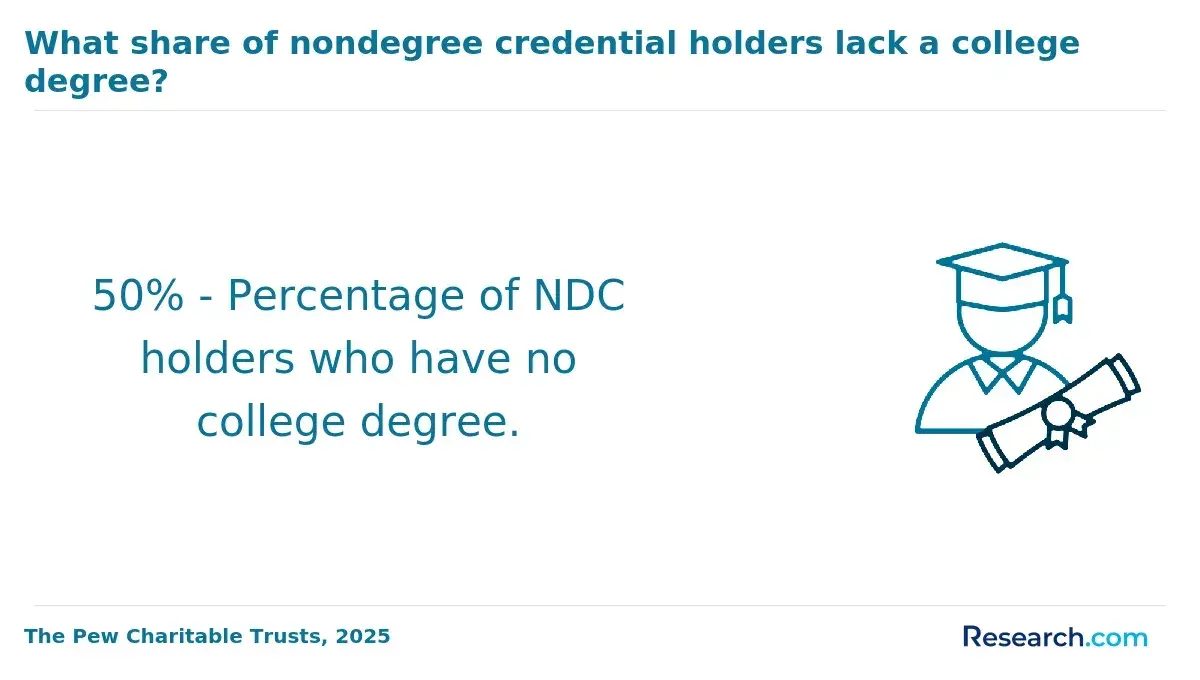
Starting salaries for graduates holding an online agriculture bachelor's tend to range between $40,000 and $50,000 annually-comparable to those completing traditional campus programs when degrees come from accredited and well-regarded institutions.
Mid-career earnings often increase to between $65,000 and $80,000, influenced more by factors like geographic location, area of specialization, and accumulated experience than by the mode of study alone. Employer emphasis on demonstrated skills and certifications continues to grow, minimizing concerns about whether the degree was earned online or on-campus.
- Median Starting Salary: Entry-level agricultural graduates typically begin with salaries in the $40,000 to $50,000 range. Institutions with transparent outcome data published through IPEDS or other reports show graduates from online programs achieving similar employment success as traditional peers.
- Mid-Career Earnings: After about ten years, salaries frequently climb into the $65,000-$80,000 band, reflecting increased responsibilities, certifications, and regional demand variations within agriculture sectors.
- Institution-Specific Outcomes: Some universities provide detailed reports indicating that online agriculture graduates maintain competitive employment rates and salary growth trajectories on par with campus-based students.
- Income Projection for 5-10 Years:
- Within five years, professionals often move into roles such as technical specialists, farm managers, or extension agents, where salaries can exceed $55,000 annually.
- By year ten, positions in consulting, research, or agribusiness management typically offer salaries above $75,000, reflecting advanced experience and specialization.
A professional who completed an online agriculture bachelor's degree shared that balancing work, family, and school was initially overwhelming. He appreciated the flexibility to take accelerated courses and apply prior service credits, which helped shorten his timeline.
"The real test was proving my skills in interviews," he recounted; yet, once hired, his salary trajectory aligned with peers from traditional programs. He emphasized that while the online format required discipline, it did not limit his career growth or earning potential in a competitive job market.
What career paths and job opportunities are available to online agriculture bachelor's degree graduates?
Graduates holding an online agriculture bachelor's degree can pursue various career paths, many of which require only the bachelor's credential for entry. Agricultural and Food Scientists conduct research to enhance the safety and effectiveness of agricultural products; while entry-level roles often require a bachelor's degree, advanced positions may demand graduate study.
Agricultural Inspectors enforce compliance with health and safety standards, typically needing just a bachelor's degree, although state certifications can sometimes be required.
- Farm and Ranch Managers: Overseeing operations and workforce management, these roles usually require a bachelor's degree combined with practical experience, with licensure generally optional.
- Soil and Plant Scientists: Focused on soil properties and plant development, entry-level jobs may be accessible with a bachelor's, but research opportunities often call for higher degrees.
- Environmental Scientists and Specialists: Concentrating on reducing environmental impact, these professionals commonly hold a bachelor's degree; additional certifications can improve credential strength.
The U.S. Bureau of Labor Statistics anticipates robust employment growth for environmental scientists, agricultural scientists, and farm managers, underscoring sustained demand for expertise in sustainable agriculture and food security.
Choosing a concentration-such as crop science, environmental management, or agribusiness-within an online agriculture program can tailor career options to specific sectors, improving job prospects.
For those weighing program costs and outcomes, understanding these career opportunities with online agriculture bachelor's degree credentials is essential. Resources like the criminal justice degree online cost evaluations can offer insights into managing educational expenses effectively.
What student support services do online agriculture bachelor's programs provide to promote success and retention?
To ensure students stay engaged and successfully transition into the industry, these programs provide specialized support systems that bridge the gap between virtual learning and physical practice.
Dedicated Academic Advising: Personalized advising supports students in managing degree requirements, transfer credits, and course planning. Advisors also assist those balancing studies with work or family obligations, which is critical for adult learners and nontraditional students.
Tutoring Centers: Programs offer targeted tutoring in essential agriculture subjects such as plant science, soil management, and agribusiness. Flexible online tutoring accommodates diverse schedules and reinforces mastery of core concepts.
Writing Labs: Virtual writing assistance helps students improve research papers and technical communication skills-key for those preparing for graduate study or careers demanding scientific writing proficiency.
Mental Health Counseling: Telehealth counseling addresses the psychological demands of remote learning, promoting wellbeing that positively influences persistence and academic achievement.
Career Services: Leading programs provide extensive career support, including: Internship placement with agricultural organizations for practical experience.Job search help connecting graduates with sector employers.Alumni mentorship facilitating professional networking.Employer partnerships aligning curriculum with workforce needs.
National Survey of Student Engagement data and institutional retention figures show that programs with comprehensive support systems consistently report higher graduation rates. Such infrastructure proves to be a strong indicator of students finishing on time in online agriculture degrees.
A professional who completed an online agriculture bachelor's shared that navigating coursework while managing a full-time job was initially overwhelming. She described how personalized advising helped clarify academic options, while tutors and writing labs boosted her confidence in challenging subjects.
Access to telehealth counseling was vital during stressful periods, effectively supporting her emotional resilience. Reflecting on career services, she noted internships secured through the program gave her real-world exposure, and ongoing alumni connections opened doors in the agriculture industry. Her experience underscored how a well-rounded support network fosters both academic success and career readiness.
Is an online agriculture bachelor's degree respected by employers and recognized across industries?
Recent surveys by the Society for Human Resource Management (SHRM) reveal that over 75% of employers now regard accredited online agriculture bachelor's degrees as comparable in quality to traditional, on-campus diplomas.
This acceptance is especially strong in technical and management-focused areas where skill proficiency matters most. As online agricultural programs improve in rigor, their credibility continues to grow across the industry.
In fields like agribusiness management, sustainable agriculture, and agricultural technology, online degrees generally have the same value as their in-person counterparts. Leading companies such as John Deere, Cargill, and Bayer Crop Science actively seek graduates from accredited online programs because these candidates offer both practical experience and adaptability to evolving industry needs.
However, specialized sectors-such as crop genetics research requiring hands-on laboratory work-still tend to favor candidates with traditional campus-based training and in-person research exposure. Graduate programs in these niches may prioritize direct lab experience.
Students should carefully investigate employer expectations in their target agricultural areas by reviewing job listings and networking with professionals. Accreditation by recognized bodies like the Association to Advance Collegiate Schools of Agriculture (AASA), as well as programs with strong industry ties, greatly enhance an online degree's acceptance.
Making strategic decisions aligned with specific career goals and employer standards is essential for maximizing long-term returns on education investments.
- Employer Confidence: Accredited online agriculture degrees receive wide acceptance supported by SHRM data reflecting the growing legitimacy of online education in technical fields.
- Field-Specific Acceptance: Sectors like agribusiness fully embrace online credentials, while research-intensive niches may still favor traditional, hands-on training for certain roles.
- Active Recruitment: Major employers such as John Deere and Cargill regularly hire graduates from reputable online programs, highlighting the workforce value they place on these degrees.
- Accreditation Value: Recognition by established agencies ensures program quality and significantly influences employer trust across agriculture industries.
- Informed Decisions: Investigating hiring trends in your chosen agriculture specialty helps align degree selection with employer expectations and career advancement goals.
What accreditation standards should an online agriculture bachelor's program meet to be considered legitimate?
Accreditation plays a vital role in determining the credibility and value of an online agriculture bachelor's program. Regional accreditation is widely recognized as the more prestigious type, offering greater credit transferability, stronger employer acceptance, and enhanced eligibility for graduate studies in agriculture and related fields. National accreditation typically covers career-focused or technical programs but may limit credit transfer and recognition outside those specific areas.
The U.S. Department of Education recognizes six regional accrediting bodies. These include the Higher Learning Commission (HLC), Southern Association of Colleges and Schools Commission on Colleges (SACSCOC), New England Commission on Higher Education (NECHE), Middle States Commission on Higher Education (MSCHE), Northwest Commission on Colleges and Universities (NWCCU), and WASC Senior College and University Commission (WSCUC). Verifying a program's accreditation status is straightforward using the Council for Higher Education Accreditation (CHEA) or the U.S. Department of Education's databases, which help avoid diploma mills and unaccredited institutions.
Within agriculture education, specialized programmatic accreditation from organizations like the Association to Advance Collegiate Schools of Agriculture (AASCA) provides additional assurance of curriculum quality and industry relevance. Attending an unaccredited or lapsed program involves serious risks, such as ineligibility for federal financial aid, non-transferable credits, and reduced employer recognition.
A recent study found nearly 75% of employers in the agricultural sector prefer candidates with degrees from regionally accredited institutions, underscoring the value of choosing accredited programs.
- Regional Accreditation: Superior credit transferability and employer acceptance across agriculture careers.
- National Accreditation: Focused mostly on career-oriented programs; limited recognition outside specific niches.
- Key Regional Accrediting Bodies: HLC, SACSCOC, NECHE, MSCHE, NWCCU, WSCUC.
- Verification Tools: Use CHEA and U.S. Department of Education databases for official accreditation status.
- Specialized Accreditation: Programmatic accreditors like AASCA enhance curriculum relevance and industry readiness.
- Risks of Unaccredited Programs: Loss of federal aid, credit transfer issues, and reduced employer recognition.
How long does it take to complete an online agriculture bachelor's degree, and what factors affect the timeline?
Most online agriculture bachelor's degree programs require about 120 credits, typically completed in four years of full-time study across fall and spring semesters. This matches the standard curriculum timeline on campus, but the typical duration of online agriculture bachelor's degree programs can vary considerably depending on several factors influencing time to complete an agriculture degree online.
Accelerated eight-week course formats allow students to take fewer courses at once with greater intensity, speeding up credit accumulation. Competency-based education (CBE) pathways let learners progress by demonstrating mastery of material, not seat time, which benefits busy adults and military veterans converting service credits.
Additionally, year-round enrollment options-including summer and winter sessions-foster quicker progress and help students finish faster by adding extra opportunities to earn credits.
Institutions such as Fort Hays State University and Colorado State University Global exemplify these flexible delivery methods, with average completion times ranging from 2.5 to 3 years. These shorter timelines reduce both tuition expenses and the opportunity cost associated with postponed full-time employment or career advancement.
Choosing an accelerated pathway also intersects with other important factors like transfer credit policies, financial aid availability, employer perceptions, and graduate school compatibility-essential considerations for comprehensive decision-making.
For those evaluating cost and outcomes, it's wise to explore programs that allow faster completion while maintaining accreditation standards and positive career prospects.
Working parents, recent high school graduates, military veterans, and mid-career professionals benefit from understanding these dynamics to navigate online bachelor's degrees effectively. To learn more about complementary pathways, consulting best certifications for jobs can broaden career opportunities alongside degree programs.
- Standard Credit Load: Most agriculture bachelor's degrees require around 120 credits, usually completed in four years with full-time study across fall and spring semesters.
- Accelerated Formats: Eight-week courses and competency-based education allow students to complete credits faster by focusing intensively or progressing by mastery rather than time spent.
- Year-Round Enrollment: Taking courses during summer and winter sessions shortens total program length by adding more credit opportunities each year.
- Institution Examples: Schools such as Fort Hays State University and Colorado State University Global report average online completion times of approximately 2.5 to 3 years for agriculture programs using accelerated formats and flexible schedules.
- Cost and Employment Benefits: Faster completion reduces tuition burdens and enables earlier entry or advancement in the workforce, maximizing the education's financial and professional return.
What financial aid, scholarships, and tuition assistance are available for online agriculture bachelor's students?
Students pursuing an online agriculture bachelor's degree can access several financial aid categories to reduce education costs. These options play a crucial role in managing tuition expenses for those seeking financial aid options for online agriculture bachelor's programs in the US.
- Federal Pell Grants: Need-based grants that do not require repayment, varying yearly based on financial need and enrollment. Pell Grants remain a key resource for many starting online agriculture studies.
- Direct Subsidized and Unsubsidized Loans: Federal loans with low interest-subsidized loans do not accrue interest while enrolled at least half time, whereas unsubsidized loans accrue interest immediately. Both require repayment but offer flexible terms.
- Institution-Specific Scholarships: Many universities and organizations offer scholarships targeting agriculture students studying online. Examples include the National FFA Organization scholarships, which reward leadership and academic achievement with requirements like proof of agricultural coursework and community service.
- State Grant Programs: Various states provide grants for residents attending agriculture programs, including online options. Eligibility usually requires state residency and maintaining academic standards.
Applying for federal aid begins with the Free Application for Federal Student Aid (FAFSA). This essential step determines eligibility for federal grants, loans, and some state and institutional aid. Since some aid is awarded on a first-come, first-served basis, submitting the FAFSA promptly after it opens each October maximizes award potential.
Many students benefit by strategically layering aid sources-grants, scholarships, employer tuition assistance, and work-study programs-to minimize out-of-pocket expenses while navigating coordination rules that may affect loan eligibility or require reporting employer reimbursement.
Several scholarships explicitly support online agriculture students. The American Society of Agronomy Scholarship awards $1,000 to $3,000 to undergraduates based on merit and leadership. The National Corn Growers Association Scholarship aids students actively involved in agricultural activities. Additionally, Farm Credit Scholarships focus on academic excellence and community involvement among rural or farming-connected students.
Careful planning is vital as students consider employer perceptions, transfer credit policies, and graduate school compatibility alongside finances. Graduates who analyze these factors alongside data on online electrical engineering career outcomes may find valuable comparative insights when evaluating return on investment for their chosen fields.
What are the admission requirements for online agriculture bachelor's degree programs?
Admission standards for online agriculture bachelor's programs differ widely based on institutional selectivity. Competitive degrees typically require a high school diploma or GED along with a minimum GPA, often in the 2.5 to 3.0 range on a 4.0 scale. In contrast, open-access programs frequently waive GPA requirements to create more inclusive opportunities.
High School Diploma or GED: Most programs mandate completion of secondary education or an equivalent credential to verify academic preparedness.
Minimum GPA: Selective institutions set GPA thresholds to gauge readiness; open-enrollment schools may be more flexible.
Standardized Tests: Many programs have adopted test-optional policies since 2020, eliminating mandatory SAT or ACT scores. Applicants should confirm current requirements with each school.
Prerequisite Coursework: Rigorous programs often expect prior studies in biology, chemistry, math, or agriculture, while open programs may supply preparatory classes for students lacking these courses.
Admission Policy: Rolling or continuous admission timelines are common, offering flexibility that benefits working adults, veterans, and those changing careers by removing fixed deadlines.
Applicants who fall short of typical requirements can bolster their application through community college classes, relevant certifications, or compelling letters of recommendation that underscore skills and motivation.
How should prospective students evaluate and choose the right online agriculture bachelor's degree program for their goals?
Choosing an online agriculture program requires a different set of criteria than most digital degrees. Here's what you need to consider:
Accreditation: Verify that the program is accredited regionally or nationally by agencies recognized by the U.S. Department of Education. Additional specialized accreditation in agriculture-related fields ensures curriculum alignment with industry standards and academic rigor.
Cost and ROI: Evaluate tuition alongside available financial aid, scholarships, and grants. Use net price calculators to estimate true costs, factoring in technology fees, examination proctoring charges, textbooks, and any short residency requirements. Analyze earning potential and employment outcomes to determine long-term value.
Program Format and Flexibility: Examine how courses are delivered-synchronously or asynchronously-and whether deadlines accommodate your schedule. Flexibility is essential for working parents, military veterans, and professionals balancing commitments.
Career Outcomes Data: Investigate program effectiveness through employment rates, internship availability, and graduate school acceptance. Trusted resources like the U.S. Department of Education's College Scorecard and the IPEDS Data Center offer comprehensive statistics to support informed decisions.
Student Support Services: Confirm availability of resources such as academic advising, career counseling, tutoring, and technical help tailored for remote learners. Adequate support boosts student persistence and success.
Transfer Credit Policies: For those with prior college or military credits, scrutinize credit transfer limits and articulation agreements to avoid repeating coursework and reduce time to degree completion.
To advance your search, take these steps: Schedule informational interviews with admissions staff to clarify program specifics.Request net price estimates to compare realistic financial commitments.Review financial aid deadlines to ensure timely submissions.Audit transfer credits with academic advisors to optimize credit recognition.Set a target enrollment date to organize your timeline and preparations.
What Graduates Say About the Value of Their Online Agriculture Bachelor's Degree
- Shane: "Choosing the online agriculture bachelor's degree program was a game-changer for me because I needed flexibility while working full-time on a farm. The cost was surprisingly affordable compared to traditional colleges, which made it easier to commit financially. After graduating, I quickly advanced to a management role, proof that the skills I gained truly translated into career growth."
- Emiliano: "When I decided to pursue the online agriculture bachelor's degree, I was unsure if the investment would pay off. However, the program's affordable tuition and quality education provided an excellent return on investment as I now enjoy higher earning potential. The career support and industry connections helped me smoothly transition into a specialized role within sustainable farming."
- Samuel: "The main reason I chose this online agriculture bachelor's program was its comprehensive curriculum tailored for modern agricultural technologies. It was a reflective journey that deepened my understanding while accommodating my busy schedule. Professionally, it equipped me to lead innovative projects in my organization, significantly boosting my confidence and expertise."
Other Things You Should Know About Agriculture Degrees
Online agriculture bachelor's programs typically use learning management systems to provide course materials, lectures, and assignments. Students engage with video lectures, discussion forums, and virtual labs, allowing flexibility for those balancing work or family responsibilities. Interaction with instructors and peers varies but often includes scheduled live sessions and email communication to support understanding and collaboration.
Many online agriculture bachelor's programs offer specializations such as agribusiness, sustainable agriculture, crop science, animal science, and agricultural technology. These concentrations enable students to tailor their education toward specific career paths, helping them acquire specialized skills that are valued in sectors like farm management, food production, and agricultural policy.
In 2027, online agriculture bachelor's programs often accept transfer credits and prior learning assessments (PLAs) to reduce time and cost. Eligibility depends on accrediting institutions, specific course requirements, and prior experience relevance. Prospective students should check with individual programs for their transfer credit policies and PLA options.
Students often find hands-on learning and practical experience challenging since agriculture relies heavily on fieldwork. To address this, some programs incorporate hybrid formats, internships, or local cooperative arrangements for labs and field studies. Time management and self-discipline are also crucial to succeed in the online environment, particularly for students balancing multiple responsibilities.
References
- Cheapest online degrees in Agriculture https://usdegrees.com/cheapest-online-degrees-in-agriculture/
- Pursuing an Online Agriculture Degree: Opportunities for International Students | Cademix Institute of Technology https://www.cademix.org/pursuing-an-online-agriculture-degree/
- Top 15 Agriculture Scholarships to Apply for in December 2025 https://bold.org/scholarships/by-major/agriculture-scholarships/
- ROI in Higher Education - FREOPP https://freopp.org/roi-in-higher-education/
- We're Here for You https://www.setonhill.edu/apply-afford/financial-aid-affordability/online-bachelors-degree-certificate-program-aid/index.html
- Online Bachelor's Degree Completion Financial Aid https://www.hamline.edu/admission-aid/financial-aid/online-bachelors
- How To Calculate The ROI Of Your College Degree | Bankrate https://www.bankrate.com/loans/student-loans/roi-college-degree/
- Learnsic https://learnsic.com/blog/how-long-does-it-take-to-get-a-bachelors-degree
- BSc Agriculture Job Opportunities: Top Career Paths After Graduation https://textshala.com/bsc-agriculture-job-opportunities/


