
2027 What Jobs Can You Get With an Agriculture Bachelor's Degree?

Co-Founder and Chief Data Scientist
Many students entering higher education face uncertainty about how an agriculture bachelor's degree translates into a viable career. Graduates often seek clarity on roles that match their passion for agricultural development. With U. S. Department of Labor data indicating that employment in agricultural and food science fields is projected to grow 7% through 2031, understanding where a degree can lead becomes crucial.
This article explores diverse job opportunities available to agriculture graduates. Gaining this knowledge aids in making informed decisions about education and professional goals within the agriculture industry.
Key Benefits of the Jobs You Can Get With a Agriculture Bachelor's Degree
- Agriculture bachelor's degrees offer career versatility across industries like food production, environmental management, and agribusiness, enabling graduates to adapt to diverse roles.
- Graduates often access competitive salaries, with median annual wages around $68,000, and strong prospects for advancement in both private and public sectors.
- This degree supports long-term growth through opportunities in research, policy, and sustainable development, fostering diverse career pathways aligned with evolving industry needs.
What Entry-Level Jobs Can I Get With a Agriculture Bachelor's Degree?
A bachelor's degree in agriculture opens doors to several entry-level roles where graduates apply foundational knowledge in plant science, soil management, and agricultural economics in practical settings. About 70% of bachelor's degree holders secure their first job within six months after graduation.
Entry-level careers in agriculture for graduates typically include:
- Agricultural Technician: This position involves collecting and analyzing data on crops, soil, and livestock to support farmers and researchers. Graduates use laboratory and field techniques learned during their studies to assist with agricultural production quality control.
- Farm Manager Assistant: Assisting with daily farm operations such as planting, harvesting, and equipment upkeep, this role requires understanding efficient farm management. The degree prepares graduates to apply scientific methods that improve productivity and sustainability.
- Soil and Plant Scientist Assistant: Supporting research efforts, these assistants help conduct experiments on soil chemistry and plant growth. The degree equips graduates with skills essential for interpreting results and advancing sustainable agricultural practices.
- Sales Representative for Agricultural Products: This role involves promoting seeds, fertilizers, or farming equipment to agricultural businesses. Graduates leverage their understanding of agricultural processes to effectively communicate product benefits and customer needs.
- Extension Agent Trainee: Working in community outreach, trainees educate farmers and the public about modern farming techniques. The degree's focus on communication and agricultural science is crucial for this educational position.
For students interested in further education, exploring an online doctorate can offer advanced opportunities in the field.
What Industries Hire Agriculture Bachelor's Degree Graduates?
An agriculture bachelor's degree can open career opportunities across several industries, with demand for graduates varying based on their skills and areas of specialization. Recent employer surveys indicate that industries increasingly seek bachelor's degree holders who combine specialized knowledge with practical problem-solving abilities to address complex challenges.
The industries that are most likely to show considerable interest in agriculture graduates are:
- Food Production and Processing: This industry requires professionals experienced in crop production, animal husbandry, and quality control to improve food safety and develop sustainable farming methods that meet consumer and regulatory demands.
- Agribusiness and Agricultural Finance: Graduates often find roles in supply chain management, commodity trading, marketing, and financial services that support farm operations and agribusiness enterprises.
- Environmental and Natural Resource Management: This sector involves land conservation, soil and water resource management, and practices that promote sustainable agriculture while balancing economic and ecological interests.
- Government and Regulatory Agencies: Agencies hire agriculture graduates to develop and enforce policies related to food safety, agricultural subsidies, rural development, and environmental compliance, ensuring standards are met nationwide.
- Research and Development: Degree holders contribute to scientific research focused on improving crop varieties, pest control, and biotechnology innovations that enhance agricultural productivity and resilience.
For those interested in expanding their academic credentials, options such as a marriage and family therapy degree online illustrate how diverse career paths can emerge with further education.
Can You Get Jobs Outside Your Major With a Agriculture Bachelor's Degree?
Graduates holding an agriculture bachelor's degree often branch into careers beyond their major, thanks to versatile skills nurtured during their education and shifts in labor market demands.
- Transferable Skills: Agriculture studies foster analytical thinking, effective communication, teamwork, and data management abilities. These competencies are highly sought after in multiple fields, making graduates appealing candidates even outside traditional agriculture roles.
- Hiring Preferences: Employers increasingly value flexibility, problem-solving, and interpersonal skills over narrow technical expertise at entry-level. This trend widens job possibilities for agriculture degree holders across various sectors.
- Experience and Training: Gaining relevant work experience through internships or pursuing supplemental certifications equips graduates to pivot into different roles. Such opportunities support transitions into management, sales, environmental roles, and other fields.
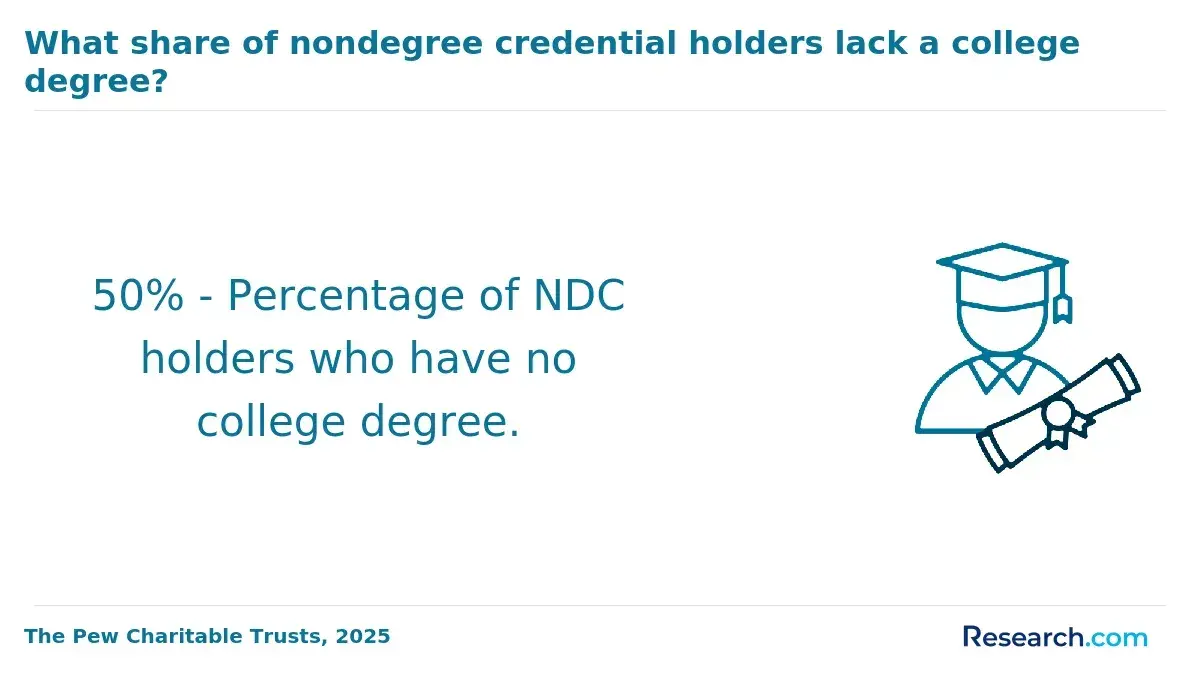
Research shows that close to 40% of college graduates find work in areas unrelated to their degrees, reflecting wider acceptance of career adaptability.
What Remote Jobs Can I Get With a Agriculture Bachelor's Degree?
The expansion of remote work has reshaped many sectors, including those connected to agriculture. Recent studies show that nearly half of U.S. employees can work remotely at least some of the time, reflecting a growing acceptance of flexible work models.
An agriculture bachelor's degree equips graduates with the expertise needed to access remote job opportunities in this evolving landscape. These opportunities include getting employed as:
- Agricultural Consultant: Provides virtual advice to farmers and agribusinesses on crop selection, pest control, and soil management. The degree offers essential scientific knowledge to deliver data-driven guidance through digital communication tools.
- Data Analyst in Agricultural Research: Interprets crop and environmental data to promote sustainable farming practices. Graduates bring understanding of agricultural variables and use remote collaboration platforms to support research projects.
- Content Specialist in Agriculture: Creates educational and promotional materials about agricultural advancements and products. This role requires subject-matter expertise combined with strong writing skills tailored for online audiences.
- Remote Sales Representative for Agricultural Equipment: Engages clients virtually to recommend appropriate technology and machinery. An agriculture background enables clear communication and technical knowledge within digital sales environments.
One graduate shared that transitioning into remote agricultural consulting was initially challenging due to the need to adapt communication styles for virtual meetings. She emphasized the importance of honing time-management and digital collaboration skills to build trust with clients from afar.
Reflecting on her journey, she noted, "While I missed the hands-on fieldwork, working remotely allowed me to connect with diverse clients and continuously learn in a fast-paced environment." Her experience highlights how an agriculture degree supports flexibility and effectiveness in remote positions beyond traditional farm settings.
Can I Switch Careers With a Agriculture Bachelor's Degree?
Many professionals leverage an agriculture bachelor's degree as a stepping stone to switch careers, thanks to the adaptable skills developed throughout their education. Workforce trends indicate that nearly 30% of degree holders pivot to new professions within five years, highlighting the growing importance of transferable skills.
An agriculture degree builds essential abilities, including strong communication, practical problem-solving, adaptability, and analytical thinking, all vital for navigating various professional paths. Career change success generally depends on factors beyond the degree itself, such as gaining relevant experience through internships, volunteering, or part-time work.
Self-directed learning, including online courses or workshops, helps close knowledge gaps, while on-the-job training provided by employers further eases transitions. These elements collectively support career change opportunities for agriculture graduates in the US, enabling them to adapt effectively to new industries and roles.
Meanwhile, agriculture students who aim to mix their knowledge of agribusiness with the competencies of efficiently running offices can explore a degree in office administration upon completing their studies.
What Are the Highest-Paying Jobs With a Agriculture Bachelor's Degree?
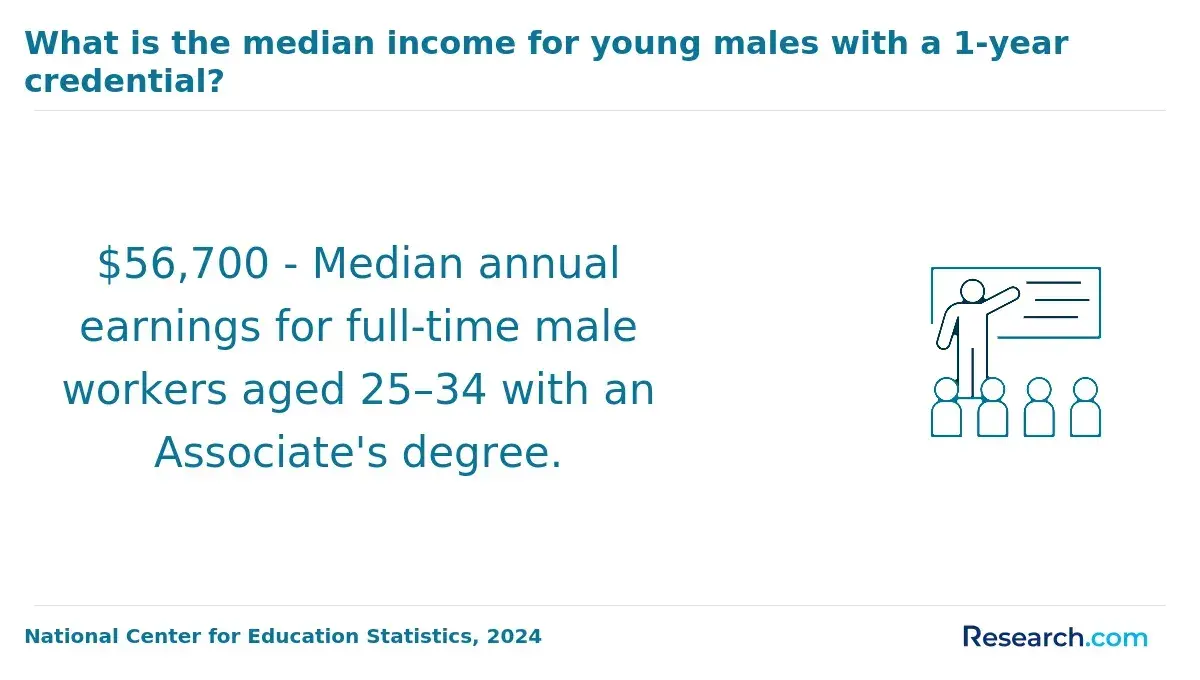
Salary outcomes for those holding a bachelor's degree in agriculture can vary significantly depending on the sector, geographic location, experience, and specialization. Individuals with this degree often access higher-paying positions compared to those with only a high school education, with earnings typically rising as they gain expertise and assume leadership roles.
The highest-paying roles that agriculture major can pursue include:
- Agricultural Manager: Responsible for overseeing farm operations, managing personnel, and coordinating production activities, these managers utilize their knowledge of crop science and agricultural economics to optimize yields. Salaries usually range from $60,000 to $90,000 annually, with higher pay often linked to larger or corporate farming enterprises.
- Food Scientist or Technologist: These professionals focus on developing and testing food products, ensuring quality and safety compliance by applying biological and chemical principles learned through their degree. Typical earnings fall between $55,000 and $85,000, reflecting their specialized expertise in food systems.
- Agricultural Sales Representative: Combining technical knowledge with sales, they market seeds, fertilizers, machinery, and technology solutions tailored to farming needs. Their compensation often includes commissions, supplementing base salaries that usually lie between $50,000 and $80,000.
- Soil and Plant Scientist: Conducting research on soil conditions and plant growth, these scientists provide data and recommendations that enhance agricultural productivity. Their degree equips them with analytical and research skills necessary for lab and fieldwork, with salaries typically ranging from $55,000 up to $85,000 or more.
- Environmental Consultant - Agriculture: Advising on sustainable farming methods and regulatory compliance, these consultants help minimize the environmental footprint of agricultural activities. Entry salaries often start near $60,000 and grow with experience and expanded responsibilities.
What Career Growth Opportunities Are Available With a Agriculture Bachelor's Degree?
An agriculture bachelor's degree provides a strong foundation for long-term career development and advancement across a variety of roles. Graduates often progress into positions with greater responsibility, such as supervisory or management roles, as they gain experience and skills.
Many also develop specialized expertise in fields like crop production, soil science, food safety, or agricultural technology, which can lead to niche career opportunities.
Additionally, expanding into leadership or cross-functional roles, including agricultural business, policy, or sustainability initiatives, becomes possible with strong communication and collaboration abilities. These pathways support ongoing professional growth and the ability to influence broader agricultural challenges.
A professional with an agriculture bachelor's degree shared that early in his career, transitioning from fieldwork to management was challenging because it required not only technical knowledge but also learning how to lead and motivate a diverse team.
"I had to quickly adapt to overseeing projects and balancing different personalities," he recalled. He emphasized that continuously building communication skills and seeking out mentorship helped him navigate these changes.
Reflecting on the process, he described moments of doubt but also the satisfaction of seeing tangible impacts from his leadership. "The shift from hands-on work to strategic planning was tough but ultimately rewarding," he explained, highlighting the value of persistence and adaptability in career growth.
What Jobs Require Certifications After a Agriculture Bachelor's Degree?
Certain roles available to agriculture bachelor's degree graduates may require or strongly prefer additional certifications based on industry standards and specific job responsibilities. These certifications help validate specialized skills and often enhance eligibility for competitive positions.
- Crop Consultant: Professionals focused on crop management often pursue the Certified Crop Adviser (CCA) certification. This credential demonstrates proficiency in crop production, soil health, and pest management, supporting agriculture graduates in roles that demand advanced knowledge of crop nutrition and protection.
- Agricultural Engineer: Graduates intending to design agricultural machinery or irrigation systems may need a Registered Professional Engineer (PE) license in Agricultural Engineering. This certification combines engineering principles with agricultural knowledge, ensuring competence in technical and environmental applications.
- Livestock Manager: Those managing livestock production systems typically obtain the Certified Livestock Manager (CLM) certification. It emphasizes skills in animal health, nutrition, and welfare, reinforcing a graduate's ability to oversee animal husbandry and farm management effectively.
- Environmental Specialist: Professionals interested in soil conservation and sustainable land use often seek the Certified Professional in Erosion and Sediment Control (CPESC) certification. This supports careers focused on environmental protection and land management, expanding opportunities for agriculture graduates in sustainability roles.
- Agronomy Consultant: Some states require a Professional Agronomist License for agronomists working as consultants or in regulatory positions. This license certifies advanced expertise in plant science and soil management, supplementing the core knowledge acquired through an agriculture degree.
Prospective students with a penchant for physical activity can consider programs like the best online sports management degrees to broaden their education options.
What Jobs Require a Master's After a Agriculture Bachelor's Degree?
While a bachelor's degree in agriculture offers many career opportunities, certain roles require a master's degree for advanced knowledge, specialization, or meeting professional licensure standards. Nearly 30% of positions in agricultural sciences and related fields now prefer or require graduate-level education.
Students can aim at landing any of these advanced careers:
- Agricultural Scientist: Professionals in this role undertake advanced research on crop production, soil health, and pest control. A master's degree provides specialized research skills and expertise needed to develop innovative agricultural solutions.
- Soil and Plant Scientist: These scientists analyze soil and plant systems to enhance agricultural productivity. Master's education is essential for conducting detailed data analysis and applying advanced scientific methodologies.
- Agricultural Economist: This role focuses on economic factors impacting food production and distribution. A master's degree is important for mastering statistical modeling and economic theory relevant to agriculture.
- Agricultural Extension Specialist: Extension specialists educate farming communities on best practices and emerging technologies. Graduate-level training equips them with expert knowledge and effective communication skills needed to support agricultural stakeholders.
- Environmental Compliance Manager: Responsible for ensuring agricultural operations comply with environmental laws, this position benefits from a master's degree to address complex legal and ecological challenges effectively.
Prospective students can explore options at accredited programs, including reputable non profit university options that offer flexible paths for advancing their education and careers in agriculture.
What Is the Job Outlook for Agriculture Careers?
Employment in agriculture-related fields is projected to grow by approximately 4% from 2022 to 2032, aligning closely with average job growth across all sectors. However, opportunities within agriculture can differ considerably depending on the specific industry segment, geographic region, and local economic conditions.
Areas such as crop production, soil science, and agribusiness may experience varying demand levels influenced by market trends and environmental factors.
The rise of new technologies also plays a role, as employers increasingly seek professionals with skills in data analytics, precision farming tools, and sustainable agricultural methods.
Long-term prospects in agriculture careers are shaped by several dynamic elements, including the integration of automation, digital systems, and other technological advancements that redefine traditional roles. Growth in sustainable and organic farming is expanding niches that require expertise in environmental stewardship and resource management.
Global economic fluctuations impact trade and commodity prices, which in turn influence workforce needs and skill priorities. Additionally, heightened attention to food security and climate change adaptation is fostering innovation and opening new pathways within the field.
Adaptability and continuous skill development remain essential for those pursuing careers in agriculture as the industry evolves.
What Graduates Say About the Jobs You Can Get With a Agriculture Bachelor's Degree
- Ena: "Choosing agriculture as my major was driven by a passion for sustainable farming and a desire to innovate within the food production industry. The program opened doors to careers in agribusiness, environmental consulting, and farm management, which I had not initially considered. This degree truly transformed my understanding of agriculture's impact, allowing me to make meaningful contributions to community food systems."
- Tim: "Navigating the job market with an agriculture bachelor's degree was initially challenging, but the diverse skill set I acquired in soil science, crop management, and agronomy proved invaluable. The degree equipped me with practical knowledge that employers in agricultural technology and research highly regard. Reflecting on my journey, I appreciate how this education laid a strong foundation for both entry-level roles and long-term career growth."
- Cairo: "Pursuing an agriculture degree shaped my professional identity by blending science, economics, and environmental stewardship. It's rewarding to see how this education allowed me to consult on sustainable practices and influence policy development in rural communities. Looking back, the decision to focus on agriculture was instrumental in establishing a career that balances business acumen with ecological responsibility."
Other Things You Should Know About Agriculture Degrees
Graduates with an agriculture bachelor's degree should develop strong analytical and problem-solving skills to address challenges in farming, resource management, and sustainability. Communication skills are also crucial, as many roles require working with farmers, scientists, and policy makers. Additionally, proficiency with technology, such as geographic information systems (GIS) and data analysis software, is increasingly important in modern agriculture careers.
Field experience is highly valued for agriculture graduates because it provides practical knowledge of working with crops, soil, livestock, or agricultural machinery. Internships, cooperative education programs, and hands-on research projects often make candidates more competitive in the job market. Employers look for graduates who can apply theoretical knowledge to real-world agricultural problems effectively.
Yes, many agriculture students and recent graduates gain valuable experience through seasonal work such as farm management, research assistance, or extension services. Volunteer opportunities with agricultural nonprofits or community gardening projects also provide practical skills and networking prospects. These roles can lead to full-time employment by showcasing commitment and hands-on ability.
References
- Most Highly Paid Jobs in Agriculture and Farming https://www.agrirs.co.uk/blog/2022/04/most-highly-paid-agricultural-jobs
- Certifications for Farmers, Ranchers, & Other Agricultural Managers at My Next Move https://www.mynextmove.org/profile/localcert/11-9013.00
- Florida Department of Agriculture & Consumer Services https://www.fdacs.gov/Education/Preparing-for-Careers-in-Agriculture
- There are jobs in ag, but not enough grads to fill them https://nebraskapublicmedia.org/es/news/news-articles/there-are-jobs-in-ag-but-not-enough-grads-to-fill-them/
- Best Career Options After B.Sc. Agriculture in 2025 – Scope & Jobs/ 2026 https://www.dolphininstitute.ac.in/career-options-after-bsc-agriculture/
- Best career options after BSc Agriculture https://www.tmu.ac.in/blog/best-career-options-after-bsc-agriculture
- Highest-Paying Jobs in Agriculture With Salaries | gpac https://gogpac.com/knowledge-center/highest-
- Top 10 Highest-Paying Jobs in Agriculture https://www.shine.com/blog/highest-paying-jobs-in-agriculture
- Carrhure Executive Search France https://carrhure.com/future-trends-in-agricultural-employment-a-comprehensive-outlook/
- Growyourcareeron AgCareers.com https://www.agcareers.com/


