
2027 Is Demand for Communication Disorders Degree Graduates Growing or Declining?

Co-Founder and Chief Data Scientist
Choosing a communication disorders degree is usually a practical question before it is an academic one: will the credential lead to work that is stable, licensed where required, and worth the time and cost of graduate training? The answer is generally favorable, but it depends on degree level, location, clinical preparation, and whether the program aligns with the occupations you want.
Demand is being shaped by several durable needs: more services for children with speech and language delays, more support for older adults with hearing and swallowing concerns, broader use of telepractice, and continued hiring across schools, hospitals, clinics, and rehabilitation settings. According to the U. S. Bureau of Labor Statistics, employment of speech-language pathologists is projected to grow 29% from 2021 to 2031, much faster than the average for all occupations.
This guide explains what is driving demand for communication disorders graduates, which occupations and industries show the strongest outlook, how geography affects job prospects, what degree level employers typically expect, and how salary potential, AI, and long-term stability should factor into your decision.
Key Things to Know About the Demand for Communication Disorders Degree Graduates
- Employment for communication disorders graduates is growing steadily, with the U.S. Bureau of Labor Statistics projecting a 21% increase from 2022 to 2032, much faster than average for all occupations.
- Rising awareness and an aging population drive demand, especially in speech-language pathology and audiology fields, supporting strong long-term career prospects.
- Specializations in pediatric disorders or neurogenic communication disorders expand opportunities, while telepractice adoption is reshaping service delivery and employment landscapes.
What Factors Are Driving Demand for Communication Disorders Degree Professionals?
Demand for communication disorders professionals is not based on a single trend. It comes from overlapping needs in healthcare, schools, disability services, and aging-related care. For prospective students, the key question is whether these drivers are likely to last long enough to support a career after graduation. In this field, several of them are structural rather than temporary.
- Growth in healthcare and education: Hospitals, outpatient clinics, schools, early intervention programs, and private practices continue to need professionals who can evaluate and treat speech, language, swallowing, and hearing-related conditions. Demand is strongest where services are required by care plans, school support systems, or rehabilitation programs.
- Greater awareness and earlier identification: Families, educators, and healthcare providers are more likely to recognize communication and hearing concerns than in previous generations. Earlier screening can increase referrals for assessment and therapy, especially among children with developmental delays and adults recovering from neurological conditions.
- Demographic shifts: An aging population increases the need for support related to hearing loss, stroke recovery, cognitive-communication disorders, voice changes, and swallowing difficulties. These needs often require ongoing care rather than one-time intervention.
- Regulatory and policy requirements: Schools and healthcare systems are often required to provide appropriate services for eligible students, patients, and individuals with disabilities. Expanded insurance coverage and public service mandates can increase access to care, though availability still varies by state and employer.
- Technology and telepractice: Digital assessment tools, telehealth platforms, hearing technologies, and assistive communication devices are changing how services are delivered. Employers increasingly value graduates who can use these tools while still applying sound clinical judgment.
- More complex client needs: Many clients require coordinated support from physicians, teachers, occupational therapists, psychologists, counselors, and family members. This makes collaboration, documentation, and care coordination as important as technical clinical knowledge.
Students should also treat accreditation as a career-readiness issue, not just an academic detail. Accredited programs are more likely to meet professional standards tied to clinical preparation, certification eligibility, and employer expectations. If you are comparing communication disorders with adjacent technology-focused paths, an online AI degree may build complementary skills for healthcare analytics, assistive technology, or diagnostic tools, but it does not replace the clinical preparation required for licensed communication disorders roles.
Which Communication Disorders Occupations Are Seeing the Highest Growth Rates?
The fastest-growing roles connected to communication disorders tend to sit at the intersection of healthcare, rehabilitation, education, and disability support. Growth rates matter because they can signal where hiring may be strongest, but students should also compare education requirements, licensure rules, clinical supervision expectations, and local job availability before choosing a path.
Employment in healthcare occupations overall is projected to increase by about 13% over the next decade, which provides a favorable backdrop for many communication disorders-related careers. Within that broader market, the following occupations stand out.
- Speech-language pathologists: This occupation is expected to grow by 25% from 2021 to 2031. Demand is supported by services for children with developmental communication needs, adults recovering from stroke or brain injury, and older adults with swallowing or cognitive-communication concerns. A master's degree is typically required for entry into independent clinical practice.
- Audiologists: Projected growth near 16% reflects the need for hearing assessment, hearing technology support, and care for age-related hearing loss. Doctoral-level education is usually required, so this path involves a longer training commitment than many speech-language pathology routes.
- Occupational therapy assistants: With an anticipated 18% growth, these professionals may work with clients who have speech, cognitive, developmental, or functional challenges as part of broader rehabilitation plans. An associate degree is the common entry point, making this a shorter educational route than licensed speech-language pathology or audiology.
- Rehabilitation counselors: Near 10% growth is expected, influenced by continued need for disability services, vocational support, and community-based care. A master's degree often prepares counselors to support individuals facing communication, cognitive, physical, or emotional barriers.
Growth also varies by state, setting, and funding source. A speech-language pathologist in a large school district may face a different hiring market than an audiologist in a private clinic or a rehabilitation counselor in a state-funded agency. Students who want to move into leadership, practice management, or healthcare administration may find that online business degree programs accredited can offer useful complementary training, though they are not substitutes for clinical credentials.
Which Industries Hire the Most Communication Disorders Degree Graduates?
Communication disorders graduates are hired across several sectors, but the largest and most consistent opportunities are typically found where evaluation, therapy, rehabilitation, and disability support are core services. The right industry depends on whether you prefer clinical care, school-based work, research, administration, or specialized rehabilitation.
- Healthcare: Hospitals, outpatient clinics, physician practices, long-term care facilities, and private therapy providers hire graduates to assess and treat speech, language, swallowing, voice, and hearing-related conditions. Healthcare roles may involve medically complex cases, productivity expectations, insurance documentation, and collaboration with physicians and rehabilitation teams.
- Education: Public schools, private schools, preschools, and early intervention programs employ professionals who support students with communication challenges. School-based roles often involve individualized service plans, family communication, classroom consultation, and compliance with education-related requirements.
- Rehabilitation services: Rehabilitation hospitals, skilled nursing facilities, and community-based therapy centers hire communication disorders professionals to help clients recover or adapt after stroke, traumatic brain injury, neurological disease, injury, or illness. These settings can be clinically demanding but offer strong exposure to interdisciplinary care.
- Research and academia: Universities, medical centers, and research institutes employ graduates in teaching, clinical supervision, research design, and intervention development. These roles often require advanced degrees and may appeal to students interested in evidence, policy, training, or innovation.
- Private practice and telepractice: Some graduates work for or eventually build private practices, including remote service models. This path can offer flexibility but requires business skills, documentation discipline, payer knowledge, and careful attention to state practice rules.
In general, healthcare and education provide the broadest entry points, while research, academia, and specialized private practice usually require more experience, advanced credentials, or a clearly defined niche.
How Do Communication Disorders Job Opportunities Vary by State or Region?
Location can strongly affect both the number of available jobs and the practical value of a salary offer. Students should evaluate regional demand before choosing a program, accepting a clinical placement, or committing to a state for licensure.
- High-demand states: California, Texas, and New York lead in the number of job openings because of their large populations and extensive healthcare and education systems. These states may offer more positions, but they can also have higher competition in desirable metro areas and higher costs of living.
- Urban versus rural markets: Urban centers often have more hospitals, specialty clinics, universities, schools, and private practices. Rural regions may have fewer total openings but more provider shortages, which can improve access to jobs for qualified candidates willing to relocate.
- Aging populations: States like Florida, with a growing elderly demographic, show increased need for communication disorders professionals in long-term care, rehabilitation, hearing care, and medical settings.
- School staffing patterns: District hiring needs vary widely by enrollment, state funding, special education demand, and local staffing shortages. A strong school-based job market in one region does not guarantee the same conditions in another.
- Cost of living: Higher wages do not always mean better purchasing power. Students should compare salary offers with housing, transportation, taxes, licensure fees, and student loan obligations.
- Remote and hybrid work: Telepractice can expand access to jobs beyond traditional job hubs, but professionals still need to understand employer expectations, state licensure rules, supervision standards, and client suitability for remote care.
A practical job search should include state licensure requirements, local employer demand, clinical fellowship or supervised practice availability, and whether the region supports the specialty you want to pursue.
How Does Degree Level Affect Employability in Communication Disorders Fields?
Degree level is one of the most important employability factors in communication disorders because many roles are tied to certification, supervised clinical training, and state licensure. A bachelor's degree can open support roles or prepare you for graduate school, but it usually does not qualify you for independent clinical practice as a speech-language pathologist or audiologist.
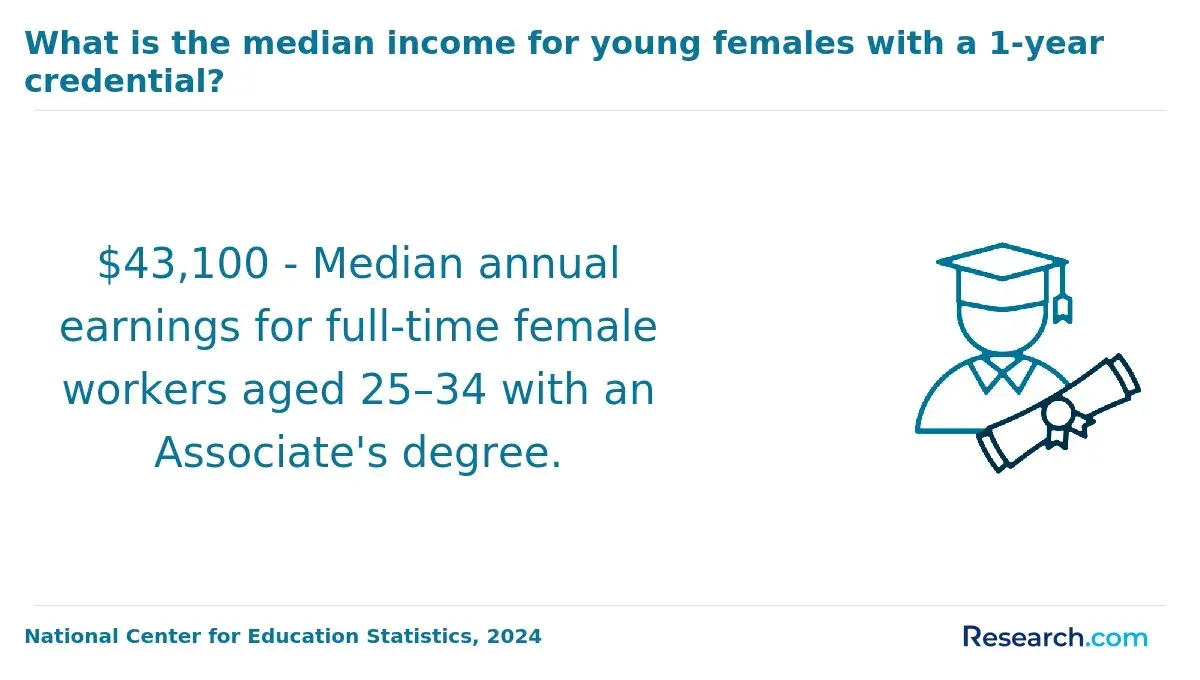
- Associate degree: An associate degree may prepare students for support roles such as speech-language pathology assistant positions where allowed by state rules and employer policy. These roles can provide valuable experience, but they usually involve supervision and limited clinical autonomy.
- Bachelor's degree: A bachelor's degree in communication disorders, speech and hearing sciences, or a related field is commonly used as preparation for graduate study. It may also support entry-level roles in education, healthcare support, case coordination, or human services, but it is typically not enough for independent licensed clinical practice.
- Master's degree: A master's degree is generally the key credential for students pursuing speech-language pathology practice, certification eligibility, and state licensure. Students comparing cost, flexibility, and clinical placement requirements may want to review options for a master's in speech pathology online, while confirming that any program they consider meets accreditation and licensure expectations in their intended state.
- Doctorate degree: Doctoral study can support audiology practice, advanced clinical specialization, university teaching, research, supervision, and leadership roles. Audiologists usually need doctoral-level education, while speech-language pathologists may pursue doctoral training for research, academic, or advanced professional goals.
The U.S. Bureau of Labor Statistics forecasts a 21% employment increase for speech-language pathologists through 2031, particularly favoring those with graduate degrees. Students who are interested in school-based work but not necessarily clinical communication disorders practice may also compare alternatives such as a library degree, especially if they are weighing education careers with different licensure and training requirements.
What Skills Are Employers Seeking in Communication Disorders Graduates?
Employers look for more than a completed degree. They want graduates who can translate coursework into safe, ethical, documented, client-centered practice. In interviews and clinical placements, the strongest candidates can explain not only what they know, but how they make decisions with real clients, families, teachers, and care teams.
- Interpersonal communication: Graduates must communicate clearly with clients, caregivers, educators, physicians, and colleagues. Empathy, active listening, plain-language explanations, and cultural responsiveness are essential in both assessment and therapy.
- Assessment and diagnostic judgment: Employers value candidates who can gather case history, administer appropriate tools, interpret results carefully, and avoid overgeneralizing from a single measure. Strong diagnostic reasoning supports better treatment planning.
- Evidence-based practice: Clinicians need to connect research, clinical expertise, and client needs. This includes knowing when an intervention is supported by evidence, when it must be adapted, and when progress data suggest a change in approach.
- Technical and telehealth competence: Familiarity with assistive communication tools, hearing technologies, electronic documentation systems, and telepractice platforms can make graduates more competitive, especially in hybrid or underserved settings.
- Critical thinking: Communication disorders cases are rarely simple. Employers need professionals who can prioritize needs, manage uncertainty, recognize red flags, and refer appropriately when a client requires additional medical, psychological, educational, or social support.
- Collaboration: Many clients receive support from multidisciplinary teams. Graduates must be able to coordinate with occupational therapists, physical therapists, teachers, physicians, counselors, and family members without losing sight of their own scope of practice.
- Documentation and organization: Accurate records are central to compliance, reimbursement, continuity of care, and legal protection. Timely documentation is also one of the most common transition challenges for new clinicians.
- Adaptability and professional learning: New graduates are expected to keep improving through supervision, feedback, continuing education, and exposure to different client populations.
One recent communication disorders graduate described the transition from coursework to practice as challenging because client interactions, documentation, and technology all had to happen at once. "Transitioning from academic knowledge to real-world application felt daunting, especially mastering nuanced client interactions and technological tools," he said. He noted that repeated practice, supervisor feedback, and a willingness to ask precise questions helped him build confidence. "Employers want professionals who not only have the technical know-how but can adapt quickly and communicate effectively under pressure," he added.
How Does Job Demand Affect Communication Disorders Graduate Salaries?
Job demand can improve salary prospects, but it does not affect every graduate equally. Pay is shaped by degree level, licensure status, setting, geography, experience, union or district salary schedules, productivity expectations, and whether the role is full time, part time, contract, or school-year based.
Employment for speech-language pathologists is projected to grow 21% over a decade, much faster than the average for all occupations. That level of demand can strengthen bargaining power in shortage areas, but students should avoid assuming that every market or employer will pay the same.
- Starting salaries: When qualified candidates are hard to find, employers may offer more competitive starting salaries, sign-on incentives, relocation support, or faster hiring timelines. These advantages are more common in shortage areas and specialized settings.
- Wage growth: Sustained demand can support wage increases over time, especially for professionals who gain experience, complete licensure requirements, develop a specialty, or take on supervisory responsibilities.
- Long-term earning potential: Graduates may improve earnings by moving into medical settings, private practice, leadership, clinical supervision, specialty services, or roles that require advanced expertise. However, higher pay may come with heavier caseloads, productivity standards, or administrative duties.
- Market saturation effects: In areas with many training programs or high applicant interest, salary growth may be slower. A strong national outlook does not eliminate local competition.
- Regional cost trade-offs: A higher salary in a high-cost metro area may not provide better financial outcomes than a lower salary in a more affordable region. Net income, benefits, debt, and work schedule all matter.
Students should compare salary data by state, setting, and credential level before enrolling. The best financial outcome usually comes from matching the degree to a licensable role, completing required clinical preparation on time, and choosing a market where demand is strong enough to support steady employment.
How Is AI Changing Demand for Communication Disorders Professionals?
AI is changing how communication disorders professionals work, but it is not eliminating the need for trained clinicians. Recent advances in artificial intelligence are transforming workforce demands within communication disorders, with AI adoption in healthcare growing at an estimated 40% annually. The most important shift is that employers increasingly expect clinicians to combine human judgment with digital fluency.
- Routine task support: AI-enabled tools may help with screening, transcription, documentation, pattern recognition, and workflow management. This can free clinicians to spend more time on interpretation, counseling, treatment planning, and complex decision-making.
- New oversight responsibilities: Professionals may be asked to evaluate whether digital tools are appropriate for a client, whether outputs are accurate, and whether technology use protects privacy and complies with professional standards.
- Stronger demand for digital literacy: Graduates who understand telepractice platforms, assistive communication technologies, data-informed care, and AI-supported documentation may be more competitive in modern clinical and educational settings.
- Continued need for human interaction: Communication disorders work depends on rapport, motivation, observation, family coaching, cultural context, and ethical judgment. These are areas where clinicians remain central.
- Changing hiring expectations: Employers may favor candidates who can learn new systems quickly, explain technology to clients and families, and use AI tools without overrelying on them.
One recent graduate described a learning curve when balancing AI tools with empathetic patient interaction. "Initially, mastering the software felt daunting," she said, "but as I grew more comfortable, I realized AI freed me to focus on what matters most-understanding patients' unique needs." Her experience points to the most likely future of the field: AI will handle more administrative and analytical support, while clinicians remain responsible for judgment, relationship-building, and individualized care.
Is Communication Disorders Considered a Stable Long-Term Career?
Communication disorders is generally considered a stable long-term career path for students who complete the degree level required for their intended role, meet licensure or certification requirements, and remain flexible about setting and location. Stability is supported by demand across schools, healthcare systems, rehabilitation providers, and aging-related services.
- Consistent service need: Communication, hearing, swallowing, and language challenges affect people across the lifespan. That broad client base helps protect the field from depending on one industry or age group.
- Multiple employment settings: Graduates may work in schools, hospitals, clinics, rehabilitation centers, long-term care, early intervention, private practice, telepractice, research, or higher education. Having several possible settings can reduce career risk.
- Institutional demand: Schools and healthcare organizations rely on communication disorders professionals to meet student, patient, and regulatory needs. This creates ongoing demand even when other sectors slow down.
- Adaptability to technology: Telepractice, assistive technology, and AI-supported tools are changing service delivery. Professionals who adapt to these tools can remain relevant as employers modernize care.
- Room for specialization: Long-term career resilience can improve through specialization in areas such as pediatric language, dysphagia, autism support, voice, fluency, augmentative and alternative communication, hearing care, or neurological rehabilitation.
- Credential dependence: The main caution is that stability often depends on completing the right graduate degree, supervised experience, examinations, and state licensure. Students who stop at a bachelor's degree may have fewer independent practice options.
Professionals who later want to move into administration, program design, or senior leadership may explore related education paths such as the online PhD organizational leadership, particularly if they want to lead teams in healthcare, education, or nonprofit service systems.
Is a Communication Disorders Degree Worth It Given the Current Job Demand?
A communication disorders degree can be worth it if your goal matches the credential required for the role you want. The strongest return is usually for students who plan carefully for graduate school, clinical requirements, licensure, and the type of setting where they want to work. Current labor market demand is favorable, but the degree is not equally valuable at every level.
The positive case is clear: faster-than-average job growth projections from the U.S. Bureau of Labor Statistics, an aging population, demand in schools and healthcare, and expanding telepractice all support continued need for qualified professionals. The field also offers meaningful work for people who want a career built around communication, rehabilitation, and client progress.
The caution is also important. A bachelor's degree alone may not lead to the clinical role many students picture when they enter the major. A master's degree is generally necessary for speech-language pathology licensure and stronger job prospects, while audiology typically requires doctoral-level preparation. Students should review admissions requirements, clinical placement availability, accreditation, state licensure rules, and total program cost before committing.
- Worth considering if: You are prepared for graduate-level training, want a licensed clinical or school-based role, are comfortable with documentation and client interaction, and are willing to meet state-specific requirements.
- Be cautious if: You want a quick path into high earnings, are unsure about graduate school, or are choosing the major without understanding licensure and clinical supervision requirements.
- Best-fit students: Strong candidates tend to be patient, detail-oriented, collaborative, comfortable with science and language, and motivated by direct service.
Students comparing time, cost, and employment outcomes across fields may also find broader resources on easiest online degrees that pay well useful, especially when deciding whether communication disorders is the best match or one of several viable options.
What Graduates Say About the Demand for Their Communication Disorders Degree
- Sera: "Pursuing a communication disorders degree was a transformative choice that opened doors I never anticipated. The knowledge and skills I gained gave me confidence and versatility, making the investment feel incredibly worthwhile. Today, I see the direct impact of my education every day as I help clients find their voices."
- Mossie: "Reflecting on my time studying communication disorders, I realize how well the degree prepared me for a meaningful and stable career. The return on investment was not just financial but deeply personal, as I am able to make a difference in people's lives through evidence-based practices. It's been a rewarding professional journey grounded in a solid academic foundation."
- Gela: "Choosing to study communication disorders stemmed from a genuine passion to assist others in overcoming challenges. The degree proved its value quickly, giving me essential clinical skills and a network that propelled my career forward. As a result, I can confidently say that my education has been the cornerstone of my success in this dynamic field."
Other Things You Should Know About Communication Disorders Degrees
In 2027, changes in healthcare policy, including increased insurance coverage for communication therapy services and enhanced focus on early intervention and telehealth, are contributing to a rising demand for communication disorders graduates. These policies enhance service accessibility, expanding job opportunities in various healthcare and educational settings.
In 2027, the demand for communication disorders degree graduates is experiencing steady growth. Factors such as an aging population and increased awareness of communication disorders in children contribute to a higher need for skilled professionals in this field.
In 2027, communication disorders graduates can work in diverse settings such as hospitals, schools, private practices, and rehabilitation centers. These environments often involve interdisciplinary collaboration, which is ideal for graduates passionate about teamwork and making a tangible difference in patients' lives.
Healthcare policy changes, such as expanded insurance coverage and increased emphasis on early intervention, tend to increase demand for communication disorders professionals. Funding shifts can influence employment opportunities and service availability. Staying informed about policy trends helps professionals anticipate changes in job market conditions and adapt accordingly.
References
- Communication Disorders Degree Guide: Programs & Careers https://www.speechpathologygraduateprograms.org/blog/what-can-you-do-with-a-communication-disorders-degree/
- The power of communication: Exploring a career in communication sciences and disorders https://www.cmich.edu/blog/all-things-higher-ed/the-power-of-communication-exploring-a-career-in-communication-sciences-and-disorders
- What Can I Do with a Communication Disorders Degree? | Maryville Online https://slp.maryville.edu/blog/what-can-i-do-with-a-communication-disorders-degree/
- What can I do with a degree in Communication Sciences & Disorders? https://www.bgsu.edu/health-and-human-services/programs/department-of-communication-sciences-and-disorders/undergraduate-program/CDIS-post-graduate-planning.html
- Career Opportunities for Speech-Language Graduates https://www.albizu.edu/blog/career-opportunities-for-speech-language-graduates/
- The Future Career Outlook for Speech-Language Pathologists https://shccares.com/blog/allied-health/the-future-career-outlook-for-speech-language-pathologists/
- Navigating the Path to Becoming a Speech-Language Pathologist: Salary Insights and Career Steps - Oreate AI Blog https://www.oreateai.com/blog/navigating-the-path-to-becoming-a-speechlanguage-pathologist-salary-insights-and-career-steps/3fabd6aa0a81023ba00b5c2475a76d4a
- Artificial Intelligence and the Future of Communication Sciences and Disorders: A Bibliometric and Visualization Analysis https://www.preprints.org/manuscript/202401.2235
- Now is a great time to become a speech pathologist – here's why https://www.vu.edu.au/about-vu/news-events/vu-blog/now-is-a-great-time-to-become-a-speech-pathologist-heres-why
- Division of Pre-Health https://lasierra.edu/pre-health/career/communication-sciences-and-disorders/


