
2027 Is Demand for Higher Education Degree Graduates Growing or Declining?

Co-Founder and Chief Data Scientist
Many students hesitate to pursue a Higher Education degree due to uncertainty about job prospects after graduation. Despite rising tuition costs, the need for skilled professionals remains critical in various industries. Recent data shows that employment for graduates with Higher Education degrees is projected to grow by 9% over the next decade, faster than the average for all occupations. This trend suggests a steady demand for qualified candidates.
This article will analyze current employment patterns and market demands, helping readers assess whether investing in a Higher Education degree aligns with their career goals and economic realities.
Key Things to Know About the Demand for Higher Education Degree Graduates
- Employment for higher education degree graduates grew by 7% from 2018 to 2023, driven by expanding healthcare, technology, and education sectors.
- Projected job growth varies by field, with STEM-related degrees expecting faster growth, while some humanities roles face slower demand or decline.
- Industry specialization enhances career longevity; graduates with interdisciplinary skills or emerging tech expertise have more resilient job prospects amid market shifts.
What Factors Are Driving Demand for Higher Education Degree Professionals?
Prospective students benefit from understanding the key factors driving workforce demand, as it helps them assess the long-term value and stability of investing in a higher education degree. Several major drivers shape employment trends for graduates, reflecting evolving industry and societal needs.
- Industry Growth: Expanding sectors such as healthcare, technology, and business services require specialized knowledge typically gained through higher education degrees, resulting in sustained hiring demand.
- Technological Advancement: Rapid innovation reshapes roles and creates new career paths. Higher education equips graduates with critical thinking and adaptability, enabling them to thrive amid automation and digital change.
- Regulatory Changes: Increased focus on licensing and certification-especially in healthcare and education-reinforces the importance of formally accredited qualifications, like those evaluated through the accreditation process for higher education degree programs in the US.
- Demographic Shifts: An aging population drives growth in healthcare and education sectors, enhancing job prospects for graduates prepared to meet these evolving community needs.
- Evolving Skills: Employers seek soft skills, interdisciplinary knowledge, and lifelong learning. Responding to this, institutions prioritize regional accreditation for higher education degrees to maintain quality and relevance.
For those exploring specialized fields, programs such as the bcba degree offer targeted preparation aligned with market demands.
Which Higher Education Occupations Are Seeing the Highest Growth Rates?
Job growth rates are a crucial indicator for students assessing their career paths in higher education, as they highlight expanding demand and potential job stability. The U.S. Bureau of Labor Statistics projects overall employment to grow by 8% from 2022 to 2032, which is faster than the average for all occupations. This trend sets the stage for understanding which higher education occupations are seeing the highest growth rates.
- Postsecondary Teachers: Expected to grow by 12%, this demand is driven by rising college enrollment and the need for specialized knowledge. Most roles require at least a master's degree or higher to meet advanced curriculum standards.
- Educational Administrators: Projected 10% growth reflects institutional expansion and adaptation to new learning models as well as changing regulatory environments. Positions typically require graduate-level education and leadership skills.
- Student Services Coordinators: Anticipated 9% growth comes from increased focus on student retention and mental health support, underlining growing student-centered initiatives. A master's degree is generally preferred for these roles.
- Instructional Coordinators: With 7% projected growth, these professionals support technology integration and evolving curriculum standards, often requiring advanced credentials.
- Library Technicians: Though smaller at around 6%, growth is fueled by digitization of resources and information management, with varied education requirements depending on the employer.
Exploring top growing higher education careers by job demand can guide prospective students in choosing programs aligned with robust labor market trends. For those interested in enhancing their qualifications efficiently, pursuing an accelerated psychology degree may offer a valuable pathway within the education and student support fields.
Which Industries Hire the Most Higher Education Degree Graduates?
Knowing which industries are the leading employers of higher education graduates helps students make informed decisions about their fields of study and enhances their chances for stable employment. Below are some of the key sectors where these graduates find the most opportunities.
- Healthcare: This industry requires a wide range of professionals including doctors, nurses, health administrators, and researchers. The ongoing advancements in medicine and an increasing aging population maintain strong demand for individuals with advanced education and specialized skills.
- Technology: Fields like software development, cybersecurity, data analytics, and engineering are prominent employers of graduates with STEM-related higher education backgrounds. These sectors depend heavily on innovative thinking and technical expertise to develop and maintain evolving digital systems.
- Education: Schools, colleges, and universities frequently hire graduates as educators, program coordinators, and curriculum specialists. The push for high-quality teaching and tailored educational programs sustains consistent recruitment in this field.
- Business and Finance: Management roles, consulting positions, marketing, and financial analysis jobs are common in this sector. The complexities of modern global markets require strong analytical and strategic abilities typically honed through higher education.
- Government and Public Sector: Positions such as policy advisors, diplomats, and social service professionals often demand advanced degrees. Expertise in law, public administration, and social programs ensures these roles are continually staffed by qualified graduates.
Higher education curricula are crafted to provide both theoretical understanding and practical skills tailored to meet the staffing needs of these dynamic industries.
How Do Higher Education Job Opportunities Vary by State or Region?
Geographic factors strongly influence employment opportunities for higher education degree holders by affecting job availability, competition, and prospects for advancement. Several regional aspects shape the demand for professionals in this field.
- High-Demand States: States like California and Texas often have the most openings due to large public university systems and rapidly growing populations, creating more roles in administration and academic positions.
- Industry Clusters: Regions with robust research centers or technology hubs, such as the Northeast Corridor, offer expanded career options for those with research and administrative expertise.
- Urban versus Rural: Urban areas usually provide a greater number of positions but come with increased competition, while rural locations may have fewer opportunities yet also lower applicant density.
- Cost-of-Living Factors: Higher salaries tend to accompany regions with elevated living expenses, but this can affect overall take-home pay and work-life balance.
- Remote and Hybrid Work: Growing remote and hybrid employment models are reducing location constraints, enabling graduates to access jobs at institutions outside their immediate geographic area.
According to U.S. Bureau of Labor Statistics data, employment of postsecondary education administrators is expected to expand by approximately 12% between 2022 and 2032, though growth rates vary by state due to these geographic and economic variables. Such insights help professionals target areas with favorable conditions for career development in higher education.
How Does Degree Level Affect Employability in Higher Education Fields?
The level of education attained significantly impacts job prospects, career advancement, and professional competitiveness in higher education careers. Examining how different degree levels compare reveals their influence on employability within this field.
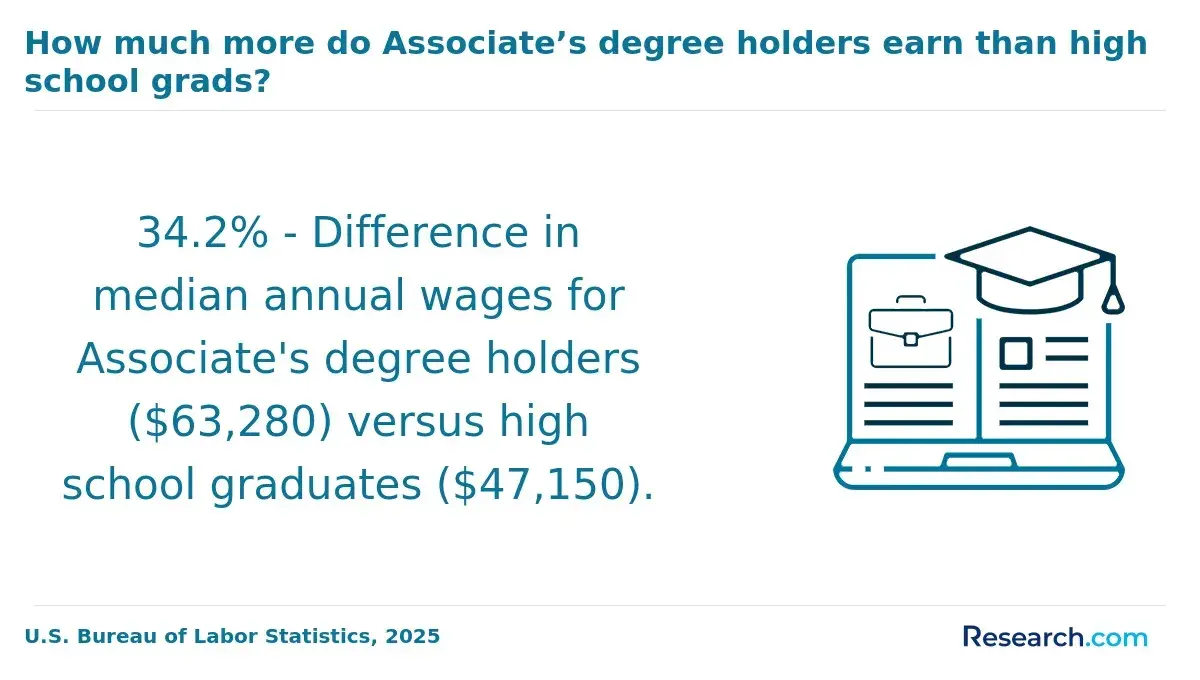
- Associate Degree: Typically opens the door to entry-level administrative or support roles, providing essential foundational skills. However, opportunities for upward mobility are generally limited with this qualification.
- Bachelor's Degree: Expands access to a wider variety of positions, such as academic advising, student services, and program coordination. This level offers broader responsibilities and more diverse job opportunities compared to an associate degree, exemplifying how degree level influences employability in higher education careers.
- Master's Degree: Graduates often qualify for mid- to senior-level roles, including academic program managers and instructional coordinators. These positions demand leadership and specialized knowledge, and holders of this degree experience lower unemployment rates, reflecting their competitive edge.
- Doctorate: This highest degree level prepares individuals for faculty appointments, research leadership, and executive administrative positions. Doctorate holders generally possess advanced specialization and research expertise, positioning them strongly for executive roles and academic leadership within higher education fields.
According to the U.S. Bureau of Labor Statistics, individuals with a master's degree in education-related careers face an unemployment rate of just 3.1%, lower than the 5.5% for those holding only a bachelor's degree. For those exploring advanced education options that combine leadership and specialization, an executive mba can be a strategic choice to boost competitiveness and career opportunities.
What Skills Are Employers Seeking in Higher Education Graduates?
Recognizing the skills favored by employers is vital for graduates aiming to succeed and remain competitive in higher education careers. These competencies help professionals navigate evolving institutional demands and contribute meaningfully to their roles. The key abilities sought by employers include:
- Critical Thinking: This skill enables graduates to evaluate complex issues, make strategic decisions, and design innovative approaches, all of which are essential in academic and administrative settings.
- Communication Skills: The ability to clearly convey ideas verbally and in writing supports collaboration, instruction, and interaction with students and colleagues alike.
- Technological Proficiency: Knowledge of educational technologies and data systems streamlines operations and enriches the learning experience in modern institutions.
- Leadership and Teamwork: Graduates who inspire teams and cooperate effectively foster progress on institutional initiatives and enhance student outcomes.
- Adaptability: Flexibility in responding to policy changes and shifting educational environments equips professionals for ongoing success.
In a conversation with a graduate of a higher education degree program, I asked about the employer skills that made a difference in his early career. He recalled how navigating unexpected challenges required more than textbook knowledge. "Sometimes you face situations where the policies change mid-project," he explained, "and being able to think on your feet and communicate those shifts clearly to the team made all the difference." He described moments of uncertainty paired with the satisfaction of leading a successful initiative by drawing on a mix of technical know-how and interpersonal skills. This experience underscored how real-world demands compel graduates to blend several competencies to thrive professionally.
How Does Job Demand Affect Higher Education Graduate Salaries?
Fluctuations in job demand significantly influence starting salaries, wage growth, and long-term earning potential for graduates with a higher education degree. For example, employment in STEM occupations is projected to grow 8% from 2021 to 2031, outpacing average growth and often corresponding with stronger wage increases for related fields. These market dynamics shape how salaries develop over time. The main ways job demand affects salaries include:
- Higher Starting Salaries: Fields experiencing strong demand often offer elevated entry-level pay as employers compete for qualified graduates. This is especially true in sectors like technology and healthcare, where a limited supply of degree holders drives salaries up.
- Wage Growth Acceleration: In competitive labor markets with ongoing demand, wages tend to increase faster because employers must continually attract and retain skilled workers, leading to more frequent salary raises.
- Long-Term Earning Potential: Graduates in high-demand fields generally benefit from greater opportunities for promotions and salary advancements, as employers invest more in retaining talent for long-term success.
- Market Saturation Effects: Conversely, areas with an oversupply of graduates, such as some humanities fields, may see stagnant or declining wages due to reduced employer bargaining power and limited job openings.
How Is AI Changing Demand for Higher Education Professionals?
Advancements in artificial intelligence are rapidly transforming workforce demands within higher education, with over 60% of U.S. colleges currently incorporating AI tools into their operations. This technological shift is reshaping how institutions function and impacting career paths for education professionals.
Key effects of AI integration in higher education roles include:
- Automation of Administrative Tasks: AI simplifies routine functions like admissions, grading, and scheduling, reducing the need for staff focused only on repetitive duties while allowing professionals to focus on more strategic responsibilities.
- Emergence of Specialized Positions: New roles such as AI curriculum developers and educational data analysts are appearing, requiring expertise in both technology and pedagogy, which broadens job opportunities in academia.
- Changing Skill Requirements: There's a growing call for faculty and staff proficient in digital literacy, data analysis, and cross-disciplinary collaboration to effectively leverage AI-enhanced teaching tools and platforms.
- Focus on Lifelong Learning Support: Professionals are increasingly expected to help students navigate evolving career landscapes influenced by AI, fostering adaptability and continuous skill development.
When I spoke with a graduate of a Higher Education degree program, she shared how adapting to AI changed her early career experience. Initially overwhelmed by the rapid tech adoption at her institution, she described the learning curve as challenging but ultimately rewarding. "Integrating AI systems required me to constantly update my skill set, which felt daunting at first," she said, "but it made me realize how vital flexibility and tech-savviness are for sustaining a career in higher education." Her journey highlighted how embracing AI not only improved her job stability but also opened doors to collaborative projects she hadn't anticipated, underscoring the positive potential of AI-driven change in the profession.
Is Higher Education Considered a Stable Long-Term Career?
Long-term career stability is an important consideration for students and professionals evaluating higher education career paths, as it influences sustained employment and potential growth opportunities. Several factors play a critical role in determining how stable these careers can be over time.
- Long-Term Employment Trends: Demand for higher education professionals, including faculty and administrative roles, generally remains steady due to society's ongoing focus on learning and skill development. However, fluctuations in funding, enrollment, and policy changes can impact job security.
- Industry Reliance: Many sectors depend heavily on higher education institutions for research, training, and workforce development, which helps maintain a consistent need for qualified educators and staff. This reliance strengthens the job market outlook for higher education degree holders across various disciplines.
- Adaptability to Change: The emergence of online learning and digital tools requires continuing skill updates from those in the field. Professionals who embrace new technologies and innovative teaching methods often enjoy better job security and career advancement prospects.
- Career Advancement Opportunities: Higher education careers frequently provide pathways for promotion and ongoing professional development. Access to reskilling and advancement opportunities helps individuals stay competitive, supporting long-term career resilience.
Students exploring options for affordable pathways into higher education careers may benefit from considering the most affordable online colleges, which can offer cost-effective routes to gain relevant qualifications. Understanding these factors can improve decisions around entering and sustaining a career in higher education and its related roles.
Is a Higher Education Degree Worth It Given the Current Job Demand?
Current labor market trends for higher education graduates show that demand remains relatively stable, with job growth projected to outpace the average for occupations requiring at least a bachelor's degree. Fields like healthcare, technology, and advanced business services demonstrate particularly strong employment opportunities over the next decade. This ongoing demand suggests that a higher education degree maintains its relevance in today's job market trends for higher education graduates, although variations exist depending on discipline and industry. Understanding these nuances is essential for assessing the degree's overall value given the current job demand in the United States.
The value of a higher education degree significantly depends on degree level, skill alignment, and industry needs, impacting long-term career outcomes. Graduates who complement their education with relevant technical skills, internships, or practical experience generally enhance their employability. Advanced degrees often lead to specialized roles with higher earning potential but demand greater time and financial investment. For those weighing educational options, exploring certifications online may also offer practical pathways to boost career prospects in alignment with evolving market requirements.
What Graduates Say About the Demand for Their Higher Education Degree
- Trace: "Pursuing a higher education degree was a pivotal choice for me, driven by a desire to deepen my knowledge and open new career doors. The return on investment has been remarkable, as I now enjoy greater job security and salary growth. This degree truly transformed my professional life and gave me confidence in my expertise. "
- Sutton: "Looking back, committing to a higher education degree was both a challenging and rewarding journey. It gave me the critical thinking skills and credibility necessary to excel in my field, which has paid off in numerous career advancements. The entire experience reshaped how I approach problem-solving and leadership. "
- Ezekiel: "From a professional standpoint, earning my higher education degree was an essential step for career progression. The financial benefits were clear, but more importantly, it significantly expanded my network and industry knowledge. This qualification established my credibility and helped me secure roles that align with my career goals. "
Other Things You Should Know About Higher Education Degrees
In 2027, several factors influence the demand for higher education degree graduates, including technological advancements, market skill requirements, economic trends, and policy changes in education. The evolving job market increasingly values digital literacy and specialized skills, affecting graduate demand.
In 2027, the demand for higher education degree graduates is generally projected to grow. This is driven by the increasing necessity for advanced skills in technology, healthcare, and other evolving sectors. However, growth may vary by industry and location, reflecting economic and technological changes.
Demand is affected by changes in enrollment trends, government funding for education, and evolving workforce needs. Additionally, shifts in demographic patterns and the growing emphasis on lifelong learning contribute to fluctuations in hiring demand for higher education graduates.
In 2027, institutional policies such as curriculum updates, partnerships with industries, and focus on skill-based learning can enhance the value of higher education degrees by aligning educational outcomes with market needs, thereby boosting graduates' employability.
References
- Daftar Jurusan Kuliah yang Paling Diminati dan Prospek Kariernya https://edlinkconnex.com/en/news/102/List-of-Most-In-Demand-Degrees-and-Career-Prospects
- The Impact of AI on Work in Higher Education https://www.educause.edu/research/2026/the-impact-of-ai-on-work-in-higher-education
- AI in Higher Education: How AI Is Reshaping Higher Education | USAHS https://www.usa.edu/blog/ai-in-higher-education-how-ai-is-reshaping-higher-education/
- How graduating from university can skyrocket first-generation students’ careers and earning potential - Universities Canada https://univcan.ca/news/how-graduating-from-university-can-skyrocket-first-generation-students-careers-and-earning-potential/
- Demand for College Labor in the 21st Century https://www.clevelandfed.org/publications/economic-commentary/2025/ec-202504-college-labor-demand-21st-century
- AI in Higher Education: A Meta Summary of Recent Surveys of Students and Faculty https://sites.campbell.edu/academictechnology/2025/03/06/ai-in-higher-education-a-summary-of-recent-surveys-of-students-and-faculty/
- How does a college degree improve graduates’ employment and earnings potential? - APLU https://www.aplu.org/our-work/4-policy-and-advocacy/publicuvalues/employment-earnings/
- Artificial Intelligence and Academic Professions | AAUP https://www.aaup.org/reports-publications/aaup-policies-reports/topical-reports/artificial-intelligence-and-academic
- Beyond the Degree: The Skills Students Want From Their Program https://www.keg.com/news/beyond-the-degree-skills-students-want-from-their-program
- 2025 Higher Education Trends https://www.deloitte.com/us/en/insights/industry/public-sector/2025-us-higher-education-trends.html


