
2027 Is Demand for Regulatory Science & Affairs Degree Graduates Growing or Declining?

Co-Founder and Chief Data Scientist
A recent surge in complex regulatory requirements challenges pharmaceutical and biotech companies to maintain compliance while accelerating product approval. Graduates with a regulatory science & affairs degree are increasingly sought to navigate these complexities. According to the U. S. Bureau of Labor Statistics, employment in regulatory affairs is projected to grow 6% from 2022 to 2032, faster than the average for all occupations. This article examines current demand trends for regulatory science & affairs degree holders, evaluates industry growth factors, and offers insights to help prospective students and professionals make informed career decisions in this evolving field.
Key Things to Know About the Demand for Regulatory Science & Affairs Degree Graduates
- Employment for regulatory science & affairs graduates is increasing, with a 12% job growth projected over the next decade due to expanding healthcare and pharmaceutical regulations.
- Specialization in areas like medical devices or biotechnology enhances long-term career prospects amid evolving industry demands and regulatory complexity.
- Industry shifts toward digital health and global compliance frameworks are driving new regulatory roles, increasing demand for adaptable, skilled regulatory science & affairs professionals.
What Factors Are Driving Demand for Regulatory Science & Affairs Degree Professionals?
Analyzing the forces driving workforce demand allows prospective students to better evaluate the long-term value and stability of pursuing a regulatory science & affairs degree. Several key factors currently shape job opportunities in this expanding career field.
- Industry Growth: Expansion in healthcare, pharmaceuticals, biotechnology, and medical devices fuels the need for regulatory science & affairs professionals. The increasing development of new drugs, therapies, and medical technologies requires experts to ensure compliance with evolving standards, sustaining hiring demand.
- Technological Advancement: Innovations such as digital health tools, artificial intelligence, and personalized medicine introduce novel regulatory challenges. This growth creates higher demand for specialists capable of managing emerging frameworks, making accredited regulatory science & affairs degree programs in the US crucial for industry readiness.
- Regulatory and Policy Changes: Frequent updates from the FDA and other global regulatory bodies compel companies to hire experts who can interpret and implement new requirements efficiently, emphasizing the importance of program accreditation for regulatory science & affairs careers.
- Demographic Shifts: An aging population increases demand for advanced medical products and expands regulatory oversight. This demographic trend contributes to a larger market size and more job opportunities within the regulatory field.
- Employer Skill Requirements: Employers seek candidates who combine regulatory knowledge with skills in data analysis, project management, and cross-disciplinary collaboration. This skill set streamlines product approvals and enhances career prospects.
For those interested in complementing a regulatory science & affairs degree with cutting-edge skills, exploring ai degrees online can provide valuable interdisciplinary expertise.
Which Regulatory Science & Affairs Occupations Are Seeing the Highest Growth Rates?
Growth rates indicate which careers within regulatory science & affairs offer promising opportunities and long-term stability. The U.S. Bureau of Labor Statistics projects overall employment to grow by 5% through 2031, highlighting the importance of focusing on occupations with higher-than-average demand. Below are some of the top growing regulatory science & affairs careers by employment sector.
- Regulatory Affairs Specialists: Expected to grow by about 9% over the next decade, these professionals support pharmaceutical and biotechnology companies in meeting evolving regulatory standards. A bachelor's degree in a related scientific or regulatory field is typically required.
- Clinical Regulatory Affairs Managers: With an anticipated growth near 8%, demand stems from stricter clinical trial regulations worldwide. These roles often require advanced degrees and significant experience overseeing clinical compliance.
- Quality Assurance Analysts: Projected growth is around 7%, driven by the need to maintain compliance with changing manufacturing and safety standards. A scientific or engineering degree is commonly preferred.
- Compliance Officers: Growing roughly 6%, these professionals help organizations navigate complex regulatory environments and reduce legal risks. A background in law, business, or regulatory science is beneficial.
- Drug Safety Specialists: Also experiencing around 7% growth, they focus on monitoring adverse drug effects to ensure patient safety. Often requiring specialized certifications or degrees in pharmacovigilance or regulatory affairs.
Students interested in these expanding fields should consider the online business degree path to complement scientific expertise with regulatory knowledge and management skills, enhancing career prospects within regulatory science & affairs.
Which Industries Hire the Most Regulatory Science & Affairs Degree Graduates?
Knowing which industries are the leading employers of regulatory science & affairs graduates helps students evaluate where career opportunities and job security are strongest. Several key sectors rely on regulatory expertise to manage compliance and streamline product approvals. Below are the main industries that commonly hire these graduates:
- Pharmaceutical and Biotechnology: Professionals in this sector often serve as regulatory specialists or compliance managers, preparing submissions for agencies like the FDA and monitoring safety standards. Growth in drug development and tighter regulatory requirements fuel ongoing demand for these skills.
- Medical Devices: Regulatory science & affairs graduates oversee approvals and quality systems here, ensuring devices meet regulatory pathways and launch on schedule. Their expertise mitigates risks and supports innovation in a highly regulated environment.
- Food and Beverage: Graduates help maintain compliance with labeling regulations, ingredient safety, and health standards. Their work is crucial for companies to meet evolving government rules and protect consumer interests.
- Cosmetics: This industry employs regulatory experts to assure products adhere to national and international standards, including ingredient limitations and marketing claims. Specialized knowledge helps companies navigate complex regulations and maintain market access.
How Do Regulatory Science & Affairs Job Opportunities Vary by State or Region?
Location plays a crucial role in shaping employment opportunities for regulatory science & affairs graduates, influencing both the breadth of available roles and competitive dynamics within the field. Several geographic elements contribute to these variations in demand and career prospects.
- High-Demand States: California, Massachusetts, and New Jersey lead in job availability due to their dense pharmaceutical, biotechnology, and medical device industries, resulting in greater need for regulatory compliance expertise.
- Regional Industry Clusters: The Northeast's life sciences corridor and West Coast biotech hubs serve as major centers, fostering networks of companies that drive demand for regulatory science & affairs professionals.
- Urban vs. Rural: Metropolitan areas generally offer more positions because of proximity to corporate headquarters, regulatory agencies, and research institutions, while rural regions tend to have fewer opportunities.
- Cost-of-Living Impact: While top markets provide numerous openings, higher living expenses can affect net income and should be factored into job location decisions.
- Remote and Hybrid Work: Increasing adoption of flexible work arrangements is broadening geographic access, allowing graduates to pursue roles beyond traditional industry hotspots.
Data from the U.S. Bureau of Labor Statistics indicates a growth rate exceeding the national average in regulatory affairs roles related to healthcare and pharmaceuticals, particularly concentrated in key regions. Choosing the right location thus involves balancing job quantity, competition, potential career advancement, and personal circumstances.
How Does Degree Level Affect Employability in Regulatory Science & Affairs Fields?
Educational attainment, such as a bachelor's, master's, or doctorate, plays a crucial role in shaping job opportunities, career trajectories, and competitiveness in regulatory science & affairs fields. Below is a comparison of how each degree level impacts employability in this sector.
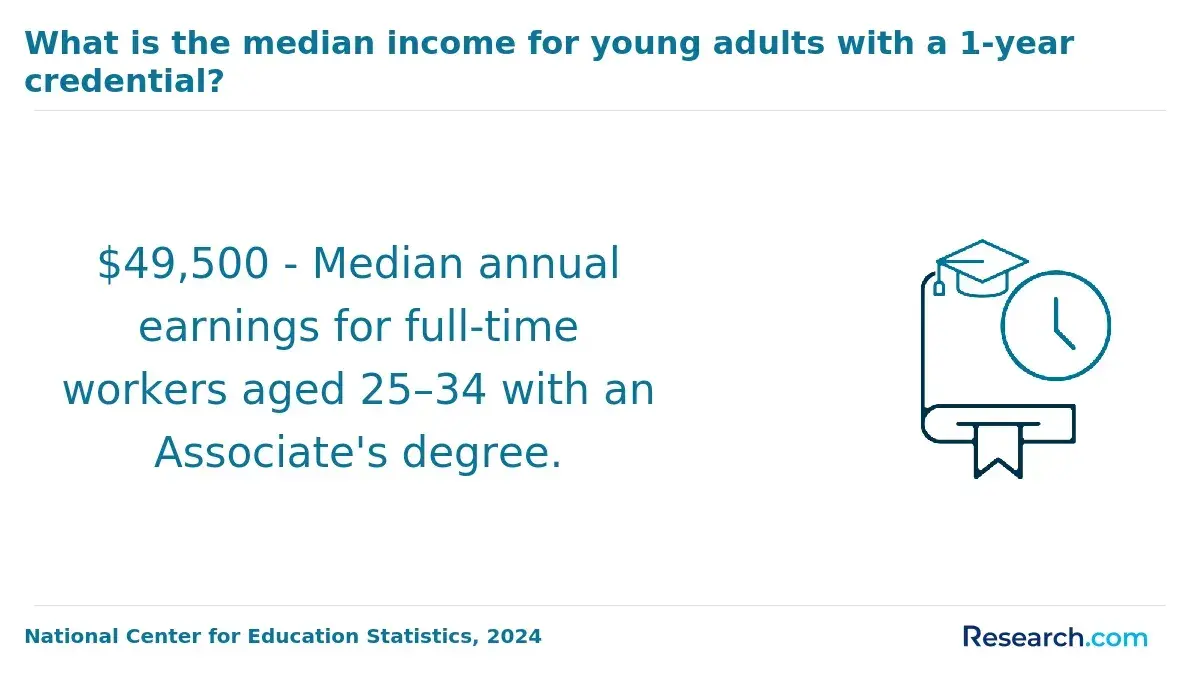
- Associate Degree: Typically opens doors to entry-level positions like regulatory affairs assistant or documentation specialist. While it offers quicker workforce entry, it generally limits career advancement and salary growth within regulatory science & affairs graduate job prospects by education level.
- Bachelor's Degree: Serves as the standard requirement for many roles, including regulatory affairs specialists and compliance analysts. Graduates usually have better job prospects due to foundational scientific training and understanding of regulatory systems, enhancing employability in regulatory science & affairs.
- Master's Degree: Improves chances for specialized or leadership roles such as regulatory affairs manager or policy advisor. It demands deeper expertise, providing a competitive advantage, faster career progression, and often higher salaries. Professionals with a master's degree or higher typically experience around 20% lower unemployment rates than those holding only a bachelor's degree.
- Doctorate Degree: Focuses on niche areas like regulatory policy development, advanced research, or academia. Though less common, this level offers the highest expertise, but available positions are more limited within the field.
For those considering further studies, exploring options such as affordable online psychology masters programs can also provide valuable insights into pursuing advanced education opportunities.
What Skills Are Employers Seeking in Regulatory Science & Affairs Graduates?
Recognizing the skills employers prioritize is vital for career success and staying competitive in regulatory science & affairs. These competencies enable graduates to effectively handle complex regulatory challenges and contribute meaningfully to public health initiatives. The following key skills are especially sought after in this field:
- Regulatory Expertise: Professionals must have a strong grasp of FDA rules, global regulations, and compliance frameworks to facilitate product approvals and ensure organizations meet legal requirements.
- Critical Analysis: The capacity to evaluate detailed data, identify potential risks, and support strategic decisions is crucial for preparing thorough regulatory submissions and compliance audits.
- Effective Communication: Articulating information clearly to regulatory bodies, interdisciplinary teams, and stakeholders helps maintain transparency and accuracy throughout the regulatory process.
- Project Coordination: Overseeing timelines, managing resources, and tracking milestones are key to avoiding delays and ensuring regulatory activities adhere to schedules.
- Meticulous Attention: Carefully reviewing documentation and procedures reduces the likelihood of errors that could impede approvals or trigger compliance issues.
When discussing these requirements with a graduate from a regulatory science & affairs degree program, he emphasized how navigating real-world regulatory settings tested more than just theoretical knowledge. "Early on, I realized that understanding policies wasn't enough; I had to anticipate challenges and communicate concerns proactively to keep projects on track," he shared.
He recalled moments of intense pressure when deadlines loomed, requiring swift coordination across departments and constant fine-tuning of submissions. This experience underscored the importance of adaptability and clear communication, qualities employers value but are often harder to teach in the classroom.
How Does Job Demand Affect Regulatory Science & Affairs Graduate Salaries?
Fluctuations in job demand directly influence starting salaries, wage growth, and long-term earning potential for regulatory science & affairs graduates. For instance, employment in this field is projected to grow by 6% from 2022 to 2032, about as fast as the average for all occupations, supporting steady salary increases. The following points highlight how demand shapes compensation trends.
- Labor Market Conditions: Strong demand paired with limited supply prompts employers to increase starting salaries to attract qualified regulatory professionals. This competition often leads to higher initial pay packages for graduates entering the workforce.
- Supply of Graduates: When there is an oversupply of qualified candidates, starting salaries may stagnate or decline due to increased competition for available roles. This oversaturation can also slow wage growth over time as career progression becomes more competitive.
- Industry Health: Regulatory changes or new compliance requirements often trigger demand spikes for specialists, resulting in temporary salary boosts and improved earning potential. Industries undergoing rapid transformation tend to value regulatory expertise more highly.
- Wage Growth Over Time: In periods of robust demand, regulatory science & affairs professionals typically receive more frequent raises and promotions. Conversely, weaker market demand can lead to limited salary increases and slower career advancement, impacting lifetime earnings.
How Is AI Changing Demand for Regulatory Science & Affairs Professionals?
Artificial intelligence is transforming workforce demands within regulatory science & affairs, with over 60% of firms planning to boost AI-related hiring in the next five years. This shift is reshaping roles, skills, and career outlooks in the field. Below are key ways AI impacts demand for professionals:
- Automation of Routine Tasks: Tasks like data entry, compliance checks, and document review are increasingly automated, reducing the need for manual labor but raising demand for experts who can manage and interpret AI-driven workflows.
- Emergence of Specialized Roles: There is growing demand for professionals who combine regulatory expertise with AI knowledge to create compliant algorithms and validate AI models according to regulatory standards.
- Changing Skill Requirements: A successful career now requires blending traditional regulatory skills with data analytics, machine learning literacy, and digital communication to stay competitive.
- Shift in Hiring Patterns: While entry-level manual compliance positions may decline, opportunities for mid- to senior-level roles emphasizing AI oversight, policy development, and cross-disciplinary collaboration are on the rise, enhancing job stability.
Reflecting on these changes, a graduate of a regulatory science & affairs program shared that integrating AI into her workflow initially felt overwhelming but rewarding. She recalled, "It was challenging to learn how AI tools affected regulatory submissions, but mastering this opened doors for me to contribute to strategic decisions rather than just routine checks." She emphasized the satisfaction in bridging technology with regulatory expertise and noted that embracing AI early has made her career path more dynamic and secure.
Is Regulatory Science & Affairs Considered a Stable Long-Term Career?
Long-term career stability is an important consideration for students and professionals evaluating the outlook of regulatory science & affairs careers. Understanding the key factors that influence this stability can help prospective graduates make informed decisions. Several elements contribute to the promising long-term career prospects for regulatory science & affairs graduates.
- Consistent Industry Demand: The pharmaceutical, biotechnology, medical device, and food safety sectors rely heavily on regulatory expertise to navigate complex legal frameworks and secure market approvals. This steady demand supports job stability in regulatory science & affairs fields, ensuring ongoing opportunities for qualified professionals.
- Long-Term Employment Trends: Regulatory agencies and companies must continuously adapt to new policies and technological innovations. This creates steady demand for professionals who stay current with evolving regulations, enhancing their job security over time.
- Adaptability and Reskilling: Regulatory science & affairs professionals frequently update their skills to address changes in digital health technologies, data privacy laws, and global regulatory harmonization. This adaptability increases their relevance and fosters long-term career growth.
- Career Advancement Opportunities: Specialization in areas such as quality assurance or compliance offers paths for career evolution and stability, enabling professionals to maintain their roles even amid shifting economic conditions.
These factors collectively contribute to why regulatory science & affairs professionals often experience strong job stability and favorable long-term career prospects. For those weighing their options in higher education, regulatory science & affairs can be a valuable choice, especially when compared with other best degrees to make money.
Is a Regulatory Science & Affairs Degree Worth It Given the Current Job Demand?
The job outlook for regulatory science & affairs degree graduates in the United States shows stable but moderate growth, driven by ongoing demand in pharmaceuticals, medical devices, and biotechnology. Employment opportunities remain aligned with the healthcare industry's expansion, where regulatory compliance is critical to bringing products to market safely and efficiently.
Labor market analyses suggest a steady need for professionals who can navigate increasingly complex regulatory frameworks. While not the fastest-growing field, this steady demand reflects the essential role of regulatory experts in ensuring safety and legal adherence across life sciences sectors.
The value of a regulatory science & affairs degree for career growth depends significantly on factors like degree level, skill alignment, and industry specialization. Graduates with advanced degrees or combined expertise in clinical research, quality assurance, or data analysis generally enjoy stronger prospects and access to senior or specialized roles.
The increasing complexity of regulatory environments favors candidates with practical knowledge and the ability to adapt to evolving standards. For those weighing educational options, it can help to compare with easy associate degrees to determine the best fit based on career goals and aptitude for regulatory topics.
What Graduates Say About the Demand for Their Regulatory Science & Affairs Degree
- Iker: "Pursuing a Regulatory Science & Affairs degree was a pivotal decision that reshaped my career trajectory. The knowledge I gained not only enhanced my understanding of compliance but also delivered clear financial returns through accelerated promotions. "
- Hayden: "Reflecting on my choice to study regulatory science & affairs, I appreciate how it offered a deep dive into complex regulatory frameworks which many professionals overlook. This degree provided lasting value by opening doors to roles I hadn't previously considered. "
- Caleb: "Enrolling in a program for Regulatory Science & Affairs initially seemed challenging, but it steadily proved worth the commitment. The practical skills I acquired have been instrumental in navigating the regulatory landscape, boosting my confidence and credibility. "
Other Things You Should Know About Regulatory Science & Affairs Degrees
Emerging trends in 2027 influencing demand for regulatory science & affairs graduates include advancements in biotechnology and pharmaceuticals, increasing regulatory complexities, and the global expansion of health and safety standards. These trends drive the need for skilled graduates to navigate evolving regulations and ensure compliance in various industries.
New graduates often encounter challenges such as navigating complex, frequently changing regulations and coordinating with multidisciplinary teams. Attention to detail and strong communication skills are essential to interpret regulatory requirements and liaise effectively with industry and government stakeholders. Time management is also crucial during product approval cycles.
References
- Top 5 Skills Every Regulatory Affairs Professional Should Have in 2024 https://www.freyrsolutions.com/blog/top-5-skills-every-regulatory-affairs-professional-should-have-in-2024
- 5 Skills Needed for a Regulatory Affairs Associate Career https://www.aaps.ca/blog/5-skills-needed-for-a-regulatory-affairs-associate-career
- The Impact of AI and Machine Learning on Regulatory Affairs https://lsacademy.com/en/how-ai-is-transforming-regulatory-affairs/
- What positions are most in-demand in pharmaceutical industry recruitment? | RecQ | Suomen laadukkain lääketeollisuuden rekrytointipalvelu. Tutkijoilta tutkijoille. https://www.recq.fi/en/what-positions-are-most-in-demand-in-pharmaceutical-industry-recruitment/
- Rising Demand for Regulatory Talent | EPM Scientific https://www.epmscientific.com/en-us/industry-insights/hiring-advice/the-demand-for-regulatory-affairs-candidates
- STEM Professions: Jobs in STEM Regulatory Affairs | Science, Engineering & Life Science Recruitment, Jobs & Staffing | SRG https://www.srgtalent.com/blog/stem-professions-jobs-in-stem-regulatory-affairs
- In-Demand Pharma Roles: AI, Manufacturing & Clinical Jobs | IntuitionLabs https://intuitionlabs.ai/articles/in-demand-pharma-roles
- AI and the evolving career path of regulatory professionals - Med-Tech Insights https://med-techinsights.com/2023/04/27/ai-and-the-evolving-career-path-of-regulatory-professionals/
- How to get a job in regulatory affairs | Proclinical Recruitment Blogs https://www.proclinical.com/blogs/2021-2/how-to-get-a-job-in-regulatory-affairs
- Top 10 Highest Paying Countries for Regulatory Affairs Specialists https://academically.com/blogs/highest-paying-countries-for-regulatory-affairs-specialists/


