
2027 Return on Investment (ROI) of a Regulatory Science & Affairs Degree Program

Co-Founder and Chief Data Scientist
Professionals aiming to navigate complex regulatory environments often face stalled career advancement due to inadequate specialized knowledge. For instance, a 2023 survey found that 65% of U. S. regulatory affairs professionals with advanced degrees reported higher salary growth compared to those without. Yet, the upfront costs and time investment for a regulatory science & affairs degree can be significant, raising concerns about its true financial value. This article evaluates the return on investment of such degree programs by examining tuition costs, employment rates, and salary benchmarks, helping readers determine if this educational path aligns with their career goals and economic expectations.
Key Things to Know About Regulatory Science & Affairs Degree ROI
- Graduates typically see a 20% higher starting salary than peers without the degree, reflecting strong earning potential in regulatory and compliance roles.
- The degree enhances career advancement opportunities, enabling professionals to secure leadership positions within pharmaceutical, biotech, and medical device industries.
- Job stability and long-term salary growth are robust due to ongoing regulatory changes and industry demand, with a projected 6% employment growth through 2030.
How Is ROI Calculated for a Regulatory Science & Affairs Degree Program?
Return on investment (ROI) in higher education measures the financial benefits a student gains from a degree relative to the total costs and time required to earn it. For those evaluating a regulatory science & affairs degree program, ROI helps compare the program's value by considering career outcomes alongside expenses.
Several factors are essential when calculating ROI for regulatory affairs education:
- Tuition and fees: This includes the cost of tuition, textbooks, and any additional program-related expenses. Accurately tallying these costs is crucial to understanding the net financial gain after graduation.
- Opportunity cost: The income lost by studying instead of working full-time represents a significant consideration. This helps paint a clearer picture of the true cost involved during the time spent in the program.
- Time to completion: The duration of the program impacts both the opportunity cost and how quickly one can advance professionally. Shorter programs may provide faster monetary returns.
- Post-graduation salary outcomes: Potential salary increases or new job opportunities drive ROI. Reliable industry data allows students to forecast earnings growth based on this specialized degree.
- Long-term earning potential: Opportunities for career advancement, such as promotions enabled by the degree, affect lifetime financial benefits and overall ROI.
Prospective students looking for cost-effective options might also explore related fields and consider AI degree programs, which can offer alternative pathways to lucrative careers with varying investment profiles.
How Much Does a Regulatory Science & Affairs Degree Program Cost?
Evaluating the total expense of a regulatory science & affairs degree is vital for determining its true return on investment, especially as average graduate tuition in the U.S. has steadily increased by about 3% each year. Considering these costs helps prospective students balance financial output against potential career benefits. Key factors influencing the overall cost include:
- Tuition and fees: This is typically the most significant financial burden, fluctuating based on whether the program is online or in-person, the type of institution, and if you qualify for in-state rates.
- Books and materials: Specialized resources such as textbooks, regulatory databases, and software tools can accumulate expenses ranging from a few hundred to several thousand dollars annually.
- Living and relocation costs: Attending full-time programs may require moving or living near campus, which can substantially increase expenses due to housing, transportation, and daily living, especially in metropolitan areas.
- Opportunity cost: Time devoted to coursework often means reduced earnings or unemployment, a crucial factor for working professionals contemplating a career shift.
- Hidden or indirect expenses: Additional fees may cover licensing exams, certification renewals, professional networking events, or necessary technology setup for remote learning.
After discussing these factors with a graduate from a regulatory science & affairs program, he shared how navigating financial challenges was more complex than expected. He recounted, "Balancing part-time work with studies was tough, especially when unexpected costs like certification fees came up." He also mentioned the emotional strain of managing debt while investing in specialized materials. Despite these hurdles, he emphasized that understanding these costs upfront helped him plan better, making the financial commitment feel more manageable in the long run.
What Financial Aid Is Available for Regulatory Science & Affairs Degree Programs?
Financial aid plays a crucial role in reducing upfront expenses for students pursuing a regulatory science & affairs degree, which in turn enhances the long-term return on investment by lowering debt burdens. Recent data shows that nearly 70% of U.S. graduate students rely on various forms of financial assistance to manage education costs effectively.
Common financial aid options that can help improve ROI include:
- Scholarships: Awarded based on merit or financial need, scholarships reduce overall tuition costs without requiring repayment, directly minimizing debt and boosting return on investment.
- Grants: These need-based funds often cover tuition or specific fees, allowing students to avoid borrowing and keep educational expenses more manageable over time.
- Fellowships: Targeted primarily at graduate students, fellowships can provide stipends or project funding, offsetting living costs and decreasing reliance on loans.
- Employer tuition assistance: For working professionals, employer-sponsored tuition reimbursement programs can cover part or all of education expenses, lowering personal financial outlays and speeding up financial recovery.
- Federal student loans: Although they add debt, federal loans commonly offer favorable interest rates and repayment options, making them a practical funding source when combined with other aids.
By strategically utilizing these financial aid resources, students can significantly reduce total education costs and borrowed amounts, ultimately achieving stronger financial returns from their regulatory science & affairs degree.
How Long Does It Take to Complete a Regulatory Science & Affairs Degree?
The duration required to finish a regulatory science & affairs degree directly impacts its return on investment (ROI) by influencing opportunity costs, total expenses, and the timing of entering higher-paying jobs. Spending more time in school delays income and can increase education costs, while a shorter path enables earlier earnings and lowers financial burdens.
Several factors determine how quickly students complete this degree and thus affect its overall ROI:
- Enrollment status: Students attending full-time generally complete the program sooner than those studying part-time, who often juggle work alongside coursework, potentially extending their timeline.
- Program format: Online and accelerated courses frequently offer greater adaptability in scheduling, allowing students to progress faster compared to traditional, on-campus programs.
- Transfer credits: Applying previously earned credits can lessen the number of courses required, thereby reducing the total time spent earning the degree.
- Internship or thesis requirements: Programs with mandatory hands-on experiences or research projects might lengthen completion times but tend to improve job readiness and career prospects.
- Scheduling flexibility: Degree options that provide diverse class times or asynchronous learning help maintain consistent progress without prolonged pauses.
In speaking with a recent regulatory science & affairs graduate, she reflected on her experience balancing a part-time schedule while working full-time. "It wasn't always easy managing deadlines and job responsibilities simultaneously," she explained, emphasizing that the extended timeline required patience and determination. However, she noted that "completing the degree, though slower than some peers, allowed me to keep earning and apply what I learned in real time." Her story highlights that while longer paths may delay some benefits, the practical application and steady income can positively influence the overall value of the degree.
Is ROI Higher for Online or On-Campus Regulatory Science & Affairs Programs?
The return on investment (ROI) for regulatory science & affairs degree programs varies notably between online and on-campus delivery due to differences in cost, flexibility, and career outcomes. Online programs have become increasingly popular, with nearly 45% of U.S. graduate students enrolled fully online in 2020, reflecting a shift driven by accessibility and affordability.
Key factors influencing the comparative ROI of regulatory affairs programs include:
- Tuition and fees: Online programs often have lower total costs but may charge similar per-credit rates as traditional on-campus options, making tuition a critical factor in overall ROI.
- Opportunity cost: Online students typically continue working while studying, reducing income loss and improving financial returns compared to on-campus students who may interrupt their careers.
- Time to completion: Some online formats offer accelerated schedules that shorten program length, enabling faster entry or re-entry into the workforce, which can enhance ROI.
- Networking and career services: On-campus programs generally provide more direct access to in-person networking and career support, which can positively impact job placement, though this gap is slowly narrowing.
- Employer perception and earnings: While some employers still favor traditional degrees, growing acceptance of online credentials is boosting long-term earning potential for online graduates in regulatory science & affairs fields.
Prospective students weighing the online vs on-campus regulatory science degree ROI should consider these factors carefully. For those comparing affordability options, referencing resources like engineering degree online affordability guides can provide useful benchmarks for cost evaluation.
What Is the Average Salary After Earning a Regulatory Science & Affairs Degree?
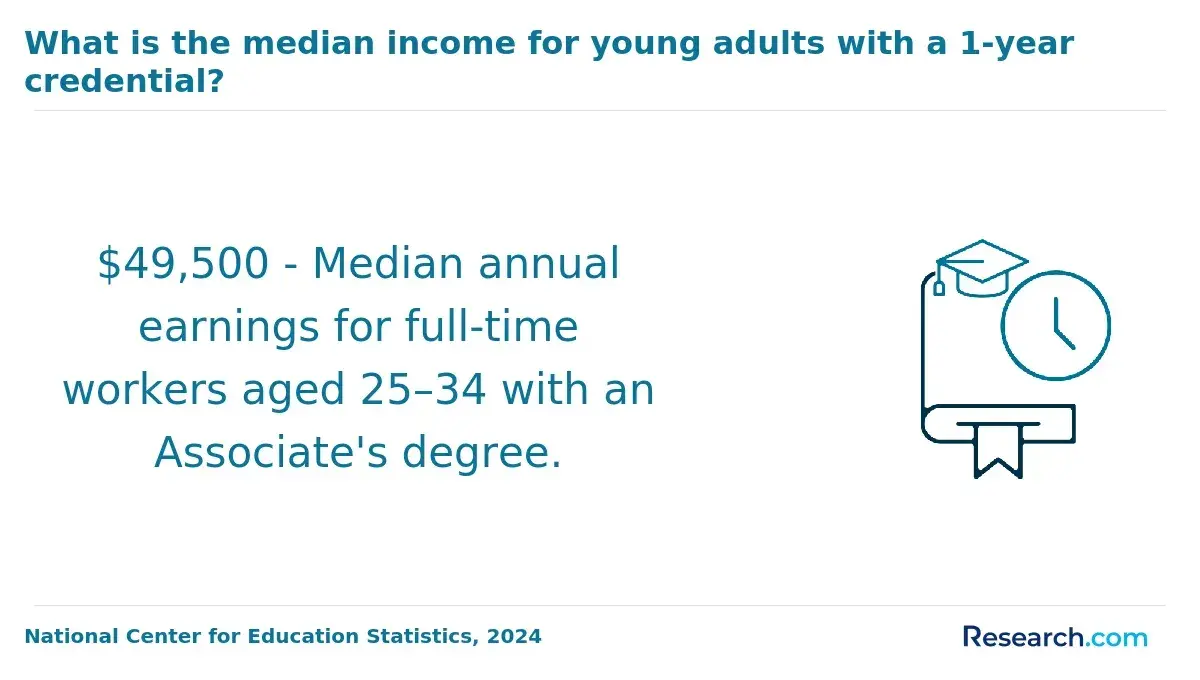
Post-graduation salary is a crucial factor in determining the return on investment (ROI) for a regulatory science & affairs degree, as it affects how quickly graduates recover educational costs and achieve financial stability. Average salaries in this field within the United States typically range from $70,000 to $120,000 annually, with entry-level roles on the lower end and experienced professionals reaching or exceeding the higher end. Understanding the variables influencing these earnings can help assess post-graduation earnings for regulatory affairs graduates more accurately.
Key factors influencing salary outcomes and ROI include:
- Industry sector: Careers in pharmaceuticals and biotechnology usually offer higher salaries compared to government or academic roles, reflecting sector demand and funding levels.
- Geographic location: Metropolitan regions with a dense presence of life sciences companies tend to offer elevated salaries, although these often correlate with higher living costs.
- Prior experience: Those with relevant work history before or during their degree typically command better starting salaries, enhancing early career ROI.
- Specialization: Expertise in clinical trials, compliance, or quality assurance can significantly improve earning potential by filling niche, high-demand roles.
- Career level: Advancing into managerial or consultant positions substantially increases income, thereby boosting the overall financial return on the degree.
Prospective students evaluating a regulatory science & affairs degree's value might also consider related fields or programs, such as a library master's degree, which can offer alternative career pathways and salary prospects.
Does a Regulatory Science & Affairs Degree Lead to Promotions?
Promotions contribute significantly to the return on investment (ROI) of a regulatory science & affairs degree by often leading to higher salaries, increased responsibilities, and broader career mobility. These advancements typically enhance both the financial and professional benefits gained from the degree.
Current workforce trends emphasize credential-based promotion, with employers in regulated industries increasingly valuing advanced degrees like regulatory affairs for leadership and strategic roles. This preference reflects a shift toward requiring formal education to complement practical experience for career advancement.
Key ways a regulatory science & affairs degree may influence promotion opportunities and ROI include:
- Credential requirements: Many higher-level positions in regulatory or compliance departments mandate specific degrees, making this credential essential for those seeking upward mobility.
- Leadership preparation: The degree develops strategic decision-making and regulatory policy skills, equipping graduates to handle complex challenges and qualify for leadership roles.
- Employer tuition support: Graduates may access tuition reimbursement programs that reduce education costs, thereby improving the net ROI of investing in the degree.
- Internal promotion alignment: Organizations often prioritize candidates who combine formal educational credentials with work experience, creating clearer promotion pathways for degree holders.
- Experience and education synergy: While practical experience remains crucial, the addition of an advanced degree often differentiates candidates and can accelerate progression into more influential positions.
For those evaluating a regulatory science degree career advancement, balancing education with relevant work experience remains key to maximizing promotion potential. Prospective students may also explore affordable online bachelor degree programs to build foundational knowledge before pursuing advanced studies in regulatory affairs.
Which Industries Offer the Best ROI for Regulatory Science & Affairs Graduates?
The return on investment (ROI) for graduates with a regulatory science & affairs degree varies significantly by industry because of differences in salary levels, career progression opportunities, and the demand for specialized skills. Industries with strong promotion potential and competitive compensation typically provide higher financial returns. Here are several top industries known for delivering the best ROI careers in regulatory science and affairs:
- Pharmaceuticals: This sector requires strict regulatory compliance, resulting in competitive salaries and frequent advancement opportunities tied to drug development and approval processes.
- Medical Devices: Innovations and rigorous oversight drive demand for skilled regulatory professionals, supporting steady compensation growth and job security.
- Biotechnology: Rapidly evolving, this field offers lucrative roles for those adept at managing complex regulatory pathways, often linked to company success and product approvals.
- Food and Beverage: Increasing global standards ensure stable employment and consistent career progression, though salaries tend to be moderate compared to pharmaceuticals.
- Cosmetics and Personal Care: Growth in product safety and labeling regulations creates steady demand, providing consistent employment and opportunities to apply specialized skills.
For prospective students and career changers evaluating the value of regulatory science & affairs degrees, understanding these top industries can guide decisions on education and career planning. Exploring options at affordable institutions can improve overall ROI, which is why researching cheapest online colleges that accept FAFSA is a critical step for many.
Choosing a focus aligned with these leading sectors enhances job stability and advancement potential, making regulatory science & affairs an attractive field for those seeking sustainable, well-compensated careers.
Does Accreditation Affect ROI for a Regulatory Science & Affairs Degree?
Accreditation in regulatory science & affairs degree programs signifies that an independent body has thoroughly assessed and confirmed the program's quality and adherence to industry standards. This validation is crucial for prospective students because it ensures the education aligns with current regulatory requirements and market needs, directly impacting the program's value. One notable trend is that employers increasingly prefer hires from accredited programs, linking such credentials to better initial job placements and higher starting salaries. This preference underscores how accreditation can enhance the perceived worth of the degree in the workforce.
Beyond immediate employment benefits, accreditation also plays a vital role in enhancing long-term return on investment. Graduates of accredited programs often gain easier access to federal financial aid, which reduces upfront costs and improves affordability. Additionally, accredited credentials support smoother credit transfers and eligibility for necessary professional licenses, which are key for career advancement and flexibility. Collectively, these factors build sustained trust among employers and open pathways that improve both career growth and earning potential over time.
Is a Regulatory Science & Affairs Degree Worth It?
Evaluating the return on investment for a regulatory science & affairs degree requires weighing costs, time, and career benefits. These programs typically take one to three years to complete, with expenses that can be substantial upfront. Graduates often earn higher salaries in pharmaceutical, biotech, or medical device sectors, with data showing an average 15% to 25% wage increase compared to peers without advanced credentials. Additionally, the degree can open doors to leadership, compliance, or specialized consulting roles, enhancing long-term career prospects.
The value of pursuing this degree depends on factors such as industry demand, which is rising due to stricter global regulations, and program delivery methods like online or part-time options that reduce opportunity costs. Financial aid, including scholarships or employer sponsorship, can also significantly improve net returns. However, for those uncertain about regulatory career paths or facing high tuition without support, the investment may be less advantageous. Aligning the degree with personal goals and careful consideration of job market conditions is essential to ensure worthwhile outcomes.
What Graduates Say About The ROI of Their Regulatory Science & Affairs Degree
- Kian: "Choosing to pursue a regulatory science & affairs degree as a traditional student was a game-changer for me. Despite the average cost being around $30,000, I saw it as a strategic investment in my future. Today, that decision has paid off with multiple job offers and a clear path to leadership roles in the pharmaceutical industry."
- Oscar: "Deciding to complete the regulatory science & affairs degree online was initially driven by flexibility, but I quickly recognized the long-term ROI far exceeded my expectations. While the cost was slightly lower than traditional programs, the value in knowledge and career advancement proved priceless. Completing this program has elevated my confidence and credibility in regulatory consulting roles. "
- Ted: "Balancing a part-time regulatory science & affairs degree with a full-time job definitely required discipline, but the investment of approximately $25,000 was absolutely worth it. Reflecting on my journey, the education has directly contributed to my promotion and salary increase as a compliance specialist. It's a professional milestone that has enriched both my expertise and marketability. "
Other Things You Should Know About Regulatory Science & Affairs Degrees
Networking opportunities are crucial for improving the ROI of a Regulatory Science & Affairs Degree Program in 2027. Engaging with industry professionals and alumni during the program can enhance job prospects, often leading to higher salary positions and accelerated career advancement, thus increasing the program's overall ROI.
Yes, prior industry experience can significantly enhance the ROI of a regulatory science & affairs degree. Students with relevant background can leverage their education to advance into higher-level positions more quickly, often leading to faster salary growth and career progression compared to those entering the field without experience.
References
- Regulatory Affairs Tuition https://www.itmat.upenn.edu/itmat-ed/regulatory-affairs-tuition.html
- Why ROI Matters https://agb.org/trusteeship-article/why-roi-matters/
- Regulatory Science Vs Regulatory Affairs https://ftp.nsjonline.com/Resources/ttnDGY/7GF240/RegulatoryScienceVsRegulatoryAffairs.pdf
- Measuring ROI in Medical Affairs https://medicalaffairsspecialist.org/blog/measuring-roi-in-medical-affairs
- Guide: How to progress your Regulatory Affairs career - Carrot Recruitment https://www.carrotrecruitment.com/guide/how-to-progress-your-regulatory-affairs-career/
- Comparing LMS, DAP, and KMS for Life Sciences Companies | IntuitionLabs https://intuitionlabs.ai/articles/lms-dap-kms-life-sciences-comparison
- Accreditation and financial ROI | Woolf News & Updates https://woolf.university/news/accreditation-and-financial-roi
- Online UG/PG/IT Courses | MBA TopUp , DBA | OTHM | SQA Authorized https://www.edubex.com/blog/roi-of-sqa-level-11-extended-diploma-in-international-business-management
- ROI vs ROE: What are the differences for your training courses? https://www.didask.com/en/post/roi-ou-roe-pour-evaluer-vos-formations


