
2027 Regulatory Science & Affairs Degree Programs for Career Changers

Co-Founder and Chief Data Scientist
Transitioning into the regulatory science & affairs field presents unique challenges for adult learners balancing work and study. Many face uncertainty about how to gain relevant expertise that meets industry demands. In fact, 42% of professionals changing careers pursue degrees to accelerate their entry into regulatory affairs roles, highlighting growing workforce shifts.
As regulatory requirements evolve rapidly across healthcare, pharmaceuticals, and biotechnology sectors, fresh skills are vital for career changers to remain competitive. This article explores degree programs designed for regulatory science & affairs aspirants, guiding prospective students on selecting pathways that streamline skill acquisition and enhance employment prospects in this specialized field.
Key Things to Know About Regulatory Science & Affairs Degree Programs for Career Changers
- Many regulatory science & affairs degree programs offer flexible scheduling with evening or weekend classes tailored for working adults balancing jobs and family responsibilities.
- Online and hybrid formats are prevalent, allowing career changers to access coursework remotely while maintaining full-time employment.
- Programs often emphasize employer-relevant skills and provide career support services, accelerating transitions into regulatory roles within 12-18 months.
What Regulatory Science & Affairs Programs Accept Career Changers?
Programs in Regulatory Science & Affairs often accommodate working adults and professionals who seek to transition into this field by offering flexible prerequisites and practical curricula. Over 40% of graduate program enrollees in the U.S. are adult learners returning to education after work, highlighting increased demand for accessible programs tailored to career changers.
- Master's Degrees: These emphasize interdisciplinary, applied curricula combining science, law, and policy, making them ideal for career changers wanting practical regulatory expertise rather than purely theoretical study.
- Graduate Certificates: Offering shorter time commitments and fewer prerequisites, certificates allow busy adults to quickly develop essential regulatory skills without a full degree program.
- Online or Hybrid Programs: Designed with flexibility in mind, these options support professionals balancing work and study by enabling remote access and adaptable scheduling.
- Executive or Part-Time Programs: Tailored for mid-career students, these frequently use cohort models and experiential learning, which helps students leverage existing skills and build peer networks.
Such formats align well with admissions requirements for nontraditional students, recognizing diverse backgrounds and prior professional experience. For those exploring alternatives, resources like online bcba programs demonstrate the growing variety of flexible options available to adult learners.
What Regulatory Science & Affairs Specializations Are Best for Career Changers?
Selecting the right Regulatory Science & Affairs specialization is essential for career changers to leverage transferable skills and meet growing industry demands. In recent years, regulatory compliance and policy roles have expanded by over 12%, reflecting the increasing need for specialized expertise. Below are four top specializations that stand out for professionals making a transition.
- Regulatory Compliance Management: This area suits professionals with backgrounds in law, quality assurance, or project management. It emphasizes compliance processes that are approachable for newcomers while building on existing analytical and organizational skills.
- Clinical Trials Management: Tailored for those with healthcare or life sciences experience, this specialization draws on knowledge of medical protocols and patient safety, making it accessible for professionals with clinical or research backgrounds.
- Pharmacovigilance: Ideal for candidates from pharmacy, nursing, or scientific research, this field focuses on drug safety monitoring and adverse event reporting. Its strong analytical foundation allows for smooth integration of prior scientific expertise.
- Regulatory Policy and Strategy: Designed for those with public policy, communication, or business experience, this specialization highlights decision-making within regulatory frameworks and strategic planning. It offers excellent career mobility for professionals adept at navigating complex regulatory environments.
These best regulatory science and affairs degree tracks for professional transitions offer clear paths for adult learners and working professionals seeking career mobility. For those exploring supplementary education options, identifying accredited online counseling programs can also provide valuable skills supporting career development and workplace adaptability.
What Are the Admission Requirements for Career Changers Applying to a Regulatory Science & Affairs Program?
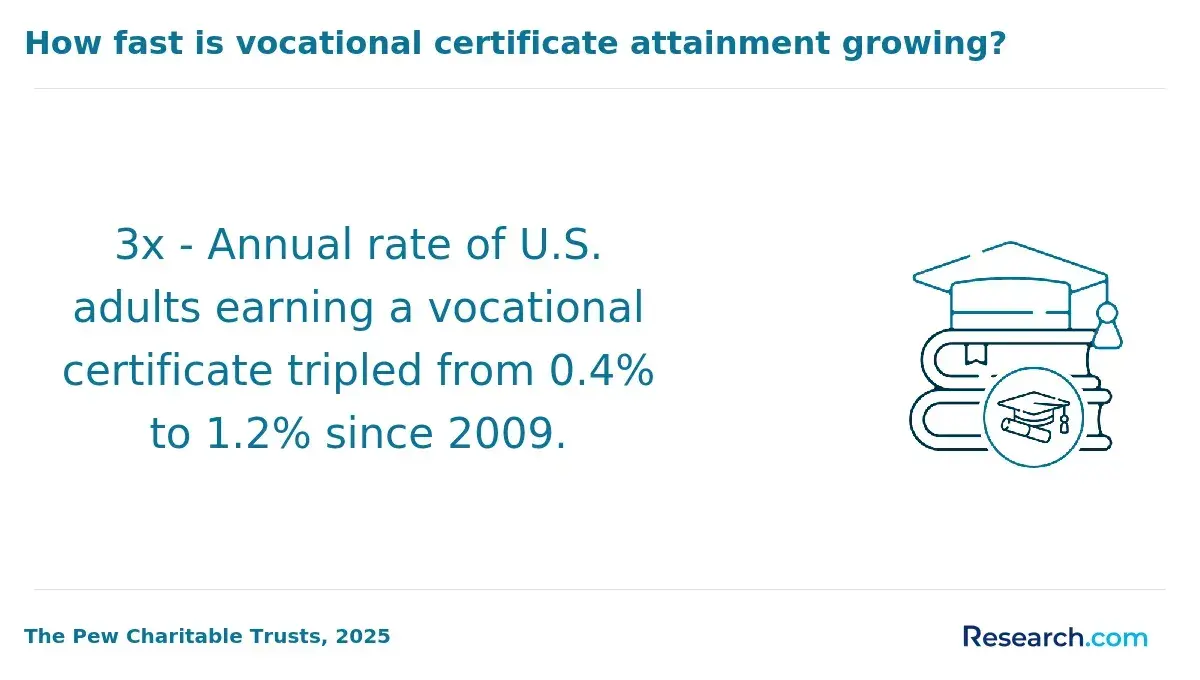
For career changers, grasping admission requirements is crucial because applicants often come from diverse educational and professional backgrounds and need clarity to navigate the process efficiently. According to the National Center for Education Statistics, adults account for nearly 40% of higher education enrollment, underscoring the demand for flexible admissions designed for nontraditional students. Below are common admission requirements tailored to career changers entering a regulatory science & affairs program.
- Bachelor's Degree: A bachelor's degree from an accredited institution is usually required but not necessarily in a related scientific field, allowing career changers flexibility in their prior education.
- Official Transcripts: Transcripts demonstrate academic readiness; some programs may accept alternative evidence of competencies, supporting regulatory science & affairs prerequisites for nontraditional applicants.
- Letters of Recommendation: These often emphasize relevant professional skills and adaptability, helping admissions committees recognize transferable experience from diverse careers.
- Personal Statement: Applicants outline their motivation for a career change and interest in regulatory science & affairs, clarifying their commitment and goals.
- Standardized Tests: Although some programs request them, many increasingly waive these requirements for experienced professionals, further easing entrance for working adults.
Programs frequently offer alternative qualification pathways, including prerequisite courses or bridging modules, to help those without a traditional science background meet foundational knowledge requirements. Flexible scheduling such as online or part-time study accommodates full-time professionals pursuing a new career. For those interested in exploring related fields, consider reviewing affordable online psychology masters programs, which also cater to adult learners seeking career advancement.
What Is the Coursework for a Regulatory Science & Affairs Degree for Career Changers?
Career changers need to grasp the specific coursework involved in regulatory science & affairs to navigate this complex field effectively. Programs often combine essential knowledge with adaptable formats, supporting a smooth transition. Key areas covered include:
- Regulatory Frameworks: This section introduces the laws and guidelines that regulate drugs, devices, and biotechnology products. Courses emphasize understanding compliance requirements essential for operating within legal boundaries.
- Clinical Research Regulations: Focused on study ethics, trial design, and oversight, this component aligns with standards set by agencies such as the FDA. It prepares students to contribute confidently to clinical trials and regulatory documentation.
- Product Development: Covering the entire lifecycle of health products, this coursework highlights quality assurance and risk management. Practical application is emphasized to support regulatory approval and ongoing product monitoring.
- Flexible Learning Options: Many programs offer online and part-time schedules, accommodating adult learners managing work or personal commitments. Additional support often includes mentorship and real-world case studies tailored for career changers.
When I asked a professional who completed an online regulatory science & affairs degree about his experience, he reflected on the challenges of balancing coursework with full-time employment. "It wasn't just the technical material that was tough; managing deadlines while working required serious time management," he said. He appreciated the program's flexible format, noting it made remote learning feasible amid daily responsibilities. "The case studies felt relevant and kept me engaged, which helped me stay committed despite occasional doubts about making such a big career move." His journey underscores how crucial well-structured coursework and support systems are for those shifting to this specialized field.
What Regulatory Science & Affairs Program Formats Are Available for Career Changers?
Choosing the right regulatory science & affairs program format is key for career changers needing flexibility and tailored learning. Data from the National Center for Education Statistics shows that nearly 40% of graduate students engage in online courses, reflecting a shift toward adaptable education models. Below are the prevalent formats catering to professionals balancing work and study.
- Online Programs: These deliver course content entirely over the internet, allowing students to study anytime, anywhere. This format suits those requiring maximum scheduling freedom without sacrificing interaction with instructors.
- Part-Time Evening/Weekend Programs: Designed to fit around full-time jobs, these options hold classes during evenings or weekends. This structure minimizes work interruption while providing regular face-to-face contact.
- Hybrid Programs: Combining virtual learning with in-person sessions, hybrid formats offer a balanced approach. They provide opportunities for direct engagement alongside the convenience of remote study.
- Certificate-to-Degree Pathways: These modular programs enable learners to earn certificates that accumulate toward a full degree. This stepwise progression benefits career changers by marking incremental achievements and easing financial commitments.
What Skills Do Career Changers Gain in a Regulatory Science & Affairs Program?
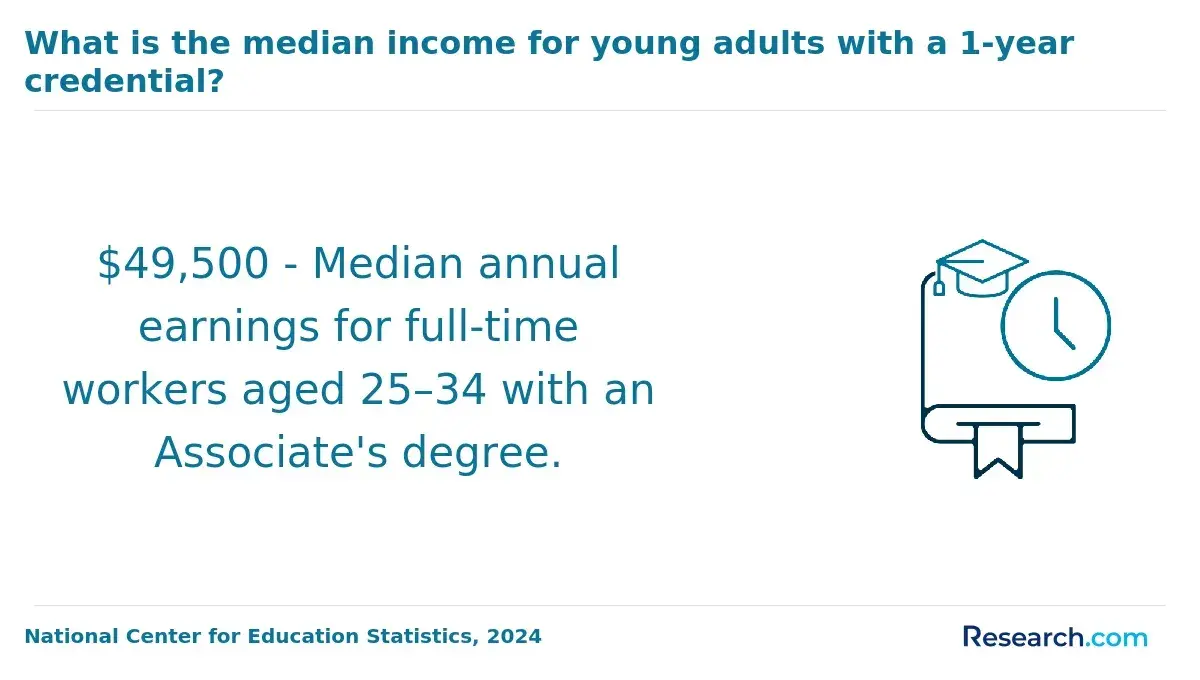
For professionals switching careers, acquiring relevant skills is critical to successfully enter and excel in regulated industries. Research shows that 87% of workers view reskilling as essential to maintaining their employability amid shifting job demands. The following key competencies gained in a regulatory science & affairs program equip career changers to adapt and thrive.
- Regulatory Compliance Expertise: Mastering legal frameworks and industry guidelines enables career changers to ensure that products conform to government regulations, minimizing delays and legal challenges during approval processes.
- Risk Assessment and Management: Learning to identify and mitigate risks prepares students to safeguard public safety and support sustainable product development, which is crucial for career longevity.
- Scientific Understanding: Grasping life sciences concepts allows learners to effectively communicate with scientific teams and regulatory agencies, promoting collaboration and clear interpretation of technical data.
- Data Evaluation Skills: The ability to analyze clinical and laboratory results supports informed decision-making and strengthens regulatory submissions, essential for real-world application.
- Project Coordination: Developing skills to organize multidisciplinary projects and manage timelines helps learners handle complex regulatory tasks efficiently, increasing workplace adaptability.
One career changer who completed a regulatory science & affairs degree shared how the program transformed her professional outlook. Initially overwhelmed by the complex terminology and strict regulatory procedures, she gradually built confidence by applying her newfound knowledge to live case studies and collaborative projects. "The transition wasn't easy," she noted, "but gaining hands-on experience with real regulatory challenges made the coursework invaluable." Her story highlights how the program's focus on practical skills eased her shift into a highly technical field, ultimately opening doors she hadn't anticipated.
How Much Does a Regulatory Science & Affairs Degree Cost for Career Changers?
For career changers pursuing a regulatory science & affairs degree, understanding the total program cost is key, especially as many balance education with existing financial commitments. Graduate students in the U.S. can graduate with an average debt of about $71,000, underscoring the importance of strategic financial planning. Several major cost components contribute to the overall expense, including:
- Tuition: This is the largest expense, varying widely based on program type and institution, typically ranging from $10,000 to $40,000 annually. Programs offering affordable regulatory science & affairs options for working professionals often provide flexible schedules to help manage costs without sacrificing income.
- Fees: Additional charges such as registration, technology, or lab fees may add several hundred to a few thousand dollars per year. These fees can vary substantially depending on the institution's resources and program format.
- Textbooks and Materials: Required textbooks and course materials might cost several hundred dollars annually. Some programs reduce costs by offering digital resources or inclusive materials within tuition.
- Lost Income: Career changers should factor in potential lost wages if studying full-time, which is a significant consideration for adult learners. Part-time or online programs can allow students to maintain employment while earning credentials.
- Payment Flexibility and Employer Support: Many institutions offer installment plans or deferred payment options to ease financial strain. Additionally, employer tuition reimbursement or partial support can substantially reduce out-of-pocket expenses. Alternative, cost-effective pathways such as stackable credentials or certificate programs may provide vital regulatory knowledge without the full cost of a degree.
Adult learners considering career shifts may also explore options like the cheapest online doctorate in educational leadership to compare flexible models of graduate education that accommodate working professionals seeking affordable, high-quality programs.
How Does a Regulatory Science & Affairs Curriculum Support Career Transitions?
Curriculum design is especially important for career changers entering regulatory science & affairs because it must effectively bridge gaps in prior knowledge while emphasizing practical skills. This focus supports career transition by providing targeted learning experiences that build confidence and competency. Key elements that facilitate this process include the following:
- Applied Learning Opportunities: Programs integrate simulations and case studies that mirror industry regulatory tasks, giving students hands-on experience to understand real-world challenges.
- Transferable Skill Development: Students develop critical communication, project management, and analytical skills that are valuable across various sectors, enriching their overall professional toolkit.
- Flexible Pacing Options: Many curricula offer part-time and online formats that accommodate working professionals balancing career transition and personal commitments without overwhelming schedules.
- Real-World Projects: Coursework includes projects grounded in actual regulatory environments, ensuring theoretical knowledge is immediately connected to practical application.
- Interdisciplinary Coursework: The curriculum bridges science, law, and policy to ease the adjustment for those without formal backgrounds in regulatory fields, promoting comprehensive understanding.
By focusing on career transition support through regulatory science & affairs curriculum, programs help adult learners and professionals develop key skills gained in regulatory science & affairs programs for career changers. For those exploring their educational options before committing, reviewing programs like the easiest associate degree options may provide helpful insights into accessible pathways into this field.
What Careers Can Career Changers Pursue With a Regulatory Science & Affairs?
For career changers, grasping potential job outcomes in regulatory science & affairs is vital for aligning existing skills with industry needs. The U.S. Bureau of Labor Statistics forecasts an 8% employment increase in compliance-related occupations from 2022 to 2032, highlighting robust demand for experts who ensure adherence to complex regulations. Below are common career opportunities for those with a regulatory science & affairs degree.
- Regulatory Affairs Specialist: Coordinates and prepares submissions to government agencies, relying on previous experience in documentation or project management to maintain compliance effectively.
- Quality Assurance Analyst: Monitors and enforces product quality standards, leveraging skills in process optimization and meticulous attention to detail gained from other professional roles.
- Clinical Research Coordinator: Manages the logistics of clinical trials by utilizing organizational and communication abilities developed in prior positions to support research progress.
- Regulatory Compliance Manager: Designs and implements comprehensive compliance programs across organizations, a role fitting for those with leadership, audit, or monitoring expertise.
- Medical Writing Specialist: Produces detailed regulatory documents, applying strong writing and analytical skills often acquired in related fields such as communications or science.
What Is the Average Salary After Earning a Regulatory Science & Affairs Degree as a Career Changer?
Salary expectations are a key factor for professionals shifting into regulatory science & affairs, helping them gauge financial feasibility and set realistic goals. Research indicates that individuals retraining for new careers often see a median salary boost of about 15% within five years post-education. Below are typical salary ranges and factors influencing compensation in this field.
- Entry-Level Roles: Starting salaries usually range from $60,000 to $75,000 annually, reflecting foundational positions for those newly entering the field with limited industry experience.
- Mid-Career Professionals: Those with roughly 3-7 years of relevant experience can expect earnings between $80,000 and $110,000, often benefiting from enhanced technical skills and domain knowledge.
- Senior Positions: Advanced roles, particularly in niche regulatory areas, may offer compensation exceeding $130,000, driven by specialized expertise and leadership responsibilities.
- Industry Sector Impact: Employment in fast-growing markets like biotechnology or medical devices tends to command higher salaries due to demand and innovation pace.
- Prior Experience Advantage: Relevant backgrounds in healthcare, pharmaceuticals, or quality assurance frequently translate to premium pay, as transferable skills reduce onboarding time and increase immediate value.
What Graduates Say About Their Regulatory Science & Affairs Degrees for Career Changers
- Iker: "Deciding to switch careers was daunting, but enrolling in a Regulatory Science & Affairs degree program turned out to be the best choice. The cost was reasonable, especially considering the typical attendance fees average around $20,000. Completing the program opened doors to roles I hadn't imagined before, giving me a fresh start with confidence and practical skills."
- Hayden: "Reflecting on my career transition, the Regulatory Science & Affairs degree program was a pivotal step. Initially, the expense felt significant, but knowing that many programs average costs near $20,000 helped set realistic expectations. The knowledge I gained has profoundly impacted my professional trajectory, allowing me to contribute meaningfully in a new industry."
- Caleb: "Pursuing a Regulatory Science & Affairs degree was a calculated investment in my future. With average costs hovering just around $20,000, I saw it as a strategic move rather than an expenditure. The program's comprehensive curriculum swiftly equipped me to navigate my career change, making the transition seamless and rewarding."
Other Things You Should Know About Regulatory Science & Affairs Degrees
Yes, ethical considerations play a critical role in regulatory science & affairs. Practitioners must uphold principles of transparency, data integrity, and patient safety while managing submissions and interactions with regulatory agencies. Ethical conduct ensures that regulatory decisions align with public health interests and maintain trust in regulated products.
Certifications such as Regulatory Affairs Certification (RAC) or Certified Clinical Research Professional (CCRP) can enhance credentials for career changers. These certifications demonstrate specialized knowledge and commitment to the field, often increasing job prospects and credibility with employers. They are usually pursued after or during formal education in regulatory science & affairs.
Continued education is vital due to frequent changes in regulations and emerging technologies affecting product development. Regular training and workshops help professionals stay informed about new regulatory guidelines and industry best practices. This ongoing learning supports career growth and the ability to tackle increasingly complex regulatory challenges.
References
- Career Change in Pharma: Real Entry Paths and Roles in [year] - Pharmuni https://pharmuni.com/2026/01/22/career-change-in-pharma-real-entry-paths-and-roles-in-year/
- How to Become a Regulatory Affairs Specialist - Education & Certification https://www.mhaonline.com/faq/how-do-i-become-a-regulatory-affairs-specialist
- Regulatory Affairs Specialist - Alternative Careers and Similar Jobs (Updated for 2026) https://resumeworded.com/career-profiles/regulatory-affairs-specialist-career-profile
- 3 Careers You Can Pursue After Completing Your Regulatory Affairs Courses - AAPS https://www.aaps.ca/blog/3-careers-you-can-pursue-after-completing-your-regulatory-affairs-courses
- Upcoming events https://www.topra.org/TOPRA_Member/Professional_Development/Regulatory_Careers_Live_/TOPRA/TOPRA_Member/Careers/jobs_careers.aspx
- Entry level regulatory affairs work experience and course https://www.entrytoregulatory.com/how-to-get-a-job-in-regulatory-affairs
- Guide: How to progress your Regulatory Affairs career - Carrot Recruitment https://www.carrotrecruitment.com/guide/how-to-progress-your-regulatory-affairs-career/
- Regulatory Affairs – Sciences https://www.algonquincollege.com/online/program-info/regulatory-affairs-sciences-part-time/
- Regulatory affairs careers: What scientists need to know https://www.signalsblog.ca/regulatory-affairs-careers-what-scientists-need-to-know/
- How to Build a Successful Regulatory Affairs Career Pathway in Life Sciences https://www.pharmiweb.jobs/article/how-to-build-a-successful-regulatory-affairs-career-pathway-in-life-sciences


