
2027 Last-Minute Admissions: Online Secondary Education Degree Master's Programs Still Accepting Students

Co-Founder and Chief Data Scientist
Many prospective graduate students face tight deadlines as application windows close quickly for online secondary education master's programs. This challenge often affects working professionals seeking career advancement, but are unable to meet early deadlines. Recent studies show that 27% of applicants to online secondary education graduate programs enroll within the last two weeks before classes begin, highlighting a significant demand for last-minute admissions.
This article identifies programs with extended or rolling admissions and flexible start dates, offering practical solutions for late applicants. It aims to guide readers toward programs that accommodate urgent enrollment needs in secondary education master's degrees.
Key Benefits of Online Secondary Education Degree Master's Programs With Last-Minute Admissions
- Flexible enrollment options in online secondary education master's programs allow students to begin courses at multiple points throughout the year, accommodating diverse schedules.
- Starting graduate study without waiting for traditional application cycles enables prompt progress, avoiding delays often experienced in rigid academic calendars.
- Extended deadlines specifically benefit working professionals by offering rapid access to advanced credentials necessary for career advancement in education sectors facing teacher shortages.
What Are Last-Minute Admissions for Online Secondary Education Master's Programs?
Last-minute admissions for online secondary education master's programs allow prospective students to apply and enroll shortly before or even after official start dates. This flexibility is largely enabled by rolling admissions, a process where universities review applications continuously instead of waiting for a fixed deadline.
These programs often feature extended application cycles or flexible enrollment models that let students begin coursework at multiple points throughout the year, increasing accessibility for working professionals and late applicants. Nearly 60% of online graduate programs nationwide have adopted such flexible admissions strategies, reflecting a shift toward accommodating diverse student needs.
Online secondary education master's programs with flexible application deadlines are especially valuable for candidates balancing careers, family, or other commitments. This approach reduces barriers and improves timely access to advanced degrees, helping students avoid losing an academic year.
The increasing prevalence of rolling admissions and adaptable start times aligns with broader trends in graduate education prioritizing student-centered policies. For those considering related fields, exploring options like an online MSW might also reveal similarly flexible enrollment opportunities.
How Late Can You Apply to an Online Secondary Education Master's Degree Program?
Applicants to online Secondary Education master's degree programs can often apply until a few weeks before the start of classes, thanks to flexible or rolling admissions options now common in many programs. Approximately 70% of online graduate education programs offer some form of extended application windows or rolling admissions, which benefits working professionals and late applicants.
Several important factors influence exactly how late you can submit your application:
- Application Processing Timelines: Schools need enough time to review applications, conduct interviews if necessary, and finalize decisions. This process usually takes from a few weeks up to a month, which sets a practical deadline for submitting materials.
- Program Capacity: Enrollment limits can affect late admissions. Some programs close once all seats are filled, while others reserve space for last-minute admissions, impacting availability for late applicants.
- Document Submission Deadlines: Even programs accepting late applications require all supporting documents-like transcripts, test scores, and recommendation letters-by a strict cutoff date close to enrollment to ensure proper processing.
- Institutional Admissions Policies: Policies vary widely between universities. Some maintain strict deadlines for accreditation and scheduling reasons, but others emphasize student access and allow submissions until shortly before classes begin.
For prospective students aiming for last-minute admissions for online secondary education master's programs, contacting the admissions office directly is essential to confirm deadlines and ensure timely submission. Exploring certificate programs that pay well may also be beneficial for enhancing career prospects while pursuing your degree.
What Schools Accept Last-Minute Admissions for Online Secondary Education Master's Programs?
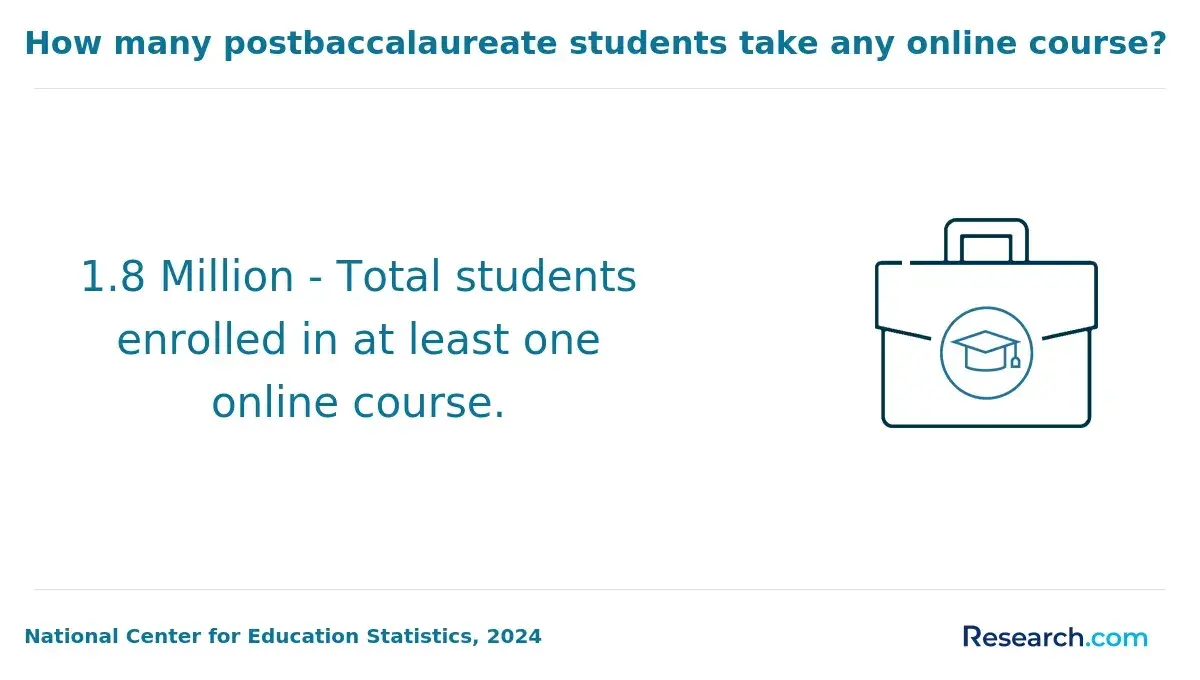
Many institutions have adapted their admissions timelines to offer greater flexibility for applicants to online graduate programs. With online graduate enrollment rising by more than 20% over the last five years, universities are increasingly providing options for late or rolling admissions.
The following categories of schools most commonly accommodate last-minute applications for online secondary education master's programs:
- Large Public Universities: Known for robust online divisions, these universities typically offer multiple start dates throughout the year. Their established infrastructure supports streamlined application processes, allowing students to apply close to or even past traditional deadlines without missing enrollment cycles.
- Private Nonprofit Universities: Many operate dedicated online campuses with rolling admissions policies. This approach prioritizes accessibility, enabling working professionals or those with unpredictable schedules to apply and begin studies throughout the year.
- Competency-Based Institutions: These schools focus on skill mastery rather than fixed semesters, which often means open-ended admissions. Learners can start when ready, making last-minute or flexible application acceptance standard practice.
- Career-Focused Universities: Emphasizing practical training aligned with workforce needs, these institutions frequently maintain multiple cohorts and flexible entry points. Their admissions calendars reflect market demand, offering students more chances to join programs on shorter notice.
A graduate student who submitted his applications for an online secondary education master's program at the last minute shared his experience: "I was hesitant at first, unsure if my late application would even be considered." He described hurriedly gathering transcripts and recommendation letters in a compressed timeline while juggling a full-time job.
"The process was stressful but surprisingly smooth once I contacted the admissions office-they were understanding and helped me navigate the deadlines." His story highlights how some institutions genuinely accommodate late applicants, though it requires proactive communication and quick preparation on the student's part.
Are Online Secondary Education Master's Programs With Last-Minute Admissions Accredited?
Graduate education programs that accept last-minute applications generally maintain strong accreditation standards, ensuring academic quality even with flexible enrollment options. Nearly 60% of online graduate programs in education are accredited by reputable regional or national agencies, highlighting a broad commitment to trusted online learning.
Key accreditation factors are essential to evaluate when considering accredited online secondary education master's programs accepting late applications:
- Institutional Accreditation: This ensures that the university meets overarching educational quality benchmarks. It is vital for degree recognition, access to federal financial aid, and overall institutional credibility.
- Program-Specific Accreditation: Specialized accrediting bodies, such as the Council for the Accreditation of Educator Preparation (CAEP), assess the rigor and effectiveness of teacher preparation curricula. This accreditation affects a graduate's readiness for licensure and classroom success.
- Regional vs. National Accreditation: Regional accreditation tends to be more prestigious and widely accepted by employers and other institutions. However, some online secondary education master's degrees with last-minute admissions may hold national accreditation, which can be relevant for particular educational focuses or specialties.
When exploring online secondary education master's programs with last-minute admissions, candidates should also review program affordability and options. For those interested in cost-effective pathways, resources like the business degree rankings offer valuable insights into affordable online programs across disciplines.
What Documents Are Required for a Last-Minute Secondary Education Master's Application?
Submitting a last-minute application to an online secondary education master's program requires the same set of documents as on-time submissions, even if the program offers rolling admissions or flexible deadlines. Schools maintain uniform evaluation standards to ensure fairness.
Below are the core materials applicants typically need to prepare and send promptly:
- Official Transcripts: Applicants must provide sealed transcripts from their undergraduate institutions to verify academic credentials and eligibility for graduate study. These must follow the specific submission procedures set by each program.
- Letters of Recommendation: Usually, two or three letters are requested from professors, supervisors, or mentors who can speak to the candidate's academic skills and potential as an educator. These endorsements help admissions committees gauge personal and professional strengths.
- Personal Statement: This essay explains the applicant's motivation for pursuing a secondary education master's, career aspirations, and relevant experience. It offers insight beyond grades and test scores, highlighting individual goals and dedication.
- Resume or Curriculum Vitae: A current résumé or CV should outline teaching background, certifications, and other relevant work history, demonstrating preparedness for graduate-level study.
- Standardized Test Scores: Though increasingly optional, some programs may require GRE or other test results. It is crucial to confirm each program's policy to avoid missing this component.
A graduate who applied late to an online secondary education master's program shared that managing all the deadlines was stressful but surprisingly manageable. "Gathering transcripts and recommendation letters on short notice required quick coordination, but knowing exactly what was needed made the process clearer," she recalls.
She emphasized how the personal statement became her opportunity to express enthusiasm and clarify her background, which she felt strengthened her application despite the tight timeline. Her experience showed that while the paperwork is demanding, a focused approach and clear communication with recommenders and the admissions office can turn last-minute submissions into successful outcomes.
What GPA Is Required for Online Secondary Education Master's Programs With Last-Minute Admissions?
GPA often remains a significant factor in admissions decisions for online secondary education master's programs, even when they offer last-minute or rolling application options. Most programs set a minimum GPA to verify that candidates have the academic competency needed for graduate work. Recent data shows the average GPA of admitted students hovers around 3.3, highlighting a competitive admissions environment.
Below are typical GPA-related expectations for applicants submitting late applications:
- Minimum GPA Threshold: Usually set near 3.0, this acts as the basic eligibility criterion that candidates should meet to be considered.
- Competitive GPA Average: Many successful applicants have GPAs at or above 3.3, reflecting stronger academic preparation for these programs.
- Professional Experience Flexibility: Candidates with relevant teaching or educational backgrounds may offset a slightly lower GPA through meaningful work experience.
- Holistic Review Factors: If GPA falls short, admissions committees often emphasize letters of recommendation, personal statements, and professional achievements to assess potential.
Applicants aiming for late admission should be prepared to present a balanced profile that combines academic performance with professional qualifications and well-articulated goals.
Are Conditional Admissions Available for Last-Minute Applicants of Online Secondary Education Master's Programs?
Conditional admission offers a valuable opportunity for qualified applicants to begin online secondary education master's programs even if some application requirements are not yet fully met. This flexible option helps late applicants avoid missing deadlines by allowing enrollment while outstanding criteria are addressed.
Below are common situations when conditional admission may be granted:
- Incomplete Transcripts: Final official transcripts or grades may be delayed from previous institutions. Conditional admission allows students to start their program while awaiting these documents, provided they submit them within a set timeframe.
- Lower GPA: Applicants with GPAs slightly below the program's standard may still qualify if other credentials demonstrate strong potential. This acknowledges a candidate's overall qualifications beyond strict numeric thresholds.
- Pending Prerequisites: Students who have not completed required prerequisite courses but are actively enrolled or plan to finish them shortly can receive conditional acceptance to begin coursework concurrently.
- Temporary Document Gaps: Letters of recommendation, test scores, or other materials might be missing at application time. Schools often permit provisional admission while candidates finalize and submit these items within an agreed deadline.
Conditional admission bridges the gap for motivated students, enabling timely start dates and continuity in academic progress. Programs clearly outline conditions to ensure remaining requirements are fulfilled to maintain good standing. This practical approach accommodates the realities of administrative delays and late application challenges in online secondary education master's programs.
When Do Online Secondary Education Master's Programs Start If I Apply at the Last Minute?
Many online graduate programs offer flexible or rolling start schedules, enabling last-minute applicants to begin their secondary education master's studies shortly after acceptance. Research shows that about 60% of these programs provide multiple start dates throughout the year, often monthly or even more frequently.
These options help reduce wait times and streamline the enrollment process for those applying close to traditional deadlines. Below are typical timelines and enrollment features for last-minute applicants:
- Monthly Start Dates: Numerous programs allow students to start each month, granting more flexibility and easing the pressure of strict application deadlines for online secondary education master's degrees. This setup means candidates can often begin coursework within weeks of acceptance without waiting for a semester to begin.
- Rolling Admissions: Many schools operate rolling admissions policies that review applications continually rather than by fixed deadlines. This approach accommodates last-minute online secondary education master's program start dates by permitting ongoing enrollment as long as seats are available.
- Accelerated Course Cycles: Courses often run on compressed timelines, such as 6- to 8-week sessions, enabling students to make steady progress with frequent entry points throughout the academic year. This format suits working professionals seeking faster degree completion without fixed semester constraints.
- Orientation Timing: Orientation is typically held online or shortly before classes begin, designed to welcome late enrollees and ensure they receive adequate preparation without delays. Virtual orientation sessions further increase flexibility for applicants starting at nontraditional times.
- Quick Enrollment Processing: Application materials are generally processed within one to two weeks, expediting acceptance and enrollment for those applying at the last minute. This prompt turnaround supports immediate engagement with course requirements and degree planning.
Students interested in fast-tracked or flexible graduate studies can explore options similar to those found in other fields, such as highly accessible MSW online programs, which emphasize adaptability for last-minute applicants.
Can Last-Minute Online Secondary Education Master's Applicants Still Qualify for Financial Aid?
Financial aid eligibility for last-minute applicants to online secondary education master's programs primarily depends on enrollment status and program accreditation, rather than how late a student applies. Approximately 63% of graduate students receive some form of financial aid, indicating robust availability across graduate programs.
However, last-minute online secondary education master's applicants must consider several factors to maximize their chances of obtaining aid.
- FAFSA Submission: Submit the Free Application for Federal Student Aid (FAFSA) as soon as possible, even if applying late. Some institutions accept late FAFSA filings, but processing times and deadlines may limit available aid.
- Program Accreditation: Confirm that the program is accredited by a recognized agency approved by the U.S. Department of Education. Only accredited programs qualify for federal loans and grants, which are crucial for last-minute applicants seeking financial support.
- Enrollment Status: Many financial aid options require at least half-time enrollment. Applicants registering part-time or in nontraditional terms should verify their status with the financial aid office to understand their eligibility.
- Institutional Deadlines: Verify specific institutional aid application deadlines. Scholarships and institutional grants often have early cutoffs, so meeting these deadlines is essential, regardless of FAFSA timing.
- Documentation Processing: Prompt submission of all required documentation is vital. Processing delays may reduce opportunities for last-minute applicants to receive aid in time for the term.
For those exploring the best online schools offering accredited secondary education master's programs with flexible enrollment, resources such as best online schools listings can provide guidance on reputable institutions and financial aid options.
What Red Flags Should Last-Minute Applicants Watch for When Evaluating Online Secondary Education Master's Programs?
Applying close to the start date for online secondary education master's programs requires extra caution to ensure you choose a credible and trustworthy option. With more than 6,000 online institutions offering degrees in the U.S., and graduate enrollment rising by over 8% annually, distinguishing quality programs from weaker ones is essential.
Below are critical warning signs to consider before committing to a program:
- Unclear Accreditation: Verify the program's accreditation with recognized regional or national agencies. Programs lacking transparent or valid accreditation may offer degrees with limited academic value.
- Unrealistic Timelines: Programs promising master's completion in less than a year can sacrifice depth and rigor. Ensure the timeline supports a comprehensive educational experience.
- Vague Curriculum Details: A well-structured program provides clear course descriptions and outlines of learning outcomes. Lack of specifics about courses, practicum, or teaching methods indicates potential quality issues.
- Limited Student Support: Robust advising, technical help, and career services are vital, especially for online learners managing their own schedules. Insufficient support can hinder success and satisfaction.
- Aggressive Enrollment Pressure: Beware of institutions pushing for quick enrollment or downplaying application steps. Such tactics may reflect questionable motives or program reliability.
What Graduates Say About Last-Minute Admissions in Online Secondary Education Degree Master's Programs
- Chester: "Applying to an online secondary education master's program at the last minute was a leap of faith, but it turned out to be one of the best decisions of my career. The tight deadlines and quick acceptance process pushed me to organize my priorities sharply, and the flexibility of the program allowed me to balance work and study without missing a beat. Completing the degree gave me the confidence and qualifications I needed to step up as a lead educator at my school."
- Norman: "When I realized I needed advanced credentials to move forward, the last-minute application felt overwhelming, but the support team made navigating everything manageable. The experience taught me resilience, and the online format suited my hectic schedule perfectly, allowing me to integrate coursework with real teaching moments. Earning a secondary education master's degree unexpectedly reinvigorated my passion for the profession and opened doors to new leadership roles."
- Henry: "I decided to pursue an online secondary education master's degree late in the game after recognizing the competitive edge it would give me in my field. The challenge of gathering all the application materials on short notice was stressful, yet the acceptance felt like a huge relief and a huge opportunity. This degree not only enhanced my instructional skills but also positioned me as a knowledgeable resource among my peers and administrators."
Other Things You Should Know About Secondary Education Degrees
Many online secondary education master's programs allow late applicants to transfer qualifying graduate-level credits from accredited institutions. Transfer policies vary by school, so it is important to verify which credits will be accepted and how they affect your total credit requirement. This flexibility can accelerate degree completion for last-minute applicants.
Last-minute applicants for online secondary education master's programs in 2027 can expect expedited orientation and onboarding sessions. These programs typically offer flexible virtual orientations, ensuring students quickly become acquainted with course tools, resources, and support services to facilitate a smooth transition into their studies.
For last-minute admissions in 2027, some programs may offer flexible tuition payment deadlines to accommodate new enrollees, but this varies by institution. Students should verify with their chosen school to avoid any financial complications.
References
- Master of Science in Elementary & Secondary Education - Niagara University https://www.niagara.edu/programs/graduate-teacher-education/
- Secondary Education Master's Program, M.Ed. | Endicott College https://www.endicott.edu/academics/schools/school-of-education/graduate-programs/masters-programs/educator-preparation-program/secondary-education-program
- Financial Aid for Online Colleges: What You Need to Know https://joinjuno.com/financial-literacy/financial-aid/financial-aid-online-colleges
- Conditional Admission https://www.middlebury.edu/institute/admissions/application-instructions/conditional-admission
- Secondary Education MEd https://gpem.luc.edu/portal/program
- Benefits of an Online Master’s Program - Graduate Programs for Educators https://www.graduateprogram.org/blog/benefits-of-an-online-masters-program/
- Master of Science inSecondary Education https://www.albany.edu/education/programs/ms-secondary-education
- Last minute master's application? https://academia.stackexchange.com/questions/63220/last-minute-masters-application


