
2027 Fully Online vs Hybrid Secondary Education Degree Master's Programs: Which Is Better?

Co-Founder and Chief Data Scientist
Imagine a working teacher aiming to advance with a master's in secondary education but struggling to balance job duties and graduate coursework. Fully online programs promise flexibility, yet some students worry about limited real-time interaction. Conversely, hybrid programs blend online learning with periodic in-person sessions, offering engagement but demanding physical presence. Recent data indicates that 65% of enrolled secondary education master's students in hybrid formats report higher satisfaction due to this balance. This article examines the pros and cons of fully online versus hybrid secondary education master's programs, helping prospective students select the format that aligns best with their schedules, learning styles, and career aspirations.
Key Things to Know About Fully Online vs Hybrid Secondary Education Degree Master's Programs
- Fully online programs offer maximum learning flexibility, allowing students to access coursework anytime, ideal for professionals balancing work and family without commuting requirements.
- Hybrid programs include scheduled in-person sessions, fostering direct interaction with peers and instructors, which can enhance engagement and practical teaching skills development.
- Students with irregular schedules or those seeking community connection might prefer hybrid formats, while those needing self-paced study typically benefit more from fully online programs.
How Do Hybrid and Online Secondary Education Master's Programs Differ?
Fully online and hybrid secondary education master's programs primarily differ in how instruction, participation, and learning experiences are structured. About 42% of graduate education programs now offer hybrid formats, reflecting growing interest in flexible learning models. These differences influence student choices and shape the learning journey in distinct ways.
Key distinctions include:
- Learning Format: Fully online programs use virtual platforms exclusively, while hybrids mix online coursework with scheduled in-person sessions, affecting interaction with instructors and peers.
- Residency Expectations: Hybrid programs usually require occasional campus visits for workshops or practicum, whereas online programs rarely mandate attendance, offering more geographic flexibility.
- Scheduling Structure: Online students access asynchronous content, allowing study at any time, but hybrid students often attend synchronous classes with fixed schedules.
- Participation Methods: Online courses rely on discussion boards and video calls, while hybrid formats blend these with in-class activities that promote experiential learning.
- Campus Engagement: Fully online students have fewer opportunities for networking or using campus resources compared to hybrid students encouraged to integrate within the school community.
When researching flexible options, prospective students should consider these differences alongside their learning preferences and professional schedules. Exploring the most affordable online msw programs can offer insights into flexible and curriculum delivery in secondary education master's degrees.
Which Secondary Education Master's Program Format Is More Flexible?
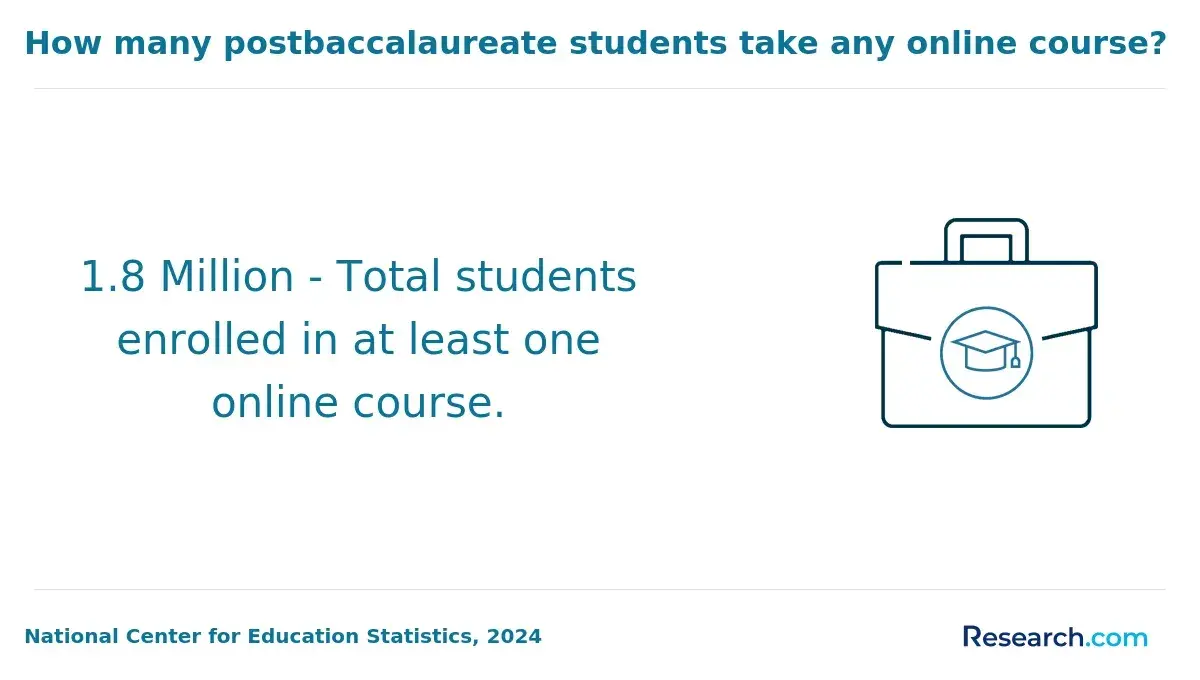
Flexibility is a major consideration for students choosing between fully online and hybrid secondary education master's degree programs. With nearly 60% of graduate students enrolled in some form of online course, many seek adaptable learning options that fit varied schedules. Below are five key factors influencing flexibility for students balancing work, personal responsibilities, and graduate study.
- Class Schedule: Fully online programs often feature asynchronous classes, enabling students to access coursework anytime. In contrast, hybrid secondary education master's programs usually have fixed schedules for in-person sessions, limiting time flexibility.
- Location Requirements: Online students can study from anywhere, offering freedom in location and reducing geographical constraints. Hybrid programs require occasional campus visits, which may pose logistical challenges.
- Course Pacing: Self-paced progression is common in fully online formats, allowing students to learn at their own speed. Hybrid programs tend to follow a more structured timeline with less flexibility in pacing.
- Attendance Expectations: Hybrid secondary education master's programs often require mandatory physical attendance, impacting students who juggle work or family. Fully online students typically have looser attendance policies, increasing accessibility.
- Travel Commitments: Fully online students avoid traveling to campus, saving time and expense. Hybrid students must allocate time and resources for travel, which can affect overall convenience and program accessibility.
Prospective students should also consider affordability and program outcomes while exploring options. For those seeking cost-effective paths, reviewing the cheapest phd programs can provide useful insights into financial planning for graduate education.
Which Secondary Education Master's Program Format Is Cheaper?
Cost plays a significant role when students evaluate fully online versus hybrid secondary education master's programs. Research indicates that graduate tuition for online degrees can be approximately 20% less than that of hybrid formats. Several key factors contribute to these cost differences, as outlined below.
- Tuition Structure: Hybrid programs often have tiered tuition rates reflecting additional campus services, while online programs frequently offer simplified flat-rate tuition, which can lead to overall savings.
- Campus-Related Fees: Fees for campus amenities such as labs, libraries, and activity centers usually apply to hybrid learners but are generally absent for those studying fully online.
- Commuting Expenses: Travel costs including transportation, parking, or fuel add to hybrid students' budgets, whereas online students avoid these regularly incurred expenses.
- Housing Needs: Hybrid students who attend campus frequently may require temporary housing near the university, increasing their living costs beyond what online students typically face.
- Technology and Platform Costs: While online learners may invest in upgraded devices or enhanced internet service, these technology expenses are typically less burdensome than campus-based fees and travel costs.
When asked about his experience, a graduate student who pursued an online secondary education master's degree shared that managing expenses was crucial to his decision. He explained, "Choosing an online program helped me avoid daily commuting and the uncertainty of parking fees, which saved a lot over time." He also noted the challenge of ensuring reliable internet and suitable devices but felt that these were manageable trade-offs. The flexibility and reduced financial pressure allowed him to focus more on coursework instead of balancing additional campus-related expenses.
Does Financial Aid Differ for Online vs Hybrid Secondary Education Master's Degrees?
Financial aid availability is an important factor for students weighing fully online versus hybrid secondary education master's programs. About 65% of graduate students enrolled fully online receive federal aid, a rate comparable to hybrid students. Below are five aspects that influence financial aid differences.
- Eligibility Criteria: Federal aid is generally accessible for both formats. However, some state programs limit funding to in-state or on-campus students, potentially restricting aid options for fully online learners.
- Types of Aid: Hybrid students often have access to campus-based scholarships or grants not usually available to fully online students, who depend more on federal loans and Pell Grants.
- Institutional Scholarships: Some universities offer scholarships geared specifically toward hybrid program participants, though there is a growing availability of online-specific scholarships as demand for fully online secondary education master's financial aid options increases.
- Federal or State Funding: While federal aid levels are similar, state aid eligibility varies widely depending on residency and whether the program is delivered online or in a hybrid format.
- Employer Tuition Assistance: Both fully online and hybrid students often qualify for employer support, though employers may favor hybrid enrollment for enhanced peer interaction and campus involvement.
Students seeking flexibility with recognized credentials might explore an online counseling degree accredited programs offering tailored financial aid options.
Are Admission Requirements Different for Hybrid vs Online Secondary Education Master's Programs?
Admission standards play a significant role in choosing between hybrid and fully online secondary education master's programs. While many criteria overlap, certain distinctions can impact acceptance chances and application planning. Consider these five key admission elements when comparing the two formats:
- Academic Prerequisites: Both program types generally require a bachelor's degree, often related to education, with a specified minimum GPA. These base requirements typically remain stable regardless of the delivery method.
- Professional Experience: Hybrid programs may expect more extensive teaching backgrounds due to hands-on components, whereas online options tend to offer more leniency, welcoming a broader range of experience levels.
- Letters of Recommendation: Most programs request recommendations, but hybrid formats often prioritize endorsements from supervisors or mentors familiar with in-person settings, reflecting the program's interactive nature.
- Standardized Tests: GRE or similar test requirements can differ significantly; online programs frequently waive these exams to encourage diverse applicant pools, while hybrid programs might maintain stricter testing policies.
- Application Deadlines: Hybrid programs often enforce firm deadlines aligned with campus semesters, yet online programs commonly allow rolling admissions or multiple start dates, offering applicants more scheduling flexibility.
Discussing her own journey, a professional planning to pursue a hybrid secondary education master's degree shared, "Navigating the application, I realized how important the teaching experience requirement was for me." She noted that assembling personalized recommendation letters took more effort, especially to reflect her direct classroom involvement.
She also found balancing strict campus deadlines challenging but appreciated the clearer structure it provided. "Even though some steps were tougher than I expected, this process made me confident my skills and background are a good match for the hybrid format," she reflected. Her experience highlights how these admissions nuances shape prospective students' preparation and program fit.
Is the Curriculum the Same in Online and Hybrid Secondary Education Master's Programs?
Knowing how the curriculum aligns in fully online versus hybrid secondary education master's programs helps students decide which format suits their learning style and professional aims. A 2023 U.S. Department of Education report found that over 85% of accredited programs share comparable core coursework across both modes. The following points outline key curriculum similarities and distinctions between these two approaches:
- Core Course Content: Both online and hybrid tracks usually include the same essential subjects, such as teaching theories, curriculum planning, and assessment techniques, meeting universal accreditation requirements.
- Elective Options: Hybrid programs often offer a wider range of specialized electives supported by campus resources, while online programs tend to provide electives that allow greater scheduling flexibility.
- Project-Based Learning: Students in hybrid formats frequently participate in collaborative, in-person projects, whereas online students complete similar assignments through digital platforms.
- Capstone or Thesis: Culminating projects, whether capstones or theses, maintain consistent academic standards, though mentorship and delivery methods vary between online and hybrid setups.
- Experiential Components: Hybrid programs typically require face-to-face practicums or field experiences, while fully online options often incorporate virtual simulations or arrange remote practicum placements when feasible.
How Are Exams Conducted in Fully Online vs Hybrid Secondary Education Master's Programs?
For prospective students pursuing fully online secondary education master's programs, understanding exam formats is critical in choosing the right learning path. Recent data shows that about 68% of online graduate programs utilize some form of online proctoring to maintain academic integrity. Below are five key differences in how exams are conducted between fully online and hybrid secondary education programs.
- Online Proctoring: Fully online programs often use monitoring software that accesses webcams and screen sharing to ensure exam conditions are met remotely. Hybrid programs typically reserve proctoring efforts for in-person components, reducing reliance on technology.
- In-Person Exams: Hybrid students generally attend on-campus testing centers or designated exam locations, experiencing a traditional supervised setting. Fully online learners complete exams remotely, which demands self-discipline and adherence to online exam rules.
- Timed Assessments: Both fully online and hybrid formats employ timed exams; however, fully online students frequently face stricter time limits. This approach minimizes opportunities for dishonest behavior during unsupervised sessions.
- Open-Book vs Closed-Book: Online secondary education programs often favor open-book exams to assess critical thinking and application rather than rote memorization. In contrast, hybrid formats may include closed-book assessments during their on-campus sessions to simulate traditional testing conditions.
- Integrity Measures: Hybrid programs benefit from physical presence that naturally deters cheating, while fully online exams depend heavily on technical tools and honor codes to uphold integrity.
These distinctions influence student experiences and academic policies, helping learners select the structure aligned with their needs and career goals.
Which Secondary Education Master's Program Format Offers Better Networking Opportunities?
Networking opportunities are a crucial factor when choosing between fully online and hybrid secondary education master's programs. A 2022 survey by the Online Learning Consortium revealed that 67% of students in hybrid programs reported stronger professional connections compared to 45% in fully online formats. The differences in networking benefits of fully online secondary education master's programs versus hybrid secondary education master's programs career networking opportunities can be understood by examining five key aspects:
- Peer Interaction: Hybrid programs offer more frequent in-person meetings, fostering informal conversations and deeper social bonds. Fully online programs rely on virtual forums and discussion boards, which provide flexibility but may limit spontaneous networking.
- Faculty Engagement: Face-to-face mentorship and office hours in hybrid formats allow for personalized guidance and quicker feedback. Online programs offer virtual office hours that are accessible but may lack the immediacy of in-person contact.
- Alumni Access: Hybrid students often benefit from events encouraging direct interaction with alumni, enhancing career networking opportunities. Fully online students mostly participate in virtual meetups, which can be less personal.
- Industry Events: Onsite conferences and workshops typical of hybrid programs provide direct contact with education professionals. Fully online formats provide webinars and virtual conferences that are easier to attend but sometimes feel less engaging.
- Collaborative Projects: Hybrid programs incorporate face-to-face teamwork, strengthening relationships and practical experience. Online programs use digital collaboration tools that support teamwork but may decrease opportunities for social bonding.
Prospective students interested in affordable options for related fields might explore mlis programs. These programs, like secondary education master's degrees, often share similar considerations about networking formats.
Are Job Placement Rates Different for Hybrid vs Online Secondary Education Programs?
Employment outcomes are a vital factor for prospective students comparing hybrid and fully online secondary education master's programs. Research shows hybrid graduates experience about 10% higher job placement rates than their online-only peers. Several key factors influence these differences in career outcomes and job prospects after online and hybrid secondary education degrees.
- Industry Connections: Hybrid programs typically offer more direct engagement with local schools and education professionals, which helps build stronger networks that can lead to job opportunities.
- Internship or Practicum Access: Students in hybrid formats usually complete in-person practicums, providing practical experience and increased chances of receiving job offers upon graduation.
- Alumni Networks: Hybrid program graduates tend to form closer-knit communities, sharing job leads and professional support that can improve employment outcomes.
- Career Services Support: On-campus and hybrid students often have easier access to personalized career counseling and resources, which enhance job search strategies.
- Regional Employment Opportunities: Hybrid formats commonly emphasize local job markets, offering insights into specific regional demand and vacancies beneficial for securing positions.
Each factor plays a role in enhancing either practical experience or expanding professional support, crucial for success in today's competitive secondary education job market. Fully online programs address some gaps through virtual networking and remote practicums but often lag behind hybrid models in these critical areas.
For applicants seeking affordability alongside options in education, reviewing options like the cheapest online accounting degree can provide perspective on cost versus benefits when selecting graduate programs.
Does Program Format Affect Salary After Earning a Secondary Education Master's?
Salary potential plays a significant role in deciding between fully online and hybrid secondary education master's programs. On average, graduates from hybrid programs report starting salaries roughly $5,000 higher annually than those from fully online formats. Yet, this gap is shaped by multiple factors beyond just the mode of study.
Several key elements influence how program format may impact salary outcomes:
- Networking Opportunities: Hybrid programs facilitate face-to-face interactions, helping students build stronger professional networks that can lead to better-paying job offers.
- Industry Connections: These programs often collaborate with local schools or districts, offering direct access to employers and sometimes exclusive job placements.
- Program Prestige: Graduating from well-regarded institutions commonly associated with hybrid formats can enhance a resume and improve salary prospects.
- Experiential Learning: Hands-on experiences like internships or practicums, more prevalent in hybrid settings, equip students with practical skills highly valued by employers.
- Geographic Flexibility: Fully online programs attract a diverse, nationwide student body, providing scheduling ease but sometimes limiting networking within local job markets, which can affect earnings.
What Graduates Say About Fully Online vs Hybrid Secondary Education Degree Master's Programs
- Jack: "I chose the fully online secondary education master's program mainly for the flexibility it offered alongside my busy teaching schedule. The cost was surprisingly reasonable compared to the hybrid option, and I appreciated not having to commute to campus. Since graduating, I've been able to implement advanced teaching strategies that have really improved my classroom engagement and career prospects."
- Molly: "Reflecting on my decision to pursue a hybrid secondary education master's degree, the balance of in-person interaction and online coursework was perfect for my learning style. Although it was slightly more expensive than a fully online program, the direct access to professors added invaluable depth. This experience has definitely expanded my network and opened doors to leadership roles within my school district."
- Pierre: "Enrolling in an online secondary education master's degree was a strategic move for me to upgrade my qualifications without sacrificing my full-time job. The cost savings compared to on-campus programs made it accessible, and the digital format allowed me to work at my own pace. Ultimately, earning this degree has enhanced my confidence and brought new opportunities for curriculum development in my career."
Other Things You Should Know About Secondary Education Degrees
Fully online secondary education master's programs typically include virtual simulations, video case studies, and remote observation opportunities to provide practical experience. However, most programs require students to arrange local student teaching or internships independently to fulfill hands-on requirements. This means candidates must proactively secure these experiences within their community to meet licensure or certification standards.
In general, both fully online and hybrid secondary education master's programs are accredited and recognized by employers if they come from reputable institutions. The key factor is accreditation and program quality rather than the format. Employers tend to value the candidate's teaching skills and credentials more than whether the degree was earned fully online or through a hybrid model.
In 2027, hybrid programs often provide more direct access to faculty through in-person interactions. However, fully online programs use digital platforms to offer scheduled virtual meetings and forums, which can also facilitate strong student-faculty engagement.
References
- Exploring Online and Hybrid Academic Program Development for Enrollment Growth in Higher Education - Mitr Learning and Media Pvt Ltd https://www.mitrmedia.com/resources/blogs/exploring-online-and-hybrid-academic-program-development-for-enrollment-growth-in-higher-education/
- Most Affordable Online Master’s in Education for 2025 https://www.onlinemastersdegrees.org/most-affordable/education-programs/
- Demand for online education is growing. Are providers ready? https://www.mckinsey.com/industries/education/our-insights/demand-for-online-education-is-growing-are-providers-ready
- Online & Hybrid Degree Programs | Global Learning Opportunities | ERES https://eres.com/blog/online-hybrid-degree-programs-global-learning-opportunities
- Difference between Hybrid, Online & In-Class Degree Programmes | BSBI https://www.berlinsbi.com/blog/what-is-the-difference-between-hybrid-online-and-in-class-degree-programmes
- Which Graduate School Format Is Right for You? https://www.collegexpress.com/articles-and-advice/grad-school/articles/choosing-graduate-program/campus-online-or-hybrid-which-grad-school-format-is-right-for-you/
- Master of Education in Secondary School Education | Worcester State University https://www.worcester.edu/programs/master-of-education-in-secondary-education/
- Does Financial Need and Aid Differ for Online and On-Campus Students? https://wcet.wiche.edu/frontiers/2021/10/08/does-financial-aid-differ-for-online-on-campus-students/
- Should we teach in hybrid mode or fully online? A theory and empirical investigation on the service–profit chain in MBAs | Rennes School of Business https://www.rennes-sb.com/news/should-we-teach-in-hybrid-mode-or-fully-online-a-theory-and-empirical-investigation-on-the-serviceprofit-chain-in-mbas/
- Hybrid Flexible Learning studies at VIZJA - VIZJA University in Warsaw https://vizja.pl/en/studia-hfl-w-vizja/


