
2027 Licensing Exams Required After Completing a Cloud Computing Degree Program

Co-Founder and Chief Data Scientist
Graduates completing a cloud computing degree often face uncertainty about mandatory licensing exams necessary for entering the workforce. This uncertainty can delay job placement, as 43% of cloud computing professionals report requiring certification to validate their skills to employers. Without clear guidance, graduates risk investing time and money into irrelevant credentials or missing critical exams that influence career advancement. Navigating these post-graduation requirements is essential to meet industry standards and improve employability. This article outlines the key licensing exams, eligibility criteria, and exam impacts on career paths, providing clarity for recent graduates and prospective students aiming to succeed in cloud computing roles.
Key Things to Know About the Licensing Exams Required After Completing a Cloud Computing Degree Program
- Most cloud computing certification exams require candidates to have completed relevant degree programs or possess equivalent work experience as eligibility prerequisites.
- The exams typically cover topics like cloud architecture, security, and service deployment, featuring multiple-choice and practical scenario questions assessing technical proficiency.
- Preparation spans weeks to months; passing these certifications significantly improves job prospects, with 82% of IT employers preferring certified cloud professionals.
What Licensing Exams Are Required After Completing a Cloud Computing Degree?
Many employers require or prefer professional certification exams after completing a cloud computing degree, even though no formal licensing exams are mandated by law. Over 70% of cloud-related job postings in the U.S. list at least one certification as a required or preferred qualification, reflecting industry reliance on verified technical skills. Graduates should understand cloud computing certification exams and eligibility criteria to enhance their career prospects.
The following are commonly recognized certifications that graduates often pursue to meet employer expectations and improve their job readiness.
- Amazon Web Services (AWS) Certified Solutions Architect: This exam targets professionals who design and deploy secure applications on AWS. It evaluates knowledge of cloud infrastructure, architectural principles, and best practices essential for building scalable solutions.
- Microsoft Certified: Azure Fundamentals and Azure Solutions Architect: These certifications assess understanding of Microsoft Azure services, cloud concepts, and solution design. They are ideal for those seeking roles focused on Azure cloud environments.
- Certified Cloud Security Professional (CCSP): Focused on cloud security management, this exam covers topics like data protection, compliance, and risk mitigation. It is suited for graduates aiming at security-critical positions within cloud platforms.
- Google Cloud Professional Cloud Architect: This exam tests the ability to design, develop, and manage robust cloud solutions on Google Cloud Platform, preparing candidates for advanced roles in cloud architecture.
While not a substitute for formal licensure, these certifications are essential components of career development in cloud computing. Graduates should evaluate which exams align with their intended job functions and cloud platforms.
For those considering parallel fields, exploring online speech pathology programs can offer alternative career pathways.
What Topics Are Covered on the Cloud Computing Licensing Exam?
Exam pass rates for cloud computing licensing exams reveal that many candidates struggle most with security and compliance topics, highlighting the need for targeted study in these areas. Familiarity with key subjects on cloud certification exams is essential to design, deploy, and manage cloud environments that meet industry standards and legal requirements.
Below are core subject areas commonly covered on these exams.
- Cloud Architecture and Services: This topic covers fundamental cloud models including IaaS, PaaS, and SaaS, alongside deployment strategies. It evaluates the ability to create scalable infrastructure designs critical to developing reliable cloud solutions.
- Security and Compliance: Focuses on identity management, encryption methods, data privacy, and adherence to regulatory requirements. Mastery of this area is vital to securing cloud environments and ensuring compliance with legal standards.
- Networking and Storage: Addresses concepts such as virtual networks, load balancing, and various storage solutions. Understanding these ensures optimal cloud resource performance and availability.
- Cloud Management and Operations: Encompasses monitoring techniques, automation processes, and cost management strategies. Proficiency here supports efficient resource utilization and expense control.
Prospective candidates preparing for the cloud computing licensing exam might also consider exploring online counseling programs that provide valuable guidance on managing exam stress and career planning during certification efforts.
What Requirements Must Be Met to Take the Cloud Computing Licensing Exam?
Meeting eligibility criteria for the cloud computing licensing exam enables graduates to plan their education and career progression without delay. These requirements ensure candidates gain the necessary knowledge and experience before taking the exam.
Below are common prerequisites to consider when preparing for the cloud computing certification exam.
- Completion of an accredited degree program: Applicants typically must hold an associate's or bachelor's degree in cloud computing or a related area to establish fundamental expertise. This requirement varies by jurisdiction and ensures readiness for professional challenges.
- Relevant work experience: One to two years of hands-on experience in cloud computing is often required. This practical exposure helps candidates apply theoretical concepts in real-world settings and meets licensing body standards.
- Professional training or internships: Some licensing programs mandate supervised internships or formal training to demonstrate applied skills and familiarity with industry practices, further strengthening candidate qualifications.
- Application submission and documentation: Candidates need to provide verified proof of education, experience, and occasionally letters of recommendation or employer verification, ensuring transparency and eligibility accuracy.
Requirements for cloud computing certification exam eligibility may differ depending on the overseeing organization or state. Certain specializations like cloud security or architecture might add tailored criteria.
Prospective candidates can also explore relevant programs such as a library science degree online for a broader perspective on accredited degree options. Understanding these eligibility rules early supports efficient career entry and advancement in this evolving field.
Can You Get Licensed with an Online Cloud Computing Degree?
Graduates with an online cloud computing degree are often eligible to pursue professional licensure or certifications, though approval hinges on factors like program accreditation and meeting hands-on experience requirements. Licensing bodies typically emphasize whether the program is properly accredited rather than the delivery method, sometimes requiring practical training such as internships or on-site labs despite the degree being primarily online.
Current data indicates about 70% of online technology program graduates from accredited schools successfully qualify for licensing, highlighting increased recognition of digital learning pathways. However, regulations differ significantly across states, with some jurisdictions imposing more stringent rules or preferring traditional education for licensure. It's vital for students to verify that their program aligns with the licensing board's criteria and understand regional prerequisites before progressing.
Do Cloud Computing Programs Prepare Students for Licensing Exams?
Strong preparation within cloud computing programs significantly boosts students' chances of passing licensing exams, with research showing about a 20% higher first-attempt pass rate compared to self-study alone. This advantage stems from structured academic support tailored to exam requirements.
Key program features that aid exam success include:
- Curriculum alignment: Coursework is designed to match certification domains, ensuring students focus on relevant concepts and skills directly tested on licensing exams.
- Exam-focused courses: Specialized classes emphasize critical topics and problem-solving methods commonly encountered, helping students master essential material.
- Practice exams: Simulated tests familiarize students with question formats and timing constraints, reducing exam anxiety and improving time management.
- Internships: Hands-on work experience enables practical application of theoretical knowledge, preparing students for scenario-based questions often seen on exams.
- Faculty guidance: Mentors provide personalized study plans and strategic advice, catering to individual learning styles and boosting motivation.
How Much Does the Licensing Exam Cost After a Cloud Computing Degree?
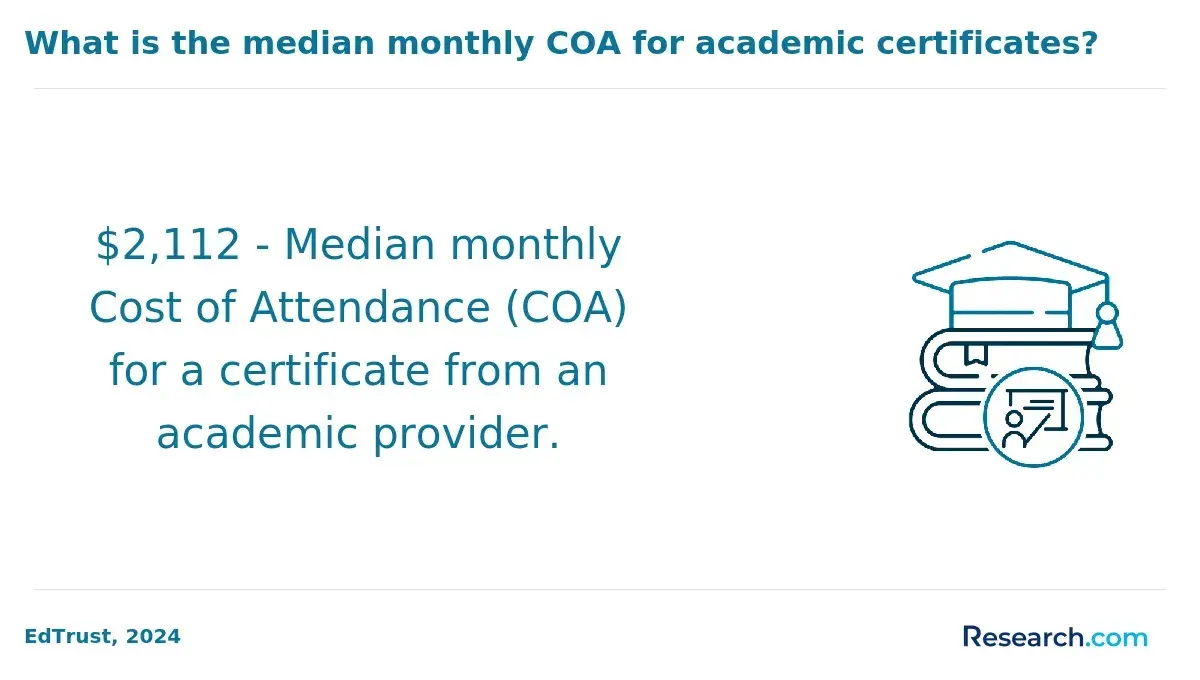
Budgeting for licensing exam fees after earning a cloud computing degree is essential to avoid unexpected costs during career entry. The cost of cloud computing certification exams is a critical consideration for graduates navigating job market entry and credential requirements.
To help plan your expenses, consider the main financial factors that will influence the total outlay.
- Exam fees: These are the core charges for taking the certification test and typically range from $100 to $300 depending on the specific cloud certification. The exam fee is generally the largest single cost you should anticipate.
- Application fees: Some certifications require additional registration or application fees separate from the exam cost, which can increase your upfront expenses.
- Retake fees: If you do not pass the exam on your first attempt, you must pay again to retake it. Retake fees are usually the same as the original, making multiple attempts more costly.
- Study materials: Preparing for the exam often requires investment in books, practice tests, or online courses, with prices varying based on content quality and the provider. These costs can add significantly to the total price of certification.
- Additional training: Some candidates opt for instructor-led classes or boot camps to ensure thorough preparation; however, these options usually raise costs considerably more than self-guided study.
Careful financial planning helps avoid delays caused by budget shortfalls. Those seeking affordable degree options may also want to explore most affordable online colleges that can minimize overall education expenses while preparing for these licensing exam fees for cloud computing graduates.
How Often Is the Cloud Computing Licensing Exam Offered?
Knowing when the cloud computing licensing exam is available is vital for candidates to schedule their preparation and complete certification on time. Typically, candidates have three to four chances annually to take the exam, with higher pass rates often seen during early-year testing cycles due to recent graduates entering the field.
Below are several important points about exam scheduling that affect how often and when the exam is offered.
- Testing windows: These vary by region, with some states providing quarterly fixed dates while others offer year-round scheduling, especially through online proctored exams, allowing for greater flexibility.
- Test formats: Both in-person center-based exams and remote online testing options are commonly available, enabling candidates to choose based on convenience and pandemic conditions.
- Retake limitations: Many jurisdictions enforce waiting periods between exam attempts, typically ranging from 30 to 90 days, to encourage thorough preparation before retaking.
- Annual attempt caps: Some areas limit the number of times a candidate can sit for the exam each year, aiming to maintain exam integrity and readiness standards.
- Scheduling evolution: Advances in technology and growing demand have increased the frequency and flexibility of exam offerings, making access easier for a wider range of candidates.
Do You Need a License to Get a Job With a Cloud Computing Degree?
Licensing is generally not required to obtain a job with a cloud computing degree in the U.S., as the field is not overseen by formal licensing boards like law or medicine. A 2023 survey revealed that under 10% of cloud computing job listings specified a licensing requirement, with certifications such as AWS Certified Solutions Architect or Microsoft Azure credentials being far more valued by employers.
Several key factors influence whether licensure or certification might be necessary in this field:
- Job Role: Certain positions, including IT auditors or security consultants, may demand adherence to regulatory standards, but a formal license is rarely mandated.
- Employer Preferences: Many employers prioritize candidates holding recognized certifications over traditional licenses, seeking proof of practical skills and knowledge.
- Specialization: Those working in cybersecurity within cloud computing often require certifications tailored to compliance frameworks and security protocols.
- Regulatory Requirements: Organizations managing sensitive information may impose mandatory certifications tied to regulations like HIPAA or FedRAMP to ensure legal compliance.
- State-Specific Rules: Though uncommon, some states might enforce credentialing for professionals handling data privacy and security on a local level.
Do Licensed Cloud Computing Professionals Earn More Than Unlicensed Graduates?
Licensure can significantly influence earning potential for cloud computing professionals by formally verifying specialized skills and knowledge. Certified individuals in cloud security, architecture, and management often report salary ranges between $80,000 and $150,000 annually, reflecting the value employers place on validated expertise.
In contrast, unlicensed cloud computing graduates generally earn starting salaries nearer the lower end of this spectrum. This difference highlights the impact of cloud computing certification on earnings.
Several factors contribute to why licensed professionals often earn more than their unlicensed counterparts:
- Regulatory requirements: Certain roles, especially those managing sensitive data or critical infrastructure, require mandatory licenses to comply with industry regulations. These requirements limit the candidate pool and justify higher compensation for licensed individuals.
- Access to specialized roles: Licensed professionals gain entry to higher-paying positions that demand verified skills, such as cloud security architect or cloud infrastructure manager, which are less accessible without certification.
- Employer preference: Companies frequently prioritize candidates with certifications during recruitment, viewing licenses as proof of competence and commitment, which improves job prospects and salary offers.
- Career advancement: Recognized credentials open doors to leadership, consultancy, and specialized technical roles that offer increased earning potential and professional growth.
- Geographic influence: Demand and salary levels for licensed cloud computing professionals can vary based on regional licensing norms and industry concentration, affecting overall compensation.
Licensing demonstrates a professional's readiness to meet industry standards and compliance demands, which is especially important in cloud environments.
Prospective students and recent graduates looking to boost their career trajectory and salary may want to compare paths involving licensure against other options, including exploring various online college degrees that support certification preparation.
Can I Use My Cloud Computing License in Another State?
License portability plays a crucial role for cloud computing professionals due to increasing workforce mobility and high demand for skilled experts nationwide. Since each state sets its own licensing rules, eligibility criteria, and exam requirements, moving your license across state lines can be challenging. Over 30 states have adopted reciprocity or endorsement agreements for IT-related credentials, simplifying practice in multiple jurisdictions.
This state-level regulation means that license transferability depends heavily on local laws and varies significantly by location.
Several pathways exist to use a cloud computing license in a different state, including reciprocity agreements that accept existing licenses with minimal extra steps, and endorsement processes requiring evidence of prior licensure and experience. Some states mandate passing additional exams aligned with their specific standards or completing supervised practice periods before granting full licensure.
These options depend on the state's requirements, the cloud computing specialization involved, and the regulatory authority overseeing certification. Checking directly with the destination state's licensing board remains essential to understand precise conditions and any restrictions.
What Graduates Say About The Licensing Exams After Completing a Cloud Computing Degree
- Miller: "Taking the licensing exam after completing my online cloud computing degree was smoother than I expected, especially given the affordable cost of around $300 for the exam and related fees. The knowledge I gained not only prepared me well for the test but also opened doors to advanced positions in my field. I truly believe owning a cloud computing license has been a game changer for my career trajectory. "
- Halix: "The cost of cloud computing licensure seemed steep initially, but reflecting on my experience as an online degree graduate, it was a worthwhile investment. The exam challenged my understanding in practical ways, and having that certification has significantly elevated my professional credibility and job opportunities. It's definitely a milestone that justifies both the effort and expense. "
- Jude: "As a professional who values credentials, the cloud computing license earned through my online education brought a substantial boost to my industry standing. While the average cost of attendance and licensure exams can add up, the long-term benefits in career advancement and salary potential are undeniable. The exam tested real-world skills, making my license a true asset in this competitive market."
Other Things You Should Know About Cloud Computing Degrees
After passing a cloud computing licensing exam in 2027, continuing education or recertification may be required to keep credentials up-to-date, depending on the certification authority. These requirements ensure professionals stay current with evolving technologies and industry practices.
Yes, most cloud computing licensing bodies provide accommodations for candidates with disabilities or special needs. Applicants must submit documentation of their condition in advance to approved exam administrators to receive accommodations such as extra time or alternative test formats.
Candidates are typically required to present a government-issued photo ID, such as a driver's license or passport, on the day of the cloud computing licensing exam. Additionally, they may need to bring a confirmation email or printout proving their exam registration. Always check specific requirements from the exam provider beforehand.
References
- How many certifications do I need to get a cloud job? https://www.pluralsight.com/resources/blog/cloud/how-many-certifications-do-i-need-to-get-a-cloud-job
- How to Start a Career in Cloud Computing with No IT Background - Solve Ae https://solve.ae/how-to-start-a-career-in-cloud-computing-with-no-it-background/
- Your Guide to AWS Certification https://www.coursera.org/articles/aws-certification
- 90+ Cloud Computing Statistics: A 2025 Market Snapshot https://www.cloudzero.com/blog/cloud-computing-statistics/
- CCSP Exam Outline https://www.isc2.org/certifications/ccsp/ccsp-certification-exam-outline
- Tackling Cloud Security: US State And Local Government Edition https://www.forrester.com/blogs/tackling-cloud-security-us-state-and-local-government-edition/
- Cloud Computing Career Path: Opportunities and Insights https://engx.space/global/en/blog/cloud-computing-career-path
- What Kinds of Certifications Will I Need to Maintain After Graduating with an IT Degree? https://www.greatvaluecolleges.net/faq/what-kinds-of-certifications-will-i-need-to-maintain-after-graduating-with-an-it-degree/
- Home - AWS Skill Builder https://skillbuilder.aws/exam-prep/cloud-practitioner
- Cloud Computing Salary Guide (2026): Top Jobs & Locations https://ccitraining.edu/blog/cloud-computing-salaries-top-jobs-locations/


