2027 Management Degree Completion Programs for Working Adults

Co-Founder and Chief Data Scientist
Many working adults face the challenge of completing their management degree while balancing professional and personal responsibilities-making program flexibility and credit recognition crucial factors. High-quality management degree completion programs offer accredited curricula with generous credit transfer policies that honor prior learning, including military training and work experience. Scheduling formats often include online and evening classes tailored to adult learners' time constraints. With a median salary increase of 20% for graduates within two years, cost and return on investment are key considerations. This article explores the essential features that distinguish reputable completion programs, helping readers align choices with their career goals, finances, and lifestyle demands.
Key Things to Know About Management Degree Completion Programs for Working Adults
- Maximizing credit for prior learning-especially military and professional training-can reduce time to degree by up to 50%, accelerating career advancement in management roles.
- Identify programs accredited by recognized bodies and endorsed by employers or licensure boards to ensure credential value and wider job market acceptance.
- Working adults should explore federal aid and employer tuition assistance-recent data shows 67% of management students leverage such resources to offset rising education costs.
What Are Management Degree Completion Programs, and Who Are They Designed For?
Management degree completion programs offer adults an accelerated route to finish a bachelor's degree in management-distinct from traditional four-year programs and graduate studies. These programs acknowledge prior college credits and relevant work or military experience, using credit-for-prior-learning policies to reduce redundancy. They typically provide flexible scheduling formats-online, hybrid, or in-person-that accommodate working adults balancing job and family commitments, thus addressing the needs of those seeking online management degree completion options for professionals.
- Definition: Designed for students who have accumulated some college credits but left without a degree, allowing them to build efficiently on prior learning without starting from scratch.
- Target Audiences: Adults returning to education after a break; military veterans leveraging ACE-credited training and coursework; working professionals pursuing promotions requiring formal credentials; and career changers entering management who need a relevant bachelor's degree.
- Structural Features: Accelerated courses, generous credit transfer policies, and schedules tailored to adult learners' lives-often including evenings, weekends, or online classes.
- Quality and Recognition: Programs adhere to standards from the American Association of State Colleges and Universities (AASCU) and data insights by the National Student Clearinghouse, ensuring full accreditation, credit transfer acceptance, and employer recognition.
- Financial and Career Considerations: Access to adult learner financial aid and dedicated career services focused on management roles strengthen upward mobility prospects for students weighing cost against career outcomes.
These programs are a strategic choice for those who aim to maximize efficiency and relevance in earning their management credential. For adult learners seeking fast-track advanced degrees, resources like the EdD online options offer additional pathways beyond undergraduate completion.
How Do Management Degree Completion Programs Differ From Traditional On-Campus Degree Programs?
Degree completion programs in management differ significantly from traditional on-campus degrees by offering scheduling formats tailored to working adults. These programs commonly provide evening, weekend, online, and hybrid classes-offering flexibility unlike the rigid daytime schedules typical in traditional programs. This flexible scheduling in management degree completion programs helps students balance education alongside employment and family obligations.
- Scheduling Formats: Completion programs accommodate professional responsibilities with varied class timings, contrasting with traditional models where classes are mainly held on weekdays.
- Pacing Options: Accelerated cohort models or self-paced enrollment allow students to progress at their own speed, unlike the strict semester-based timelines and full-time status requirements common in traditional education.
- Residency Requirements: Many completion programs minimize or eliminate on-campus residency mandates, enabling remote coursework, whereas traditional programs typically require significant campus attendance.
- Asynchronous Coursework: A large share of courses in completion programs are asynchronous, letting students access materials and complete assignments on their schedules-a contrast to the synchronous class meetings predominating in traditional programs.
- Structural Accommodations: Features such as rolling or multiple start dates, streamlined advising tailored for transfer and military students-including those with ACE-credited training-and flexible credit transfer policies distinguish completion programs. Traditional degrees generally have fixed semester start dates and standardized credit evaluations.
- Enrollment Trends: Data from the National Center for Education Statistics (NCES) and IPEDS demonstrate steady growth in degree completion enrollment over the past decade, reflecting rising demand from adults unable to pursue full-time, campus-based study.
Though the credential earned-usually a Bachelor of Science or Bachelor of Arts in Management-is the same, the learning pathway in completion programs is designed to reduce disruption to work and family life. This pathway particularly suits mid-career professionals, military veterans, and career changers seeking credential-gated promotions.
Prospective students should pay close attention to maximizing credit for prior learning, identifying programs recognized by employers and licensure bodies, and understanding funding options available for working adults. Evaluating these factors alongside program quality helps adults make informed decisions tailored to their career goals and financial circumstances.
Many individuals aiming for accelerated pathways can compare options, including 1 year associate degree programs, to determine the best fit for their education timeline and professional objectives.
What Prior Credits and Experiences Count Toward a Management Degree Completion Program?
Management degree completion programs often accept diverse prior learning credits, enabling working adults to accelerate graduation and reduce tuition costs. Transfer credits from regionally accredited institutions are commonly recognized, although acceptance varies-some schools limit credit from nationally accredited or nontraditional colleges. Military training credits evaluated through the American Council on Education (ACE) registry also qualify at many institutions, but not all adhere strictly to ACE recommendations.
- Professional Certifications: Credentials in fields like project management or human resources frequently convert into academic credit or course waivers.
- Prior Learning Assessment (PLA): Portfolios demonstrating workplace learning, training, or noncredit courses can be submitted for academic credit. CAEL research shows that PLA significantly shortens degree completion times.
- Credit-by-Examination: Exams such as CLEP and DSST test college-level knowledge, allowing students to bypass related coursework and earn credit directly.
Because credit acceptance depends heavily on the originating institution's accreditation and the specific policies of the target school, prospective students should obtain official transcripts, submit ACE military credit evaluations, and request a personalized credit review before enrolling. CAEL data indicates that recognizing relevant prior learning can reduce time-to-degree by a year or more, generating substantial financial savings and quicker advancement opportunities. Caution is advised against schools that reject legitimate ACE credits or enforce arbitrary transfer limits without academic basis. The American Association of Collegiate Registrars and Admissions Officers (AACRAO) guidelines provide a standard for fair transfer practices.
When asked about his experience, a professional who successfully graduated from a management degree explained how navigating credit transfers felt overwhelming initially. "I had military training, certifications, and work experience, but understanding what counted was confusing," he shared. "The personalized credit evaluation was a game-changer-it showed me which parts of my background were valuable and sped up my path dramatically." He emphasized that proactive communication with admissions staff and persistence in documentation were vital to making the most of his prior learning credits. "It wasn't just about saving money-it was about feeling recognized for the knowledge I already had."
What Is the Minimum GPA Requirement for Management Degree Completion Programs?
Most management degree completion programs set a minimum cumulative GPA requirement-commonly between 2.0 and 2.5 on a 4.0 scale-based on prior college credits to verify academic readiness. These minimum GPA standards for adult management degree completion students help establish satisfactory academic standing, especially for transfer students.
- Conditional Admission: Some schools grant entry to applicants with GPAs below the threshold by implementing academic support measures such as tutoring or mentoring to promote success while completing degree requirements.
- Open Admission with Professional Experience: Programs often accept adults without a strong academic record if they present documented professional or military experience equivalent to college credit, recognizing practical skills in admissions decisions.
- Holistic Evaluation: Admission processes typically weigh additional factors-including years of relevant work experience, letters of recommendation, and personal statements-reflecting a comprehensive review consistent with standards used by institutions accredited by the Higher Learning Commission and similar regional bodies.
- Academic Forgiveness and Fresh-Start Policies: Returning students with low past GPAs may benefit from policies that exclude poor past grades from GPA calculations after an absence, effectively providing a fresh start for completion.
- Pre-Admission Evaluation: Adults are advised to request formal academic assessments from their prospective programs to better understand eligibility and transfer credit potential before applying.
Evaluating these elements helps prospective students determine if a program aligns with their goals and circumstances. For those exploring options, resources about cyber security schools online also offer insight into adult-friendly, career-focused pathways.
How Are Management Degree Completion Programs Structured Around Full-Time Work Schedules?
Management degree completion programs often structure their schedules around full-time work commitments through several adaptable formats. These include evening cohorts meeting after work hours, weekend intensives packed into one or two weekends, fully asynchronous online courses accessible any time, and hybrid options blending live sessions with self-paced study. Typically, programs recommend a balanced credit load of 6 to 9 credits per term, which supports steady progress without overwhelming working students.
Many programs employ a cohort learning model where students advance together as a fixed group. This approach offers clear scheduling predictability months in advance, fosters accountability among peers, and builds a supportive environment that helps students manage professional and personal obligations simultaneously.
Research from the National Student Clearinghouse Research Center reveals that cohort-based completion students demonstrate higher persistence and graduation rates compared to those enrolled in traditional, less structured formats-highlighting the effectiveness of community-centered learning in boosting degree completion.
When assessing programs, prospective students should inquire about key policies such as course cancellation procedures, options for making up missed classes due to work conflicts, and the availability of dedicated student success advisors who assist in navigating scheduling challenges and maintaining progress.
One professional who established her career after finishing a management degree reflected on how the program's cohort setup suited her demanding work schedule. She described initial worries about balancing study with a full-time job but found that moving through courses with the same group helped create accountability and camaraderie. "Having classmates who understood the challenges made a difference during busy periods," she said, stressing that access to a student advisor was crucial when unexpected work demands threatened to disrupt her timeline. Her experience confirmed that structured flexibility combined with peer support can make completing a degree possible even amid professional pressures.
Is Online or Hybrid Delivery Available for Management Degree Completion Programs?
Management degree completion programs cater to working adults through various delivery formats-primarily fully online and hybrid models. According to the latest data from the NCES and the Online Learning Consortium, over 60% of adult learners enroll in fully online programs, while nearly 25% choose hybrid options that blend virtual coursework with in-person sessions. The COVID-19 pandemic expedited colleges' ability to offer robust online Management programs featuring engaging platforms and interactive tools that enhance remote learning.
Delivery formats include:
- Synchronous Online: Live classes via video conferencing facilitate real-time interaction but require fixed schedules, suitable for professionals with consistent availability.
- Asynchronous Online: Recorded lectures and flexible deadlines support independent pacing, ideal for students balancing irregular work or personal demands.
- Hybrid Models: Combine online study with occasional on-campus intensives, allowing face-to-face networking while maintaining work commitments.
When assessing program quality, students should consider faculty qualifications, low student-to-faculty ratios for personalized support, access to virtual tutoring and advising, and whether the online program holds the same accreditation as its on-campus counterpart. Aligning program format with individual learning preferences and life situations is essential; prospective enrollees should ask about flexibility, support services, credit transfer policies-including military or ACE evaluations-and accreditation during admissions consultations.
In 2023, many institutions are adopting advanced learning management systems to improve accessibility and engagement, raising the overall standard of online Management education for working adults.
How Long Does It Take to Complete a Management Degree Completion Program?
Completion timelines for management degree completion programs vary widely based on prior academic credits, enrollment status, and program-specific requirements. Students entering with around 60 prior credits-common for transfer students or those with some college-typically take two to three years studying part-time. Those with about 90 credits, often having completed an associate degree, may finish in 12 to 18 months under similar conditions.
Students with substantial prior learning assessed through Prior Learning Assessment (PLA)-including military veterans with American Council on Education (ACE) credits or professionals with relevant certifications-can sometimes complete in under a year, although these accelerated cases are exceptions rather than the rule.
- Credit Award: Transfer and PLA credits shorten remaining coursework, directly influencing time-to-degree.
- Enrollment Status: Part-time, full-time, or accelerated studies can change completion timelines by months or more than a year.
- Program Constraints: Fixed-duration components such as internships, capstones, or field experiences may set minimum time requirements that cannot be expedited.
- Financial Impact: Shorter time-to-degree reduces overall tuition and foregone earnings, enabling earlier access to post-degree salaries.
- Informed Inquiry: Prospective students should request average completion time data specific to their credit standing-programs often publish ideal minimum timelines that may not reflect most students' experiences.
Adult learners must weigh these factors carefully to balance work, life, and financial commitments while planning realistic pathways to finish their management degree. Understanding how to maximize credit for prior learning and selecting programs recognized by employers or licensing bodies can also influence success.
What Accreditation Should a Management Degree Completion Program Hold?
Regional Accreditation: Regional accreditation remains the most respected form of institutional approval for accredited management degree completion programs in the United States. Bodies like the Higher Learning Commission (HLC), the Middle States Commission on Higher Education, and the Southern Association of Colleges and Schools Commission on Colleges (SACSCOC) evaluate academic quality, faculty qualifications, and institutional stability. Employers, graduate schools, and the federal student aid system all recognize this accreditation. It ensures that credits earned are generally transferable-an essential feature for working adults maximizing prior learning-and guarantees eligibility for federal financial aid.
National Accreditation: National accreditors such as the Distance Education Accrediting Commission (DEAC) provide institutional approval with generally less prestige and lower recognition outside their networks. Programs holding only national accreditation often face credit transfer restrictions and may not be respected by employers or graduate programs. Students pursuing a management degree completion program should carefully evaluate institutions accredited solely at this level.
Programmatic Accreditation: Specialized accreditation enhances degree value in management and business pathways. Key bodies include:
- ABET-mainly for engineering and technology-related management fields.
- Accreditation Council for Business Schools and Programs (ACBSP)-emphasizing teaching quality in business education.
- Association to Advance Collegiate Schools of Business (AACSB)-widely deemed the gold standard for business schools.
These accreditations affect professional licensure eligibility, hiring prospects, and admission to competitive graduate schools.
Warning About Unrecognized Accreditors: There is a growing number of degree completion programs offered by institutions with only national accreditation or unrecognized accrediting agencies. Graduating from these programs carries reputational risks since employers or licensing boards may not accept such credentials-and financial risks because federal aid is often unavailable.
Verification: Prospective students should consult the U.S. Department of Education's Database of Accredited Postsecondary Institutions and Programs (DAPIP) to confirm the accreditation status of any program. Independent verification is critical rather than relying solely on marketing claims. This due diligence is particularly important for those seeking to earn a business administration degree online or similar credentials.
How Much Do Management Degree Completion Programs Cost, and What Financial Aid Is Available?
Costs for management degree completion programs vary widely by institution type and program format. Public regional universities typically charge $300 to $500 per credit hour for in-state students, with out-of-state tuition rising above $600. Private nonprofit institutions usually range from $400 to $900 per credit hour, while for-profit schools impose higher rates-between $500 and $1,200 per credit hour. Beyond tuition, students must budget for mandatory fees averaging $50 to $200 each term, plus technology expenses, course materials, and any required residency or intensive sessions, which can add several hundred dollars to total costs.
Financial aid options for working adults in management degree programs include:
- Pell Grants: Many part-time adult learners qualify for federal Pell Grants that reduce tuition without repayment obligations.
- Employer Tuition Reimbursement: Numerous employers support degree completion by covering significant tuition portions-checking program accreditation and eligibility is essential.
- Military Benefits: Veterans with ACE-credited training and active service members can access GI Bill funds and MyCAA benefits that help cover program costs.
- Institutional Scholarships: Some colleges award scholarships targeted at non-traditional and returning adult students, significantly alleviating expenses.
Adult learners filing FAFSA independently should complete applications carefully to ensure full aid access. Tax advantages such as the Lifetime Learning Credit-offering up to $2,000 annually-and the employer educational assistance exclusion under IRS Section 127 can further lower out-of-pocket costs; professional tax advice is recommended based on personal income and filing status.
When constructing a comprehensive cost comparison across management degree completion programs, consider these critical factors:
- Credit Transfer Savings: Applying prior college credits and military training reduces required coursework and lowers tuition totals.
- Employer Reimbursement Eligibility: Verifying your employer's tuition policies can substantially cut effective expenses when courses are successfully completed.
- Net Tuition After Aid: Calculating net costs after scholarships, grants, and benefits reveals the realistic financial commitment.
Working adults can often make management degree completion affordable by maximizing credit for prior learning and employer support while leveraging the diverse financial aid options available. Evaluating programs carefully-even for specialized fields like the masters child and adolescent mental health discipline-ensures alignment with professional goals, financial circumstances, and life obligations.
What Career Outcomes Can Working Adults Expect After Completing a Management Degree?
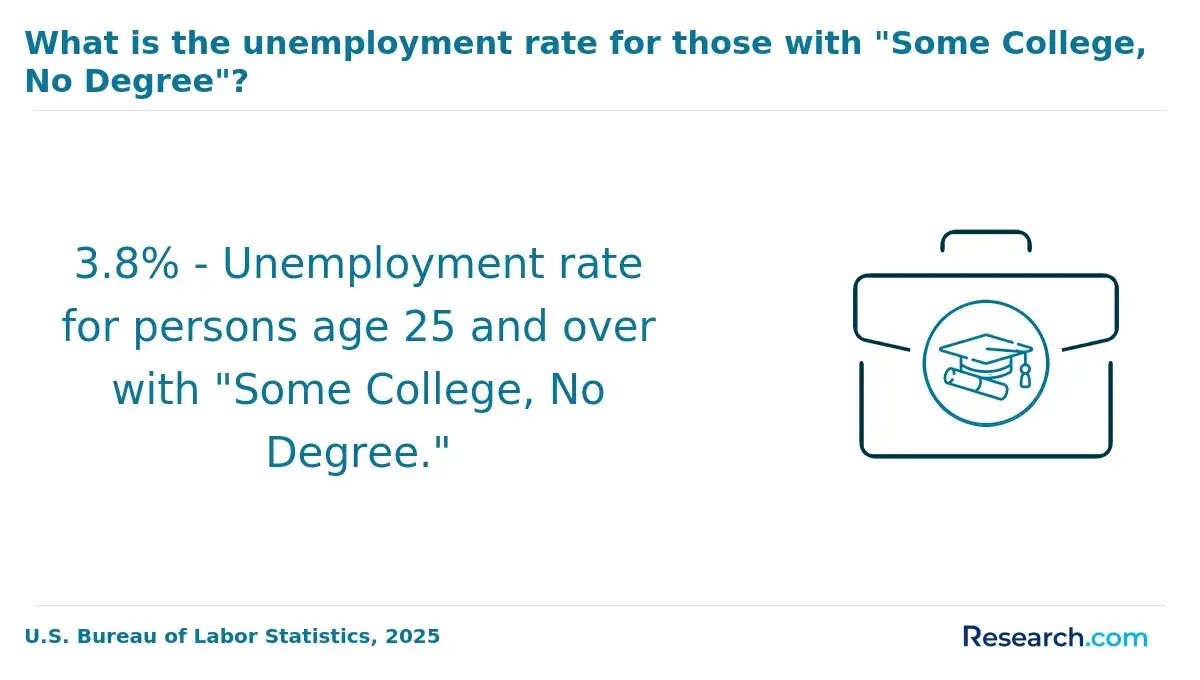
Graduates of management degree completion programs often see a notable increase in earnings compared to individuals with some college but no degree. Median wages in management roles commonly rise by 20% to 40%, demonstrating employer recognition of completed credentials combined with experience.
- Promotion Eligibility: Holding a bachelor's degree frequently serves as a formal prerequisite for supervisory and senior management positions.
- This credential opens doors to leadership roles previously inaccessible due to degree requirements.
- Employers regularly favor degree holders for leadership tracks and succession planning initiatives.
- Credential-Gated Roles: Certain management job titles-particularly in healthcare administration, finance, and public leadership-mandate a completed bachelor's degree for entry or licensure.
- Experienced Professional Advantage: Working adults earning management degrees leverage their prior career history, enabling them to aim for mid- and senior-level jobs upon graduation rather than entry-level openings.
- This combination often accelerates career growth and results in higher starting salaries relative to new graduates without experience.
- Goal-Focused Decisions: Prospective students targeting licensed positions, promotions, or graduate study should ensure the program's accreditation and degree requirements align with industry or educational standards before enrolling.
Success in degree completion depends heavily on strategic choices-maximizing transfer credits for prior learning, selecting accredited programs recognized by employers and licensure boards, navigating financial aid designed for working adults, and objectively comparing program features such as scheduling flexibility, cost, and institutional support. These factors collectively distinguish high-quality management completion programs from generic undergraduate offerings-equipping adult learners to meet their professional goals while managing life's demands.
How Do Employers View a Management Degree Completed Through a Completion Program?
Employer hiring surveys from organizations like the Society for Human Resource Management (SHRM) and the National Association of Colleges and Employers (NACE) indicate that institutions' accreditation and program recognition weigh more heavily than the method of degree completion or the extent of prior learning credit used. Degrees awarded through management completion programs by regionally or nationally accredited schools generally do not differentiate graduates from traditional degree earners, reflecting equal academic standards.
How candidates present their credentials matters. On resumes, it's best to list the degree as granted without highlighting the completion pathway. In interviews, discussing the program's adult-centered and accelerated format can emphasize qualities like determination and effective time management.
Key points include:
- Accreditation: Institutional accreditation drives employer trust-whether regional or national.
- Resume Strategy: Present the degree straightforwardly; use interviews to frame program design positively.
- Hiring Contexts: Some sectors-especially federal roles subject to Office of Personnel Management guidelines or licensed professions under state boards-may examine degree completion methods more closely. Prospective students in regulated fields should verify credential acceptance with licensing bodies or human resources prior to enrollment.
- Private Sector Emphasis: Most private employers prioritize professional experience, competencies, and recommendations over how a degree was earned. A management completion degree enhances credentials equivalently to a traditional degree rather than diminishing value.
What Graduates Say About Management Degree Completion Programs for Working Adults
- Leandro: "Completing my management degree while working full-time was challenging-but the flexible scheduling formats made all the difference. I appreciated how the program's structural design focused on asynchronous classes, letting me study whenever I found time. Plus, the accreditation standards gave me confidence that my degree would be recognized by employers nationwide."
- Calvin: "When researching management degree completion programs, I quickly realized that credit transfer policies vary widely-this program's generous acceptance of prior credits saved me both time and money. Cost considerations were critical for me, and choosing a program with transparent, affordable tuition helped me avoid unexpected expenses. Reflecting on my experience, the career outcomes were impressive-many alumni secured leadership roles shortly after graduation."
- Carter: "What stood out to me about this management degree completion program was its commitment to maintaining rigorous accreditation standards-something that truly distinguished it from generic undergraduate alternatives. The structural features encouraged active engagement despite being fully online, making it easier to balance family and studies. From a professional perspective, the career support services provided valuable networking opportunities that aligned perfectly with my ambitions."
Other Things You Should Know About Management Degrees
Management degree completion programs typically provide tailored support services for working adults-including academic advising, tutoring, and career counseling. These services help students balance coursework with professional and personal responsibilities. Additionally, many programs offer flexible scheduling and access to online resources, which facilitate learning outside traditional classroom hours.
Credits earned in management degree completion programs often transfer to graduate programs, especially if the undergraduate coursework was completed at an accredited institution. This pathway can save time and money for those pursuing advanced degrees like an MBA. It is important to verify credit transfer policies with both the completion program and the graduate school beforehand.
Networking is a significant benefit of management degree completion programs tailored for working adults. These programs connect students with peers, faculty, and industry professionals-building relationships that support career advancement. Many institutions host networking events, webinars, and group projects that foster collaboration and professional growth.
References
- Management degree completion - IFSQN https://www.ifsqn.com/forum/index.php/topic/48720-management-degree-completion/
- What to do after a Bachelor's degree in management? https://www.ipag.edu/en/blog/what-do-after-bachelors-degree-management
- BBA Degree Completion Program Application Checklist and Timeline - University of Mount Saint Vincent https://mountsaintvincent.edu/graduate-adult/graduate-programs/bba-degree-completion-program/admission-requirements/
- How Employers View Online Business Degrees https://www.collegetransitions.com/blog/how-employers-view-online-business-degrees/
- Degree completion program - Wikipedia https://en.wikipedia.org/wiki/Degree_completion_program
- Non-Traditional Student Management: Essential Strategies for Supporting Today's Diverse Learners https://moderncampus.com/blog/traditional-vs-non-traditional-students.html
- WHAT - Translation from English into Polish https://en.pons.com/translate/english-polish/what
- 10 Best Careers With a Business Management Degree https://www.ncchomelearning.co.uk/blog/10-best-careers-with-a-business-management-degree/
- How Long Does It Take to Get a Business Administration Degree? - Team Academy https://teamacademy.nl/how-long-does-it-take-to-get-a-business-administration-degree/
- Everything You Wanted to Know About Degree Completion Programs for Adults https://explore.neumann.edu/everything-you-wanted-to-know-about-degree-completion-programs-for-adults