
2027 Marketing Degree Programs for Career Changers

Co-Founder and Chief Data Scientist
Mid-career professionals often face challenges when pivoting to marketing without formal education in the field. They must quickly acquire relevant skills while balancing work and family commitments. According to the National Center for Education Statistics, nearly 40% of all marketing degree seekers are aged 25 or older, highlighting a significant adult learner presence. This trend reflects the growing demand for adaptable, career-changing individuals in a fast-evolving workforce.
This article explores how marketing degree programs specifically designed for career changers can provide practical knowledge, skill-building, and strategies to facilitate a smooth and confident transition into marketing roles.
Key Things to Know About Marketing Degree Programs for Career Changers
- Many marketing degree programs offer flexible scheduling with evening, weekend, or asynchronous online classes, enabling working adults to balance studies with employment and personal commitments.
- Hybrid and fully online formats are widespread, providing accessibility and allowing students to gain practical skills without disrupting their current jobs.
- Programs often include career services and networking opportunities tailored to career changers, increasing employment prospects in the dynamic marketing industry, which expects 10% growth through 2032.
What Marketing Programs Accept Career Changers?
Many career changers find marketing programs appealing due to their practical curricula and adaptable structures that fit well with professional and adult learners' needs. Nearly 40% of graduate students are over the age of 30, highlighting a significant trend of nontraditional students pursuing advanced education to boost their career trajectories.
- Master's in Marketing: These programs typically offer flexible prerequisites, making them accessible to those without a marketing background. They focus on strategic and digital marketing skills while allowing career changers to build foundational knowledge through bridging courses.
- MBA with a Marketing Concentration: Blending core business education with marketing knowledge, these MBAs suit working professionals wanting a broad understanding of business markets alongside specialized marketing expertise.
- Online Marketing Degrees: Online formats support working adults by accommodating varied schedules and locations, facilitating interactive learning that fits into busy lifestyles.
- Graduate Certificates in Marketing: These shorter programs provide targeted skill development, enabling career changers to demonstrate commitment and gain essential marketing competencies before pursuing full degrees.
Such marketing degree programs for nontraditional students leverage previous experience while providing practical, focused knowledge to facilitate smooth career transitions. For those exploring quick yet accredited educational paths, programs like an EdD degree can offer fast-track opportunities tailored to working adults.
What Marketing Specializations Are Best for Career Changers?
Selecting the right marketing specialization is essential for career changers who want to build on existing skills while meeting evolving industry needs. Employment in digital marketing roles is projected to grow 15% through 2032, highlighting strong demand for certain specialties.
Here are four top marketing specializations well suited for professionals making a career shift:
- Digital Marketing: Ideal for those with technical or creative backgrounds, focusing on SEO, content creation, and social media management-skills transferable from many industries that foster career mobility.
- Market Research: Suits analytical professionals skilled in data interpretation and consumer behavior, empowering informed decision-making and strategic business insights accessible for newcomers.
- Brand Management: Perfect for individuals with communication or project coordination experience, emphasizing the development and maintenance of brand identity, which can offer smooth integration into marketing roles.
- Content Marketing: Fits those with strong writing and storytelling abilities, making transitions easier by leveraging existing communication strengths to engage audiences effectively.
For working professionals considering a marketing career change, choosing a specialization aligned with previous experience can accelerate success. Earning a degree focused on the best marketing degree concentrations for career changers plays a key role in this process. Additionally, resources like an online counseling degree can support career changers by providing guidance through education transitions and career development.
What Are the Admission Requirements for Career Changers Applying to a Marketing Program?
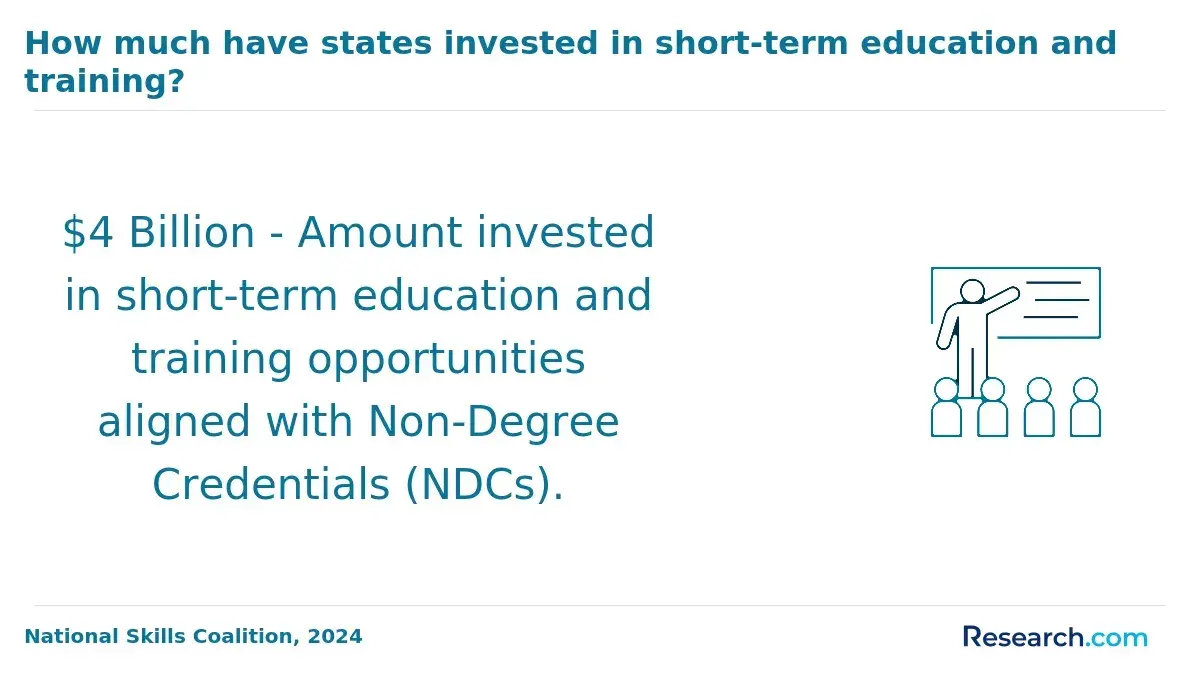
Admission requirements often present unique challenges for career changers entering marketing programs, as these applicants typically have diverse work backgrounds and educational experiences. Adult learners aged 25 and older account for nearly 40% of all U.S. postsecondary students, underscoring the increasing importance of flexible admissions criteria.
Below are common requirements tailored to this growing group of nontraditional students.
- Application and Statement: A completed application usually includes a personal statement that details the motivation for career change, highlighting transferable skills and professional goals.
- Transcripts or Experience: Official transcripts may be required, but many programs accept relevant work experience or prior learning assessments in place of traditional coursework prerequisites.
- Test Waivers: Standardized tests like the GRE or GMAT are often waived for experienced professionals, recognizing real-world expertise over exam scores.
- Recommendations: Letters attesting to professional accomplishments and transferable skills can strengthen applications by providing insight into a candidate's readiness for graduate marketing study.
- Resume or CV: Demonstrating relevant work history and skills, a current resume or CV allows admissions committees to evaluate practical knowledge aligned with marketing careers.
These flexible pathways reflect common admission criteria for marketing degree programs for nontraditional students and can ease transitions into marketing graduate programs. For those balancing work and study, exploring options like portfolio submissions or certifications can further support qualification.
Prospective students might also consider related fields, such as a psychology degree online, to complement marketing skills and enhance career opportunities.
What Is the Coursework for a Marketing Degree for Career Changers?
For professionals considering a career shift, gaining insight into a marketing degree's coursework helps evaluate how well the program aligns with their background and goals. This understanding is essential to navigate the balance between education and other life commitments.
Key areas typically covered include:
- Core Marketing Concepts: These foundational courses cover market research, consumer behavior, and strategy to build a broad understanding of market dynamics and audience engagement.
- Digital Marketing and Analytics: Coursework focuses on modern tools like social media, SEO, and data analysis methods, offering practical approaches relevant to today's marketing landscape.
- Branding and Communications: Students explore brand management and advertising techniques, blending theory with real-world applications to develop effective messaging skills.
- Specialized Electives: Options such as international marketing or e-commerce allow customization, enabling students to tailor studies to particular sectors or interests.
- Experiential Learning: Projects and internships provide hands-on opportunities that connect classroom knowledge with professional environments, enhancing readiness for new roles.
- Support Services: Academic advising and career guidance specifically assist career changers in managing their transition and maximizing their degree's impact.
When discussing this topic, a professional who completed an online marketing degree shared his experience. "Balancing coursework with a full-time job was intense," he recalled. "I struggled initially to find time for assignments but appreciated how the program allowed flexible scheduling."
He described how project-based work made theory feel relevant: "Doing real marketing projects helped me see exactly how concepts apply at work." He also noted, "The career support was invaluable; having advisors who understood the challenges of switching fields made a big difference."
This firsthand perspective highlights how the coursework's design supports adult learners aiming for career change."
What Marketing Program Formats Are Available for Career Changers?
Flexible program formats are essential for career changers aiming to enter marketing while balancing work and personal obligations. According to the National Center for Education Statistics, over 40% of U.S. college students are adults, many opting for online or part-time study to fit education into their busy lives.
These trends make it clear that accessible learning options are critical. Common marketing program formats include:
- Online Degree Programs: These fully remote options allow students to study at their own pace or follow structured schedules from anywhere, ideal for professionals managing jobs and family.
- Part-Time Programs: Classes are scheduled during evenings or weekends, helping students maintain employment while steadily progressing toward their degree.
- Hybrid Programs: Combining online coursework with occasional in-person sessions, these formats balance convenience with opportunities for face-to-face engagement.
- Evening or Weekend Classes: Traditional in-person courses offered outside typical work hours enable full-time employees to participate without disrupting their careers.
Each of these structures supports diverse learning preferences and life demands, enabling career changers to develop new marketing skills efficiently and confidently transition into their new profession.
What Skills Do Career Changers Gain in a Marketing Program?
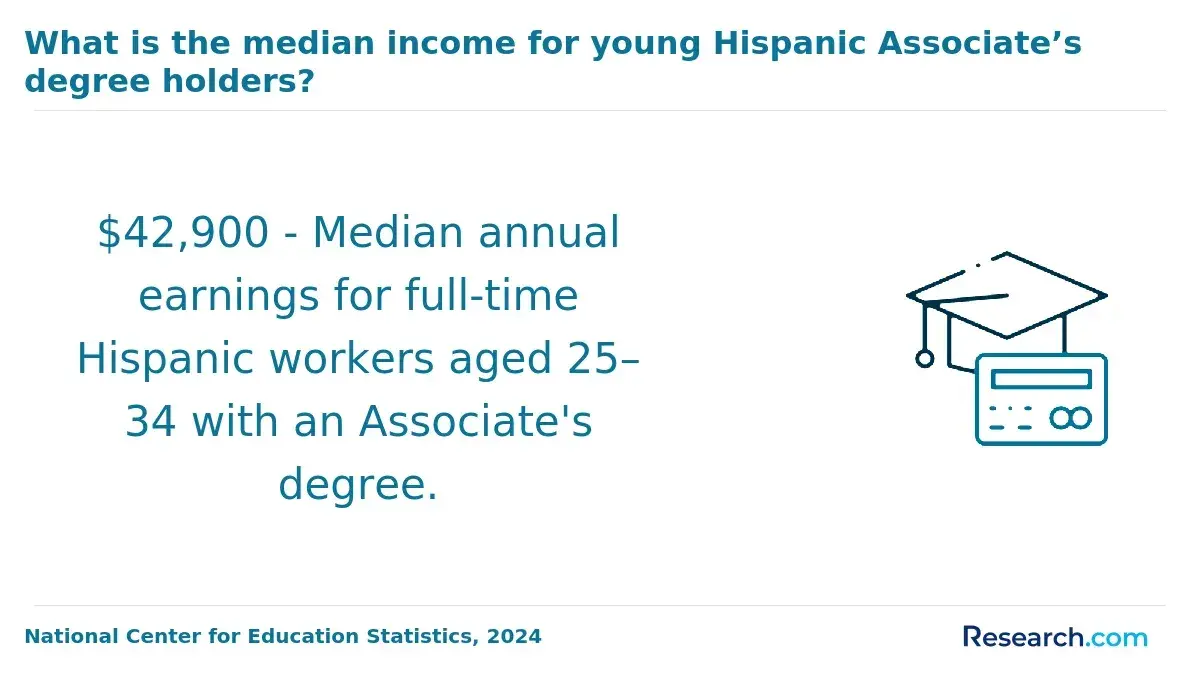
For adults shifting careers, acquiring new skills is essential to navigate evolving job markets; research shows that more than half of U.S. workers aged 24 and older must reskill to stay viable in today's economy. Marketing programs cultivate a variety of abilities that are directly applicable to modern business roles and provide a strong foundation for sustainable career growth.
The following key skills are especially valuable for career changers pursuing a marketing degree:
- Data Analysis: Interpreting consumer insights and market dynamics enables career changers to craft targeted strategies and make data-driven decisions crucial for campaign success.
- Digital Marketing: Proficiency with online platforms and digital tools equips learners to effectively engage audiences and adapt to the rapidly expanding digital landscape businesses rely on.
- Communication: Mastering clear, persuasive writing and speaking lays the groundwork for successful collaboration, client interaction, and brand messaging.
- Project Management: Planning and executing campaigns within financial and time constraints readies individuals to lead initiatives confidently and deliver measurable results.
- Creative Problem-Solving: Developing innovative solutions fosters agility in responding to unexpected challenges, a skill that contributes significantly to business advancement.
A career changer who completed a marketing degree shared that one of her biggest hurdles was balancing coursework with family and work responsibilities, which tested her time management skills. She recounted how initially, applying theoretical concepts to real-world scenarios felt daunting, but as she gained hands-on experience with digital campaigns and data interpretation, her confidence grew.
She remarked, "It wasn't just about learning new skills; it was about seeing how those skills could reshape my professional identity." Her journey highlights how the blend of practical training and strategic thinking within the program empowered her to transition smoothly into her new field, encouraging adaptability and self-assurance throughout the process.
How Much Does a Marketing Degree Cost for Career Changers?
Career changers should carefully evaluate the total cost of a marketing degree because it significantly affects both their short-term budget and long-term financial outlook. Graduate education in the U.S. often results in considerable debt, with the average student loan balance for master's degree recipients nearing $66,000 according to recent statistics.
Being aware of all expenses helps adult learners plan realistically and make informed decisions.
The average tuition fees for marketing programs vary widely, making it essential to understand where costs typically arise. Below are the main cost components most career changers will encounter:
- Tuition and Fees: Tuition is often the largest expense, ranging from $10,000 to $40,000 or more depending on whether the program is online, in-person, part-time, or full-time. Fees can include application charges and administrative costs. Flexible payment options and employer tuition assistance programs may help manage these expenses.
- Textbooks and Materials: Costs for textbooks, software, and other learning materials vary but can add several hundred to a few thousand dollars to the total. Choosing programs that include digital materials or open-source resources can reduce these costs.
- Technology Requirements: Some courses require specific software or hardware, especially in digital marketing tracks. These costs should be anticipated and budgeted, though some institutions offer discounted or free access through partnerships.
- Additional Expenses: Career changers might face extra costs like travel for in-person classes or networking events, and study resources. Part-time and online options can help spread out expenses and offer greater flexibility for working adults balancing education and employment.
- Cost-Saving Strategies: Enrolling in accredited online programs with lower tuition rates, earning credits for prior learning, and leveraging scholarships for adult learners are common ways to reduce the financial burden. Many employers also provide reimbursement or financial support for further education, easing out-of-pocket costs.
Adult learners considering a marketing degree should weigh these factors alongside potential career benefits, especially as marketing is listed among the highest paying degrees, making the investment potentially worthwhile for those transitioning into this growing field.
How Does a Marketing Curriculum Support Career Transitions?
Curriculum design is especially important for career changers because it must bridge previous professional experience with new industry demands, ensuring a smooth and effective transition. Marketing degree programs for career changers carefully balance theory with application to build relevant skills and confidence.
The following list outlines key ways a marketing curriculum supports career transitions.
- Practical Project Integration: The curriculum incorporates real-world projects that simulate workplace challenges, allowing students to develop practical expertise that employers seek. This hands-on approach helps learners immediately apply what they study to tangible scenarios.
- Transferable Skill Development: Emphasis is placed on skills gained from marketing curriculum for career transitions, including data literacy, strategic planning, and persuasive communication. These capabilities are valuable across diverse industries and job functions.
- Flexible Scheduling Options: Courses are designed with flexible pacing to respect adult learners' existing responsibilities. This flexibility enables working professionals to balance education with their careers without sacrificing quality.
- Experiential Learning Opportunities: Internships and collaborations with businesses provide learners with real-time experience and networking advantages. Such exposure helps to bridge the gap between academic concepts and workplace demands.
- Industry-Relevant Updates: The curriculum is regularly refreshed to reflect evolving market trends and technological advancements, ensuring graduates remain competitive and their skills relevant.
For those seeking an accessible path to gain foundational knowledge before committing to a full marketing degree, exploring the easiest associate degree options can be a strategic first step in career transition planning.
What Careers Can Career Changers Pursue With a Marketing?
For professionals changing careers, recognizing the range of job opportunities linked to a marketing degree is vital for effective goal-setting and aligning past experience with new roles. The U.S. Bureau of Labor Statistics forecasts a 10% rise in employment for marketing-related jobs through 2032, highlighting robust demand.
Below are five common career options for those with a marketing background.
- Brand Manager: Oversees the creation and execution of brand strategies and campaigns. Skills in project coordination and effective communication provide a strong foundation for success in this position.
- Digital Marketing Specialist: Manages online marketing efforts including SEO and performance analysis. Ideal for individuals with technical proficiency or an analytical mindset.
- Market Research Analyst: Gathers and evaluates data to inform marketing strategies. This role suits those with knowledge in statistics or social sciences who enjoy research-driven decision-making.
- Content Strategist: Develops and supervises the delivery of content initiatives. Those with experience in writing, editing, or content creation transition well into this position.
- Sales Manager: Leads sales teams and crafts sales strategies. Professionals with leadership experience or strong customer relations skills adapt readily to this career.
What Is the Average Salary After Earning a Marketing Degree as a Career Changer?
Salary is a critical factor for career changers evaluating a transition into marketing, as it affects both financial stability and job satisfaction. Data shows that professionals who reskill and enter new fields, like marketing, can see an average salary rise of approximately 10% within three years.
Below are key insights into common compensation trends for marketing-related careers.
- Entry-Level Roles: Salaries usually fall between $45,000 and $60,000 per year, with starting pay influenced by prior work experience and regional demand.
- Mid-Level Managers: Compensation ranges from $65,000 to $85,000, often depending on industry size and geographic location.
- Digital Marketing Specialists: These professionals tend to earn toward the higher end of salary scales due to the high demand for digital expertise.
- Transferable Experience: Backgrounds in fields like sales or communications can enhance starting salaries by demonstrating relevant skills and leadership potential.
- Incentives and Bonuses: Many roles include variable pay components tied to performance, such as commissions or campaign-related bonuses, supplementing base salaries.
What Graduates Say About Their Marketing Degrees for Career Changers
- Celia: "I decided to pursue a marketing degree after feeling stuck in my previous job, and the average cost of attendance, around $40,000, was a big factor in planning my finances. Completing the program gave me the skills and confidence I needed to secure a position in digital marketing, which has completely transformed my professional life. I'm grateful for taking that leap."
- Beth: "After years in finance, I realized I wanted a career that involved creativity and strategy, so enrolling in a marketing degree program was the next logical step. While the cost was significant, roughly $35,000 for the entire program, it was a worthwhile investment that opened doors to new opportunities in brand management. Reflecting on this choice, it was one of the best career moves I've made. "
- Ann: "Transitioning from education to marketing wasn't easy, especially considering the financial commitment-typically in the $30,000 to $45,000 range-but the degree program equipped me with essential knowledge in consumer behavior and digital tools. This foundation was instrumental in helping me land a role in content marketing, marking a meaningful turning point in my professional path. The experience truly paid off. "
Other Things You Should Know About Marketing Degrees
In 2027, most marketing degree programs welcome career changers without requiring a marketing background. However, a bachelor’s degree in any field is typically required, and some programs might prefer applicants with basic coursework in business or communications.
Yes, professional experience outside marketing can be highly beneficial. Skills such as project management, customer service, or data analysis transfer well into marketing roles. Additionally, career changers often bring diverse perspectives that help with creative problem-solving and strategic thinking in marketing projects and campaigns.
As a career changer, a marketing degree can equip you with skills in brand strategy, consumer behavior analysis, digital marketing tactics, and data interpretation. These competencies are crucial for adapting to and succeeding in the dynamic marketing landscape of 2027.
References
- The Best Degrees for Career Changers in 2025 (No Starting from Scratch) https://www.nexford.edu/insights/the-best-degrees-for-career-changers-in-2025-no-starting-from-scratch
- What Do You Learn in Marketing? https://powerful-marketers.com/what-do-you-learn-in-marketing/
- How to Change Careers into Marketing in Tech (Step-by-Step Guide) https://techtalkuk.co/blogs/articles/how-to-change-careers-into-marketing-in-tech-step-by-step-guide
- Marketer - Alternative Careers and Similar Jobs (Updated for 2026) https://resumeworded.com/career-profiles/marketer-career-profile
- Types of Marketing Specializations - Rivier Academics https://www.rivier.edu/academics/online/resources/program-resources/types-of-marketing-specializations/
- Future career after completing the Marketing Management degree https://www.nhlstenden.com/en/courses/marketing-management/your-future-after-marketing-management
- 9 Transferable Skills Gained From A Social Media Marketing - Britts Imperial 2025 https://brittsimperial.com/9-transferable-skills-gained-from-a-social-media-marketing/
- Full-Time Digital Marketing Courses 2026: Complete Career Transformation https://digitalmarketacademy.in/digital-marketing-blogs/full-time-digital-marketing-courses-2026-career-transformation/
- How Much Does Marketing Training Cost? https://www.impactplus.com/blog/how-much-does-marketing-training-cost


