
2027 Return on Investment (ROI) of a Marketing Degree Program

Co-Founder and Chief Data Scientist
Many prospective students face uncertainty about the financial benefits of investing time and money into a marketing degree program. With tuition costs rising, it's crucial to understand the potential career outcomes. Recent data shows that marketing-related occupations are projected to grow 10% from 2022 to 2032, faster than the average for all occupations. Despite this promising growth, graduates often question whether their degree translates into competitive salaries and advancement opportunities.
This article examines the return on investment of a marketing degree by analyzing employment trends, salary benchmarks, and educational costs to help readers make informed decisions about their career and education paths.
Key Things to Know About Marketing Degree ROI
- Marketing degree holders earn an average of 15-25% higher salaries than those with only a high school diploma, reflecting substantial earning potential over time.
- A marketing degree enhances career advancement prospects, opening roles in management, analytics, and digital strategy with increased job responsibilities and salaries.
- The versatility of marketing skills ensures job stability and flexibility, as graduates can work across diverse industries such as technology, healthcare, finance, and retail.
How Is ROI Calculated for a Marketing Degree Program?
Return on investment (ROI) in higher education measures the financial benefits gained from a degree compared to the total cost and time invested. For prospective students, calculating return on investment for marketing degree programs helps compare the value against both expenses and time commitment, enabling more informed decision-making. Below are several key factors used to evaluate marketing degree ROI formula and factors:
- Tuition and Fees: This includes the direct costs such as tuition payments, textbooks, supplies, and additional fees. Accurately assessing these expenses is vital since they represent the initial financial investment that must be recovered through future earnings.
- Opportunity Cost: Refers to income sacrificed while studying full-time instead of working. This lost wage period affects the overall investment, adding intangible costs beyond tuition and fees.
- Time to Completion: The duration required to finish the marketing degree impacts ROI by delaying when higher earnings can begin. Longer programs may slow career advancement and reduce short-term financial gains.
- Post-Graduation Salary Outcomes: Starting salaries and expected salary growth in marketing roles significantly influence the speed of recouping educational investments. Strong initial pay combined with steady increases improves ROI substantially.
- Long-Term Earning Potential: Advancement into leadership or management roles can enhance lifetime earnings and elevate the overall return on investment far beyond entry-level positions.
Individuals interested in different educational pathways can also explore options like online msw programs as alternatives for career advancement and ROI considerations.
How Much Does a Marketing Degree Program Cost?
Accurately estimating the total cost of a marketing degree program is vital to determine its true return on investment. Graduate tuition in the U.S. has steadily risen by over 3% annually for ten years, with the average student loan debt reaching nearly $66,000 in 2023. These figures highlight the importance of considering all expenses involved.
Several key cost factors influence the overall ROI of pursuing a marketing degree:
- Tuition and fees: This is typically the largest cost, varying widely based on whether the school is public or private, and if students qualify for in-state tuition. Understanding this variance is essential for budgeting.
- Books and materials: Required textbooks, software subscriptions, and other supplies contribute additional fees each semester, often amounting to several hundred dollars.
- Living and relocation expenses: For those studying away from home, housing, commuting, and day-to-day costs significantly add to total expenditures.
- Opportunity cost: Time invested in coursework might mean working fewer hours or quitting a job, which translates to income lost during the program.
- Hidden or indirect costs: Expenses such as upgrading technology, fees for networking events, or joining professional groups also affect overall spending but are often overlooked.
A marketing degree graduate I spoke with shared his firsthand experience managing these expenses. "Balancing work and school was tough," he explained, "because I couldn't afford to cut back my hours drastically. I had to budget carefully for books and was surprised by costs like software licenses and event fees." He also noted the challenge of relocating for better programs: "Moving away increased my rent unexpectedly, and it wasn't just tuition to worry about." His story underscores that the sticker price of tuition is just one part of the financial picture when pursuing a marketing degree.
What Financial Aid Is Available for Marketing Degree Programs?
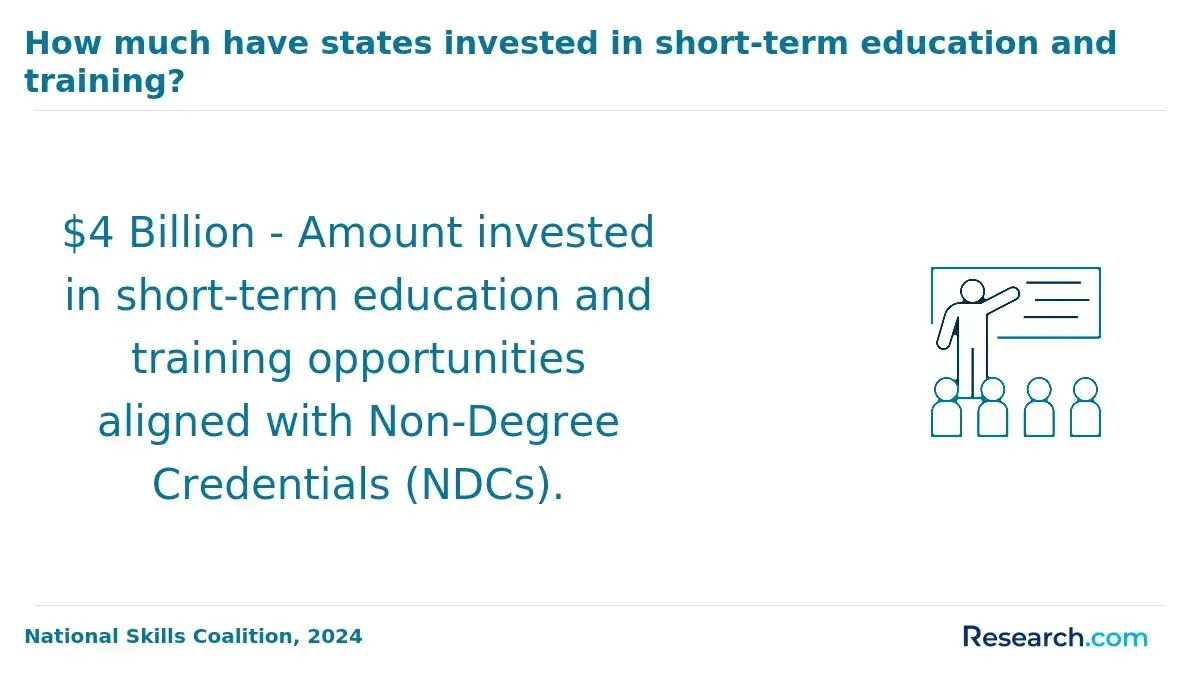
Access to financial aid helps reduce initial expenses for marketing students and enhances their long-term return on investment by lowering debt and overall education costs. Currently, about 70% of graduate students depend on financial aid to manage tuition and related expenses.
Several financial aid options contribute to improving ROI for marketing degree candidates:
- Scholarships: These merit-based awards cut direct costs without requiring repayment, effectively decreasing student debt and increasing net financial benefits.
- Grants: Usually awarded based on financial need, grants reduce tuition expenses and minimize borrowing, supporting students from lower-income backgrounds.
- Fellowships: Often reserved for graduate students, fellowships provide stipends or tuition waivers that lower educational costs while enhancing professional credentials.
- Employer Tuition Assistance: Many employers offer tuition reimbursement or coverage programs that reduce out-of-pocket payments and can boost career advancement linked to further education.
- Federal Loans: Though they add to borrowing, these loans come with relatively low interest rates and flexible repayment options, helping students finance their degrees without overwhelming debt.
Effectively leveraging these financial aid sources can greatly improve a student's financial outcomes by decreasing total education spending and reducing post-graduate debt burdens.
How Long Does It Take to Complete a Marketing Degree?
Time to finish a marketing degree directly impacts its return on investment by influencing opportunity costs, earlier earning potential, and total educational expenses. The faster a degree is completed, the sooner graduates can enter the workforce and begin recouping tuition and related costs.
Several factors affect how long it typically takes to earn a marketing degree and thus shape its overall ROI:
- Enrollment status: Students attending full-time generally complete their studies more quickly than part-time learners, which helps minimize tuition costs and accelerates income generation.
- Program format: Online or accelerated programs often offer flexible scheduling and condensed coursework, enabling faster graduation and improving financial outcomes.
- Transfer credits: Applying previous college credits toward the degree reduces time spent on required courses, lowering both expenses and opportunity costs.
- Internship or thesis requirements: Mandatory practical experiences or capstone projects might extend the duration but can enhance job prospects and future salary potential.
- Scheduling flexibility: Evening and weekend classes allow working students to balance education with employment, though juggling both can prolong completion time and affect ROI.
When I asked a marketing degree graduate about her experience completing the program, she reflected on the balance between pacing and career goals. "Working full-time while studying part-time stretched my timeline," she explained, "but gaining practical experience simultaneously was invaluable." She also noted feeling pressure during intensive semesters but appreciated that the flexible format let her adapt to personal and professional demands. Ultimately, she found the gradual approach worthwhile, emphasizing that personal circumstances often dictate how long earning a marketing degree takes and its financial return.
Is ROI Higher for Online or On-Campus Marketing Programs?
The delivery format of marketing degree programs significantly influences their return on investment (ROI) through differences in cost, flexibility, and career outcomes. Recent data shows that more than 40% of higher education students take at least one online course, reflecting the growing acceptance of online learning as a viable option for many.
When comparing ROI of marketing programs, it's important to consider several key factors. Below are highlights that differentiate online versus on-campus marketing degree ROI.
- Tuition and Fees: Online programs often have lower tuition and fees, reducing upfront financial barriers. This affordability is a major reason many choose online business degree programs to limit educational expenses.
- Flexibility and Opportunity Cost: The flexibility of online formats allows students to maintain employment while studying, decreasing opportunity costs and enabling continuous income, which can positively impact overall ROI.
- Networking and Career Services: On-campus programs usually offer richer networking events, mentorship, and extensive career services. These advantages can improve job placement rates and long-term earnings potential.
- Employer Perceptions: Some industries may prefer candidates who graduated from traditional campus settings, potentially affecting initial hiring opportunities.
- Long-Term Earnings: Ultimately, individual engagement and utilization of career resources are crucial. Both delivery modes can lead to strong financial outcomes if students actively capitalize on opportunities.
What Is the Average Salary After Earning a Marketing Degree?
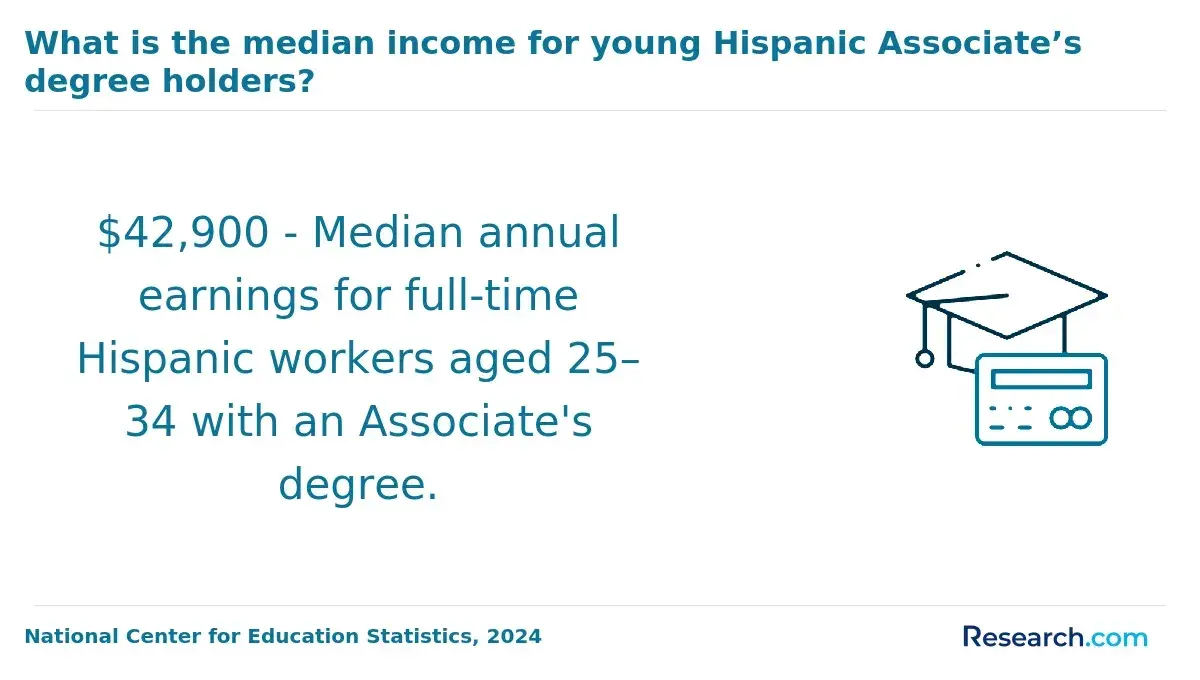
Post-graduation salary plays a pivotal role in determining the return on investment (ROI) for a marketing degree because it directly influences how quickly graduates can repay educational costs. On average, marketing degree holders in the U.S. see starting salaries between $45,000 and $65,000 annually. With experience, salaries often rise to $70,000-$120,000, demonstrating strong marketing degree salary outcomes that impact long-term financial benefits.
Several factors affect these salary ranges and thus the ROI of a marketing degree:
- Industry: Salaries fluctuate depending on the sector, with technology and healthcare often offering higher pay compared to retail. High-demand industries can significantly enhance ROI through better compensation.
- Geographic location: Compensation tends to be higher in urban centers or areas with robust business activity, reflecting increased living costs and competitive job markets.
- Prior experience: Internships or relevant work prior to or during the degree raise starting salaries and improve career advancement opportunities.
- Specialization: Fields like digital marketing, analytics, or brand management frequently command premium salaries, boosting overall earnings potential.
- Career level: Entry-level roles offer lower pay compared to managerial positions, which accelerates the time needed to recoup educational expenses.
Exploring degree options that optimize these factors can enhance financial outcomes, just as accredited marriage and family therapy programs online offer targeted benefits in their field.
Does a Marketing Degree Lead to Promotions?
Promotions significantly enhance the return on investment (ROI) for marketing degree holders by bringing salary increases, broader responsibilities, and improved career mobility. A growing workforce trend is the rise of credential-based advancement, where formal education increasingly determines eligibility for leadership roles.
Key ways a marketing degree influences promotion opportunities and ROI include:
- Credential requirements: Many advanced positions mandate a bachelor's or master's degree, making a marketing degree essential for meeting these qualifications and gaining eligibility for promotion.
- Leadership preparation: The degree provides foundational knowledge and skills that equip graduates for management roles, improving their chances of being selected for advancement.
- Employer support: Organizations often offer tuition assistance or incentives for employees pursuing further education, which can speed up career advancement and reduce educational costs.
- Promotion policies: Internal company guidelines frequently prioritize candidates with relevant academic credentials, aligning marketing degree holders with preferred promotion pathways.
- Experience synergy: When combined with practical work experience, a marketing degree serves as formal validation of skills and dedication, making candidates more competitive in promotion decisions.
Career advancement with a marketing degree often results from this blend of education and experience, creating a compelling value proposition for employers. Many professionals notice stronger promotions after marketing degree graduation, reflecting this trend. For those weighing educational investments, exploring what job makes the most money can provide insight into where marketing ranks among lucrative options.
Which Industries Offer the Best ROI for Marketing Graduates?
The return on investment (ROI) for marketing graduates varies significantly across industries due to differences in salary levels, career advancement opportunities, and demand for specialized marketing skills. Industries with higher compensation and rapid promotion paths generally provide stronger ROI, especially when market demand for marketing expertise remains stable or grows.
Several industries consistently stand out for delivering strong ROI for marketing graduates, reflecting the highest paying marketing careers by industry. Here are some key sectors:
- Technology: This sector offers high salaries fueled by rapid innovation and expanding digital markets. Marketers skilled in digital platforms and data analytics find long-term career growth and lucrative compensation here.
- Financial services: Marketing professionals in this field benefit from strong earning potential and stable job prospects, as they promote complex financial products and foster trusted client relationships.
- Healthcare and pharmaceuticals: With growing demand for health products and regulatory complexity, this sector provides job stability and advancement opportunities for marketing specialists.
- Consumer goods: High competition drives innovation in this industry, allowing marketers to develop key skills and access promotional opportunities tied to effective brand management.
- Business-to-business (B2B) services: Strategic marketing in this area is rewarded with steady demand and good compensation growth, as companies seek competitive differentiation of complex offerings.
For those interested in boosting their marketability, pursuing well-regarded online certifications can complement a marketing degree and enhance ROI over the course of a career.
Does Accreditation Affect ROI for a Marketing Degree?
Accreditation in marketing degree programs signifies that the curriculum, faculty, and graduate achievements have been thoroughly evaluated by recognized agencies to meet established quality standards. This validation assures students of the program's educational value and signals to employers that graduates possess relevant skills aligned with current industry demands. Increasingly, employers prioritize candidates with degrees from accredited programs, viewing this as a reliable indicator of professional readiness and credibility. Such recognition can enhance graduates' employment prospects and positively influence starting salary offers, ultimately affecting the return on investment of the degree.
The impact of accreditation on long-term ROI extends beyond initial job opportunities. It fosters employer confidence, which can lead to improved chances for hiring and promotional advancement. Accreditation also often determines eligibility for federal financial aid, easing upfront costs and making education more affordable. Additionally, it facilitates seamless credit transfer between educational programs, saving time and money, and ensures qualification for certain professional certifications or licensure that require accredited credentials. These factors collectively enhance career flexibility and sustained earnings potential over a graduate's lifetime.
Is a Marketing Degree Worth It?
Calculating the return on investment (ROI) for a marketing degree involves weighing costs, duration, and career outcomes. Programs typically last between two and four years, with tuition varying significantly based on the type of school and whether studies are online or in-person. Graduates often start with salaries ranging from $50,000 to $60,000, and mid-career earnings can approach $80,000. Employment growth in marketing aligns with the national average, indicating steady opportunities in the field and supporting the financial viability of the degree over time.
Deciding if a marketing degree is worthwhile depends on factors like demand for specialized skills, availability of financial aid, and one's professional goals. Those aiming for fast career growth or specialized roles may find the degree beneficial when paired with relevant certifications or work experience. Conversely, individuals seeking quicker entry into the workforce or more affordable options might explore alternative credentials or associate degrees. The choice between online and traditional formats also influences flexibility and cost, making it important to consider personal circumstances when evaluating ROI.
What Graduates Say About The ROI of Their Marketing Degree
- Vince: "Choosing a traditional marketing degree felt like a solid investment for me. While the average cost was around $40,000, the long-term ROI has definitely paid off with multiple job offers and steady career growth. My confidence in strategic marketing truly skyrocketed after graduation, making the financial commitment worthwhile."
- Zach: "As an online marketing student, I was initially concerned about whether the tuition of roughly $15,000 would justify the outcome. Reflecting now, the flexibility I had to balance work and study made every dollar count, and landing a remote marketing role soon after graduation confirmed it was a smart move. The experience boosted both my skills and my marketability."
- Grace: "Opting for a part-time marketing degree was a cautious yet professional decision given the $20,000 average cost. The journey was challenging but completing the program allowed me to transition into higher management roles seamlessly. The investment has been worth it, offering measurable impact on my career trajectory and salary prospects."
Other Things You Should Know About Marketing Degrees
Skills like data analytics, digital marketing, consumer behavior analysis, and strategic communication contribute significantly to the ROI of a marketing degree. These competencies align closely with current job market needs, allowing graduates to command higher salaries and advance more quickly. Practical experience through internships or projects also enhances ROI by improving job readiness.
In 2027, marketing degree programs can be a worthwhile investment, provided that students choose programs aligned with current industry trends. The ROI largely depends on factors like program reputation, specialization options, and the ability to apply learned skills to a dynamic job market.
References
- Online MBA/PGDM vs Full ‒ time MBA/PGDM: What Should You Really Choose? https://xatonline.in/blog/online-vs-full-time-mba-pgdm-2025
- Tuition and Fees - VIZJA University in Warsaw https://vizja.pl/en/cennik/
- Marketing Degree: The Answers to Your Questions https://mrcollege.ac.uk/marketing-degree-the-answers-to-your-questions/
- What Every Marketing Major Should Know https://www.pearsonaccelerated.com/blog/marketing-major.html
- Calculating digital marketing ROI: Seven questions to ask before you start https://econsultancy.com/calculating-digital-marketing-roi-seven-questions-to-ask-before-you-start/
- Bachelor’s degree in Management: Digital Marketing https://ww.studyinpoland.pl/en/programme
- Is an Online MBA a Good Investment in 2026? ROI, Career Impact & Salary Growth - Paris School of Management (PSM) https://www.psm-paris.fr/en/is-an-online-mba-worth-it-in-2026-roi-career-impact-salary-growth/
- The Economics of Accreditation: Costs, Benefits, ROI - Course Accreditation https://course-accreditation.com/blog/the-economics-of-accreditation-costs-benefits-roi/
- What Is Marketing ROI and How Do You Actually Measure It? https://www.cometly.com/post/what-is-marketing-roi
- The Return On Investment “ROI” of Accreditation: More Than a Badge it’s A Strategic Investment https://aaa-accreditation.org/the-return-on-investment-roi-of-accreditation-more-than-a-badge-its-a-strategic-investment/


