2027 Materials Science & Engineering Degree Master's Programs Accepting Students Now

Co-Founder and Chief Data Scientist
Many recent graduates and career changers struggle to find graduate programs in materials science & engineering that accommodate their diverse academic backgrounds and offer flexible pathways. This challenge intensifies for international applicants facing additional admission complexities. According to the National Science Foundation, over 30% of students enrolling in engineering master's programs switch fields from their undergraduate studies, highlighting a growing demand for interdisciplinary opportunities. This article explores current materials science & engineering master's programs admitting students now, focusing on flexible admission criteria, program structures, and support services to help career changers and international candidates successfully transition into this dynamic field.
Key Things to Know About Materials Science & Engineering Degree Master's Program Accepting Students Now
- Many materials science & engineering master's programs offer flexible online or evening classes tailored for working professionals balancing jobs and studies.
- Accelerated curricula focus on practical skills and advanced techniques, enabling completion in 12-18 months to quickly enhance career prospects.
- Students gain access to global industry networks through virtual seminars and partnerships, expanding opportunities for research collaboration and employment worldwide.
What Are Materials Science & Engineering Master's Programs, and Who Are They Designed For?
A master's program in Materials Science & Engineering typically spans one to two years and is offered in both on-campus and online formats to serve diverse student needs, including working professionals and international applicants. Recent bachelor's graduates often pursue these programs to develop specialized expertise, while career changers utilize them to transition effectively into the field. Compared to a bachelor's degree, a master's provides deeper technical knowledge and focused research, yet it emphasizes applied skills more than doctoral programs, which are research-intensive. Admission requirements for Materials Science & Engineering students generally include a relevant undergraduate degree, a competitive GPA threshold, and sometimes professional experience or prerequisite coursework. Programs are designed to support students balancing commitments through flexible scheduling and online options.
- Advanced Technical Knowledge: Master's programs cover complex material behaviors and cutting-edge engineering techniques, preparing graduates for specialized technical roles in industries like aerospace, electronics, and biomaterials.
- Flexible Learning Formats: Options include full-time, part-time, on-campus, and online study, allowing professionals to manage work-study balance effectively.
- Diverse Student Backgrounds: These programs attract recent graduates, working professionals seeking career growth, and career changers who require comprehensive training to enter the field.
- Applied Curriculum Versus Research Focus: Emphasizing hands-on learning and industry readiness, master's degrees equip students with skills directly applicable to engineering challenges.
- Admission and Financial Aid: Successful applicants often meet GPA thresholds and present relevant experience; financial aid and tuition assistance are available to reduce costs, making programs more accessible.
Demand for advanced credentials in Materials Science & Engineering is rising due to rapid technological innovation. The U.S. Bureau of Labor Statistics projects a 6% growth in engineering employment through 2031, underscoring the value of a master's degree in this field. Prospective students can explore resources such as the cheapest online SLP programs for comparative tuition insights and program affordability, an important consideration for working professionals navigating graduate study options.
Which Materials Science & Engineering Master's Programs Are Currently Accepting Applications?
Application cycles for materials science & engineering master's programs accepting applications now vary widely between institutions each semester. Prospective students should verify program availability through official university portals and accrediting bodies such as ABET to find the best materials science & engineering graduate programs open for enrollment. Note that "accepting students now" may reflect different intake periods depending on the school's schedule.
- Thesis-Based Programs With Rolling Admissions: These research-driven master's options allow applicants to submit materials anytime before flexible deadlines. They focus on in-depth technical research and often require a proposal that aligns with faculty interests.
- Professional Master's Programs With Fixed Deadlines: Typically designed for working professionals, these non-thesis programs emphasize applied skills and have annual or semester-based cutoff dates for applications.
- Accelerated Master's Pathways: Accelerated tracks expedite degree completion through intensive coursework designed for career changers or those seeking swift workforce entry. For similar flexible accelerated options, prospective students may also explore accelerated psychology programs online.
- Hybrid and Online Delivery Options: Increasingly common, these formats offer flexibility for those balancing full-time work and study, though admissions timelines can vary widely.
- Certificate-Integrated Master's Programs: Some schools offer programs integrating certificate credentials within the master's curriculum, often with separate application timelines that lead into the full graduate degree.
What Are the Admission Requirements for a Materials Science & Engineering Master's Program?
Most materials science & engineering master's programs require official undergraduate transcripts to confirm completion of relevant coursework, usually in engineering or physical sciences. These transcripts help admissions teams assess your academic foundation in essential subjects like math, chemistry, and physics.
Letters of recommendation are typically requested from professors, employers, or professionals who can speak to your abilities, work ethic, and potential for success in graduate studies. Strong recommendations add valuable perspective beyond grades and test scores.
A clear and focused statement of purpose is vital. This essay explains your motivation for pursuing the degree, your professional goals, and how the program fits your interests and background. It provides a chance to highlight unique qualifications and experiences.
Applicants usually submit a current resume or CV outlining their education, relevant work experience, research activities, and technical skills. This document gives admissions committees a broader understanding of your qualifications.
Some programs still require standardized test scores like the GRE, but many have waived these since the pandemic to improve accessibility. Additionally, specific prerequisites can vary; some institutions might ask for particular undergraduate courses, portfolios of related projects, or professional certifications in specialized areas.
Because each program has its own requirements, it's essential to review admissions details carefully on the websites of the schools you're interested in.
- Undergraduate Transcripts: Official academic records demonstrating your preparation in relevant subjects to ensure readiness for graduate coursework.
- Letters of Recommendation: Endorsements from academics or professionals familiar with your skills and potential in materials science & engineering.
- Statement of Purpose: A personal essay outlining your reasons for graduate study and alignment with the program.
- Resume or CV: A summary of your educational and professional background emphasizing experience related to the field.
- Testing and Prerequisites: Variable GRE requirements and discipline-specific prerequisites depending on the program, including coursework or portfolios.
A professional who enrolled in an online materials science & engineering master's program to transition careers shared that navigating the varying admissions requirements was daunting at first. He noted, "Gathering detailed recommendations and tailoring my statement for each school took significant effort, especially while balancing a full-time job." Although some programs waived standardized tests, others did not, requiring him to carefully plan exam preparation amid work commitments. He emphasized how crucial reviewing each program's unique prerequisites was, saying, "It felt overwhelming until I mapped out what each required and started gathering documents early. That made the application process more manageable and less stressful."
What Is the Minimum GPA Requirement for a Materials Science & Engineering Master's Program?
Most materials science & engineering master's programs set a minimum GPA requirement near 3.0 on a 4.0 scale, reflecting a B average as a basic academic standard. Nevertheless, more selective programs often require higher GPAs, sometimes closer to 3.5, due to the demanding nature of graduate studies in this field. Applicants with GPAs slightly below these thresholds may still gain favorable consideration if they demonstrate consistent academic improvement during their undergraduate studies or bring substantial professional engineering or research experience.
Several institutions offer conditional admission to candidates whose GPA is borderline. This pathway lets students show their academic capabilities through initial coursework before receiving full admission. If your GPA is close to the cutoff, reaching out directly to admissions offices can yield personalized advice, as requirements and flexibility vary widely across programs. Being proactive may uncover opportunities not immediately obvious through published standards.
For those assessing career prospects tied to their academic paths, exploring the best degrees to make money can provide valuable context when weighing graduate program options.
- Typical GPA Threshold: A minimum GPA of about 3.0 is standard, but competitive materials science & engineering graduate admission GPA standards often demand higher for stronger applicants.
- Compensating Factors: Programs frequently consider upward GPA trends and relevant work experience to offset slightly lower academic scores.
- Conditional Admission: Some schools grant provisional entry for GPA-borderline students, requiring proof of performance through initial course results.
- Program Variability: GPA requirements differ significantly by institution; therefore, contacting admissions can provide specific insights.
- Recent Statistic: In 2023, 37% of master's programs in materials science admitted at least one student with a GPA below 3.0 due to strong research or professional experience.
How Long Does It Take to Complete a Materials Science & Engineering Master's Program?
Most master's programs in Materials Science & Engineering require one to two years of full-time study, while part-time students often need two to four years depending on their personal and professional commitments. Many schools offer accelerated options, such as intensive 12-month programs, and combined bachelor's/master's (4+1) tracks that reduce total time by overlapping undergraduate and graduate coursework.
The length of study varies based on the chosen path. Thesis-based programs tend to take longer because they involve original research projects, whereas non-thesis tracks focus more on coursework and practical skills, generally shortening completion time. Additional influences include the student's course load, acceptance of transfer credits, and any internship or cooperative education requirements.
Students aiming to graduate faster may take heavier semester workloads or use summer sessions, but should carefully weigh this against the importance of gaining comprehensive knowledge and networking opportunities that contribute to long-term career success.
- Duration Range: Full-time students complete programs in one to two years; part-time students usually take two to four years to finish.
- Fast-Track Options: Intensive 12-month courses and 4+1 combined degree programs allow qualified students to expedite their studies.
- Thesis Impact: Thesis tracks require additional time due to research demands, unlike non-thesis tracks focused on coursework.
- Academic Flexibility: Transfer credits, course load decisions, and internships can accelerate or lengthen the program duration.
- Balancing Priorities: Students should consider how finishing quickly aligns with their goals and the depth of training offered.
Reflecting on her experience as a working professional completing an online Materials Science & Engineering master's degree, she recalled juggling full-time employment with demanding coursework. "Managing deadlines while contributing to research was challenging, but the flexibility of the program was essential," she said. She emphasized that although the program's duration felt intense at times, it provided valuable skills and confidence that significantly advanced her career. "Looking back, the time invested was worthwhile, even if it required sacrifices along the way."
What Is the Cost of a Materials Science & Engineering Master's Program, and How Is It Calculated?
Tuition for materials science & engineering master's programs is typically calculated per credit hour and varies significantly depending on the institution type and residency status. Public universities usually offer reduced rates for in-state students, which may fall between $400 and $700 per credit hour, while out-of-state learners often face costs ranging from $800 to $1,200 or more. Private universities generally apply a single tuition rate regardless of residency, often exceeding public university prices.
Additional costs frequently include program fees that cover administrative expenses, technology fees for online or hybrid formats, and lab fees essential to hands-on coursework. These charges can add several hundred dollars each semester, influencing the overall financial commitment.
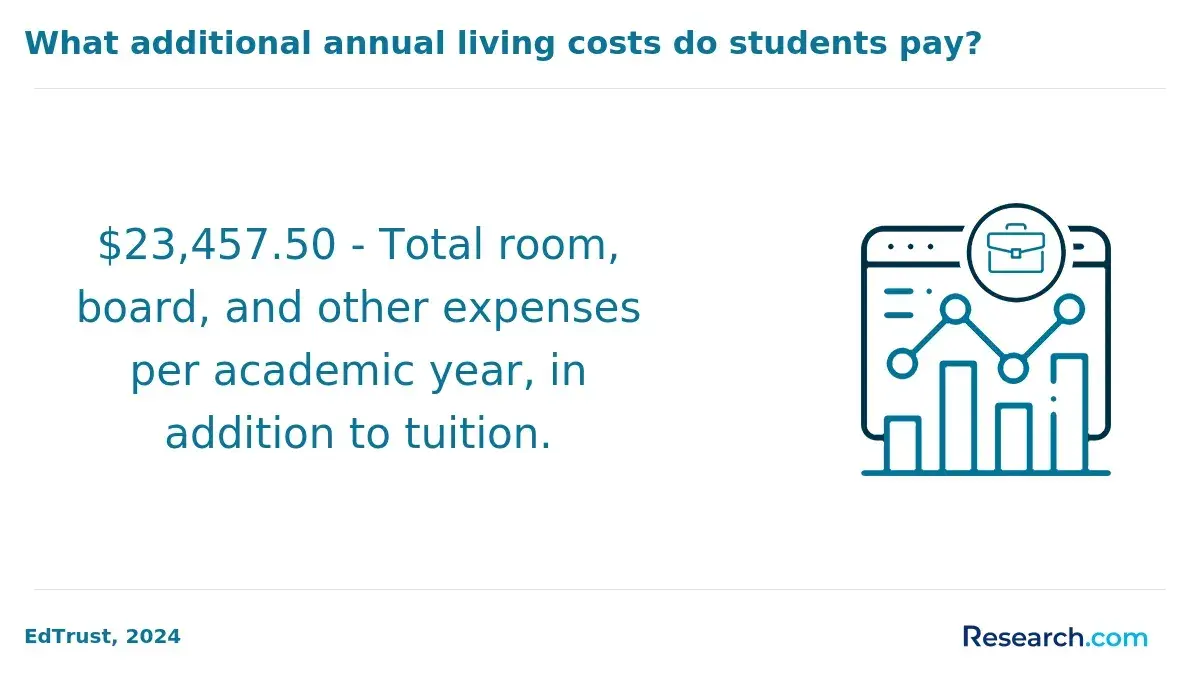
Living expenses for students attending classes on campus can vary widely by location, generally totaling between $10,000 and $20,000 per year. These costs encompass housing, meals, transportation, and personal needs. Students enrolled in online programs might avoid many living expenses but should account for potential costs such as specialized software or equipment required for their studies.
National averages place the total expenditure for completing a materials science & engineering master's degree within a range of $30,000 to $70,000, including tuition and living costs. It is important to recognize that this sticker price is rarely the actual amount students pay. Financial assistance, scholarships, employer tuition support, and assistantships often substantially reduce the net cost, improving accessibility for many students.
- Per-Credit Tuition Rates: Public universities separate pricing for in-state and out-of-state students, with private schools charging a uniform but generally higher rate.
- Ancillary Fees: Program, technology, and lab fees vary but can add several hundred dollars per semester beyond tuition.
- On-Campus Living Expenses: Housing, food, and other personal costs differ by region and can significantly increase the overall cost of attendance.
- Online Program Costs: Often feature flat tuition rates and reduced living expenses but may include costs related to required technology or materials.
- Net Versus Sticker Price: The published cost typically overstates the final expense after financial aid, making graduate study more affordable for many.
What Financial Aid Options Are Available for Materials Science & Engineering Master's Students?
Graduate students pursuing a master's degree in materials science & engineering generally have fewer grant opportunities compared to undergraduates, making federal loans and assistantships crucial parts of financial aid. The essential first step is completing the Free Application for Federal Student Aid (FAFSA), which unlocks eligibility for federal student loans and some work-study programs. While direct grants are limited, many universities offer institutional fellowships or assistantships that include tuition waivers and stipends through research or teaching roles.
Working professionals in engineering-related fields may benefit from employer tuition reimbursement programs that help reduce the cost of graduate education. Additionally, discipline-specific scholarships and awards from professional societies provide valuable supplemental funding but are often competitive and require strong academic or research credentials. Prospective students should also investigate state-funded aid programs, as eligibility and availability vary by residency and institution.
- Federal Loans via FAFSA: Completing the FAFSA is critical for accessing federally backed loans with fixed interest rates and graduate-friendly repayment plans, often serving as the primary funding source for master's students.
- Institutional Grants and Fellowships: Universities may offer merit- or need-based fellowships tailored to materials science & engineering master's candidates, sometimes covering full or partial tuition.
- Graduate Assistantships: Teaching and research assistantships provide valuable stipends alongside tuition remission, significantly lowering overall program costs.
- Employer Tuition Benefits: Professionals employed in relevant industries should explore employer-sponsored reimbursement programs that offset tuition expenses.
- Private and Discipline-Specific Scholarships: Targeted scholarships from engineering societies or foundations can supplement aid, though they typically require strong academic performance or research experience.
Are There Scholarships Specifically for Materials Science & Engineering Master's Students?
Scholarships for students pursuing a materials science and engineering master's degree come primarily from two sources: institutional scholarships awarded by universities and external scholarships offered by professional associations, foundations, or government programs. Institutional awards are often merit- or need-based and may be granted automatically through the graduate program or university departments. External scholarships are typically provided by organizations dedicated to supporting STEM education or advancing the materials science & engineering profession, making them an important resource for financial aid options for materials science and engineering graduate students.
To locate these opportunities, aspiring students should consult their university's financial aid office and program websites for institutional awards. For external funding, professional societies such as the Materials Research Society (MRS) and The Minerals, Metals & Materials Society (TMS) offer scholarships specifically for graduate students in the field. Additionally, scholarship aggregator databases like Fastweb and College Board, alongside federal search tools such as the U.S. Department of Education's Scholarship Finder, can uncover further options. Some students also explore alternative fields or related programs like masters in psychology online cheap to complement their funding strategies.
Careful review of eligibility criteria, award amounts, and deadlines is essential to maximize chances of success. Many scholarships are renewable, providing support throughout multiple years of study contingent on maintaining academic standards, which helps reduce financial uncertainty during a master's program.
- Institutional vs. External Scholarships: Institutional scholarships are awarded through universities and may be automatic based on admission or application, while external scholarships are offered by societies, foundations, or government agencies targeting materials science & engineering students.
- Resources For Scholarship Search: Key sources include university financial aid offices, professional associations like MRS and TMS, national scholarship databases, and federal search tools aggregating diverse opportunities.
- Eligibility and Deadlines Matter: Applicants should carefully note each scholarship's specific requirements and timing to ensure timely and successful submissions, maximizing chances of receiving aid.
- Renewable Scholarship Benefits: Many scholarships provide ongoing support each year conditional on academic performance, offering sustained financial relief throughout the master's program.
- Rising Interest in STEM Scholarships: Scholarship awards related to STEM fields have increased by about 12% annually over the past five years, reflecting growing investment in graduate education for areas like materials science & engineering.
What Are the Best Online Materials Science & Engineering Master's Programs Available Today?
When evaluating the best online materials science & engineering master's programs in the US, accreditation is essential for program credibility. Regional or programmatic accreditation confirms that a program meets recognized academic standards valued by employers and institutions. Faculty credentials contribute significantly, with those holding strong research backgrounds or industry experience typically enhancing educational quality. Prospective students should always verify accreditation status before applying.
Online formats offer notable flexibility, particularly beneficial for working adults balancing studies with professional and personal responsibilities. Many top accredited materials science & engineering graduate programs online provide asynchronous courses, allowing students to access content on their own schedules. However, this flexibility can come at the expense of limited face-to-face networking and hands-on laboratory experiences, which are important considerations depending on career goals.
Student support services-including academic advising, technical help, and career counseling-play a crucial role in successful program completion and career placement. Programs with strong support systems tend to improve graduation rates and workforce readiness. Rankings from credible sources can help identify quality programs but should not be the sole factor in decision-making.
- Accreditation and Faculty Credentials: Ensure the program has recognized accreditation and faculty with relevant research or industry experience to guarantee rigorous academic standards.
- Flexibility for Working Adults: Asynchronous course offerings make online programs accessible to students managing work and personal commitments.
- Student Support Services: Robust advising and career resources help students stay engaged and successfully transition to relevant careers.
- Networking and Hands-On Experience: Limited in-person opportunities in some online programs may affect networking and laboratory skill development, critical for certain career paths.
- Transparent Admission and Cost Information: Top programs clearly outline application requirements, GPA thresholds, tuition, and financial aid options to assist student planning.
For those exploring graduate education pathways, comparing online materials science & engineering master's options with a clear understanding of these factors is vital. Interested applicants may also consider exploring online MFT programs as a reference for program flexibility and structure in related fields.
How Do Accreditation Standards Affect the Value of a Materials Science & Engineering Master's Degree?
Regional accreditation evaluates an entire institution's overall academic quality, ensuring it meets nationwide standards, while programmatic accreditation focuses specifically on materials science & engineering programs, assessing curriculum rigor, faculty expertise, and research opportunities. Graduating from an accredited program is often required for professional licensure and widely respected by employers, signaling that a degree meets industry criteria. Accreditation also determines eligibility for federal financial aid, scholarships, and grants, which directly affects affordability. In materials science & engineering, the ABET Engineering Accreditation Commission is the key body responsible for programmatic accreditation, guaranteeing programs align with professional standards. Prospective students should verify both institutional and program-level accreditation independently by consulting the U.S. Department of Education's Database of Accredited Postsecondary Institutions and Programs to ensure their investment supports future career and financial goals.
- Regional Versus Programmatic Accreditation: Institutional accreditation covers the university as a whole, while programmatic accreditation specifically certifies materials science & engineering programs for quality and relevance.
- Licensure and Employer Recognition: Many engineering licenses require graduating from an accredited program, and employers prioritize candidates from accredited schools for reliability and competence.
- Financial Aid Eligibility: Only students in accredited institutions typically qualify for federal loans and scholarships, making accreditation crucial for financial planning.
- ABET Accreditation Importance: ABET is the main accrediting agency for engineering programs, ensuring that materials science & engineering curricula meet industry standards.
- Verification Is Essential: Checking official accreditation status through government databases protects against unrecognized credentials and supports informed enrollment decisions.
What Career Outcomes Can Materials Science & Engineering Master's Graduates Expect?
Graduates with a master's degree in materials science & engineering have access to a range of career opportunities across government agencies, research institutions, and private companies. The median annual salary for materials engineers is around $98,000, with the Bureau of Labor Statistics projecting a 5% growth in employment over the next ten years. Holding a master's degree offers a salary advantage of 10-20% compared to a bachelor's, reflecting higher technical proficiency and research experience. This advanced qualification also increases chances for promotions into leadership and specialized technical roles. Additionally, support from alumni networks and dedicated career services can significantly enhance job placement and professional growth.
- Wide Industry Applications: Graduates work in diverse sectors such as aerospace, healthcare, automotive, electronics, and energy, applying innovative material solutions.
- Enhanced Earnings: Advanced degrees bring notable salary increases due to demand for specialized knowledge and skills in cutting-edge technologies.
- Positive Employment Trends: The field's steady growth is driven by interest in sustainable materials and technological advancements.
- Leadership Potential: Master's holders often qualify for supervisory and project management roles within engineering teams.
- Career Resources: Alumni connections and university career services provide mentoring, networking, and job search support.
What Graduates Say About Their Materials Science & Engineering Degree Master's Program
- Orlando: "Choosing the Materials Science & Engineering master's program was a deliberate step for me to deepen my technical expertise while opening doors to innovation-driven industries. Although the cost was a significant consideration, the investment paid off quickly as the degree elevated my profile among employers. Today, I credit this program for the confidence and skills that propelled my career forward in advanced manufacturing."
- Zion: "Reflecting on my journey, the Materials Science & Engineering master's program offered a unique blend of theory and practical application that I hadn't found elsewhere. The affordability relative to other graduate programs was a pleasant surprise, making it accessible without compromising quality. Professionally, the degree has been transformative, enabling me to contribute meaningfully to cutting-edge materials research and product development."
- Wyatt: "From a professional standpoint, pursuing the Materials Science & Engineering master's was a strategic choice to specialize in a high-demand field with strong career prospects. While the program required a financial commitment, the value became evident through the industry connections and job opportunities it provided. This degree truly reshaped my career path, allowing me to advance into leadership roles within the materials industry."
Other Things You Should Know About Materials Science & Engineering Degrees
The application process typically requires submitting official transcripts, letters of recommendation, a statement of purpose, and sometimes GRE scores. Some programs may also request a resume highlighting relevant experience. International applicants often need to provide proof of English proficiency through TOEFL or IELTS scores. Each program has specific requirements, so reviewing their application guidelines is essential.
Students can access a range of support services including academic advising, career counseling, and technical help desks. Many programs also offer virtual lab sessions, research mentorship, and online discussion forums to facilitate collaboration. Additionally, financial aid offices assist with scholarships and tuition payment plans tailored to graduate students.
References
- Materials Science and Engineering https://psl.eu/en/education/master-s-degree-materials-science-and-engineering
- Scholarships - ASM Materials Education Foundation https://www.asmfoundation.org/students/scholarships/
- Materials Science Career Prospects https://www.imperial.ac.uk/engineering/departments/materials/study/undergraduate/materials-science-career-prospects/
- MSc in Materials Science: Materials Engineering https://www.studyinpoland.pl/en/programme
- Financial Aid for Graduate Students https://mse.umd.edu/graduate/prospective-students/financial-aid
- Student Scholarships | TMS https://www.tms.org/portal/portal/Membership/For_Students/Scholarships.aspx
- What is Materials Science and Engineering? https://www.mtu.edu/materials/what/
- Part-Time Study Routes That Lead to Materials Science Jobs: Evening Courses, Bootcamps & Online Masters https://materialssciencejobs.co.uk/career-advice/part-time-study-routes-materials-science-jobs-evening-courses-bootcamps-online-masters