2027 What Can You Do with a Nonprofit Management Master's Degree? Careers, Salaries & Growth

Co-Founder and Chief Data Scientist
Many professionals aiming to advance in the nonprofit sector struggle to find clear, reliable information on the value and outcomes of pursuing a nonprofit management master's degree. Recent studies indicate that job openings in nonprofit and social services management are projected to grow by 7% through 2031, faster than the average for all occupations. However, salary data shows wide variability, often dependent on education and experience levels. This article addresses these challenges by providing comprehensive insights into program structures, admission criteria, career paths, salary expectations, and growth trends. It also compares educational delivery methods, financing options, and relevant certifications to guide informed decisions.
Key Things to Know About What You Can Do with a Nonprofit Management Master's Degree
- Admission typically requires a bachelor's degree and relevant experience; programs vary between 12-24 months with options for online or in-person study to accommodate diverse schedules.
- Graduates pursue roles like program director or development manager, with median salaries around $65,000, reflecting sector growth and increasing demand for skilled leadership.
- Long-term earning potential improves with certifications and experience; comparing program costs, flexibility, and reputation helps ensure the best career and financial outcomes.
What Are the Admission Requirements for a Nonprofit Management Master's Program?
Preparing the necessary prerequisites is key for a smooth admission process into nonprofit management master's programs. Prospective students should focus on meeting academic and experiential criteria to enhance their applications. The field is growing rapidly, with employment for social and community service managers projected to increase by 12% from 2022 to 2032, reflecting strong career prospects and salary growth.
Typical admission requirements include:
- Undergraduate Degree: A bachelor's degree from an accredited institution is generally mandatory. Many programs prefer candidates with backgrounds in business, social sciences, public administration, or related areas, though some accept diverse academic disciplines. A minimum GPA around 3.0 on a 4.0 scale is commonly expected, varying by school.
- Standardized Tests: GRE or GMAT scores are often optional, but some institutions may require them. Many universities have waived these due to recent accessibility concerns, so applicants should check each program's specific testing policies.
- Supplementary Materials: Applications usually require letters of recommendation that validate professional or academic capabilities, a personal statement outlining career goals and interest in nonprofit management, and writing samples to showcase communication skills relevant to the field.
- Work Experience: Certain programs, particularly executive or part-time tracks, may demand relevant experience in nonprofit or volunteer settings. Field-specific prerequisites can differ significantly, so it's essential to carefully review each program's admission details.
For those exploring online options, programs comparable to the nonprofit management master's exist in other disciplines, such as slp master's programs online, highlighting the broad availability of remote graduate education pathways.
What Is the Minimum GPA Requirement for a Nonprofit Management Master's Program?
Prospective students often wonder about the minimum GPA required for admission into a nonprofit management master's program, which generally ranges from 2.75 to 3.0 on a 4.0 scale. This factor plays a key role in the evaluation process but is not the sole criterion. Given the growing demand in nonprofit leadership-projected to increase by about 10% from 2022 to 2032-understanding admissions standards, including average GPA needed to enter a nonprofit management master's degree, helps applicants position themselves effectively. Below are key considerations regarding GPA requirements and their flexibility.
- Typical GPA Range: Most programs seek a minimum GPA between 2.75 and 3.0, but these requirements vary widely depending on the institution and program focus.
- Variability by Institution: Private and highly ranked universities often have higher GPA thresholds than public or less competitive programs, impacting admission chances.
- Holistic Review Processes: Many schools evaluate professional experience, test scores, and personal statements alongside GPA for a comprehensive assessment.
- Alternative Admission Routes: Applicants with GPAs below the typical minimum can often compensate through strong work backgrounds or compelling recommendations.
- Field Growth Impact: Given the expanding nonprofit sector, meeting or exceeding GPA requirements helps secure entry into programs that align with career growth opportunities.
Applicants looking to explore options beyond traditional master's programs might also consider affordable phd programs.
How Much Does a Nonprofit Management Master's Degree Cost and How Can You Finance It?
Setting a clear financial plan before starting a nonprofit management master's program is crucial for managing expenses effectively. Knowing your costs and funding options ahead of time can help keep your budget on track. Consider these key factors when approaching the financial side of your education:
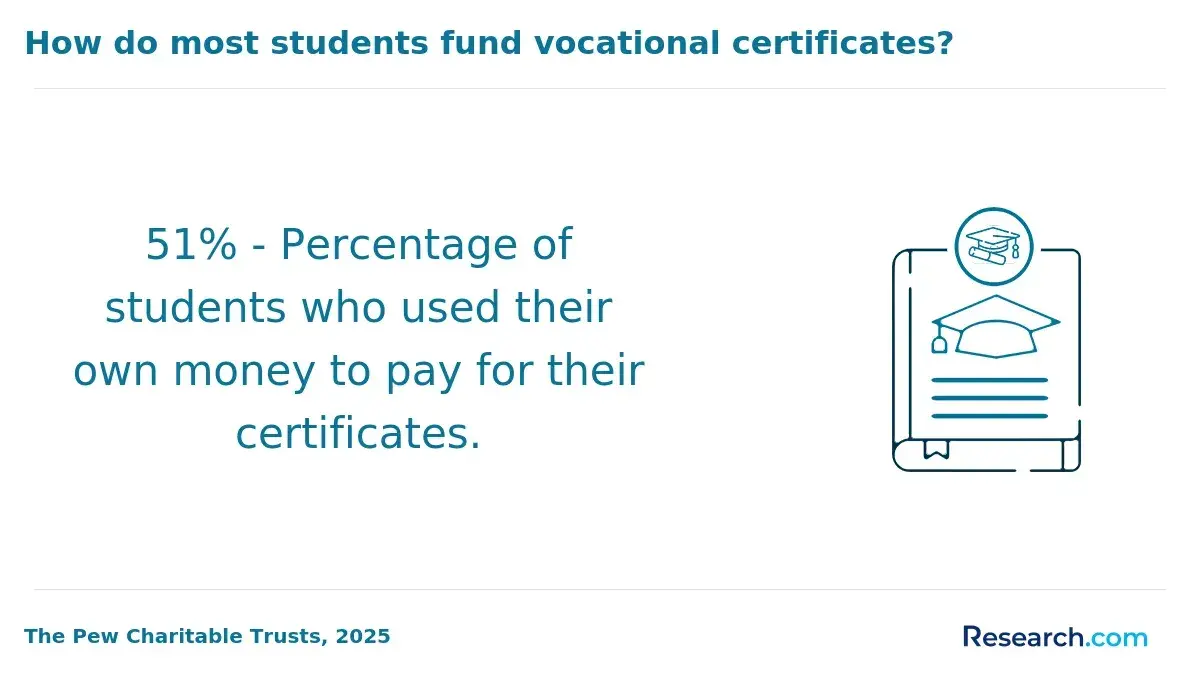
- Comprehensive Cost Assessment: Tuition rates differ significantly among public, private, and online programs, with public in-state tuition typically between $10,000 and $25,000 annually, and private institutions often exceeding $40,000. Remember to include living costs and potential income lost if studying full-time.
- Primary Funding Sources: Common supports include scholarships, fellowships, and graduate assistantships. Employer tuition reimbursement and federal student loans can also ease financial pressure, though loan repayment terms warrant careful review.
- Debt Minimization Strategies: Look for department-specific fellowships and in-state public universities to cut costs. Teaching or research assistantships often provide tuition waivers and stipends, reducing out-of-pocket expenses.
- Calculating Return on Investment (ROI): Positions such as nonprofit directors or grant managers generally start with salaries between $50,000 and $70,000, depending on geographic and sector factors. Weighing expected earnings against total education costs helps decide if the degree is financially worthwhile.
- Admissions Trends Affecting Finances: Average acceptance rates for online programs hover near 40%, and holistic admissions that value professional experience can benefit working applicants.
When I spoke with a graduate of a nonprofit management master's program, they shared how weighing these factors shaped their decision to enroll. Balancing job responsibilities with coursework was demanding, but securing a graduate assistantship helped offset tuition costs. They recalled, "The financial strain was real, but planning ahead made it manageable." Ultimately, their degree opened doors to leadership roles they had aimed for, reinforcing the value of investing in their education despite initial challenges.
How Long Does It Take to Earn a Nonprofit Management Master's Degree?
Time-to-completion is a crucial consideration for prospective students evaluating a nonprofit management master's degree, as it directly impacts career planning and personal commitments. Various factors influence how long it takes to complete such a program, from enrollment status to program structure. Below are key considerations that affect the duration of the degree.
- Full-Time Enrollment: Full-time students typically complete the program within 1.5 to 2 years. This option involves a concentrated course load, enabling quicker degree attainment compared to other formats.
- Part-Time and Online Study: Many students pursuing a nonprofit management master's degree part-time or through online platforms take approximately 3 to 4 years. This option suits working professionals balancing education with other responsibilities, offering greater scheduling flexibility.
- Accelerated Programs: Some schools offer accelerated tracks that condense the timeline by increasing course intensity or offering year-round classes. These programs can shorten completion time to about one year or slightly longer.
- Combined Bachelor's/Master's Pathways: Integrated dual-degree options allow students to earn both undergraduate and graduate degrees faster, sometimes reducing overall study time by a full year or more.
- Transfer Credits: Students with relevant prior coursework may apply transfer credits to reduce the number of required classes, thereby shortening the time needed to finish the degree.
- Thesis vs. Non-Thesis Tracks: Selecting a thesis track usually extends program length due to research and writing demands, whereas non-thesis tracks often rely on additional coursework that may facilitate earlier graduation.
- Internship or Practicum Requirements: Real-world experience components can lengthen program timelines if scheduled sequentially or requiring extensive hours, though they significantly enhance career readiness.
Students should consider these variables carefully to estimate their time to complete a nonprofit management master's program realistically. For details on affordable financial options that can complement academic planning, exploring resources like business degree affordability guides can be helpful.
What Career Paths Are Available with a Nonprofit Management Master's Degree?
This section provides a clear overview of the career possibilities for graduates holding a nonprofit management master's degree, highlighting the various industries and roles accessible to them. It outlines both direct nonprofit roles and related positions where skills from such programs are valuable.
Key factors influencing career paths include:
- Direct Sector Positions: Graduates often start in roles like program coordinator, grant writer, or fundraising specialist, directly supporting nonprofit missions and community initiatives.
- Transferable Skills: The degrees equip students with strategic planning, financial management, and leadership abilities, allowing them to work in adjacent areas such as corporate social responsibility or consulting focused on social impact.
- Career Advancement: While many begin as individual contributors, experience and skills gained enable progression to supervisory, managerial, and executive-level posts like nonprofit director or chief operating officer.
- Diverse Industry Demand: Employers range from government agencies and educational institutions to public health organizations, arts groups, and environmental nonprofits, reflecting the program's broad applicability.
When asked about career outcomes, a graduate shared that pursuing the nonprofit management master's degree simplified the transition into leadership roles. They described navigating job searches and interviews as less stressful because of the program's focus on real-world skill application. "The curriculum helped me build confidence in managing projects and people," they explained, "making it easier to communicate my value to employers across sectors." This targeted learning experience gave them a solid foundation to pursue diverse opportunities while adapting to evolving community needs.
What Is the Average Salary for Nonprofit Management Master's Degree Holders?
Salary prospects for professionals holding a master's degree in nonprofit management vary widely depending on experience level, location, employer type, and industry sector. Additional benefits such as bonuses and retirement plans also play a significant role in overall compensation. Below are key factors influencing earnings in this field:
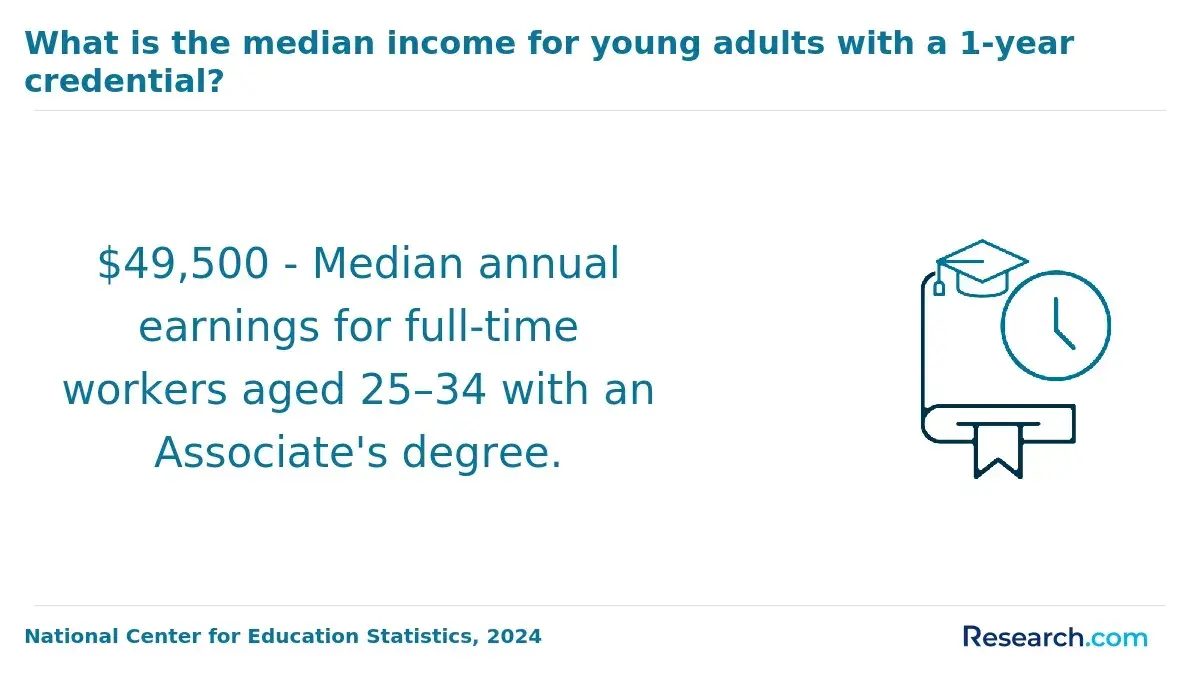
- Compensation by Experience Level: Those entering the field typically earn between $45,000 and $60,000 annually. Mid-level managers often see salaries rise to the range of $65,000 to $85,000, while senior executives and directors may command salaries exceeding $100,000, largely influenced by organizational size and scope of responsibility.
- Regional Salary Variation: Urban centers with robust nonprofit sectors-including cities like New York, Washington D.C., and San Francisco-tend to offer higher wages to reflect cost of living and demand. Conversely, smaller or rural markets generally provide lower salary levels.
- Influence of Employer and Industry: Pay scales differ between public nonprofits and private organizations, with larger foundations and established nonprofits typically providing more competitive compensation than smaller community-based groups. Sectors such as healthcare and education often offer comparatively higher salaries within the nonprofit realm.
- Graduate Degree Earnings Advantage: Holding a master's degree in nonprofit management usually results in a 10-20% increase in earnings compared to bachelor's degree holders, reflecting advanced leadership skills and strategic expertise developed through graduate education.
- Additional Compensation Elements: Total remuneration often includes bonuses, health benefits, retirement contributions, and sometimes equity in social enterprises, especially for those in upper-level leadership positions, enhancing the overall financial package.
What Professional Certifications Complement a Nonprofit Management Master's Degree?
Professional certifications are crucial additions to a nonprofit management master's degree, boosting credibility and signaling specialized expertise to employers. Here is a concise overview of the most valuable and widely recognized credentials that complement this degree, along with their requirements, formats, and market relevance.
- Certified Nonprofit Professional (CNP): Offered by the Nonprofit Leadership Alliance, the CNP requires candidates to have nonprofit work experience or enrollment in an accredited nonprofit management program. The exam consists of multiple-choice questions on leadership, ethics, and organizational management. Renewal occurs every three years through continuing education. This certification is respected by employers hiring for nonprofit leadership, development, and program management roles, highlighting adherence to professional standards.
- Grant Professional Certified (GPC): Awarded by the Grant Professionals Certification Institute, the GPC credential demands at least two years of grant writing or management experience and successful completion of a comprehensive exam. Candidates must recertify via ongoing grant-related education every three years. This credential has high value for graduates aiming at fundraising and development positions where grant funding is essential.
- Project Management Professional (PMP): From the Project Management Institute, the PMP is not nonprofit-specific but highly relevant due to the project-heavy nature of nonprofit work. Eligibility combines education and project management experience, followed by a demanding exam. Maintaining certification requires professional development units every three years. PMP holders are attractive for employers managing large-scale programs and grants.
- Strategic Timing for Certification: Pursuing these professional credentials during or shortly after completing a nonprofit management master's degree is advisable. Doing so while academic knowledge is fresh aids exam success and accelerates early career advancement. Each certification complements the broad skill set from the degree and aligns with roles that value both academic credentials and best professional credentials for nonprofit leaders.
Considering the overall cost of these programs and certifications is essential for career planning. Prospective students should explore financing options alongside tuition costs and related expenses. For insights into affordability across disciplines, including the psychological and nonprofit sectors, reviewing psychology degree cost data can provide helpful benchmarks to aid budgeting decisions.
What Are the Top Industries Hiring Nonprofit Management Master's Degree Graduates?
For students pursuing a nonprofit management master's degree, understanding the most active industries for employment is crucial to aligning career goals with market opportunities. These sectors not only offer diverse roles but also value specific skills and certifications that can boost job prospects. Below is an overview of key industries hiring nonprofit management graduates and strategies for targeting these fields effectively.
- Health Care and Social Assistance: This sector includes hospitals, community health organizations, and social service nonprofits that often employ program directors, development managers, and volunteer coordinators. Employers range from local community groups to expansive hospital networks, with certifications such as Certified Fund Raising Executive (CFRE) providing a competitive edge.
- Education and Educational Nonprofits: Graduates find roles like grant writers, outreach coordinators, and policy analysts in schools and nonprofit organizations centered on educational programs. Familiarity with regulatory compliance and proficiency in grant management software are commonly expected.
- Public Administration: Opportunities exist in government-funded agencies and nonprofits engaged in policy advocacy and community development. Analytical skills, particularly in data evaluation and public policy, are highly prized in this sector.
- Emerging Environmental and Technology Sectors: Growing demand is seen in nonprofits emphasizing sustainability and those leveraging digital platforms for social impact. Staying updated on technological innovations and regulatory shifts is essential to remain competitive here.
- Targeting Industries Through Professional Development: Internships within desired sectors, active networking through industry associations, and selecting elective courses relevant to target areas can significantly enhance employability and career advancement.
What Are the Highest-Paying Jobs for Nonprofit Management Master's Degree Holders?
For those pursuing a nonprofit management master's degree, identifying the highest-paying career paths is essential to align efforts with roles that offer strong financial rewards and leadership opportunities. These positions typically demand a combination of strategic oversight, fundraising expertise, and financial acumen within mission-focused organizations. Below are key roles that represent some of the top earnings in the field.
- Chief Executive Officer (CEO) of a Nonprofit: CEOs direct all aspects of the organization, including fundraising, operations, and overall strategy. These leaders usually have extensive experience and strong management capabilities, with median salaries frequently surpassing $100,000 annually. Larger nonprofits and foundations provide the most competitive compensation packages.
- Director of Development: Tasked with shaping fundraising approaches and managing donor relationships, this role requires excellent communication and networking abilities. Typical earnings range between $70,000 and $90,000, influenced by sector size and experience. Achieving certifications such as CFRE can enhance salary potential.
- Program Director: Overseeing specific projects or initiatives, program directors need solid skills in project coordination and outcome evaluation. Salaries typically fall between $60,000 and $80,000, with higher pay in specialized areas like healthcare or education.
- Nonprofit Financial Manager: These professionals focus on budgeting, compliance, and financial planning, earning between $75,000 and $95,000. Licenses like CPA or CMA significantly strengthen qualifications and earning capacity.
- Consultant in Nonprofit Strategy or Fundraising: Advising nonprofits on growth and funding tactics, consultants can earn from $80,000 up to $120,000 or more, depending on expertise. Advanced degrees and credentials such as Certified Nonprofit Professional (CNP) provide a competitive edge.
Additional certifications, including Project Management Professional (PMP), as well as doctoral degrees, frequently open doors to senior positions with six-figure salaries. Geographic factors and sector concentration, particularly in metropolitan areas and nonprofit hubs, also heavily influence compensation at the top levels.
What Is the Job Outlook and Employment Growth for Nonprofit Management Professionals?
The job outlook for professionals with a master's in nonprofit management is favorable, reflecting steady growth driven by various social and economic factors. Those considering this degree will benefit from understanding the employment trends and the forces shaping demand in this field.
- Growth Projections: According to the U.S. Bureau of Labor Statistics, careers related to nonprofit leadership, such as social and community service managers, are expected to grow by about 12% from 2022 to 2032, significantly outpacing the average 5% growth for all occupations. This indicates a robust and expanding market for graduates.
- Demographic Drivers: An aging population and increased emphasis on health and human services heighten demand for nonprofit services, making career opportunities in this sector more plentiful and stable over time.
- Economic Influences: Rising philanthropic contributions and government support bolster nonprofit organizations, enhancing job security and growth potential within this career path.
- Technological Change: Advances in data analytics and digital communication require professionals to adapt by gaining expertise in impact measurement and technology-driven outreach, reshaping traditional job roles.
- Globalization and Policy: International operation and policy shifts present both challenges and opportunities for nonprofit managers, influencing employment landscapes and necessitating strategic adaptability.
These factors collectively inform a positive nonprofit management career growth projection in the US, making it an attractive option for those interested in social impact. Prospective students might also explore related fields, such as a criminal justice major, which shares some analytical and community service skills.
What Skills and Competencies Does a Nonprofit Management Master's Program Develop?
Prospective students should understand the essential skills cultivated in a nonprofit management master's program, as these form the foundation for success in diverse professional settings. This section outlines the key technical and interpersonal abilities developed, along with experiential learning approaches that solidify practical expertise.
- Technical Proficiency: Students gain expertise in financial oversight, grant writing, and data interpretation. Familiarity with donor management systems and research methodologies equips graduates to handle complex organizational tasks efficiently.
- Interpersonal Skills: Leadership development, strategic communication, and ethical decision-making are emphasized, enhancing collaboration and critical thinking. These soft skills foster effective stakeholder engagement across various contexts.
- Experiential Learning: Internships, case studies, simulations, and team projects provide hands-on experience that reinforces academic concepts. This practical exposure helps students adapt to real-world challenges with confidence.
- Employer Priorities: Organizations consistently value leadership, analytical capabilities, and strong communication when selecting candidates. These competencies are applicable not only within nonprofits but also in sectors such as healthcare, education, government, and corporate social responsibility.
- Career Flexibility: The combination of hard and soft skills prepares graduates for a broad range of roles beyond traditional nonprofit environments. This versatility enhances employability and opens opportunities in multiple industries.
What Graduates Say About Their Nonprofit Management Master's Degree
- Bryson: "Applying for admission to the nonprofit management master's program was initially overwhelming, but I found that having a clear checklist of requirements made the process manageable and efficient. I also spent time researching accredited institutions to ensure my degree would hold value in the field. Trusting official academic catalogs and federal education resources helped me confidently understand the course expectations and plan accordingly."
- Melanie: "Navigating the landscape of accredited nonprofit management master's programs took time, but it was worth it to find a school that matched my career goals and offered flexibility. My decision was greatly influenced by reading through official academic catalogs, which provided detailed course descriptions and degree requirements. Looking back, the admission process was smoother than expected because of the thorough preparation and reliance on trusted accrediting agencies."
- Josephine: "Reflecting on my journey through the nonprofit management master's degree, I appreciate how important it was to rely on official academic catalogs and information from accrediting agencies to track my progress. Applying for the program felt rewarding once I realized how transparent and structured the requirements were. Additionally, evaluating different accredited institutions helped me find a program that suited both my professional ambitions and personal learning style."
Other Things You Should Know About Nonprofit Management Degrees
A master's degree in nonprofit management can significantly enhance earning potential, especially as graduates gain experience. Entry-level salaries tend to be modest, but mid-career and senior roles often offer competitive compensation, reflecting advanced leadership skills and expertise. Employers increasingly value the strategic, financial, and operational knowledge that comes with this degree, leading to greater salary growth over time.
In 2027, the choice between online and on-campus studies depends on individual preferences. Online programs offer flexibility and affordability, accommodating working professionals, while on-campus programs provide direct networking and experiential learning opportunities.
In 2027, choosing a top-ranked Nonprofit Management program can enhance career opportunities due to networking potential and reputation. Features like specialized coursework, industry partnerships, and strong career services significantly impact job placement rates and salary levels.
A nonprofit management master's degree is worth it for those committed to advancing within the nonprofit sector and seeking leadership roles. The degree equips graduates with skills in fundraising, governance, program evaluation, and organizational strategy that are difficult to acquire through experience alone. While costs and time investment are considerations, career growth, increased salaries, and expanded professional opportunities often justify pursuing this advanced degree.
References
- Everything you need to know about the top 10 highest-paying NGO jobs https://www.impactpool.org/articles/everything-you-need-to-know-about-the-top-10-highest-paying-ngo-jobs
- Top Industries Hiring Business Career Program Graduates https://www.csinow.edu/blog/top-industries-hiring-business-career-program-graduates/
- Master of Nonprofit Management https://www.grace.edu/programs/master-of-nonprofit-management/
- Master of Nonprofit Management https://pppm.uoregon.edu/grad/master-of-nonprofit-management
- Most In-Demand Nonprofit, Education & Healthcare Jobs for 2026 https://www.foundationlist.org/most-in-demand-nonprofit-jobs-2026/
- Master in Nonprofit Leadership (NPL) - UPenn https://sp2.upenn.edu/program/master-of-science-in-nonprofit-leadership/
- Master of Arts in Nonprofit Management https://www.bridgewater.edu/academics/divisions/economics-business-administration/master-of-arts-in-nonprofit-management/
- Non-Profit Management https://www.princetonreview.com/grad-programs/126/non-profit-management
- The Nonprofit Workforce is in Crisis https://johnsoncenter.org/blog/the-nonprofit-workforce-is-in-crisis/
- Nonprofit Management | Wesleyan College https://www.wesleyancollege.edu/admission/graduate/Nonprofit-Management/