
2027 How to Compare Nonprofit Management Degree Programs Effectively

Co-Founder and Chief Data Scientist
Choosing the right nonprofit management degree program can be daunting amid diverse curricula and delivery methods. Many prospective students struggle to identify programs that offer practical skills tailored to their career aspirations. For instance, recent data shows that 57% of nonprofit organizations prioritize candidates with specialized management training when hiring. This statistic highlights the growing need for targeted education in the sector. This article will explore key factors in comparing nonprofit management degrees, including program content, flexibility, and career outcomes, helping readers make informed decisions that align with their professional goals and personal circumstances.
Key Benefits of Comparing Nonprofit Management Degree Programs Effectively
- Verify program accreditation by recognized bodies to ensure credibility and eligibility for financial aid, as 72% of nonprofit sector employers prefer candidates with accredited degrees.
- Assess curriculum relevance to your career goals, focusing on specialization areas like fundraising or social entrepreneurship, which align with current sector demands.
- Consider cost relative to career outcomes; graduates with practical internships report 15% higher starting salaries, making return on investment a critical comparison factor.
What Types of Accreditation Should a Nonprofit Management Degree Program Have?
Accreditation helps prospective students compare the quality, credibility, and long-term value of different nonprofit management degree programs. According to the U.S. Department of Education, students enrolled in regionally accredited institutions are more likely to receive federal financial aid and experience higher transfer success rates between colleges.
Below are the key types of accreditation to consider when evaluating nonprofit management programs.
- Regional Accreditation: This widely recognized accreditation covers entire institutions and ensures they meet stringent academic standards. It facilitates credit transfer, graduate school acceptance, and eligibility for federal financial aid, making it essential for students seeking flexibility and employer recognition.
- Programmatic or Specialized Accreditation: Some nonprofit management programs have accreditation from bodies focused on nonprofit or public service education. This guarantees the curriculum aligns with nonprofit management program accreditation standards and industry expectations, ensuring practical relevance and ethical training.
Choosing a program with appropriate regional accreditation can benefit working professionals and career changers by enhancing credit transferability and educational mobility. Meanwhile, specialized accreditation confirms coursework meets nonprofit sector competencies.
Accreditation status also affects scholarship and loan opportunities, an important factor for budget-conscious students. For those exploring flexible degree options, consider reviewing affordable programs such as those in BCBA degree offerings, which demonstrate how accreditation relates to quality and affordability.
What Specializations Are Offered in Nonprofit Management Degree Programs?
Specializations in nonprofit management degrees help prospective students compare programs by aligning academic focus with specific career goals within the sector. Research shows that graduates with targeted expertise in areas like fundraising or social innovation experience a 20% higher employment rate within their chosen specialties compared to general management graduates.
Understanding these focus areas is essential for selecting a nonprofit management program that best supports individual career ambitions. Common nonprofit management program focus areas include:
- Fundraising and Development: Concentrates on donor relations, grant writing, and campaign strategies, preparing students for careers in resource mobilization and financial sustainability.
- Nonprofit Leadership: Emphasizes organizational governance, strategic planning, and team management, equipping graduates to lead and manage nonprofit operations effectively.
- Social Innovation and Entrepreneurship: Focuses on developing creative solutions to social problems, fostering skills in program design and impact measurement that appeal to dynamic, mission-driven employers.
- Public Policy and Advocacy: Trains students to influence legislation and public opinion, ideal for careers involving community organizing and governmental relations.
Students interested in accelerating their education might explore options such as a social work degree fast track while considering how specialized tracks within nonprofit management align with their professional goals.
How Can You Compare Courses Across Nonprofit Management Degree Programs?
Comparing courses across nonprofit management degree programs is essential for prospective students to gauge curriculum rigor, skill development, and alignment with career goals. Programs with well-structured curricula demonstrate a 15% higher course completion rate, revealing stronger student engagement and better support.
To effectively compare, consider these practical strategies:
- Review Course Syllabi: Examining syllabi reveals the depth of content, learning outcomes, and assessment methods, helping you assess academic rigor and how courses are structured.
- Evaluate Skill Applicability: Look for courses that emphasize practical skills such as grant writing, fundraising, and program evaluation, which are vital for nonprofit roles and enhance employability.
- Check Credit Requirements: Comparing total credits and the balance between core and elective courses helps evaluate workload and scheduling flexibility in nonprofit management courses, allowing better planning for your studies.
- Analyze Faculty Expertise: Investigate instructor qualifications and industry experience to understand the quality and relevance of teaching you'll receive throughout the program.
- Investigate Student Outcomes: Research graduate employment rates and job placement in nonprofit sectors to determine how well courses prepare you for your future career path.
For students considering multiple options, exploring online courses for psychology degree programs can provide insights into curriculum design and flexibility that may apply across disciplines, including nonprofit management.
Breakdown of All Fully Online Title IV Institutions

What Scheduling Options Are Available in Nonprofit Management Degree Programs?
Flexible scheduling plays a crucial role for students weighing their options in nonprofit management degree programs, as it helps balance education with personal and professional responsibilities. Below are common scheduling formats that offer different levels of adaptability for diverse student situations.
- Full-Time Daytime: Designed for those who can commit to a more immersive study experience with consistent daytime classes, this format suits students able to dedicate regular hours to learning, often enabling faster program completion.
- Part-Time Enrollment: Spreading coursework over a longer period, this option supports students who need to juggle work or family demands, providing flexibility without sacrificing depth of study.
- Evening and Weekend Classes: Tailored for working professionals, these sessions allow students to attend courses outside typical business hours, maintaining career commitments while advancing academically.
- Online and Hybrid Formats: Combining asynchronous online coursework with some live sessions, these options offer maximum flexibility for students requiring remote access and varied pacing, fostering interaction with instructors and peers despite geographic constraints.
What Are the Pros and Cons of Online vs Campus-Based Nonprofit Management Degrees?
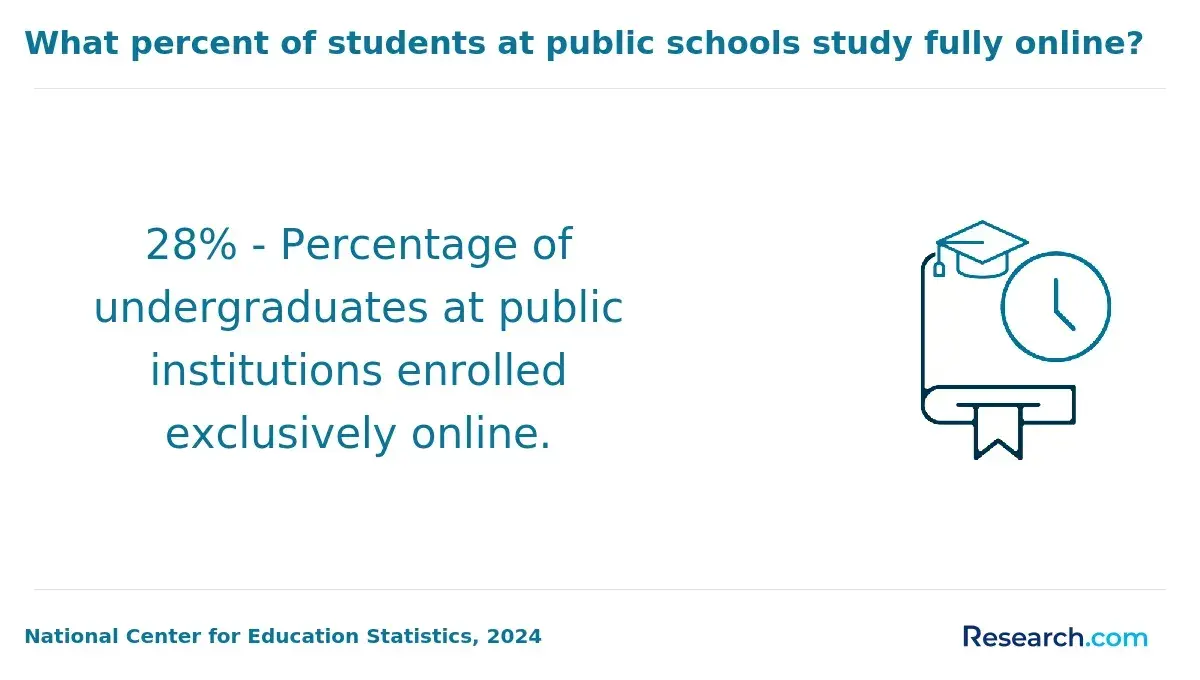
Choosing the delivery format matters because it shapes how students balance their education with work and life, and influences connections and career readiness. A 2023 National Center for Education Statistics report shows that 43% of U.S. undergraduates enrolled in at least one online course, reflecting the increasing role of digital education.
Below is a comparison of online and campus-based nonprofit management degree formats.
Online
- Flexible Scheduling: Online programs allow learners to study at their own pace and access materials anytime, making them ideal for working professionals or those with busy personal lives.
- Networking Limitations: Virtual formats reduce spontaneous interactions, which can limit relationship-building opportunities essential for nonprofit careers.
- Learning Effectiveness: With strong motivation and well-designed resources, students can achieve comparable knowledge and skills as in-person learners.
- Career Connections: While virtual networking is growing, the absence of face-to-face events may affect direct engagement with nonprofit employers.
Campus-Based
- Structured Routine: Fixed schedules provide routine and deadlines, which help some students maintain focus but may challenge those with less flexible availability.
- Robust Networking: Face-to-face contact fosters deeper relationships with professors and peers, often enhancing access to internships and job leads.
- Immersive Learning: On-campus interactions support collaboration and active discussions that can enrich understanding.
- Accessibility Constraints: The need to attend in person limits options for students who cannot relocate or commit to rigid class times.
How Do GPA Requirements Vary Among Nonprofit Management Degree Programs?
GPA requirements are a key factor in comparing nonprofit management degree programs, as they can signal the selectivity and review standards of each program. Considering these differences helps applicants assess where their academic profile aligns best.
Below are important aspects to keep in mind when evaluating GPA criteria:
- Minimum GPA Thresholds: Some programs maintain explicit GPA cutoffs, typically around 3.0 on a 4.0 scale, to filter candidates, reflecting moderate competitiveness in admissions.
- Holistic Admissions: Many programs look beyond GPA, giving weight to professional experience, recommendation letters, and personal statements, which allows applicants with lower GPAs but strong overall profiles to remain competitive.
- Flexibility for Experience: Nonprofit management degrees often attract candidates with diverse backgrounds, so some institutions waive strict GPA rules or offer conditional admission based on demonstrated leadership and sector involvement.
- Variability Across Institutions: GPA policies differ widely, so it is essential to review admissions materials carefully to understand individual program philosophies and their emphasis on academic metrics versus experiential factors.
- Communication with Schools: Reaching out to admissions offices can clarify how GPA influences decisions and help prospective students gauge their fit with each program's expectations.
How Can You Compare Tuition Across Nonprofit Management Degree Programs?
Evaluating tuition for nonprofit management degree programs is crucial for prospective students looking to invest wisely in their education. With the average graduate student debt in the U.S. surpassing $66,000 as of 2023, understanding the full cost implications is essential.
The following factors help clarify how to benchmark these expenses effectively.
- Total Program Cost: Examine the cumulative cost including tuition, mandatory fees, and any additional charges like technology or administrative fees. Focusing on the full amount required to complete the degree ensures a realistic financial comparison.
- Cost Per Credit: Understand the rate charged per credit hour and how many credits the program requires. Programs with lower per-credit rates might still cost more overall if they demand substantially more credits.
- Additional Fees: Account for non-tuition expenses such as lab fees, materials, or online access charges, which may vary significantly between institutions and impact your budget substantially.
- Financial Aid Opportunities: Investigate scholarships, grants, and aid options targeted at nonprofit management students. These can dramatically reduce out-of-pocket expenses and vary by program and location.
- Employer Tuition Support: Consider whether your employer offers reimbursement or sponsorship programs for continuing education, which can make higher-cost programs more accessible.
- Long-Term Value: Assess career outcomes linked to each program, including alumni salary growth and advancement potential. A higher upfront cost might be justified by stronger professional returns over time.
Does a Nonprofit Management Degree Meet Licensure Requirements?
Aligning a nonprofit management degree with licensure requirements is vital for students targeting careers in regulated fields or seeking a professional pivot. Nearly 22% of U.S. occupations require licensing or certification, making program relevance essential for future career options.
Key aspects to evaluate include the following:
- Curriculum Alignment: Review whether the program incorporates state-specific laws and ethical guidelines pertinent to nonprofit governance and compliance, ensuring the coursework prepares students for legal and regulatory challenges.
- Accreditation Standards: Confirm the institution holds regional or national accreditation recognized by licensing bodies, as this often influences eligibility to pursue licensure or certification in related professions.
- Supervised Experience: Check if the degree offers internships or field placements that fulfill supervised practical hours required by licensure boards, bridging academic learning with hands-on skills.
- Exam Eligibility: Determine if graduates qualify to take certification or licensing exams relevant to social work, counseling, public administration, or other adjacent careers, facilitating career flexibility.
Evaluating these factors helps prospective students select programs that not only build nonprofit expertise but also support licensure pathways if needed for expanded professional roles.
Which Nonprofit Management Programs Have the Best Career Placement Rates?
Career placement rates provide essential insight into the effectiveness of nonprofit management degree programs in preparing graduates for the workforce. Programs boasting placement rates over 85% within six months after graduation reveal strong connections to employers and relevant training that help graduates launch successful careers.
Below are key factors to consider when evaluating programs for their career placement success:
- Employer Partnerships: Programs with strategic partnerships in the nonprofit sector often have invaluable connections that facilitate job placements. These collaborations create pipelines for students to access meaningful employment opportunities soon after graduation.
- Internship Pipelines: Internship opportunities integrated into curricula are crucial, offering real-world experience and often leading to job offers or strong professional references. Robust internship programs signal a program's commitment to workforce readiness.
- Alumni Outcomes: Reviewing alumni employment sectors, job titles, and career progression offers crucial insight into how well a program supports its graduates. Top nonprofit management schools for employment outcomes maintain active alumni networks that contribute to sustained career support.
- Career Support Services: Personalized career advising, employer engagement events, and dedicated student support enhance placement rates. Programs excelling here tend to foster stronger employment outcomes through tailored guidance and networking opportunities.
When researching the most affordable and effective options, prospective students might explore options such as an EdD degree online to balance cost and career readiness.
Ultimately, critically assessing career placement rates-including these dimensions-helps identify nonprofit management degree programs with the highest career placement rates that align with one's professional goals.
How Do Salaries Compare Across Nonprofit Management Degree Program Graduates?
Post-graduation salary outcomes provide a crucial metric for prospective students when comparing nonprofit management degree programs, as they reflect potential return on investment and career viability. Recent data indicate that average salaries for nonprofit management program alumni typically range from $40,000 to $55,000 at entry level.
Below is an overview of how salaries compare across various factors:
- Role and Experience: Entry-level salaries generally span from $40,000 to $55,000, while mid-career roles like program managers or development directors command $60,000 to $85,000. Senior leadership positions such as executive directors or chief development officers can exceed $100,000 annually, particularly within larger organizations or metropolitan areas.
- Industry Sector: Graduates working in healthcare and educational nonprofits often experience higher salaries compared to those in smaller, community-based organizations. These sectors tend to offer more competitive compensation given their scale and funding sources.
- Geographic Location: Location impacts pay significantly; urban centers with higher living costs typically provide increased salaries to attract and retain qualified nonprofit professionals. Rural or smaller markets may offer lower salary ranges in comparison.
- Salary Trends: Understanding these averages helps candidates set realistic expectations and identify programs aligned with their financial goals and career aspirations.
- Program Selection: Considering salary outcomes alongside other factors such as program flexibility and specialization can guide students towards the best fit, including options among online degree programs that offer convenience and accessibility.
What Graduates Say About Comparing Nonprofit Management Degree Programs Effectively
- Solenah: "Before I pursued a nonprofit management degree, I was weighing options between fields that aligned with my passion and those that were financially practical. The average cost of attendance was a big concern for me, but this program offered a balance I couldn't ignore. Since graduating, I've moved into leadership roles that truly make a difference, proving that the investment was worth every penny."
- Greer: "I spent a long time reflecting on the value of education before choosing nonprofit management. Cost was a critical factor since the program's affordability made it accessible without sacrificing quality. This degree not only solidified my understanding but also opened doors to strategic positions in the nonprofit sector that I never thought possible. "
- Malin: "As a professional already working in the field, I compared the return on investment for various degrees and found the nonprofit management program to be the most cost-effective, especially considering the average cost of attendance. Completing the degree significantly enhanced my expertise and credibility, which has directly impacted my career advancement and salary growth."
Other Things You Should Know About Nonprofit Management Degrees
In 2027, evaluating faculty credentials is crucial when comparing nonprofit management degree programs as experienced and well-qualified instructors provide valuable insights and practical knowledge, enhancing the learning experience. Check for faculty with industry experience and scholarly contributions for a comprehensive education.
Yes, internship or practicum opportunities are essential components of nonprofit management programs. These experiences provide hands-on learning, allowing students to apply classroom theories in real-world nonprofit settings. When comparing programs, consider the strength of their partnerships with nonprofit organizations and the level of support they provide to secure meaningful placements.
Program reputation and alumni networks greatly affect career prospects in nonprofit management. A well-regarded program often has connections with nonprofit employers, which can facilitate job placements. Additionally, an active alumni network can provide mentorship, professional development resources, and access to job opportunities in the nonprofit sector.
References
- A Guide to Nonprofit Certifications https://postalgia.ink/a-guide-to-nonprofit-certifications/
- Online Degree vs. Traditional | University of Arkansas Grantham https://www.uagrantham.edu/blog/pros-cons-online-degree-vs-traditional-university/
- NACC Accredited Programs - Nonprofit Academic Centers Council https://www.nonprofit-academic-centers-council.org/accreditation/nacc-accredited-programs/
- Non Profits July 2025 https://www.cultureamp.com/science/insights/nonprofit
- Online Bachelor's in Nonprofit Management https://www.linfield.edu/programs/nonprofit-management/index.html
- Master of Arts in Nonprofit Management https://www.bridgewater.edu/academics/divisions/economics-business-administration/master-of-arts-in-nonprofit-management/
- Nonprofit Manager https://pce.wwu.edu/nonprofit-manager
- Online Degrees vs. On-Campus: Which One to Choose? https://manavrachnaonline.com/blogs/online-degrees-vs-on-campus-education-which-is-right-for-you/
- Should I Enroll in an Online Degree Program at a For-Profit or a Nonprofit School? - Best Colleges Online https://www.bestcollegesonline.org/faq/should-i-enroll-in-an-online-degree-program-at-a-for-profit-or-a-nonprofit-school/
- Master of Nonprofit Management https://pppm.uoregon.edu/grad/master-of-nonprofit-management


