
2027 What Do You Learn in a Nonprofit Management Degree: Curriculum, Skills & Core Competencies

Co-Founder and Chief Data Scientist
Many aspiring nonprofit leaders struggle to identify the essential skills and knowledge needed to excel in the sector. Studies show that 62% of nonprofit organizations report a leadership gap, highlighting a critical demand for well-prepared managers. Earning a nonprofit management degree equips students with expertise in program development, financial stewardship, and ethical governance. This article explores the typical curriculum, including courses on fundraising, strategic planning, and nonprofit law. It also details core competencies such as communication, leadership, and data-driven decision-making. Readers will gain clarity on how this degree prepares them to address sector challenges effectively and advance their nonprofit careers.
Key Benefits of a Nonprofit Management Degree
- Curriculum integrates finance, marketing, and legal frameworks tailored to nonprofit organizations, fostering essential sector-specific knowledge.
- Focuses on leadership, strategic planning, and fundraising skills, enabling effective management of diverse teams and resources.
- Develops core competencies in ethical decision-making, community engagement, and impact measurement, with nearly 70% of graduates reporting improved job performance.
What Is a Nonprofit Management Degree?
A nonprofit management degree is an academic program designed to prepare individuals for leadership and administrative roles within nonprofit organizations. Positioned within business schools, public administration departments, or dedicated nonprofit studies programs, this degree attracts recent graduates, career changers, and early-career professionals committed to advancing social causes. Enrollment in nonprofit management and related social service degrees has grown steadily, reflecting workforce demand; the Bureau of Labor Statistics projects a 17% growth rate for social and community service managers by 2032.
The primary purpose of the nonprofit management degree overview is to provide students with the knowledge needed to navigate challenges unique to nonprofit operations, such as governance, fundraising, and stakeholder engagement. Core courses in nonprofit leadership programs typically emphasize strategic planning, ethical decision-making, financial stewardship, and the legal frameworks governing nonprofit entities, ensuring graduates are well-prepared for effective organizational management.
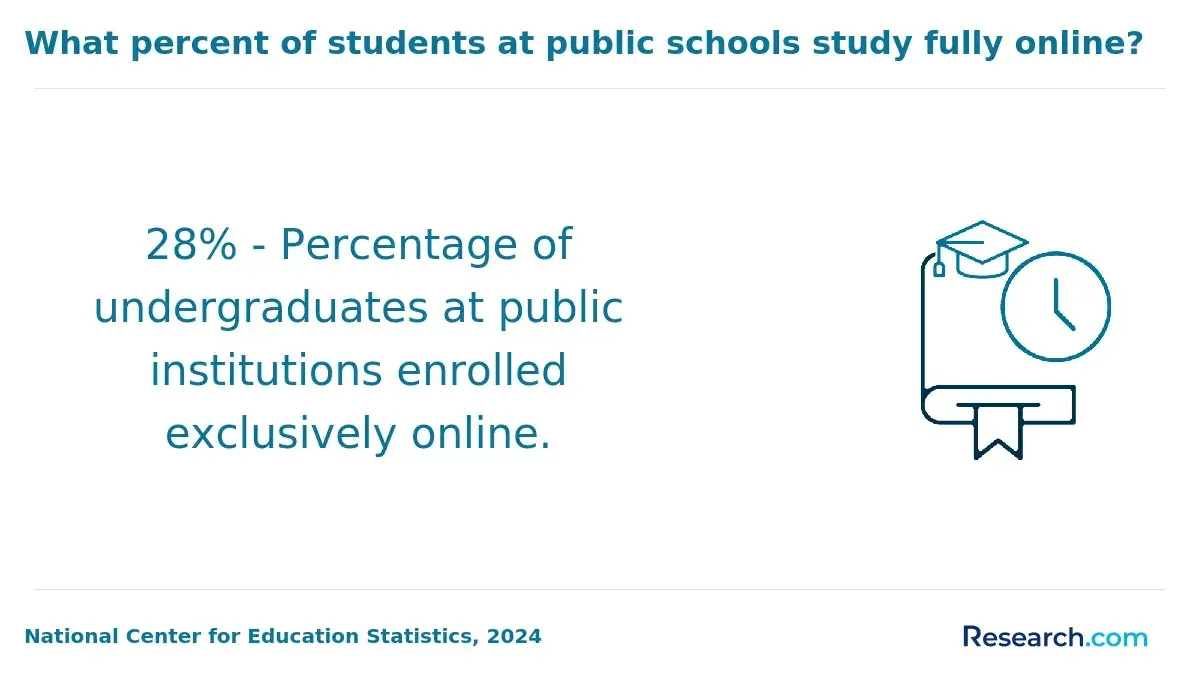
Degree formats often include traditional on-campus options, accelerated tracks for faster completion, and online alternatives that offer flexibility for working professionals. The growing availability of online education mirrors trends seen in other fields, including specialized AI online degree programs, illustrating how digital delivery supports diverse learner needs.
These programs maintain strong alignment with workforce requirements by integrating contemporary management theories with the social impact goals of nonprofits, equipping graduates to lead mission-driven organizations effectively in a dynamic environment.
What Core Courses Are Included in a Nonprofit Management Degree?
When evaluating a nonprofit management program, understanding the core coursework is essential to ensure it develops the skills needed for effective leadership and management in the sector. These foundational courses support a comprehensive education that aligns with both academic expectations and real-world challenges. Below is a breakdown of the essential nonprofit management degree curriculum commonly included in these programs.
- Nonprofit Financial Management: This course focuses on budgeting, financial reporting, and fund accounting tailored specifically for nonprofit organizations. It prepares students to manage financial resources responsibly and comply with regulatory standards critical to nonprofit operations.
- Fundraising and Resource Development: Emphasizing donor engagement, grant writing, and campaign planning, this course equips students to secure diverse funding sources. These skills meet industry demands for professionals who can effectively support an organization's financial sustainability.
- Organizational Leadership and Governance: Covering board development, ethics, and strategic decision-making, this course readies students to handle complex stakeholder relationships and promote transparency in governance.
- Program Development and Evaluation: Students learn to design, implement, and assess community programs, ensuring alignment with mission goals and measurable social impact. This prepares graduates for roles that require programmatic oversight and continuous improvement.
- Nonprofit Law and Ethics: Focused on legal frameworks and ethical standards, this course reinforces compliance necessities and the importance of integrity within nonprofit organizations.
For prospective students interested in similar fields, exploring an online counseling degree can also provide complementary skills in client support and community engagement, which enhance the nonprofit sector's impact.
What Specializations Are Available in a Nonprofit Management Degree?
Choosing a specialization in nonprofit management allows students to tailor their studies toward particular career paths, enhancing their expertise and employability. As the sector evolves, demand for professionals skilled in areas like program and fundraising management has surged, with job openings rising by 12% between 2020 and 2023. These focused tracks prepare graduates to address diverse challenges and stand out in a competitive job market.
- Fundraising and development: Concentrates on securing financial resources through grant writing, donor engagement, and event coordination. This specialization equips students to sustain organizations' funding vital for ongoing operations and expansion.
- Program management: Involves planning, executing, and evaluating community-based initiatives, often within health, education, or social services. Graduates learn to maximize program impact and ensure alignment with organizational missions.
- Financial management: Focuses on budgeting, accounting, and compliance with nonprofit financial regulations. Mastery here supports transparency and fosters trust among stakeholders including donors and regulators.
- Social entrepreneurship: Blends innovative business strategies with social goals, ideal for those interested in launching ventures that address societal challenges. This path promotes creative solutions and sustainable impact within the nonprofit landscape.
How Long Does It Take to Complete a Nonprofit Management Degree?
Choosing a nonprofit management program involves weighing time commitment, financial cost, and how quickly one wants to enter or advance in the field. The duration of study affects personal scheduling and career planning, making it essential to understand the different pacing options. Below is an overview of typical timelines for various degree formats.
- Traditional full-time programs: Usually completed in about four years for a bachelor's degree, these programs offer a structured and comprehensive study plan suitable for recent high school graduates or those who can dedicate significant daily time to their education.
- Part-time formats: Designed for working adults balancing jobs and family, these programs typically span six to eight years for a bachelor's degree. They allow flexibility by spreading coursework over a longer period, accommodating other responsibilities.
- Accelerated programs: Often aimed at master's degrees, these intensive courses can be finished within 12 to 24 months. They demand disciplined time management and are ideal for motivated students focused on quick career progression.
- Online options: Offering asynchronous study, online nonprofit management degrees provide flexibility across different time zones and schedules, making them accessible for learners with varied commitments. Program length varies but often parallels traditional or accelerated timelines.
When discussing the duration of nonprofit management degrees, a graduate of a hybrid program shared his experience: "Balancing coursework with a full-time job was a juggling act. The flexibility to attend some classes online and others in person helped me manage deadlines and absorb material better." He noted that the hybrid setup required "strong self-discipline" and "frequent communication with professors," which initially was stressful but ultimately rewarding. Reflecting on the journey, he emphasized how understanding the program's timing upfront helped him stay motivated through challenges and align his educational goals with his career aspirations.
What Technical Skills Do Students Gain in a Nonprofit Management Program?
Developing technical skills is a key component of nonprofit management programs, preparing graduates to navigate the evolving demands of the sector. These competencies enable professionals to efficiently analyze data, manage resources, and optimize outreach efforts. According to the Nonprofit Times, 73% of nonprofit employers emphasize the importance of data analysis and technological proficiency, reflecting their growing relevance.
- Data Analysis Tools: Students learn to use software like Microsoft Excel, SPSS, and Tableau to interpret fundraising results and program performance, supporting informed decision-making.
- Customer Relationship Management (CRM) Systems: Training includes platforms such as Salesforce Nonprofit Cloud that help manage donor information and enhance engagement strategies.
- Financial Management Software: Coursework covers budgeting and grant management tools critical for maintaining compliance and effective allocation of funds.
- Fundraising Technology: Students explore online resources and social media analytics to design and implement successful fundraising campaigns.
- Project Management Tools: Instruction includes software like Asana and Trello, which facilitate collaboration, task tracking, and meeting deadlines in team settings.
What Soft Skills do Nonprofit Management Students Develop?
Soft skills play a crucial role alongside technical expertise in nonprofit management, enabling professionals to effectively lead organizations and foster meaningful community connections. These competencies equip students to handle the dynamic challenges of the sector while advancing their careers. Below is a closer look at key soft skills cultivated through nonprofit management studies.
- Communication: Mastering clear and impactful messaging facilitates engagement with stakeholders, strengthens relationships with donors, and supports advocacy efforts essential to organizational success.
- Teamwork: Collaborating across diverse teams helps nonprofit professionals align on goals and pool resources effectively, making collective accomplishments possible.
- Problem-solving: Identifying obstacles and generating innovative, resource-efficient solutions are vital for managing programs and sustaining organizational impact.
- Critical thinking: Evaluating data, community feedback, and program outcomes enables strategic decision-making and enhances the ability to measure success accurately.
- Adaptability: Navigating frequent changes in funding and social environments requires flexibility, allowing leaders to respond swiftly and maintain organizational resilience.
In conversation with a professional who completed a nonprofit management degree, she reflected on how these soft skills shaped her career journey. She recounted moments when effective communication helped diffuse tensions during high-pressure fundraising campaigns, fostering donor trust and team morale. The challenges of coordinating interdisciplinary projects honed her teamwork and problem-solving skills, pushing her to remain calm and think creatively amid uncertainty. She emphasized that critical thinking developed through coursework allowed her to assess program data with confidence, making informed adjustments under shifting circumstances. Adaptability, she noted, became a professional cornerstone as she navigated evolving community needs and funding priorities. Her experience underscores that nurturing these soft skills within a nonprofit management program directly contributed to her professional growth and ability to lead with resilience and impact.
Do Nonprofit Management Programs Include Internships or Co-ops?
About 70% of nonprofit management programs in the United States incorporate internships or cooperative education experiences into their curriculum, reflecting the recognized value of practical learning. These opportunities are usually arranged as supervised placements within nonprofit organizations, community agencies, or similar entities. Depending on the program, students may be required or encouraged to participate in these experiences to meet graduation requirements.
Through these hands-on roles, students can connect classroom theories with real organizational challenges, gaining essential exposure to activities such as fundraising, volunteer coordination, and program management. This practical involvement helps develop critical skills that traditional coursework alone may not fully provide.
Beyond skill development, internships and co-ops serve as vital networking platforms within the nonprofit sector. Engaging directly with professionals and mentors allows students to build relationships that often support job placement after graduation. Many programs collaborate with local or national organizations to ensure internship opportunities align with students' career objectives. These experiential components not only reinforce academic knowledge but also deepen students' understanding of ethical considerations and sector-specific issues, equipping them to contribute effectively in nonprofit roles from the outset.
Are Certifications Included in a Nonprofit Management Curriculum?
Professional certifications can significantly complement a nonprofit management degree by enhancing practical skills and improving career readiness. While degrees primarily focus on foundational areas such as organizational leadership, fundraising, financial management, and legal aspects, certifications provide targeted expertise that supports professional growth. This combination can make candidates more competitive in the nonprofit job market.
Students enrolled in nonprofit management certification programs may find opportunities to earn recognized credentials like the Certified Nonprofit Professional (CNP) integrated into their coursework through electives, workshops, or partnerships with industry organizations. When not offered within the curriculum, pursuing certifications such as the CNP or Certified Fund Raising Executive (CFRE) independently remains valuable.
These credentials demonstrate measurable expertise and dedication, benefits often reported by certified professionals, including better job prospects and advancement potential. For those seeking affordable options to enhance their education and credentials, exploring the cheapest MLIS degree online programs may provide practical pathways to supplement nonprofit management knowledge. Benefits of earning certifications independently include enhancing specialized skills, expanding networking opportunities, and aligning with employer preferences in a competitive field.
What Types of Jobs Do Nonprofit Management Graduates Get?
Exploring common careers for nonprofit management graduates helps prospective students align their education with their professional goals. The U.S. Bureau of Labor Statistics projects a 17% growth in employment for social and community service managers from 2022 to 2032, indicating robust job opportunities after a nonprofit management degree. This increasing demand reflects the need for skilled leaders to manage socially focused organizations and community programs effectively.
- Program Coordinators: These professionals oversee the planning and execution of various community or social programs. Graduates use skills in strategic planning and volunteer management to ensure projects meet organizational missions in sectors like healthcare, education, and social services.
- Development Managers: Charged with securing funding, they cultivate donor relationships and organize campaigns. Their financial and marketing expertise gained in nonprofit management programs supports fundraising efforts across arts, environmental advocacy, and other nonprofit areas.
- Fundraising Directors: Focused on designing and leading fundraising strategies, they ensure sustainability for nonprofits. Graduates understand both the financial management and communication aspects essential to successful campaigns.
- Volunteer Managers: These roles involve recruiting, training, and supervising volunteers critical to nonprofit operations. The leadership and organizational skills provided by a nonprofit management degree prepare graduates to foster strong volunteer networks.
- Grant Writers: Specialists in writing proposals to obtain funding from foundations and government sources, grant writers require a deep understanding of mission-driven work and organizational goals taught in nonprofit programs.
- Executive Directors: Serving as leaders and decision-makers, executive directors guide nonprofits toward fulfilling their missions. They rely on comprehensive knowledge of management, finance, and strategic leadership developed during their studies.
The nonprofit management degree equips students beyond leadership roles, spanning various industries where mission-driven work is key. For those considering flexible study options, 1 year master's programs online offer an accelerated path to gaining these valuable skills and entering a growing job market.
How Much Do Nonprofit Management Degree Graduates Earn on Average?
Evaluating the financial outcomes of a nonprofit management degree is essential to understanding its return on investment. Graduates often face varied earning potentials; for instance, the average annual salary for early-career professionals typically ranges between $40,000 and $55,000. This overview explores how these salaries evolve across different career stages and roles within the field.
- Early-career earnings: Individuals entering nonprofit management, such as program coordinators or development assistants, generally start with modest salaries. Entry-level positions reflect the lower end of the average salary for nonprofit management graduates, often around $40,000.
- Mid-career potential: Professionals gaining experience and taking leadership roles, like program managers or directors, see salaries rise to approximately $60,000 to $85,000. This stage commonly offers increased responsibilities and corresponding compensation.
- Senior leadership and top earnings: Executives or senior-level managers who lead sizable organizations may earn six-figure salaries, sometimes exceeding $100,000. These roles are prevalent in well-funded nonprofits or urban regions with higher living costs.
- Factors influencing earnings: Salary variations depend on geographic location, with urban centers typically paying more. The type and size of the nonprofit also matter; for example, healthcare and educational nonprofits tend to offer higher wages. Additionally, professional credentials like the Certified Nonprofit Professional (CNP) can enhance salary prospects.
Those exploring career options might also consider programs listed among the easiest associate degree programs as a foundation before pursuing specialized nonprofit management roles. Understanding nonprofit management degree earnings by profession can help prospective students make informed decisions about their educational paths and future employment.
What Graduates Say About Their Nonprofit Management Degree
- Joyce: "Completing the nonprofit management degree was a transformative experience; the core curriculum covered essential topics like fundraising, grant writing, and organizational leadership, which gave me the competencies to strategically advance charitable causes. The program's emphasis on financial management and ethical governance really sharpened my skills, directly empowering me to lead impactful projects in my career. At an average cost of attendance that I found reasonable for the value, I would recommend this degree to anyone serious about making a difference."
- Aisen: "The comprehensive courses in nonprofit management offered me a deep understanding of program evaluation and stakeholder engagement, which are crucial in today's nonprofit sector. Reflecting on my journey, the program's balance between theory and practical skills helped me confidently navigate complex challenges in my professional roles. The degree opened doors for leadership opportunities and enhanced my credibility among peers and funders."
- Dominic: "With a focus on strategic planning, fundraising, and nonprofit ethics, the nonprofit management degree thoroughly equipped me with the core competencies needed for effective organizational leadership. Professionally, the skills I acquired have allowed me to contribute to sustainable growth and stronger community impact. Considering the reasonable average cost of attendance, the return on investment has been substantial in advancing my career within various nonprofit organizations."
Other Things You Should Know About Nonprofit Management Degrees
A 2027 nonprofit management degree equips students with leadership skills tailored for the nonprofit sector through courses on strategic planning, volunteer management, and advocacy. Emphasis is placed on cultivating empathy and social impact, preparing leaders for nonprofit-specific challenges.
In 2027, ethics are a cornerstone of nonprofit management degree programs. Courses explore ethical decision-making, integrity, and accountability specific to nonprofit organizations, preparing students to navigate moral challenges and uphold ethical standards in nonprofit environments.
References
- Get Practical Experience of Nonprofit Management Internships https://absoluteinternship.com/internships/non-profit-internships/
- Five Essential Skills for a Successful Nonprofit Career https://prosper-strategies.com/nonprofit-career/
- Master of Science (MS) in Nonprofit Management - Goodwin College of Professional Studies https://drexel.edu/goodwin/academics/graduate-programs/ms-nonprofit-management/
- MPA Public and Nonprofit Management Specialization - Department of Public Policy and Administration https://dppa.camden.rutgers.edu/public-administration/mpa-specializations/public-management/
- Internships - The Borgen Project https://borgenproject.org/telecommute-internships/
- BS in Nonprofit Management - MCNY https://www.mcny.edu/academics/school-public-affairs-administration/bs-in-nonprofit-management/
- Top 18 essential nonprofit management skills and development tips https://www.cmich.edu/blog/all-things-higher-ed/top-18-essential-nonprofit-management-skills-and-development-tips
- Online Specialization in Public and Non-Profit Management | Colorado State University Global https://csuglobal.edu/academic-programs/undergraduate-specializations/undergraduate-specialization-public-non-profit-management
- Developing the Skills Needed for Success in Nonprofit Management | TUW https://www.tuw.edu/business/nonprofit-management-skills-needed/
- 10 Essential Nonprofit Management Skills https://itsyourcareer.blog/10-essential-nonprofit-management-skills/


