
2027 Different Types of Educational Administration Degrees and Their Salaries

Co-Founder and Chief Data Scientist
The demand for skilled professionals in educational administration is increasing rapidly as institutions seek effective leaders to navigate complex challenges in the education sector. According to recent labor market data, employment in education management is projected to grow significantly over the next decade, reflecting a strong need for qualified individuals who understand both educational policy and organizational leadership. Selecting the right educational path is crucial for career advancement and earning potential in this field.
This article offers a comprehensive overview of the various educational administration degrees available and explains the salary expectations associated with each, providing valuable insights for those considering a career in this evolving and impactful profession.
Key Points About Different Types of Educational Administration Degrees and Their Salaries
- Associate degrees in educational administration often lead to entry-level roles such as administrative assistants or support staff in school districts, with average salaries around $35,000 to $45,000 annually, reflecting limited career advancement without further education.
- Bachelor's degrees in educational administration open opportunities for roles like school office managers and assistant principals, where median salaries typically range from $50,000 to $65,000, and graduates benefit from higher employment stability and room for growth in K-12 settings.
- Master's degrees greatly enhance earning potential and leadership prospects, as principals and education administrators with these qualifications can expect median salaries between $80,000 and $100,000, supported by strong demand for advanced leadership in U.S. educational institutions.
What Are the Different Types of Educational Administration Degrees Available?
Understanding the different types and levels of educational administration degrees is crucial for students before selecting a program because each degree aligns with specific career goals and caters to varying educational backgrounds. Choosing the right degree ensures that students develop the appropriate skills and knowledge for their professional aspirations in the education sector.
Below is an overview of the main types of educational administration degrees and their distinct characteristics, helping students identify which path best suits their interests and experience.
- Bachelor's degree in educational administration: Provides foundational knowledge in education theory, school operations, and introductory leadership principles. Typical coursework covers educational psychology, school law, and classroom management, equipping graduates for entry-level roles or administrative support positions.
- Master of Arts/Master of Education in educational leadership or administration: Focuses on leadership skills, curriculum development, school law, and organizational management within K-12 or higher education settings. Coursework includes strategic planning, educational policy, personnel management, and data-driven decision making.
- Educational Specialist (EdS) degree: Designed for those with a master's degree seeking advanced expertise without a doctorate. Emphasis is placed on advanced teaching methods, school reform theories, and leadership development to deepen administrative knowledge.
- Doctor of Education (EdD) in educational leadership/administration: Concentrates on practical leadership, policy implementation, and organizational development for senior administrative roles. Coursework integrates theory, research methods, and hands-on practicum experiences.
- Doctor of Philosophy (PhD) in educational administration: Centers on academic research, theory development, and contributing scholarly work to the field. Studies include research design, policy analysis, and theoretical frameworks, preparing graduates for university-level teaching and research.
For those starting out, some may opt to explore online accelerated bachelor degree programs to quickly gain foundational knowledge before advancing to higher-level degrees.
What Specializations Are Available in Educational Administration Degrees?
Choosing a specialization within an educational administration degree is a crucial factor that helps students tailor their education to fit specific leadership roles and career objectives. Specializations ensure that graduates acquire targeted skills and knowledge aligned with the demands of different educational settings, which improves their job readiness and professional growth.
Here are some common educational administration specializations and their focal areas:
- Educational Administration - Principal Specialization: Focuses on leadership and management at the school level, including elementary, middle, and high schools. Students develop skills in instructional leadership, staff supervision, and daily school operations. Graduates often pursue roles as principals or assistant principals.
- Educational Administration - Director of Special Education Specialization: Concentrates on managing special education programs, ensuring legal compliance, adapting curricula, and advocating for students with disabilities. Careers typically include Director of Special Education or Special Education Coordinator.
- Educational Administration - Higher Education Specialization: Prepares students for administrative positions in colleges and universities, emphasizing student affairs, enrollment management, and campus operations. Common roles include Dean, Registrar, or Director of Student Services.
- Educational Administration - Community College Leadership: Focuses on leadership within community and junior colleges, highlighting workforce development, community partnerships, and academic planning. Graduates may become community college presidents, deans, or department chairs.
- Educational Administration - P-12 System Level Leadership: Emphasizes district-wide administration, policy development, and system improvement across multiple schools. Skills developed include educational finance, organizational change, and stakeholder engagement. Typical career paths are Superintendent or District Administrator.
For students considering further educational advancement, exploring easy online phd degrees could be a strategic choice to deepen expertise and open new career opportunities without disrupting their current professional roles.
How Long Does It Take to Complete Each Type of Educational Administration Degree?
Understanding the duration of educational administration degree programs is crucial for students as it helps them effectively plan their education and align it with their career goals. Knowing how long each degree typically takes allows for better management of time, finances, and professional development.
Here is an overview of the main educational administration degree types and their typical completion times.
- Associate Degree in Educational Administration: This degree generally takes about 2 years to complete when enrolled full-time. Students attending part-time might extend that timeline to 3 or more years. Some community colleges offer accelerated or online courses, which can provide more flexibility for working students.
- Bachelor's Degree in Educational Administration: Usually requiring 4 years of full-time study, this degree can sometimes be shortened to 3 years with transfer credits or participation in summer sessions. Online and hybrid options are increasingly common, allowing for self-paced progress that can affect the overall duration.
- Master's Degree in Educational Administration: A typical master's program lasts between 1.5 to 2 years when pursued full-time. Part-time enrollment, common among working professionals, can extend the duration to 3 or more years. Accelerated and online programs are available and can reduce the time commitment.
- Doctoral Degree in Educational Administration (EdD or PhD): Doctoral programs often require 3 to 6 years, depending on factors like dissertation progress and full-time versus part-time status. Many programs offer flexible scheduling with online coursework to accommodate professional obligations, but the research phase can lengthen completion time.
Breakdown of Private Fully Online For-profit Schools

Are There Accelerated Educational Administration Degree Programs?
Accelerated educational administration degree programs are designed to shorten the traditional timeline for earning credentials by offering flexible formats that allow completion in as little as 12 to 18 months, compared to the typical two-year path. These programs commonly employ condensed courses lasting five to eight weeks instead of a full semester, enabling students to progress through material at a faster pace.
Year-round enrollment options-including summer and winter terms-reduce or eliminate breaks between sessions, helping maintain momentum. Many programs also accept transfer credits or recognize prior learning, which can significantly decrease the total coursework required, especially for experienced educators. Cohort-based structures provide a supportive environment that promotes steady progress alongside peers.
Additionally, fully online or hybrid delivery methods offer the scheduling flexibility needed by working professionals balancing studies with their careers.
Prospective students should be prepared for an intense workload, as accelerated programs compress the same academic requirements into a shorter timeframe. This often means taking two to three courses per term with consistent engagement and time management demands.
Eligibility criteria usually include holding a bachelor's or master's degree, possessing a valid teaching license, and having professional experience within a school setting. While the expedited pace can be challenging, the benefits include faster entry into leadership roles and potential salary increases-K-12 principals earn a median salary exceeding $100,000 annually.
Careful consideration of personal commitments and readiness to manage rigorous study schedules is essential for success in these accelerated tracks.
When speaking with a graduate of an accelerated educational administration degree program, he reflected on the blend of excitement and pressure that came with such a fast-paced journey. "I knew it wouldn't be easy, balancing my full-time job and family responsibilities while taking multiple condensed courses at once," he shared.
The cohort format became particularly valuable for him, providing a consistent support system and accountability that helped him stay on track. He noted the importance of strong time management skills and persistence, admitting, "There were moments when the workload felt overwhelming, but seeing fellow students navigating the same challenges made a huge difference."
This graduate emphasized that the accelerated timeline was ultimately rewarding, enabling him to advance professionally much sooner than expected. His experience highlighted that while demanding, accelerated educational administration programs offer a viable path for committed educators eager to progress quickly into leadership roles.
Are Online Educational Administration Degrees as Credible as Traditional Ones?
Both online and traditional educational administration degree programs uphold rigorous academic standards, especially when offered by regionally accredited institutions. Traditional programs often feature structured schedules, in-person networking, and hands-on learning opportunities that help students develop practical skills and professional relationships.
On the other hand, online programs have evolved significantly, using digital tools and interactive platforms to provide flexible learning formats. This flexibility allows students to balance education with work and other commitments without compromising the depth of their training.
Today, the curriculum and learning outcomes of accredited online programs closely mirror those of their campus-based counterparts, ensuring comprehensive preparation in leadership, policy, and school management regardless of delivery method.
Employer acceptance of online educational administration degrees has grown substantially in recent years. While traditional degrees were once the default for public school leadership roles, many reputable online programs-particularly those from well-known or regionally accredited universities enjoy widespread acceptance by school districts and educational organizations.
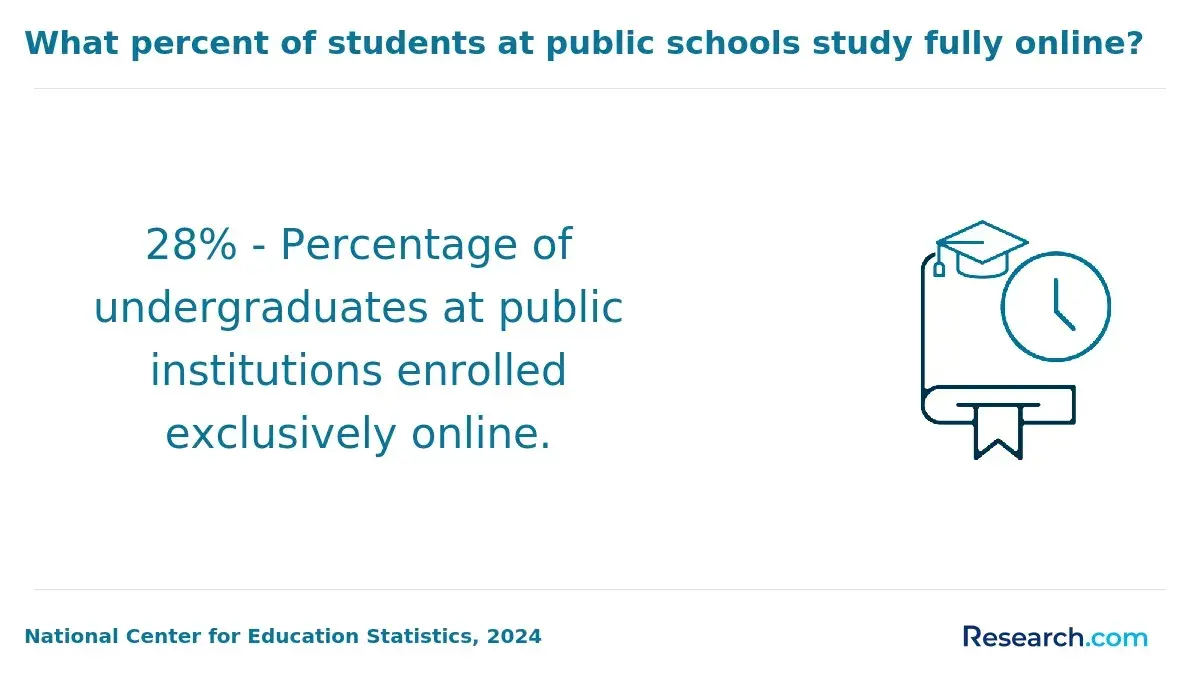
Over 40% of community college courses are currently delivered online, signaling a broader shift in higher education and increasing employer comfort with online credentials. Hiring committees tend to prioritize an institution's reputation and accreditation over the mode of study.
Graduates from respected online programs qualify for the same administrative positions and salary ranges as those from traditional programs; for example, K-12 principals earned an average of $101,320 in 2023 according to the U.S. Bureau of Labor Statistics. Ultimately, the credibility of an educational administration degree hinges more on the institution's reputation and accreditation than on whether the program is taken online or in person.
How Much Does Each Type of Educational Administration Degree Typically Cost?
Understanding the tuition differences across educational administration degree levels is crucial for effective budgeting and long-term financial planning. Knowing the typical costs associated with each degree type helps prospective students make informed decisions and prepare for the financial commitment ahead.
Below is an outline of typical tuition ranges for each main type of Educational Administration degree.
- Associate Degree in Educational Administration: Tuition costs for associate degrees tend to be the most affordable, generally ranging from $3,000 to $10,000 per year at community colleges. Prices at private institutions can be significantly higher. Many students rely on federal grants, scholarships, and work-study programs to manage expenses.
- Bachelor's Degree in Educational Administration: Bachelor's programs vary widely, with in-state tuition at public universities typically between $8,000 and $25,000 annually. Out-of-state and private school tuition often exceeds $30,000 per year. Online options may reduce costs and offer greater payment flexibility. Financial aid options often include federal aid, state grants, and merit-based scholarships.
- Master's in Educational Administration: This is the most popular entry point for administrators. Tuition for online master's degrees usually falls between $8,000 and $22,000 total, averaging around $18,900 for the entire program. Prestigious or private universities may charge upwards of $54,000. Many students offset costs using graduate assistantships, employer tuition reimbursement, or federal loans.
- Doctorate (EdD or PhD) in Educational Administration: Doctoral programs are the priciest, with total tuition often ranging from $30,000 to $70,000 or more. Elite institutions sometimes charge over $50,000 per year. Doctoral candidates frequently pursue fellowships, research grants, and tuition waivers to ease the financial burden.
When discussing expenses, a graduate of an Educational Administration degree program shared how she navigated the cost challenges during her master's studies. She reflected that while the sticker price was daunting initially, careful application of employer tuition reimbursement and part-time assistantship income made it manageable.
"I had to be strategic," she explained, "balancing work and classes while constantly seeking scholarships." Her experience underscored the importance of exploring all aid avenues early in the process. She also noted that the investment paid off as her advanced degree opened doors to leadership roles with significantly increased earning potential, making the financial sacrifices worthwhile in hindsight.
What Jobs Can You Get with Each Type of Educational Administration Degree?
The level of educational administration degree you earn significantly influences the career opportunities available, determining the scope of roles and responsibilities you can pursue. Graduates with higher degrees typically gain access to more senior leadership positions, with greater influence and salary potential.
Below is an overview of common jobs associated with each type of educational administration degree.
- Associate Degree in Educational Administration: Graduates with an associate degree often find roles such as administrative assistant, office manager, or support staff within school offices or district administration. These positions emphasize record-keeping, scheduling, and assisting senior administrators and are mostly located in K-12 school systems or smaller educational organizations.
- Bachelor's Degree in Educational Administration: A bachelor's degree opens doors to roles like school administrative coordinator, registrar, or program assistant. Individuals in these positions handle student records, support school operations, and assist curriculum development, working in settings such as K-12 schools, community colleges, and nonprofit education agencies. Pursuing one of the best paying bachelor degrees can enhance your prospects in these areas.
- Master's Degree in Educational Administration: This degree is commonly required for leadership roles including assistant principal, principal, department head, curriculum director, or program coordinator. Master's graduates manage teachers, oversee curriculum design and budgets, and enforce policies, mainly in K-12 and higher education institutions. According to the U.S. Bureau of Labor Statistics, the median salary for principals was $101,320 in 2023.
- Doctorate (Ed.D. or Ph.D.) in Educational Administration: The highest qualification prepares individuals for top executive roles such as superintendent, district administrator, university dean, provost, or policy consultant. These professionals impact district-wide or institutional policy, lead strategic planning, and often work in higher education, government, or research organizations. Doctorate holders can earn median salaries exceeding $150,000 in senior positions, depending on location and institution.
How Do Salaries Differ by Educational Administration Degree Type?
Degree level often influences earning potential in the field of educational administration, with higher degrees typically leading to increased salaries and more advanced career opportunities. Understanding these differences can help students make informed educational and career decisions that align with their goals and financial expectations.
Below is a summary of typical salary ranges for each degree type in educational administration.
- Associate degree in educational administration: Entry-level roles often come with average starting salaries around $50,093 per year. These positions mainly consist of clerical or support functions rather than leadership, and advancing to higher-paid roles usually requires further education.
- Bachelor's degree in educational administration: Graduates with a bachelor's degree may earn between $50,000 and $65,000 annually in roles such as administrative assistants or coordinators. Salary varies by institution type and location, and advancement often depends on obtaining a master's degree.
- Master's degree in educational administration or educational leadership: Individuals holding a master's degree often start mid-level administrative or leadership roles, earning around $64,000 to $84,000 per year. Pay is influenced by experience, geographic location, and whether the setting is K-12 or higher education. A master's degree is usually required for principal or district-level positions.
- Doctor of Education (Ed.D.) or Ph.D. in educational administration: Doctoral graduates typically pursue senior leadership roles such as superintendent or dean, with salaries ranging from $77,000 to over $126,000 annually. Executive positions like college presidents can earn above $180,000. These salaries are highest in large districts or universities and in states with higher living costs.
When selecting a program, students may also consider exploring accredited colleges online that waive application fees, which can reduce upfront costs while providing flexibility during their educational journey.
Is There High Demand for Educational Administration Degree Holders in the Job Market?
The demand for educational administration degree holders in the U.S. job market remains steady but faces evolving challenges. Factors such as emerging technologies, including AI and data analytics, are significantly reshaping institutional management, creating a need for leaders who are proficient with digital tools and innovative strategies.
Employers increasingly seek candidates who combine traditional leadership skills with the ability to navigate rapid technological and policy changes. Regional differences also impact demand; states with growing populations or expansive public education systems generally offer more opportunities, whereas rural or declining districts may experience slower hiring.
Additionally, recent data point to a tightening entry-level labor market, with only 30% of 2025 graduates securing jobs connected to their degrees compared to 41% in 2024, emphasizing increased competition and the necessity for job-specific, practical skills.
Despite these challenges, educational administration remains a pathway to a well-compensated career, especially for those targeting leadership roles such as provosts, deans, or directors of student services. Salaries remain competitive, with a median annual wage of $103,960 as of May 2024.
Aspiring graduates can also benefit from supplementing their qualifications with relevant job certifications that pay well, enhancing their marketability. Overall, the outlook for educational administration degree holders is cautiously optimistic: job openings continue due to retirements and workforce shifts, but success increasingly depends on adaptability, targeted skills, and the capacity to align training with evolving institutional needs in a technology-driven environment.
What Factors Should You Consider When Picking a Type of Educational Administration Degree?
Choosing the right degree level in educational administration is a critical decision because it directly impacts your career trajectory and your ability to manage educational commitments alongside personal responsibilities. Selecting the appropriate degree ensures your education aligns with both your professional goals and life circumstances.
Here are key factors to consider when making this choice:
- Career Goals: Different degree levels qualify you for distinct roles within education. For instance, a master's degree is often essential for principal certification and mid-level K-12 leadership positions, whereas specialist or doctoral degrees may be needed for superintendency or higher education administration. Understanding your long-term aspirations helps determine the credential you need.
- Time Commitment: Master's programs generally last 1 to 2 years full-time, while specialist and doctoral programs can require 2 to 4 years beyond the master's. Evaluate your available time, especially if you are balancing work or family, to select a program format that suits your lifestyle.
- Salary Potential: Higher degrees typically correlate with increased earning power. For example, K-12 principals with a master's degree have a median salary over $100,000, while district superintendents with advanced degrees often earn substantially more. Consider how your degree choice might influence your future income.
- Admission Requirements: Advanced programs often require prior teaching experience, a master's degree, recommendations, or test scores. Confirm you meet these prerequisites before applying to avoid delays.
- Flexibility and Format: Some programs offer part-time, online, or accelerated options designed for working educators. Assess which formats align with your schedule and commitments to maintain balance during your studies.
- Personal Motivation and Support: Success in educational administration demands academic rigor and persistence. Having a strong support network and personal readiness can significantly affect your ability to complete the program.
What Educational Administration Graduates Say About Their Degree and Salary
- Jamal: "Completing my master's in educational administration opened doors I never thought possible. The program's balance of theory and practical leadership skills gave me the confidence to step into a principal role right after graduation. It was rewarding to see how my decisions positively affected both teachers and students, fostering a more inclusive and motivating school environment. The career stability in this field brought peace of mind while fueling my passion for community impact. I owe much of my professional growth to this degree that put me on a clear leadership path."
- Maria: "My doctorate in educational administration was challenging but transformative on a deeply personal level. Beyond just advancing my career, it equipped me with the research skills and strategic thinking needed to influence policy at the district level. This degree was a unique opportunity to grow as both a scholar and a leader in education, helping me advocate for underserved populations. The professional network I gained has been invaluable in fostering collaborations that benefit young people across multiple schools."
- Kevin: "After earning my bachelor's degree in educational administration, I was able to quickly begin my career as an assistant administrator while continuing to develop my skills on the job. The practical focus of my program gave me real-world problem-solving abilities that employers value highly. Stepping into this role with a solid foundation has been empowering and fueled my dedication to helping students and staff thrive. This degree provided a strong, reliable starting point in educational leadership with plenty of room for growth."
Other Things You Should Know About Educational Administration Degree Programs & Salaries
In 2027, educational administration degrees such as a Master's in Educational Leadership typically yield starting salaries around $70,000. A Doctorate in Educational Administration may offer salaries starting at $90,000, depending on experience and job location. Advanced roles can reach upwards of $120,000 annually.
Yes, obtaining advanced degrees such as a master's or doctorate in educational administration generally leads to higher salaries. These degrees qualify individuals for senior administrative roles, which offer increased compensation compared to bachelor-level positions.
In 2027, educational administration degree holders can pursue roles like school principal, district administrator, or policy advisor. Salaries typically vary by position and experience, with average annual earnings ranging from $70,000 for entry-level roles to over $120,000 for senior administrative positions.
References
- Master of Education in School Administration https://online.umary.edu/academics/masters-doctoral-programs/master-education-school-administration
- Educational Leadership Degree | Education Administration Degree https://www.educationalleadershipdegree.com/degrees/
- 5 Career Opportunities in Educational Administration And Management To Create Positive Leaders https://www.educationmanagementdiploma.com.asiancollegeofteachers.com/blogs/1668-5-Career-Opportunities-in-Educational-Administration-And-Management-To-Create-Positive-Leaders-blog.php
- Your Career in Educational Leadership – Educational Administration - Career Services https://careerservices.myyu.ca/your-career-in-educational-administration/
- 5 Careers you can pursue with a Master’s in Educational Administration | PLNU https://www.pointloma.edu/resources/education/5-careers-you-can-pursue-masters-educational-administration
- Educational Administration (MED) https://www.etamu.edu/programs/educational-administration-med/
- Types of Educational Administration: A Complete Guide https://www.superiorcolleges.edu.pk/types-of-educational-administration/
- Educational Administration Specialization https://www.uwindsor.ca/studentrecruitment/657/master-education-educational-administration
- What can you do with a degree in educational administration? https://educationonline.ku.edu/community/what-can-you-do-with-a-degree-in-educational-administration
- Online Degree vs. Traditional: Which is The Right Choice? | YourDegree https://www.yourdegree.com/blog/online-degree-vs-traditional/


