
2027 Is a 2-Year Early Childhood Education Degree Worth It: Accelerated Bachelor's ROI & Time Trade-Offs

Co-Founder and Chief Data Scientist
Many prospective students face uncertainty about whether pursuing a 2-year accelerated early childhood education degree offers a worthwhile return on investment. National data show that employment in preschool and childcare centers is projected to grow by 8% from 2022 to 2032, faster than the average for all occupations.
This article analyzes the financial outcomes and career advancement potential of accelerated early childhood education degrees, helping readers assess if this accelerated pathway aligns with their professional and economic goals efficiently.
Key Benefits of a 2-Year Early Childhood Education Degree
- Accelerated 2-year early childhood education degrees typically enable students to enter the workforce faster, reducing opportunity costs compared to traditional 4-year programs.
- Graduates often see competitive starting salaries with steady growth, making ROI favorable when factoring in lower tuition and quicker employment.
- Time saved allows earlier career progression, increasing lifetime earnings potential despite sometimes lower initial salaries than bachelor's counterparts.
How Do 2-Year Early Childhood Education Programs Work?
Two-year early childhood education programs offer a fast-track option for students aiming to enter the teaching field more quickly. Understanding the structure of these programs is essential for those considering an accelerated degree path, as it highlights the specific demands and benefits involved.
The following points break down how these accelerated programs typically function.
- Accelerated pacing: Coursework is condensed to allow completion in roughly half the time of a traditional bachelor's degree, often saving students up to two years as noted by education research.
- Year-round enrollment: Programs run continuously through shorter terms, usually 8 to 12 weeks, rather than the standard 15-week semesters, enabling continuous progress without extended breaks.
- Condensed course terms: Terms are intensive, requiring students to balance multiple core subjects simultaneously and often manage heavier credit loads per term, typically between 12 and 18 credits.
- Instructional format: Combining online lectures, in-person labs, and virtual discussions accommodates various learning preferences and busy schedules, creating a flexible learning environment.
- Assessment methods: Evaluation includes exams along with practical assignments, portfolio development, and observational fieldwork to ensure students demonstrate both theoretical knowledge and applied skills.
- Curriculum progression: Programs emphasize foundational courses in child development before advancing to specialized topics and classroom management, often integrating early practicum experiences supervised in real-world settings.
Students considering the return on investment should weigh tuition savings against the program's intensity and required time management.
For those interested in accelerated degree options in other healthcare fields, exploring online PharmD programs can offer useful comparisons.
What Are the Admission Requirements for a 2-Year Early Childhood Education Degree?
For students considering an accelerated bachelor's in early childhood education, understanding the admission requirements for a 2-year early childhood education program is essential to planning their educational path and career timeline.
Below is a detailed breakdown of typical admissions expectations that align with eligibility criteria for accelerated early childhood education degrees.
- Prior Education: Most programs require a high school diploma or GED as a baseline. This foundational credential confirms academic readiness for college-level work in early childhood education.
- GPA Expectations: Institutions generally expect a minimum GPA ranging from 2.0 to 2.5. This standard may vary somewhat but serves as an indicator of academic performance for prospective students.
- Standardized Tests: While SAT or ACT scores are less frequently required for associate degree programs, some schools may request placement tests in reading and writing to assess core skills before enrollment.
- Prerequisite Courses: Many programs ask students to have basic competency in English and math. Introductory classes in child development or psychology can also be prerequisites, ensuring students have foundational knowledge relevant to early childhood education.
- Experience in Childcare: Although not always mandatory, prior work or volunteer experience in childcare settings can strengthen an application by demonstrating familiarity with young children's developmental needs and classroom environments.
- Accelerated Degree Considerations: For those pursuing an accelerated bachelor's degree that builds on a 2-year early childhood education program, completed general education credits and a solid academic record in relevant courses are crucial factors in admissions decisions.
Associate degree programs in early childhood education can save over two years compared to traditional bachelor's degree pathways, enabling quicker entry into teaching roles with median annual wages around $31,000 (BLS, 2023).
Prospective students should also explore complementary programs such as online classes for medical billing and coding with financial aid to widen career options while completing education requirements.
What Does a Typical Week Look Like in a 2-Year Early Childhood Education Program?
Evaluating the weekly demands of an accelerated early childhood education program helps prospective students align their expectations and resources with the intensity of such a curriculum. The condensed timeline necessitates a rigorous schedule that balances coursework, practical experience, and self-guided study.
Below is an overview of the typical weekly commitments involved.
- Class Sessions and Lectures: Students typically engage in multiple classes each week, accumulating about 12 to 15 hours of instructional time. These sessions cover foundational topics such as child development theories, curriculum design, and classroom management strategies.
- Assignments and Assessments: Frequent evaluations-including essays, quizzes, and reflective journals-are integral to reinforcing understanding and applying knowledge to practical situations.
- Group Projects: Collaborative tasks help develop communication and teamwork skills essential for educators, encouraging peer interaction and collective problem-solving.
- Independent Study: Given the accelerated pace, dedicating several hours weekly to reading, reviewing lecture materials, and preparing for assessments is necessary to keep up with coursework.
- Instructor Interaction: Access to faculty support through office hours, email, or online forums assists students in clarifying concepts and receiving feedback outside formal class times.
- Practicum or Field Experience: Hands-on training in early childhood settings often supplements classroom learning, requiring additional time commitments for practical application.
When asked about his experience, a professional who completed a two-year early childhood education bachelor's shared that juggling the full schedule was "both exhilarating and overwhelming."
He noted, "There were weeks when balancing assignments, group meetings, and fieldwork felt like a nonstop cycle."
He emphasized the importance of organization, mentioning that "mapping out every hour, especially around work and family, was crucial."
Despite the pressure, he found that the intensity prepared him well for the demands of a teaching career, providing a sense of accomplishment after navigating such a compressed timeline.
Are 2-Year Early Childhood Education Programs Available Online?
Choosing the delivery format is crucial for students pursuing an accelerated early childhood education degree, as it impacts flexibility, accessibility, and how they manage their time. Online options offer diverse structures to fit different learning preferences and life commitments.
Below is an overview of key aspects of two-year online early childhood education programs.
- Fully Online vs. Hybrid: Students can opt for fully online programs, which enable completion of all coursework remotely, or hybrid models that combine online learning with some in-person practicum sessions to gain hands-on experience.
- Asynchronous and Synchronous Learning: Asynchronous classes allow learners to access materials and complete assignments on their own schedules, while synchronous classes require real-time participation through video meetings, demanding more fixed time blocks.
- Technology Needs: A stable internet connection, a computer equipped with a webcam and microphone, and updated software for communication tools are essential to participate effectively in online courses.
- Student Support Services: Remote students typically have access to academic advising, tutoring, virtual libraries, and career resources, helping maintain engagement and academic progress over the compressed timeline.
- Program Pace and Engagement: Online delivery often accelerates degree completion, but success depends on strong self-discipline and time management, as students balance coursework with personal and professional responsibilities.
How Much Does a 2-year Early Childhood Education Degree Cost?
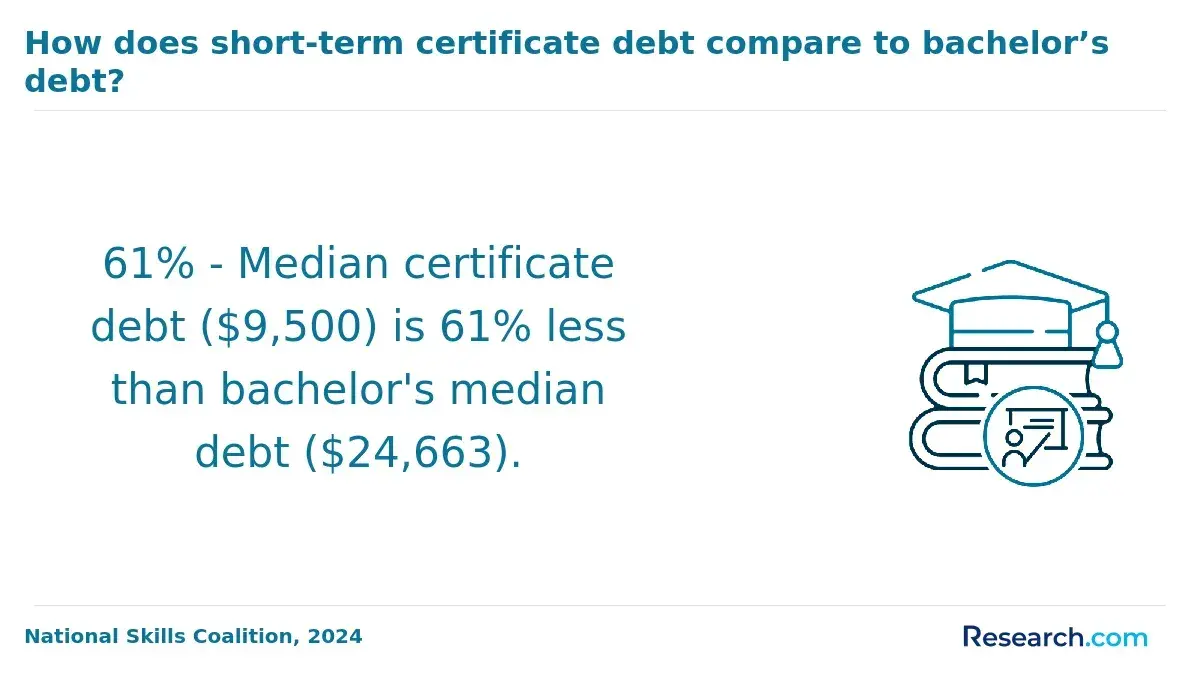
Evaluating the total cost of a two-year early childhood education degree is crucial to determine its return on investment, especially when considering accelerated pathways. These programs often condense traditional coursework, which can lead to different financial commitments compared to standard four-year options.
Below is a breakdown of key cost components that influence the overall expenses.
- Tuition structure: Accelerated early childhood education tuition fees often differ by program, with some charging per credit hour while others use flat-rate tuition. This pricing approach impacts costs depending on how many courses a student takes each term and the speed of completion.
- Fees: Beyond tuition, students typically encounter registration fees, technology fees, and other institutional charges that vary by program and can add significantly to total expenses.
- Textbooks and learning materials: Necessary coursebooks, digital resources, and supplies contribute to costs. These expenses might rise if specialized content or updated editions are required for coursework.
- Technology or lab costs: Certain programs require specific software or access to online platforms, and some may include lab fees tied to practicum experiences, adding to the budget.
- Accelerated pacing impacts: While shortening degree completion time-often by up to half compared to traditional programs-accelerated pacing may require continuous enrollment without breaks. This can lead to higher short-term financial outlays as semesters overlap or run back-to-back.
Prospective students weighing their options might also explore a low cost medical coding and billing online program as an alternative path with distinct cost and time benefits in healthcare education fields.
Can You Get Financial Aid for 2-Year Early Childhood Education Programs?
Cost is a crucial factor for many considering a 2-year accelerated early childhood education degree. Access to financial aid can make these fast-paced programs more affordable and feasible.
Below is an overview of the types of aid available and some unique considerations for accelerated formats.
- Federal student aid eligibility: Pell Grants and Direct Loans remain options if the college is accredited and participates in Title IV funding. However, the shorter duration of accelerated courses can affect when aid is disbursed and require early communication with financial aid offices to align awards with the condensed schedule.
- Scholarships and grants: Numerous nonprofit groups, state agencies, and professional bodies offer targeted scholarships or grants for early childhood education students. These funds often do not require repayment and can significantly lower total expenses.
- Employer tuition assistance: Working students may qualify for partial or full reimbursement for tuition costs through their employer's education benefits. This can supplement or reduce reliance on loans.
- Flexible payment options: Many institutions provide payment plans that help spread tuition over several months, easing upfront financial burdens without accruing debt.
- Accelerated pacing impact: Shortened program timelines often mean altered eligibility periods or maximum aid amounts. Students should proactively consult school financial aid advisors early to clarify how acceleration affects their individual aid package.
When I spoke with a professional who recently completed an accelerated bachelor's degree in early childhood education over two years, she described the mixed emotions and challenges she faced managing financial aid.
She recalled how navigating the compressed timeline meant submitting paperwork earlier than traditional students and frequently checking in with the financial aid office to ensure her grants and loans remained on track.
Despite the intense pace, she found that the combination of federal aid and targeted scholarships made completing her degree possible without overwhelming debt.
"It was a juggling act," she reflected, "but knowing that help was there made me confident to keep pushing forward."
Her experience underscores that, while financial aid for accelerated programs can be complex, it is indeed accessible and can support timely degree completion.
What Jobs Can You Get With a 2-Year Early Childhood Education Degree?
Knowing the career outcomes associated with an accelerated early childhood education bachelor's degree is essential for prospective students. It helps evaluate whether the time commitment aligns with their professional goals and financial expectations.
Exploring common jobs and growth pathways reveals how this degree can support workforce entry and long-term advancement.
- Preschool Teacher Assistant: Graduates often start as preschool teacher assistants, supporting lead teachers in implementing lesson plans and maintaining a safe classroom environment for young children. This role provides practical experience directly related to child development and educational methods.
- Childcare Worker: Working as childcare workers, individuals care for children from birth through early elementary ages in various settings, including daycare centers and private homes. The accelerated degree equips students with skills in child supervision and basic developmental monitoring essential for these positions.
- Teacher Aide: Teacher aides help lead educators by preparing instructional materials and assisting with classroom management. This early childhood education degree trains graduates to engage with children effectively and support curriculum delivery in a way that enhances learning outcomes.
- Early Learning Center Assistant: Many graduates find roles in early learning centers, contributing to program implementation and fostering family engagement. The career opportunities with accelerated early childhood education expand as graduates gain hands-on skills that meet immediate workforce needs.
- Further Professional Advancement: Besides entry-level jobs, the degree prepares students for career growth by enabling them to earn certifications such as the Child Development Associate (CDA) credential or transfer credits into bachelor's degree programs. These options open doors to positions like lead teacher or childcare program director.
The streamlined curriculum supports rapid workforce readiness by emphasizing applied skills in child development theories and family engagement strategies. Students interested in extended education paths benefit from smoother transitions into advanced programs.
For those comparing options, exploring cheapest ADN online programs can provide additional insight into affordable accelerated degree formats.
How Do Salaries Compare for 2-year Early Childhood Education Degree vs. Traditional Bachelor's Degrees?
Salary outcomes are a critical factor when evaluating the return on investment (ROI) of accelerated versus traditional degree paths in early childhood education. Understanding how earnings differ between a 2-year degree and a bachelor's degree can help prospective students make informed decisions.
Below is a detailed comparison of salary prospects tied to each educational route.
- Early-career earnings: Graduates with a 2-year early childhood education degree typically start with salaries ranging from $25,000 to $35,000 annually. In comparison, those holding a bachelor's degree in education often begin their careers earning between $35,000 and $45,000 per year, reflecting the higher credential level.
- Long-term earning potential: Median salaries tend to plateau around $35,000 for 2-year degree holders, while those with a bachelor's degree can reach $50,000 or more annually as they advance in their careers and take on greater responsibilities.
- Employer perception and career progression: Employers often view bachelor's degrees as a signal of more comprehensive training and readiness for leadership roles. This perception can influence promotions, resulting in faster career progression for bachelor's degree holders compared to those with an associate degree.
- Faster workforce entry: Completing a 2-year early childhood education degree permits entry into the workforce approximately two years earlier than traditional 4-year programs. This can increase total lifetime earnings for some graduates by allowing them to accumulate income and experience sooner.
- Licensure and state employment opportunities: In certain states or roles, a 2-year degree qualifies graduates for licensure or employment, which can impact salary outcomes. These factors make the 2-year early childhood education degree salary comparison a key consideration for many prospective students.
The trade-off between quicker workforce entry and higher salary ceilings often influences the decision to pursue an accelerated bachelor's in early childhood education.
For those weighing their options, exploring the cheapest DNP programs online is a reminder that affordable pathways in higher education can also affect overall ROI.
Which Factors Most Affect ROI for Accelerated Early Childhood Education Degrees?
Assessing the return on investment (ROI) for accelerated early childhood education degrees is essential for students who want to ensure their time and money lead to meaningful career and financial benefits.
Below is an overview of the primary elements that impact the value of accelerated programs.
- Time-to-completion: Accelerated degrees typically allow students to finish in about half the time of traditional programs, often within two years. This faster completion saves on tuition and living costs and lets graduates enter the workforce sooner, increasing their earning potential over time.
- Tuition and total cost: While per-credit fees in accelerated programs may be comparable or slightly higher, the overall expense tends to be lower because of the shorter duration. Students should also factor in additional costs like materials and administrative fees linked to more intensive course schedules.
- Opportunity cost savings: Earning a degree faster reduces the years spent without a full professional salary. Median wages for those with a bachelor's in education surpass those with only an associate degree by 20-30%, making quicker workforce entry financially significant.
- Employment outcomes and salary growth: The field of early childhood education is projected to grow steadily, supporting stable job prospects. Graduates from accelerated programs who meet certification and skill requirements are often better positioned to secure higher-paying roles sooner.
- Industry demand: An 8% employment growth forecast from 2022 to 2032 demonstrates ongoing need for qualified early childhood educators. This sustained demand can enhance job security and career advancement opportunities.
- Transferability of skills: Accelerated programs emphasize practical teaching strategies and administrative competencies that apply across diverse educational environments. This flexibility can improve career mobility within early childhood education and related fields.
How Do You Decide If a 2-year Early Childhood Education Degree Is Right for You?
Choosing a 2-year early childhood education degree depends on several personal, academic, and professional factors. Reflect on your preferred learning style and whether you can keep up with the faster pace of an accelerated program, which typically shortens the timeline compared to traditional four-year degrees.
Consider if you have enough time to dedicate weekly to intense study and rapid content absorption. Assess how quickly you want to start working in the field, as this option can speed up your entry into early childhood education jobs. Your ability to handle a demanding schedule without compromising your wellbeing is also essential.
From a practical perspective, evaluate tuition costs against potential earnings and long-term financial goals. Preschool teachers with an associate degree earn a median wage near $31,930 annually, while a bachelor's degree might improve salary prospects and job options slightly.
Investigate employer requirements in your area, since some roles may insist on a bachelor's. Also, consider how an accelerated program might affect your flexibility to balance studies with family or work commitments during those two years.
What Graduates Say About Their 2-Year Early Childhood Education Degree
- Klara: "I chose the 2-year accelerated bachelor's degree in early childhood education because I wanted to dive into my career quickly without sacrificing quality. Balancing work and study was challenging, but the structured schedule helped me stay motivated and on track. Now, within months of graduating, I'm confidently leading my own classroom, and the investment-much less than the average cost of a traditional 4-year program-was absolutely worth it."
- Sasha: "The intense pace of the 2-year early childhood education program suited my busy lifestyle perfectly, even though it required a lot of juggling between classes and family time. Reflecting on the experience, I appreciate how the program's demanding schedule sharpened my time management skills. Professionally, it opened doors faster than I expected, proving that accelerated doesn't mean less thorough."
- Meg: "As someone who wanted a practical, career-oriented degree, enrolling in the 2-year early childhood education program was the best decision I made. Although the program was rigorous, I adapted by setting clear priorities and focusing on my long-term goals. Earning this degree quickly meant I was able to secure a teaching position sooner, where I make a meaningful impact every day-all without the heavier tuition fees of longer programs."
Other Things You Should Know About Early Childhood Education Degrees
An accelerated bachelor's degree typically allows students to complete their education faster than traditional programs. This means students can enter the workforce sooner, often reducing the overall cost of education and increasing their potential lifetime earnings. However, the intensive nature requires significant time management skills.
Accelerated programs often require a more intense study schedule, leaving less time for work or personal activities, which can be a hidden time cost. Additional expenses may include technology fees, textbooks, and clinical or practicum placements that are unpaid but mandatory.
Prospective students should consider these commitments when evaluating program ROI.
References
- The 30 Most Affordable Online Bachelor's in Early Childhood Education https://www.greatvaluecolleges.net/affordable/online-early-childhood-education-degree-programs/
- Early Years Accelerated - University of Wollongong – UOW https://www.uow.edu.au/study/education/early-years-accelerated/
- Early Childhood Care and Education programme (ECCE) https://www.citizensinformation.ie/en/education/pre-school-education-and-childcare/early-childhood-care-and-education-scheme/
- Early Childhood Education https://saskpolytech.ca/programs-and-courses/programs/Early-Childhood-Education-Diploma.aspx
- Early Childhood: High Return on Investment - Center for High Impact Philanthropy https://www.impact.upenn.edu/early-childhood-toolkit/why-invest/what-is-the-return-on-investment/
- Early Childhood Education Degrees: The Differences Explained https://www.pacificoaks.edu/voices/education/early-childhood-education-degrees-differences-explained/
- Become a Teacher Debt-Free With a 2-Year Degree https://www.athenacareers.edu/how-a-2-year-degree-can-help-you-become-a-teacher-without-going-into-debt/


