
2027 Do Employers Pay for Cybersecurity Degrees: Tuition Reimbursement and Sponsorship Options

Co-Founder and Chief Data Scientist
Many working professionals hesitate to pursue a cybersecurity degree due to its high upfront cost, often exceeding $30, 000 for undergraduate programs. With average student debt around $37, 000 nationwide, financing education becomes a significant barrier. Employers may offer tuition reimbursement or sponsorship to ease this burden, but eligibility and coverage vary widely. Understanding these options can make earning a cybersecurity degree more affordable and accessible. This article examines common employer tuition support programs, outlines typical reimbursement limits, and highlights how prospective students can leverage these benefits to reduce or eliminate education expenses in the cybersecurity field.
Key Benefits of Employers Paying for Cybersecurity Degrees
- Employer tuition reimbursement can reduce the average $60,000 cybersecurity degree cost, easing student debt burdens for employees pursuing advanced skills.
- Sponsorship options often include paid time off for study, allowing workers to balance education and professional responsibilities efficiently.
- Companies investing in cybersecurity education see higher employee retention rates, as staff gain updated skills aligned with evolving industry demands.
Do Employers Pay for Cybersecurity Degrees?
Many employers in the United States offer tuition reimbursement or sponsorship programs as part of their employee benefits, though the availability specifically for cybersecurity degrees varies. According to a report by the Society for Human Resource Management, approximately 60% of organizations provide some form of educational assistance to their employees.
Companies often invest in employees pursuing cybersecurity degrees because skilled cybersecurity professionals are essential for protecting sensitive data and maintaining network security. With the rise in cyber threats, businesses see the value in developing talent internally to reduce risks and fill specialized roles efficiently. This makes employer tuition reimbursement for cybersecurity degrees an attractive option to retain and upskill current staff.
The likelihood of employer payment for a cybersecurity degree depends heavily on industry, job role, and workforce demands. Sectors such as finance, healthcare, and technology are more inclined to support education related to cybersecurity due to regulatory requirements and the critical nature of secure operations. Roles directly involved in IT security or risk management tend to have greater access to companies that sponsor cybersecurity degree programs. For students weighing their options, choosing a role or field with strong employer support can improve the return on investment in education.
Those interested in exploring cost-effective pathways may also consider the cheapest online MBA programs, which offer flexibility alongside career advancement.
What Types of Tuition Assistance Do Employers Offer for Cybersecurity Degrees?
Employer-provided tuition support is a crucial factor for professionals pursuing a cybersecurity degree, as it can significantly reduce out-of-pocket expenses and lower financial risks associated with advanced education. These benefits help make specialized training more affordable, improving career prospects in a competitive field.
Common types of employer tuition assistance for cybersecurity degrees include:
- Tuition reimbursement: Employers reimburse employees for a portion or all tuition costs after successfully completing courses, often up to a yearly limit. This type of employer tuition reimbursement for cybersecurity degrees helps manage upfront expenses, allowing learners to focus on their studies.
- Tuition sponsorship: Some companies pay tuition fees directly to educational institutions on behalf of employees before or during their studies, effectively removing the need for employees to cover fees initially. Cybersecurity degree sponsorship programs like these reduce financial stress and accelerate education.
- Education stipends: A fixed annual amount is provided to employees to allocate toward educational programs without requiring reimbursement, offering flexible support for various learning needs within cybersecurity fields.
- Scholarship programs: Certain employers offer internal scholarships explicitly aimed at fields such as cybersecurity, providing targeted financial aid to help cover tuition and other educational expenses.
These tuition support options typically apply to accredited cybersecurity degree and certificate programs, with coverage limits ranging from a few thousand up to several thousand dollars yearly. This type of structured assistance empowers employees to invest in their education confidently.
For those interested in accelerating their studies, programs like 1 year MSW programs online no BSW offer examples of how focused, expedited education pathways can complement employer tuition support.
Who Is Eligible for Employer Tuition Reimbursement for Cybersecurity Degrees?
Employer tuition reimbursement can significantly reduce the cost of pursuing a cybersecurity degree, but eligibility requirements are crucial to consider. These criteria influence when you can start your studies, which programs qualify, and ultimately impact your return on investment.
Careful attention to these factors ensures that the financial benefits are maximized without unexpected delays or penalties.
- Employment status: Usually, full-time employees qualify for tuition assistance, although some employers may extend eligibility to part-time or contract workers, depending on company policy.
- Tenure requirements: Many reimbursement programs require employees to have been with the company for a set minimum period, often between six months and one year, before becoming eligible.
- Job relevance: The degree or coursework funded must typically relate directly to the employee's current role or career objectives within the organization, ensuring alignment with business needs. This is a key factor in determining who qualifies for cybersecurity degree tuition assistance.
- Academic performance: Students often need to maintain a minimum grade or GPA throughout the program to remain eligible for ongoing reimbursement payments.
- Approval processes: Prior authorization from supervisors or human resources departments is common before enrolling, requiring clear communication and documentation.
- Ongoing employment: Some employers mandate continuous employment for a specified period after program completion to avoid the need for repayment.
Planning around these eligibility criteria affects timing and the choice of programs, helping prospective students avoid interruptions. For those exploring supplemental study options, programs like a library science degree online may also offer employer funding opportunities in some cases, complementing cybersecurity studies or career growth paths.
How Do Employer Tuition Reimbursement Programs Work for Cybersecurity Degrees?
For employees pursuing a cybersecurity degree while working, understanding employer tuition reimbursement can significantly reduce education costs and boost career growth. These programs provide financial aid but come with specific requirements and procedures that influence eligibility and reimbursement amounts.
Here's a detailed look at how these programs generally operate.
- Approval process: Before enrolling, employees must request and obtain approval from their employer. The course or program usually needs to align with cybersecurity or job-related skills to qualify.
- Payment and reimbursement timing: Employees pay for their courses upfront and submit proof of payment to get reimbursed. The reimbursement often occurs after course completion and submitting the required documents.
- Documentation requirements: To receive reimbursement, employees must provide payment receipts and official academic records. These documents verify successful course completion and help confirm eligibility.
- Reimbursement limits: Employers often set annual or per-course financial caps on reimbursements. These limits may not include all expenses such as fees or textbooks, so clarifying the coverage in advance is essential.
- Academic performance expectations: A minimum grade, commonly a "B" or equivalent, is frequently required to qualify for reimbursement. This policy ensures the investment supports genuine academic achievement.
Are Online Cybersecurity Degrees Eligible for Company Sponsorship?
Many employers have grown more receptive to sponsoring online cybersecurity degrees, reflecting a shifting perception of online education quality and legitimacy. Initial doubts about the rigor of remote programs have lessened as accreditation standards rise and more respected institutions offer these degrees. Surveys suggest that approximately 64% of hiring managers now regard online degrees from accredited schools as comparable to traditional qualifications, though acceptance can vary across industries and job functions.
Tuition reimbursement remains a popular method for companies to support continued education, encouraging workforce development without disrupting work commitments.
When deciding whether to sponsor an online cybersecurity program, employers typically assess several criteria. Accreditation is crucial, as it validates that the program meets established academic quality benchmarks. The curriculum must be relevant to the employee's current or prospective responsibilities, ensuring practical benefits for both worker and company. Employers also weigh the rigor of the coursework, including opportunities for certifications and skills development that align with their cybersecurity objectives. Ultimately, the program should support broader organizational goals and enhance in-house expertise.
How Much Tuition Reimbursement Can You Get for Cybersecurity Degrees?
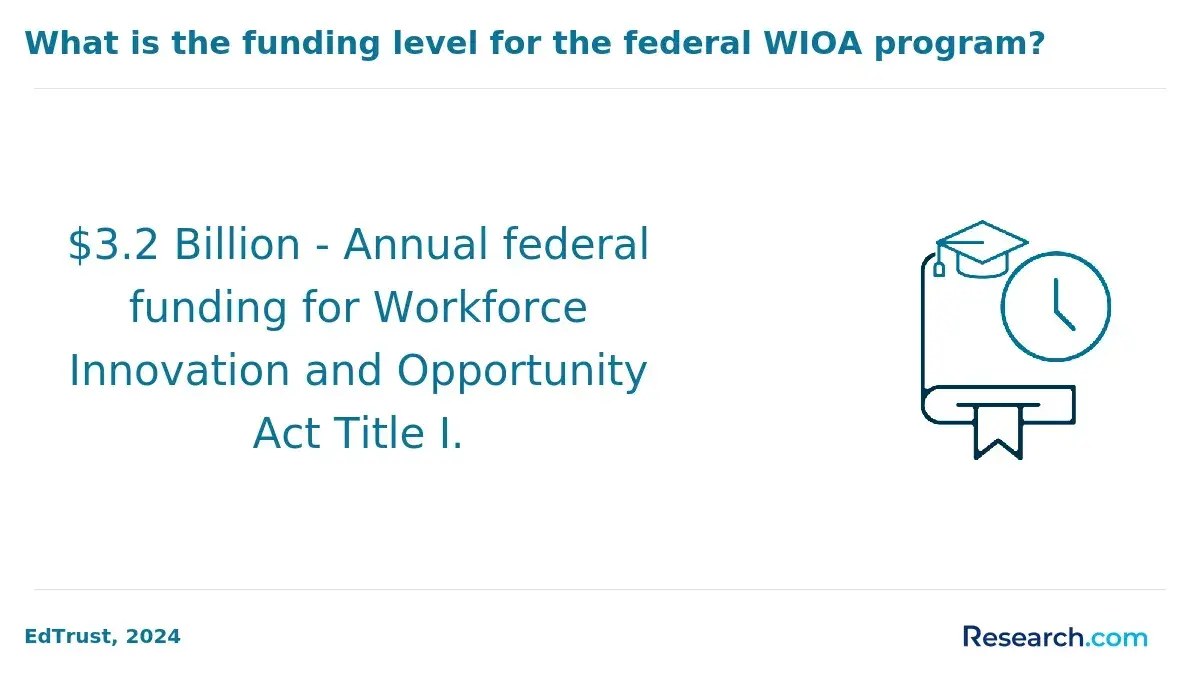
Tuition reimbursement limits play a crucial role in assessing the affordability and return on investment (ROI) of a cybersecurity degree while working. Many employees rely on these benefits to offset education costs, but caps can restrict total aid. For example, a 2023 report by the National Center for Education Statistics found that roughly 35% of U.S. employers offer tuition assistance, highlighting its growing but selective availability. Knowing these restrictions helps students plan realistically for financing their education.
Typically, annual tuition reimbursement caps range between $5,000 and $10,000, while lifetime limits, when set, often fall between $25,000 and $50,000. These amounts differ depending on factors like industry sector, company size, and how relevant the degree is to the employee's role. Technology and finance industries, as well as larger organizations, tend to provide higher reimbursements. Additionally, federal tax regulations allow up to $5,250 per year in employer-sponsored education benefits to be excluded from taxable income, which impacts how reimbursement programs are structured.
Are There Penalties for Leaving an Employer-Sponsored Cybersecurity Program Early?
Knowing the financial consequences of leaving an employer-sponsored cybersecurity degree program early is crucial for employees weighing their education options. Nearly half of such programs enforce repayment rules if participants fail to finish, making it vital to understand these commitments before enrolling.
Below are common penalties associated with early withdrawal.
- Tuition repayment obligations: Employees who exit before completing the program often must reimburse all or part of the tuition previously covered by their employer. This obligation helps companies protect their training investments.
- Prorated repayment schedules: Repayment amounts are frequently adjusted based on how much of the program was completed. For instance, finishing 70% of the degree may reduce the reimbursement owed proportionately.
- Early termination clauses: Contracts usually include stipulations about minimum employment periods following degree completion. Leaving before the agreed timeframe can trigger repayment or other penalties.
- Impact on future benefits: Exiting early may disqualify employees from receiving further educational assistance or related incentives offered by the employer.
Can Employer-Paid Cybersecurity Degrees Improve Long-Term Earning Potential?
Evaluating the impact of employer-sponsored education on career earnings is crucial for working professionals considering a cybersecurity degree. Employer-paid cybersecurity degrees can significantly affect long-term earning potential by lowering financial barriers and providing faster access to advanced qualifications.
According to the U.S. Bureau of Labor Statistics, cybersecurity roles supported by specialized education often achieve salary increases ranging from 15% to 30% compared to entry-level positions.
Several key factors contribute to these benefits:
- Increased Promotion Opportunities: Employees with employer-funded cybersecurity education demonstrate enhanced skills and commitment, making them more competitive candidates for promotions within their organizations.
- Faster Career Progression: Sponsorship programs often accelerate career growth by signaling expertise and dedication, which are highly valued in tackling complex security challenges.
- Access to Higher-Paying Roles: Advanced degrees supported by employers open doors to specialized technical positions and leadership roles that offer substantially better compensation.
- Enhanced Skills and Qualifications: Financial support from employers allows students to focus on acquiring cutting-edge knowledge without the burden of debt, increasing their value in the job market.
- Return on Investment (ROI): Beyond tuition savings, employer-paid cybersecurity degrees contribute to sustained higher earnings and job stability, reflecting positively on an employee's adaptability and long-term value.
These aspects illustrate how employer-paid cybersecurity degrees salary growth aligns with long term earning potential with employer funded cybersecurity education. For prospective students and working professionals seeking career advancement, understanding these advantages is essential.
The value of degrees that pay well is clear in this context, and more details can be explored by reviewing degrees that pay well.
How Do You Ask Your Employer to Pay for a Cybersecurity Degree?
Proactively communicating with your employer and preparing thoroughly are key steps when requesting tuition reimbursement for a cybersecurity degree. With nearly 56% of employers offering some tuition assistance, demonstrating clear benefits to your role can improve your chances of sponsorship.
Reviewing company policies and aligning your goals with business needs sets the stage for a successful request.
- Research company tuition assistance policies: Identify your employer's specific guidelines and budget for education support. This understanding ensures your request is appropriately tailored and shows initiative.
- Prepare a business case: Link your cybersecurity studies to how they will enhance your job performance or enable career growth. Highlighting these connections makes your request more compelling, as seen in the steps to get employer sponsorship for cybersecurity education.
- Schedule a formal meeting: Arrange a dedicated time with your manager or HR representative to present your plan rather than addressing it casually. This approach shows professionalism and respect for their time.
- Demonstrate program relevance: Provide detailed documentation, such as program outlines and cost estimates, to illustrate how the degree directly supports your current job responsibilities or future roles within the company.
- Follow up with documentation: Send a summary email after the meeting, including any additional materials that reinforce your case. Consistent follow-up keeps your request top of mind and demonstrates commitment.
For those exploring affordable options to pursue cybersecurity education, consider researching affordable online colleges that accept FAFSA, which can help reduce the overall financial burden while seeking employer tuition reimbursement for a cybersecurity degree.
What To Do If Your Employer Doesn't Pay for a Cybersecurity Degree?
Funding a cybersecurity degree without employer support can be challenging, making it crucial to explore other financial resources to manage costs effectively. With over 60% of students depending on alternative aid, knowing your options can greatly ease the financial burden and keep your educational goals on track.
- Apply for federal and state aid: Completing the Free Application for Federal Student Aid (FAFSA) is the first step to access grants, subsidized loans, and work-study programs that help lower out-of-pocket expenses.
- Seek scholarships and grants: Many organizations offer funding specifically for cybersecurity students, which can reduce or eliminate the need for borrowing money.
- Use personal savings or loans wisely: While savings and loans remain common funding sources, it's important to plan responsibly to avoid excessive debt that could impact your financial future.
- Explore income-share agreements: These innovative contracts allow you to pay for your education through a percentage of future income, delaying upfront tuition costs and aligning repayment with your earning potential.
- Consider part-time or online programs: Enrolling in flexible formats enables students to work while studying, spreading tuition over time and decreasing immediate financial pressure.
What Graduates Say About Employers Paying for Their Cybersecurity Degrees
- Russell: "Enrolling in the cybersecurity degree program was initially daunting due to the average cost of attendance being quite high. However, my employer's tuition assistance covered the majority of the fees, which made it financially feasible and allowed me to focus on mastering the skills. This employer-sponsored degree has significantly boosted my confidence and opened doors to advanced roles in my company. "
- Niven: "The cost of a cybersecurity degree can be intimidating, often reaching tens of thousands of dollars, so I felt fortunate that my employer offered full sponsorship. Reflecting on the journey, this support not only eased my financial burden but also motivated me to excel academically. Today, my employer-backed degree is a key asset that has elevated my career trajectory and professional credibility. "
- Bryxen: "Before starting the cybersecurity degree program, I was concerned about how to afford such a specialized education, given the substantial tuition rates. Thankfully, my employer's tuition assistance made it manageable, turning what seemed like a distant goal into reality. Having this degree sponsored by my company has made a tangible difference in my professional growth and has enhanced my role within the cybersecurity field."
Other Things You Should Know About Cybersecurity Degrees
In 2027, many employers offer tuition reimbursement for cybersecurity degrees. Employees should verify eligibility requirements and funding caps. It's also important to confirm if the degree program meets company needs and to understand any service obligations tied to reimbursement.
Many employers include retention clauses in their degree sponsorship agreements, requiring employees to stay with the company for a period after completing the degree, often one to two years. This policy helps employers protect their investment in employee education. Leaving earlier may result in repayment obligations for tuition expenses.
In 2027, trends indicate that more employers are distinguishing between scholarships/grants and tuition reimbursement. Scholarships and grants are often offered up-front and may not require repayment, while tuition reimbursement usually necessitates course completion and sometimes continued employment with the company.
In 2027, many employers are offering flexible tuition reimbursement plans and partnerships with educational institutions to facilitate cybersecurity degrees. They focus on aligning programs with current job requirements, providing direct sponsorships, and sometimes offering resources like mentorship to enhance learning outcomes.
References
- NIS2 fines https://nis2directive.eu/nis2-fines/
- Companies That Pay for Your Degree | ComputerScience.org https://www.computerscience.org/resources/companies-that-pay-for-college/
- 5 Best Online Cybersecurity Certificates | CyberDegrees.org https://www.cyberdegrees.org/listings/best-online-cyber-security-certificate-programs/
- Using Employer Education Benefits at SANS.edu https://www.sans.edu/employer-education-benefits/
- 8 Tuition Reimbursement Questions to Ask Your Employer https://www.uagrantham.edu/blog/8-tuition-reimbursement-questions-to-ask-your-employer/
- What Certifications Boost Cybersecurity Salaries? Get Paid More With the Right Skills https://www.refontelearning.com/blog/what-certifications-boost-cybersecurity-salaries-get-paid-more-with-the-right-skills
- EdAssist | How Employers Can Maximize the ROI of Education Benefits with Degree and Non-Degree Programs https://www.brighthorizons.com/article/employers/how-employers-can-maximize-the-roi-of-education-benefits-with-degree-and-non-degree-programs
- Employee Tuition Reimbursement: What Is It and How Does It Work? https://bootcamp.csuohio.edu/blog/employee-tuition-reimbursement
- NIS2: Fines and Other Consequences You May Face for Violating It | Syteca https://www.syteca.com/en/blog/true-cost-of-nis2-non-compliance
- Most Affordable Online Cybersecurity Degrees - 2025 Guide https://www.mastersinai.org/degrees/affordable-online-cybersecurity-degrees/


